
Translated material
Festival without a face
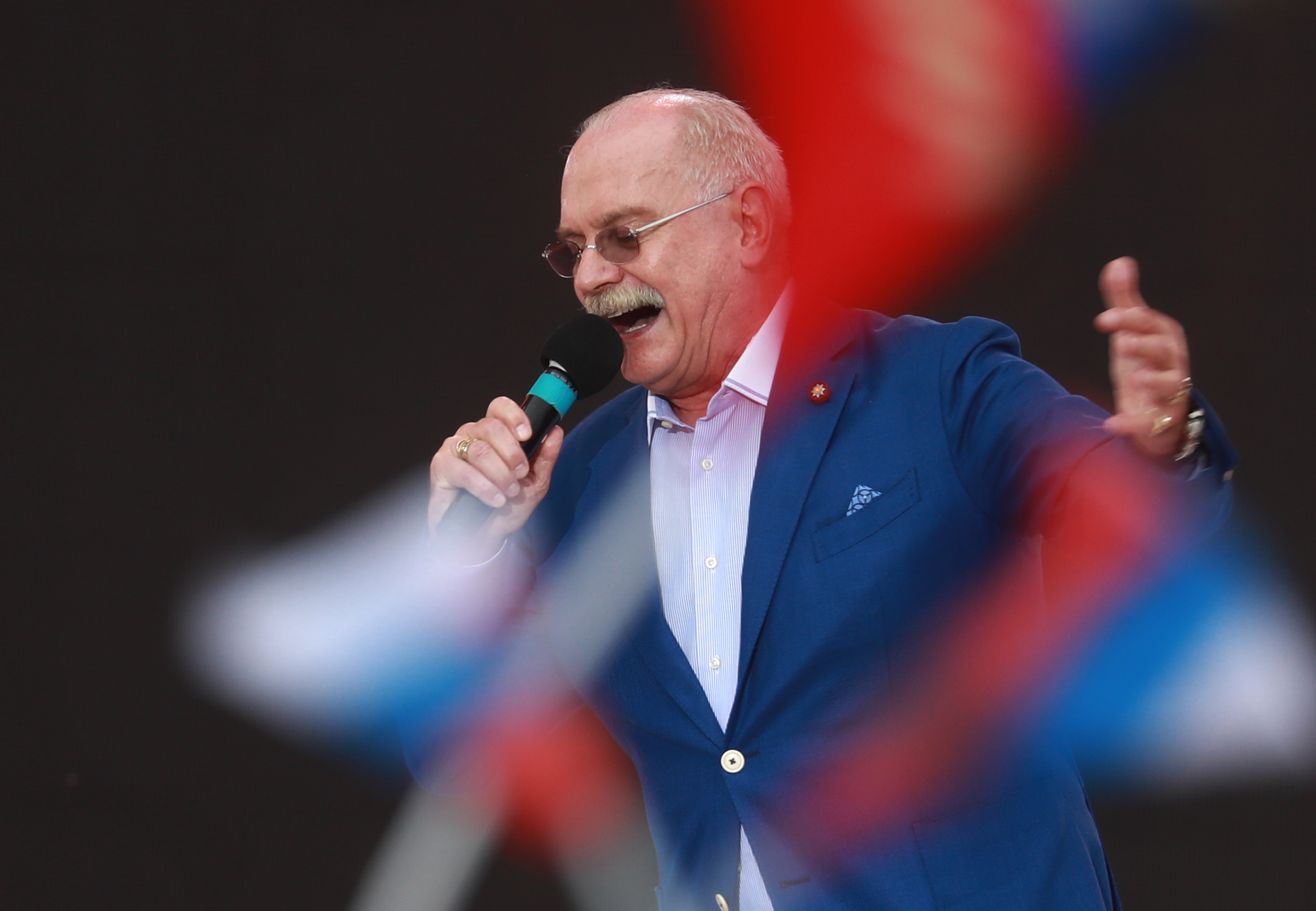
What kind of films will the audience see at the Moscow International Film Festival and what is the likelihood that Russia will win it? Cinemics are discussed by Ekaterina Barabash and Nikita Kartsev. Presenter Elena Rykovtseva
Elena Rykovtseva: The event takes place at these minutes on the red carpet near the Russia cinema. In the center of Moscow, the Moscow Film Festival is opening. It opens in absolutely extreme conditions. My colleague just returned from there, tells how these stars mark the pavement with their long dresses, go according to this terrible repair, try to rearrange their heels between disassembled, bombed tiles. The sight, he says, is completely breathtaking. These stars spent exactly through what hundreds of Muscovites pass every day through. I represent the guests of our program: with us Nikita Kartsev, film critic, once worked in MK and Ekaterina Barabash with us. Catherine we have a star all the last day practically, the entire Russian Internet, Ukrainian Internet knows about her, all publications are full of details of Catherine’s departure, film critic from Interfax agency for ideological reasons. A very interesting turn of events - the film critic goes for ideological reasons. The main reason, as I understand her, is that Catherine does not think, that Minister Medinsky adequately represents Russian culture, works with dignity in this field. And the agency cannot have any thoughts about ministers that do not correspond to the information agenda, and the information agenda is to just tell how it works and evaluate how it works.
Ekaterina Barabash: Something like this. I think this be a separate topic of our conversation somehow.
Elena Rykovtseva: Today we are not discussing this topic, we state, you agreed with everything that I said.
Ekaterina Barabash: Yes, of course. I - yes, but I think not all.
Elena Rykovtseva: How important is it in this political agenda today so that the Russian film wins the Moscow Film Festival? Nikita, do you think this is fundamentally?
Nikita Kartsev: This is not very fundamental, in my opinion. More than once this has already happened, strongly on a political agenda, nor the Russian cinema did not affect and did not depend. There are some reflection of the situation in the world in the program of this Moscow film festival of the 38th, not so much in the main program as in parallel. For example, there is a documentary in the Dutch movie program dedicated to the crash of the MN-17 side made by the Dutch side. In the program, some parallel is a film dedicated to Sergey Magnitsky, and on the contrary it was made by the forces of Russian directors.
Elena Rykovtseva: From a prosperous position.
Nikita Kartsev: I don’t know about the prosperous position, I have not seen him, but the description of the synopsis of this film posted on the site contains the viewer’s involvement in the fact that during the investigation it was possible to refute some facts that are currently considered generally accepted in the West. Plus there is a film about the hard life of refugees from North Korea. That is, there are some gleams of our life as they could. It seems to me that for the Moscow Film Festival, for those people who do this, they collect these films with pens, the most noble thoughts are behind them. What opportunities are there, they use, in my opinion. In principle, as this event called the Moscow Film Festival reflects the picture of the world in an international context or a picture of the world within our Russian Federation - this can be argued.
Elena Rykovtseva: See how important the angle of view is. One of my colleague, who watched the film about Magnitsky, unlike you and me, the Nekrasov film, considers him vile. The first thing he said about the festival: Ah, the same festival began, in which they will demonstrate a vile film about Magnitsky. For him, this festival will be crossed out by the very fact of the show of this film. Although you say, he is somehow balanced by Dutch, I don’t know what the Dutch took off about Boeing, because the Dutch are also very different.
Nikita Kartsev: This is just the film in an elegic manner made, does not put any accents at all. This is the story of several families.
Ekaterina Barabash: I want to clarify that this is a Dutch-Ukrainian film. Most likely, the accents are approximately clear to us.
Elena Rykovtseva: As you can see, today is such a task for a Russian film to win or is it not necessary?
Ekaterina Barabash: I think that such a task is not worth it. Moreover, I think, everyone understands, including the organizers, the organizers of the festival, that this will not affect anything, nor the fate of the film, nor the fate of the festival, nor in the place of Russian cinema in the International Film Process. Because, no matter how sad it is to be recognized, maybe Nikita will remember the winners of the Moscow festival over the past few years or some open names except Ryan Gosling several years ago.
Elena Rykovtseva: I'm not by names, but simply by countries. I remember very well how at some point they paid attention, it was Russian films that began to win indecent. Two Russian films, then some break, then still Russian, through one again Russian. For six in a row, for six years, Russian films won the festival and spoke that it was not very good, that they would not ride, they would not offer. Then followed such a pause of the year in four without Russian films.
Ekaterina Barabash: At the same time, we are very fond of scolding the Cannes festival for having a quota for French cinema. There really were a lot of them this year. As for Magnitsky, I honestly tell you, I haven’t seen him, I don’t know what reasons the organizers took this film, I think, rather, just to talk about the festival. Say anything, just do not be silent. A scandalous film, we know what a scandalous reaction in the West was when they did not want to show this film. I think this is solely because of PR.
Nikita Kartsev: This is not bad.
Elena Rykovtseva: At the Festival of Vitaly Mansky "Artdokfest" there were magnificent films, there was an amazing winner whom I miraculously watched. No one talked about these films, about this winner, everyone talked about the film of Navalny's "Seagull", which it seems to me that it was also taken to draw attention to the festival, and this number worked.
Nikita Kartsev: Vitaly is also a master not only in his business, but also in PR.
Elena Rykovtseva: It is curious that if it is really so that if these films are selected to attract attention, these are festivals with a different sign, not the festivals themselves, but the individuals, managers, Manky and Mikhalkov, if they really use both films to attract attention, then these are two very different films, and also with very different signs.
Nikita Kartsev: There is still such a detail that consists in the fact that if Vitaly is responsible for everything at his festival, then Nikita Sergeyevich is such a general. I do not presume to judge whether this idea occurred to him. Perhaps he liked this idea if it was conveyed to him. This is just one of the features, advantages and problems of the Moscow Film Festival that this is such a huge machine completely clumsy, which is very difficult to find a structural thought, some thread connecting all these disparate programs. You can find the mass for yourself interesting. You can not go to Cannes for several years in a row, now in two programs, the Euphoria, which Plakhov is overseeing, the chairman of the qualifying commission, and the “eight and a half”, which Peter the Shepotinnik oversees, you can all these films that in Berlin, in Cannes, were missed over the past six months, with pleasure to watch at the culture of the look at visitors of the Moscow film festival. On the other hand, this year, as I understand it, as I understand it, to all the main platforms of the Moscow Film Festival, the Pioneer Cinema, Summer, where the enchanting session of the Circus will be shown, it has a anniversary, 1936, with a concert, with an orchestra, everything is as it should. From this year, the Tretyakov Gallery has been connected to this. In principle, everything looks very cool from the outside.
Ekaterina Barabash: By the way, the Moscow Department of Culture has still connected, they will show on their sites too.
Nikita Kartsev: Thought is true and some vector seems to be felt, but as there was no face of the Moscow Film Festival, so it is not. The same can be said about Russian cinema and not only about cinema in Russia.
Elena Rykovtseva: But still the personality of Nikita Mikhalkov himself, what role does the festival play, in the formation of the program, in the invitation of guests? Today I watched the press conference of Vladimir Zhirinovsky, oddly enough, he says: I am generally only nominally listed as a leader, I am the party’s face, I go to a talk show, I speak in front of you from the rostrum, but I am not engaged in the party at all, other people are engaged in it. I am just her window, I don’t play any role there. The very personality of Mikhail Sergeyevich is that she is for the Moscow Film Festival?
Ekaterina Barabash: I think, in this sense, she and Vladimir Volfovich are siblings. I think that Nikita Sergeyevich does not select films, maybe with some rare exception, the whole program is compiled without it, but taking into account some basic preferences. I think that all the stars that we have, if they happen, is all the invitation of Nikita Sergeyevich. Any money for the festival from our state is Nikita Sergeyevich. So he seemed to have agreed with Sobyanin that during the festival they would stop the construction, however, it did not work, apparently.
Nikita Kartsev: Now they will report.
Ekaterina Barabash: Yes.
Nikita Kartsev: Not the first year Nikita Sergeevich has been engaged in the palace of the film festival.
Ekaterina Barabash: The state is me, so we can say.
Elena Rykovtseva: Maslyakova has a palace, but Nikita Sergeyevich does not have - this is an omission.
Nikita Kartsev: I don’t have a Moscow film festival, I don’t know about Nikita Sergeyevich.
Ekaterina Barabash: He personally does not need anything, that you, just asks for his people.
Elena Rykovtseva: Let's see the shots that our operator tried to shoot near the Russia cinema.
(Watch the video)
Elena Rykovtseva: Do you know what is the difference between the opening ceremony of this year and the past? Last year, when I walked in the same way along the street, there were auto -zaks around, but at the same time you could go to the red carpet and greet the stars. Now everything has changed, now there are no auto -zats, everything is very cultural, but at the same time you will not be allowed to cheer for your favorites in any case. I tried to go through the gates, they say to me: only accreditation. But how to pat? There is only a chain of correspondents with cameras, with video and they are weakly applauding them. This is a completely fenced space, people stand, stretch their necks, try to see something. In the program "Time" we will probably see how the stars go along this path, because we did not have accreditation, we could not remove. In Cannes, people stand around, can you pat?
Ekaterina Barabash: There are around the path, there are also photojournalists around the stairs, they stand on their dot on which its number is written.
Elena Rykovtseva: Does the people see?
Ekaterina Barabash: The fact is that when the star gets out of the car, they pass by the public.
Elena Rykovtseva: And in Moscow last year it was the same, I myself approached and saw the path.
Ekaterina Barabash: Then everyone will be cleaned, generally the whole center.
Elena Rykovtseva: So, we dealt with the personality of Nikita Sergeyevich, he is more likely to engage in economics, global projects, like the palace of the festival, and does not affect the agenda at all. And on the composition of the guests? Have you heard something about who will come, how solid is it all? Was the events in Russia reflected in the desire of foreign guests or unwillingness to come?
Ekaterina Barabash: As for this particular year, I honestly can not say.
Elena Rykovtseva: Natalya Oreiro Film brought to herself.
Nikita Kartsev: It is called very touching - "Our Natasha". The program, by the way, is "Russian trace". The fact is that I, as a person who has practically grown on the series with Natalia Oreiro, should stand there in the forefront, and not discuss here. But there’s still not to fit there, so let's see the Time program.
Ekaterina Barabash: In the past and the year before last, there were some difficulties due to sanctions. This year, I don’t know if there were difficulties or not, but there are no stars.
Nikita Kartsev: I think that the sanctions were a well -used reason to take advantage of the lack of a large number of stars. There, every year, a maximum of one arrives, or this competently coincides with the premiere of the Hollywood blockbuster. Five years ago, there were "transformers", it was normal there with a set of guests. This year they will show “ghostbrand hunters”, but for some reason not at the opening, at the opening of “Ke-Dy” Sergey Solovyov.
Elena Rykovtseva: I would like you to comment on the composition of the jury of the Moscow Film Festival that you say about these people, how representative they are.
Ekaterina Barabash: I honestly could not know from the organizers why they came up with this principle when the winner of last year’s festival is headed by the jury this year. Now the Bulgarian director Ivylo Christ, who last year left with a golden statuette, was healed this year. I will honestly tell you, let me scold me, I think this is not from a good life. It is one thing if you have the opportunity to invite Brad Pitt and so on, and another thing when you say: we don’t need them, we have a different concept, we have Ivilo Christ, the last winner.
Elena Rykovtseva: Nothing that is not too well known.
Nikita Kartsev: Maybe this is for the better. In Cannes, who for a year in a row take very famous people to the chairmen of the jury, and then everyone has gone from the one to whom they give the main prize.
Ekaterina Barabash: But how much noise.
Elena Rykovtseva: The second member of the jury, a huge number of words are written there. You know?
Ekaterina Barabash: Ulrika Excoings is a really famous actress, let’s say, known in narrow circles.
Elena Rykovtseva: I realized the number of text in the number of text in narrow circles. The more text about a person, the greater the feeling that they try to describe more, so that there is no doubt that something is wrong.
Ekaterina Barabash: A retrospective is arranged under her.
Elena Rykovtseva: Some of you saw her films?
Nikita Kartsev: I have not seen a young man as a young man.
Elena Rykovtseva: You are a very famous experienced film critic, so your age is not counted. Then the Indian cinema is going on - this is the only thing I can understand in this whole story is the Kapou dynasty.
Ekaterina Barabash: And then this is the son of the famous Raj Kapur.
Nikita Kartsev: The fact is that one of the most resonant films of the Russians last year "Homeland" is also an Indian cinema in its kind. And another resonant film "The Best Day" of Kryzhovnikov ends in fact Indian dance.
Ekaterina Barabash: That is, this is also a concept?
Nikita Kartsev: Absolutely in the spirit of time.
Elena Rykovtseva: Fourth - Victoria Isakova, Russian actress, fifth Rashid Nugmanov, director. I also read the text for a long time and tried to understand what he shot after the film "The needle". Nothing. He tried to make remix, remix of great success, as I understand it, had no. Five years have passed after Remix and now they write to us that this is a brilliant organizer.
Ekaterina Barabash: Victoria Isakova is a good actress.
Elena Rykovtseva: Does she evaluate films well?
Ekaterina Barabash: I don't know. She, in my opinion, was somewhere in the jury.
Nikita Kartsev: Judging by the filmography, there is a taste.
Elena Rykovtseva: Something you say in general: yes, this is a strong composition of the jury that can ... say something about him.
Nikita Kartsev: I think that this is a completely representative composition of the jury for the Moscow Film Festival and the place in the hierarchy of the film festivals that he occupies. Personally, I would have dreamed that all these show -offs fly away, so that this is the international festival of class A so that we, in this sense, are a little dull and make a high -quality audience film festival, in which there were more such programs about, they would be more justified.
Ekaterina Barabash: They are already enough, they must be structured a little.
Nikita Kartsev: To conjure all the good, and knock all the show -offs, then a pretty, interesting activity will be quite a pretty.
Elena Rykovtseva: What do you call show?
Nikita Kartsev: The concept of class A festival in 2016, for which the president of the festival Nikita Mikhalkov, is very held, is very archaic. Somehow it would be more important to turn to face the viewer, and not to the brothers.
Elena Rykovtseva: lower the class of the festival? You contrast the class and what?
Nikita Kartsev: In accordance with the regulations, it requires the implementation of some procedures that is quite legal-casuistic. For example, only premieres in competitions are needed. For example, the Beijing Film Festival, at which Nikita Sergeyevich was on the jury a couple of years ago, which impressed him, judging by his reviews, there is no such rule, they can afford to show films that were already declared somewhere, so the program is juicy. Все те фильмы, которые можно искать в параллельных программах, можно было бы показать в главной программе, сфокусировать на них внимание зрителя. Под это дело каких-то людей в жюри покрупнее позвать.
Екатерина Барабаш: Об этом говорят уже столько лет. Как возобновился, как фестиваль стал проходить каждый год, став фестивалем класса А, он же до этого раз в два года проходил, об этом сразу стали говорить, потому что стало понятно, что фестиваль не пользуется тем успехом на мировой арене, чтобы люди, выбирая между Каннами, Венецией, Карловыми Варами и Москвой, чтобы они предпочли, например, Москву при равных прочих условиях. Об этом говорят каждый год. Кроме понтов здесь, конечно, бюджет. Я не знаю, как выбиваются эти деньги, но я понимаю, что Никите Сергеевичу удается всем объяснять, что фестиваль класса А – это круто. Хотя все уже давно знают, что, во-первых, классификации нет. Во-вторых, когда даже была классификация международная, она означала определенные условия.
Елена Рыковцева: Она, конечно, есть, конечно, есть престиж, он не хочет его лишиться, он слишком долго за него боролся. На сайте фестиваля огромными буквами написано "мы фестиваль класса А", такие фестивали только там-то, там-то и там-то. Витрина. Увидели ли вы, может быть, какую-то систему, логику в отборе фильмов именно для этого фестиваля? Есть хоть что-то, свойственное именно Московскому кинофестивалю по части отбора?
Никита Карцев: Они традиционно приглядываются к Восточной Европе и к Азии. Там есть даже специальные отдельные программы, например, в этом году есть программа корейского кино. На конкурсную тоже влияет. Вот, например, смотрите – Ивайло Христов, София, Болгария. Есть тяготение к Восточной Европе, есть некое там влияние. Например, несколько лет назад был чуть ли не из той же Болгарии фильм "Дзифт", который всех порадовал. А еще когда-то очень давно Московский кинофестиваль чуть ли не первый дал приз Асгару Фархади, который потом вырос в большую международную звезду. В принципе подход мог бы сработать, если бы он чуть-чуть более систематизированным был и артикулирован как цель.
Екатерина Барабаш: Эта ниша уже занята Карловыми Варами.
Никита Карцев: С одной стороны, да, но с другой стороны, если попробовать в другую историю поиграть, отталкиваясь от России, ее географического положения, Европу и Азию соединить, потому что есть совершенно азиатские фестивали, есть совершенно европейские. Но это вопрос совершенно не праздный, надо сидеть, придумывать, делать, надо задаться этой задачей. У Московского кинофестиваля есть все ресурсы что-нибудь из себя придумать. Сейчас уже гуляет после питерского экономического форума эта фраза профессора американского про то, что вы хотите молоко без коровы, это фразой воспользовался Василий Уткин, который описывал злоключения сборной по футболу, это можно сказать про Московский кинофестиваль. Это вопрос инфраструктуры, отношения государства, общества к кинематографу, как мы себя в мире позиционируем, чего от этого хотим в мире добиться, дождаться, зачем он нам. У меня нет ответа на вопрос, зачем нам нужен Московский кинофестиваль.
Екатерина Барабаш: При этом Москва, у меня такое ощущение, совершенно не заинтересована в кинофестивале, кроме как событие для галочки, департамент культуры на площадках будет показывать. Оставили все эти траншеи, ямы и так далее, нет рекламы. Это можно было сделать событием. Такой большой и очень интересный город, в котором больше культурных событий, чем в Москве, город Берлин, там на каждом шагу, в метро какие-то ролики крутятся, все заставлено афишами.
Елена Рыковцева: Он ниоткуда начинается и в никуда уходит – это правда.
Никита Карцев: Даже из перечисления партнеров фестиваля очевидно, что это все частные инициативы кинотеатра "Пионер", Третьяковской галереи, еще кого-то, в этом тоже нет глобальной идеи, что, как должно развиваться.
Елена Рыковцева: Потому что в нем не заинтересованы, он не стал своим для города, страны.
Никита Карцев: Зрителям нужно просто кино, для них это возможность посмотреть эти фильмы. Конечно, в этом смысле он свою роль выполняет, но мог бы выполнять, конечно же, куда лучше.
Елена Рыковцева: Катя, а вы что скажете о принципах отбора конкурсного для Московского кинофестиваля? Вас они удовлетворяют, вы считаете, это более-менее крепкая десятка фильмов?
Екатерина Барабаш: Мне кажется, когда речь идет о Московском кинофестивале, вообще про конкурс не надо говорить. Потому что конкурс – это ширма, конкурс – это то, что позволяет фестивалю держаться в том самом классе А. Потому что весь интерес Московского фестиваля вынесен за пределы конкурса. Там действительно работают специалисты, Андрей Плахов, Петр Шепотинник, там очень много сейчас людей, они составляют каждый свою программу, они все, как правило, интересны. Но учитывая, что маленькие залы, просто мало всего, пусть они будут. А конкурс – это даже не витрина, потому что витрина это то, по чему судят, а это то, что нам дает держаться на плаву, держать этот фестиваль класса А.
Елена Рыковцева: То есть вы хотите сказать, если я начну вас спрашивать, на что пойти на Московском кинофестивале, вы мне назовете что угодно, только не конкурсные ленты?
Екатерина Барабаш: Всякое может быть. Я, например, обязательно пойду на фильм Николая Досталя "Монах и бес".
Елена Рыковцева: Не боитесь разочароваться?
Екатерина Барабаш: Нет, не очень.
Никита Карцев: Это на самом деле еще один ответ без всяких теорий заговора, почему русские фильмы так часто побеждают, ровно потому, что какой-никакой, но внутри российского сообщества вес у Московского кинофестиваля есть. Поэтому все эти фильмы, которые выигрывали главные или впечатляющие призы, они за редким исключением стоили внимания. С другой стороны, там бывают парадоксальные вещи вроде приз за режиссуру Гай-Германике, а потом дикие проблемы с прокатом и в итоге насильное переозвучание, убирание всей лексики ненормативной и тому подобное. Это тоже отражение времени, это происходит моментально, в одном и том же пространстве, не параллельном. Главная витрина или ширма российского кино выдвигает действительно очень талантливого автора, и она же задвигает этого автора на задворки проката, вынуждая его к оскоплению собственного творчества.
Екатерина Барабаш: Бывает и наоборот. Пытались задвинуть Миндадзе "Милый Ханс, дорогой Петр".
Никита Карцев: Это вообще выдающийся фильм, один из самых сильных в нашем кино за последние годы.
Екатерина Барабаш: Несмотря на то, что очень отрицательно отнесся министр культуры к этой картине, сказал, что ничего этого не было, Советский Союз не сотрудничал с немцами накануне войны, подверг опале этот фильм, но все-таки его взяли в конкурс. По-моему, он ничего не получил.
Никита Карцев: Разные бывали случаи. С русским кино понятно, что делать, потому что у русского кино есть Кинотавр и Московский кинофестиваль, поэтому тут совершенно нет никакого заговора, что русские побеждают, просто на этом фоне они обеспечивают себе неплохой вид.
Елена Рыковцева: Давайте посмотрим, что отвечали московские прохожие на вопрос: считаете ли вы, что уровень российского кино сопоставим с западным?
Is Russian cinema to West? Poll on the streets of Moscow
Елена Рыковцева: С чем вы согласитесь, с чем не согласитесь из того, что говорят люди?
Екатерина Барабаш: Я очень люблю слушать, как люди на улицах говорят, про российское кино особенно. Жалко, что никто их не спросил, какие фильмы вы видели, что вы с чем сравниваете. Есть устойчивый миф, что в Советском Союзе было великое кино и российское кино наследует советскому кино. Заметьте, что люди более старшего поколения как раз более лояльно оценивают российское кино – это просто по привычке, что если было советское великое кино, то российское тоже.
Никита Карцев: Советское было, просто сейчас нет такого понятия, как российское кино, есть понятие отдельные русские фильмы, удачные или неудачные, снятые в России.
Екатерина Барабаш: То же самое было с советским кино, были отдельные очень хорошие фильмы, их было не так мало. Феномена советского кино не было как такового, в отличие от французского, от "Новой волны".
Никита Карцев: Просто есть вещи, которые потеряли свою актуальность, они совершенно идентифицируются как советское кино с двух кадров. То, что не все из этих наименований представляет сегодня художественную ценность – это да. Но с киноведческой точки зрения можно с двух кадров отличить одной и той же эпохи фильмы советские от не советских. Мне понравился один комментарий, что российское кино находится в становлении, я с ним соглашусь. Мы только что вернулись с Кинотавра, сейчас проходит Московский кинофестиваль и даже при беглом взгляде на программу у меня лично создается впечатление, что российское кино не там сегодня существует. При этом я по долгу службы, по интересу смотрю много короткометражных работ, просто опытов молодых режиссеров, совсем молодых, мне кажется, там оно начинается, и в документальном кино, и в игровом кино. То, что еще пока не уловлено фестивалями, то, что самими режиссерами пока еще не всеми словлено и отрефлексировано, потому что сегодня, на мой взгляд, сама страна, ее исторический отрезок дает впервые за продолжительное количество времени очень богатую пищу для осмысления. Последнее поколение, которое у нас называли "новыми тихими", "новыми русскими", им очень повезло, что они жили в таком затишье, им было очень легко зайти в Министерство культуры и сделать возможным съемку своего фильма, а говорить по большому счету было не о чем. Таланты выросли, сформировались, но после себя очень мало чего оставили. А сегодня, когда дико усложнилась процедура съемок фильмов, у нас открыто объявлено – пусть растут сто цветов, но мы будем поливать те, которые нам нравятся, сама историческая повестка дает возможность художнику мыслить, реагировать, просто быть честным. Если они этот вызов артикулируют, поймут и примут, то все будет нормально. Это что касается авторского кино. А в зрительском потихонечку вступает, хоть все сопротивляются этому, жесткая лапа рынка. Люди после каких-то единичных удач, тот же фильм "Горько!", тот же фильм "Легенда номер 17", тот же фильм "Экипаж", при разном отношении нашем к художественному качеству этих картин, хотя, на мой взгляд, во всех этих случаях выше среднего, что уже хорошо, люди в этой ситуации уже не могут делать хуже, как минимум, и это очень здорово. Все равно будут, несмотря ни на что, поощряться фильмы, существующие не в законах рынка, то есть не в законах зрительского интереса, фильмы, которые будут построены на основе зрителя для того, чтобы в этом опросе люди их называли, они будут дальше появляться. В этом смысле прогресс не остановить.
Екатерина Барабаш: Я как-то по-другому все увидела. Действительно были сейчас на "Кинотавре", я вернулась оттуда достаточно удрученной, в первую очередь как раз от впечатления, от ощущения молодых ребят. Там есть конкурс короткометражного кино, фильмы, которые традиционно делают молодые ребята. Я хочу сказать, что в прошлом, позапрошлом году, пять лет назад я видела гораздо больше желания что-то осмыслять, что-то отрефлексировать. Я не хочу сказать, что новое поколение пришло и не хочет думать, но они каким-то образом, я опять же говорю не о всех, потому что были замечательные фильмы, образцы совершенно другого подхода, но их желание говорить так, чтобы непременно понравиться, их желание говорить о чем угодно, кроме каких-то болезненных тем, их желание непременно подстроиться под телевизионную эстетику, их желание показать то, что, как им кажется, должно быть интересно молодежи. Это бесконечный гламур, бесконечные двухэтажные квартиры, девушки на таких каблуках со стразами, непременно Москва-Сити, из 24, по-моему, конкурсных фильмов 20 снято в Москве, обязательно Москва-Сити.
Никита Карцев: И еще одна особенность, она связана с технологической подробностью, что сейчас стали очень доступными и недорогие приспособления, дроны называются, когда какая-то маленькая камера взлетает. Половина конкурсных фильмов, каждый первый фильм из программы "Короткий метр" "Кинотавра" был снят, просто парение в небесах. Это интересная деталь, которая, с одной стороны, обусловлена простой технической подробностью, но что-то добавляет всему этому.
Елена Рыковцева: Содержательно вы не ощутили каких-то метаний, терзаний, попыток осмыслить?
Екатерина Барабаш: Они всегда есть, безусловно, но если говорить о каком-то общем целостном впечатлении, я была в этом году немножко удручена.
Программу целиком слушайте в звук и смотрите на видео.