
Translated material
"Music in his blood"
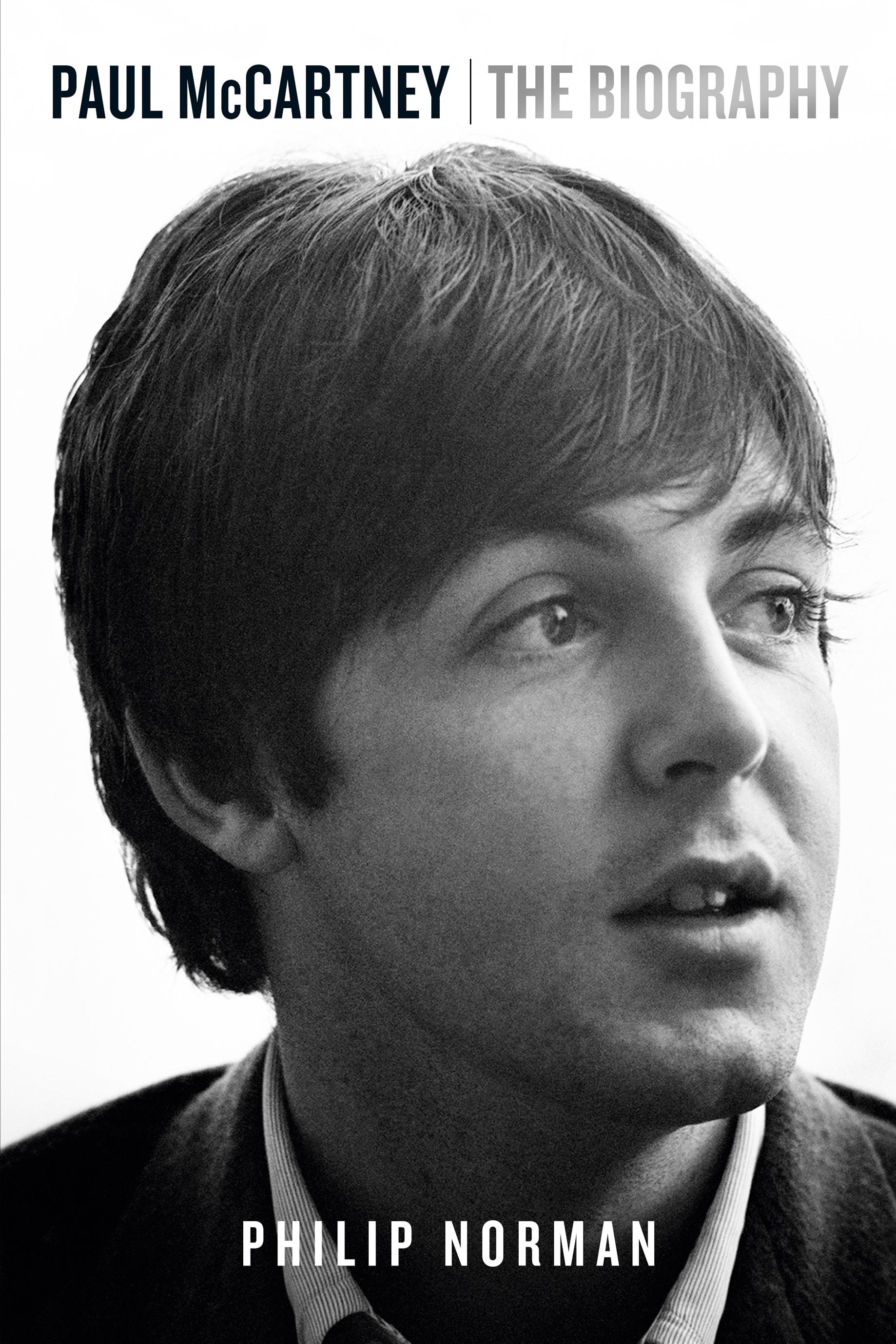
Paul McCartney biographer - about his achievements, views and personal life
In the UK, the biography of Paul McCartney was published and immediately became a bestseller. The Expert of the Beatles group Philip Norman worked on the book for more than three years.
Paul Norman not only studied documents in the English and American archives, but also met with relatives, friends and colleagues of Sir Paul, listened to hundreds of hours of music. As a result, the volume of 853 pages was published, the author of which does not ignore the smallest details of the biography of one of the most talented and successful musicians in the history of pop music.
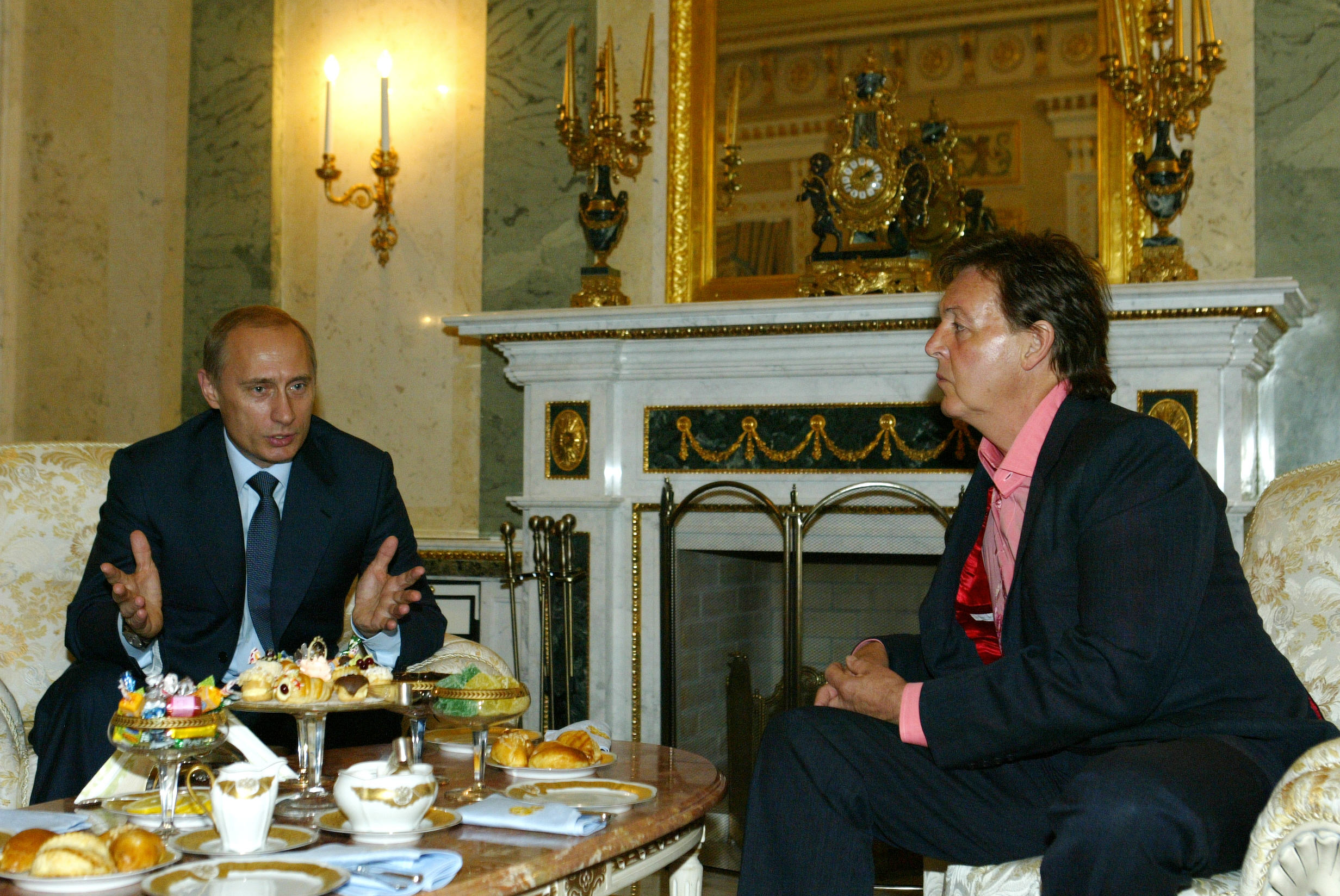
In 2008, Philip Norman published an equally extensive biography of John Lennon. Soon the press appeared in the press of the author’s bias, that he exalted Lennon at the expense of McCartney. There were rumors that McCartney himself was supporting this opinion. Then Norman had the idea to balance the Lennonov Tom by the equally weighty McCartney folio. But I must say that in Britain Paul McCartney is not just famous, he is a national institution, so the author of the book had to solve a difficult task in order to objectively and impartially convey the features of this extraordinary, contradictory, ambitious and, of course, very talented personality. A special tact and delicacy required a description of the creative community and at the same time fierce and violent rivalry Lennon and McCartney. This rivalry continued after the collapse of the Beatles group, until the death of Lennon. Moreover, to this day it serves as a source of inspiration and a creative incentive for Sir Paul. If the Beatles era has long been well studied by journalists, writers and musicologists, then the activities of the group members leave many gaps after its collapse. An important advantage of the biography was McCartney's detailed description of life and music precisely in this period: his psychological trauma after a quarrel with John, George and Ringo, life on a distant Scottish farm, creating his own Unges group, a solo career after its collapse and, of course, a detailed study of its three marriages. The book ends in 2016, so it included a three -time visit to the British superstar of Russia and even acquaintance with Vladimir Putin, who attended his concert on Red Square in Moscow in May 2003. As a result, Paul McCartney admitted work on his biography, there was even rumors that he authorized it, although Philip Norman himself did not confirm this.
- He did not authorize his biography at all, did not order it, did not ask her to write, but only approved my desire to write her in the pandan of the biography of John Lennon, which I published earlier. His approval revealed to me access to people close to him: relatives and his closest colleagues. Honestly, it was a surprise for me, because after my books about the Beatles and Lennon I was declared in the press an “anti -Macartist”, claiming that I was exalted by Lennon at the expense of McCartney. In the world of Beatles fans, there is an idea that it is impossible to get sick at the same time for two teams. However, despite this reputation, Paul immediately made it clear to me that he would like me to take up his biography. I was happy to get his approval.
- Was the personality of Paul McCartney in his music reflected?
- The floor managed to create the image of a good -natured, affordable and benevolent person who did not experience any serious troubles and psychological injuries in life. But in fact, his life was full of such injuries, starting with the death of his mother, when he was 14 years old, and ending with an unsuccessful marriage to Hamer Mills, which was followed by a terrifying divorce. However, all the injuries that were deeply injured, the floor was tolerated outwardly with a smile and without ostentatious bitterness. In his attitude to life, there was something very positive that affected music. And in the days of the Beatles, and when he began his solo career, his music was distinguished by an optimistic, positive sound. It was a kind of glorification of life.
- Wins or loses Paul McCartney from comparison with John Lennon?
Paul is a very uncertain person, very dissatisfied with what he writes and performs
- These are two completely different people. However, each of them had some kind of particle of each other, and this allowed them to create an amazing creative symbiosis. Even after the collapse of the Beatles, when they began to compose on their own, one of them could start writing a song, and the other could continue it - they were so close creatively. And yet both of them experienced uncertainty in their talent. John's uncertainty went back to his childhood, although he was born in a rather privileged middle -class family. In early childhood, he lost his mother and father, his aunt raised him, and this caused his uncertainty and vulnerability. The floor, on the contrary, despite the death of the mother, had a completely happy childhood. His father managed to create him and his brother Michael a benevolent and warm atmosphere in the family. Paul's uncertainty was generated by completely different reasons. Like most talented people, he was always unsatisfied with what he did, even if his creation was highly appreciated by others. It always seemed to him that everything could be done much better. I must say that before writing this book, I shared the universal idea that Paul McCartney is a wonderful, brilliant talent, a charming musician who is moving without much effort from achieving to achieve. Then it seemed to me that this was making him a very confident, even smug person. However, now, after working on the book, I realized that I was completely mistaken. Paul is a very uncertain person, very dissatisfied with what he writes and performs. He is always overwhelmed by doubts, he constantly wants to improve what he is doing, and that is why he is not able to stop writing music and perform. Almost daily he needs support and approval of the audience, applause and adoration. In fact, this is not necessary, and he should not have achieved this.
- There is a stable idea of the proletarian origin of McCartney and Lennon, you debunk this myth in your book ...
- The floor comes from a simple and poor Liverpool family of Irish origin. His ancestors emigrated from Ireland in the 19th century. His mother was a nurse, and according to the hard and archaic class system of English society, which is still strong today, medical sisters belonged to the middle class, that is, like doctors, they socially standing above their patients from the working class. So his mother was not alien to social snobbery, and she wanted her son to meet the standards of the middle class: he spoke with a good accent and receive a good education. And Paul always sought to meet these standards. His upbringing was very different from the social status of his relatives from his father. As for John Lennon, he has always been a middle -class person, and very pronounced. Anarchist and socialist beliefs forced him to mimic under the proletarian. He called himself the hero of the working class. Paul always sought up the social ladder.
- You write that Lennon and McCartney were perfect creative partners. How did they work?
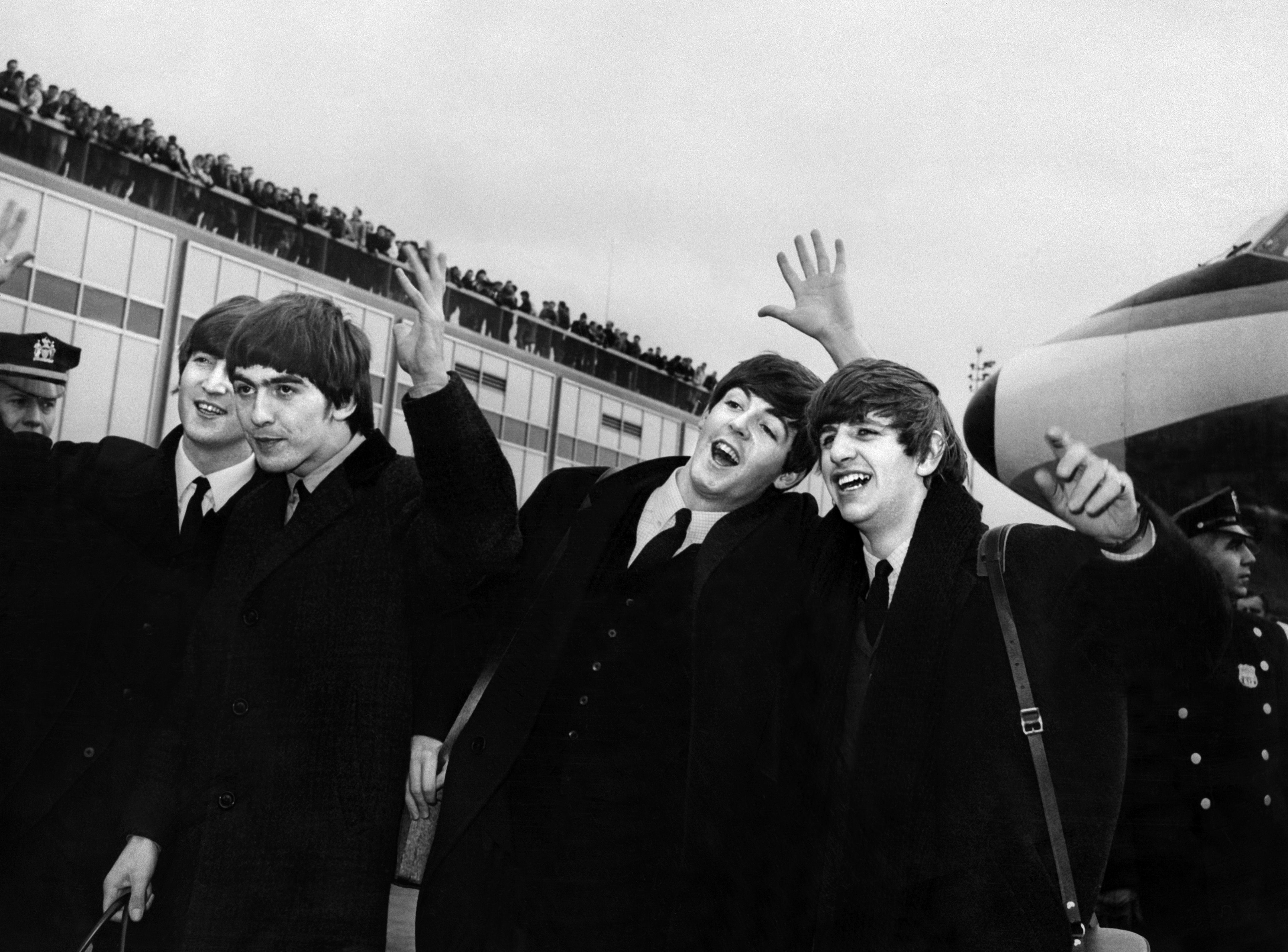
- At first they worked together. To do this, in the house of McCartney, in the suburbs of Liverpool for Lennon, two chairs were allocated. But over time, as their music is complicated, the growth of their own ambitiousness and the desire for private life, they began to work separately. But even then they turned to each other for advice or jointly solved the creative problem. For example, when Lennon began to write a song A day in the Life , which promised to become a masterpiece, he turned out to be a rather cold and pessimistic opus. But when McCartney wrote words and music for the middle part of the song, she gained the current expressiveness and drive. Without this middle part belonging to McCartney, the song would not have become what it became. This insert of McCartney powerfully opposes coldness, pessimism and bitterness with which John endowed it.
- Nevertheless, can one say that their talents are comparable?
- Often the features of their talents are understood. A feature of John's talent was the desire for avant -garde style, for a musical experiment, the floor, on the contrary, was characterized by the desire for a traditional, melodic, optimistic principle. He always gravitated to rock and roll. However, when the Beatles group was carried away by musical experiments, the floor was the first to support them. At that time, he listened to the music of Luciano Berio, John Cage, specific music. And when they wrote the first truly avant-garde track-it was the song Tomorrow Never Knows from the Revolver album, then the text written in many ways changed the radical and adventurous style of John, giving the song a new emotional dimension. At the same time, John, who was usually very tough and even cynical in the expression of his feelings in music, at the same time turned out to be a very sentimental and romantic person. So, as I have already noticed, each of them had a particle of each other.
- wrote about serious friction between McCartney and Lennon ...
Paul in the circle of friends joked that John's death was the last act of their rivalry
- Yes, there were friction. In many ways, they are explained by a different attitude to their role in the group and various life attitudes. Paul imagined himself with some kind of PR agent, representing and advertising the Beatles. To this end, he created an image of a charming diplomat, which everyone likes and fascinates everyone. John did not like to shake hands with the mayors of European and American cities and seek the location of the heads of the police. He, with his leftist beliefs, was always hostile to any establishment, he wanted the Beatles to have a different image. On this basis, they had quite serious friction. In addition, it seemed to John that Paul was striving to dominate the group. Perhaps the most serious discrepancy in them arose in connection with the arrival of the new manager of the American Allan Klein, which was distinguished by special aggressiveness in affairs in the group in 1969. The idea to invite Klein belonged to John, he was supported by George and Ringo. Paul categorically objected, he wanted the group’s finances to be Eastman, the father of his wife Linda, who replaced Brian Epstain who had died in 1967. Paul never signed a contract with Klein. This distinguished him from John. However, no matter what cat runs between them, they maintained friendly relations. In the Beatles there was always a rather harmonious atmosphere until the ambitions of John and Paul led to its decay. Yoko it told the floor after the murder of John that, despite mutual conflicts, John always treated him well that he liked his songs and that he even performed them after leaving the group. At times, especially tipsy, the floor in the circle of friends was joking that in fact John's death was the last act of their rivalry. “He died as a legend,” said Paul, “I have to die an old man. Typical John!” In fact, they never had truly serious quarrels.
“ So they were still rivals?”
- Yes, they fiercely competed, spurring each other. This rivalry extended not only to their musical, performing activity, they competed as composers, competing in the creation of original and unusual harmonic and melodic sounds. Of course, this was beneficial to the cause, and as a result, an ideal "vocal vinaigrette" arose, if you like.
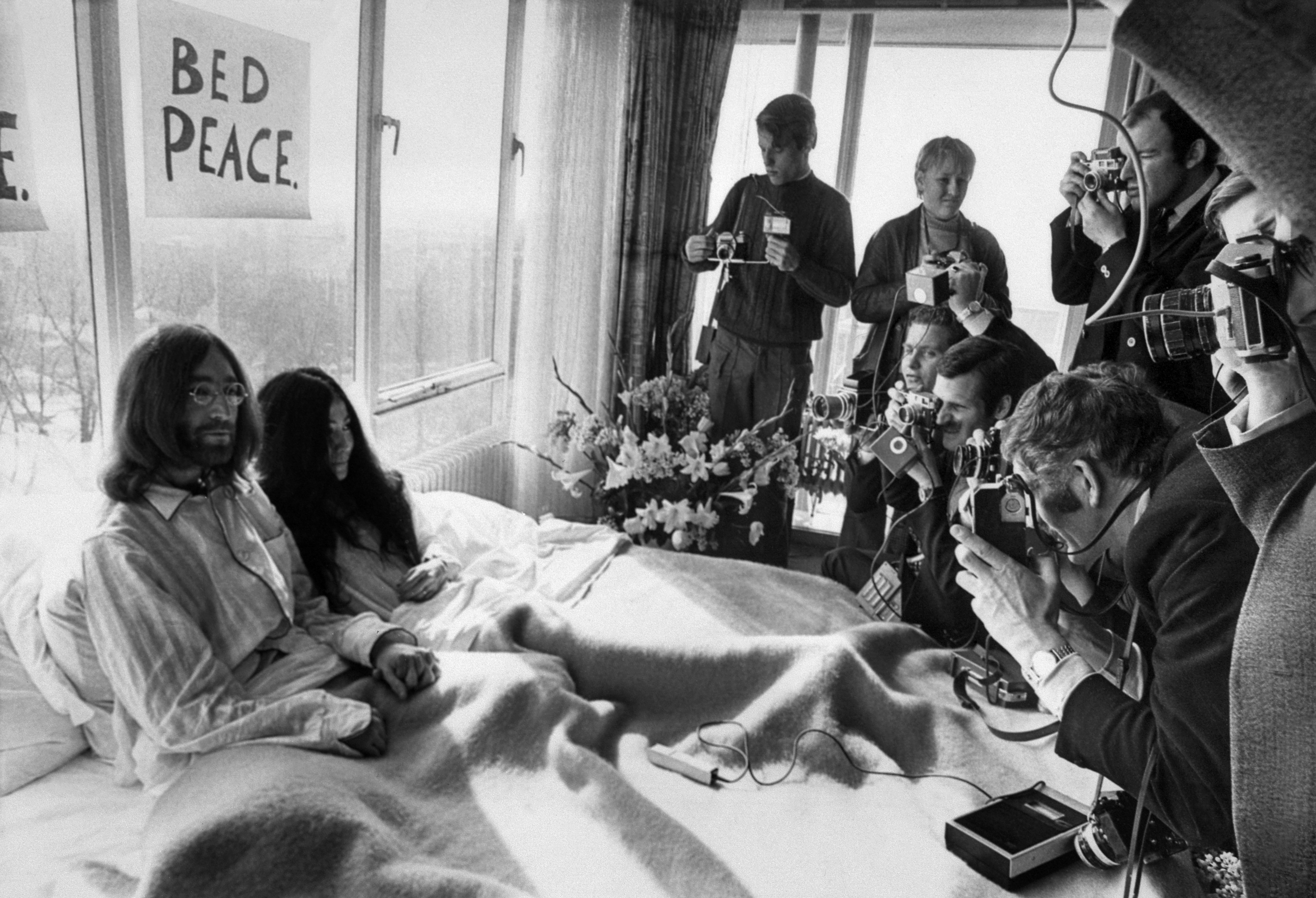
- You quote the words of Yoko it, who claimed that "no one delivered as much bitterness to John as the floor." What did she mean in this case?
“I could never really understand what she had in mind.” Yoko told me this after John’s death, when the first edition of my book about “Beatles” - “ Shout ! ” Was published. In addition to this phrase, she then said that John told her that the floor and she herself were indispensable sources of inspiration for him. John's words about the bitterness that the floor delivered to him, I am interpreted as a replica of the person whom my lover left. However, there was never such a relationship between them. John looked like a very tough and self-confident man, but in fact he was very easy to offend or wound up because of his incredible emotional vulnerability. In addition, he was terribly jealous of Yoko even to her former husbands (she was twice married to John), he was not sure of her. He even forced her to accompany him to the toilet, so as not to leave in the studio with other musicians. His vulnerability and uncertainty were incredible. All this was superimposed on its no less superstition. Yoko - so she generally lived, following the advice of astrologers. John could even injure the most innocent remark. And one of his oddities in this regard: when someone was dying, closely connected with the Beatles, say, Brian Epstine or Stewart Sutcliffe-a bass player from the first composition of the group, John said: "They died for me." God knows what he had in mind.
- What can be said about the political beliefs of McCartney?
Paul became more solid, and his beliefs smoothly passed into the right political spectrum
-Over the years, young pop musicians, who at first belong to the underground, have traditionally been distinguished by ultra-steel beliefs. Their role -playing models and idols were revolutionary heroes like Che Guevara. Young people are the paddles for this. Paul in the middle and end of the 60s shared these left, protest sentiments, especially intensified during the Vietnamese War, although Britain did not participate in it. Later, as he tasted the capitalist benefits and grew his bank account, the floor became more solid, and his beliefs smoothly passed into the right -wing political spectrum. There was an episode in his life when he sent the children to school, where teachers announced a strike, and this led the floor to indignation. He himself never in strikes, of course, did not participate. However, this is a common thing: when the extension musicians are enriched, they change the political orientation to right -wing beliefs.
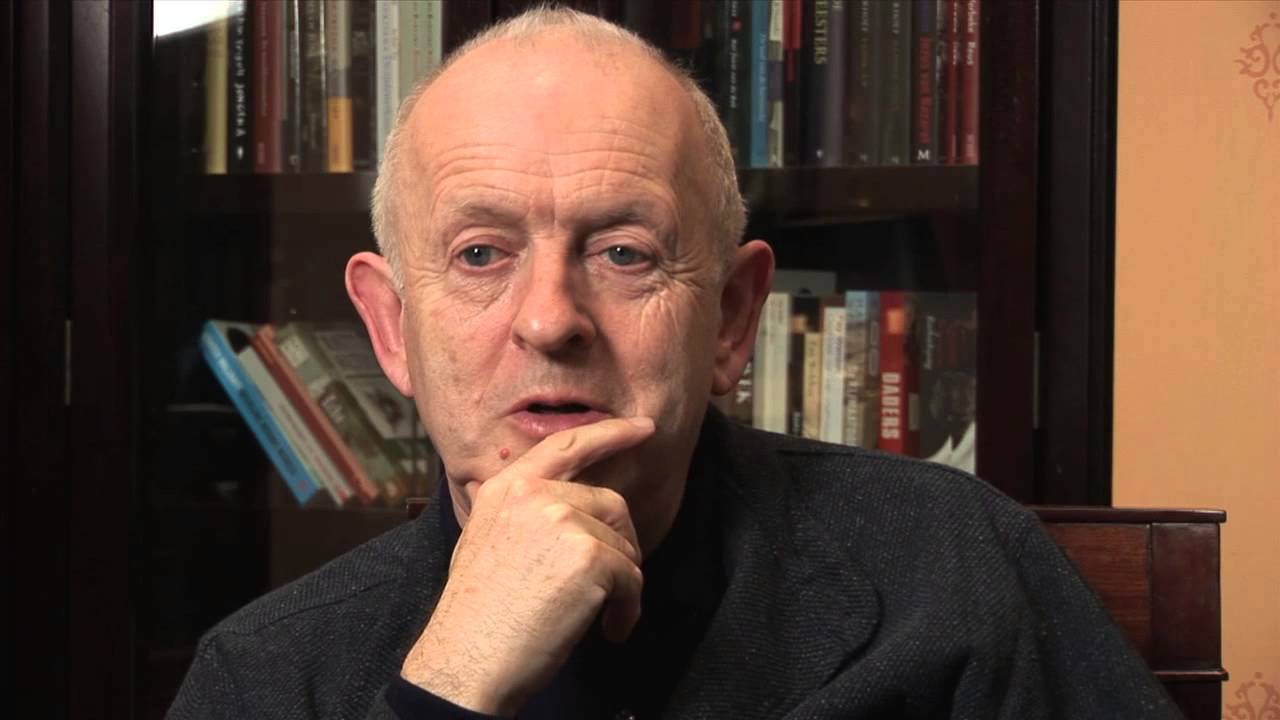
- Paul McCartney was the first to leave the Beatles group. In any case, he was the first to announce that the musicians were stopping joint activities. Does this mean that he played the main role in the collapse of the group?
He has never been a drug addict
- In fact, he was not the first to leave. John was the first to announce to reporters that he would like to leave for another year in the 65–66th. This was done under the influence of Yoko, who constantly persuaded him, in order to seriously engage in art, it was necessary to leave the Beatles to leave this "cage". Yes, Paul had enough self -confidence that he no longer needed Bitles and intends to release a solo album. But you should know that it was a very difficult, traumatic time for the floor. In fact, he sought to preserve the group more than others. At this time, the beginning of the activities of the new manager Allan Klein, about which the floor had constant quarrels with John, had to begin. Paul left the city and settled with his family on a farm in Scotland. He had a nervous breakdown. At that time he drank a lot. It seemed to him that the Scottish landscape would serve as a psychotherapeutic remedy for nervous breakdowns. In the end, he decided to leave and released a solo album.
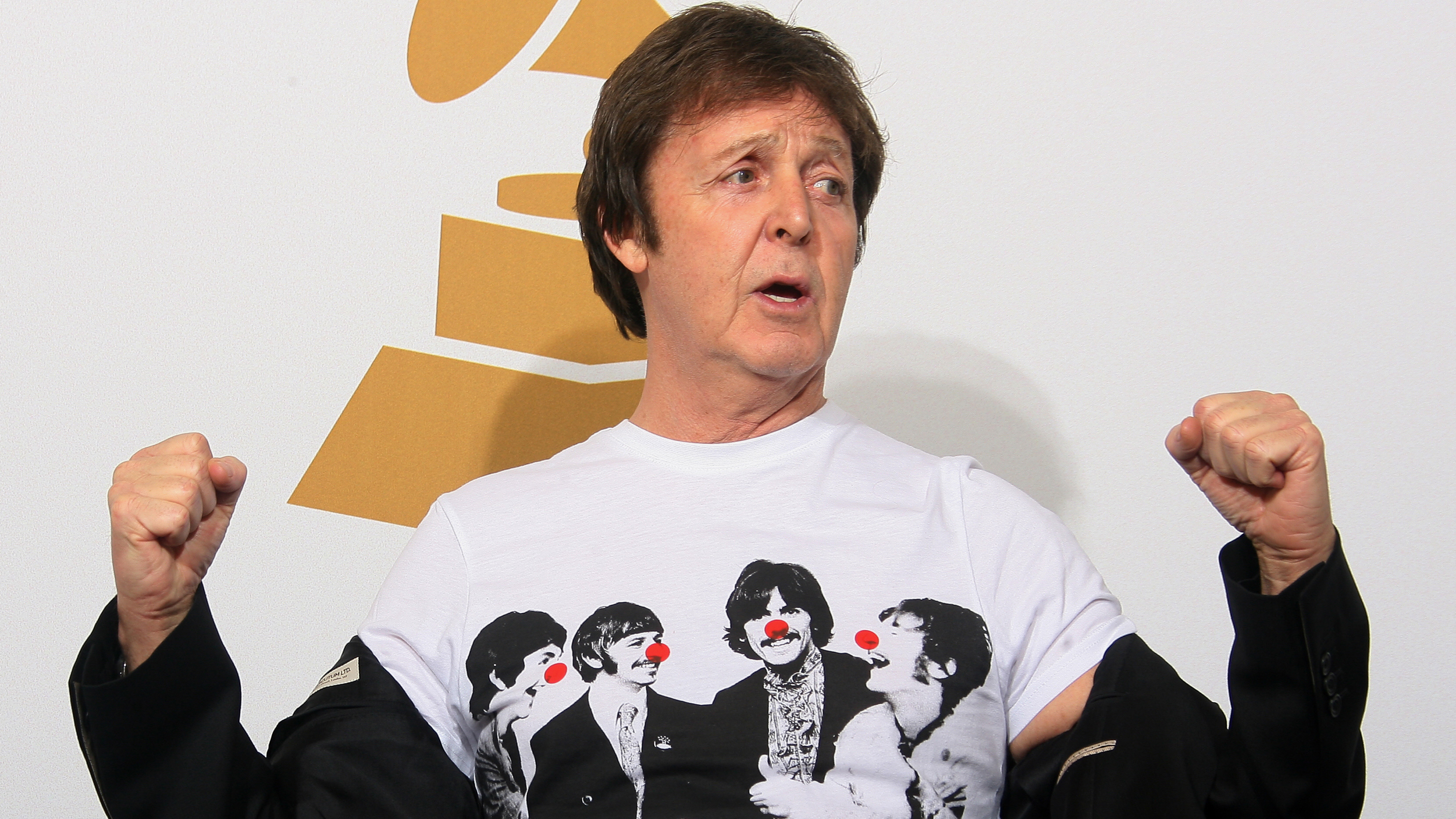
- Was Paul a drug addict? You write that he was in a prison in Japan in 1980, when he found drugs at the airport ...
Nancy is a wife whom he always dreamed about
“He was never a drug addict.” Of course, he tried heroin; It was a tribute to underground fashion, but he quickly left it. True, he forever retained the love of marijuana, which caused this incident in Japan. It is paradoxical that he had much more police and court accusations and decisions on this basis than John, who had only one. True, he turned out to be a more serious problem: he was deported from America for this and was able to return there only after many years. Marijuana at the floor was discovered at customs in Tokyo. Since then, Paul behaved more carefully and never again took it with him on tour. Then he easily escaped, having spent only nine days in prison, not in a police station, but in a monstrous prison with the killers and mafiosi.
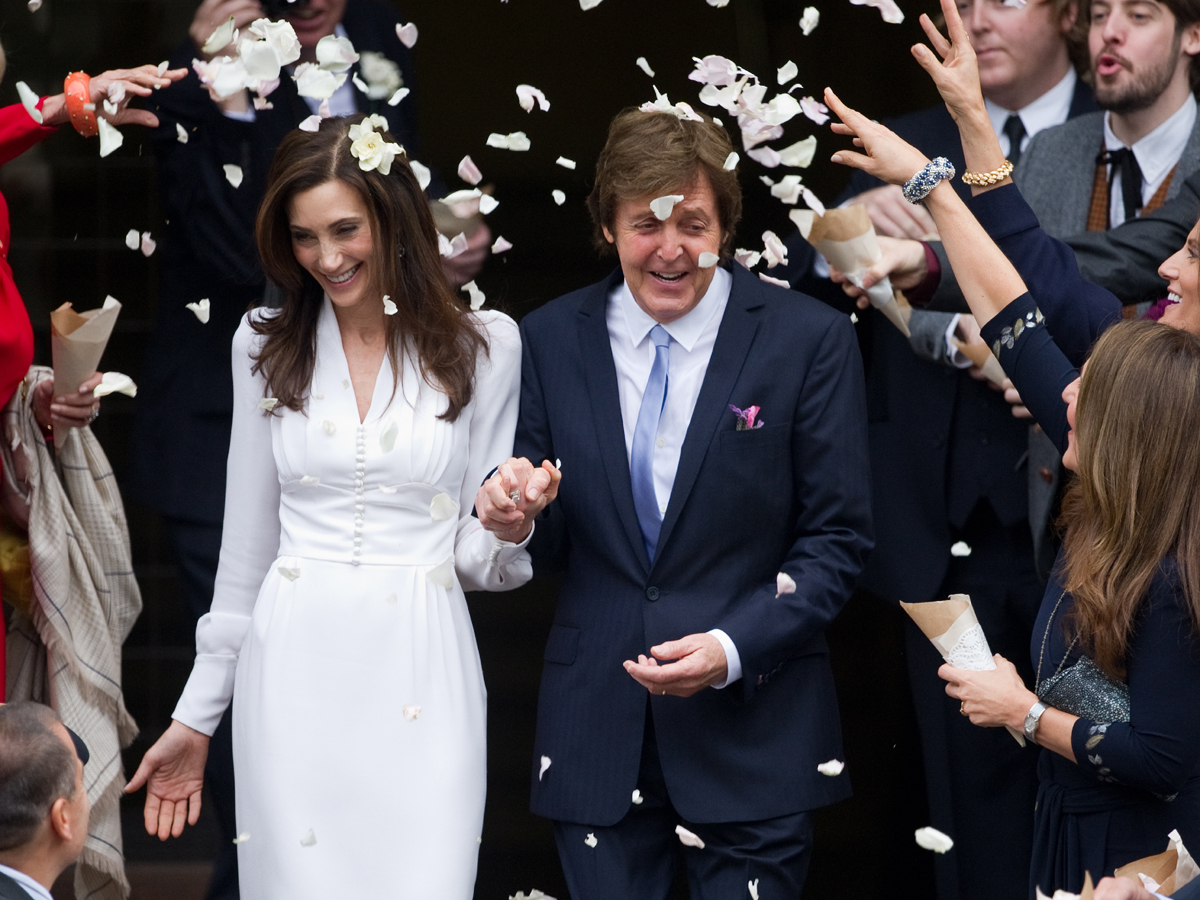
- Have you met with Nancy Shevell - the current wife of Paul - and how much, in your opinion, the third marriage became happy for McCartney?
- Yes, I spoke to her after the publication of this book. Nancy is a wife whom he always dreamed of. The floor once after the death of Linda, that in his old age he would like to have a wife who would tell him after he returns home late in the evening: "You are wonderful, amazing." It is amazing that, even being at the top of glory, the floor is necessary for assurances in extraordinary and fullness. Nancy is just such a wife. They got married in 2011, when she was 56, and he was 69. Nancy is elegant, she has an even, flexible character, she does not enter into a dispute about music, as Linda and Heather allowed herself. Его дети любят ее, особенно его сын Джеймс, который выглядел потерянным после смерти Линды, его матери. Их брак выглядит счастливым. Меня иногда обвиняют в том, что я якобы настроен против Хэзер Миллс. Когда я встретился с ней, то заверил ее, что в книге нет ничего направленного против нее и ее отношений с Полом. Наоборот, в ней я говорю много лестного для нее. Хэзер была и остается превосходным человеком, но ее брак с Полом для обоих был ошибкой.
– А как вы оцениваете попытки Пола Маккартни писать классическую музыку?
– Думаю, что классическая музыка вошла в круг его интересов с подачи продюсера "Битлз" Джорджа Мартина, который изучал классическую музыку и был прекрасно музыкально образован. Кстати, это служило препятствием для продюсирования им поп-музыки. Но он был абсолютно прав, взявшись за продюсирование "Битлз", поскольку стимулировал их стремление использовать классические идиомы и инструменты в оркестровке собственных произведений. Известна версия исполнения Yesterday струнным квартетом без участия "Битлз". Тем не менее до сих пор Пол ощущает барьер между собой и миром классической музыки, который его не приемлет. И все же он взялся за создание (в сотрудничестве с композитором Карлом Дэвисом) обширного сочинения под названием "Ливерпульская оратория", которое было исполнено Королевским ливерпульским филармоническим оркестром в 1991 году. Стиль, в котором написана эта оратория, сближает ее с религиозными образцами таких произведений. Эта оратория посвящена Ливерпулю – городу, где Пол родился и где заявили о себе "Битлз". Этот город пережил немало тяжелых моментов в своей новейшей истории, и оратория Маккартни возвращает ему самоуважение после многих тяжелых дней.
– Маккартни ведь пробовал себя еще и в живописи. Что вы думаете о его таланте художника?
– Его ментором в живописи был Виллем де Кунинг. Good choice. Для Пола это было очень важно. Надо сказать, что у него всегда была тяга к рисованию, которым он увлекался еще в школе. Еще в ранней молодости он заинтересовался современным искусством, причем относился к этому очень серьезно. В какой-то мере его стимулировал Джон, который также занимался живописью и графикой. Безвременно скончавшийся их бывший бас-гитарист Стюарт Сатклифф также неплохо рисовал. Кроме живописи, Пол много занимался графическим дизайном, он работал над обложками поздних альбомов "Битлз". Ему, в частности, принадлежит дизайн альбомов Sgt. Pepper ' s Lonely Hearts Club Band и Eggs Up – последний был записан уже его группой Wings . Если о качестве его работ судить по их рыночной стоимости, то надо сказать, что его картины стоят очень дорого.
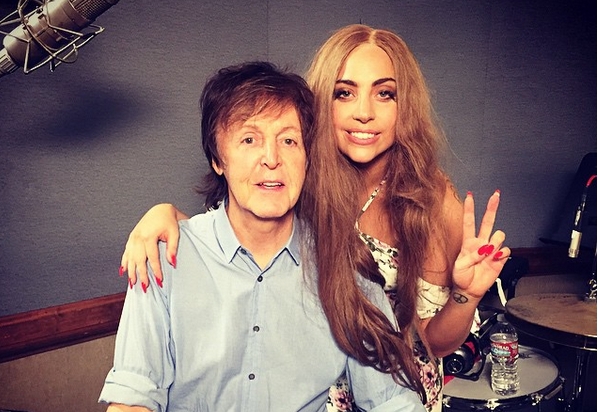
– Маккартни писал не только тексты песен, он издал и сборник стихов. Можно ли его назвать поэтом?
лучшее из его лирики – подлинная поэзия
– Нет никакого сомнения, что лучшая его лирика – это подлинная поэзия. Даже в текстах его песен можно обнаружить стихи высокого достоинства. Конечно, немало и посредственных текстов. Что касается сборника его стихов Blackbird Singing , посвященного памяти его скончавшейся от рака жены Линды, то там встречаются стихи потрясающей эмоциональной силы, исполненные искренней горечи и боли. Меня лично они очень трогают. Сборник, кстати, получил очень хорошую прессу. Не все стихи, конечно, заслуживают высокой оценки, но лучшее из его лирики – подлинная поэзия.
– Пол Маккартни был возведен в рыцарское достоинство в 1997 году. Но по закону обвинения в обладании наркотиками, тюремные сроки, приводы в полицию, административные нарушения препятствуют королевским наградам...
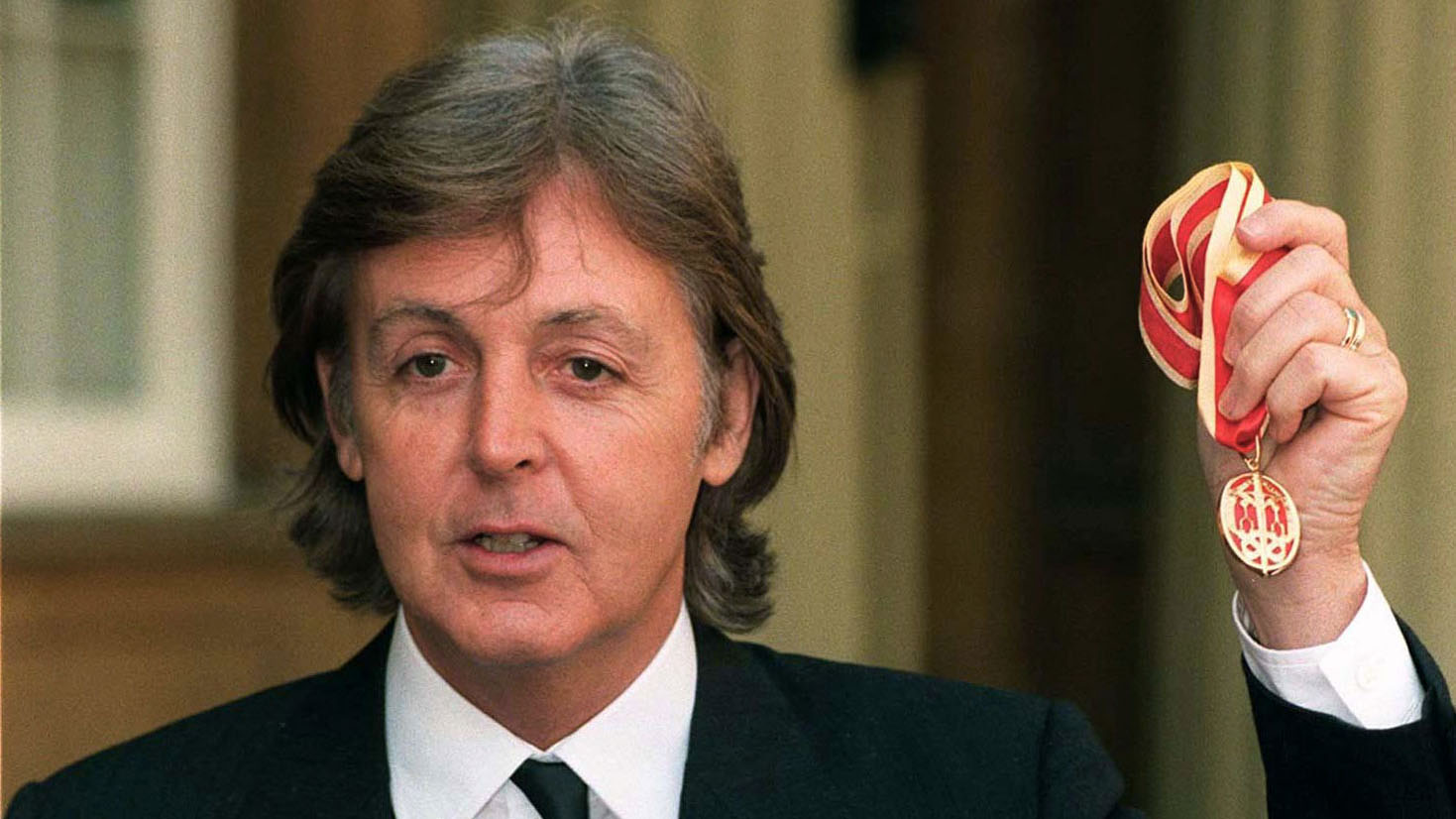
- Yes, that is so. Но все обвинения против него были предварительно сняты. Юридически он был чист. Титул он получил, как было сказано в королевском указе, за выдающийся вклад в британскую музыку. Хотя поначалу Пол противился этой идее. Ему было не по себе оказаться в истеблишменте. Но Пол был не одинок: несколько рок- и поп-звезд, и среди них Мик Джаггер, тоже удостоились этой чести и, как и Пол, продолжили карьеру.
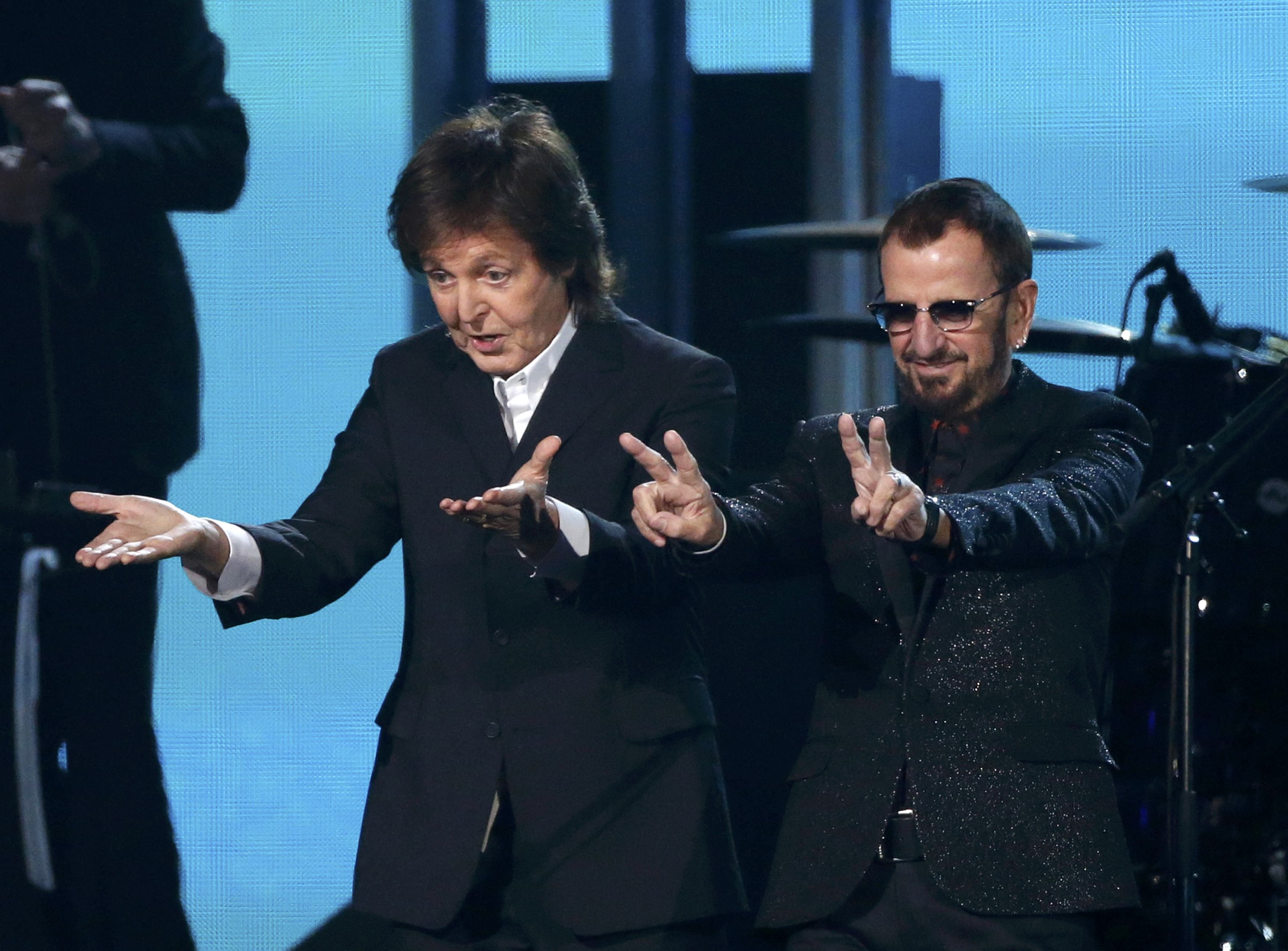
– Вы пишете о созданной Маккартни после распада "Битлз" группе "Уингз". Насколько успешным был этот проект?
– После распада "Битлз" он был одержим идеей создать новую группу, которая могла бы продолжить прервавшуюся традицию. Ему пришлось начать с нуля. Главная проблема была в создании ансамбля, который мог бы в какой-то мере соответствовать музыкальным стандартам "Битлз". Задача была не из легких. Полу пришлось поработать: искать и прослушивать музыкантов, находить площадки и города для гастролей. Начал он в 1971 году со студенческих кампусов. Конечно, имя Маккартни открывало многие двери, но у группы "Уингз" не было репутации, приходилось соглашаться на любую работу. При этом у Пола была навязчивая идея взять Линду в состав группы. Ему не хотелось с ней расставаться. Она появлялась на сцене, но не могла толком играть ни на одном инструменте. Пресса издевательски писала, что Пол хочет заменить Джона женой. Прошло какое-то время, пока Линда смогла сносно играть на клавишных. Успеху группы в 70-е годы помогло всеобщее ностальгическое воспоминание о "Битлз". Имя Маккартни в какой-то мере удовлетворяло ностальгию. Конечно, во многом это был суррогат "Битлз", сравнивать обе группы нет смысла. Тем не менее "Уингз" пользовалась огромным успехом, особенно в Америке, где ее воспринимали как наследницу "Битлз". Маккартни много писал для нее, и до 1981 года, когда группа распалась, она выпустила несколько альбомов, занявших первые места в британских и американских чартах. Реально группа просуществовала до ареста Маккартни в Японии в 1980-м и его интервью там. После этого качество музыки снизилось, но он еще около года продолжал вместе с Линдой гастролировать по миру.
– Как сложилась судьба детей Пола Маккартни?
– Во-первых, у Линды была дочь от первого брака, которую звали Хэзер. Пол ее удочерил. Она стала в Америке известным специалистом по керамике. Когда в 1969 году он женился на Линде, у них в этом же году родилась Мэри, ставшая фотографом. Через два года родилась Стелла – знаменитый дизайнер. Джеймс стал музыкантом, а Беатрисе, родившейся от брака с Хэзер, сейчас 12 лет. Могу лишь посочувствовать Джеймсу: тяжело быть музыкантом и одновременно нести бремя сына Пола Маккартни.
– Насколько активен Пол Маккартни как музыкант в 74 года?
он поет с не меньшим драйвом, чем во времена "Битлз"
– Невероятно активен, он занимается музыкой каждый день. Регулярно бывает на сцене и при этом поет с огромной нагрузкой, как это было на недавнем концерте, когда он без перерыва спел 38 песен и даже не попросил стакана воды. Он человек амбициозный и стремится доказать себе и другим, что находится в прекрасной форме и может конкурировать с молодым поколением музыкантов и даже превосходить их. Музыка у него в крови. На мой взгляд, он поет с не меньшим драйвом, чем во времена "Битлз". Его репертуар сейчас состоит из старых мелодий, песен, написанных совместно с Джоном Ленноном, песен эпохи "Уингз" и его музыки девяностых и двухтысячных годов. Его успех у публики и популярность лишь возросли. Пол выступает с обширнейшими программами, и не было случая, чтобы кто-то покинул зал до завершения концерта.