
Translated material
Ilya Karpyuk: Tax exchange
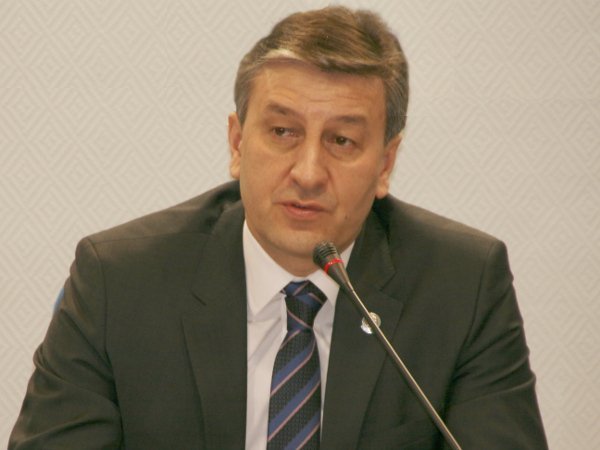
Ilya Karpyuk 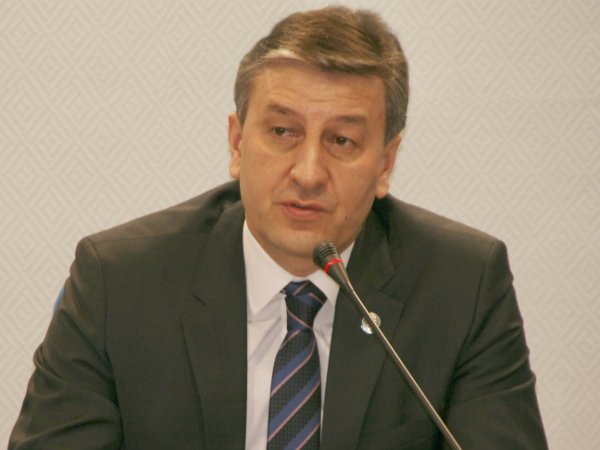 Ayrat Farrakhov Photo: minzdrav.tatarstan.ru
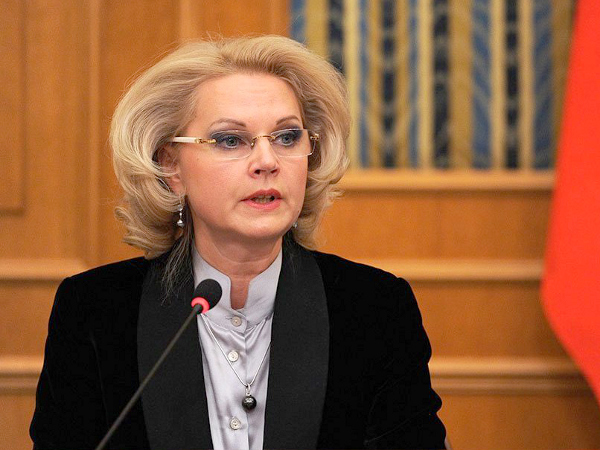 Tatyana Golikova. Photo: kremlin.ru
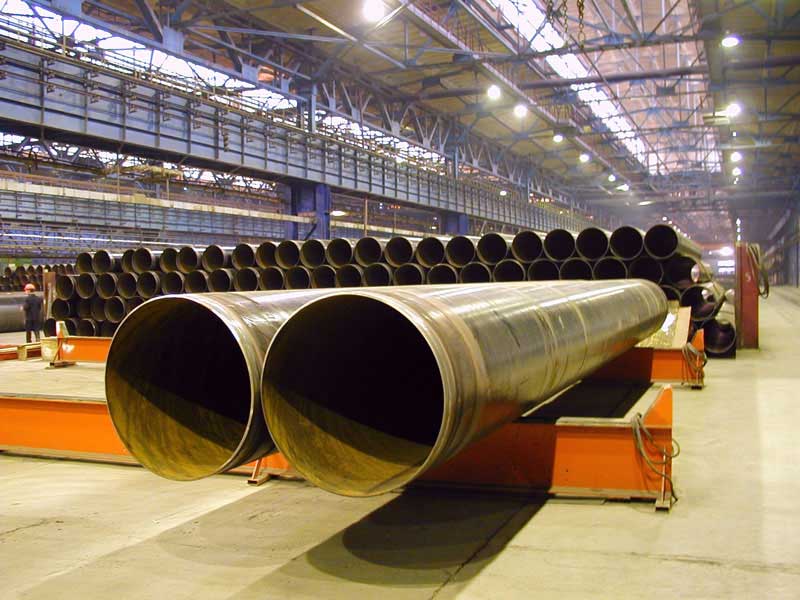 Export production - VTZ pipes. Photo: Volganet.ru
 Ayrat Farrakhov Photo: minzdrav.tatarstan.ru
Deputy Minister of Finance Ayrat Farrakhovsaid that at the official level, the government does not discuss the idea of simultaneously increasing VAT and a decrease in insurance premiums. Earlier, some publications wrote that it was this maneuver that will allow the state to cope with the growth of the ruble and the economy going into the shadow.
The Ministry of Finance did not propose to increase VAT with the simultaneous reduction in social contributions, and such an idea is not considered in the government, TASS Ayrat Farrakhov said. “Moreover, in accordance with the President’s decision until 2018, these issues are not considered,” the deputy minister emphasized.
The official added that this issue can be discussed only at the expert level. “Therefore, completely different issues can be discussed at the expert level. Nevertheless, the official one is not, ”said Farrakhov.
Almost simultaneously, the head of the Accounts Chamber, Tatyana Golikova, called a possible increase in VAT to 25% "tanned in the media." According to her, this is "generally impossible." “And to an adequate measure, a decrease in insurance premiums is also impossible. This will mean that the transfer to the Pension Fund of the Russian Federation should sharply increase, and our entire previous policy and those bills that were adopted, they were aimed at reducing the dependence of the pension system on the federal budget, ”Golikova told reporters during the Congress of United Russia.
Tatyana Golikova. Photo: kremlin.ruThe fact that the idea of simultaneously increasing VAT and a decrease in insurance premiums is discussed in the Ministry of Finance and the government, Vedomosti and Bloomberg previously wrote. The interfax source claimed that VAT could grow to 25% (now 18%), and contributions - to decrease to 20% (now their total rate is 30%).
The very idea of the simultaneous growth of VAT and a decrease in social payments is not new and is called fiscal devaluation - so there is nothing surprising in the fact that it is discussed in the government and the Ministry of Finance. Rather, it is even good - for that these departments exist to consider various options for reforms of public finance.
The meaning of the fiscal devaluation, which consists in the growth of VAT - the main tax on consumption, and the reduction of social contributions with which salaries are burdened is quite simple. It is clear that social contributions negatively affect employment, efficiency of production and, ultimately, on economic growth. The reduction of such contributions will make hired work more profitable and, as a result, will stimulate the business to withdraw salaries from the shadow. As a result, products, including export -oriented, will become cheaper. At the same time, an increase in VAT allows, firstly, to compensate for the income falling out of the budget, and secondly, to move the taxation center from the place of production to the place of consumption, which is considered more fair and, finally, will make imports more expensive, but will retain low prices for export, because VAT exporters are returned.
As a result, it turns out that the production -oriented production receive additional incentives, which leads to an increase in the economy. At the same time, an inconspicuous condition for successful fiscal devaluation is the strength of the national currency and slow growth in salaries in the economy - otherwise inflation will quickly erase all the pluses.
Export production - VTZ pipes. Photo: Volganet.ruFiscal devaluation was carried out in some countries of the European Union during the crisis of 2008-2009, but in a sense it was easier for them: being in the Euro zone automatically deprives the government of small countries of influence on the exchange rate.
It is this fact that is perhaps the most interesting in modern Russia: if at least fiscal devaluation is discussed in the government and the Ministry of Finance at the expert level, then the Central Bank really pursues a policy independent of them and is really ready to fight until the last to low inflation. And stably low inflation for the economy means much more than thinly calculated tax maneuvers, the effect of which, in any case, lasts no more than a few years.
See also:the Ministry of Finance suggested raising VAT and withdraw salaries from the shade of the media learned about the plans to zero VAT on internal air transportation Putin suggested returning to the discussion of VAT for small businesses