
Translated material
Analysts: rapid growth of retail trade in Russia was left behind
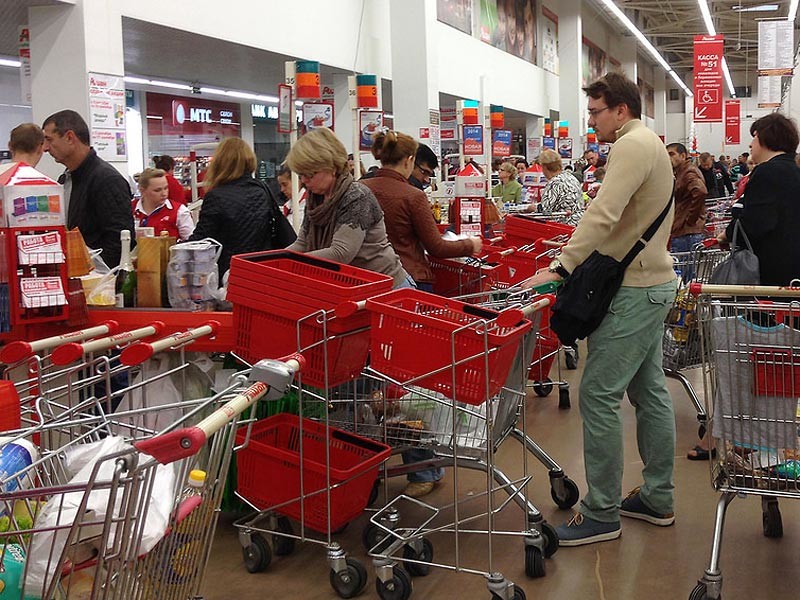
From 2005 to 2015, Russian retail trade was one of the fastest growing in the world and was inferior only to the Indian in the growth of retail space of stores of modern formats. The total average annual rate (CAGR) of revenue growth is the dozens of largest retailers for this decade amounted to 21%.
However, this time has already passed: until 2020, retail in the Russian Federation will grow twice as slowly, writes the newspaper Vedomosti with reference to the calculations of Deutsche Bank analysts.
The successes of the last decade were an increase in real incomes of the population, state programs supporting consumption, as well as the fact that the share of modern trade was initially small.
Now, "long -term prospects for the growth of the Russian market can be less attractive than in the last 10 years" it is said in the Deutsche Bank review. The situation worsened at the end of 2014, when oil prices began to decline, the ruble was depreciated, the import of food from a number of main countries was banned.
“In the next five years, we have been waiting for a slowdown in the average annual growth rate of Russian food trade up to 6.6%, which is only slightly higher than inflation (5%),” Deutsche Bank analysts predict. The top 10 federal retail chains, in their opinion, will most likely remain the main sources of growth: on average, they will increase the revenue until 2020 by 11% annually.
Nevertheless, Russian retail still has where to grow, they think in Deutsche Bank. In 2015, the share of modern formats in the Russian trade reached 66%, 1 thousand people account for 192 square meters. m of such retail space, and in countries with developed retail trade for 1 thousand people account for 400-600 square meters. m of the retail area. The share of modern trade there reaches 75-85%.
According to Deutsche Bank, Russia can reach close levels by the end of 2020, when modern trade can occupy 73% of the market.