
Translated material
Belarusians ceased to be millionaires
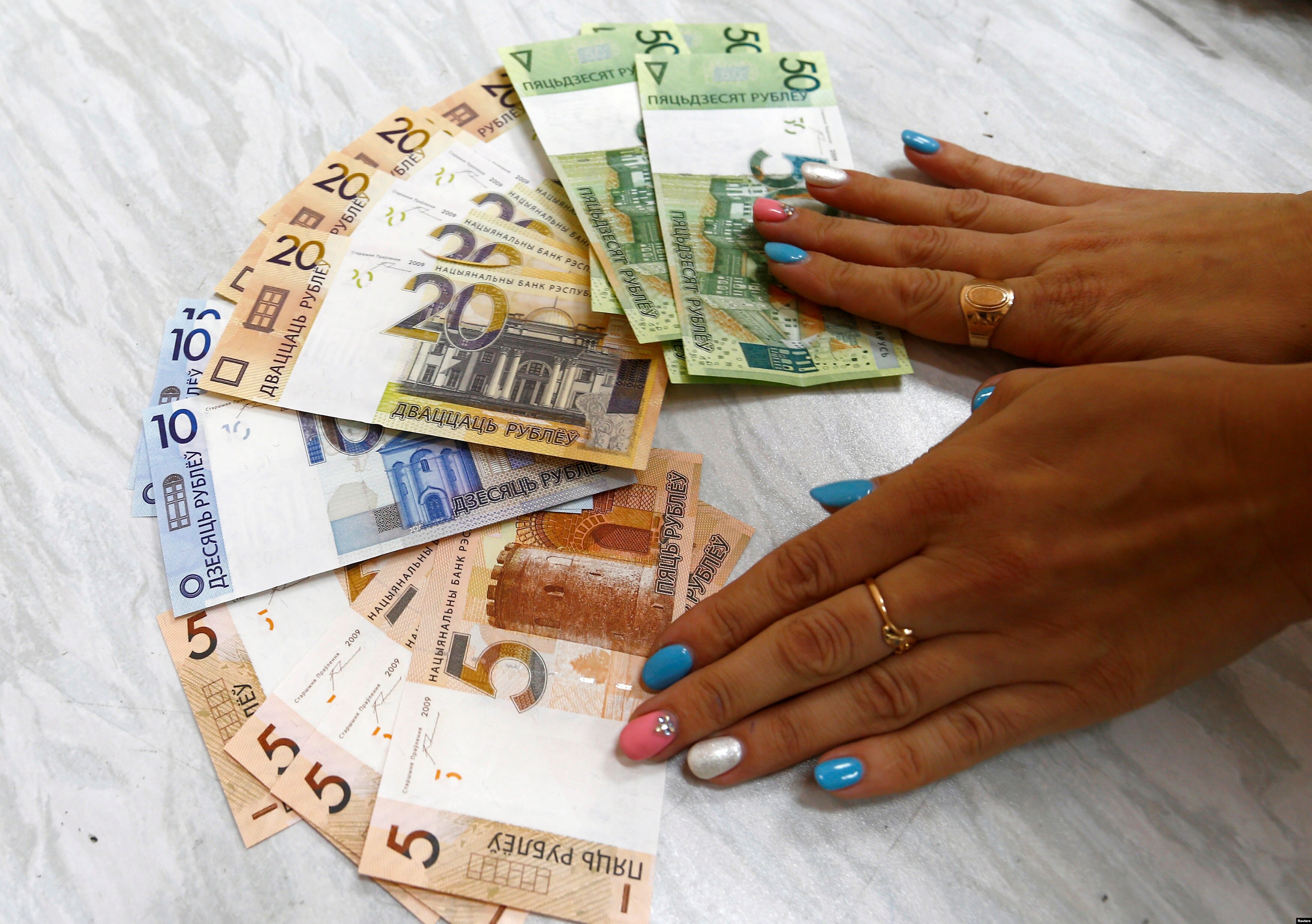
July 1 in Belarus was denominated the national currency
The current denomination of the Belarusian ruble, held on July 1, is the third in the latest history of the country. And also the largest - four zeros disappeared from Belarusian rubles at once. In addition, for the first time since 1991, Belarusians will receive a “trifle” - a penny.
In 1994, one zero was removed from the Belarusian bills, in 2000-three. Now four more. Among the national currencies in the territory of the former USSR, the Belarusian currency was the greatest depreciation - over 25 years of sovereignty, Belarusian money has fallen in total 100 million times. New banknotes and coins were printed back in 2009, but significant inflation did not allow them to enter into circulation. The slowdown in the depreciation of the course of the Belarusian ruble created the prerequisites for replacing old bills with new ones. The decision on denomination was made by the presidential decree in November 2015.
The National Bank of Belarus explained that denomination is carried out by replacing the 2000 banknotes in circulation. The smallest face value, 100 rubles, will be replaced by the lowest face value of the new money row - 1 kopecks. In total, seven paper bills are introduced: 5, 10, 20, 50, 100, 200 and 500 rubles, as well as eight types of coins: 1, 2, 5, 10, 20 and 50 kopecks, 1 and 2 rubles. According to experts, new money fully corresponds to the nominal nominal nominal and coins of the eurozone, and the bills themselves are similar to the euro.
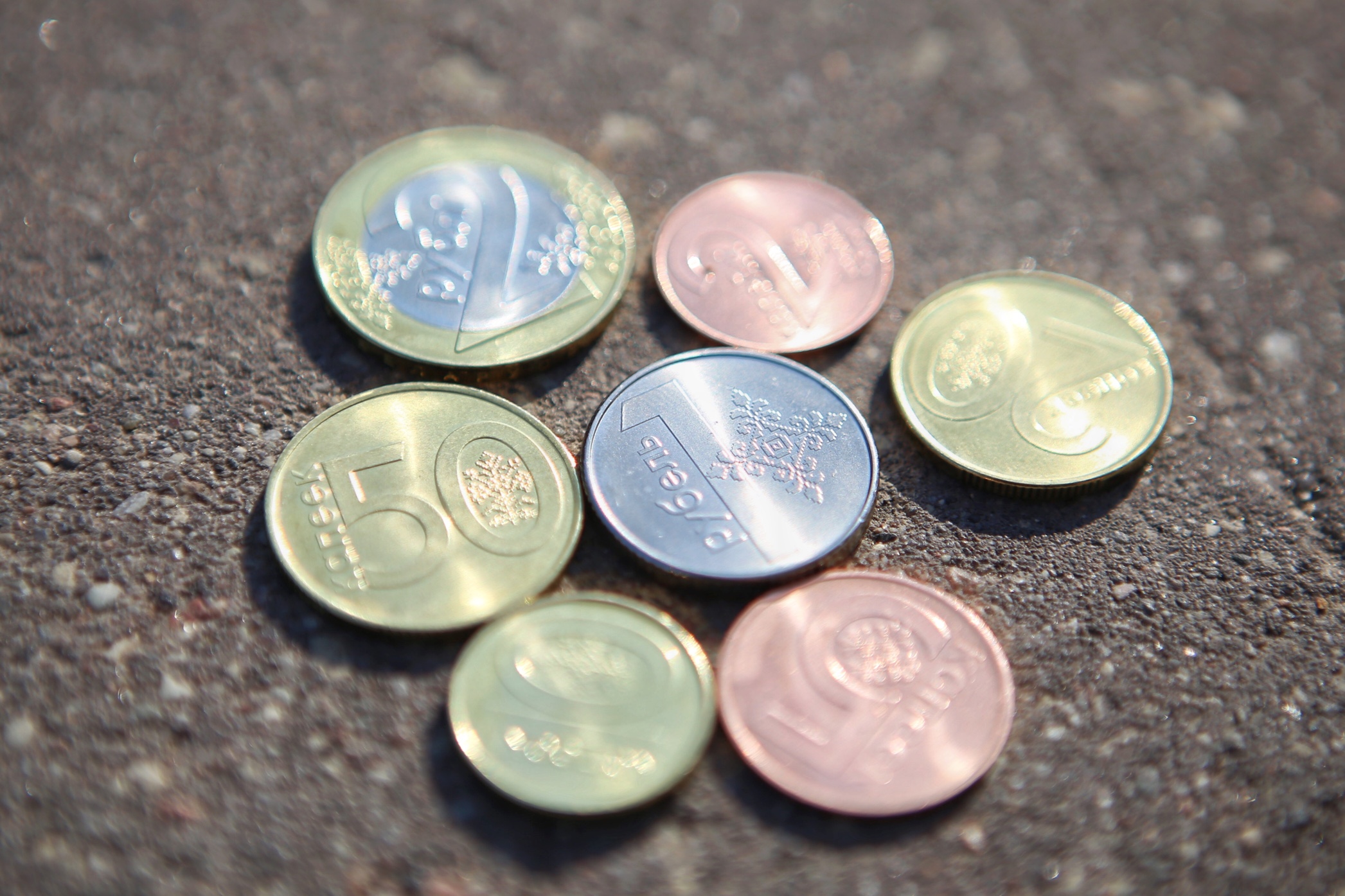
New Belarusian money
From July 1 to December 31, 2016, banknotes of the 2000 model and banknotes and coins of the 2009 sample will be in parallel circulation and be mandatory to receive in all types of payments. Over the next five years - from January 1, 2017 to December 31, 2021 - the exchange of banknotes of the 2000 signs for 2009 in any amount, without restrictions and without the charge of the commission, will be made.
Economist, head of the Minsk Analytical Center "Strategy" Leonid Zaiko approves the decision of the authorities and says that it was a dozen years ago to abandon millions:
- I am grateful to the Belarusian leadership that it took my proposals, which I put forward another 10 years ago. Unfortunately, they simply pulled time, then it was still possible to make a dollar one to one or 1 ruble equal to 1 euro. Why is this done? First of all, in order for people to return to rationally meaningful numbers. In the global economy, the real measure of value is 1 dollar, which really expresses labor productivity, income, and everything you want. In a normal economy, one monetary unit cannot be equal to 10-20 thousand to 1 dollar. There were several such countries, Belarus among them. Therefore, it was necessary to do denomination.
In a normal economy, one monetary unit cannot be equal to 10-20 thousand to 1 dollar
The denomination process is accompanied by a number of technical problems. By the evening of June 30, most non -cash operations were not available - many services and institutions warned in advance about the impossibility of virtual payments. In this regard, since the beginning of the week, ATMs had a serious excitement, people also tried to refuel fuel in advance and purchase first -necessity items. In the morning of July 1, the expected confusion with price tags began. Some shops switched to a new spelling in rubles and pennies a month ago, but many began to experiment only today. As a result, the queues are gathering at the box office - even sellers can not navigate in zero.
However, the greatest psychological blow for some residents of the country is the loss of the status of "millionaires". Two decades, Belarusians earned millions of rubles, now you will have to be content with a few modest "pieces of paper". And although the Belarusian millions still corresponded to a pair of hundreds of dollars in the foreign exchange equivalent, it is not so easy to say goodbye to zeros.
Economist Leonid Zaiko, not without irony, notes that now President Alexander Lukashenko will be able to not only speak equally with his colleagues in the CIS, but even offer his own version of the transition to a single currency:
Now the ratio of the Belarusian ruble and the American dollar objectively shows labor productivity quite objectively
- Many wanted to automatically cross out three zeros. At one time, entrepreneurs themselves, merchants themselves - instead of 30 thousand wrote 30 on price tags, etc. I even had to write that three zeros and a fool could cross out. Obviously, this had a decisive effect. In order to push the Belarusian leadership to these things, I had to write like this: Alexander Grigoryevich comes to the Kremlin and asks Vladimir Vladimirovich - how much does you have a dollar? He answers - 65. At Nazarbayev: How much? 220 tenge. And I have $ 1 in Belarus cost 2 rubles. So what are we going to do the total monetary unit? But seriously, now the ratio of the Belarusian ruble and the American dollar objectively shows labor productivity quite objectively. That is, a person must understand: in Belarus, such labor productivity is that you earn only 600 rubles, that is 300 dollars. Everything is clear, one to two.
Until July 1, the average salary in Belarus was 7 million 800 thousand rubles - a little more than $ 350. Today this amount is 780 denominated rubles.