Date
Author
Андрей Бабушкин

Preserved copy
Translated material
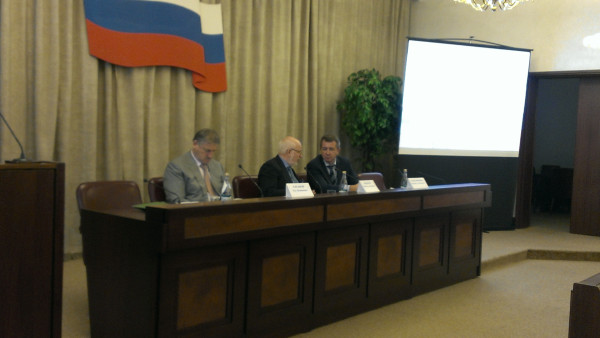
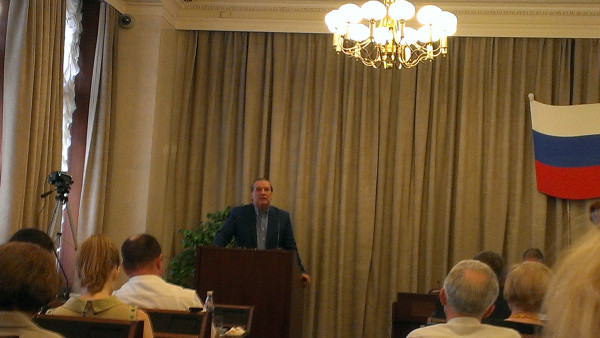
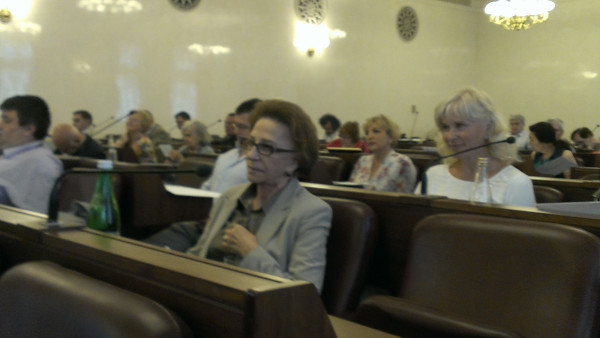
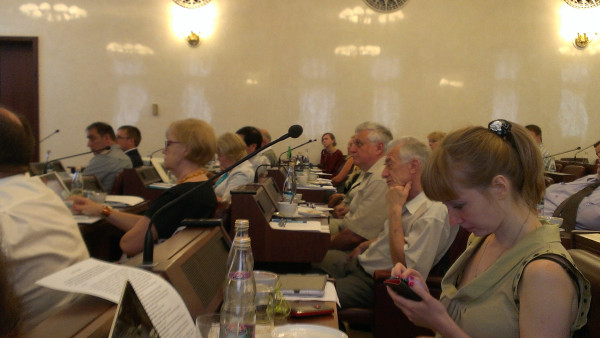
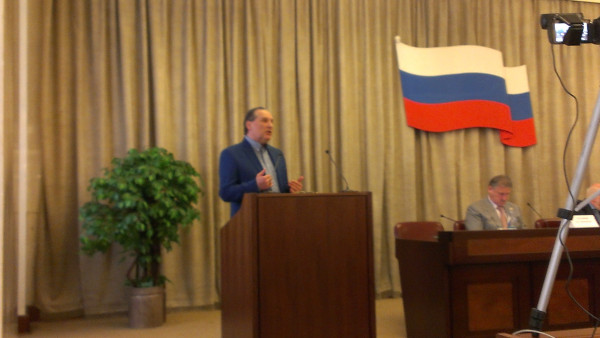
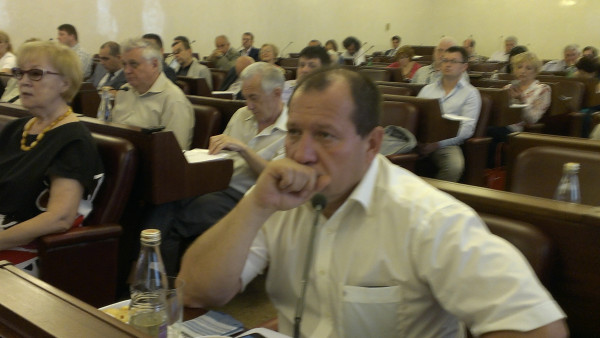
The HRC discussed the situation in the country’s penal system

In his speech, Deputy Minister of Justice of the Russian Federation A.D. Alkhanov supported the recommendations of the HRC on the creation of colonies on the territory of the subjects of the North Caucasus Federal District.
Valery Maksimenko spoke and answered questions from the meeting participants for more than an hour. Talking about a woman who is being held in pre-trial detention center No. 6 for stealing cheese. He said that the Federal Penitentiary Service is ready to buy the cheese and return it so that this girl can be released from the pre-trial detention center. Maksimenko supported I. Kalyapin’s idea that it is necessary to organize regular meetings of human rights activists from the regions with the leadership of the Federal Penitentiary Service of Russia.
Moscow State University Professor V.I. Seliverstov spoke about the preparation of the General Part of the new Criminal Executive Code at the Faculty of Law of Moscow State University. V.I. Seliverstov said that the situation with the reduction of employees of the penal system is pre-catastrophic in nature, and in the event of further reductions, controllability will be lost.
Senior Prosecutor of the Prosecutor General's Office of the Russian Federation A.I. Kulikov assessed the recommendations of the HRC as a roadmap for the development of the penal system, drawing attention to the need for the speedy implementation of these recommendations. He supported Lev Ponomarev’s thesis that there are colonies where human rights violations occur more often than in others, and also that it is necessary to ensure security. At the same time, from 2012 to now, the number of cases of using physical therapy has decreased. forces and special equipment from 5.5 thousand to 3.5 thousand per year.
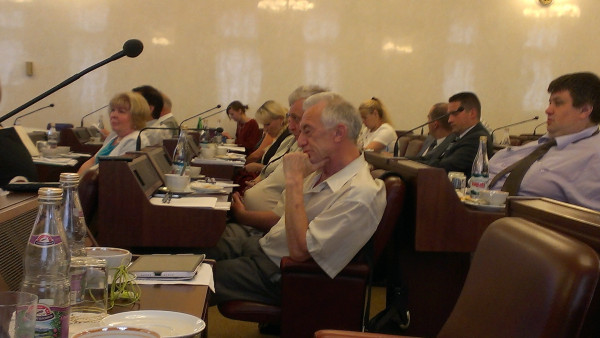
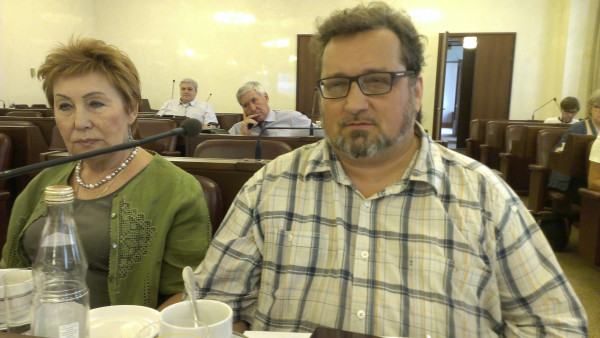
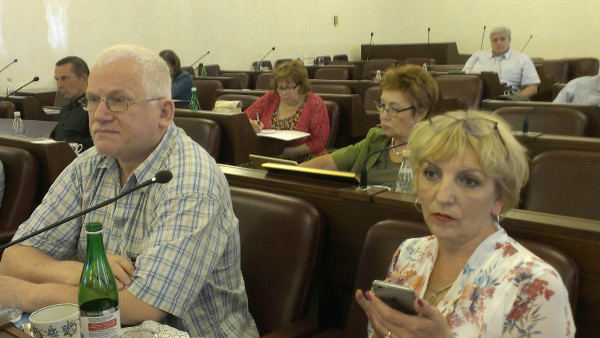
L.I. Kravtsova proposed improving the order of the Prosecutor General's Office No. 6 on the prosecutor's visits to penal system institutions by establishing the frequency of the prosecutor's visits to penal system institutions.
E.K. Eliseeva spoke about cooperation with prosecutor Gavrilov, with whom there was an agreement on joint raids by prosecutors and the Public Monitoring Committee at night, but now there is no such cooperation.
M.G. Romanova (PSC of the Krasnodar Territory) told how, several months before the murder of a child in the Belorechenskaya VK, members of the PMC and the prosecutor in quarantine found a boy with a bruise, members of the PMC asked for an inspection, but the prosecutor refused, saying that the student had no complaints.
In my report, I analyzed the recommendations of the HRC to the FSIN and other departments, spoke out against the transfer of penitentiary medicine to the Ministry of Health, and proposed holding a monthly human rights activist day at the FSIN, on which human rights activists from the regions could meet with someone from the leadership of the FSIN. I also noted that the HRC will need the help of the Federal Penitentiary Service of Russia in order to prevent the expulsion of the most principled and inconvenient members of the PMC from the PMC when forming the 4th commission.
The delay lasted more than 5 hours.
A. Babushkin