
Translated material
The end of private life
Daniil Turovsky - about the FindFace application and total surveillance technologies

The FindFace application, which allows you to photograph a person on the street, and then find his account on VKontakte, has recently been regularly on the news: with the help of it, art projects are made or poisoning women who are filming in porn. Daniil Turovsky’s special correspondent Daniil Torovsky found those who developed FACEN technology, which became the basis of FindFace, as well as those who bought this technology, and found out that this is only the beginning: in fact, with the help of algorithms working on the basis of the neural network, you can identify any person on any photo and video and video, thus organizing an almost round-the-clock. Invisible surveillance for anyone. The Moscow government and law enforcement agencies are going to start using Facen for their own nearby.
The man took the cottage cheese cake from the packaging, turned on “Once a year, the gardens bloom” Anna German and opened a folder on a computer, in which there were a hundred gigabytes of porn.
An hour later, the system administrator from the Moscow Region Vadim Gusygin (the name changed) left work after a short working day. On the street stood June heat. On the way home, Gusygin put several hundred rubles on his electronic wallet in Qiwi. He had long been going to get out in his room, but this time there were more important things.
By Friday evening, June 10, Vadim has been preparing for the past one and a half weeks. He could not stop thinking about what happened; From time to time, fierce hatred flashed in him. In early June, an unknown person wrote in Vkontakte his relative that he has a video in which the girl visits the toilet of one of the Moscow coffee houses. The unknown person established the identity of the victim with the help of FindFace - the Russian dating service that allows you to find any people on VKontakte in one photo. Vadim enraged not only peeping by steady and invasion of private life, but also that the relative did not listen to his advice. For several years, he recommended that all friends and relatives not register on social networks under real names. It was possible to convince everyone except the girl, whom the attacker has now written.
Vadim became interested in who and why shot the video. Having rummaged on the forums, he found several communities for people who are fond of secret filming in toilets, and in them - hundreds of videos that Gusygin downloaded to his computer. Almost immediately, he decided to find other girls who were shot on camera, and tell them about the records. After talking with them, Vadim was going to find out where and when was the shooting. To search, he took advantage of the same FindFace service as the Troll, who wrote it to a relative.
Returning home after work, Vadim paid the FindFace account from the Qiwi wallet and got the opportunity to check up to 300 photos a month. He opened on a computer a program that collected all the screenshots from the video archive, and set it up so that it showed three pictures at the same time - for speed. There were no faces on many screenshots, but after a few minutes Vadim came across a photograph in which the girl looked directly into the camera. He saved it and loaded it into FindFace. The service was identified by Muscovite Polina Anisimova.
On June 12, he sent her in a personal message on VKontakte a screenshot with a comment: “Excuse me, isn't it you in the photo?” Polina read the message after a few hours, already at night. "And what?" She asked. “If this is you, then you have trouble,” Vadim wrote to her. He described the situation in general terms. She did not believe at first, but quickly found a video on one of the forums, on which she recognized herself. The next day, she talked about this on her Facebook.

Vadim continued to rummage in the archives and analyze screenshots. He spent about 30 hours at the computer, watching photos from the toilets. As he himself says, during the “research” he felt like a ufologist, sometimes he felt “awkwardness and inappropriateness” of what he was doing, but still continued, believing that the victims should find out about what had happened. Most girls did not answer his messages, somewhat admitted that they were in screenshots. According to Polina Anisimova, Vadim brought her to other victims, and now they are going to apply to the Investigative Committee. (The relative of Vadim herself - an official in the city administration - is afraid to lose work and does not want to sign a statement.) Other girls reacted aggressively to messages. One of them wrote to Vadim: “Yes ****** one face. And for you for the future, I do not deal with such a garbage unlike you !!! ”
Search for real people from random photos and archives of images accumulated over the decades of the Internet (only Internet archive in May 2014 kept 15 petabytes, and it does not analyze everything) is one of the many possibilities of using persons recognition algorithms that will spread everywhere in the coming years - from dating applications to city chambers, and special services can Follow specific people. With the help of facial recognition algorithms, almost any person (and authorities) will be able to peep for life and random passers -by on the street and specific people. It is likely that a small Russian startup will be a pioneer and leader in this area, in which less than ten people now work.
Creator of technology
In the mid-2000s, on weekdays in intercity buses from Troitsk to Moscow, one could meet a tall and smiling schoolboy Artem Kukharenko. The road took about one and a half hours one way - past Vnukovo, the Mosrentgen plant and through the Moscow Ring Road. Already at that time, his main hobby was programming. From the fifth grade, he went to city circles in computer science, in the eighth he entered the gymnasium No. 1543 in the south-west of Moscow, which is considered one of the strongest mathematical schools of the city. In the summer, Kukharenko went to computer schools, where they taught algorithmic programming, data structures, and methods for their analysis. During the school year, he participated in the Olympiads, in 2006 he won the All -Russian correspondence Olympiad in computer science.
After school, Kukharenko entered the Moscow State University at the faculty of computational mathematics and cybernetics (VMK), not even thinking about other options. In his second year, he went to the special course of Anton Konushin “Introduction to Computer Vision”. At the end of the year, Konushin invited the interested topic to complete several tasks and pass an interview. So Kukharenko got into the laboratory of computer graphics and multimedia at the faculty. The laboratory conducted experiments on machine learning and neural networks (a set of algorithms that can be taught to solve problems; in neural networks there can be several levels, each level combines the signs of previous levels - that is, more and more complex combinations are created that the creators of the original algorithm themselves may not even know).
Closer to the fourth course on the advice of the head of the laboratory, Kukharenko drew attention to a new and unexplored area - recognition of persons. In 2012, together with Konushin, they wrote a job about the recognition of the floor by photography.
On the page remaining from Moscow State University, the Laboratory website in the Laboratory website, the list of his scientific interests shows machine learning, deep neural networks, and computer vision. “I also finished school No. 1543, so I knew: there are no brooms there, the guys are good,” says Anton Konushin. - Artem was interested in the topic. And he wrote the coursework and the diploma by recognizing persons. This is an example when exactly what a person studied, then came in handy. ”
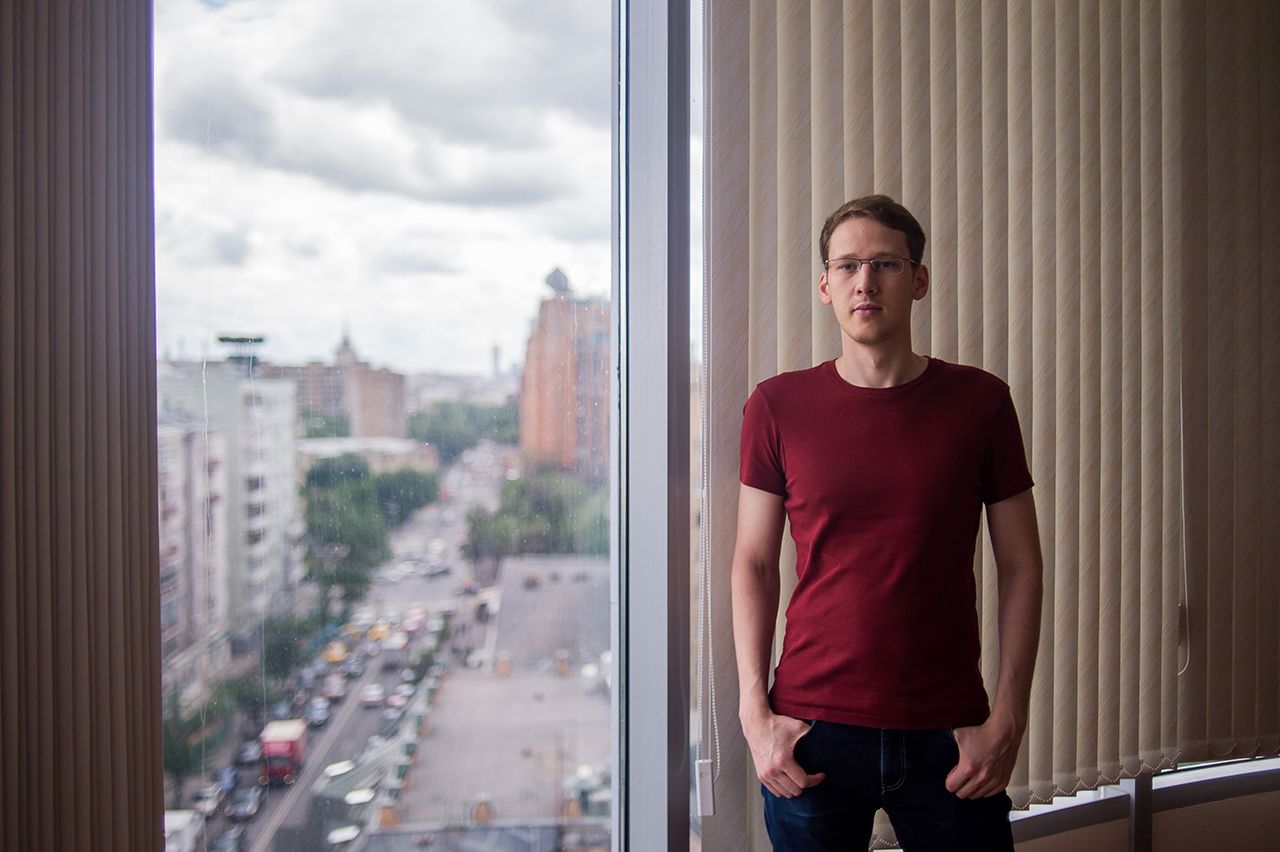
After the university, Kukharenko abandoned the face recognition area for three years, concentrated on neural networks and machine training. He traveled, lived in Argentina and remotely worked at the Laboratory of the University of Perdue in Indiana. For American researchers, Kukharenko wrote algorithms for classifying objects on video. It was assumed that such processors with a neural network can be put in a car - and it will be able to classify everything that comes across along the road: at home, pedestrians, signs; It would be useful for autopilot. Returning to Russia, Kukharenko got a job at the Russian branch of Samsung, where he continued to work with neural networks.
On long New Year's holidays, in early 2015, Kukharenko had a lot of free time, and he remembered from boredom what he was doing at the university. Together with the girl, they manually marked 150 photos of dogs of their breed. Kukharenko uploaded the noted photos to his self -excessive neural network, which itself classified dogs.
He wrote an application for Android, which defines the dog’s breed from a photograph, and called it Magic Dog. The application did not become popular (but a year later a similar onewas released in Microsoft), it was downloaded about 10 thousand times. Judging by the reviews, the Magic Dog worked imperfect: “Damn I put a photo of a cat, he gave me a photo of a dog,” “My mongrel turned out to be Australian Kelpi.” Among the reviews, the advice came across: “Upopt the people to determine people. For some persons, without a special application, you can’t determine the breed. You look - a bunny, and inside is a pig. ”
Last spring, Kukharenko decided to show his application to investors and, through friends, entered the Russian venture fund Typhoon Digital Development (evaluates its assets of $ 10 million). Three managing partners of the fund are graduates of the journalism faculty and philosophy of the Moscow State University, who worked at NTV and Izvestia. On the fund’s website under the logo you can find the phrase: “They say that sometimes even a swing of the wing of the butterfly can cause typhoon on the other end of the earth.” Among the projects of the Fund are the developer of mobile games in the Rocket Browser and the ADD in App mobile advertising agency.
At the first meetings with potential investors, Kukharenko, referring to the experience of Silicon Valley, said that the neural networks and recognition of faces are the future. In recent years, the Internet giants of Google, Facebook, Apple have bought dozens of projects of developers of facial recognition and neural networks-DeepMind, MSQRD, Face.com and others. Facebook has long been testing the recognition of faces inside the social network, offering to celebrate friends in photographs. By 2020, the person recognition market, according to Bloomberg, should grow up to $ 6.2 billion.
The company, which was created according to the results of negotiations, eventually called n- tech.lab; Kukharenko belongs to her quarter. Despite the fact that the developer offered dozens of possible tasks that can be solved using neural networks, they decided to concentrate on recognizing faces.
Kukharenko received the first investments in the same spring; The creator of the algorithm quit Samsung, calling with him one of the programmers. He found another programmer in a public about neural networks on VKontakte - Kukharenko liked his comments.
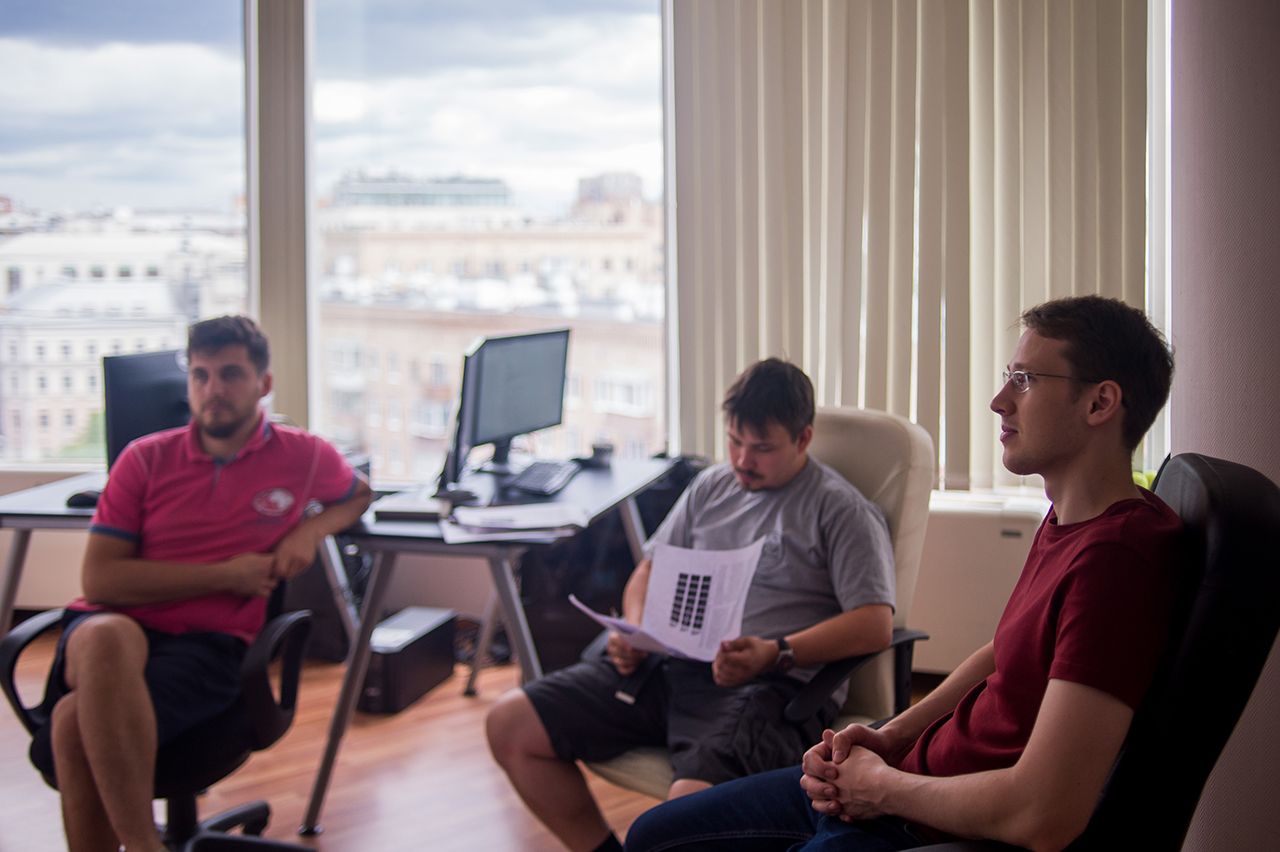
In May 2015, they entered the office in an inconspicuous business center near Tishinskaya Square in Moscow. N-tech.lab occupy a floor, but the office has empty and almost no furniture. For the first investments, the company acquired four servers for several million rubles each - three put under the tables of programmers, another installed in a separate cooled room. Showing his possessions, Kukharenko smiles and boasts: “Google uses a thousand servers for these purposes, and we have only four of them.”
How does this work
Servers are the most important thing that Kukharenko was missing, who already knew how to write an algorithm. Neural networks are extremely resource -intensive systems: they need a lot of data for training and computing power.
In a few months, programmers wrote the chain architecture and set it up. Kukharenko cannot talk more about this - a commercial secret. In fact, the entire algorithm that the team calls Facen is a neural network written by programmers, which is studying and extracting distinctive features of people for identifying people: the size of the eyes, the texture of the eyebrows, the shape of the lips and others.
“We teach a neural network in millions of photos with marks,” says Kukharenko. - They in the semi -automatic mode indicate who in this photograph is Vasya, on this - Petya, and on this one - Kolya. And she herself studies, trying to extract vectors of signs that will solve the problem. ” The neural network determines the signs, their importance and builds the relationship between them. According to Kukharenko, the neural network formulates about 80 numbers describing information about the face. They do not know about the significance of many of these numbers in n- tech.lab. Having “formulated” the signs, the neural network will be able to use them in other photographs.
In September 2015, Kukharenko learned that the University of Washington is holding the world's recognition championship, and decided to send his decision there. The algorithm created by his team in one of the competitions ahead of the development of Google: he recognized 73.3% of the necessary persons from 100 thousand photographs of about the same age (the Google Facenet V8 accuracy was 70.5%). True, in an experiment with a base of different ages, the result of n- tech.lab amounted to only 52% (Google had 74.5%).
The organizers of the competition at the end of June 2016 announced that they would create a base of 500 thousand people, each of which will be attached to a set of photographs in several angles and at different ages. The base will be able to use companies involved in the recognition of persons to teach their neural networks. It will be posted in open access in late summer.
How to use it
Kukharenko walks around the office in shorts and a T -shirt. He looks like Edward Snowden, but his point of view of privacy is the exact opposite of the views of the main opponent of surveillance and interception of traffic. “As an ordinary person, safety is more important than privacy,” says Kukharenko.
After the victory in the American contest, N-Tech.Lab was covered with proposals for the purchase of an algorithm. Clients were very different-from the Chinese casinos to the border services of Turkey, which, due to the war in Syria, is very worried about the identification of those who cross the border ("Medusa" wrote in detail about what is happening on the Turkish-Syrian border). The Australian startup became interested in the possible use of Facen in the entertainment park: if the visitor is photographed at the entrance to the park, then the pictures of professional photographers will automatically come to him, on which the algorithm recognized him: on the hills, attractions, at dinner.
The startups also entered the special services - both Russian and foreign. They talked through the “integrators” - companies that install programs on protected objects. (Cukharenko refused to talk more about this.)
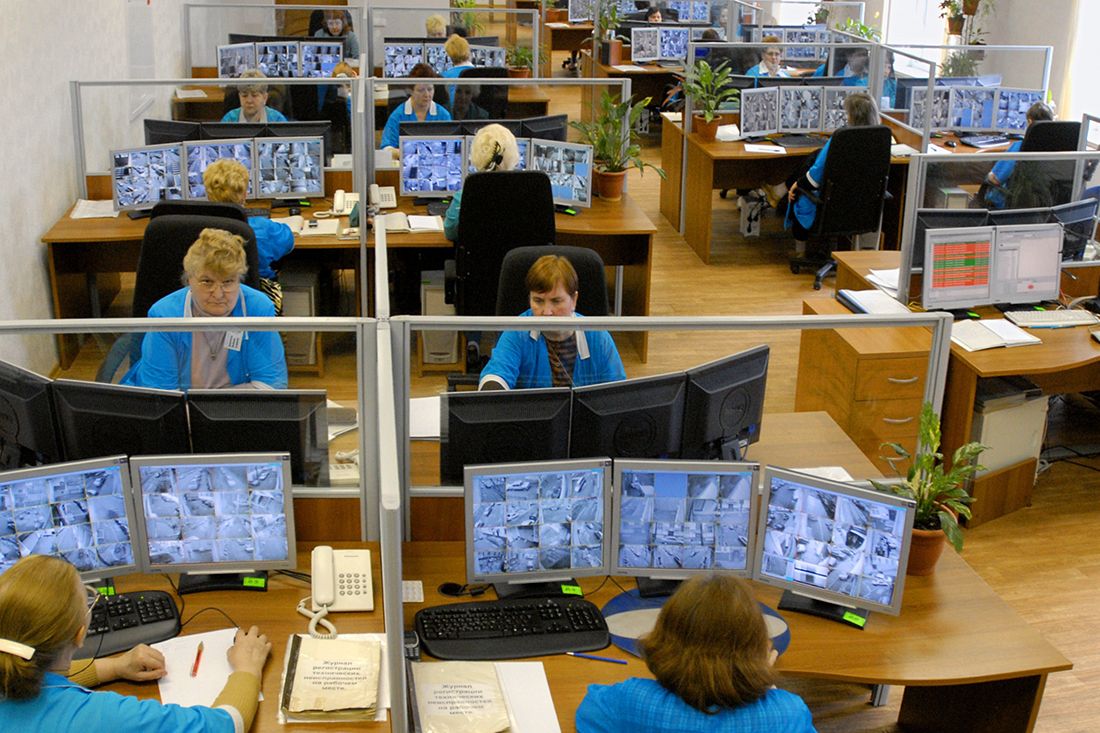
In May 2016, N-Tech.Lab agreed with the Moscow government to test the recognition service of persons in the video that shoot city cameras. There are significantly more than hundreds of thousands in Moscow - 98 thousand at the entrances, 20 thousand in the yards; How many more cameras are on the streets, on the squares, on the roads, in transport - it is not known exactly. All images flow into the Unified Computing Center of the Department of Information Technology.
“People who pass the cameras are checked with the base of criminals or missing people loaded into the system,” Kukharenko explains. “If a person shows a high degree of similarity, then a warning about this is sent to the police officer who is nearby.”
Kukharenko says that there is no such system in any city in the world. When testing ends, N-Tech.lab will install its system in a closed contour of the city video surveillance system. The algorithm will be able to not only find people in the database of criminals, but also highlight individuals in any part of the city and find their pages on social networks, from which you can almost always learn a lot about their lives.
Special services will be able to use the Facen algorithm to recognize people at the opposition rallies or, for example, the analysis of video recordings from Bolotnaya Square on May 6, 2012 to find new suspects and their pages on VKontakte.
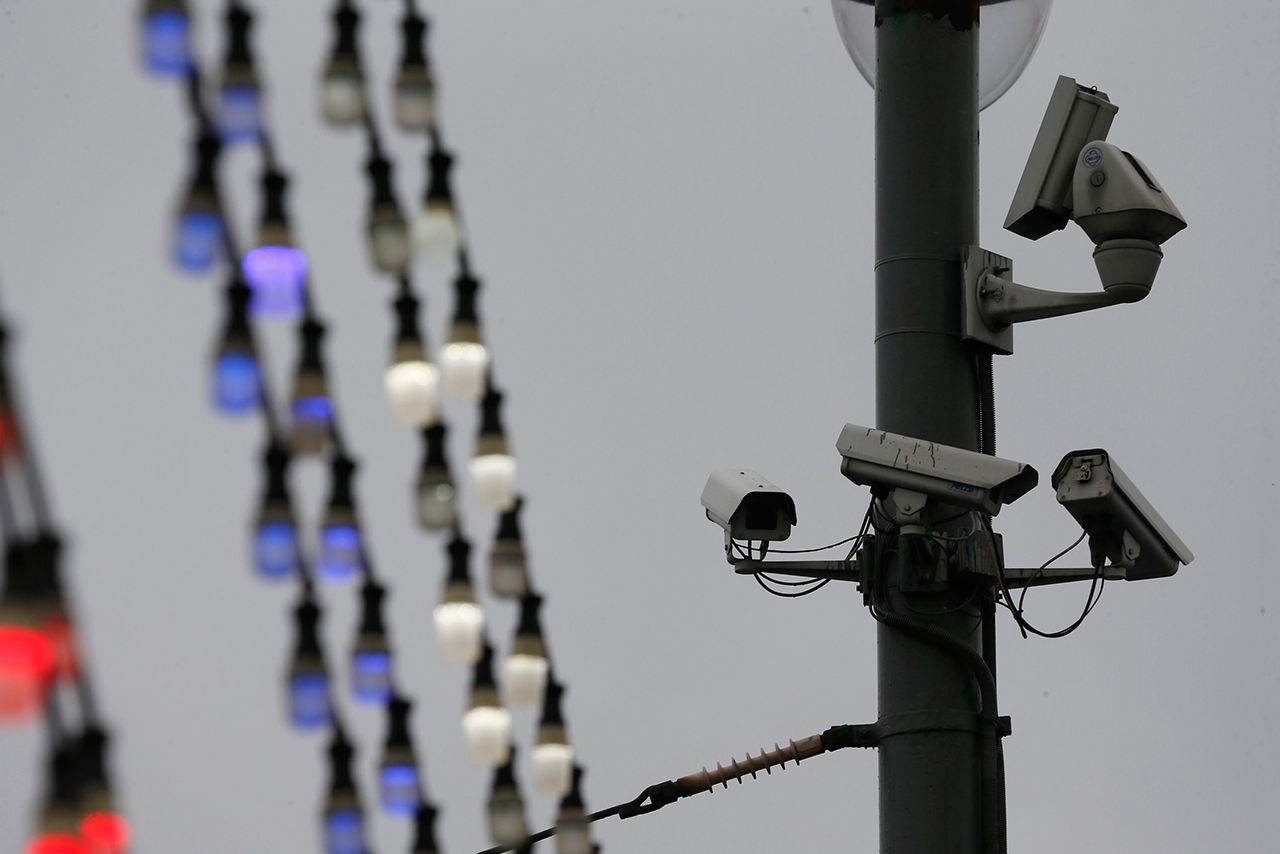
The person recognition system will not leave anyone to move unnoticed. Even if a person forgets the phone at home, it will be easy to track his movement when he falls into the lenses of city video cameras hanging at almost every house.
The Moscow authorities have repeatedly tried to reconstruct a video surveillance system. In 2013, they tested a special television channel, through which the inhabitants themselves could follow the entrances and yards. Then the residents of the Konkovo district received access to the cameras. The Deputy Head of the Department of Information Technologies then said : “Cameras are not a blow to personal freedom, a big brother, a little brother ... Cameras - an element that allows you to make life in the city calmer.” Примерно тогда же активист, называющий себя Русским Котом, рассуждал в своем блоге о «тактике и стратегии революции борьбы», которая заключалась в уничтожении камер с помощью краски, клея, целлофановых пакетов, кувалды, огнестрельного оружия и арбалета. Менее радикальные граждане, чтобы спрятаться от камер, используют специальные прически и маски.
«Качество работы нейросети зависит от того, насколько близки по свойствам те изображения, с которыми придется работать и которые использовались при обучении, — объясняет исследователь из МГУ Антон Конушин. — То есть для анализа по видеонаблюдению будет сложнее распознавать людей, если нейросеть училась на фотографиях из „ВКонтакте“. Но ее можно дообучить».
В июне 2016 года N-Tech.Lab продали свою технологию «Билайну» для создания приложения фестиваля электронной музыки Alfa Future People. Фестиваль пройдет 22–24 июля под Нижним Новгородом, в прошлом году он собрал около 40 тысяч зрителей. Приложение, основанное на алгоритме FaceN, позволит отправить свое селфи роботу, который, в свою очередь, найдет другие фотографии пользователя в фестивальной базе.
Кухаренко рассказывает, что алгоритмом заинтересовались торговые сети. Сейчас с ними заключены договоры о неразглашении. «Фотографии посетителей будут работать как cookie ( термин используется в интернете для идентификации и хранения настроек пользователей — прим. „Медузы“ ), — объясняет он. — То есть не нужны будут карты постоянных покупателей. Когда человек зайдет в магазин, там — с помощью видеокамер и нашей технологии — уже будут знать, что он покупал в прошлый раз».
Еще один вариант использования — онлайн-ретаргетинг на основе записей с камер наблюдения в магазинах. Например, если человек зайдет в супермаркет, посмотрит кофеварку, но не купит ее, то через пару дней увидит в интернете рекламу того же товара со скидкой и получит об этом же личное сообщение в социальной сети.
Кухаренко предполагает, что FaceN пригодится и во время чемпионата мира по футболу 2018 года в России. «Можно сделать пропускные системы, отслеживать болельщиков, которые в черных списках», — говорит он.
Юридические обоснования таких практик неоднозначны. Юрист «Агоры» Дамир Гайнутдинов рассказывал , что «все это по российскому законодательству является обработкой персональных данных». Он добавлял, что Роскомнадзор считает персональными данными любую информацию о субъектах: ведомство выступало в защиту фотографий Валерия Сюткина и судилось с «Луркоморьем». При этом, регистрируясь в соцсетях, пользователи соглашаются на обработку персональных данных: пункт 5.8 пользовательского соглашения «ВКонтакте» говорит, что администрация соцсети вправе давать такую информацию разработчикам сторонних сервисов и приложений.
«Наша технология все изменит, — говорит Кухаренко. — Люди будут корректировать свое поведение. Начнут задумываться, что выкладывать, а что нет». Инвестор N-Tech.Lab Александр Кабаков с ним согласен. «Своего рода предупреждение: ребята, будьте осторожны с тем, что вы публикуете», — говорил он Bloomberg.
FindFace и отмена приватности
В январе 2016 года, спустя месяц после победы в конкурсе, к Кухаренко обратился Максим Перлин из рекламного агентства Blacklight. Они пересекались за несколько месяцев до этого, когда Перлин хотел разработать новые виды рекламных щитов для города.
«У меня взыграли патриотические чувства, — рассказывает Перлин. — Почему про них никто не говорит? Чуваки сидят в каморке, а выиграли космос».
Перлин и Кухаренко встретились. Перлин спросил, почему N-Tech.Lab не пытается вывести алгоритм на массовый рынок. Кухаренко рассказал ему, что они ведут переговоры с правоохранительными органами. Перлин предложил сделать приложение по поиску во «ВКонтакте» — сайт работает на открытой для разработчиков технологии, позволяющей выгрузить фотографии пользователей. Кухаренко сказал, что ему это неинтересно, но согласился продать алгоритм. По словам Перлина, они договорились на «ежегодный платеж на не очень большие деньги».
Перлин собрал команду из двух программистов и главы отдела разработки, выделив им помещение в офисе агентства. Он решил, что алгоритм нужно использовать максимально просто. «Идешь по улице, видишь человека, фотографируешь его, загружаешь в приложение, находишь, — рассказывает он. — Поэтому и сделали дейтинг ( приложение для знакомств — прим. „Медузы“ )».
N-Tech.Lab разработали для приложения поисковый движок; команда Перлина — мобильное приложение и веб-интерфейс. Сервис назвали FindFace.
Кухаренко рассказывает, что приложение работает по принципу поискового движка «Яндекса» или Google — оно проиндексировало все 300 миллионов фотографий, выкачанных из «ВК», то есть сделало «слепок» фотографий, сохранив выявленные признаки лиц. После того как пользователь загружает фотографию в приложение, она анализируется и сравнивается с фотографиями из «слепка».
Перед запуском Перлин вместе с программистами тестировали приложение на фильме «Сибирский цирюльник», загружали скриншоты из российского порно и фотографии с сайтов проституток. В фильме Михалкова они изучали людей из массовки: например, одного из мужчин в белом парике нашли с пивом на даче.
FindFace запустили 18 февраля в веб-версии и на мобильных платформах. Запуск Перлин прокомментировал в своем фейсбуке: «Это на самом деле разрывает всякие шаблоны и стирает на хрен любую анонимность, — писал он. — Увидев симпатичную девушку в клубе, вы можете сфотографировать ее на телефон и моментально найти ее профиль во „ВКонтакте“, узнать имя, интересы и отправить ей сообщение».
По словам Перлина, к концу июня 2016 года приложение загрузили больше 1,3 миллиона раз, веб-сервисом воспользовались около 300 тысяч раз. Технология успешно определяет около 70% людей, которые есть во «ВКонтакте».
Проект окупил инвестиции и вышел в плюс. Само приложение бесплатное, но в нем есть несколько платных функций: за 149 рублей в месяц можно проверить до 75 фотографий (вместо 30 в бесплатной версии), а за 459 рублей в месяц — скрыть свой профиль из поисковой выдачи. Перлин говорит, что покупают около 100 платных аккаунтов в день. В их планах — развить поиск по страницам других социальных сетей. Пока это не удается: и азиатские социальные сети, и Facebook с Instagram запрещают сторонним разработчикам выгружать фотографии. Перлин связывает это с тем, что американской компании «неприятно, что у ребят из России технология работает лучше, чем у них». Зато в ближайшее время FindFace, скорее всего, запустится и по базе «Одноклассников», где аудитория более взрослая, чем во «ВКонтакте».

Быстрый рост FindFace начался после истории, похожей на рекламную, которую 24 марта 2016 года опубликовал на своей странице во «ВКонтакте» петербургский программист Андрей Мима. Он рассказал, что шесть лет назад, летом 2010 года, на Невском проспекте в Санкт-Петербурге сфотографировал двух девушек. Мима хотел отправить им снимок, но у него не было никаких контактов. В 2016 году он загрузил ее в FindFace и нашел тех самых случайных знакомых. Сервис он назвал «„Шазамом“ для людей».
Через несколько недель петербургский фотограф Егор Цветков проверил сервис, сфотографировав случайных людей в метро. Люди в социальных сетях ему показались более живыми, чем в жизни. Свой проект он назвал «Your Face Is Big Data». «Сегодня у человека исчезает возможность делать хоть что-то, будучи уверенным, что никто об этом не узнает. Ты идешь по улице под камерами, в магазине под камерами, в транспорте тоже. А с приходом таких штук, как FindFace, теряешь еще и возможность скрыть свои ФИО и личные данные. И люди сами идут навстречу этому. Это довольно страшно», — говорил фотограф.
Уже через три дня ссылка на эксперимент попала на 2ch («Двач», анонимный форум). Пользователи создали тред «Ищем шкур, которые снимались в порно или работали проститутками» и призвали к кибертравле. Они рекомендовали писать мужьям и «друзьяшкам» найденных во «ВКонтакте» порноактрис.
С одним из «друзьяшек» у разоблачителя состоялся такой разговор.
— Вы знаете, что она снимается в порно?
— А зачем об этом всем рассказывать?
— Вы считаете, что нормально, чтобы человек снимался в порно?
— Это дело каждого. Who are you?
— То есть если бы ваша жена или ваша дочь пошли бы заниматься, для вас это было бы нормально? Я просто интересующийся мнением.
— Это просто фото.
— Это фото обнаженной девушки, выставляющей напоказ свои срамные места. Indecent.
— Да мне похер.
Фотографии порноактрис из «обычной» жизни — с детьми, родителями, в университете — разоблачители загружали в отдельные треды на форуме.
Через пару недель с помощью FindFace в Санкт-Петербурге нашли двух поджигателей здания — их лица попали на камеру наблюдения в лифте. Жители дома запросили у управляющей компании съемку и сделали скриншоты. Один из жителей, Андрей Смирнов, дома загрузил фотографии в FindFace, нашел страницы преступников — и узнал, где они работают, учились, с кем дружат. «По хорошим советским временам отправили письма счастья на работу, на учебу», — сказал он. Жители передали эту информацию полицейским.
Перлин считает, что сервис благодаря этим историям «раскрутился». После «аутинга» порноактрис его позвали на православный интернет-телеканал «Царьград».
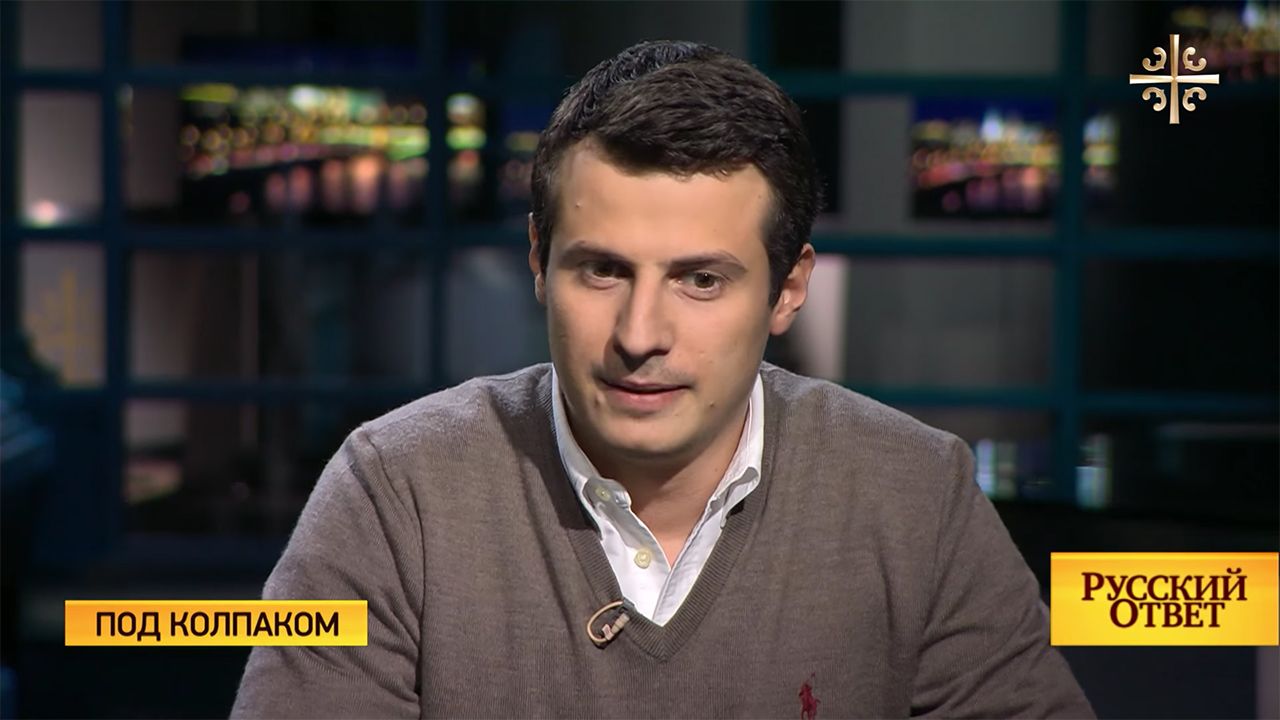
— Теперь ведь любой человек будет находиться под контролем? — интересовался ведущий. — А если сфотографируют человека, выходящего из дорогого магазина? Потом найдут по фотографии, узнают, где он живет. Подкараулят и дадут по голове.
— Мы понимали, что могут нарушать закон. Но главное — не нарушать Закон Божий. Наше приложение дает множество приятных возможностей.
— Что делать, если человек не хочет быть в глобальной базе данных?
— Надо человеку задуматься, почему он там не хочет быть.
— Ну не хочу.
— Можно купить у нас платный аккаунт.
Перлин — мастер вирусных кампаний. Еще осенью 2010 года он вместе с однокурсником по журфаку МГУ Владимиром Табаком ко дню рождения Владимира Путина выпустил эротический календарь со студентками. По его словам, календарь принес им неплохой доход, они продали около 80 тысяч экземпляров (в рознице календарь стоил около 200 рублей). В то время Перлин вместе с Табаком руководили издательством Facultet, выпускающим прозу молодых авторов, и параллельно работали на прокремлевского медиаменеджера Константина Рыкова (создатель сайтов «Взгляд.ру» и «Дни.ру», впоследствии — депутат Госдумы). Они курировали несколько программ на интернет-телеканале Russia.ru. Перлин рассказывает, что по совету Рыкова они должны были выпускать «любое говно, главное, чтобы были просмотры». Из этого он сделал выводы, как нужно работать.
Перлин часто использует в своей речи слово «прикольно»: «искать порноактрис весело и прикольно», «прикольно что-то хорошее сделать на мировом уровне», «прикольно посмотреть фотки, когда взломали какую-нибудь звезду». Он говорит, что любил посмотреть «желтуху» на закрывшемся сайте super.ru (с недавних пор — часть Life.ru).
И Перлин, и Кухаренко взбудораженно рассказывают о том, как FindFace помогает работать полиции. «Они поднимают висяки, берут фотографии, прогоняют через приложение, находят профили людей, видят, что те вчера были онлайн, делают запрос во „ВКонтакте“, там выдают IP-адрес, откуда человек заходил, — говорит создатель алгоритма. — Ну и по адресу выезжает полиция». («Медуза» рассказывала , что большинство дел об экстремизме заводится за посты во «ВКонтакте».) В полиции тоже довольны приложением. «Если такая программа будет внедрена в телефоны сотрудников полиции, и не только полиции, то это поможет на месте определять, что за человек и кого они остановили», — говорил председатель профсоюза сотрудников полиции Михаил Пашкин. В управлении информации и общественных связей МВД Москвы «Медузе» сказали, что «система будет использоваться, когда Департамент информационных технологий все сделает».
На своем ютьюб-канале FindFace хвалится возможностями находить людей: «человека с потерей памяти», «мошенника», «потерявшего автомобильные права», «избивавшего в армии», «девушку, которую искали в „Жди меня“», «вора из очереди».
Как и Кухаренко, Перлина вопросы приватности волнуют не слишком.
— Я вообще не понимаю, когда всякие школьники сейчас говорят: а-а-а, теперь нашу переписку могут читать ФСБ! — говорит он, имея в виду «пакет Яровой» .
— Вас совсем это не тревожит?
— Мне вообще плевать. Я все обсуждаю в социальных сетях. Пусть ФСБ читает, с кем я спал, какие девушки у меня были. Деловую переписку? Ну узнают, сколько я зарабатываю и какие у меня клиенты. Я искренне считаю, что это никому не интересно. Проблема приватности преувеличена. Доступ к любому телефону получить элементарно, пусть спецслужбы меня читают.
После благодарных сообщений из полиции у Перлина «началась гигантомания», как говорит он сам. Он теперь хочет решать «мировые проблемы»: например, искать потерявшихся людей. «Я с моральной точки зрения загорелся сделать такое во всех социальных сетях, — сообщает он. — Тогда можно будет говорить: „Я не только бабок заработал, но и проблему в мире решил“. После этого можно будет и людей убивать. Cool!"
Daniil Turovsky
Moscow