
Translated material
Mayday in July
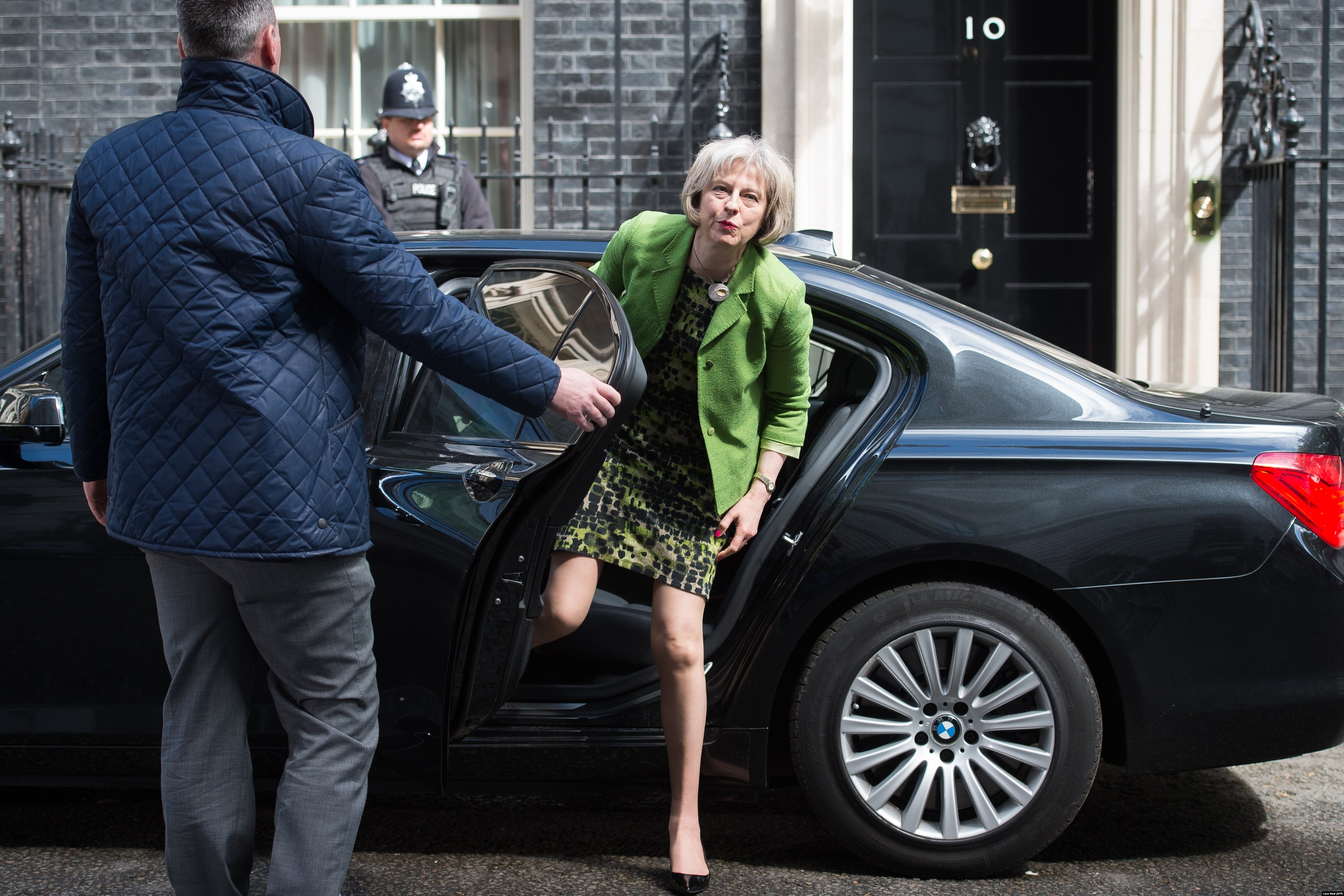
Andrey Ostalsky - about the new British premiere, Brexit, fear of openness, Trump and Putin
Brexit, the exit of Great Britain from the European Union, in whose favor the majority of voters of the country in a referendum spoke , led to the change of Prime Minister. On July 13, the new leader of conservatives Teresa May replaces the head of the government of David Cameron as head of government.
Surprisingly, it was the prime minister precisely May, who occupied a very restrained position in relation to Brexit, who advocated the preservation of EU membership, and not one of the leaders of the movement for exit, like the former mayor of London Boris Johnson, whose political career suddenly collapsed after the betrayal of the closest comrade-in-arms of the campaign Michael Gouva .
At the same time, it turned out that Brexit was not described only within the framework of the current political system of Great Britain - both the conservatives and the Labor have supporters and the country's exit from the EU and the continuation of stay in the European Union. The leader of the Labor of Jeremy Corbin, after the referendum , was almost overthrown by the intra -party opposition.
This means that the political confrontation lies in other planes, and this applies not only to Great Britain. Something similar, probably, can now be seen in the election campaign in the USA and even in Russia.
Teresa May, speaking on Monday with something like a program speech, sounded like a rather left-wing politician: "We need a positive vision of the future of our country, which does not work for a privileged minority, but for each of us."

The writer and political scientist, who lives in the UK, Andrei Ostalsky calls May's performance "bomb":
- I don’t know what will be realized from this, but so far she declares herself a large social reformer of a very left -wing orientation. Left newspapers are already saying - the Laborists did not dare to do this. And this supposedly conservative is actually lugging at the foundations of social inequality. She chooses very hard formulations. May says: if you are poor in this country, then, most likely, you will die 9 years earlier than a wealthy person from the middle class. If you are black, law enforcement agencies will handle it hard. If you were born in a white working family, then you have less chance of getting to the university. And she declares this position intolerant. What is she going to do? She renounced the tough monetary policy, pursued by David Cameron and the Chancellor of the Treasury by George Osborne; She stated that this is what the poor puts in a difficult position. She gives examples of how Astra Zenek was almost redeemed by the Americans, in which case it could be closed, in her opinion. She will not allow such transactions. She clearly makes it clear: now that the UK leaves the European Union (she explained that, of course, he will fulfill the will of the people, Britain from the European Union will come out), you can accept legislation that restricts, say, the conditions for the purchase of British companies by foreigners. She promised to intervene in corporate governance, not to allow situations when tens, hundreds of times more than the director of the company, which, of course, sounds very etist, she sounds like a left politician.
Something new in a changing world
- Does May speech mean that she is not going to announce early elections, which many were waiting for after the Brexit was announced?
- She did not affect this topic directly, but it seems to me obvious that she does not imply early elections. But she will still need to rally her conservative party around such a radical platform that she offers. Whether this will succeed-I do not know, because it does not sound like a classic conservative program, this is something new in a changing world.
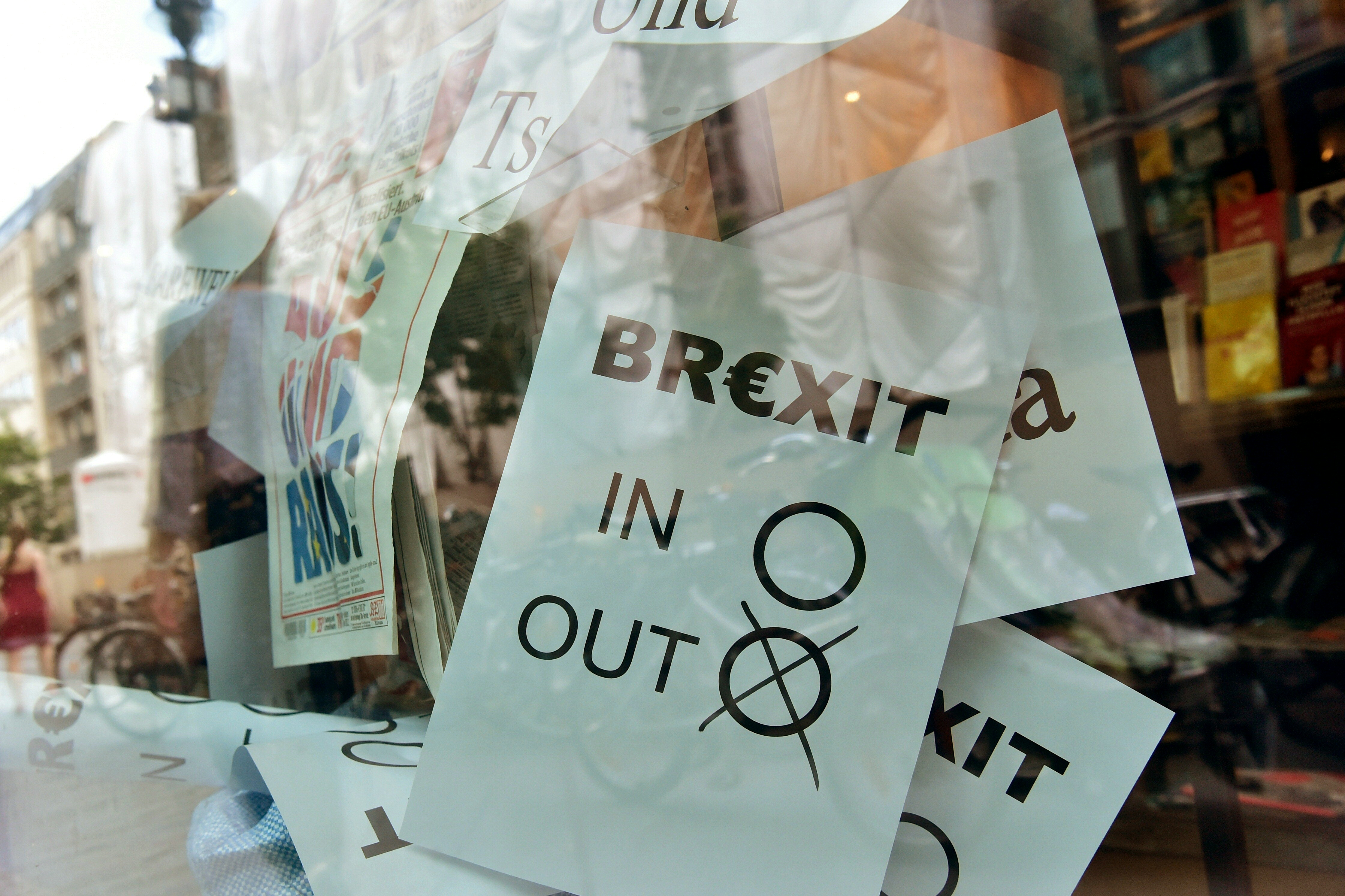
Everything that was to the word "but" you can forget
- Is it possible to link her unexpected program with voting on Brexit? Is it possible to assume that the rather poor segments of the population voted for Brexit, and it is to them?
- Yes, of course, she turns to these layers, it is believed that they provided the Brexit victory in the end. Many politicians talked about that on the left and on the right - that these feelings of protest, almost an uprising against traditional elites of politicians must certainly take into account. On the other hand, it is noteworthy that in the May program the problem of leaving the European Union is in fourth place. There is such an English political saying: if in the statement of the English politician there is the word “but”, then everything that was to the word “but” can be forgotten, important goes only after. Teresa May has such a phrase, where she just says that the will of the people should be fulfilled, Brexit will take place, but - and we are talking about the economy and inequality.
Perhaps it was a cunning political calculation
-It seems that the political careers of all the main leaders of Brexit suddenly crashed, the Prime Minister is becoming a conservative politician who was against it. This means in a sense that Brexit as a political program does not exist, but there is something else.
- This is an interesting question, there are many answers to it. As for Teresa May, yes, she, as some say, from the personal loyalty of Cameron, had no idea that it was possible to behave like Michael Gow, to stay in the government, to work with the prime minister every day and at the same time pursue a policy that was actually aimed at destroying the political career of Cameron. People who know her well, however, say that she has long been an euroskeptic. Probably, she, along with Cameron, came to the conclusion that in a particular socio-economic, political situation to stay at that moment in the European Union-the smaller of two evils. But she actually refused to participate in the campaign to ensure that Britain in the European Union remains. That is, nominally - yes, but in fact it is almost not associated with the campaign against Brexit. Perhaps it was a cunning political calculation, perhaps she calculated the situation that arose now that she should not be considered the worst enemy of the Brexit in the country where Brexit can win. She represents herself as a policy of unifying, who is ready to heal the wounds, and the wounds are deep, we are going on, God knows what.
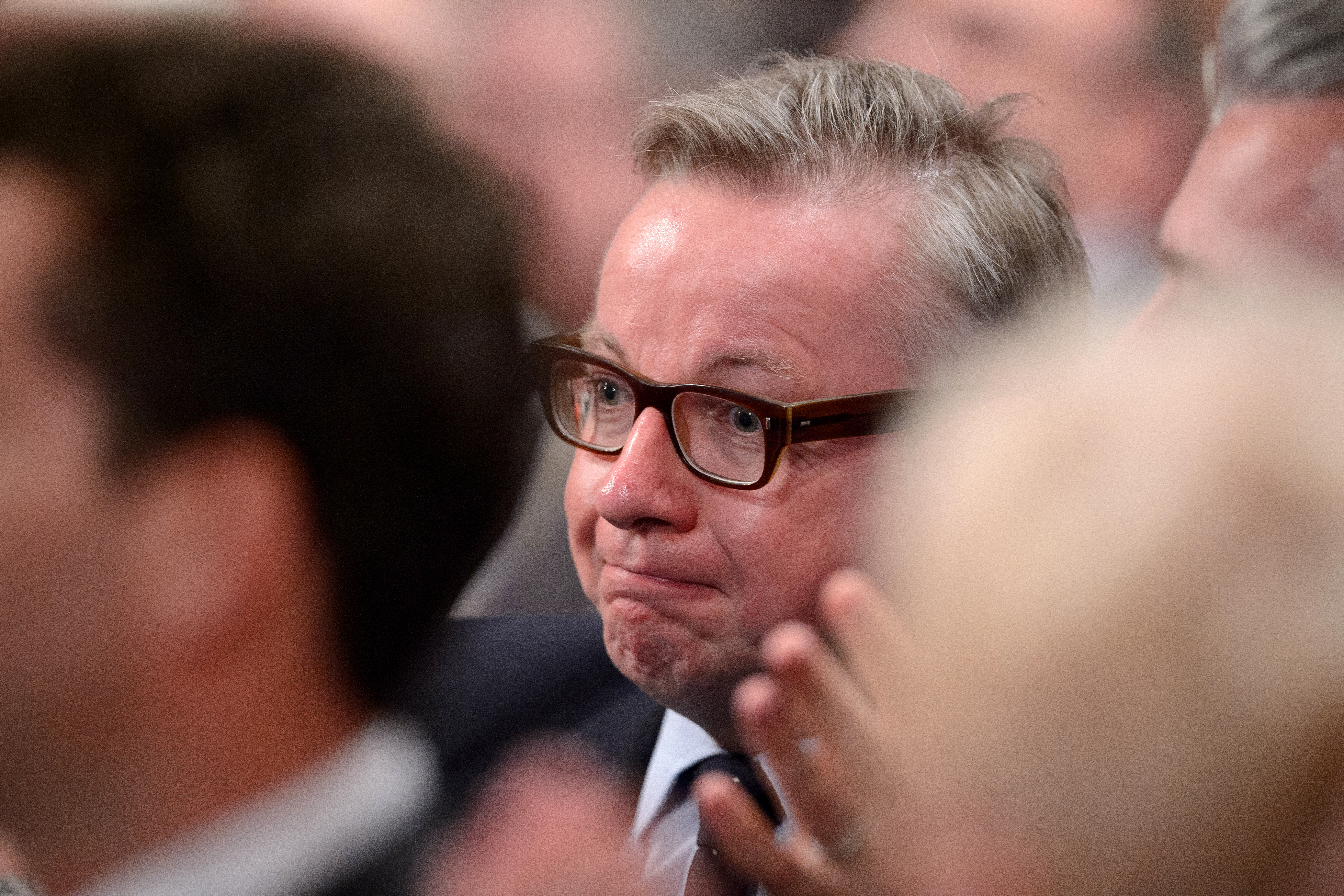
Need a neutral figure
I have been living here for more than 23 years, I have not seen such social tension, people just talk to each other with hatred. There was no such intolerance in Britain, this is a terrible split. Indeed, you need to urgently do something with this. We need a neutral figure, not an ardent supporter of Brexit, but not an ardent supporter of staying in the EU. Thank God, if the conservative party had the mind to understand this, not to follow the radicals. It seemed at one time that Brexit was a pretext for trying to make a right -wing coup, so that the extreme right wing of the conservative party came to power, removed the moderate, such as Cameron, Osbourne, and began to pursue the radical policy, which had long been bored with the right wing and part of the voters of the conservative party.
Each of these figures buried itself
- But why are all the most prominent figures of Brexit boldly from the political scene?
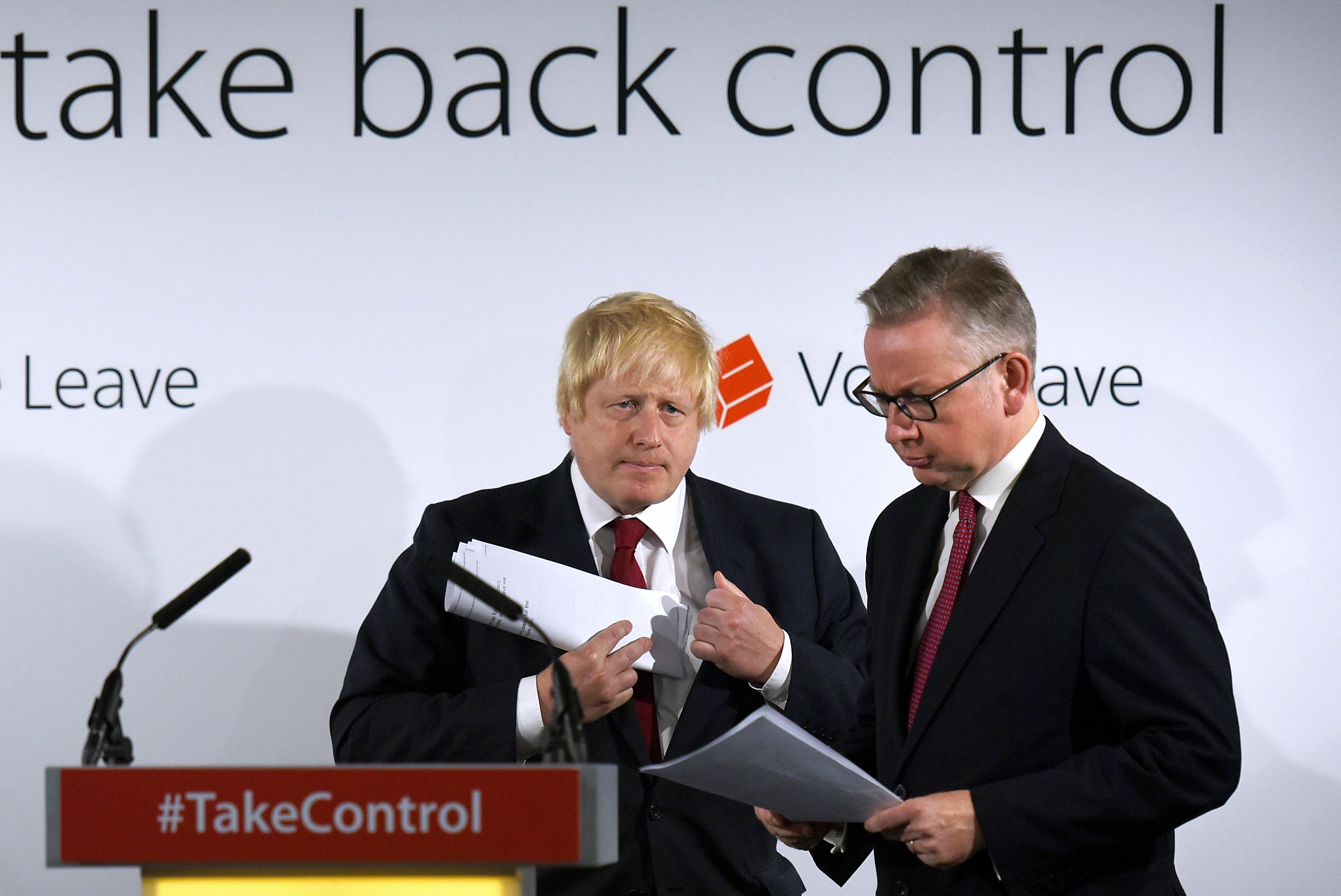
-Their schemes of educated and sane people from both camps, I think, were slightly scared, because these are some kind of fantic, completely unrealistic ideas. Secondly, apparently, by definition, a person of politics, professing such fantasies, in his political behavior turns out to be an unstable, too emotional, unable to create strong unions, compromises. The inability to this tiring, boring, daily political work was eventually summed up by Michael Gova, although he was generally considered the genius of the right wing, he is a very educated, bright, interesting person with a mass of unusual thoughts, he is an ideologist, a genius for them, but you see, in practice, he betrayed his closest ally Boris Johnson, a former mayor of London. Conservatives do not like, as it turns out, of such completely frank betrayals, they did not forgive this goow, and all his popularity began to quickly disappear. Boris Johnson himself, because of Gov, also had to refuse to participate in the race. But I drew attention to something else: Johnson in his newspaper column, which he wrote immediately after the referendum, suddenly began to state a position not Brekzitovskaya at all, he began to write about how important foreigners are, how important Britain Europe is, the closest contacts with it, how they would develop in even larger volumes, how important the common market is, but we will leave the European Union, but become even more close partner in Europe. Of course, Brexit supporters did not like this at all-it was also some kind of betrayal of their cause. Each of these figures buried itself.
The referendum opened the Pandora box
- Now you are saying almost in terms of domestic political struggle in the ruling conservative party. However, the political front did not run between the conservatives and the Labor, in both parties there were supporters and opponents of Brexit. This means that the current political system is not suitable for describing the current confrontation in Britain, and, perhaps, not only in Britain. You are talking about the struggle of centrists and right -wing politicians. But some left -wing politicians say the same as the right ones - that it is necessary to defend the poor, the working class, to which the coming foreigners are competing. The argument system is about one and left about one, just in different colors. Accordingly, is it possible to say that now the political elite in the UK is trying to repulse this Brekzite lower movement?
- There are many completely new trends. You are right, there was an amazing unification of the extreme right and extremely left. Who won Brexit? A small part of the elite (most deputies of all political parties were in order to stay in the European Union). But there was a small ultra -right faction, very ideologized, almost fanatical, infected by actually Xenophobic hatred, but they would never have won if they had not relyed on the noticeable part of the working class that divided their views - distrust, suspicion of the European Union, to foreigners as a whole. An incredible outbreak of crimes is believed to be associated with racial and national hatred. The referendum opened some kind of Pandora’s box, from which all this climbed, starting with the murder of deputy Joe Cox , threats to death and reprisals with children of politicians who advocated to remain in the European Union.
What kind of democracy without opposition
Scary, honestly. This is part of the wound that Teresa May needs to be healed. Indeed, most of the traditional democratic elite is trying to rebuild and do something about it. Then, there is practically no opposition, in the Labor Party, it is also no coincidence that there were no amazing processes right now. There is a party leader Jeremy Korbin, who supports the vast majority of ordinary members who stands on ultra-decisions, and there are centrists of the Labor in parliament, who hate, if not personally Korbina, then his policy is ready to do everything to get rid of it, but cannot get rid of it. As a result, there is simply no opposition, but what kind of democracy without opposition? This is the most acute political crisis that began in the bowels of society before the referendum, but the referendum threw it all out.
This will be a real revolution in the British political system
Faring pictures-I never thought that I would see how David Cameron, along with the leaders of the Labor, together with the leader of the liberal democrats, sits side by side, reply to telephone calls to the referendum, persuading people to vote for Britain to remain in the European Union. The picture, of course, brought me to the idea of many: is it time to create another party, does Britain need a centrist party based on the common values that moderate conservatives, and moderate labyrinists, and, perhaps, the Scottish National Party, although there is a separate, separatist issue there separately. But we are talking about a large part of the middle class. And conversations about this are actively going on, I always hear these conversations and as rumors that deputies are already gathering for liberal democrats, conservatives, and the Labor in the same room, lock themselves and they are talking about something there. Will it be possible to ensure that these conversations result in something specific? Don't know. Because it will be a real revolution in the British political system. Similar processes occur in other Western countries, Western countries in this sense can again look at the mother of Western democracy, British democracy, study on its mistakes or, conversely, on its new achievements. Let's see how the matter will end, but something in the air is worn by absolutely incredible, revolutionary.
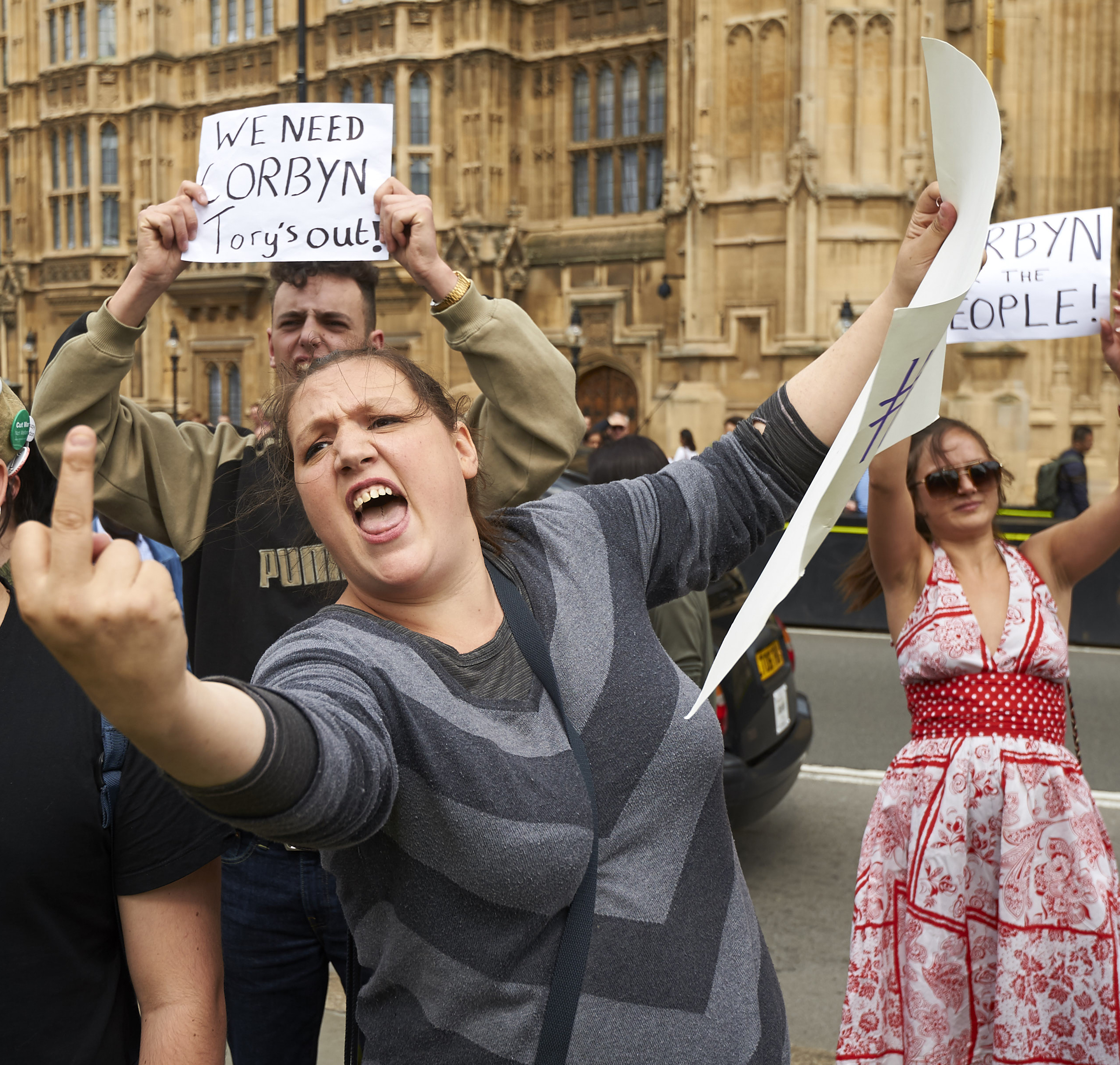
This is a riot against globalization
- Any attempt to accurately classify political moods now is a stretch. The processes are complex, and we are talking about percentage ratios, and not about clear watersheds. But is it possible to say that in a sense, now a more educated part of society is confronting less educated? The working class primarily suffers from competition from visitors. People with education are more protected from this, they live in the world quite globalized. And those whom you call a rather poor working class, just do not accept globalization.
- Yes, of course, this is a rebellion against globalization, against the sharp changes that occur in society. And the white working class, unskilled workers in the United States, and in the UK, and in other Western countries suddenly appeared in the position of such a stepson, I would say, both mentally and material: their salaries do not grow at best, while people associated with computers, with the production of more complex equipment, engineers, programmers, qualified workers, have any special skills are successful, their salaries grow quickly, this is a completely different material level. They feel morally on a horse, feel that they saddled a stream of changes in the era of globalization and changes in the organization of labor.
People are looking for scapegoats, and foreigners seem to be such goats
The white working class feels extremely uncomfortable and would like to stop this process - this is an absolutely understandable feeling. Teresa May said that it was the children of this white working class that account for the worst of all social groups, even compared to foreigners. Of course, society and social psychology are arranged so that people are looking for scapegoats, and foreigners seem to be such goats. It seems: they would remove them and everything will become fine at once. Of course, it will not. The problem of the white working class is not connected with foreigners and not with membership in the European Union, but a small group of the ruling elite, which wanted to turn the clock back, managed to channel this anger very effectively, direct it precisely against foreigners and against the European Union. The genie from the bottle crawled out - maybe the campaign leaders in support of Brexit did not suggest that so much crime, demonstrations of hatred, xenophobia will go. But this was actually inevitable, because many people from this environment, the lower part of the British social pyramid, perceived this as a signal, which now can openly collapse on foreigners. In neo -Nazi parties on social networks, traffic increased sharply, and they strongly supported Brexit. The referendum revealed these things, deep, long already taking place, which are naturally very painful for part of society.
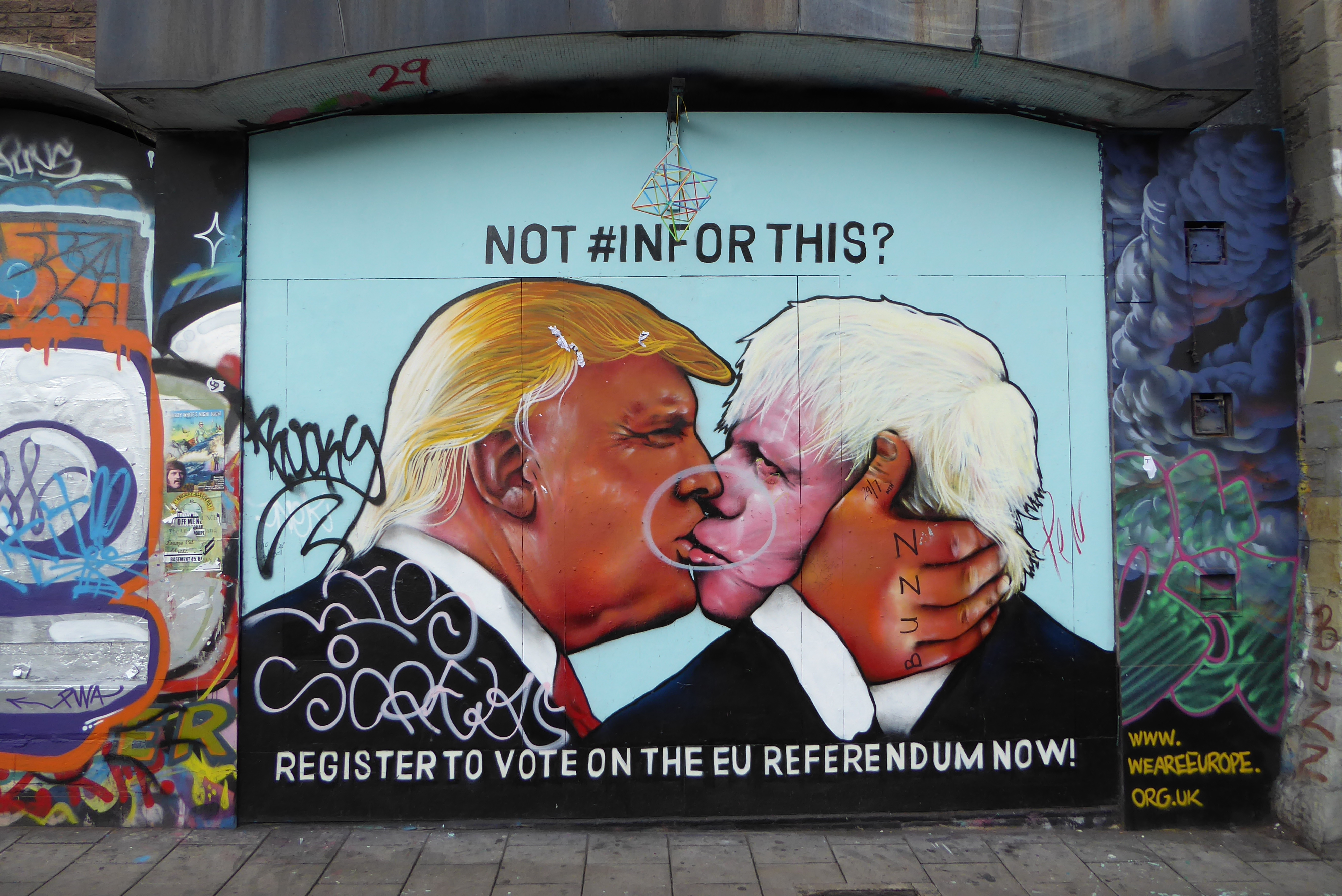
Division into those who are open, and those who are closed
- We see that in the UK line of discord does not pass on the political fronts that have previously established before, not between traditional parties. Are those who suggest that similar processes occur in the United States right? Donald Trump, candidate from the Republican Party in the presidential election, is an atypical republican. Could it turn out that he represents the same people who are represented by the Brexit campaign leaders in the UK? And is it possible to say that this trend applies not only to Western countries? For example, that Vladimir Putin is based in Russia on the same majority as the British "majority of Brexit"?
- Yes, I think everything that is connected with Trump is the phenomena of the same order as Brexit in the UK. This has become a common place, all kinds of jokes about this, that Boris Johnson is our Trump, especially since the external similarity, at least in the hairstyle, saw. In fact, this reflects the same processes, a painful reaction to globalization, changes in production conditions, systems of wages in society, to all these dramatic, rapidly developing social processes. Of course, this happens throughout the West. Есть такая формулировка, я не помню, кто первый ее выдумал: нет больше правых и левых, деление теперь совсем другое: на тех, кто за открытость, и тех, кто за закрытость. Термины спорные, но примерно понятно, что человек имел в виду. Есть те, кто видит свое будущее, свое благополучие в неразрывной связи с изменениями, с глобализацией, с открытостью Европе, миру и так далее. А есть те, кто видит выход в том, чтобы попытаться вернуться назад, укрепить границы, закрыться в национальной самобытности, потому что очень многим обездоленным людям и части правящей элиты кажется, что в этом выход. Вряд ли это получится, но это другой вопрос, и сама попытка может очень дорого обойтись.
Люди видят сходство между трампизмом, движением Brexit и идеологией Путина
Теперь Россия. Почему-то имя Путина звучало невероятно часто в ходе кампании перед референдумом. Противники Brexit то и дело его поминали, говорили, что сам факт, что Кремлю очень выгоден Brexit, должен заставить задуматься всерьез, как голосовать. Наоборот, от сторонников правых мы часто слышали похвалы в адрес Путина – прямые или косвенные. Важно, что это символ, люди видят какое-то сходство между трампизмом, между движением Brexit и идеологией Путина. Конечно, такое сходство есть. Хотя история России настолько специфична, что она пришла к этому каким-то совсем другим путем. Вроде бы отставая по всем этим позициям от Запада, она должна была идти через ранние, хоть и быстро осваиваемые формы либерального капитализма, но вдруг это все свернулось, политические свободы были уничтожены, и в результате появилось нечто, опирающееся фактически на противников социального прогресса, на чувство испуга, я бы сказал, перед резкими переменами в мире. Так была создана идеология того руководства, которое существует в России. Конечно, в нем видят родственную душу сторонники Brexit, равно как и сторонники Трампа. Совершенно не случайно, что Найджел Фарадж, лидер Партии независимости Соединенного Королевства, которая заварила всю эту кашу с референдумом, неоднократно говорил с восторгом о Путине, хотя потом кто-то из советников сказал, что он перебарщивает, и он стал свои слова брать назад, говорить: с одной стороны, он мне нравится, с другой – нет. И у Трампа то же самое. Но тем не менее, у них невольно вырываются эти слова восхищения, выражения солидарности с идеологическим собратом, если хотите. Мы все время слышали это в Великобритании, слышим в США, слышим и во Франции из уст лидера Национального фронта Марин Ле Пен и так далее. Это, конечно, абсолютно не случайно.