
Translated material
"Rosatom" became the supplier of equipment for the Crimean TPP
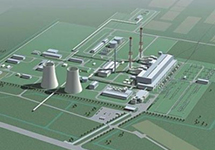
Rosatom admitted that he became a supplier of equipment for TPPs, which is being built in Crimea, which is part of the Rostec "technological power industry". According to Kommersant, this became known from the report of the corporation for 2015.
As follows from the document included in the "Rosatom" FSUE NIIA (VNII Automation named after Dukhov) was won by a competition for the "supply of equipment of the APC TP to the Sevastopol TPP (two units with a capacity of 235 MW) and Simferopol TPP (two blocks with a capacity of 235 MW)."
Since the end of 2014, Crimean energy projects for any suppliers have been risky because they fall under the sanctions of the United States and the EU. Until now, only those Russian structures that are already included in the sanctions lists are most often open in Crimea and Sevastopol. Rosatom, which is actively working in the US and European markets, has not yet been sanctioned.
In Rosatom, they did not explain the details of the VNIIA contract for the Crimean TPP. The source of the publication, familiar with the situation, noted that the risk management department due to the winnings of VNIIA in the competition is not seen in the competition.
How exactly the purchase of equipment for the TPP Simferopol and Sevastopol was carried out is completely not clear. On the public procurement website, where TPE conducts tenders on TPP projects in Crimea, there is no information on the purchase of APS TP for stations. But in May, TPE completed the choice of the developer and supplier of the ACS TP for the PSU-TES-1 PSU-1 and PSU-TES-2 PSU projects. The winner of the request for proposals was VNIIA, who offered 293.5 million rubles each for each project. By Taman-1 and Taman-2, for example, TPP in Taman (Krasnodar Territory), which is planned to be built to strengthen the regional energy system, can be meant, but its development will be used for Crimea.
Lawyers "Crimean" risks of state corporations considered serious. “Such activities are a risk, because the sanctions are acting like this:“ Whoever works there falls under sanctions, ”said Julius Tai, managing partner AB Bartolius. He explained that if restrictions are introduced in relation to the company, she will not be able to conclude contracts with Western counterparties and take loans in banks.
On July 17, the European Union Council extended for 12 months, until June 23, 2017, sanctions against Crimea and Sevastopol. They imply a ban on imports into Europe of any products produced on the peninsula, and export to Crimea of some types of goods and technologies.