
Translated material
Victory Day of the FSB

How the fight against terrorism on paper turns into real terms
President Vladimir Putin annually announces dozens of prevented terrorist attacks and thanks the special services for the "high level of concentration and mobilization." So, according to official figures, in 2015, 30 terrorist crimes were prevented, and in 2014 as much as 59, of which 8 large terrorist attacks. The courts stamp the sentences, the official media reports on successes, and the sylical heroes receive promotions. However, in fact, many terrorist affairs are teeming with inconsistencies that make them doubt: are they sending innocent camps to the camps?
Radio Liberty analyzed the process of the failed demolition of the Kyrgyz cinema , the case of Saida Khalikova , convicted of financing terrorism, and Rashid Evloev , who is judged for preparing the attack, despite Alibi's documents. One of the attacks of 2014 did not take place on May 9 at the building of the administration of Odintsovo Moscow Region: 10 alleged organizers were detained two days before the holiday. The president was reported on the special operation, the investigation was almost one and a half years old, and on March 10, 2016 the Moscow District Military Court appointed six accused from 11 to 14 years in prison. The convicts are the Yusuf and Vagid Huseykhanovs, the Askred and Ildarkhan Rizakhanovs, Azim Ismailov and Semed Nurmagomedov - the natives of the two neighboring Dagestan villages of the Kushtil and Yargil of the Khivsky district, worked in Odintsovo in the construction market "Acos". The youngest of the convicts, Ildarhan Rizakhanov, 26 years old; The oldest, Semeda Nurmagomedov, is 34. Some television channels, in particular Moscow 24, hastened to say that the convicts pleaded guilty. In fact, no one pleaded guilty.
Safe bomb
According to the original version of the investigation, 10 natives of Dagestan decided to arrange an explosion in the center of Odintsov on May 9, 2014. To do this, they brought the F-1 grenade from the caches in Dagestan, gathered in a rented apartment on a youth street in the same Odintsovo a home-made explosive device (IVO), printed a map of the city, a plan of festive events and even the instructions for collecting IVO. The accusation was confirmed by the results of the search and testimony of witnesses. At the same time, all the witnesses significant for the prosecution were classified, and not one of the untreated witnesses testified that would testify in favor of preparing the attack.
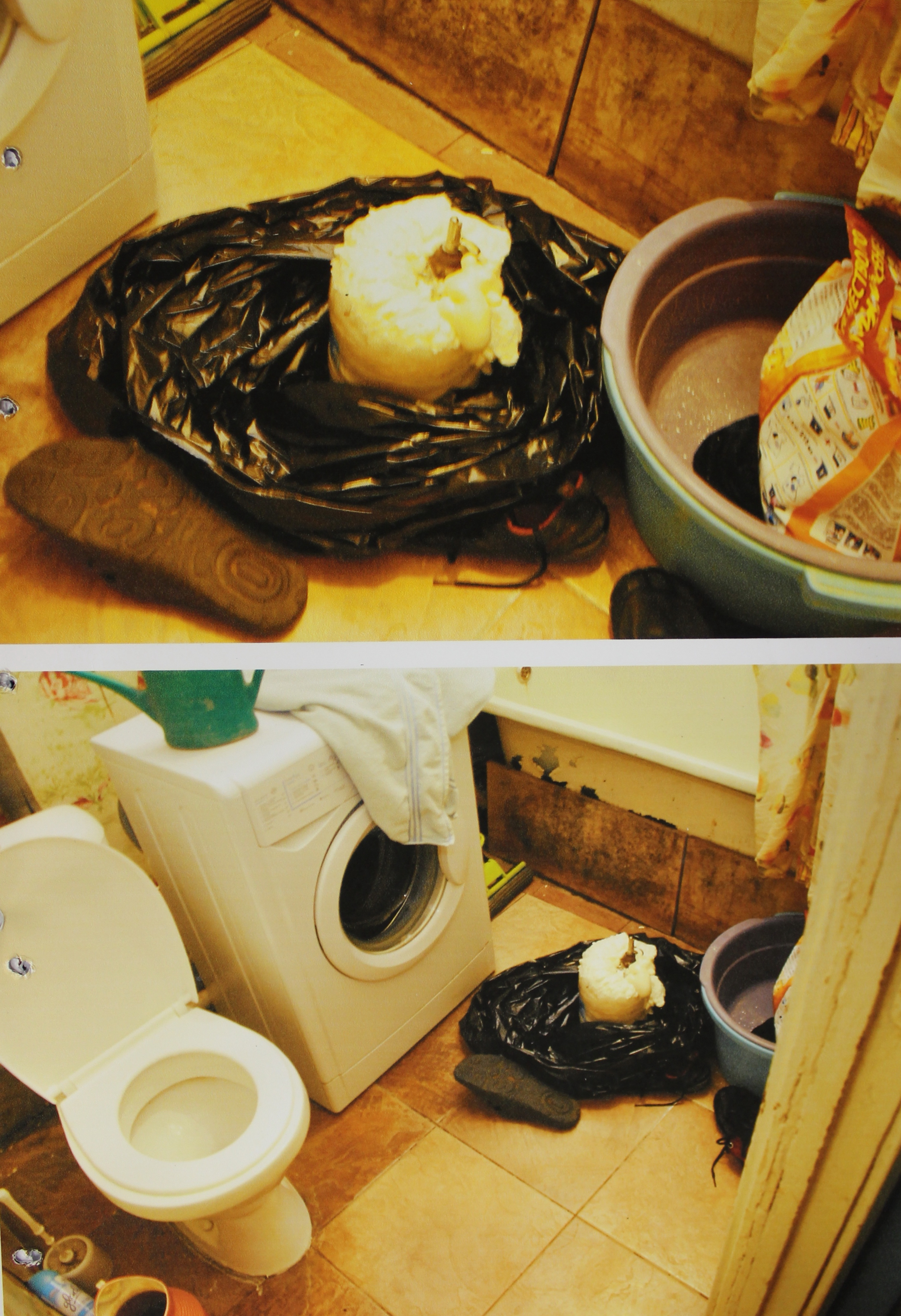
Inexplicants begin with the very first sheets of 18-volume criminal proceedings. Around 5 in the morning on May 7, the special forces of the Ministry of Internal Affairs burst into the apartment on youth street, having neither a judicial order nor the consent of tenants or the owner of the apartment. As one of the detainees told Radio Liberty, Ullubius Abduragimov, the tenants were taken to the corridor and put face to the wall, after which the operatives entered the apartment - supposedly to check that there was no one left there. Irina Makarova, an employee of the press service of the GUEB and PC of the Ministry of Internal Affairs, whose tasks were the video shooting of the operation, subsequently showed in court that the special forces entered the apartment with a large bag-neither witnesses nor residents were present. There was a dog handler with a dog, which, according to the case file, found an explosive device in a corridor under a pile of shoes. According to the same Makarova, the dog first went into the kitchen, then to the room, and only then reacted to a black bag in the corridor. Her testimonies contradict the words of dog handler Alexei Loktikov, who said that the dog immediately found an OVO. Witnesses have to believe the word: the shooting that Makarova made in the case is not-according to her, she somehow disappeared from the carrier. The actions of the Department of the Ministry of Internal Affairs “Odintsovo” Alexander Shinnikov seem strange: he calmly discovered a packet with a grenade, moved it to the bathroom, where, obviously, there was more light, and photographed. FSB explosive equipment in special costumes arrived a little later.
The investigators did not seem enough found material evidence, in the evening of the same day they returned to the youth and found in the bathroom unnoticed in the morning a cylinder from mounting foam and foaming clothes. According to lawyer Vadim Sidorov, this made it possible to prove the fact of the manufacture of an explosive device - otherwise the version with the fact that the special forces threw a grenade, looked very believable. The equipment was brought up by the police: the operative officer Smirnov did not allow the expert of the Ministry of Internal Affairs of Odintsovo to shoot a professional camera, saying that he would put everything on his iPhone. But there are no photographs that would confirm that the foam was actually located in the bathroom, either - the iPhone of the operator unexpectedly broke.
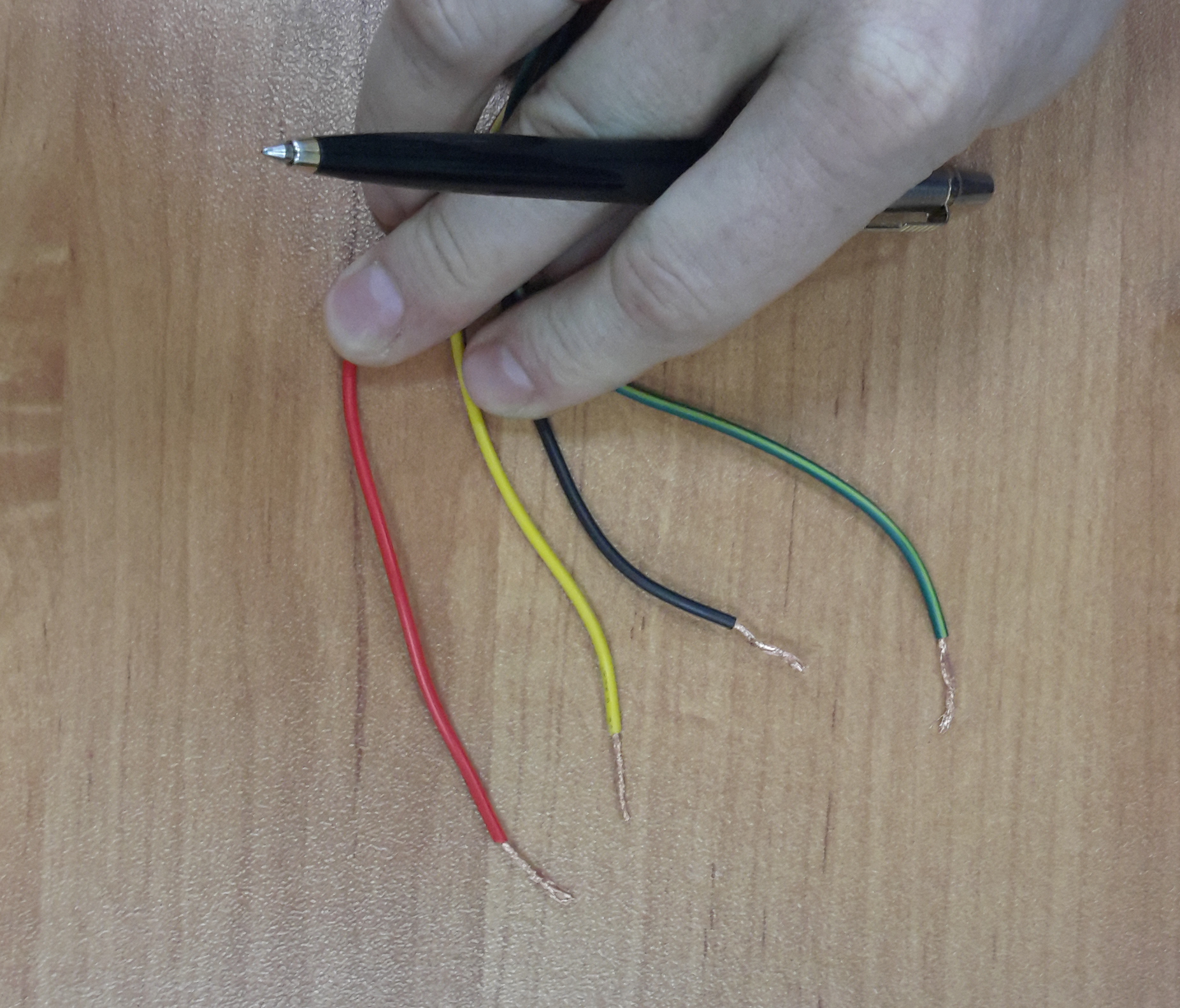
According to the plot of the prosecution, the explosive device was a F-1 grenade attached by mounting foam to the bottom from a plastic five-liter bottle. Under the foam was an amazing element - screws and nails. Later in the garage rented by suspects, they found elements for the manufacture of an explosion of an explosion: the remote control from a car alarm acted the alarm itself, which pulled out a check from a grenade using an automobile windows. But having all these elements in hand, it is not easy to carry out the attack: the remote control presented by the investigation was only at a distance of 15 m, while the radius of the grenade lesion is up to 200 m. The investigation did not investigate whether the windows power is enough to pull out the check, in addition, the FSB has never gathered that the explosive device had never gathered, despite the assurances of the consequence that the assurances of the investigation were that Rizakhanov and Rizhahanov and the Rizhahanov and Nurmagomedov tested the mechanism on the site of the alleged explosion.
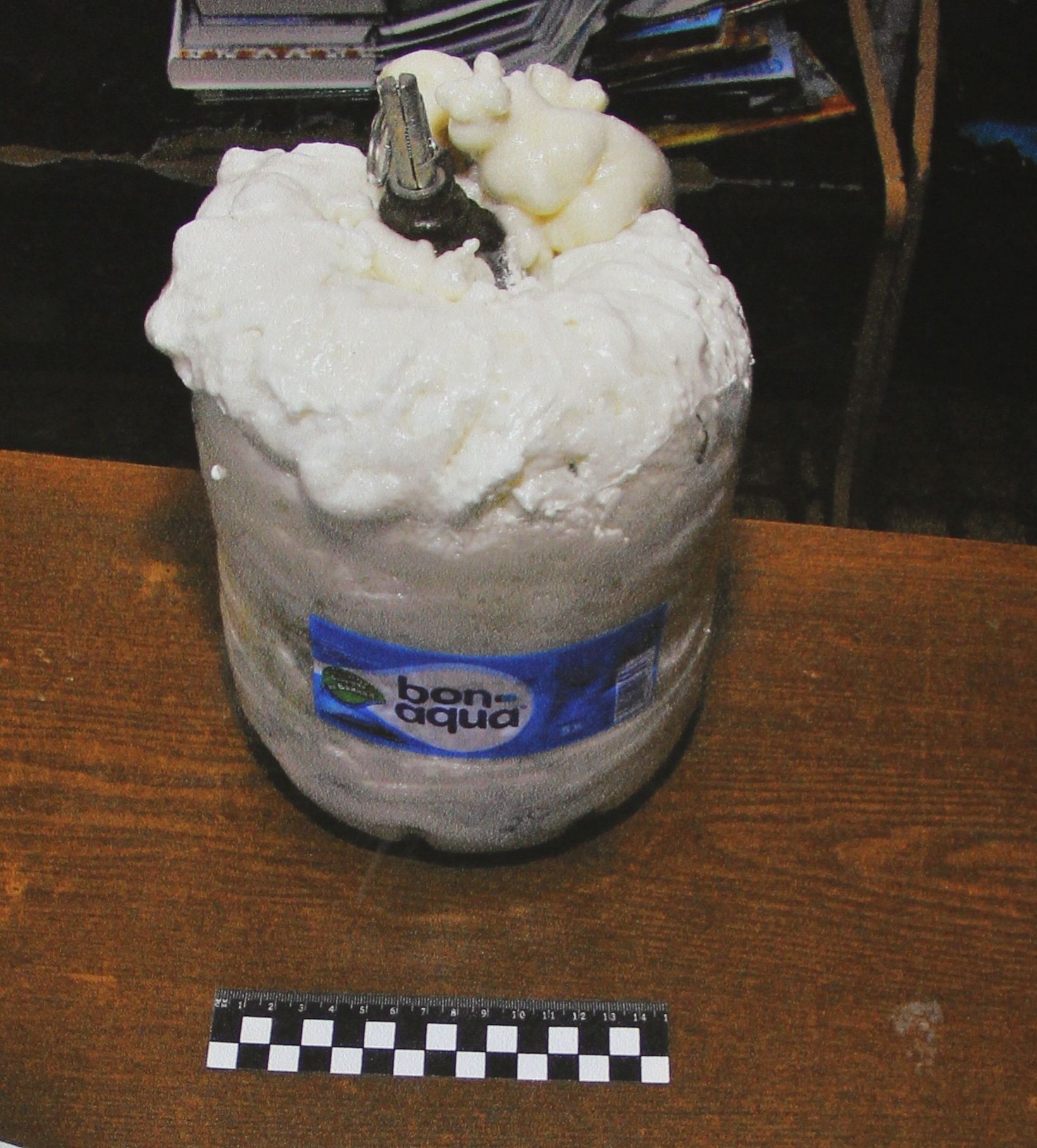
The forensics decided not to remove fingerprints from any material evidence, however, the value of all material evidence is doubtful. Thus, the event plan was simply printed from the website of the Odintsovo newspaper, the same experts from the FSB forensic institution showed that the elements described in the found instructions were not used in the explosive device, and the detected “extremist” literature fell into the lists of the Ministry of Justice almost a year after the special operation. There are questions to the cylinder with mounting foam: even by color it does not correspond to the foam around the grenade, that is, another foam was used in the manufacture of the bomb. Lawyer Vadim Sidorov explained that it would be possible to prove this by conducting a quantitative study of the chemical composition of the foam, because all foam consist of the same elements, but their proportions differ from the manufacturer to the manufacturer. The court refused such a study.
Kushtilian cache
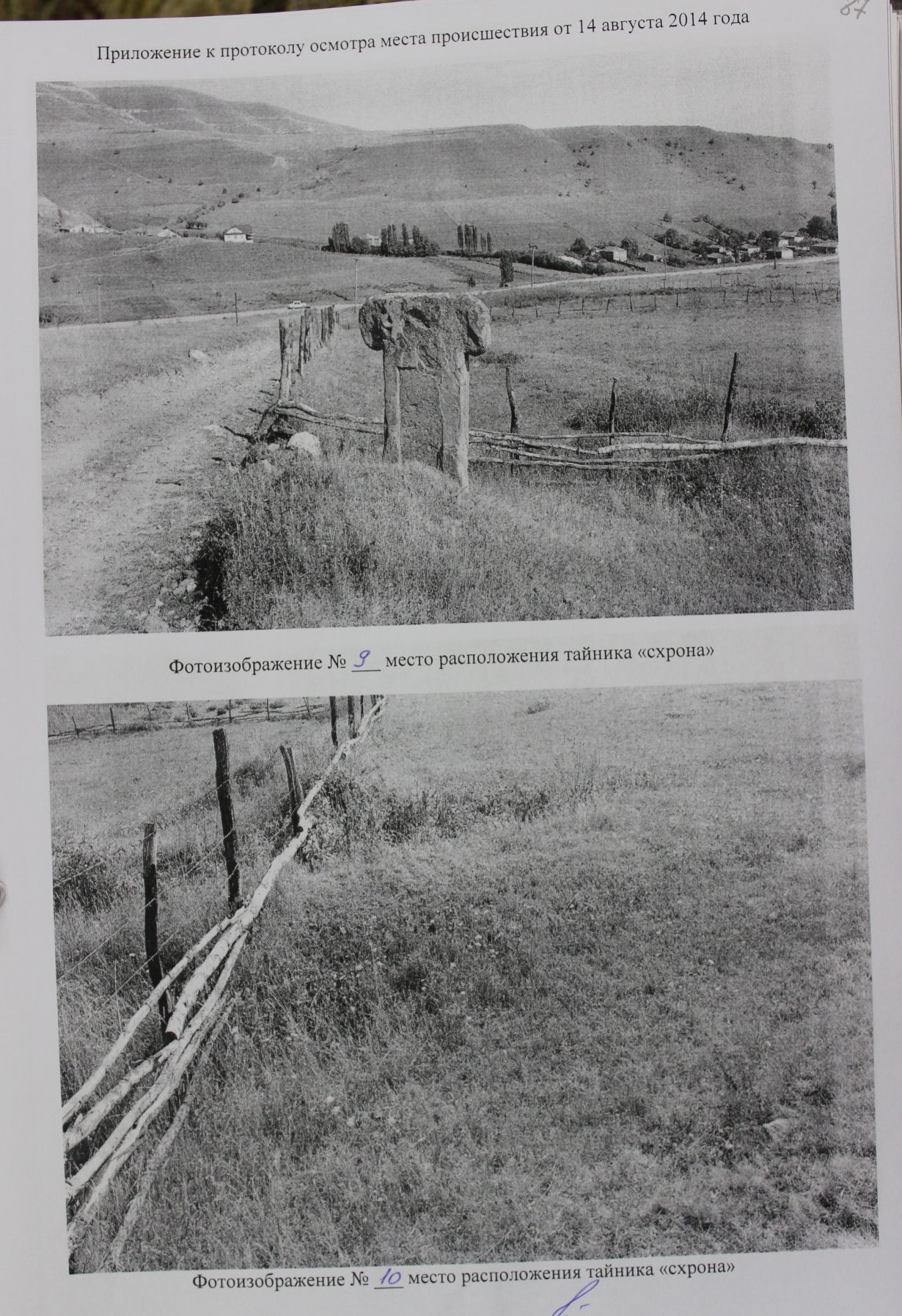
According to Ullubiy Abduragimov, the arrested was infrequently interrogated, but the case went on as usual - in the summer of 2014, information appeared in it about Kronna in Dagestan, from which a grenade was brought to Moscow. In August, operatives go to the place and find a cache with ammunition near the village of Kushtil. The photo shows how a certain package lies almost in the middle of the clearing, and the ammunition supposedly lay there from March to August. According to Magomed Rizakhanov, the father of the convicts of Asret and Ildarhan, this is simply impossible. In May, livestock is grazing on the field, in June it is bumped, and residents always check the ground pre -check, remove large stones and garbage so as not to damage the mowing - a package of this size could not go unnoticed. Muradhan Ramazanov, the owner of the site, specially came to Moscow to the court to tell that he had examined the land belonging to him, but did not find any caches. The court listened to him, and in the verdict he wrote that he did not see anything strange that Ramazanov did not notice the cache in the hollow ... Near his plot of the land where mowing was produced, - the court with a pink of the pen moved the cache to the land that was not belonging to Ramazanov.
However, even if the caches existed, there is no evidence that ammunition from it could get to Moscow. Rizakhanov and Husekhanov, who allegedly delivered a grenade, flew to the capital by plane. The investigation writes that the grenade was delivered by some "roundabouts" roads, but does not lead the route and does not indicate who, when and on what transport on these roads he rode. In addition, the factory marking was cut in the grenades found in Dagestan, while the grenade from Odintsov had no damage. On the ammunition of their caches near Kushtil, no prints or biological traces were found that could indicate any of the suspects.
The origin is lame
Most of the arrested were on operational-preventive accounting in law enforcement agencies, and they detained them on an operational report from Makhachkala. The investigation immediately connected them with the South terrorist group, or, as it is also called, "Kushtil". Some also had unreliable relatives, for example, the cousin of Vagid and Yusuf the Huseykhanovs was killed in 2013 during a special operation in Dagestan, and the elder brother of Asret and Ildarkhan Rizakhanovs died in 2009 during an explosion in their own car in Moscow, all in the same Acos market - then it was brought up under articles 105 (“Murder”) and 222 (illegal storage (illegal storage (illegal storage (illegal storage Ammunition "), they never found the guilty ones, the investigation was suspended, but the investigation did not reveal any terrorist trace.
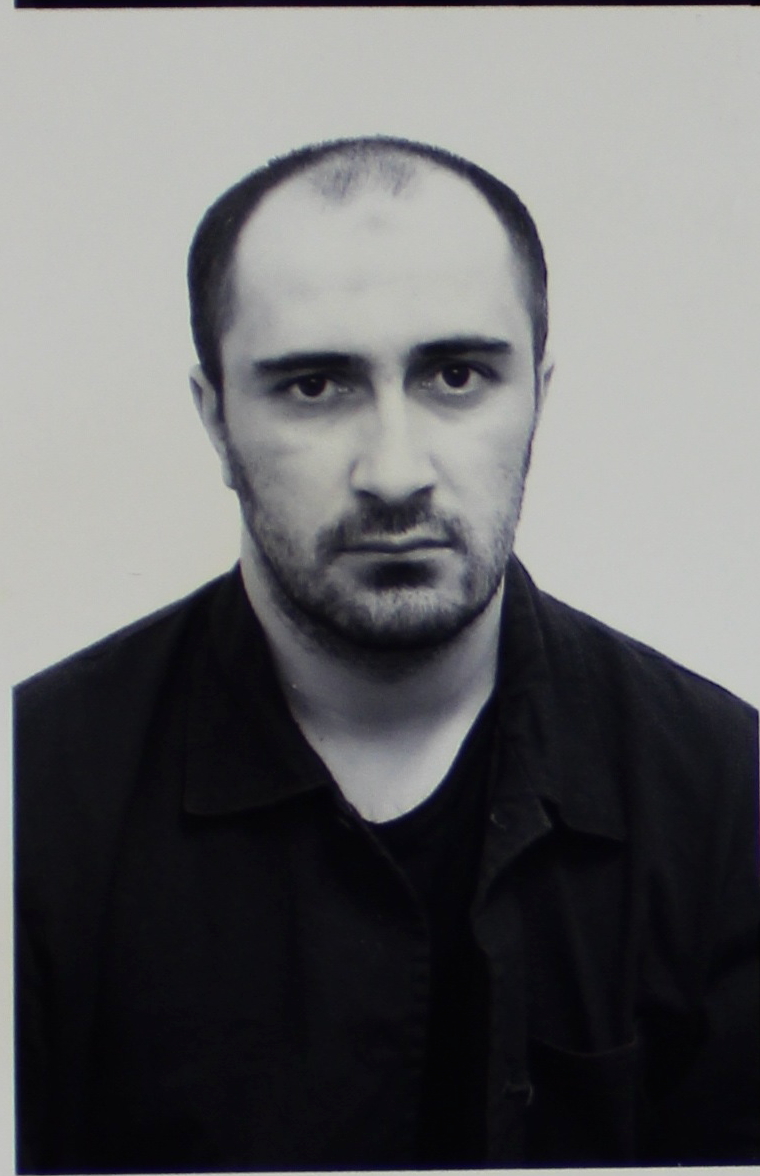
These facts, according to the investigation, proved the connection of the detainees with the Dagestan gang underground and could serve as a motive for the attack. In addition, a "negative attitude to the existing constitutional system and the system of state authorities of the Russian Federation" was added to everything. " For example, he was showed during interrogation by Semed Nurmagomedov, who said that "negatively refers to corruption, arbitrariness of law enforcement agencies and officials and the lack of principles of democracy, selective law enforcement."
According to Magomed Rizakhanov, in Dagestan it is enough to go to the mosque and wear a beard to be recorded in Wahhabits, and tension in the region to the security forces: “So I went home recently, we held a special operation in our village. We arrived at“ tigers ”and an armored personnel carrier and a day - they noticed the light in one of the empty houses. Then they left the battle.” Magomed said that many are submitted to the militants - for example, for example, Bagir Agabaev, who was killed by the security forces, was detained by police officers in 2010. He could not be convicted of any crimes, but after a week of interrogations he lay for some time under a dropper, and then "went into the forest." “We don’t have a life there,” says Magomed Rizakhanov. “They can come to you home, put a grenade on the table and say that they found it with you. Many people run away from this from this. But it turns out that here we can’t be saved from the lawlessness.” Magomed explains the death of his eldest son by the fact that he was a hunter, had all the necessary permits, in addition, from childhood he was fond of the manufacture of firecrackers and chlopers, dreamed of going to serve in the army, but was departed for health reasons.
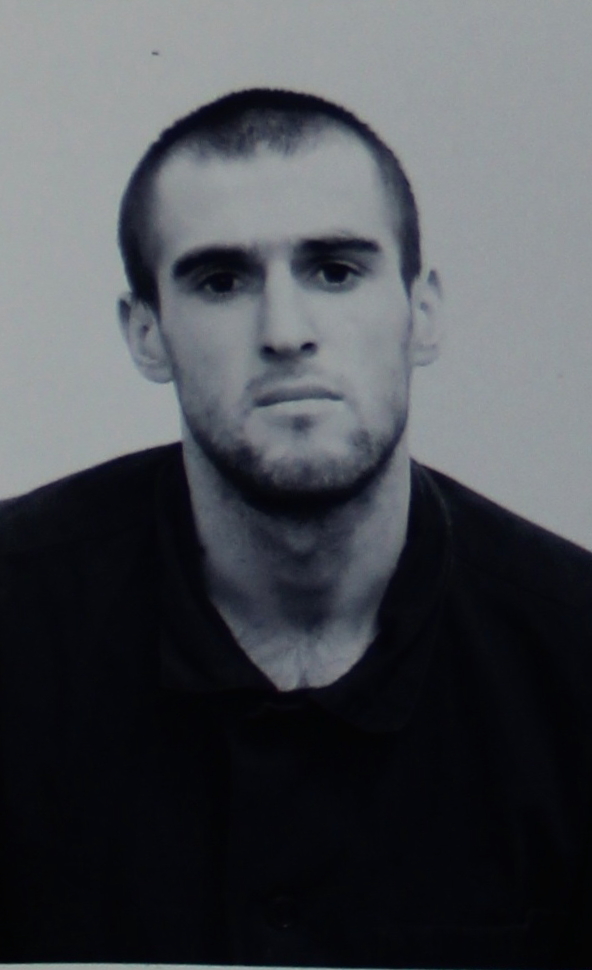
Family ties themselves cannot indicate the support of militants, especially since in large Caucasian families almost everyone has a cousin or nephew in the forest. But in the case there is a witness - again a secret - who said that he himself was a member of the "southern" group, and Vagid Husekhanov financed terrorists for a long time. Relations with the gangs of Semed Nurmagomedov were confirmed by certain operational reports. There are no other significant evidence of the relationship with the “Kushtil” group in the case, the investigators even studied the email addresses of the suspects and their correspondence on the VKontakte network, but did not find anything suspicious.
Another obscure proof is the flushing from the hands of one of the detainees of Azim Ismailov, on which the trace of diphenylain and 2.4 dinitrotoluol, "which are part of some brands of smokeless powder," found. Nowhere in the case it is indicated where these substances came from the hands of Ismailov - neither in the Dagestan caches, nor in an explosive device, seized in Odintsovo, similar substances were found.
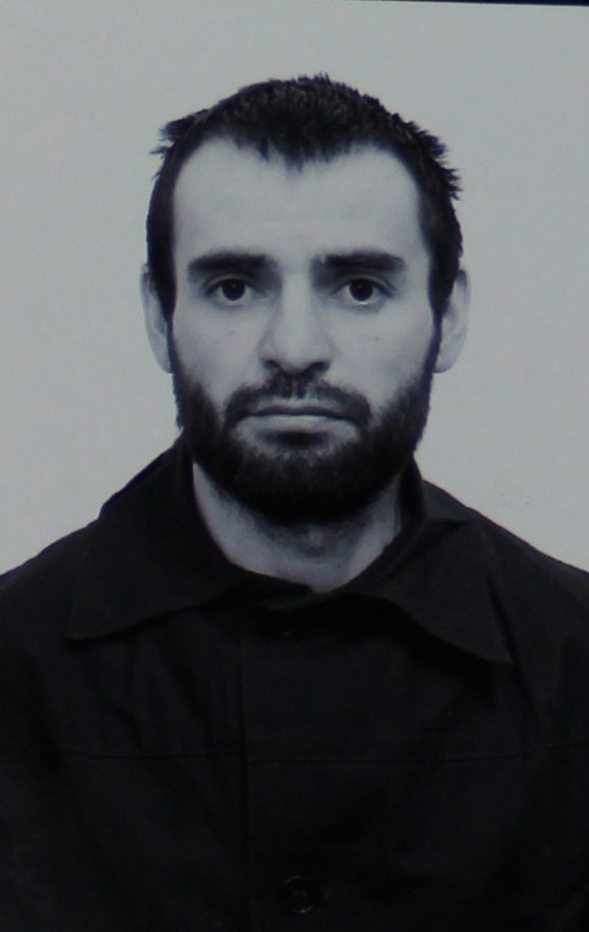
Finally, the residual traces of TNT and hexogen found on trousers seized in the Rizakhanovs in the Kushtil house. The investigation also does not explain whether samples are consistent with any other ammunition discovered and what is the meaning of this examination for the investigation - after all, the Odintsovo grenade was not damaged, which means that TNT could not get into clothes from it. In addition, according to Magomed Rizakhanov, all family members used the seized pants when it was necessary to do a dirty job - to score a ram or overtake the herd. They were put on by the dead pyrotechnician Marat Rizakhanov.
Many -faced witness
From the materials of the case it follows that initially all 10 detainees were considered as the organizers of the attack. Secret witnesses appear in the case at the end of May - the cellmates are testified to Yusuf Huseykhanov, Semeda Nurmagomedov, Asreta Rizakhanov and Ulubia Abduragimov: they say, the suspects opened up and said that they wanted to "show the Russian second Volgograd." But with the course of the investigation, the priorities changed - four out of 10 detainees accidentally found themselves on the youth and came from Makhachkala, and not from Kushtil, it was more difficult to argue with their alibi. In October 2014, the same secret witnesses give new testimonies convenient to the investigation. The cellmate of Yusuf Husekhanov suddenly recalls that he told him about the cache in Dagestan, from where he brought the grenade. But Ulubiy Abduragimov is coming off the first roles: he came to Moscow to treat his mother dying of cancer and got into Odintsovo a few days before the raid. His secret cellmate suddenly shows that he misunderstood his new friend: Ulubiy was not going to blow Odintsovo, but he knew about the explosive device.
Four suspects - Abduragimov, Magomedov, Suleimanov and Sadulaev decided to get out of the case, but simply could not let go of the pre -trial detention center after six months. On June 1, 2015, they all gave the same testimony: they stored an explosive device with the rest, without realizing its purpose. On June 2, the Odintsovo City Court sentenced all four to six months in prison for storage of ammunition and released in the courtroom for the actual departure of punishment. All of them abandoned their testimonies at the meetings of the District Military Court, saying that the investigation forced them to stipulate themselves and the rest in exchange for a mild sentence. In an interview with the RS, Ulubiy Abduragimov confirmed that the senior investigator of the ATS of the Investigative Committee of the FSB in Moscow and the Moscow Region Major of Justice Kolbasin threatened him that he would plant with the rest if he did not agree to sign the necessary testimonies.
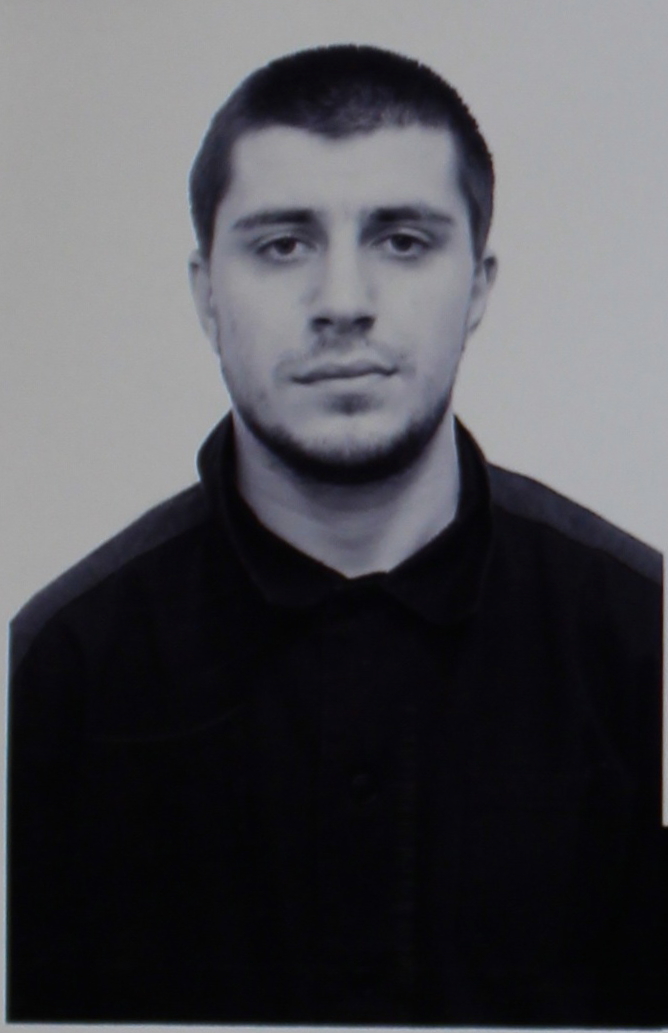
Secret witnesses did not refuse their testimony at the trial. So, the secret witness Zaitsev, who is engaged in private carrier, said that at the end of April 2014 he picked up two Caucasians from the Acos market. Passengers, in which he later recognized Semeda Nurmagomedov and Vagid Huseykhanov, sat on the back seat and discussed the performance of a device and a range of signal. One of the men took out a remote control from a car signaling and a plastic box similar to the alarm control unit, which was connected to the battery from the screwdriver. The first passenger handed over to the second remote control, straightened the wires on the battery and put a strange structure back into the bag. They parked in the parking lot next to the Odintsov administration, one of the passengers got out of the car, and the second stayed inside and a few minutes later began to press the remote control. After some time, the first passenger returned "in a good mood", saying that everything works. It is not only that Husekhanov and Nurmagomedov decided to check the explosive device on the spot in the city center for some reason, but also that they used the taxi services for this, although they had at their disposal their alleged accomplices, as well as the fact that two Tabasaranians discussed such important affairs with an outsider in Russian.
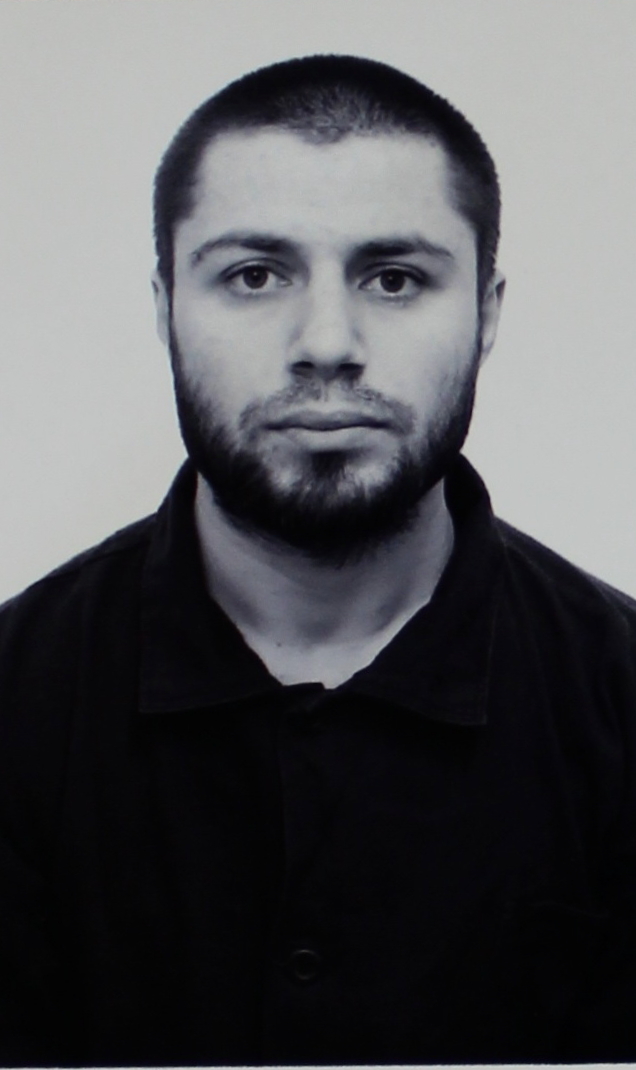
The secret witness Sergeev said that he met in the market with Asret Rizakhanov, began to visit youth street, where on May 5, Yusuf Huseykhanov asked if he could help with the collection of an explosive device to "arrange a fireworks". Sergeyev recognized Husekhanov on identification, but for some reason he could not answer the court how he looks: he replied that his hair was black, although in fact-redheads to the lawyer's question about the lawyer.
Finally, the secret witness of Romanov, supposedly a resident of Dagestan, who is often in Kushtil, saw Yusuf Huseykhanov and Asret Rizakhanov on the road next to the village in April 2014. When Romanov drove past them, in the hands of one of the men there was a large black bag. Потом Романов вспомнил, что забыл дома мобильный, вернулся, снова повстречал Гусейханова и Ризаханова, однако пакета у них больше не было – следствие считает, они оставили его в том самом схроне. По словам адвоката Сабира Агаева, на опознании Романов говорил с сильным кавказским акцентом, его было сложно понимать, а вот на суде он уже говорил на чистом русском, но зато никак не ориентировался на местности вокруг Куштиля: не смог назвать ни местного названия горы, под которой был схрон, ни названия речки, что протекает неподалеку. "У нас при въезде в селение построили стадион. О нем весь район знает, большой такой стадион", – рассказал Магомед Ризаханов. Свидетель Романов о стадионе не слышал.
Адвокаты Сабир Агаев и Вадим Сидоров ставят под сомнение само наличие нескольких секретных свидетелей: на суде сложилось впечатление, что из секретной комнаты по радиосвязи говорил один и тот же человек, который становился в тупик при каждом сложном вопросе и отказывался отвечать, ссылаясь на то, что личность его может быть установлена.
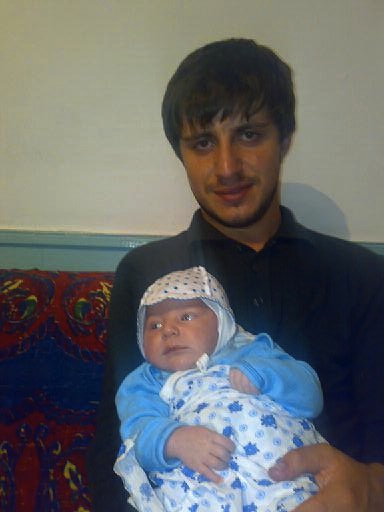
26 мая Верховный суд рассмотрел апелляционные жалобы адвокатов, но оставил приговор в силе. Родственники собираются обращаться в Европейский суд по правам человека и пишут письма президенту, пытаясь давить на жалость: у шестерых осужденных осталось на свободе 14 детей. Адвокаты недоуменно разводят руками: "Это просто 37-й год, – говорит Вадим Сидоров. – Я не говорю, что они белые и пушистые, но теракта они не готовили. Это очевидно из материалов дела, но суд сделал все, чтобы толковать факты в пользу обвинения". Впрочем, по мнению Сидорова, мораль истории не только в том, что в тюрьму попали невиновные: "Вы напишите, что на их месте может оказаться каждый, – говорит адвокат. – К любому завтра может ворваться спецназ безо всякого ордера, найти в квартире что угодно, от бомбы до наркотиков, и посадить на какие угодно сроки. Для этого вовсе не обязательно ходить в мечеть".