
Translated material
Terrorist attack in Nice - out of the ordinary
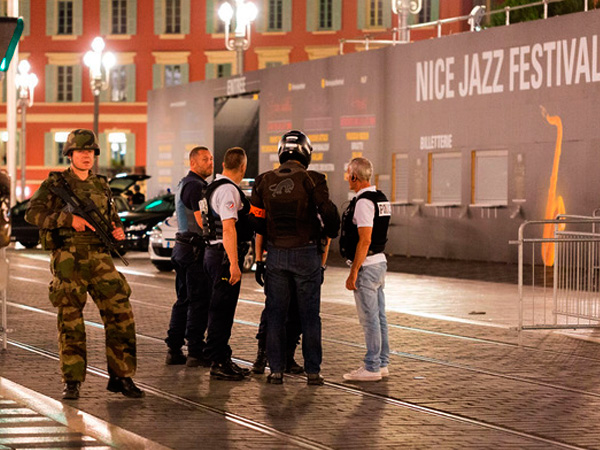
The media continue to discuss the terrorist attack in Nice , which occurred on the night of July 15. Initially, they wrote about him as the next manifestation of radical Islamism. Later there were materials in which parallels are carried out more likely with shooting in Orlando (USA) than with previous terrorist attacks in France.
The Economist wrote that the attack in Nice was a predictable event. Nice is known around the world as a tourist center. But it is much less known that it has become one of the main centers of Islamic radicalization in France outside Paris. By the beginning of this year, at least 55 residents of Nice and other settlements in the vicinity went to Syria or Iraq to join the “Islamic state” (IS, a terrorist organization, is prohibited in the Russian Federation). The administration recently closed five underground religious organizations on suspicion of propaganda of Islamism. In total, there are about 40 mosques inside and in the Nice area.
In such circumstances, the seaside Alps became one of the first departments in this area, where they began to vigilantly monitor the movement of citizens to Syria and monitor citizens suspected in radicalization. A special anti -terrorist group was organized there, which held weekly meetings and analyzed alarming signals received from teachers, social workers, police and prison employees. All these employees were prepared to recognize the signs of radicalization. Since 2014, the department received 522 such signals. 120 of them belonged to teenagers under the age of 18.
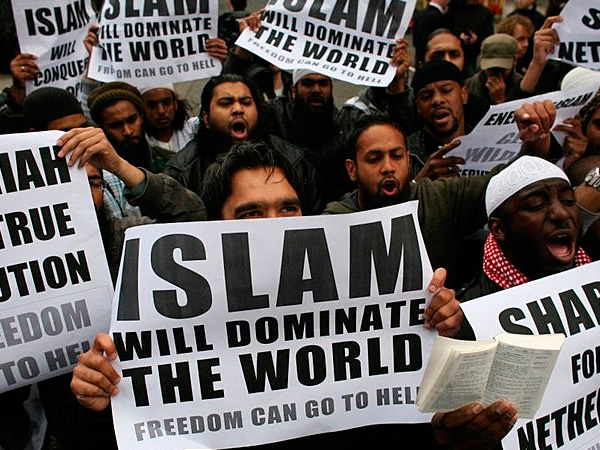 Islamist Promotion / Flickr.com
Thus, Nice really was at risk. Even after the end of the Euro 2016 championship, the French special services called on people to avoid large gatherings, including less likely to be in central shopping centers and use public transport less. Experience showed that they were right and that the state of emergency was established in France for a long time.
Later, the Financial Times published a material in which the initial conviction was questioned that the attack in Nice became a product of Islamist radicalization. The first official statements by France President Francois Hollande, and then by US President Barack Obama and Chancellor of Germany, Angels Merkel contained references to Islamism. Over the next three days after the attack of the special services, the ties of the deceased terrorist have studied, but the hypothesis of close ties with any terrorist organization could not be confirmed. More precisely, some conditional connections were found, but very superficial and recent.
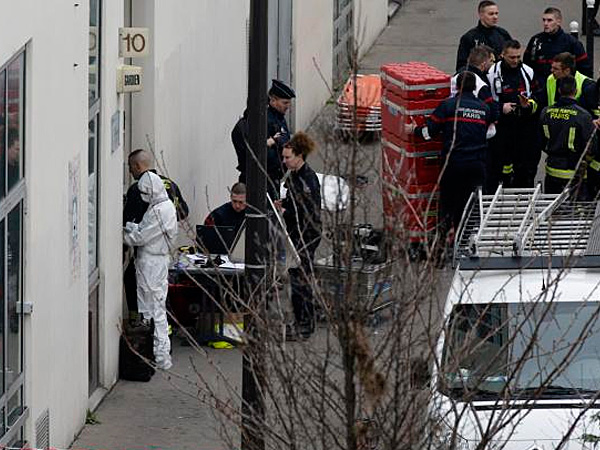 The attack in the editorial office of Charlie Ebdo /twitter.com
For comparison: the participants in the attack in the editors of Charlie Hebdo in January last year quickly found unambiguous ties with religious radical leaders. Participants in the group, who prepared terrorist attacks in Paris in November last year, had in their track record of a trip to Syria and contacts with IG. IG, of course, in the end took responsibility, but in the absence of rectilinear ties, the last terrorist attack more resembles recent shooting at Orlando (USA). This complicates the situation because the problem here appears in a much less definite form.
The shooter in the United States was a Muslim, a native of Afghanistan, but he had no connections with terrorist groups and he had no distinct agenda. In this case, in this case, the driver of the truck did not establish involvement in any expanded terrorist initiatives. As this terrorist attack does not have a proven attachment to the Islamist agenda. But it turned out that the driver had psychological problems, that he drank heavily and received a conditional time for a fight. Also (as in the case of a shooter in Orlando), from the words of friends it turned out that the driver of the truck did not differ in particular religiosity.