
Translated material
On the ruins of the Gulag
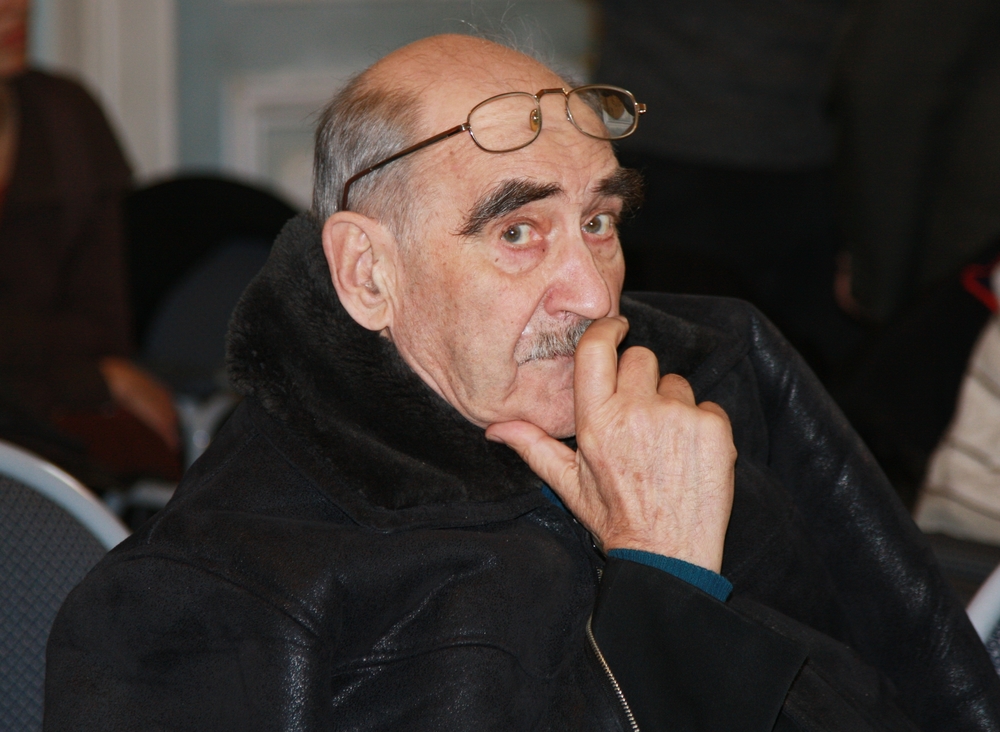
He was 14 years old when employees of the NKVD came to his house, and this day changed his whole life
He was a teenager from an intelligent European family, was fond of adventure novels, was not interested in politics, did not know anything about the Soviet Union and did not speak Russian. But Russia played a fatal role in his fate.
Anatolis Smilingis was born in 1927 in independent Lithuania, in the city of Plung, in a family of teachers. In 1940, his country was, by agreement between Hitler and Stalin, occupied by Soviet troops. In June 1941 , together with thousands of other Lithuanians, the Sminki family was deported. Father soon died in a camp near Krasnoyarsk. The mother of the 14-year-old Anatolis and his younger sister Rita, along with the children, ended up in the Komi Autonomous Soviet Socialist Republic. They were called special migrants, but in fact they were the same prisoners as ordinary prisoners of the Gulag. They ended up on the territory of the huge camp in 1940 - Lokchihlag, in the special settlement "Second section".
Soon, the mother was arrested - because she took oats in the stable for her children dying of hunger. She also died in the camp. And the children survived. Rita managed to return to Lithuania, Anatolis still lives where his family was sent according to the plan developed by Beria Lavrenty - in the Komi Republic, the village of Cortekeros. He, like his parents, became a teacher and decided not to return to his homeland. 88-year-old Anatolis Smilingis studies the history of Lockhaga, a mysterious camp, which existed for only two years, searches for the cemeteries of prisoners and establishes memorial crosses.
The conversation with Anatolis Smilingis was recorded when the 75 years have turned 75 years since the deportation of hundreds of thousands of residents of the territories of Estonia, Latvia, Lithuania, Belarus, Ukraine and Moldova.
- Do you remember the day of arrest?
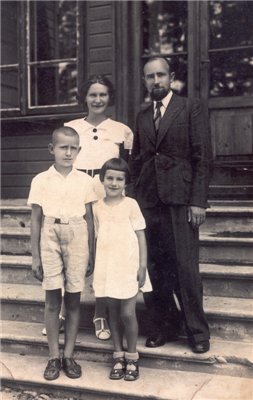
- Two military and two civilians came. They said: father, mother, sister, I, our whole family, four people - are subject to export, relocation to other lands. Father and mother were at home, the mother immediately burst into tears. I did not understand Russian, and my mother and father knew the Russian language well. Mother during the First World War worked in the Red Cross in Russia. They collected us right away. There was a railway station, a cordon nearby. They put them in cattle wagons. Father was immediately separated into another car. I have not seen him anymore.
-Someone brought or grabbed random people?
- Then, in Lithuania, they called me the names of people who said that our father is an enemy of the people. They have been not alive for a long time. Apparently, the candidates were selected in advance, and on June 14, 1941 there was the first mass export of families. Prior to this, the military was exported, but here is already a civilian population.
- And a few days later, Germany attacked the Soviet Union ...
- The fact that the war began, we found out when our echelon stood in Minsk. They did not say where they take it. They drove for a long time, to Kotlas. They transferred to the barges - me, my mother and sister.
- How did you perceive all this?
“I read Jack London, Mine Read, it was even interesting where they were being taken.” This was an adventure mood.
- What did you think about the Soviet Union?
-I did not know a single word in Russian. Father and mother understood everything; I often heard conversations that there will be a war. Germany had already occupied Klaipeda, the father’s brother came from there, offered to move to Germany, with me there was a conversation: let's, I will take you out. Father refused to leave. He and his mother talked: where is it better - in Germany or in Russia? The father said that if the Germans arrive, in Germany it would be better than in Russia. When Soviet troops entered the Molotov -Ribbentrop in 1940, of course, the family was negative about this, but I did not pay attention: 14 years old, there was a kid.
- Was the big a tier?
- Very large. When we arrived, women-liths said that after us there was another echelon, they did not have time to send it, and the NKVD shot everyone. I was engaged in the history of repression, but I did not find such data.
- Were they afraid that the Germans would capture him, and destroyed everyone?
- Yes. Because in prisons in Lithuania they destroyed all the German prisoners before the advent of the Germans - this is true. But about the train that was after us, I found nothing.
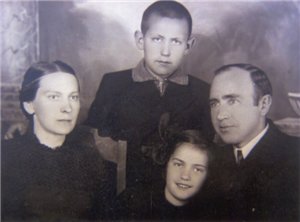
- Were there many children in your echelon?
-In our carriage there were probably 15-20 families, all families were taken out with children, I do not remember without children. We fell into the empty barracks of liquidated Locchimlag, we were brought to the harvesting of the forest.
“Did your father get to another camp?”
- He was sent to the Krasnoyarsk camp, there in December 1941 he died. I don't know where the father’s grave is. There are suspicions that he was shot. Although the lists of all repressed Lithuanians are published, and there is no name among the executed.
- In the memoirs of Ratsenas Rimvidas , it is said that your mother was arrested for breaking several spikelets on the rye field.
- Not on the field. From the stable, she brought us a couple of handfuls of oats, which fed horses. An hour later they came, she was taken away, and that’s all, we did not see her anymore. It was in early 1942. A year later, she died.
- At that time, hunger has already begun?
A person, if a day or two does not receive bread, he will not go to work, but he will not go to work, they will not give him bread, he is weakening, and then he is in the cemetery
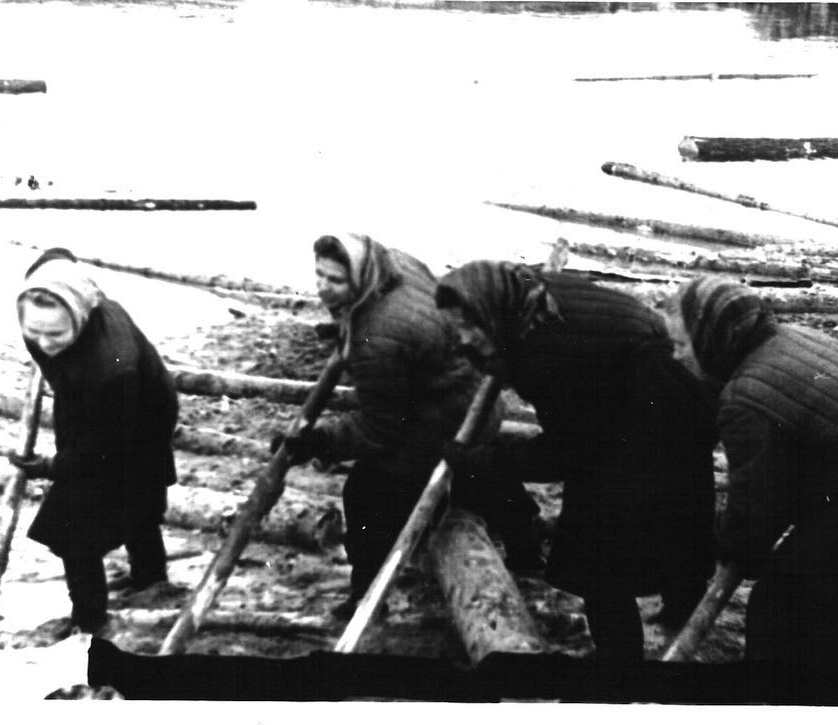
- Yes, there was already the beginning of hunger. All stocks were exterminated. Millet was cooked in the dining room, this is not even soup. I gave it with solidol, kerosene food. And 600 grams of black, like soap, bread. I have already started working. At first he was falling, and then he took the forest, packed the logs. The Chinese, Koreans appeared, they were loaders. I took into account how many logs they will immerse. He began to speak Chinese, oddly enough. They spoke badly in Russian, young guys, and I was 14 years old. In Russian I did not understand, the first Russian words - it was a mat.
“But you were not considered prisoners?”
- We had a village, from there we can’t run away, a taiga around. It was unprofitable to support us from the camps in the camp: Chinese, Koreans, Finns. The so -called goners were released from the camps, they were simply sent to die. The Chinese were more or less held. A lot of Iran, we called them Persians. They never saw snow. There was no clothes, there was no food, almost all of them died.
- Was the work very hard?
-Imagine : snow to the waist, you need to cut down the tree so that the stump is no higher than two or three centimeters from the root, it is necessary to dig it up. Then dump the tree, cut a certain length, cut off the branches, these branches must be burned - in winter, raw branches. Fulfill the norm. You can’t fulfill the norm, reduced bread or not given at all. A person, if one day, will not receive another bread, he will not go to work, but he won’t go to work, they will not give him bread, he weakens, and then he is in the cemetery.
- Hunger lasted a long time?
From the stable, she brought us a couple of handfuls of oats, which fed horses. They came in an hour, she was taken
-I was starving in 1941, 1942, 1943, in 1944 it became easier. Consider, for three years to live on hunger, dream only of bread. When hungry, you constantly think about food, the other does not go to mind, oddly enough, only food day and night. Sometimes the Chinese sometimes fed me a little. There was a planned system, I was already adapted to the little one, then he became a master. There was no one, during the war years, there were almost no men left. Children, women and released - suicide bombers from the camp. The Chinese were younger. And the plan must be implemented, the plan is large. Not on paper, but on a plywood with glass every day you write how many logs, boards. You bring, the boss scolds obscenities - little. How little? I check, knew mathematics. Little, more. Then he guessed: it was necessary to attribute two to three times more. The boss will be shot if he does not fulfill the plan. I had to add. I added to anyone. The Chinese understood that they fed me a little. They knew how to survive. Always alone in the crafts, went to the village, caught dogs, cats, and then no longer became, they began to catch in the village of rats. Once I come: Tolya, go eat. Eat, very tasty. I ask: what is this meat? "Klysa, Tolya, Klysa." They did not pronounce the letter "P".
“Did you manage to find out what happened to your mother?”
- At first I wrote, there was no answer, nothing answered, and after the war I received a message that she died from dysentery in the Chovo camp. And now there is a camp, one of the longest camps on the territory of Komi. From the very beginning and today there are camps.
- And your sister?
-In 1944, Poles, orphans, several Jews of Lithuania began to be exported. She left with Polish children, now she lives in Vilnius.
- Did you have the opportunity to leave?
- The first opportunity I had in 1944. I was very supported by the Chinese. The Chinese had yellow citizenship passports, we had no documents, we were under the supervision of the NKVD. The Chinese began to send these passports to Moscow, in exchange, they sent a passport of a citizen of China to them. They began to leave. One of these Chinese in the spring of 1944 started a conversation: I am leaving for China, let me adopt you and take you out. I laughed where I was in China. I will not go. He begged me for quite some time. I didn’t go. Then he regretted a little.
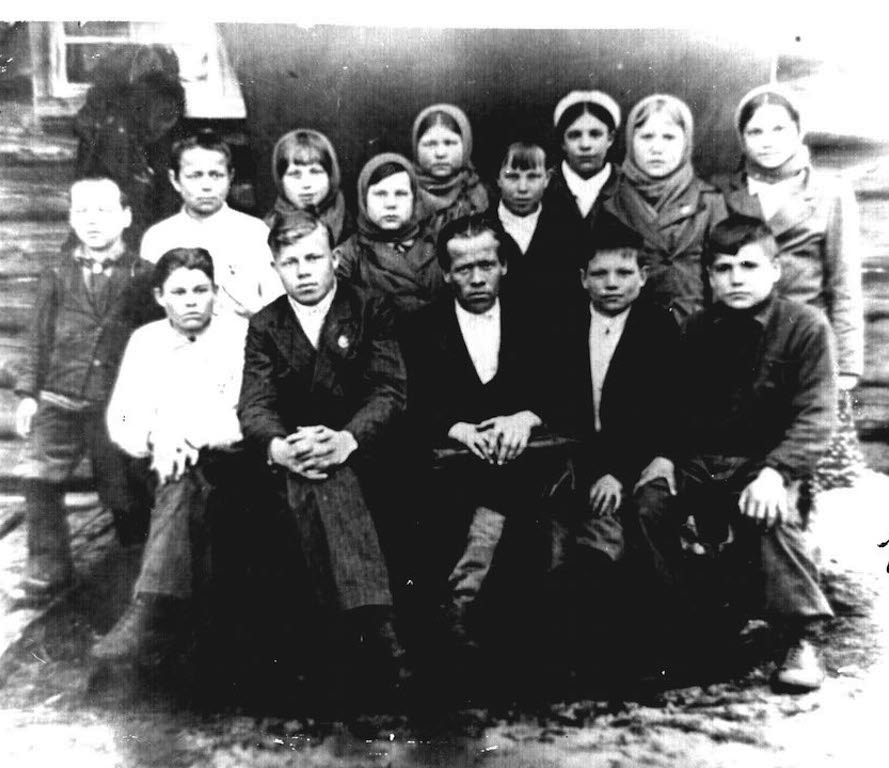
- And when did the next opportunity appear?
When we arrived in 1941, there were camp towers, a fence, a three -meter picket fence, five huts, everything was clean, grunted, removed, very beautiful
- We brought prisoners of war, Vlasovites of the so -called, to the expulsion for 6 years to the special settlement. Among them was a very interesting doctor Kruzhilin, a military surgeon, elderly. He was placed on chocks to the gas generator. Our cars worked during the war on gas generators. They put him with grandmothers to saw chocks. I took him. Partys had abortions forbidden. He was sometimes invited to the district centers for abortion underground. And then he was set by a surgeon of a local hospital, then a doctor. The first penicillin in the army used in experiments. I fell ill with a rash typhus, got to the hospital. When he recovered, he left me to work at the hospital, agreed with the NKVD, they say, there is no one to work. And there the doctors were young women, they sent them to work out after the institute. And now one of them, Abakumova, fell in love with me a little and offered to marry, said: I will free you and take you away. Do you know Abakumova, Assistant Beria? She turned out to be his sister. I was not drawn to women then, I did not make friends with her. She persuaded me: I will take you, will be released, and so on. I remember, the police treated very rudely, did not recognize anyone. They worked for a year and left. This chance was interesting to leave. Then she became the opportunity to go to Lithuania, and my work appeared here, I put off, put it off, and so far so.
- When did you become a free person?
- When it was already under rehabilitation, 1956. They gave me a passport. In the old passport it was written "without the right to leave Komi." Then they replaced my passport, they gave me a real one. In 1956, they said that I was rehabilitated, all sorts of restrictions were removed from me. They said in the police, they gave a new passport, and this is all rehabilitation. No documents, no signatures, simply said and that’s it. There was no reason, there was nothing.
- And when did you learn the Russian language?
- Nobody taught me, he learned. The school helped a little teacher. I did not study the Russian language for a single day.
- You say perfectly.
- I say and write normally, the computer helps to correct errors.
- Many years have passed, Lithuania gained independence, the Soviet Union collapsed. What is holding you in Komi, why did you decide to stay in Russia?
- When I come to Lithuania, my sister says to me: what did you find in your Komi? I have Lithuanian citizenship, although I did not work there for a single day. I was interested in nature, I, as a tourist, proceeded the whole Republic of Komi, the Urals, all the deaf places. At that time I had already seen the camps, but it was forbidden to talk about them then. I began to engage in history, cemeteries, recorded memories. I got it in this, I just can’t get out. People come from different places, different even countries in search of their relatives. You have to help them, show these places. I just can't abandon. Every year I think: another year, another year. I do not see that after me someone will do this. The problem is to leave for me today.
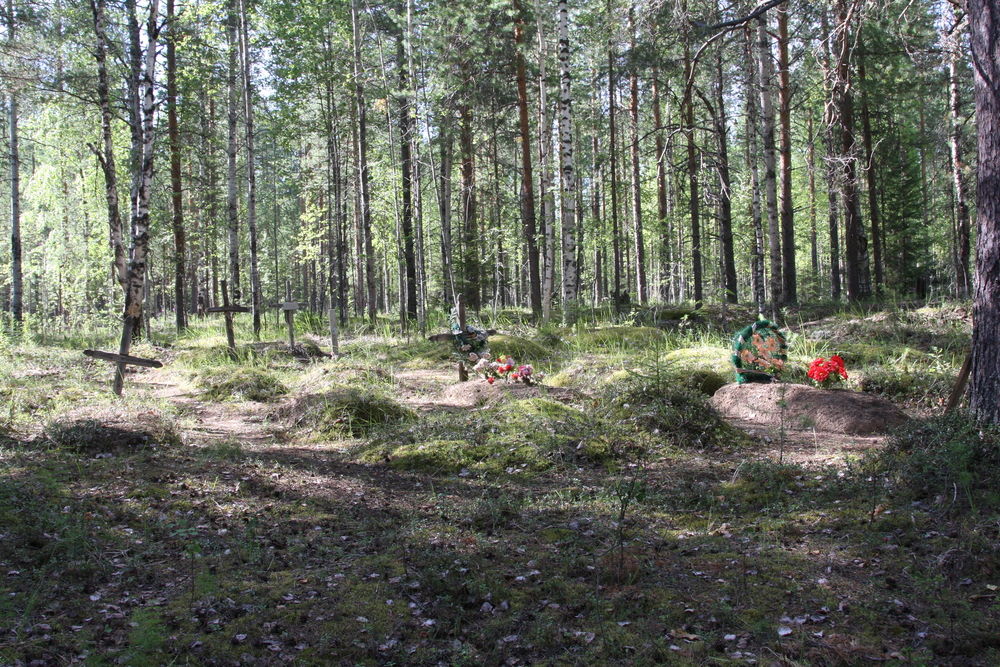
- Are you the only person of special settlers or former Lithuanians who remained in Komi?
- In the settlement of Corteraros, where I live, two women from the Lithuanians. They have families here. One goes to Lithuania, but family, grandchildren, great -grandchildren here, she cannot part with them. Another patient already. I am in our area one Lithuanian of men who know the language. In Syktyvkar there are one or two who spoke in Litov’s, but I do not know them.
-And from the former political prisoners did someone stay?
- Of the political prisoners, there are no already in our area. The war participants in our area are one or two. Political prisoners were harder, not a single one has already practically. There are former special migrants, such as me. We use small benefits, we gather, do not interfere like.
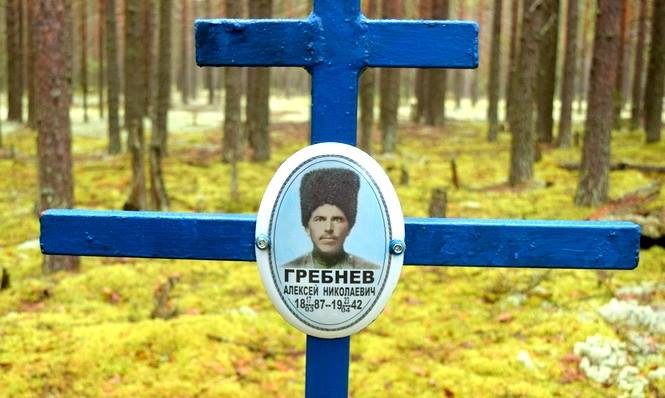
- When you were 14 years old, you were not interested in politics, did not understand what Soviet power is, what Stalinism is. And when did they understand?
They opened her throat, poured blood into cans and drank "so that Stalin is heated"
- For the first time, I felt hatred of people to the Soviet regime, to the regime when Iranians are apparently from the elite; They were tall, thin, hungry - allowed to slaughter a dying horse. They opened her throat, poured blood into cans and drank "so that Stalin is heated." Such a toast, two or three times with such words. For the first time I felt hatred. But then they were very afraid. You know, they are still afraid, although you can already talk about this topic. One man who was remembered for a newspaper with a portrait of Stalin was given 10 years. He is there in the camp and died. A very strict regime, people were afraid of any statement. And the local old people have remained the precipitate to this day. I am now engaged in memories, ask people, even today it is quite difficult to bring to an open conversation, there is a sense of fear. I also had it before, but ten years ago it took, I’m not afraid already.
- Remember the death of Stalin and the XX Congress? How did people react?
- I remember the death of Stalin very well. In the store, such Bakhaev, a very smart, competent person from immigrants, takes bottles and loudly declares to everyone the joyful news that Stalin died. Many then rejoiced. And the XX Congress at Khrushchev passed quite quietly with us. At first, rumors went for a long time. They recognized through the gossip. Then, after some time, it appeared in the newspapers, but very sparingly. They talked about a closed letter. We learned in a year more or less truly about the Khrushchev report. You know, people were afraid and did not really believe what it was. They were afraid to speak, fear remained.
- And when did Solzhenitsyn's books get to you?
- At first, I heard by the Voice of America in the programs, and “one day of Ivan Denisovich” was handed over to me when I was in Lithuania. There were no special news for me, everything was familiar with what he wrote.
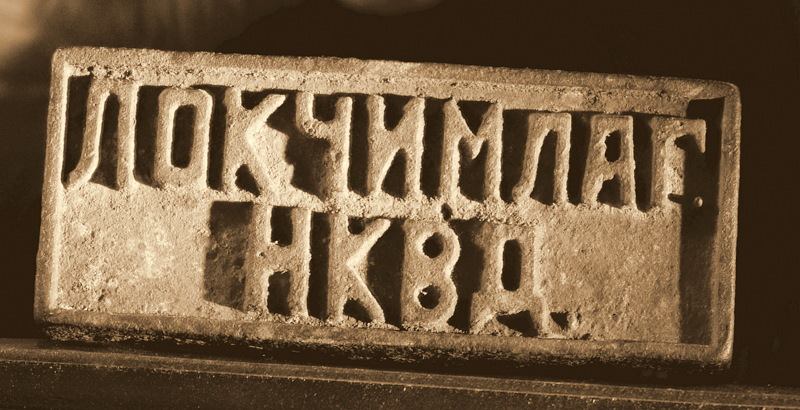
- Solzhenitsyn wrote almost nothing about the elbowlag you are doing.
Locchimlag is a death camp
- He did not write about Lokchimlaga, there is only one page. This camp is a special, little -known camp, existed from 1938 to 1940 - a large terror, a campaign of the most cruel mass killings in the history of Russia. In 1937, they opened, but really began to work in 1938, they began to import prisoners massively. And two years later the camps did not, almost all died out. There are a lot of mysterious. This is the death camp, 26 thousand in 1938, and in 1940 10 thousand prisoners. Where to go? Everyone remembers how the column behind the column went to the elbow, to other camps, and no one saw it back. A lot of puzzles, a lot of cemeteries. When it was still impossible to write, a couple of people said something. In Lokchimilag there was one Austrian Jew Dmitry Frantsevich Clermont, he told a little. As you start talking about politics, he immediately ran away, did not say anything. Once he said that they woke up on the rise in the camp, as ours, but with sticks, the so-called arrows went every morning. If you believe him, then he got here: he played at Lenin’s funeral, there was frost, they were given the pipes that the pipes did not freeze, alcohol, he was intoxicated, and for this he fell into the Far East. From the Far East they then sent him to Komi, remained after Lokchihala in the settlement. He worked here, organized a brass band in the club and died. Then his descendants still live.
- That is, he was arrested for playing poorly at the funeral?
- According to him, at the funeral of Lenin on Red Square. The orchestra is large, and there was frost. The whole orchestra, he says, then intoxicated, and they were taken.
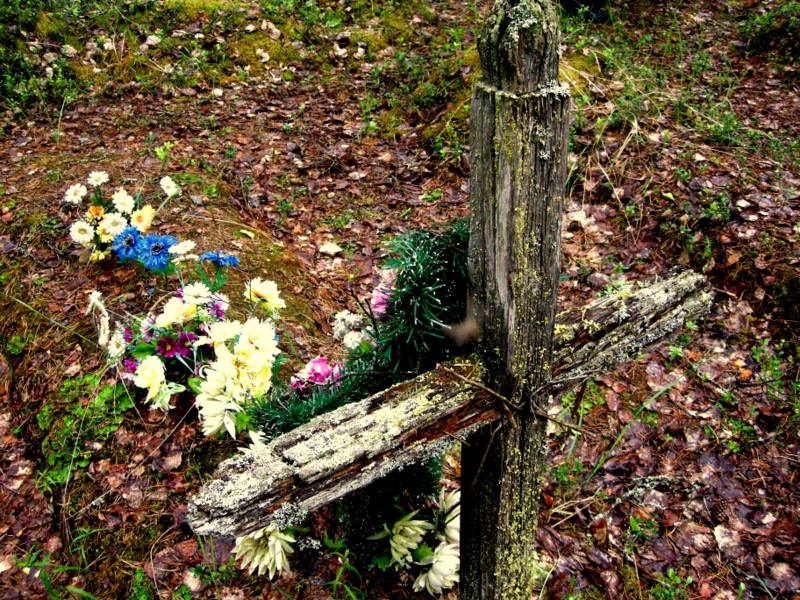
- Why in 1940 they closed Locchimhalag?
The forest was cut down, and the traces of the camp remained everywhere, throughout the vast territory
- Probably, the camp was made for the show. He brought in 1939 56 million rubles of losses. Watermelons were grown for window dressing, the chief went to Moscow to a restaurant every week. The Communists, you know, were tough for such trips, did not allow, which means that this was agreed. There is still a lot of so dark in this camp. This camp is surrounded by 10 cemeteries, seven saints of the Russian Orthodox Church are buried there. It arose simultaneously with the camps in Vorkuta, Inte, Ukhta. There is oil, gas, coal, and here is a camp as a harvesting plant. The forest was cut down, and the traces of the camp remained everywhere, throughout the vast territory. Особенность в том, что он, видимо, был поставлен на самовыживание. То есть коммунисты хотели покорить природу, из ничего лагерь должен был обеспечить сам себя, бараками, домами. Дороги из бревен, горючее из чурок. Скипидаром заводили машину. Машина завелась, дальше уже топили ее березовыми чурками, очень тяжело заводились, машины маломощные были. Едой тоже лагерь должен был сам себя обеспечить, инструментом. Этот опыт, наверное, неудачный был. Свидетельств в архивах очень мало, с большим трудом в архив попали, и там очень за нами строго смотрели, много не могли переписать. Получается, что этот лагерь подчинялся в основном Берии. 56 миллионов в 1939 году сделать убыток! Все лагеря СССР такого убытка вместе не дали, сколько он один. Тоже загадка.
То есть лагерь не оправдал себя, принес одни убытки и смерти от обморожения, от недоедания. Люди гибли как мухи в этом лагере. Продукты не поступали, массовая гибель. Идут даже слухи, что ели людей от голода. Я наслушался много жутких рассказов про этот лагерь. Держали полуодетых зимой, чтобы не могли убежать. Видимо, не успели для такого большого объема подготовить даже бараки. Мы жили в локчимлаговском бараке, они были нормально построены. В поселках Аджером и Пезмег некоторые постройки от лагеря остались еще.
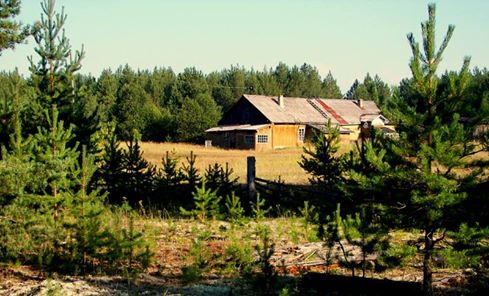
– И люди сейчас живут в лагерных постройках?
Хоронили в одну яму, пока не заполнят, потом рядом копают другую яму, третью
- Yes. В Воркуте, Инте возникли города, следы лагерей там уничтожены, многие дома на кладбищах стоят. А здесь вырубили лес, лес быстро не растет, остались кладбища, остались дома, остались бывшие заключенные и осталась охрана лагеря. Остался обслуживающий состав, администрация, стрелки, охрана. Потом, когда Локчимлаг ликвидировали, по 1956 год оставался сельскохозяйственный лагерь. Пять зон было лагерных, польская зона была, китайская зона была. Люди остались, перемешались, сейчас пятое поколение растет. Потомки привели здания в порядок, есть здание следственного управления, есть здание лагерного архива. Из шести зданий управления Локчимлага в двух, построенных в 1938 году, вспомогательная школа. Здания хорошие, красивые, до сих пор используются. Здание тюрьмы осталось, камеры остались, даже те, где расстреливали людей. Спрашивали человека, который там живет: как, не снится ничего? Да нет, говорит, ничего не снится. Такое равнодушие потомков, когда все уже пережито, перемолото. Пятое поколение, они уже ничего не помнят о лагере, им неинтересно.
– Видел в вашем фейсбуке фотографии потомков политзаключенных, которые приезжают искать могилы.
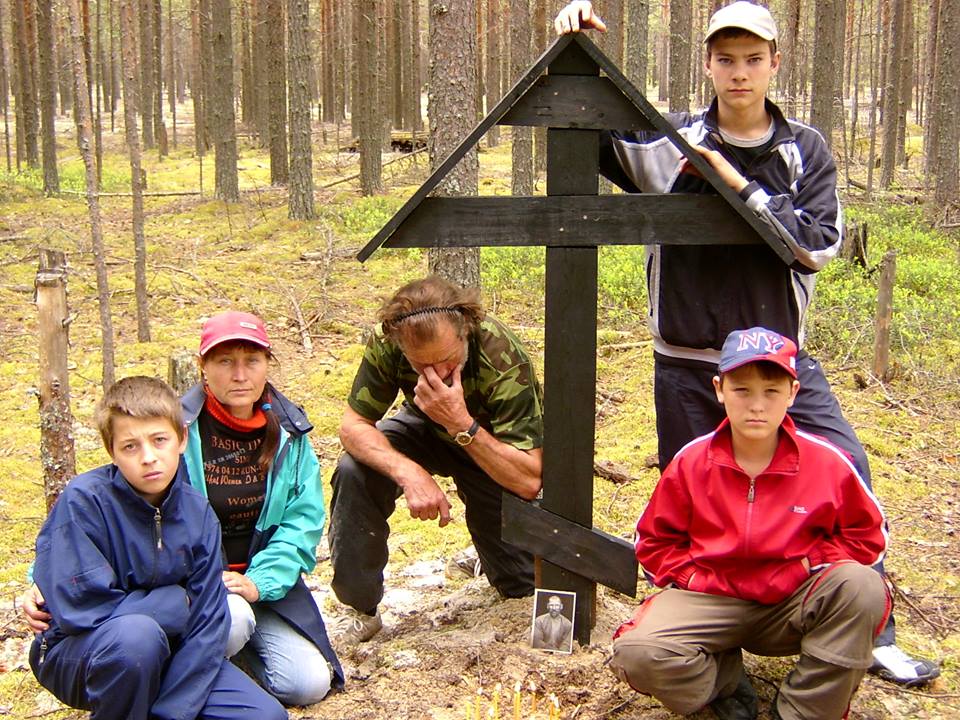
– Приезжают. Недавно были из Ставрополя. По документам он погиб в Локчимлаге. А Локчимлаг имел около 50 отделений. А где умер? Там, где управление было, 4 или 5 кладбищ вокруг одного поселка, массовые захоронения. Хоронили в одну яму, пока не заполнят, потом рядом копают другую яму, третью. Где там найти могилу погибшего? Примерно известно, в каком году, ведешь человека на это кладбище, он ставит памятный крест, молится.
– Много людей погибло?
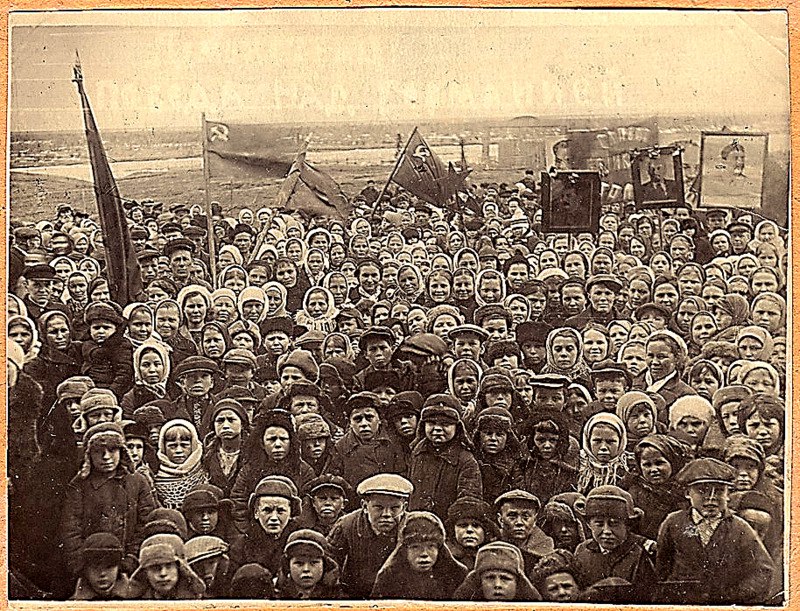
– Никто не подсчитывал. Было 26 тысяч в 1938 году, в 1940 году уже 10 тысяч, лагерь убрали, оставался один участок, сельхозлагерь. Куда остальные делись, никто не знает. Помнят этапы через село, где я живу, каждый день по два-три этапа гнали вверх. Когда мы приехали в 1941 году, кругом были лагерные вышки, забор, частокол трехметровый, пять бараков, все было чисто, подметено, убрано, очень красиво. Женщины наши говорят – даже печки теплые. Как будто вчера люди жили. А люди куда делись? Никто не видел. Вот такая странная вещь..
– Архивы лагерные остались в Сыктывкаре?
– Локчимлаговские архивы нам после пары лет хлопот показали. Книгу приказов, подписи Берии видели. Кое-что разрешили переписать, смотрели, что мы переписываем, взяли расписки. Только книгу приказов, остальное нам не показывали.
– Ощущаете, что культ Сталина возрождается?
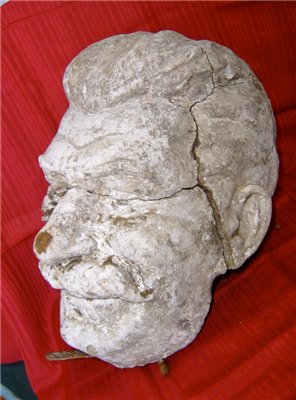
– У нас напротив администрации бюст Сталина стоит, иногда там коммунисты встречаются. Но многие люди старшего поколения не признают Сталина. То есть двоякое отношение. У молодежи проявляются такие тенденции, что нужен порядок, нужен Сталин. Они не имеют представления, что такое режим Сталина. Ведь порядок был ценой трупов людских, вот такой порядок. Старые люди с которыми я встречаюсь, мое поколение, но мало их, они боятся, что, не дай бог, Сталин вернется.
– Не хотите уезжать в Литву?
– Я вырос здесь, надо довести дело до конца. Или это совесть называется, или душевный настрой. Я тут нужен людям. Вся информация, которая у меня накопилась, нужна. Истории по Локчимлагу до сих пор собираю по крупицам. В советских архивах надуманная туфта. Я в годы войны приписывал лес, наполовину все туфтовое. В 1941 году около Локчима штабеля дров, километры вдоль реки и от реки метров по сто, четыре-пять рядов. Мы все лето катали, – выкатали, может быть, сотую долю. Осенью, когда снег начал падать, нас заставили жечь эти бревна. Они плохо горят, сырые, мы, наверное, месяц сжигали. Снег выпал, приехала комиссия, нас наградили, мне дали тогда две нормы хлеба, похвалили, что мы справились с государственным заданием, скатали лес. А мы его сожгли.
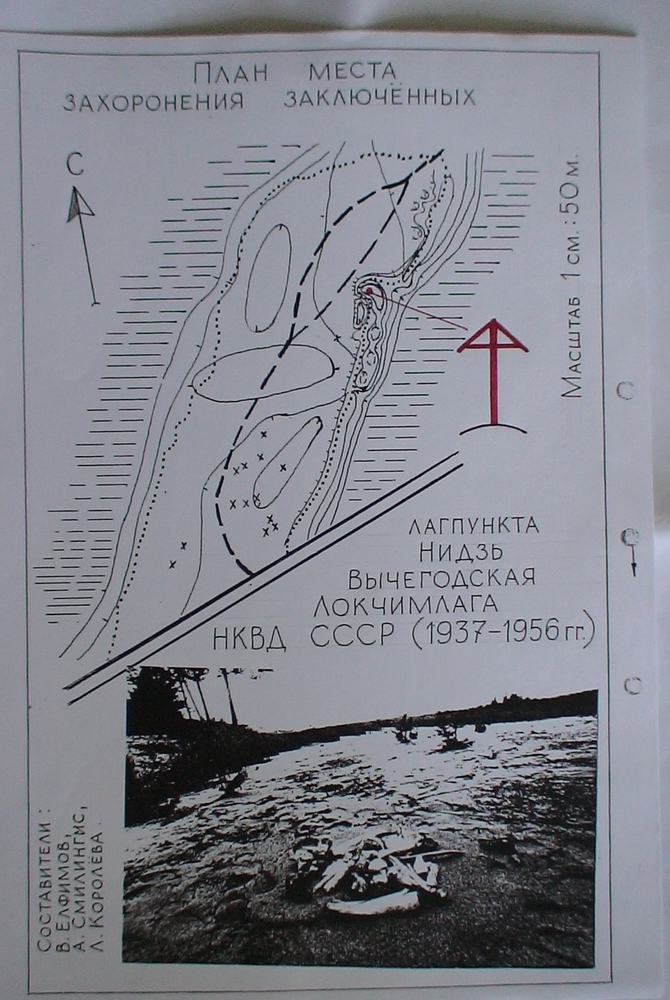
Я работал десятником, мастером, лес принимал, приходилось все время дописывать, иначе начальство посадили бы, а в годы войны расстреливали за невыполнение плана. Возможностей выполнить план ни технических, ни людских не было, а планы были. Архивы я считаю их недостоверными, я считаю достоверными только рассказы людей. В последние годы больше занимаюсь лагерными захоронениями. Полупрофессионально могу отличить лагерные захоронения и время. Поставили на захоронениях 16 крестов железных в глухих местах, где люди не заходят. Никто не мешает, но и не помогает.
– Нет памятника жертвам репрессий?
– Только в поселке Аджером камень большой поставлен. Тут у нас пески везде. Моя супруга помогла найти такой камень в карьере, удалось как-то установить, там этикетка "Узникам лесных лагерей". Большущий камень, ледниковый гранит огромный, недалеко от здания тюрьмы, стоит такой уже лет десять. Вырастают новые поколения, пятое, шестое. Везде в мире, не только в России, ростки репрессий живут. Чтобы они не выросли, надо, чтобы молодежь знала.
В октябре Анатолису Смилингису исполнится 89 лет. Он ведет блоги, посвященные природе Республике Коми и истории ГУЛАГа, в " Вконтакте ", " Фейсбуке " и на сайте " 7х7 ".