
Translated material
How Russia fell out of love with Dzhukanovich
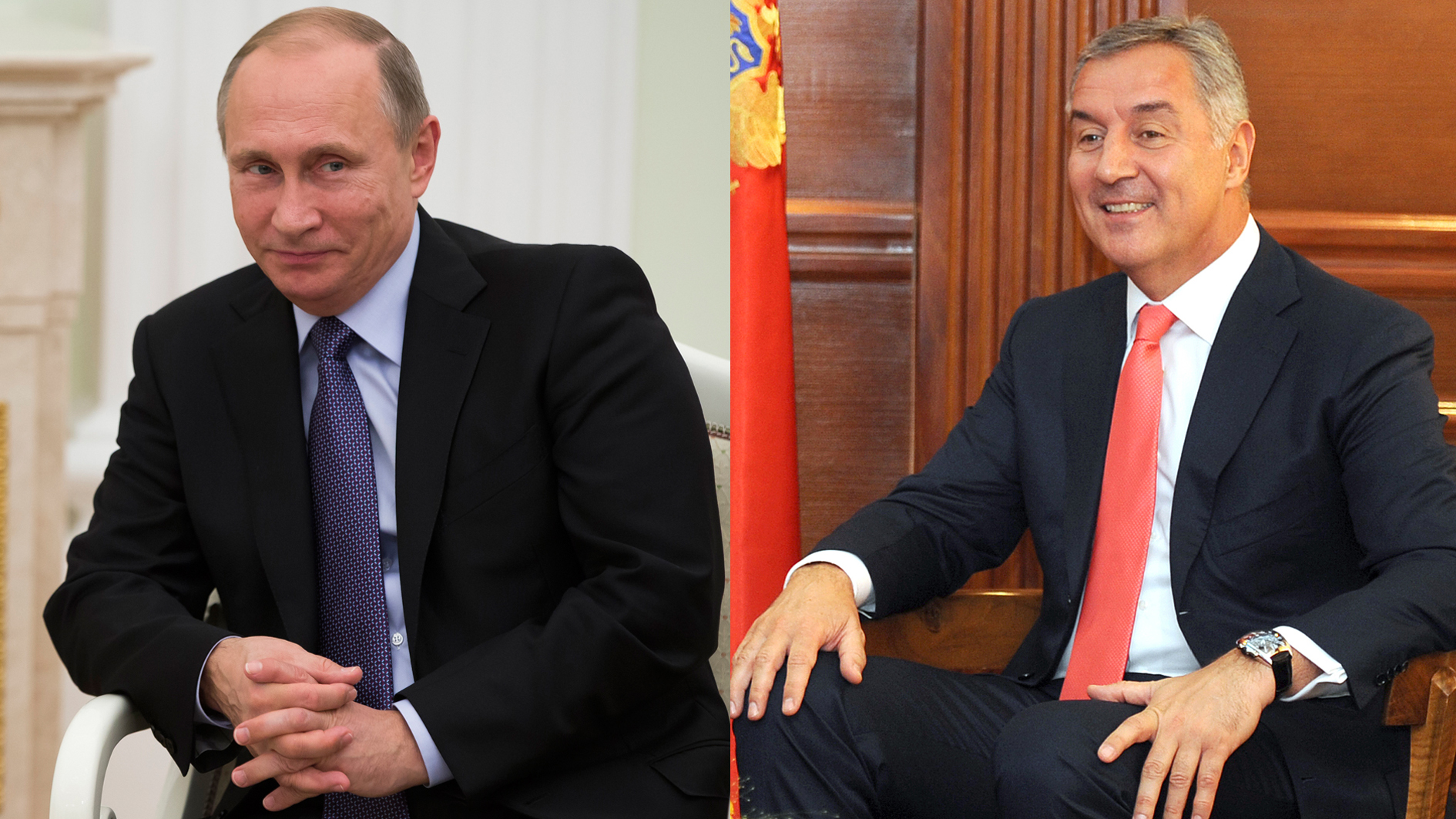
Moscow will spend tens of millions of euros to strengthen its influence in the Balkans
The Chernogorsky leader Milo Dzhukanovich from the confidential interlocutor Vladimir Putin, as he was in the early 2000s, turned into the main opponent of Russian influence in the Balkans. The polemic between Moscow and Podgoria about Euro -Atlantic integration is accompanied by Dzhukanovich’s calls to the EU to protect the region from the Russian threat. Governmental Montenegrin sources claim that Moscow has developed a new strategy for strengthening its influence and will provide multimillion -dollar assistance to the "friendly" parties, media groups and anti -Natovsky movement.
“Dzhukanovich warns about the dangers of Russia,” “Walking with Moscow, the Russian threat-such headlines are now not uncommon in the Balkan press, and the participants in Internet forums are already seriously asking the question: will Russia be attacking Montenegro and will NATO be able to protect it? Milo Dzhukanovich, completing the design of Montenegro membership in NATO in the coming months, is increasingly criticizing the Russian foreign policy course, especially the initiatives aimed at slowing Euro -Atlantic integration. At the same time, the Montenegrin leader essentially acts on behalf of all countries of the region, which are at different stages of integration into NATO and the European Union.
The Russian-Chernogorsk relations were finally divided after the attachment of Podgorica to the anti-Russian sanctions of the EU and the signing by it in May of this year on the entry into NATO. During anti -government rallies last fall, Dzhukanovich openly accused Moscow of supporting the radical opposition and attempts to overthrow his government. Recently, he criticized the Anti -NATO initiative of the Russian President Party United Russia, which signed the so -called neutrality declaration with a number of political parties in the region. And during the NATO summit in Warsaw, the Montenegrin Prime Minister called on the Western countries more energetically to respond to the strengthening of Russian propaganda, trying to master the minds of those who "are stuck in the grip of the retrograde past." These Dzhukanovich in the Balkans counted about 30 percent.
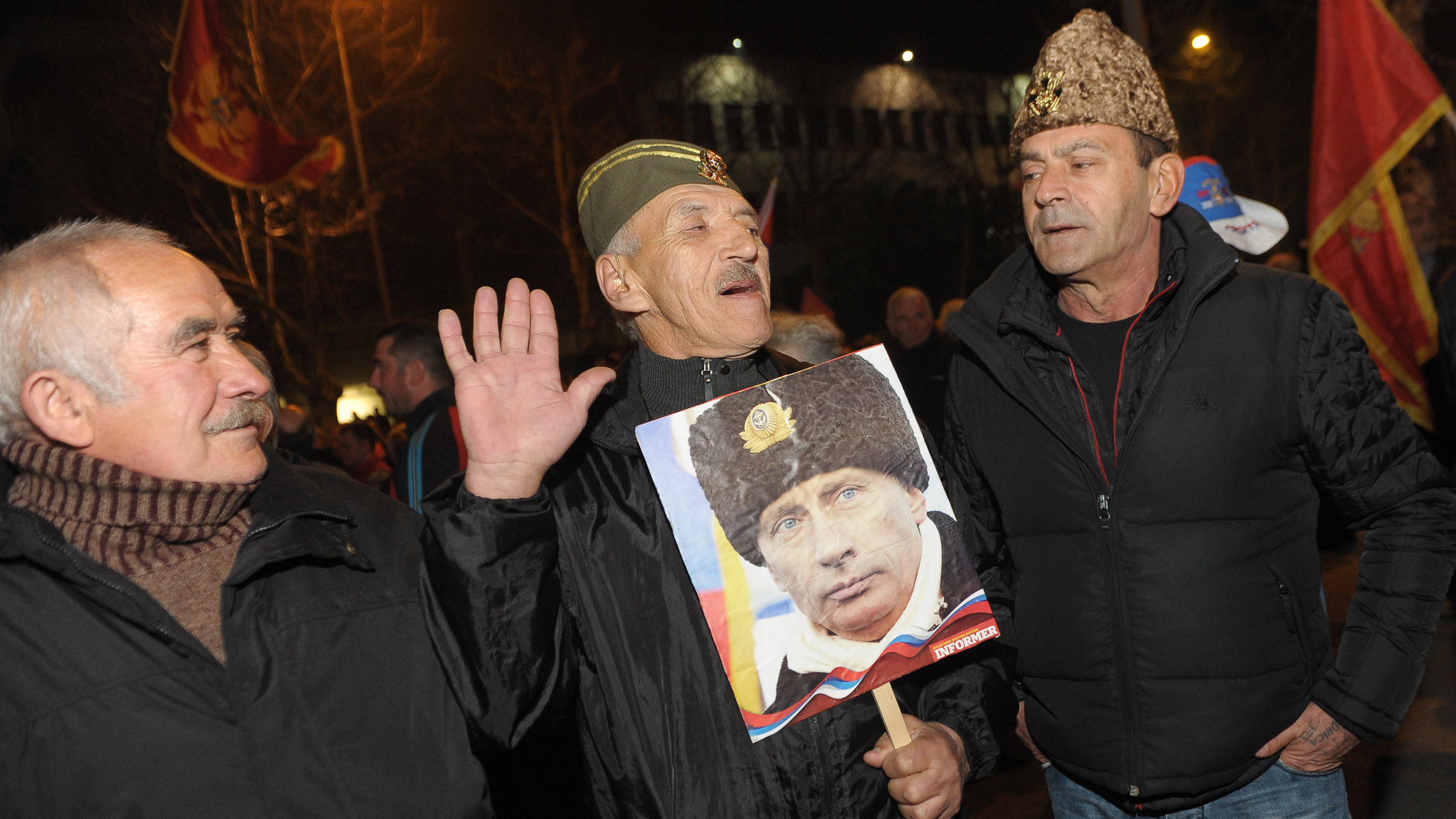
Last week, the Montenegrin government newspaper Victory said that the Russian authorities have prepared a new strategy for strengthening their influence on the countries of the former Yugoslavia. Referring to the data from diplomatic sources and information of representatives of movements that maintain close ties with United Russia, the newspaper claims that Moscow will spend tens of millions of euros on the support of pro -Russian political forces, the media and anti -Nazi organizations in the Balkans. This will be a more hidden strategy, which, according to its authors, will allow Russia to achieve more influence on events in the region, avoiding accusations of interfering in the internal affairs of the Balkan countries.
In the Russian Foreign Ministry, they rudely react to Jukanovich’s statements, believing that he simply “bends” before the NATO leadership. But now Montenegro is humiliated for the fact that she "flattered on NATO bait." But in the Prypcsky period of its rapprochement with the West in Moscow, they did not notice. Say, in 2008, when Podgica adopted an individual partnership plan, and soon received a plan of action on NATO membership, Moscow did not make sharp statements. In 2011, the Montenegrin foreign policy in the Kremlin was still called "balanced." Although, in fact, the Western vector in it was indicated in the second half of the 90s, when Montenegro, along with Serbia, was part of the "small" Yugoslavia .
Dzhukanovich openly accused Moscow of supporting the radical opposition and attempts to overthrow his government
Dzhukanovich managed to build warm relations with the Kremlin before Montenegrin Independence in 2006. In September 2004, Putin even accepted the Montenegrin leader during his private visit to Moscow. The Kremlin more than once thanked the Montenegrin authorities for favorable conditions for Russian business and awarded Dzhukanovich's associates with prestigious awards. Relations with the Chernogorsk elite were spoiled only in 2013, when Oleg Deripaska was excluded from the number of investors of the Cap aluminum plant, and this was the most important Russian investment in Montenegro and from an economic and political point of view.
As the Russian influence weakens, the Kremlin was increasingly annoyed by the foreign policy priorities of Dzhukanovich. To the invitation of Montenegro in NATO, received in December 2015, from Moscow reacted with a promise of response and a powerful propaganda blow. The Kremlin media ridiculed the smallest of the former Yugoslav republics for the incompetition of the military potential with the capabilities of NATO countries, and the Prime Minister Dzhukanovich was accused of undemocraticity and corruption. Of course, the old accusations of smuggling of cigarettes with Italian mafia clans also surfaced. With a mockery of Montenegrins, they began to talk more and more often at the official level.
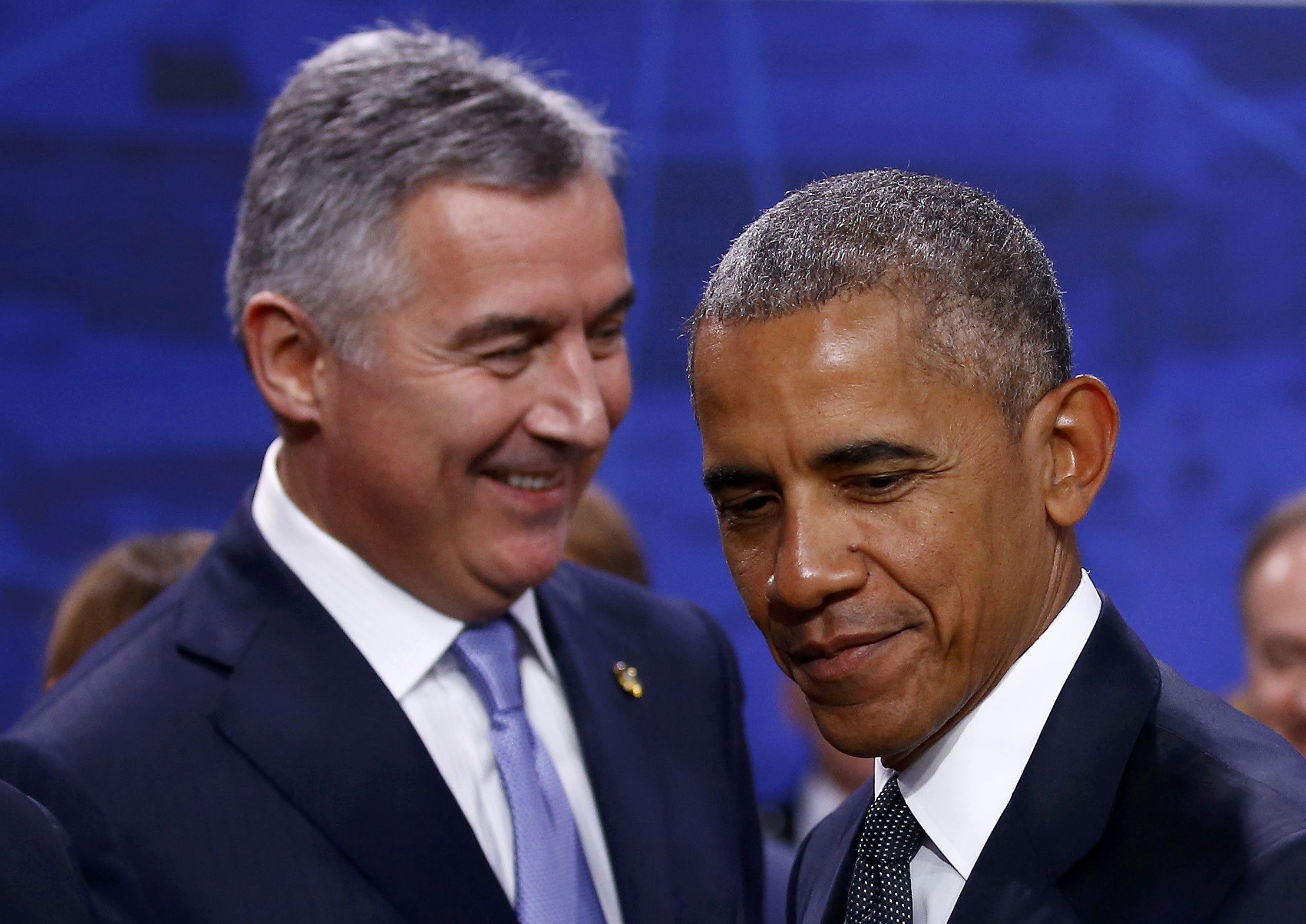
The indignation of the Montenegrins with non -genius vocabulary addressed to them in Moscow. They are sure that Montenegro authorities refuse a referendum to join NATO only because the majority of the population does not support this idea. It is clear that the entry into the alliance this fall will become one of the topics of the election campaign in Montenegro (on October 16, parliamentary elections will be held there) and that Moscow will support the conditional "anti -Natovsky coalition." But it is unlikely that such a coalition will become an influential political force. Most of the political elite of Montenegro maintain integration into NATO, which confirmed in recent months and the adoption of two relevant resolutions in the parliament: not only the government coalition, but also part of the opposition voted for them.
At the same time, polls of public opinion indicate an increase in the number of NATO supporters. According to the latest study by Damar , the entry into the organization supports 46.1 percent of citizens, 38.2 percent against this idea, and 15.7 percent refrain from the answer. If we talk about the already determined citizens with the right to vote, then 54.7 percent protrude for Euro -Atlantic integration, and 45.3 against it. At the same time, 77 and a half percent of the Montenegrins have no doubt that their country will soon become a member of NATO.
The Executive Director of the Montenegrin Analytical Center CEDEM NPAD CODISSITS SHOUT A Radio Liberty: Freedom:
Russia openly intervenes in the internal affairs of Montenegro
- Russia openly interferes in the internal affairs of Montenegro, using very non -immortal statements and indicating the sovereign to the country how it should be done. At the same time, Moscow openly supports the most radical part of the Montenegrin opposition, which disputes the Montenegrin statehood itself and identity. Unfortunately, Russia's policy regarding Montenegro has recently changed, although our foreign policy priorities have been clearly indicated immediately after the restoration of independence in 2006: this is the entry into the EU and NATO. As a candidate for the European Union - and the Montenegrin government has already opened more than two -thirds in negotiations on joining the EU, Montenegro coordinally coordinates its foreign policy with Brussels. And the latest statements by Prime Minister Dzhukanovich should be considered in this context. In my opinion, by pressure on Montenegro, Russia primarily sends a signal to its main partner in the Balkans - Serbia, fearing that it decides to join NATO, ”he notes.
Meanwhile, Belgrade continues to balance, trying to build pragmatic relations with both Russia and Western partners. At the same time, in recent years, the Serbian authorities have reached maximum rapprochement with NATO. In 2014, Belgrade signed an individual partnership plan with NATO. In total, Serbia entered into five agreements with the Alliance , including an agreement on cooperation in the field of material and technical support, which provides NATO with diplomatic immunity and freedom of movement. The need for such close cooperation is disputed by Serbian opposition parties that enjoy Moscow support.
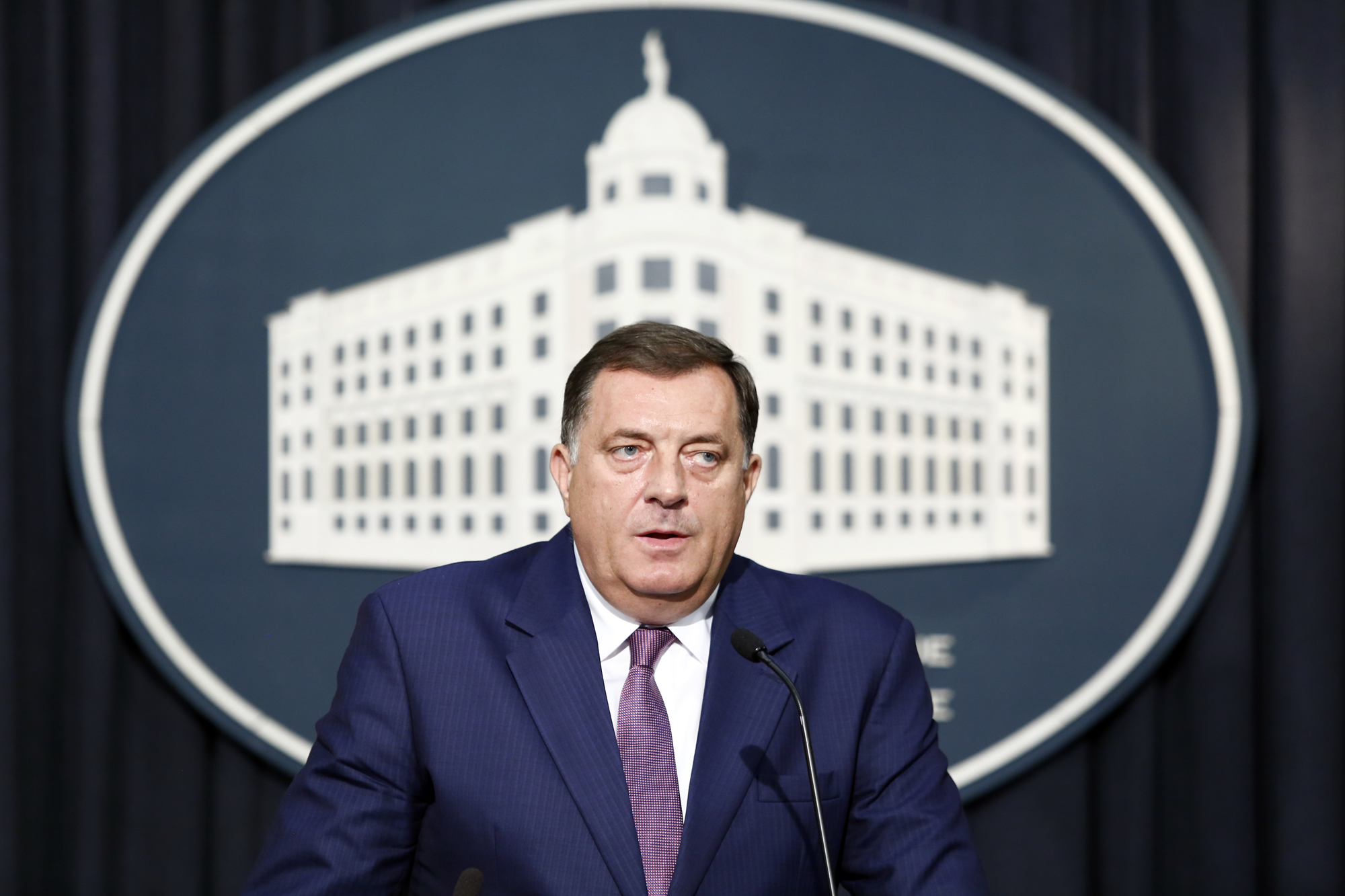
Elena Milich , who heads the Center for Euro -Atlantic Research in Belgrade, notes in an interview with Radio Liberty that threats related to the growth of Russia's influence, which is talking about Milo Dzhukanovich, are quite real:
- Our center has recently published a detailed study on the issue of strengthening the Russian “soft power” in Serbia, which is also manifested in other countries of the region. In addition, the tendency to blackmail in economic relations has recently been intensified and the requirements are sounding to increase the volume of military cooperation. Russia activated contacts with all parties in the Balkans, set up against the European Union and NATO, regardless of their real political weight. Russian propaganda is also very active. Messages of the "satellite" , which in the EU and Eastern Europe is considered a propaganda resource, is reprinted by the media with state participation. In such media outlets, say, citizens' speeches against corrupt authorities in Macedonia or protests in Serbia itself are often presented as an attempt to "destabilize". The President of the Republic of Serbian Milorad Dodik openly uses the Posoputinsky rhetoric.
The influence of Russia, unfortunately, is anti -democratic in nature
- Why is the influence of Moscow so often served by the Balkan elites in a negative light, in contrast to the influence of the EU and NATO?
- The European Union and NATO have been helping the stabilization and democratization of the region for many years. All Balkan countries have expressed a desire to either join the EU and NATO, or establish close cooperation with them. This is the fundamental difference in the legitimacy of the actions of the EU and NATO in the region and Russia. The influence of Russia, unfortunately, is anti -democratic. Moscow uses narratives that have little in common with reality - whether this is associated with the economy or history. Relations with Russia are ultimately used to block the actions necessary for European integration, which involves demonopolization and deep reforms.