
Translated material
No need to litter food
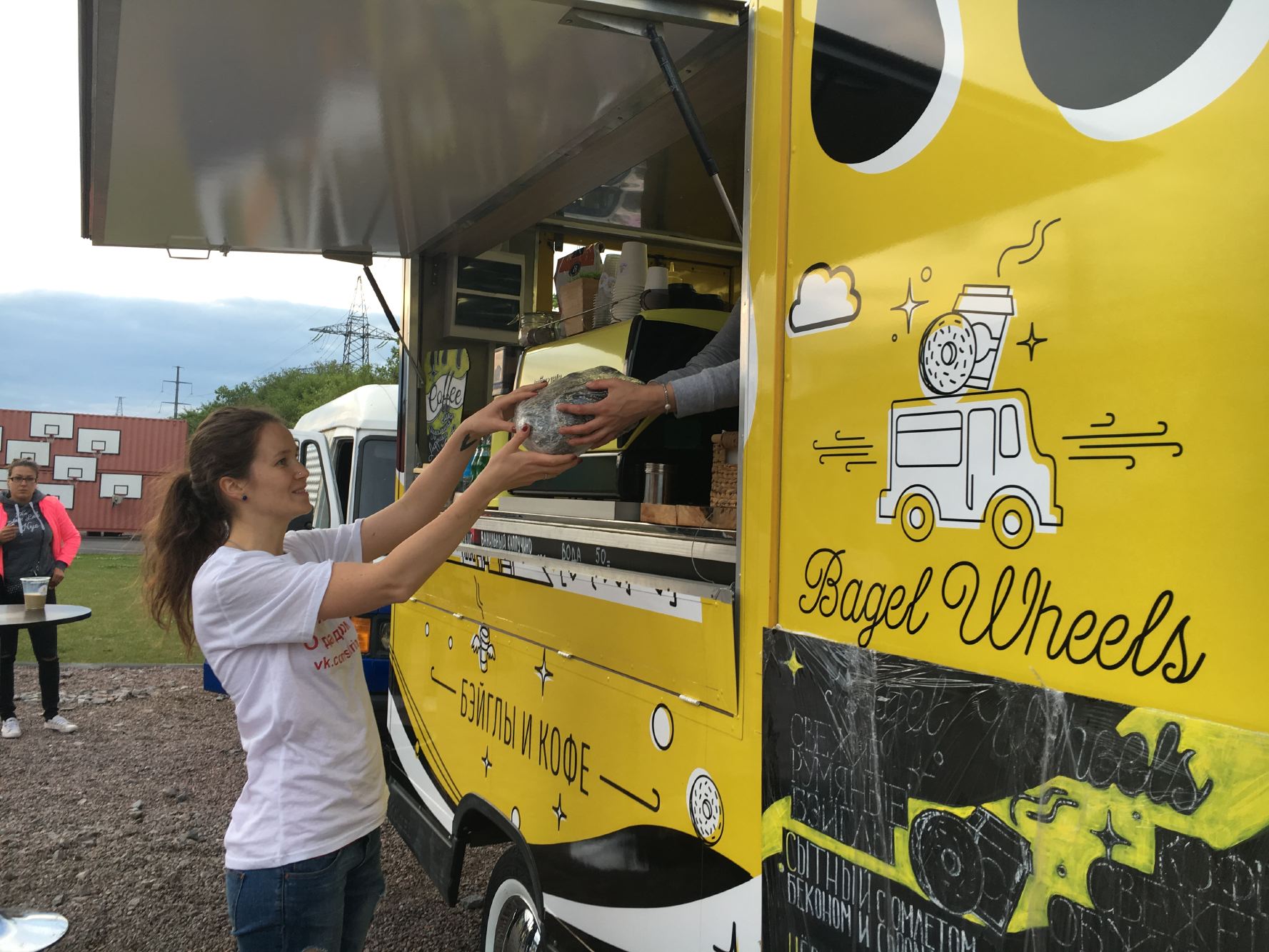
Bulldozers destroy Polish apples throughout Russia, and young guys from St. Petersburg and Moscow urge to share food at a free basis. The main Mission of Fudshering is the environmental care and the fight against re -consumption
The taste of the discharges
Russian foodshery has German roots. In 2011, the Cologne journalist and director Valentin Turn released the documentary “Tast the Waste”. The picture then made a lot of noise - it was shown on central television, and then, by order of the UN and the Stockholm International Institute of Water, the continuation of the film was released.
The main idea of Tourn is that daily humanity throws tons of products, squandering not only precious nutrition, but also the resources necessary for food production - water, soil, labor, energy, and investments. Only in Europe, food goes to the trash, which could be twice to feed all the starving in the world.
“With each dropped apple, we lose such a amount of water that would have enough water in the toilet, 2400 liters of water are spent on one hamburger (only its meat part takes 2200 liters of water). Two hundred grams of steak require a arable area of seven square meters, which means that with each thrown out steak we are tranquiring the soil on which you could grow twenty -seven kilograms of potatoes, ”the film says.
According to the UN food and agricultural organization, 1.3 billion tons of food annually is thrown into the trash - a third of the total food produced, and the annual economic damage from food losses is $ 750 billion. In the United States, this indicator reaches 40%, in Russia, according to Rosstat, the amount of waste production and drinks in 2015 amounted to 19.5 million tons. At the same time, most of these products are destroyed at the stage of harvest and storage, catering establishments, supermarkets and ordinary citizens also generously fill out trash tanks with food.
Every year, 1.3 billion tons of food is thrown into the trash - a third of all food producedThe fight against the irrational expenditure of products is already moving to the state level. In France, at the beginning of this year, a law prohibiting large supermarkets was adopted to throw food, as well as dispose of non -distributed foods before the expiration date. Now they are obliged to transfer products to charitable organizations that will distribute them between those in need. Otherwise , the store administration faces a fine of up to 75 thousand euros or imprisonment for up to two years.
Activists who have achieved the adoption of the law hope for the approval of similar measures at the European Union level.
Protest against universal waste
At the time of working on the film, Tourn decided to create a community where people will be able to share extra, unfounded or simply not liked products. The documentary director decided to rally people around the idea of satisfying the basic need and personal responsibility for the future of the planet. So the Internet platform FoodSharing.de arose.
On the German foodshering website there is a counter that reports that local foods have already saved five thousand tons of food. Almost nineteen thousand rescue activists redistribute food every day, and three thousand companies provide it. The protest against universal squandering also spread to neighboring countries - Austria and Switzerland.
Ruppa "Fudshering in Moscow" in VKontakte founded the computer linguist Anna Uspenskaya. The idea to transfer the socio-ecological project to Russian reality was born last year. The twenty -six -year -old girl, like many other Runet users, learned about the existence of German foodshering from the diary of Yana Frank, a popular blogger, illustrator of the studio Artemy Lebedev, living in Berlin. Frank - a Fudseiver with experience - has saved four tons of food over the past year. She does not buy anything in a supermarket, breakfast with foods that remained from the Swedish table of a five -star hotel, goes to a Turkish store behind fruit boxes, and to Thai restaurant - for sauces and chicken with vegetables.
Yana Frank - Fudseiver with experience - has saved four tons of food over the past year“Moscow is a large city, and there are all the conditions for saving food, in particular, a huge number of points related to food,” says Uspenskaya. Together with like-minded people, she contacted German colleagues, studied their documentation (“We made four sheets from the forty wanderers”), received permission to use the logo, and in January of this year launched foodshering in Russia-Moscow and St. Petersburg.
 Anna Assumption Photo: Ekaterina Delikishkina
Russian foodshering is practically no different from the German “ancestor”. The purpose of the project is to connect shops and cafes who want to freely and effectively free shelves, windows and refrigerators for a fresh batch of food, with volunteers who are ready, following certain rules, responsibly and professionally saving the food that threatens the garbage dump.
“When a person takes off unprofitable products and saves them from the garbage,” says Uspenskaya, “he helps our planet and makes life more rational, not allowing leakage of useful resources. In Germany, foodshering is more developed. There, the organization’s participation in the project is honored and socially approved. They even have stickers on the door, which report that they share the idea of foodshering and fight with reinforcement. They do not re -launch labels, but always offer their customers fresh products. ”
Work for food
Everyone can become a participant in Russian foodshering. It is only necessary to get acquainted with the rules of movement, go through the test for their knowledge, mark yourself on the map and wait until the alignment of food and products “in the area” comes to e -mail. The points and time of export can only learn the movement participants. This is done in order not to cause excitement at the door of the institution.
There are still few registered participants in Moscow - about a hundred people. They, according to the founder of the project, are divided into two categories. Firstly, these are large mothers for forty, who always have the need for food and a certain amount of free time in the intervals between various economic affairs. Secondly, young people are people who love new social projects and are interested in the environmental component.
Fudstering is not an application for charitable help and the ability to receive food for freeA number of restrictions and requirements are imposed on Fudseiver. It should be punctual and reliable (take the food on time and record only on those transportation that can definitely come to), observe cleanliness (leave the place of export and sort of products in the same state as before the arrival) and take away all the food with them that they will offer. The sale of saved products is strictly prohibited - food is not sold, not exchanged, but is distributed completely free.
Of course, the key motivation for spacer activists is personal savings. However, as Assumption notes, Fudstering is not an application for charitable help and the ability to receive food for free. “This is such a system,” she explains, “which allows you to invest some efforts, to get food for this, which is later pleasant to share with others - let’s say, volunteer work for food.”
Given the gift
“First of all, we try to save the food prepared today, but which will be thrown away through a short period of time, because tomorrow it can no longer be offered to the buyer. This is, for example, about the food prepared at the hotel for breakfast, packed and laid out on dishes, bread, as well as porridge, omelettes, salads. The fact that in any family goes back into the refrigerator "until tomorrow" is thrown out in the catering. We can also save windows on food courts in shopping centers, today's baking of bakery, pizza, sandwiches, ”says Uspenskaya.
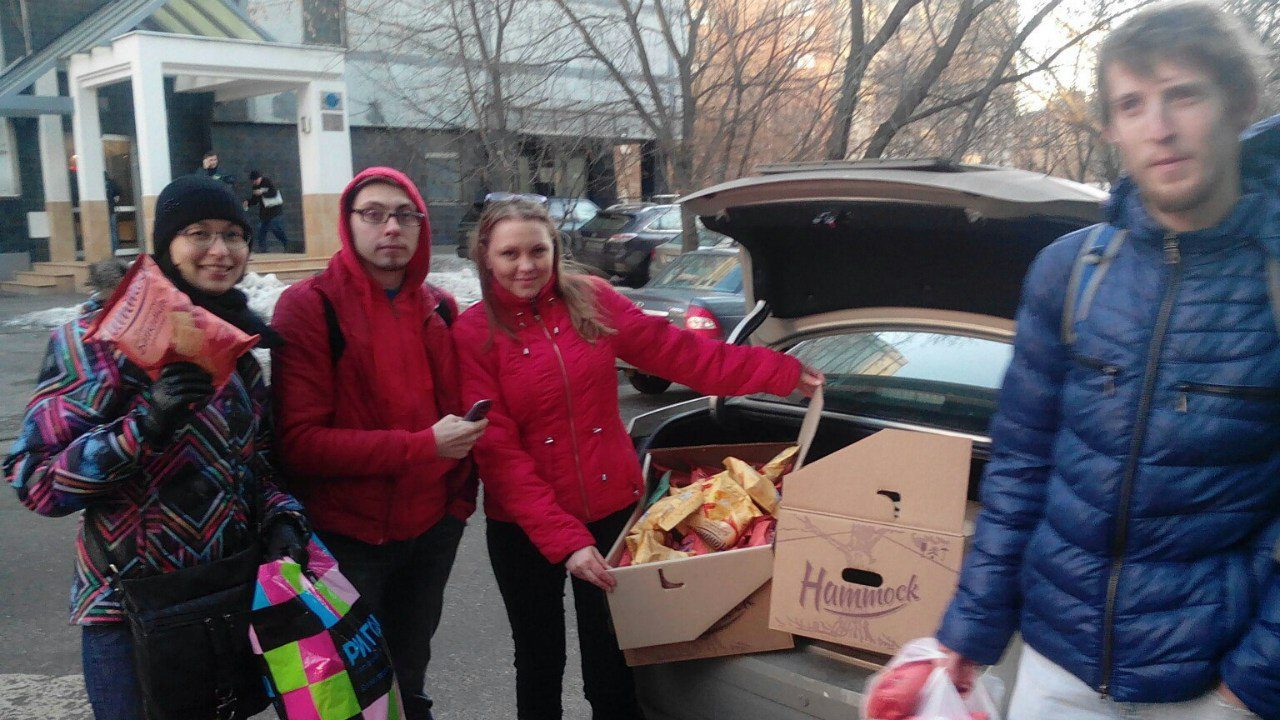 Photo: Participants in the Fudstering movement in Moscow
Among Moscow organizations that have imbued with the idea of Fudshering - bakeries, small shops and confectionery. In total - about 20 establishments. For those who are afraid to get any complaints about food, the movement has a specially prepared document on the gift. It says that the organization provides its products free of charge and does not bear any responsibility for its quality. However, so far this document has not been useful to anyone.
"Darmed, but you can eat"
There is also another group in VKontakte engaged in the redistribution of food and the salvation of the resources of our planet - “Fudshering. I will give food for nothing. ” This project has gathered more than twenty thousand people around him and spread throughout the country. Here you can also completely replenish your refrigerator with catering dishes and share prey with friends, however, private ads of this content (spelling and punctuation are preserved) are most popular):
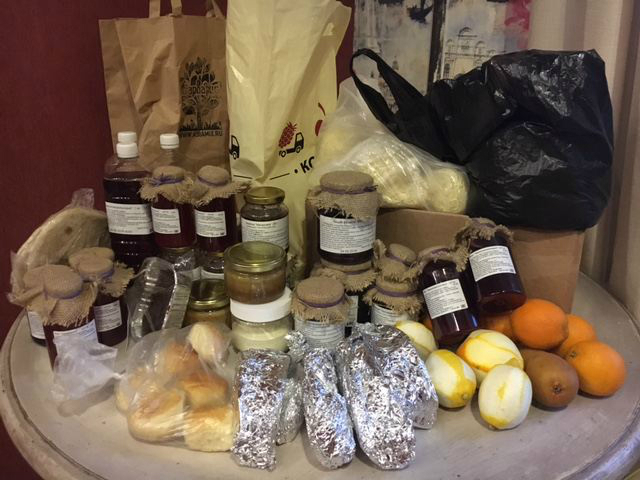
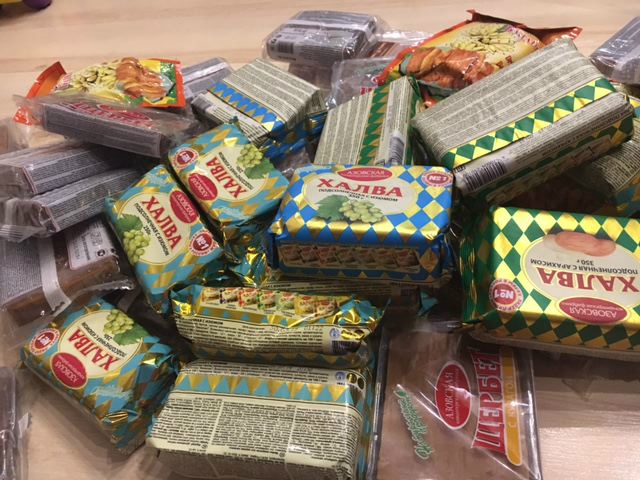
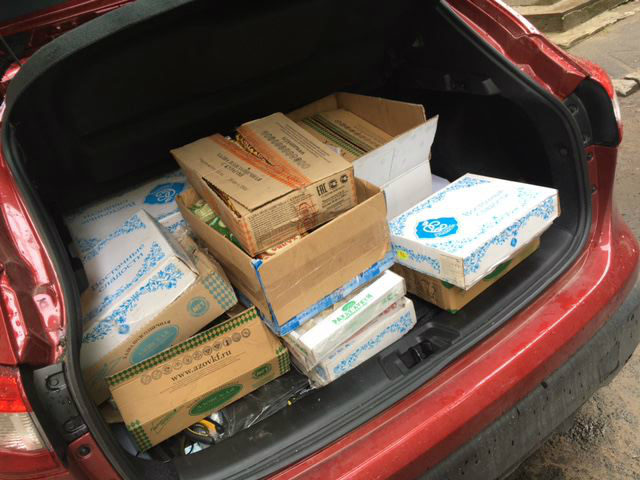
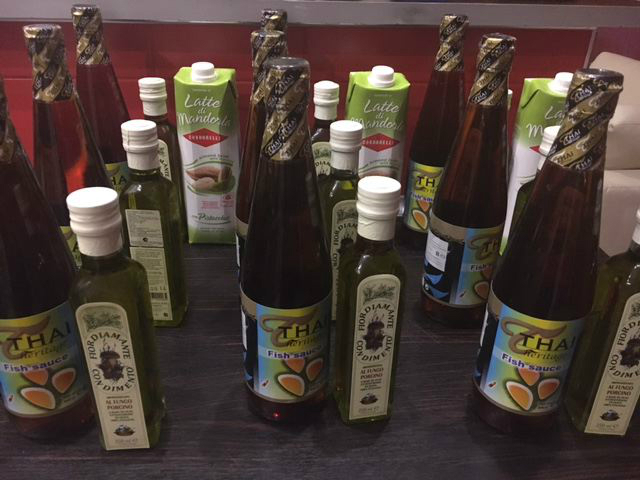
“I prepared eggplant caviar a couple of hours ago, still hot. I prepared a lot (two women simply can not eat in two days). Then we leave for the country. Are there any people who want? I will write the address in PM. "
“Moscow, m. Konkovo, take someone to Okar) a little more than 4 kg, took my relatives to the test, but it doesn’t work out, it’s a pity if it disappears! ((
The guests left and left behind a pack of crackers kissed and one started. I will also give the starting to bend the cheese, it will make it just right for pizza. I will give it to the first person who will get
“Peter, m. Urgent! I’m leaving 25, before that I need to give everything out. Overcoming celery (darkened, but it is possible), a pack of salt, kilo flour, frozen patch beans, a bit (Chinese or Beijing). ”
I will give two packs of spaghetti (switched to whole grains), oatmeal pasta (did not understand the charms), linen porridge (also something strange), rice (the diet has ended, no longer needed), oatmeal (the same reason) and Adjika (standing idle). All terms are normal. To take from the house, I won’t go anywhere and I won’t go :)
For security goals, as well as ethical reasons in the group, only vegetarian products are dividedDespite the fact that the product is “piece”, there is always a demand for it among users of VKontakte. Excess provisions go to the one who is the first to respond to the post - everything is publicly and in order of live queue. The difference is "Fudshering. I will give me food for nothing ”from other groups in the fact that all ads - both private traders and representatives of cafes and stores - are published directly on its wall - at least five people are built under each post.
 Sasha light photo: Pavel Tokarev
“It happens that for food they come in 15-20 minutes after the publication of the post,” said the founder of the project of the twenty-six-year-old Sasha, a clinical psychologist by education and a vegan by convictions. For security goals, as well as ethical considerations in the group, only vegetarian products are divided. Despite the fact that the project is young (the group was created in December last year), already sixty establishments - almost all the vegetarian shops of St. Petersburg - are working with him.
“We have our own site, yet, however, not completely designed. But why do we need it? Today, the whole country is sitting on VKontakte, ”the easy notes. - When people first hear about foodshery, they are distrustful of the idea of free food. It’s just that the thought has firmly settled in their heads: free cheese is only in the mousetrap. But everyone who comes to the group and read our posts understand: we are not engaged in handouts of the poor, but by the salvation of suitable food from destruction, damage and disposal. To share food is an absolutely normal thing. ”