Date
Author
Андрей Шароградский; Александр Гостев
Source

Preserved copy
Translated material
Dirty, more infectious, more dangerous!
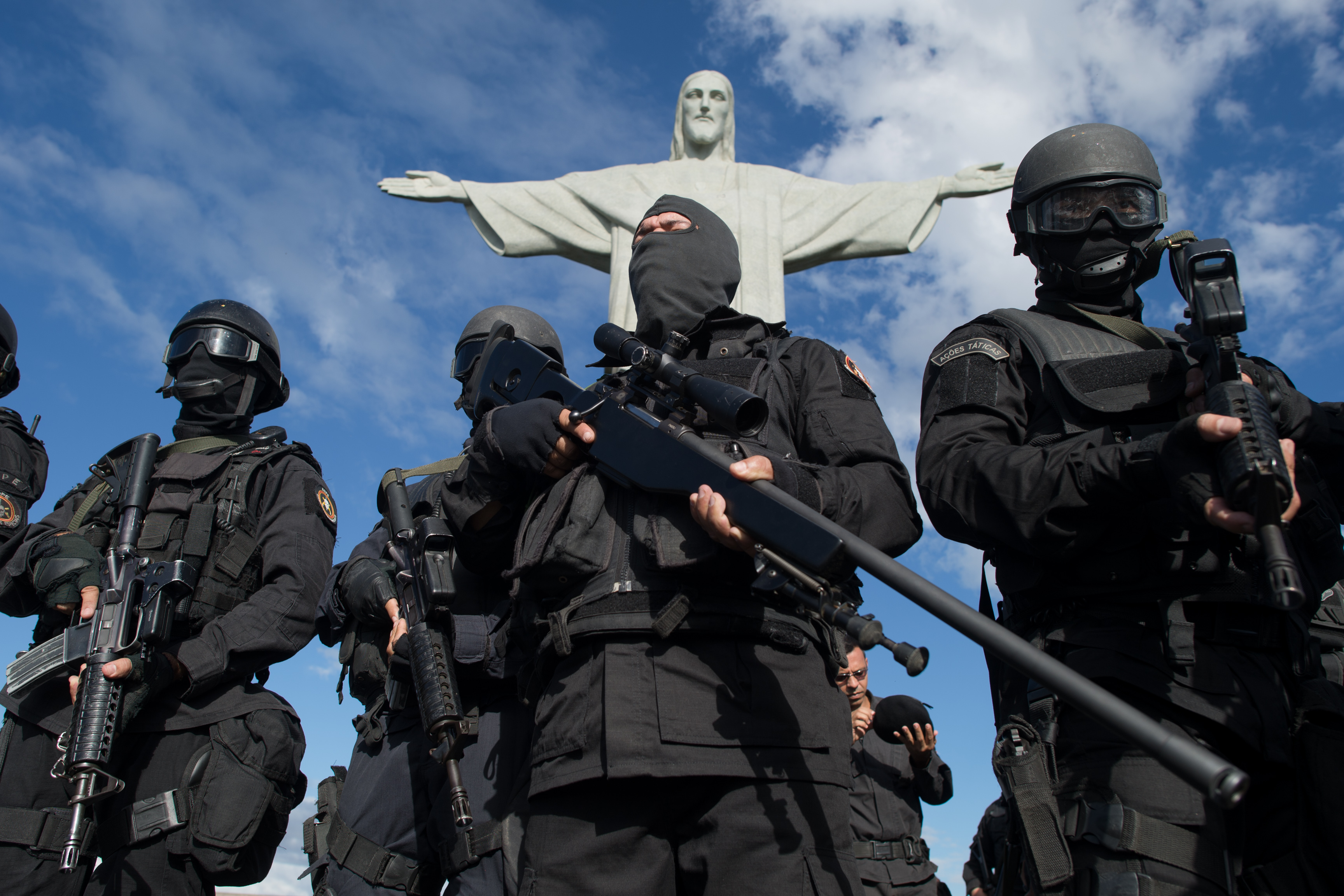
What threatens the participants and fans of the 2016 Olympics stronger-bandits or illnesses?
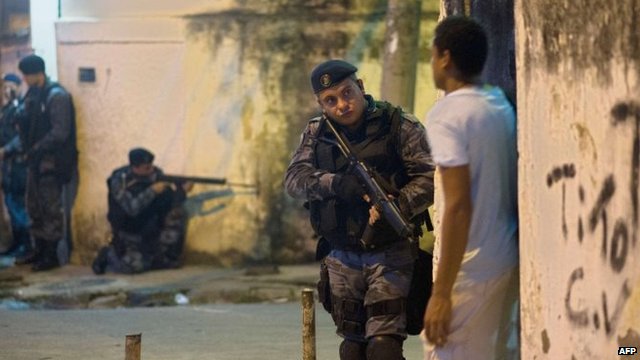
A few days before the opening of the 2016 summer Olympics, the city hall of the city and the Brazilian government from all sides are criticized for poor preparation for the games. International organizations, athletes, politicians and journalists around the world indicate not completed in time and erected hastily, and therefore unsafe Olympic objects, transport chaos, a sharp deterioration in the environmental situation, on anti -Sanitaryna in the Olympic village and throughout the city and on the ongoing epidemic of the ZIK fever. But most importantly, the Brazilian authorities and special services were not able to reduce crime in Rio de Janeiro.
15 days before the start of the 2016 Olympic Games, the Brazilian special services managed to go on the trail and detain the most part of the gang members suspected of preparing terrorist attacks in Rio de Janeiro in August-most likely to “order” the Islamic State terrorist group (prohibited in Russia). However, several more people from this group have not been caught. The Minister of Justice of Brazil Alehandre de Moraish said that the arrested communicated on the Internet and planned the “partisan attacks” on the Olympic objects , for which they were going to buy weapons.
In recent months, Brazil is shaking the political and economic crisis , which is also reflected in the financing of law enforcement forces. On August 20, on the penultimate day of the Olympics, in the Senate of Brazil, the final vote will be held on impeachment to President Dilma Rusef, temporarily suspended from the post of head of state in mid -May on charges of corruption and its involvement in the scandal around the state oil company PETROBRAS. The other day, Rusef said that she was not going to appear at the opening ceremony of the Olympics , as the organizers sent her invitation tickets "with an inappropriate place", that is, below the presidential.

The Government of Brazil separately allocated almost 900 million dollars to be ensured during the games, which, according to preliminary estimates, will come to preliminary estimates. However, last June, the Rio de Janeiro authorities complained that they did not receive this whole money. Rio and his suburbs are a huge agglomeration with the population, according to official figures, more than 12 million people. In fact, the number of all local inhabitants, primarily the inhabitants of the famous Favel, is difficult to account for. It is only known for sure that in half-insulated slumberry quarters, where power and law exist only on paper, every sixth or seventh man in Rio lives.
The streets of Rio and its suburbs during the games will be guarded by 85 thousand police and military personnel, led by a special Bope unit . The law enforcement officers of the Rio de Janeiro law enforcement agencies themselves believe that neither their strength nor funds are not enough for them. In June, they, along with firefighters, held a protest against non -payment of salaries at the Galean Main International Airport - met everyone who arrived in uniform and with posters with inscriptions: "Welcome to hell!"
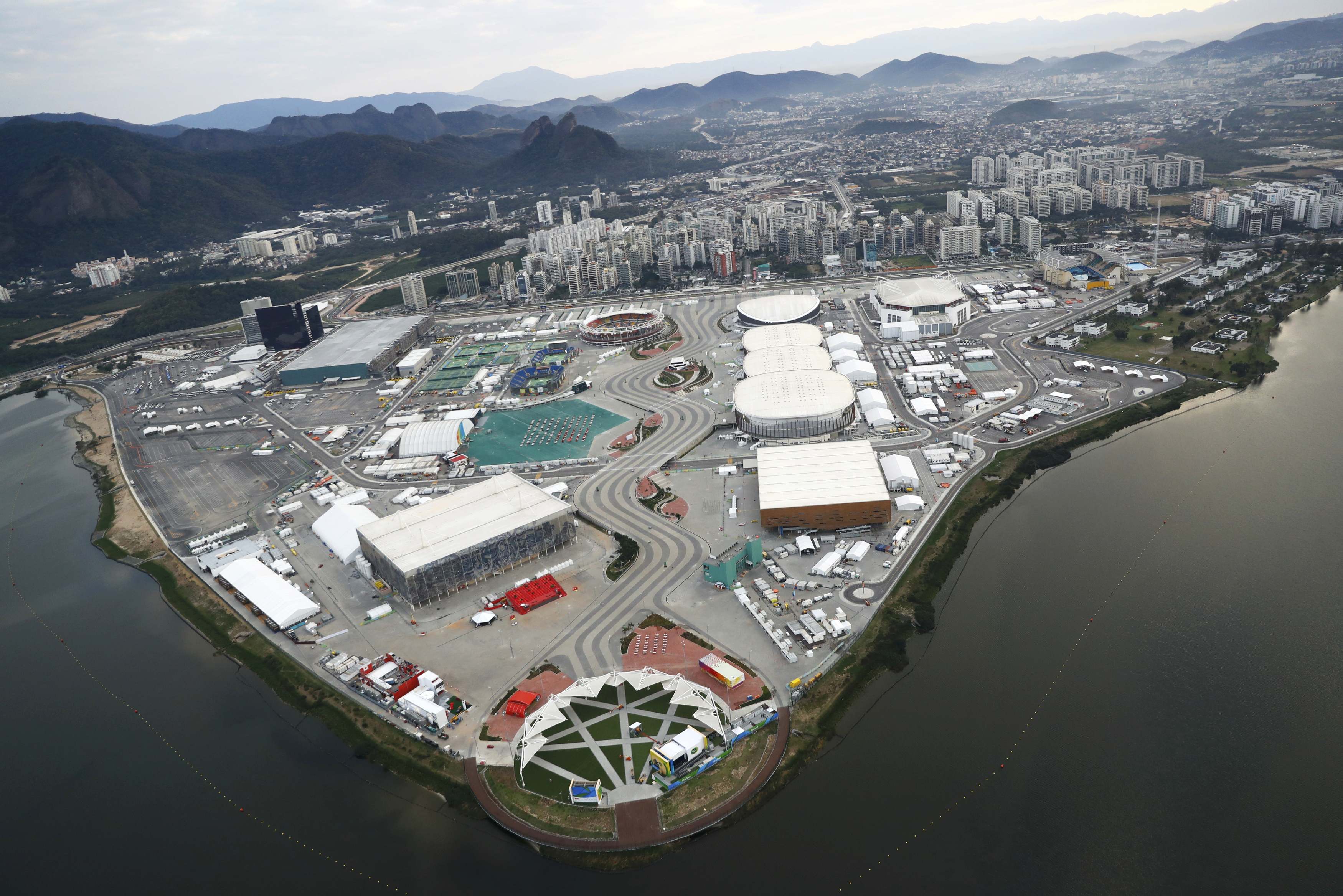
Today, in more than 200 million Brazil, on average, a murder is committed every 15-20 minutes, sometimes up to 100-120 people are killed a day, in general, the number of people who died at the hands of criminals throughout the country are many times higher than human losses in many modern armed conflicts-from 20 to 40 thousand a year. The authorities of the largest cities: Rio de Janeiro, San Paulo, Recix and Salvador, have really done a lot to combat crime, in the same Rio over the past 10 years it has officially decreased by 55 percent, but this is clearly not enough for the safe Olympiad. In addition, if the level of the most serious street crimes, murders, robberies and rape decreased, then the level of thefts and robberies, on the contrary, increased by 90 percent over the same 10 years. Last year, about 50 thousand such crimes were recorded in Rio de Janeiro.
In recent days, many reports of crimes have appeared in the press, whose victims in Brazil were famous people, including athletes. On August 1, in San Paulo, the police, as a result of a special operation, managed to release the 67-year-old mother-in-law of the British Multimilliarder, the president of the management company Formula 1, married to Brazilian, stolen 10 days before from their own home in order to receive a ransom in order to receive a ransom. The criminals demanded for her release 120 million Brazilian reais (almost $ 37 million). The Chinese sports journalist, a former running champion with Shi Dunpan barriers in Rio de Janeiro, along with his operator in the hotel lobby, where they had just settled, became victims of a skillfully directed robbery, which included a staged fight, as a result of which they lost all the shooting equipment.
The criminals are obviously preparing for the Olympics in the same way as athletes, officials and law enforcement officers. Recently, in the center of Rio, police officers found about 120 doses of cocaine and crack, packaged in bags of the Olympics symbols , and even with a warning that drugs should not be used in the presence of children. And local prostitutes, according to the British Daily Mail, post their photos with special advertising booklets in English on social networks, which they intend to distribute to tourists. They give prices, possible discounts and even methods of communication with armed intermediaries, who can help customers safely reach the place of “services”, but also then return to their hotel.
On the eve of the Games, Google for the first time in history included some of the Favel Rio in its cartographic online service Street View, which provides panoramic photographs of streets at a level of land with a view of 360 degrees, in order to improve impression from the city and decriminalize these quarters. However, for safe access to the Google slums, I had to negotiate with the “authoritative leaders” of local communities in advance and even ask for help - since the special cars of Google Earth simply could not drive along the narrow crooked streets of Favel, the photographers had to walk there on foot, accompanied by local young people who bore equipment behind them.
In addition to all of the above, environmentalists in this summer note in Rio de Janeiro a significant excess of the permissible level of air pollution established by the World Health Organization. This is evidenced by the analysis of the data made by the Brazilian government, and the own research of the Reuters agency. Not previously predicted by the Brazilian ecologists of the purifying effects of a strong wind, typical of July-August in these parts, is not observed. Since 2009, when Rio de Janeiro won the right to hold the 2016 summer Olympics, the situation has not changed at all-in the 12-millionth city, thousands of people die annually due to diseases associated with dirty air: lung cancer, asthma, heart attacks and strokes.
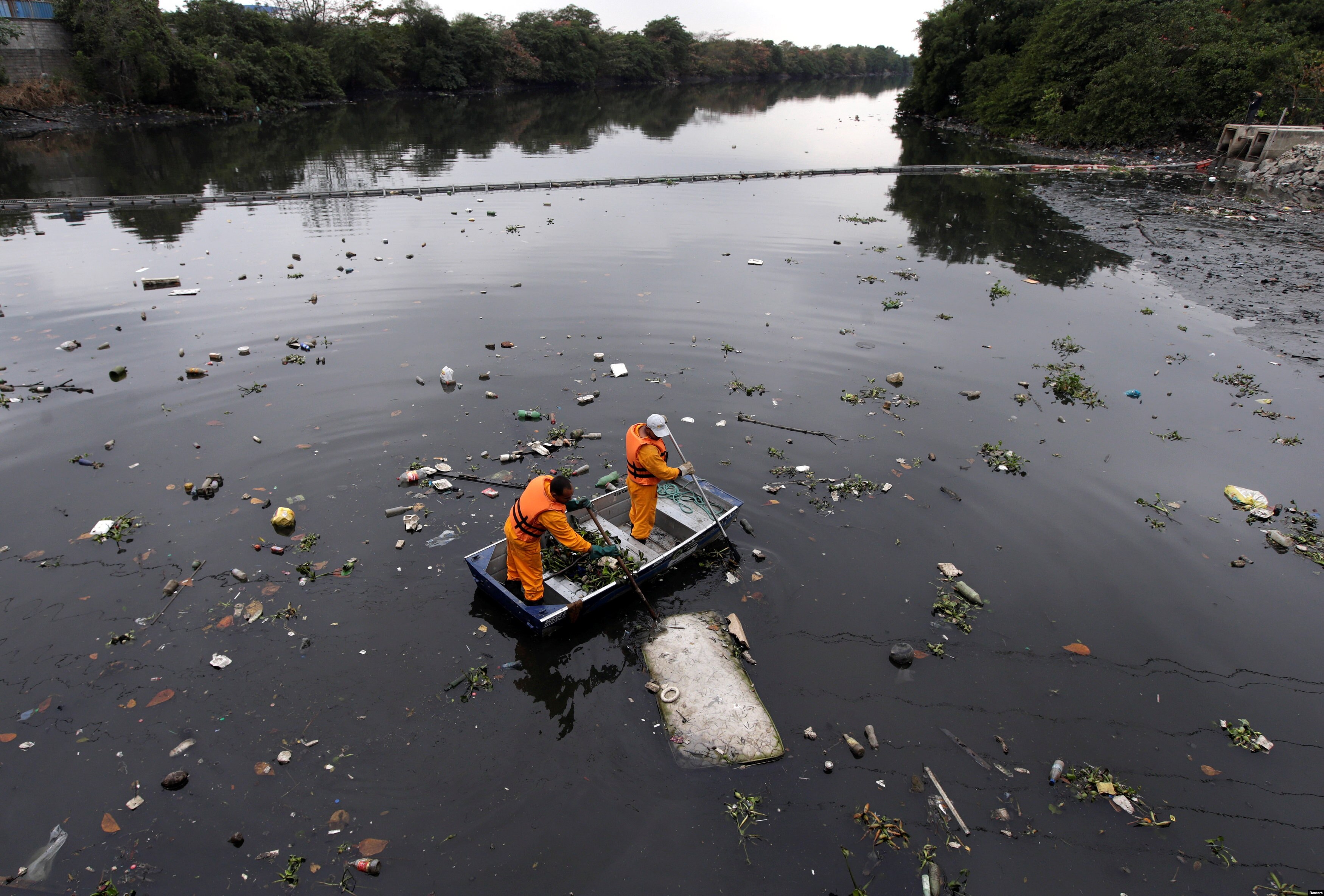
Another agency-the Associated Press conducted its study of the environmental situation in Rio de Janeiro. The experts hired by him over the past 16 months studied not air, but water. The data that were obtained also scare : the content of the waste of human life, discharges and garbage-that is, pathogenic organisms-in sea and fresh reservoirs in the area of the capital of the 2016 Olympiad, exceed the norm by 1.7 million times!
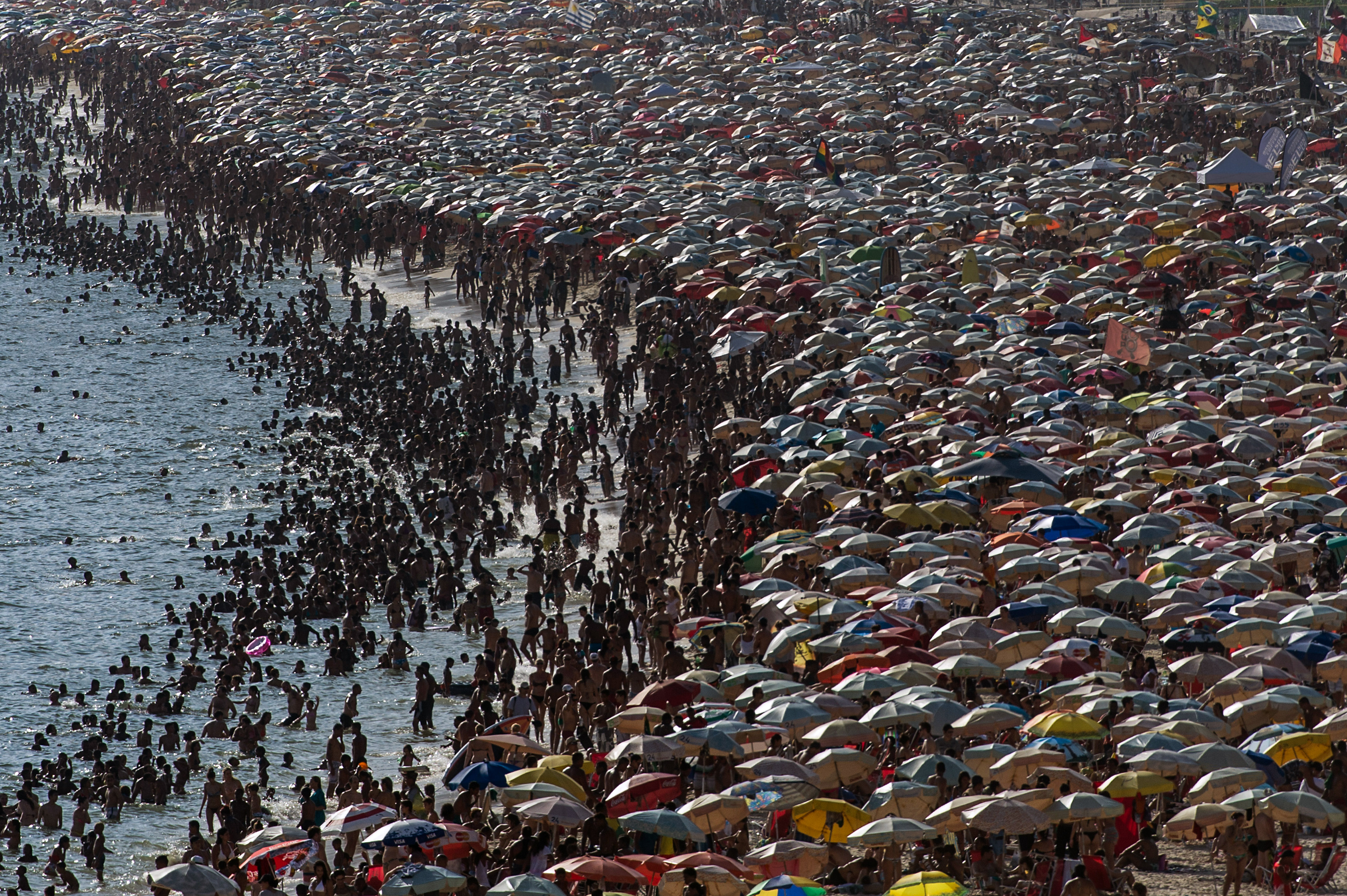
Three teaspoons of such water are enough for severe poisoning and disease. 1400 athletes who will compete in reservoirs will have to wear special protective costumes, masks and gloves. The most famous beaches of Rio, Kopakaban and Ipanem are so dangerous that the authors of the study advise tourists who decided to swim there, at least not immerse their heads into the water.
In addition, the epidemic of the dangerous fever of ZIK continues in Brazil, the total number of cases throughout the country with suspected virus ZIK exceeds 165 thousand. However, in the area of Rio de Janeiro himself, according to Rospotrebnazzor, the probability of getting this infectious disease is extremely low.
-


Andrey Sharogradsky
International Radio Offer Freedom. Author and host of the information and analytical digest, podcast "Time of Freedom"
-

Alexander GOSTEV
The editor of the RS information service, international observer, author and editor of the heading and podcast "Atlas of the World"
Gosteva@rferl.org