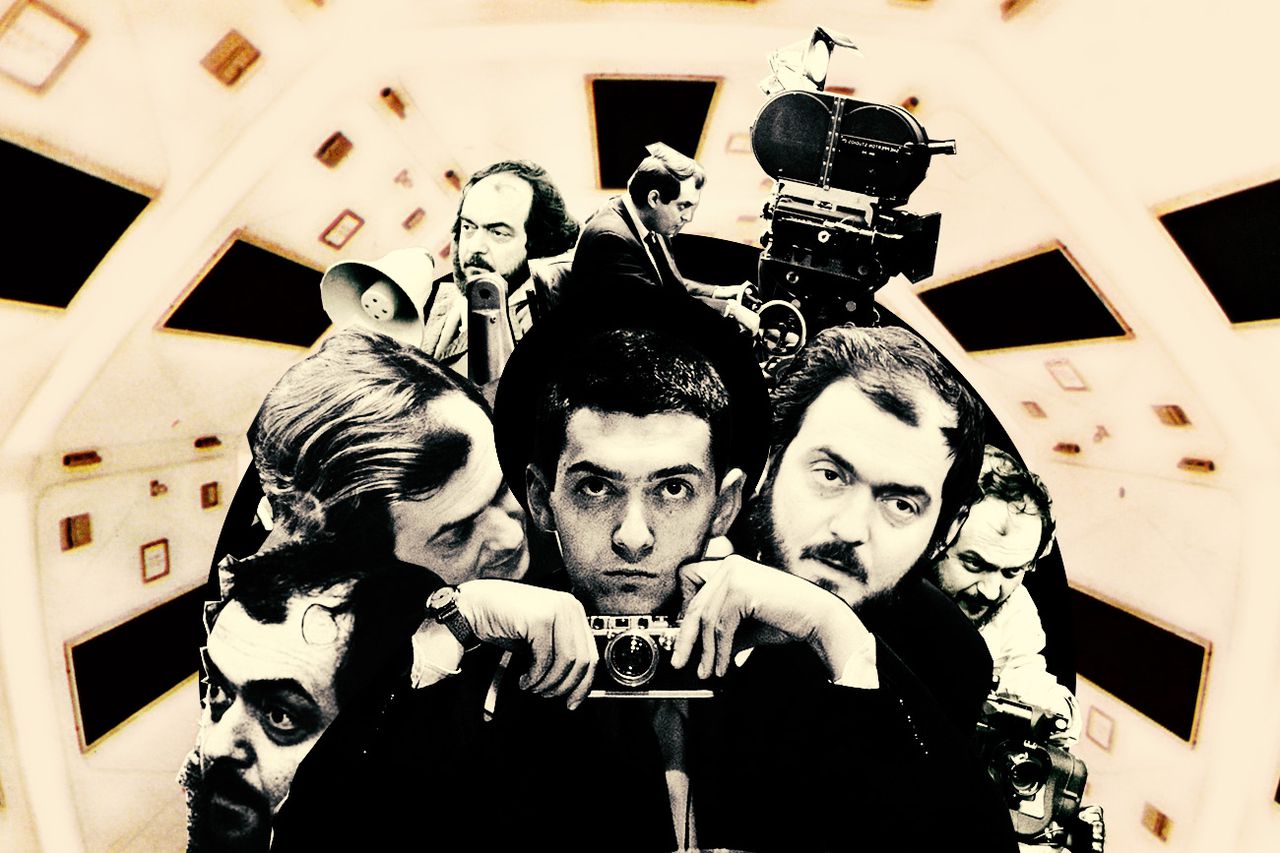
His students call themselves Woody Allen, Stephen Spielberg, David Lynch, George Lucas, Martin Scorsese, Terry Gilliam, Lars von Trier, Paul Thomas Anderson, Brothers Cohen, Devid Fincher, Christopher Nolan - the list can be continued and continued. Soon his work will be revived in the hands of another young follower: Carey Fukunaga, who created the first season of the “real detective” unique, is taken to make a mini-series for the inconsistent master of the Maestro about the life of Napoleon. He lived with solitary and modestly - fans did not recognize him in the face. He almost did not give an interview and hated his films. However, his works were caused by massive unrest in the minds and nervous systems of millions of spectators around the world, continuing to hit today with scale, insight and reliability. The dictator of the week is the mastodont of the set, the ichthyosaurus of the cinema, the parallelepiped of the visualization - Stanley Kubrik.
Is it easy to be a perfectionist? It is easy if procrastination is your life credo. It is much more complicated, but it is still possible to be a perfectionist, if you are engaged in accurate sciences or physical labor, since your passion for perfection has a clear criterion: impeccable drawing, working formula or perfect laying of bricks. However, the life of a perfectionist is significantly complicated if he falls into the world of creative professions: a modern artist, musician or fantasy writer is much more difficult to determine for himself, which means perfection. The temptation is great to cheat, citing the fact that "the artist sees so." “This harmony is more perfect than that” - it sounds much less convincing than an obscene affirmation of the foreman that you have shitty bricks, because there are special tools to measure the perfection of masonry.
In aesthetics, there are still canons and general principles, the approach and removal of which can serve as a measure of the perfection of the work. But in the twentieth century, some confusion and embarrassment of minds came in aesthetics. If you look into the world of music, it will be found that, for example, jazz music from the end of the forties cannot even be recorded by notes, so it is impossible and objectively say who is hacking and who is not. Only experts in Zen can evaluate the performers of the famous “Symphony of Silence” by John Cage “4'33 ''. Non -physical painting equally puzzles the audience and critics: how to distinguish the daub from exquisite artistic chaos - not everyone understands.
Nevertheless, the worst of all those who chose to make a movie. Fabric critics boldly give out blessings and curses to the directors and actors, develop systems of assessments and criteria, with which the viewer can try to understand why he liked one film very much, and on the other he simply fell asleep or wiped out in the chair for a hundred minutes. Actors, operators, producers and screenwriters can rely on the director’s assessment and judge their work, based on his reaction and understanding. And only nobody can really explain to the directors whether they do well or badly whether they are moving in the right direction while filming a film, a particular technique works or does not work. They are doomed to ignorance to the premiere itself, when their brainchild is given to the public and critics, and sponsors are preparing a tesak or champagne to either remove the scalp from the grief-director, or to put on his sparkle with oysters. No matter how much successful films the director made, he can never tell in advance how to make a film correctly, and cannot guess in advance what the filming process will turn into: a triumph or a complete failure.
In short, the set is a hell for a perfectionist.
German psychiatrist Karl Leongard, who developed one of the first typologies of the characters, describes the pedant:
“In persons of the pedantic type, or Ancastens, in contrast to the demonstrative type, in mental activity, the mechanisms of crowding out are extremely little represented. If the actions of tantrums are characterized by the lack of reasonable weighing, then the Anancasists “pull” with the solution even when the stage of preliminary reflection is finally completed. They want, before starting to act, once and again make sure that the best solution is impossible to find, that there are no more successful options. Anancast is not able to replace doubts, and this slows down his actions. ”
Stanley Kubrick, perhaps, is the most famous and prolific Anancast in the world of cinema. For forty -six years, he managed to make thirteen full -length films, and not to make four more. Compare, for example, with Woody Allen: he managed to make fifty films in fifty years - which the Kubrick was terribly envious. For a year and a half, while Kubrick was preparing for the filming of the film about the life of a Jew who pretended not to Jew during the time of Nazi Germany-“Aryan documents”, Stephen Spielberg, who later became a friend and student of Kubrick, managed to remove the three-hour “Schindler list” on the same topic. Kubrick watched the “list”, was upset and decided that he had nothing more to add to the Nazi-Jewish issue. Kubrick’s wife, Christian, said that she breathed a sigh of relief when Stanley refused the idea of making this film: every day of a thorough study of Nazi adventures, Kubrick became darker and more depressive.
In the case of the theme of the Vietnamese war, the expectant strategy of Kubrick, on the contrary, worked as it should. In 1978, Michael Chimino shot a “deer hunter”, Francis Ford Coppola - “Apocalypse Today” in 1979, Oliver Stone released a platoon in 1986, and after all he came a cuber and released an “all -metal membrane” in 1987. Kubrikov post -traumatic movie therapy was recognized as the most reliable film on this topic who fought in Vietnam: each time the veterans left the cinema in tears.
Not only the preparation time, but also the number of work of Kubrick on films is amazing. In order to choose a boy for the role of Dani in the film “Shine”, he watched the samples of five thousand children from two American states for six months, and eventually stopped at five candidates. Such colossal work did not embarrass the brave lion of Kubrick: it seemed to him that one to thousands was an excellent result.
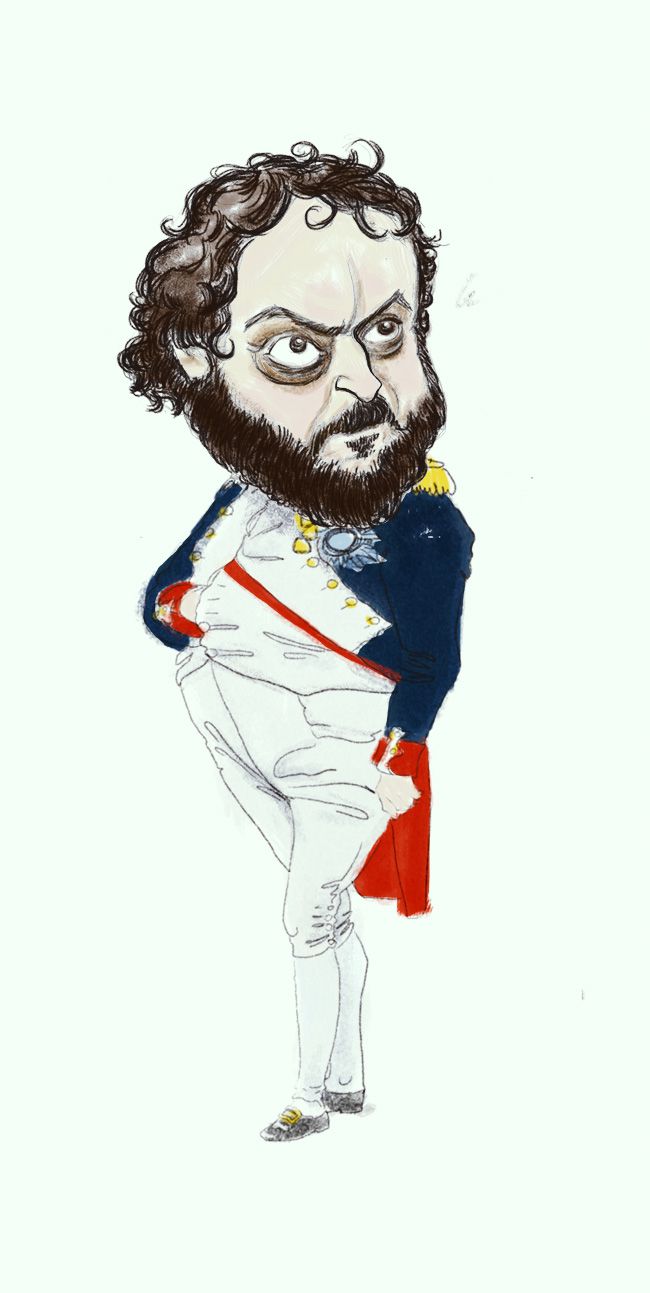
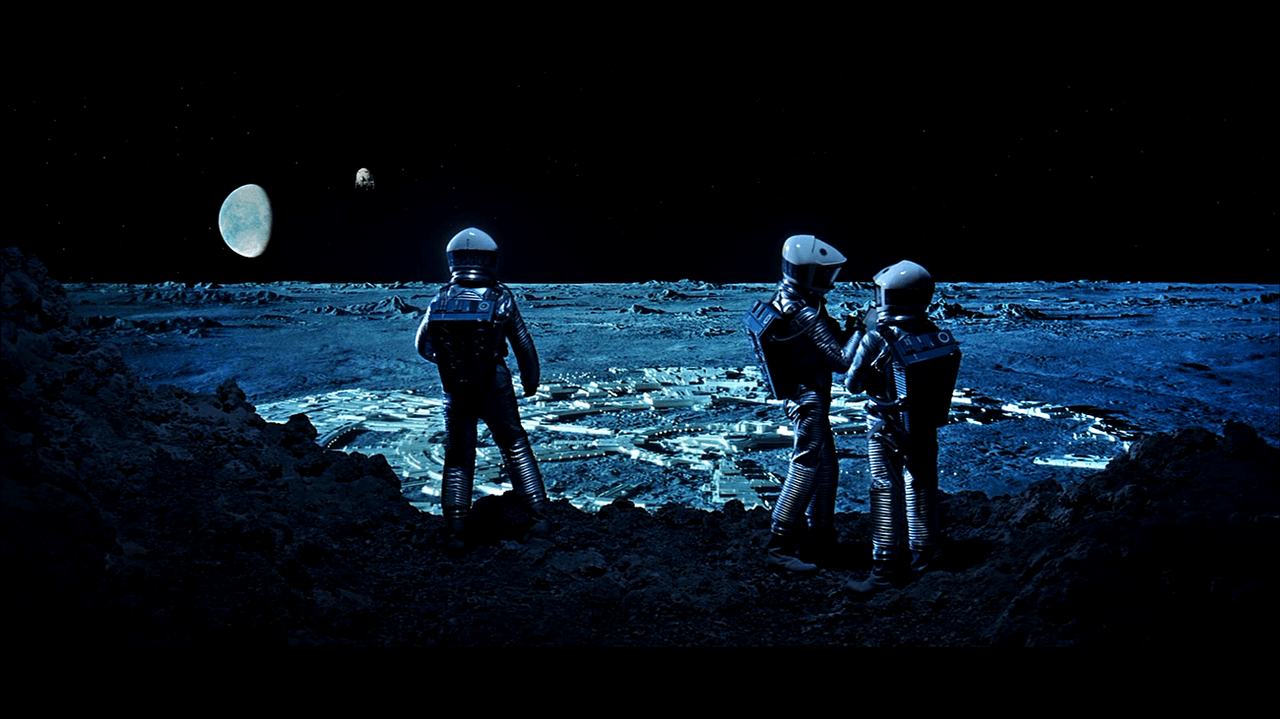
Immediately after the completion of the “Cosmic Odyssey 2001”, Kubrick was going to make an epic film about his main idol - also a lion according to the sign of the zodiac - Napoleon I. During the preparation, Kubrik collected and read a whole library of books about the French emperor, hired a team of oxford graduate students so that they painted the life and his environment by days, gathering a thematic cardboard With more than fifteen thousand images, he studied all the habits and culinary preferences of Bonaparte. But, despite the colossal volume of work done, he never began the filming of Napoleon. By the tragic accident, it was at this time that our compatriot Sergey Bondarchuk took off his failure “Waterloo” - and the frightened producers refused to give money for another large -scale movie epos. Almost ten years later, Kubrick nevertheless got the money for a historical drama in the scenery of the XVIII century. To cope with painful indecision, he began to shoot not the saga itself about the outstanding Corsican, but a kind of prequel: a very beautiful, but completely inexpressive film “Barry Lyndon”. The thoroughness of the preparation allowed the Kubrick team to create such reliable combat aircraft for Dr. Streinzhlav, that the FBI became interested in the director, who, in their opinion, someone “merged” the military secret. And the aesthetic and technical meticulousness with which he made in 1968 the “space Odyssey” led to the fact that the landing of the Nile Armstrong on the moon next year considered the directed exercise of the Kubrikov genius .
The attitude of the actors towards Kubrik was the nature of a bipolar disorder. On the one hand, everyone understood that they were working with a genius. He never shouted, very softly (with rare exceptions) he treated the film crew, provided the actors with freedom and, in case of illness of someone from the team, stuck about the Jewish mommy that had fallen with meticulousness. On the other hand, Stanley really drove everyone crazy. Countless battles, exactingness, pedantic attention to details and adamant by the willingness to redo everything until there is “as it should”: like a beloved hero from Sartra’s “nausea”, Kubrik was looking for perfect moments and still found them, regardless of the price. The replicas and movements of the actors passing through endless duplicate, then they dreamed of all his life in nightmares, provoked nervous tics and caused sudden tantrums. At one point, they were ready to strangle Stanley with their own hands, and when they left, they were ready to "follow him barefoot on the broken glass." Working with a cubic implied a diligent development of each dollar of your fee - but it will ultimately work out more than you. Kubrick had no weekend and free time, the work went twenty -four hours a day seven days a week. One of his assistants said: he was ashamed to admit Stanley that he came to Cannes with his family, just to go to the beach, sunbathe and swim.
"What will you do on the beach?" Stanley sincerely perplexed.
And he had nothing to answer. During the recording of the sunbringing voice for the “Clothing Orange”, Malcolm McDowell and Stanley spent a lot of time playing the Ping Pong, discussing the movies, life and clockwork oranges. When the work was completed, agent McDuaella said that the money was still not arrived for this part of the work - and he called Kubrick.
- Exactly, I checked my notes and pay you for one week of work.
“But why only for one?”
-The second went to the Ping Pong, remember?
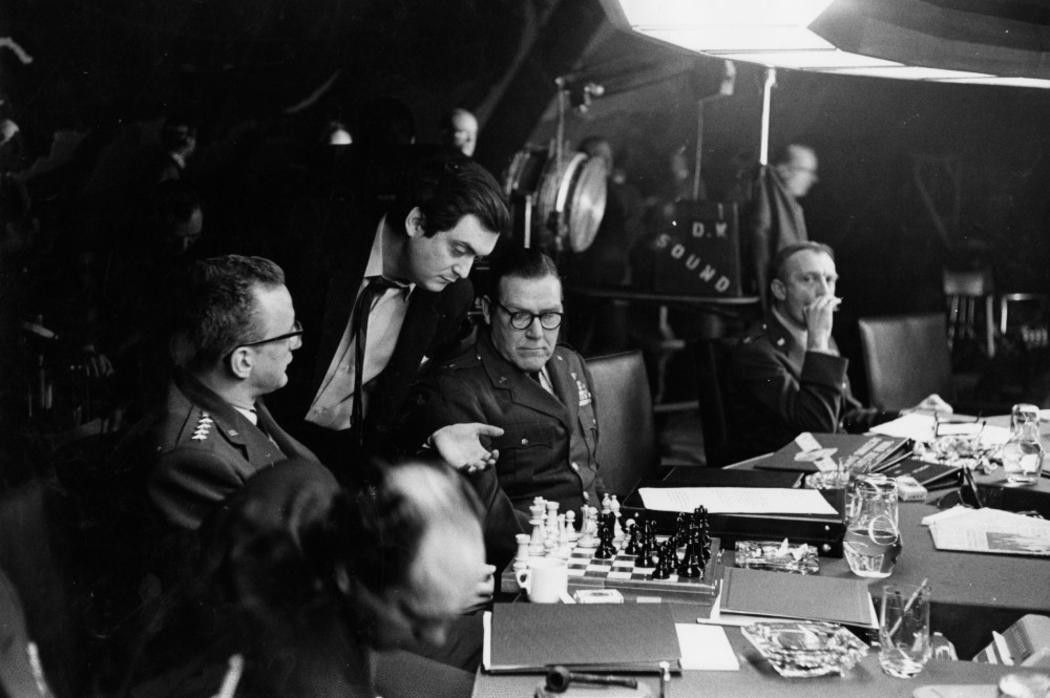
Kubrick not only loved table tennis, but was also an avid chess player: in his youth he even earned his living by participating in tournaments and playing money in parks. For a minute free from the filming process, Stanley used a minute to play chess. On the set of Dr. Streinzhlav, Stanley won the authority and obedience of actor George Campbell Scott due to the fact that he constantly won with his chess.
But let's get back to the topic of endless duplicate in Kubrikov films. The average number of doubles for one scene always remained at least thirty, that there are already a lot of cinemas, much more than directors with multimillion -dollar budgets and scheduled schedules can afford. However, Mr. Director had his own special standards.
For example, in one of the scenes of Barry Lyndon, the orchestra was supposed to play background music. All the instruments played by the musicians were artifacts of the 18th century. According to the composer, it turned out perfectly from the second time, especially if you take into account that the music was supposed to be the background. But Stanley said: you are late for the third second - so let's again. And again. And again.
You are late for the third second. Again.
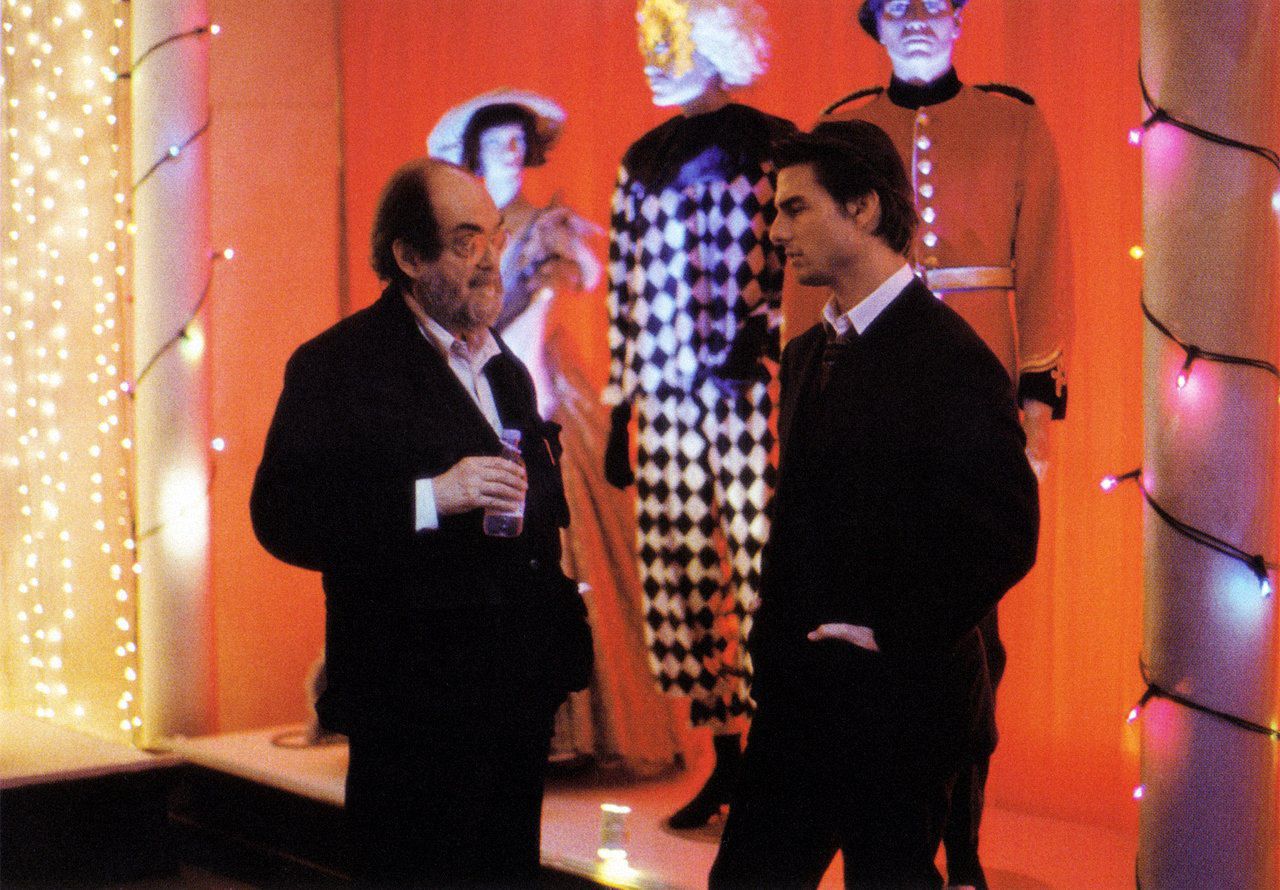
The musicians who are not accustomed to the maestro Kubrick looked at him as a madman - but the composer reassured them and gritting their teeth continued to conduct them. The desired result was achieved after one hundred and five takes, when everyone was already ready to strangle Kubrick with their own hands. On the filming of the "all -metal shell" after the twentieth double, the actor Adam Baldwin exploded and erupted with an angry tirade: what the hell is this Stanley need?! The whole film crew was silent in tension. Stanley slowly pulled away from the viewfinder and calmly said: “What about playing better?” The last film Kubrick “With Wide -Blinded Eyes” is still listed in the Guinness Book of Records as a film with the longest filming period: four hundred days - and be sure that all these four hundred days Nicole Kidman and Tom Cruise played a hundred times the same scenes.
Why do the director do so many takes? Obviously, to achieve the right acting state. Stanley's scrupulousness reached the absurdity and touched the smallest details: his colleagues complained that he could notice the fly far in the background and because of this, even re-re-re-take the longest plan or the perfect double. In fact, a large number of repetitions were needed not so much to achieve accuracy as for immersing actors into the imaginary world of the film. Often Stanley appeared on the site and without a clear plan and understanding that he was going to shoot - and provided the actors with unlimited freedom to experiment. True, in this freedom, he was still extremely selective and did not complete the filming until he received the most correct result. Not all actors suffered from so many takes: the ability to rehearse repeatedly allows you to delve into their character and make a real acting discovery.
“Chess teach you to control the initial excitement that rolls when you see something that looks good. They teach you to think before grabbing something, and teach you to think just as objectively-even if you are in a difficult situation, ”said Kubrick and was in a hurry, slowly.
On the filming of Barry Lindon, while thousands of candles were burned out on the site, designed for shooting without additional lighting equipment, Stanley sat comfortably at the table and discussing family cakes and weather with the actor. These burning “idle” candles drove the producers and assistants of Stanley crazy - but in no case bothered him. And it cannot be said that he did not consider the money spent on shooting, on the contrary, he very carefully calculated and used it most efficiently: for example, in England he preferred to shoot not least due to financial benefits. Kubrick needed a hall full of candles, and a completely relaxed actor: for this, he was not sorry for any budget funds.
Despite his glory, control-frica, Kubrick greatly appreciated accident and surprise. For example, the famous song “Singing in the Rain”, which later became the hallmark of the “Clothing Orange”, was neither in the book nor in the original scenario. When Kubrick and the company shot a scene with rape in the writer’s house, something was not glued, and the director suddenly asked the performer of the main role of Malcolm McDauell, whether he could dance. “Of course,” said Malcolm and began, dancing and singing a stupid song, alternately beat the writer lying on the floor, then his wife hanging on the shoulder of one of the young bandits. Kubrick liked this idea so much that he and Malcolm immediately got into the car, went home - and literally in twenty minutes they bought the right to use this song, after which they immediately returned to the site.
"I'M SIII-Ninging in the Rain"
- hit,
"Just SIII-NGNIG in the Rain"
- Superior
"What a Glooo-Roous Feeling, I'M"
- hit,
"Happy AGain."
To shoot this scene, by the way, it took as many as two actresses for the role of a victim of rape-all because of the same large number of takes: for one actress, so many blows on her face were too much.
The scenes that crashes into memory from the “Cosmic Odyssey 2001” with spaceships, whipping to the music of Straus, was also born spontaneously. Stanley's wife sent a record of the Berlin Philharmonic Orchestra, and she shared her with her husband. At that time, the mounting room was in the house of Kubrikov, and there was a tape recorder in it, as Stanley was an avid music lover. He was distracted from the installation and turned on Strauss, and his assistants immediately thought that he wanted this music to sound in the film, and vied to begin to praise this idea, and Stanley took and listened to them.
During the filming of the “whole -metal shell”, Kubrick wrote an instructor for combat training from the US Veterans Society for consultations. The instructor, who came to train the actors to march and monitor the reliability of the details of the training of the soldiers, changed into the military uniform and remembered the army past: he talked with the actors as if they were really green youths, who were about to be sent to Vietnam. The selected mat, which he winged the salag, a loud voice and a unique posture so much like a cuber that he, without hesitation, gave an unprofessional actor one of the main roles in the film. Well, he was invited initially to this role of the actor, he took off in the episodic role of a crazy machine gunner.
As the experience of cinema cinema shows (take at least Federico Fellini or David Lynch) who does not use creative accident and relies only on their limited mind, persisting in the original plan, - loses.
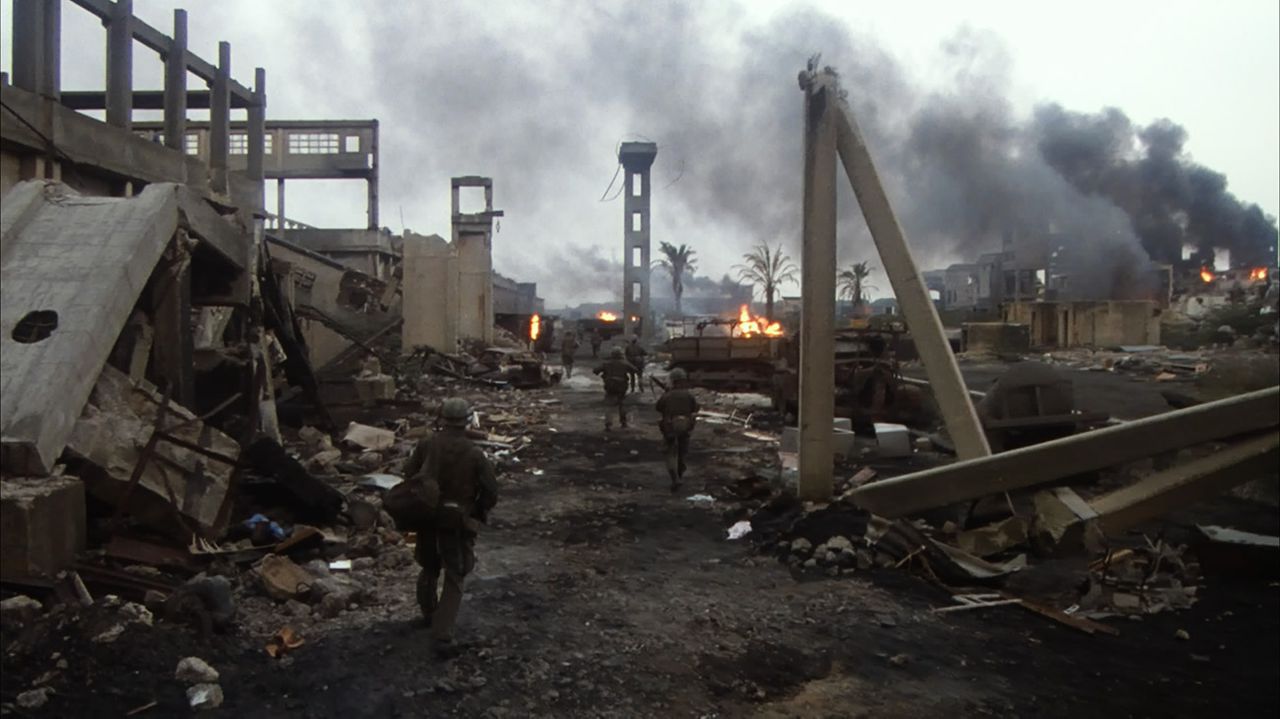
During the filming of Lolita in 1961, the Kubrikov family moved to England, since the performer of one of the main roles, the famous English comedian Peter Sellers, could not go to shooting abroad. Since then, Kubrick lived in England without a break, but continued to make films with the money of American studios for the American audience. It is very difficult to imagine that the military drama about the events in Vietnam "All -metal shell" was removed in the vicinity of London, that the palm trees were brought from Spain, and the destroyed city is a plant built at the beginning of the 20th century and decommissioned.
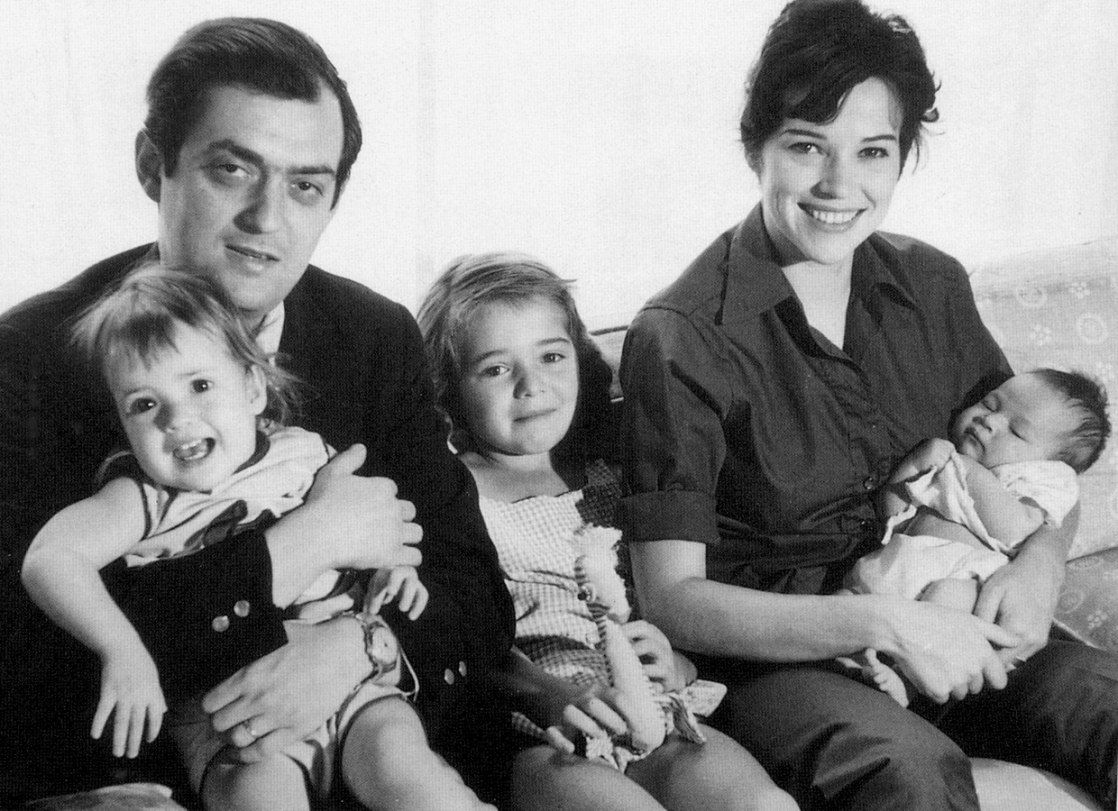
In the personal life of Stanley Kubrick was a sweetest person, a loving husband, father of three children and a passionate lover of pets.
Во время съёмок «Барри Линдона» он даже написал для своих домашних пятнадцатистраничную инструкцию по уходу за котами. Вот, например, пункт №37 из этой инструкции:
«Если между Фредди и Лео завяжется драка, единственное верное средство остановить это — вылить на них воду. Постарайтесь схватить Фредди и выбежать с ним из комнаты. Не пытайтесь схватить Лео. Как вариант — можно открыть дверь и позволить Фредди убежать, он бегает быстрее Лео. Но если они дерутся в месте, где их нельзя разделить, просто продолжайте лить воду, кричать, вопить, прыгать вверх-вниз и отвлекать их, размахивая рубашкой, полотенцем… просто постарайтесь их разделить и схватите Фредди».
Когда ему срочно нужно было поехать в США для того, чтобы промотировать фильм, он выбрал плыть на корабле. Кубрик не летал на самолетах и не любил ездить на автомобиле со скоростью выше шестидесяти километров в час. Очевидно, ему не нравилось отпускать контроль ни на минуту. Однако ещё сильнее, чем о своей жизни, Кубрик беспокоился о своей работе. Коллеги рассказывают, что однажды во время работы над «Цельнометаллической оболочкой» Кубрик ехал за рулём новенького внедорожника, купленного для его жены, и осматривал окрестности в поисках натуры для съёмок. Ехал он медленно и увлечённо рассуждал об искомом пейзаже. Наконец, когда пейзаж, который в итоге оказался в фильме, был найден, он так увлёкся, что не заметил, как машина въехала в канаву. Автомобиль перевернулся на бок, все страшно перепугались, но Кубрик как ни в чём не бывало отстегнулся, вылез через водительскую дверь и, стоя на завалившемся автомобиле, продолжал рассказывать о том, как хорошо здесь будут смотреться герои фильма.
Дом Кубрика частично превратился в архив, в котором хранилось всё, чем он когда-либо интересовался. В гараже, подвале, в трейлерах, кабинетах и комнатах хранилось больше тысячи коробок.
«Джиму от Стэнли, 28 августа, 1968. Пожалуйста, следи за тем, чтобы в доме всегда был запас дынь, смотри, чтобы их было не меньше трёх. В случае если это количество опустится ниже трёх — тут же докупай необходимое количество. Спасибо, Стэнли».
Коробки были повсюду. Коробки с фотографиями шляп, коробки с письмами, коробки с мобильными телефонами, коробки с ручками и карандашами, коробки с неиспользованными блокнотами, коробки с фотографиями всех ворот поместий и подъездов домов в Лондоне, накладные носы, копии исторических документов, книги, кинопробы и множество других полезностей. Для удобства хранения своих сокровищ он даже разработал и заказал на фабрике особую форму крышек для коробок, идеальной формы, размера и фактуры: закрываются плотно, а снимаются — легко. Все письма своих фанатов Стэнли тоже хранил в папках с названиями городов, из которых они были присланы. На каждом письме он делал пометки, характеризовавшие суть письма: на хвалебных он писал «fan» или «FP», на критических — «FN». На случай, если с ним что-то произойдёт, он вёл специальное досье, в котором были собраны все письма, имена и адреса авторов излишне агрессивных писем, и это досье предназначалось для полиции.
Стэнли страстно любил канцелярские принадлежности и педантично классифицировал все материалы, с которыми работал. Малкольм Макдауэлл называл его «самым неорганизованным организованным человеком», так как из-за критического множества сверхточных систем и классификаций Кубрик часто подолгу не мог найти нужные ему материалы. Он очень любил писать многочисленные записки своим верным ассистентам, в которых раздавал временами довольно странные и смешные указания.
Стэнли не любил чужаков, и, когда к нему в дом захаживали незнакомые люди в поисках «великого и ужасного» Кубрика, он мог открыть дверь и сказать, что Стэнли Кубрика нет дома: из-за отшельнического образа жизни долгое время никто не знал, как именно он выглядит. Кубрик редко покидал пределы своего поместья, но любил общаться по телефону и, если, например, ему нравился фильм, пусть даже малоизвестного режиссёра, он звонил, представлялся, говорил, что ему очень понравился фильм, и хотел его обсудить. К сожалению, многие режиссёры думали, что это розыгрыш — и вешали трубку. Стивен Спилберг рассказывает, что однажды в три часа ночи во время работы над сценарием «Сияния» Кубрик позвонил Стивену Кингу, чья одноимённая книга лежала в основе экранизации, и без обиняков спросил его:
— Ты веришь в бога?
— Да, — последовал ответ.
— Я так и думал, — сказал Стэнли и повесил трубку.
После этого разговора Стэнли взял полный контроль над историей и далеко отошёл от оригинала Кинга. Он убрал почти всю мистику, свойственную роману, и сделал «Сияние» историей личного безумия художника в кризисе. За это Кинг озлобился на режиссёра, неоднократно критиковал его в своих интервью и в итоге даже снял собственную (провальную) телеверсию «Сияния».
Как известно, труд превратил обезьяну в человека. По Кубрику, этим трудом человекообразной обезьяны было убийство. В «Космической Одиссее 2001» обезьяна потрошит костью старый скелет, затем убивает животное себе в пищу, а после — себе подобную обезьяну. В ликовании от осознания собственной силы предок человека подбрасывает эту самую кость высоко в воздух, где с помощью монтажа сквозь тысячи лет эта кость превращается в атомную бомбу, парящую под вальс Штрауса по орбите Земли.
Во времена Холодной войны угроза ядерного конфликта заменила в умах американцев ожидание Судного дня и прихода Мессии, который, как известно, может случиться в любой момент. Простые американцы строили бомбоубежища у себя на участках, правительство выпускало и активно распространяло печатные и киноинструкции о правилах поведения в случае ядерной атаки, предприимчивые деляги промышляли продажей разнообразных наборов для выживания во время атомной зимы и на случай необходимости многолетнего пребывания в бомбоубежищах.
Кубрик относился к этому вопросу очень серьёзно. В одном из интервью он рассказывал, как во время первых испытаний атомной бомбы в Лос-Аламос небольшая группа учёных, работавших над бомбой, выступила против её испытаний, так как, по их мнению, один взрыв такой силы мог вызвать цепную реакцию, способную уничтожить всю планету. По мнению Кубрика, даже малейший риск уничтожить всё живое на планете должен был остановить любого здравомыслящего человека от подобных экспериментов. Однако американские военные, ничего не смыслившие в науке, не только провели тестовые взрывы, но и применили бомбы против японцев. Холодная война и гонка вооружений привели к тому, что в 1961 году в СССР была разработана «Царь-бомба» — самое мощное оружие в истории человечества. По поводу сверхоружия Никита Хрущев сказал:
«Стомиллионную бомбу мы взрывать не будем, потому что, если мы эту бомбу взорвём где-то… туда, куда она предназначается, то мы можем и себе окна побить, поэтому, значит, это… не стоит».
Человечество оказалось на пороге тотальной аннигиляции, и будущее нашей планеты во многом зависело от фанатов ковровой бомбардировки и упреждающей войны. Свой протест против такого расклада дел Кубрик выразил в одной из лучших антивоенных сатир всех времён, фильме «Доктор Стрейнджлав, или Как я научился не волноваться и полюбил атомную бомбу». В фильме обезумевший американский генерал решил проявить инициативу и начать упреждающую ядерную атаку на Советский Союз, не посоветовавшись ни с кем из высшего руководства и рассчитывая на то, что у президента после таких решительных действий не останется никакого выбора, кроме как подхватить инициативу и продолжить атаку до победного конца. Пока американское правительство пытается остановить бомбардировщики, выясняется, что, если хотя бы одна бомба упадёт на территории СССР, автоматически сработает советская Машина судного дня — секретное оружие коммунистов, способное стереть всё живое с лица земли. США и СССР объединяют усилия, чтобы предотвратить такой исход событий, однако ещё одна личная инициатива военного (на этот раз командира единственного уцелевшего бомбардировщика) оборачивается самоубийственной поездкой верхом на ядерной боеголовке. Смех от фильмов Кубрика, по меткому наблюдению Стивена Спилберга, похож на ситуацию, когда ты идёшь мимо кладбища и насвистываешь весёлую мелодию, ужас пробирает тебя до мозга костей, и смех получается нервным.
Война и военные беспокоили Кубрика на протяжении всей его карьеры. Первый полнометражный фильм будущего маэстро, снятый в 1952 году, назывался «Страх и вожделение» и показывал безымянную войну в безымянном лесу. Солдаты, потерявшиеся на вражеской территории, постепенно сходят с ума и теряют человеческий облик. Вершиной солдатской доблести считается самоубийственный порыв, в котором герой умирает сам, но всё же убивает как можно больше врагов. В следующем фильме «Тропы славы» солдат посылают на верную гибель ради повышения командующего ими генерала, а когда они отказываются идти в безнадёжную атаку, нескольких из них показательно расстреливают свои же. В «Барри Линдоне» война выглядит до предела абсурдно и в то же время реалистично: гордые английские солдаты бесстрашно шагают навстречу пулям, их скашивает штабелями, но они не уворачиваются, не стреляют в ответ и не ускоряют шаг — просто мерно идут вперёд.
«Цельнометаллической оболочке» двенадцатилетняя вьетнамская девочка-снайпер с ангельским лицом убивает нескольких американских солдат, просто чтобы задержать их наступление. Когда пехотинцам наконец удаётся подстрелить её, главный герой совершает «акт милосердия» и добивает агонизирующего ребёнка, но зачем-то делает это с необъяснимой брутальностью. Мы не видим труп, однако же видим, как реагируют сослуживцы: вот это ты мужик, пятёрочка за жесткость. В не вошедшем в фильм варианте солдат по имени Animal mother отрезает девочке голову и демонстрирует её на камеру, чтобы доказать, что этот эпизод его не тронул: война есть война — а ему не страшно. Последний военный фильм Кубрика заканчивается маршем солдат, хором поющих песню Микки Мауса на фоне горящего города. Главный герой мечтает, как он всласть натрахается, вернувшись в Америку, и говорит:
«Да, я по уши в дерьме — но я не боюсь».
Закончив работу над фильмом «С широко закрытыми глазами», Стэнли Кубрик умер во сне от сердечного приступа, дома, в своей кровати. Для всех его смерть стала неожиданностью, потому что он ещё не успел закончить постпродакшн — и его ждали на премьере. Кроме того, ему было всего семьдесят лет. Скорее всего, смерть стала неожиданностью и досадным недоразумением и для самого Стэнли, который всё ещё не оставлял намерения снять главный фильм своей жизни — «Наполеона».
Незадолго до кончины Кубрику присудили премию Гриффита. Конечно, он не полетел в Америку посреди четырёхсотдневных съёмок, однако, тронутый такой честью, записал видеообращение-благодарность. В этом обращении он сравнивает съёмки кино с попыткой написать «Войну и мир» за рулём машинки с резиновым бампером в парке аттракционов и рефлексирует на тему карьеры Гриффита, сравнивая его с мифическим Икаром, который смастерил крылья из воска и перьев, но слишком близко подлетел к Солнцу, а потому был обречён на падение. Так было и с Гриффитом, который провёл последние семнадцать лет своей жизни в изгнании из киноиндустрии.
Мораль истории Икара, по словам Стэнли, заключается не столько в том, что не стоит летать слишком высоко, сколько в том, что о перьях и воске нужно забыть — и готовить крылья тщательнее.
Последними словами Кубрика-режиссёра оказалась финальная реплика Николь Кидман из «С широко закрытыми глазами»:

 Текст Сергей Жданов Киев
  Illustration Bojemoi! Moscow