
Translated material
Music, purpose and content of life
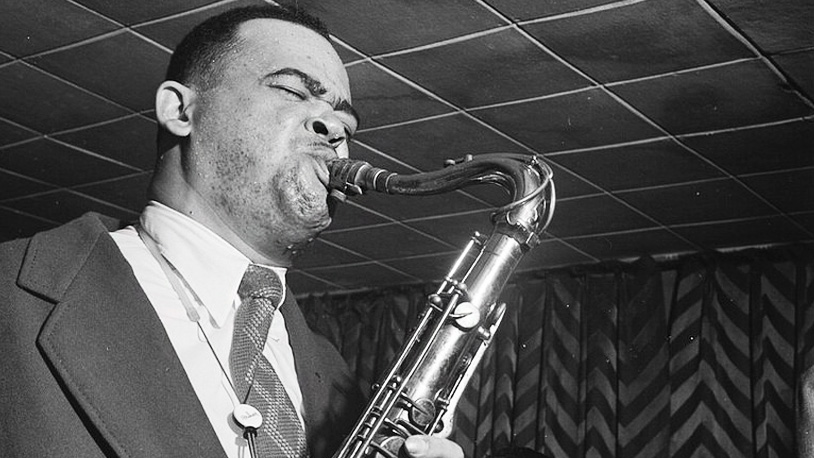
Arnett Cobb had no problems with grass or other nonsense, but he suffered and suffered nightmare from problems with the spine. George Shiring was born in a large proletarian family in London, and in 2007 he was dedicated to the knights of the British Empire for outstanding merits in the field of music.
He had a nickname "Radio Tenor Saxophone." He belonged to the Texas school of the game, like his colleague and friend Illina Jacket. His full name Arnett Cliofus Cobb and he was born in the same Houston, Texas on August 10, 1918. The years of study were dedicated to piano and violin, but in the end he chose a tenor-saxophone. He made his debut at the age of fifteen in the orchestra of the drummer Frank Davis, then moved to the trumpeter Chester Buna (1934-1936). From 1936 to 1942, he played with a self-taught trumpeter Milt Larkin, and he replaced the great Illino Jacket in the Lionel Hampton orchestra in 19 47. He did not hide the fact that he was “stuck” with great pleasure at Hampton for as many as five years ...
Have you tanned to the color of car tires or spent summer in a mosquito paradise in the country, whether you are a connoisseur of Dave Brubek or Maria Callas, in this particular case you listen to the weekly swinging “jazz time” on the elastic wave of “freedom”, from the near cosmos through the Hotbird and Asiasat-7 satellites, and from our site www.svoboda.org . The microphone and in your company - Dmitry Savitsky from the town on the hay.
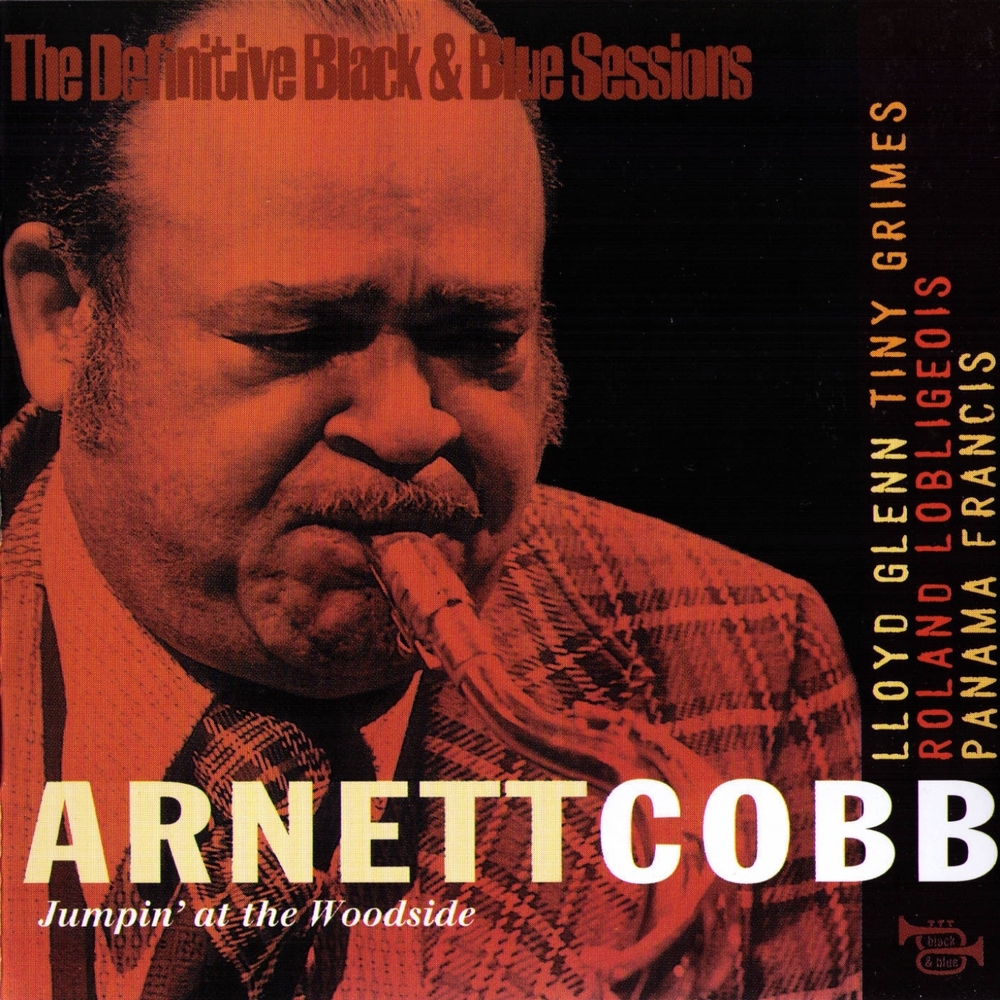
Arnett Cobb - Salty Mama Blues - 6:11 (Arnett Cobb - Jumpin 'at the Woodside - Black & Blue)
"Salty Mama Blues", "Blues with a obstinate mommy ..". Salty can be a stability, and piquant and obscene. Choose yourself, according to the climate. Arnett Cobb the author of the composition, leader and tenor-saxophone; Lloyd Glenn - Royal; Tini Grains - guitar; Roland Loblizhua - double bass and Panama Francis - drums. May 21, 1974, Paris.
Arnett Cobb left Hampton at the moment when he felt that his own wings had gained elasticity and solidity necessary for the flight. In 1948, he gathered a combo, which, as Jazzmen said, “cut” a series of parties on the “Apollo” sound film (in those days the score was not on the disks, but on the sides, because on the other hand there could be, say, Davis’s shorts with his rusty pipe or Barry Harris with something a la Bad Powell ...
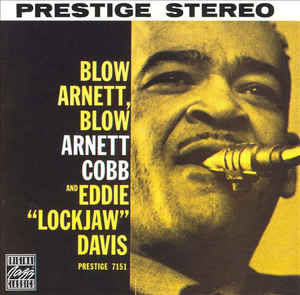
Arnett Cobb - Go Red, GO - 5:39 (Arnett Cobb - Blow Arnett Cobb & Eddie Lockjaw Davis - Prestige)
“Go Red, Go”, two terrible, Texas blood, cowboy tenor-saxophone: Arnett Cobb and Lokjo Davis. Cobb's composition.
Steveten Davis - organ; Georges Duvivier - doublebas and Arthur Idenchil - drums. Record November 9, 1959. I am sincerely glad that this entry, so different from what John Lewis or Miles Davis did the same Rudy Van Gelder, may be blessed by candlesticks, plates and spoons of the parental dining room, where all this happened!
The history of jazz at the frequencies of “Freedom”: the merger of African traditions and musical traditions of European immigrants, New Orleans and St. Louis, Jelly Roll Morton and Kid Ori, Satchmo and Bakeisi, Chicago style and Kanzas City, New York and West Coast, louder and faster, staccato or Andante, closer to classics or blonde, closer to classics or bluer. the merger of the form and rhythms in the fusion, giant landscapes of the third course and persistent, for hardy, avant -garde; From the tradition of dancing, from the eroticism of dance floors and clubs to concert attention, to listening ... jazz in all its dimensions and volumes. Weekly from space through satellites Hotbird and Asiasat-7, as well as from our easily accessible site www.svoboda.org .
Your guide in the world of jazz is from Paris, from Lutetia, from the town on the hay - Dmitry Savitsky.
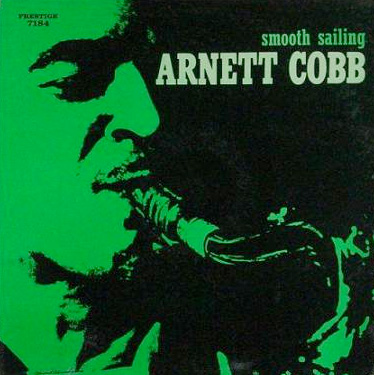
Arnett Cobb - Smooth Sailing - 5:01 (Arnett Cobb - Smooth Sailing - Prestige)
"Smooth sailing", "Smooth, smooth swimming." This, the most famous composition of Arnett Cobba, has in mind not just swimming, but sailing, sliding along the waves. Ingredients: Arnett Cobb-Tenor Saxophone; Buster Cooper - thrombone; Austin Mitchel - organ; Georges Duvivier - doublebas and Ozi Johnson - drums. This time is also Rudy Van, but on February 27, 1959. I pronounce the name of the smuggler in a French way, although he was born in New York. His name and surname are written so much in French or, in a newlylander, Creolean, that my tongue does not turn to pronounce-George Davivier!
Cobb had no problems with grass or other nonsense, but he suffered and suffered nightmare from problems with the spine. In 1948, he had to transfer such a serious spinal operation that he fell out of jazz for three whole years. And this was only a foresight of failures! He gathered a new combo, but in 1956 he was shot down by a car and a saxophonist, for whom the music was both the goal and the content of life, returned to jazz on crutches. Although he, although the pain from which you can’t hide, gave through the whole geography of the frame, he again began to play and even conduct a large orchestra in Houston. By the seventieth year, he got stronger that he returned to New York and again joined the duet battles with Illinei Jacket, and then went on tour to France, where he was recorded by local recording companies, played at the festivals of the Cote d'Azur, and in 1977 and 1978 performed at the festival in the Newport! Several concerts unforgettable for fans was played in Village Vanguard with a saxophonist and clarinetist Baddy Teit. Cobb adored musical dialogs. And, what should not be forgotten, he owns the second most famous version (saxophone #1 - the property of Illinoi Jacket!) The composition of Hampton and Goodman - Flying Home:
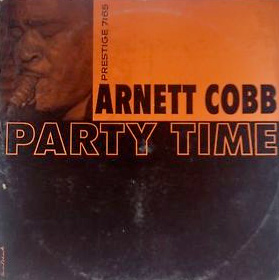
Arnett Cobb - Flying Home - 5:12 (Arnett Cobb - Party Time - Prestige)
“Flying Home”, “Flight - Home” Hampton and Gudman. To be honest: the version of the Jacket is magnificent, but I prefer this - Kobba recorded by Rudy Van Helder on May 14, 1959 for Prestige. COBB - tenor; Rey Brahante - Piano; Under the marshal - double bass; Arthur Portnyzhka, that is, Taylor, drums and Ray Baletto - Tumbadora, Kong drums.
Meanwhile, the summer is coming to an end and soon the only hot climatic point on your personal geographical map will remain the weekly “jazz time”. This is worth remembering, regardless of what you are listening to us on: on antique tube, on tourist transistor, through satellites Hotbird and Asiasat-7, from our site www.svoboda.org .. The microphone has your ds in lutetia.
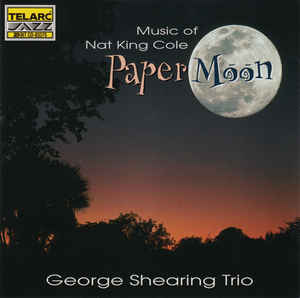
George Shering - Gee Baby Ain'T I Good to You - 4:57 (George Shering - Paper Moon - Tlarc)
“God is with you, dear! What am I bad to you? ” Andy Razaf and Don Radman wrote this Hit song in 1929. A purely musical version, that is, without words, performed Dizzy Gillespi, Count Baisi, Stanley Tarrentin, Sonni Clark, Art Blaika, Kenny Barrel, and with fame-NET-King-Cole, then Billy Holide and Diane Kroll.
In this case, the trio of blind pianist George Shiring, the piano played; With Nale Svenson - double bass and Louis Stuart - guitar. Trio, and la NET-King-Cole.
George Shiring was born in a large proletarian family in London on August 13, 1919. Began to play at three years; He studied at a school for blind children. He made his debut in the orchestra Bert Embrose. In 1946, the critic Leonard Ferter invited him to record a disk in New York together with Stefan Grappelli. After recording the record, the width remained to live in the United States. He worked in the Trio Oscar Petiford, in the quartet of Baddy de Franco. In 1949, George Shiring organized a quintet as part of: Merji Haims (Vibrophone), Chuck Wayne (Guitar), John Livi (doublebas) and Denzila Best (drums). The quintet broke up in 78. This ensemble was one of the most popular jazz combo era. Throughout his life, George Shiring collaborated with a number of famous musicians, accompanied Peggy Lee, Carmen Macray and Melu Tork. He was nominated several times for the Grammy Award, his compositions invariably found themselves in the charts of Billboard. He did not stop concert activity until the 2000s. The last plate of Shirring was released in 2006. The musician twice awarded the Grammy Award, and in 2007 he was dedicated to the knights of the British Empire for outstanding merits in the field of music.
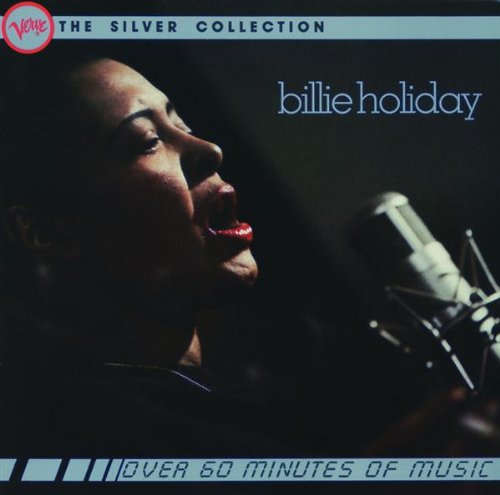
Billie Holyiday - Gee Baby Ain't I Good to You - 5:39 (Billie Holidy - Verve Silver Collection)
“Gee Baby Ain't I Good to You” - this time with words; Vocal Billy Holide. Harry "Svits" Edison is a pipe; Ben Uebster-tenor Saxophone; Jimmy Rowles - Royal; Barney Kessel - guitar; Red Mitchell - double bass and Alvin Staller - drums. January 9, 1957, Los Angeles. "Silver collection of a bog."
The finish line of the weekly “Jazz Time” is from the space through satellites Hotbird and Asiasat -7, and from our website www.svoboda.org . The microphone in Paris has your ds:
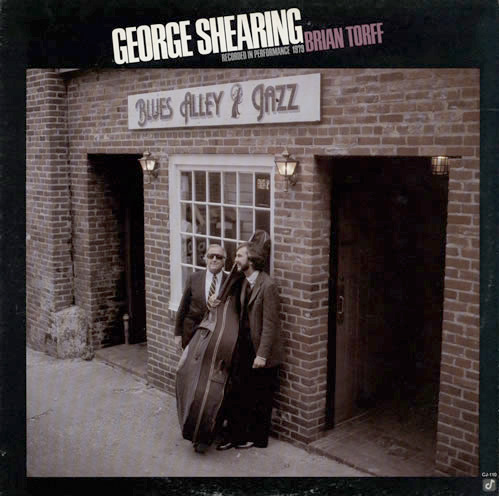
George Shering - The Masqueate is Over - 6:18 (George Shering - Blues Alley Jazz - Concord)
“The Masquarade IS Over”, “Masquerade” Herba Megidson and Alli Vrubel. George Shiring - Royal and Brayan Pebf - double bass.
If Milt Bakner invented the game with blocks, then the George Shiring populated this technique.
Of course, Leonard Fezer played a role in the fate of the pianist, calling him to record with Stefan Grappeli in New York, but in fact, George Shiring was already ready, because the visiting stars of the American jazz assured him that his place in the States. However, in the USA in the first years, Shirming said that there was nothing original in his manner of the game: he played freely in the spirit of Fats Waller and Teddy Wilson, but no more. And only when he collected his quintet, which was discussed above, he was recognized as colleagues and the general public. Its formula was united by piano, vibral, guitar, double bass and drums. And although many harsh jazz reviewers for a long time kept him in the category of “cocktail pianists”, the very ones played in the halls of the hotels, he forced them to believe that he is a real, undiluted, pianist of jazz.
And at the same time, the width was a pianist of the classical school and devoted the same amount of time as Jazz, classics. Especially often he played his favorites: Bach, Mozart and Delius. He learned many concerts by ear, but many, by musical literacy, is the relief-point tactile font of Louis Brail.
The most famous composition of Shiring himself was the song of George Weiss's words “Lullaby of Birdland”, “The Lullaby of the Bird Kingdom”. However, I propose to part on another masquerade, which is completed because it is performed by another anniversary of Augustus, the singer and actress Abbi Lincoln, born in Chicago on August 6, 1930. Abby Lincoln was formed like a singer, under the enormous influence of Billy Holide:
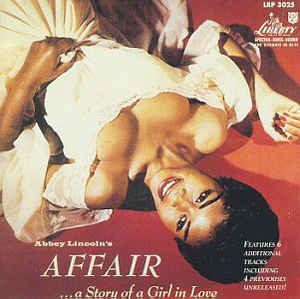
Abbey Lincoln - The Masquarade is Over - 2:59 (Abbey Lincoln - Affair - Capitol)
“The Masquarade Is Over”, “The Masquerade of our relationship is completed, which means that love itself” Herba Megidson, I repeat, and Alli Vrubel. Abby Lincoln is the vocals and orchestra Benny Carter. November 6, 1956, Hollywood, California.
This is the minute and seconds of our jazz time today. I hope that it was wasted not in vain. Sound engineer of this issue Alexander Arkadyev, author and presenter - Dmitry Savitsky. I will be again at your frequencies and on our website www.svoboda.org - in a week. For SIM: All the benefits to you, a successful and cheerful week! Chao! Bai-Bay!