
Translated material
Rules of a good house
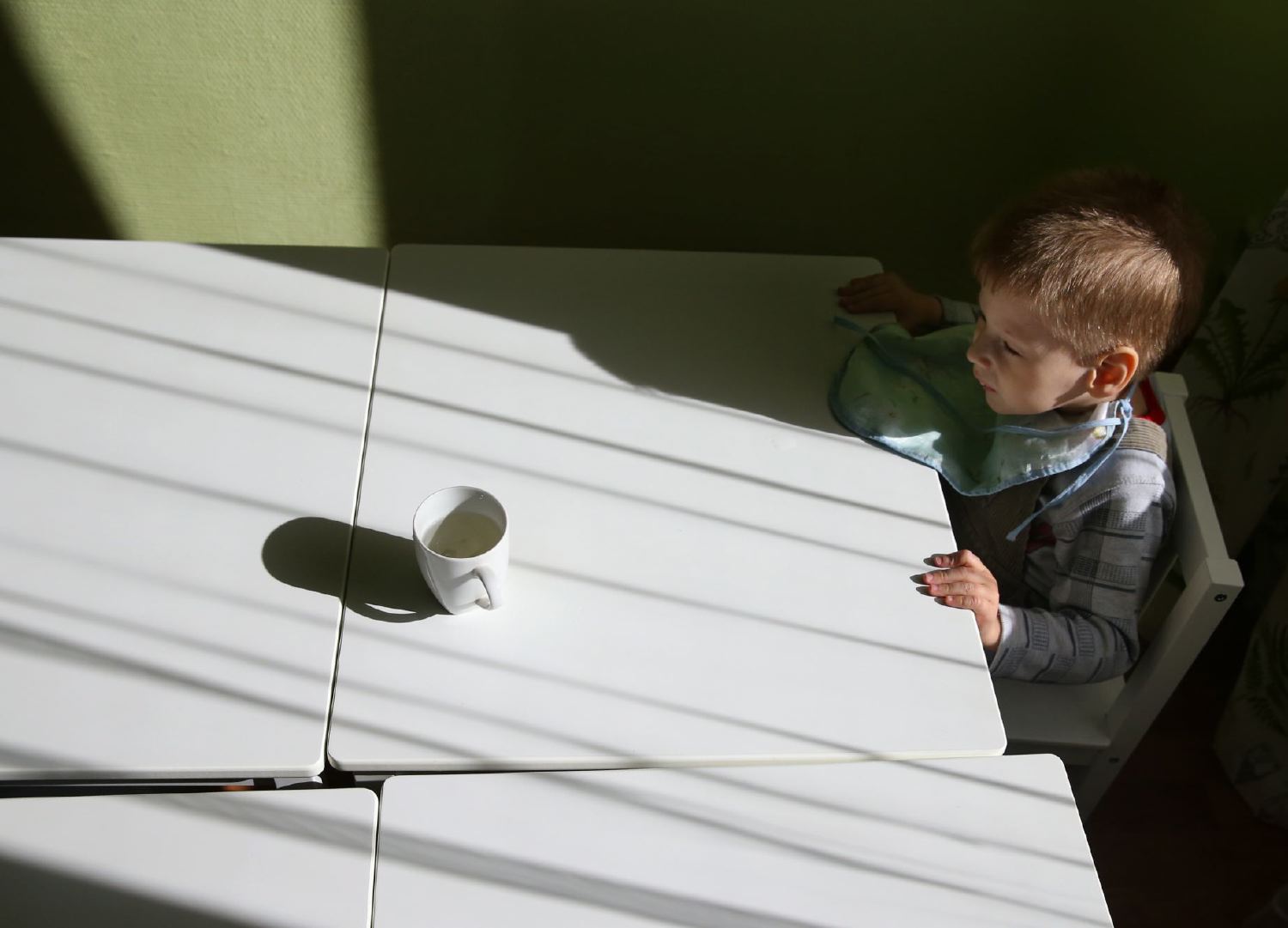
An orphanage is a place in which orphans should not stay too long. But this does not mean that life there should be devoid of comfort and convenience. “Such cases” studied the recommendations of public organizations for orphanages and asked specialized experts to comment on them
How to perceive an orphanage
Elena Alshanskaya , President of the Volunteers Charitable Fund to help orphans:
- The orphanage must be perceived as a temporary place of stay of the child. For a child, an adult who cares about him is significant. Ideally, this, of course, is his parents. Each of us has a huge sheet of claims to our parents. But we often do not imagine how great the fact that we simply had was. We often do not understand how much in our self-confidence, the ability to understand who you are, do something in this life, build a relationship with someone, depends on the fact that an adult was nearby.
There are different families in terms of prosperity, according to the education system, in terms of education. A significant adult who takes care of him is important to the child. Numerous studies of scientists, psychophysiologists, ethnologists have proved an amazing fact: emotional connection, communication with a caring adult for a child is more important than the things that provide survival: food, safety. I’m not saying a mother or dad, but a “caring adult” - because in nature there can really be a situation when the parent will die, and this does not mean that the child should die after. The function of education can be adopted by any person who will fully fulfill it: it doesn’t matter, a man or woman, this grandmother or grandfather. The main thing is to take care. And the presence of such an adult is the most important thing in the life of the child. Therefore, if the child loses his family, then the most important thing - as soon as possible, fix it. Try to do everything possible to return the child to his own family, and if it is impossible, to arrange in the reception room.
In the orphanage you need to maintain comfort
Elizaveta Yaznevich , employee of the Charity Fund "Our Children":
-Do not think that the arrangement of rooms, a bathroom and a bathroom in an institution where orphans and children who are left without parental care should be resolved according to some other rules than in an ordinary family. After all, the children here live around the clock! They have no opportunity to go to the night in another place - like children who go to the garden, for example. This is the key.
The main thing is to take care. And the presence of such an adult is the most important thing in the life of the childUntil now, these issues have been resolved from the point of view of the department to which the institution belongs to: the house of the child (the Ministry of Health) focused on the sanitary norms of hospital hospitals, orphanages (minibr) - to kindergartens and summer camps; Boarding houses (Ministry of Social Policy)-here I can’t even pick up an analogy ... Houses of the elderly in the same last category-this is a hospital department during the war, the closest thing.
All the same decree 481 prescribes to build life based on the "worldview" of the arrangement of the family. As in a hostel at least.
Marina Aksenova , Director of the Sunny City Charity Fund:
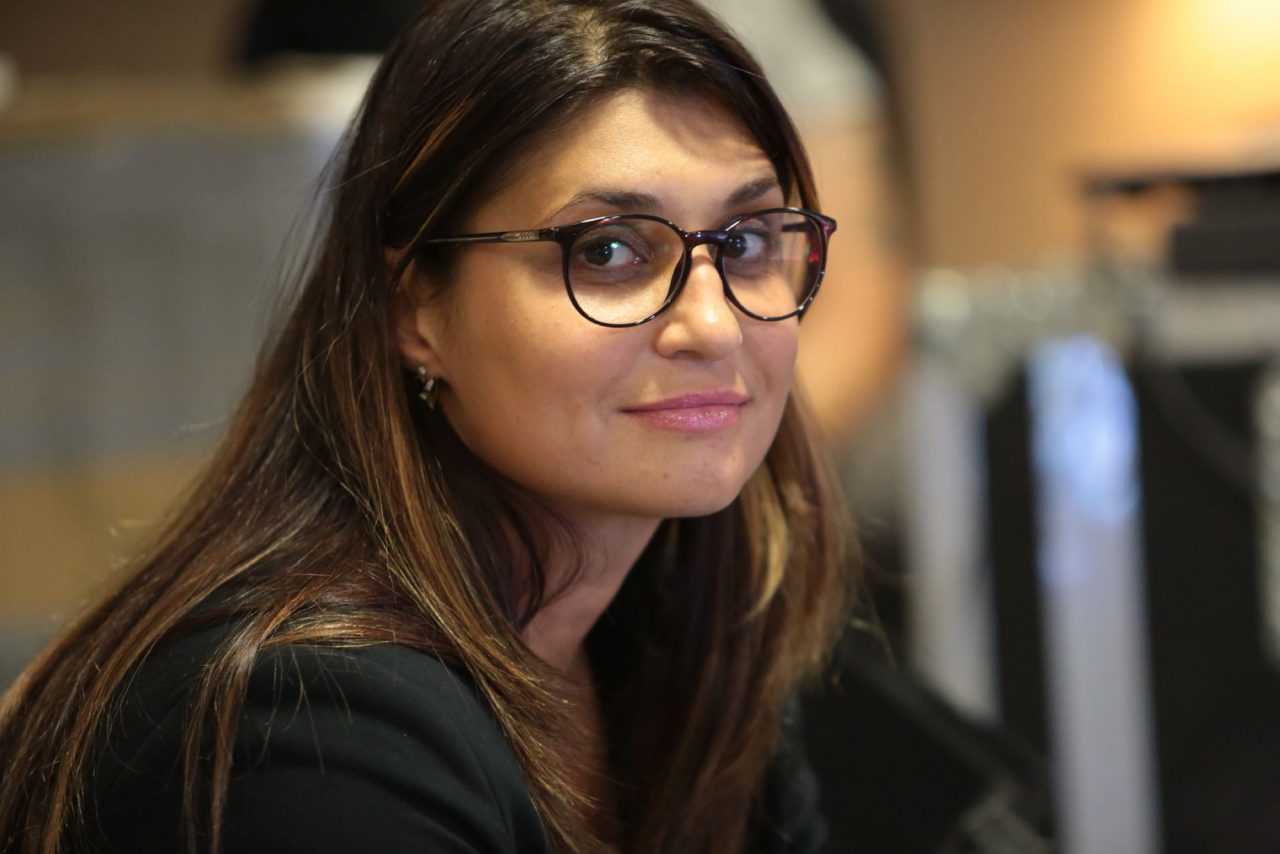 Marina Aksenova Photo: Children's Charity Fund "Sunny City"
- What is coziness? For me, this is an opportunity to create my atmosphere in the room in which I am, I live. The main word is mine! These are things that I am pleased to look at, they lie the way I am pleased and to clean them or not, I decide only I. In the orphanage, educators are most often engaged in this. We often observe the sterile premises of groups, without personal belongings and photographs. At times and understand who lives, boys or girls, is not easy. Cosiness is needed in order to return home, and even if it is a mess (as adults always think), for a teenager it can be a world in which he is comfortable and safe to be.
Maria Solodunova , psychologist of a specialized neuropsychiatric house of a child No. 13:
- The best place for a person’s life, especially a child, is a family. Families usually live in apartments, not communities. Creating the living conditions of the apartment of the apartment type, we bring the quality of this life to family, home.
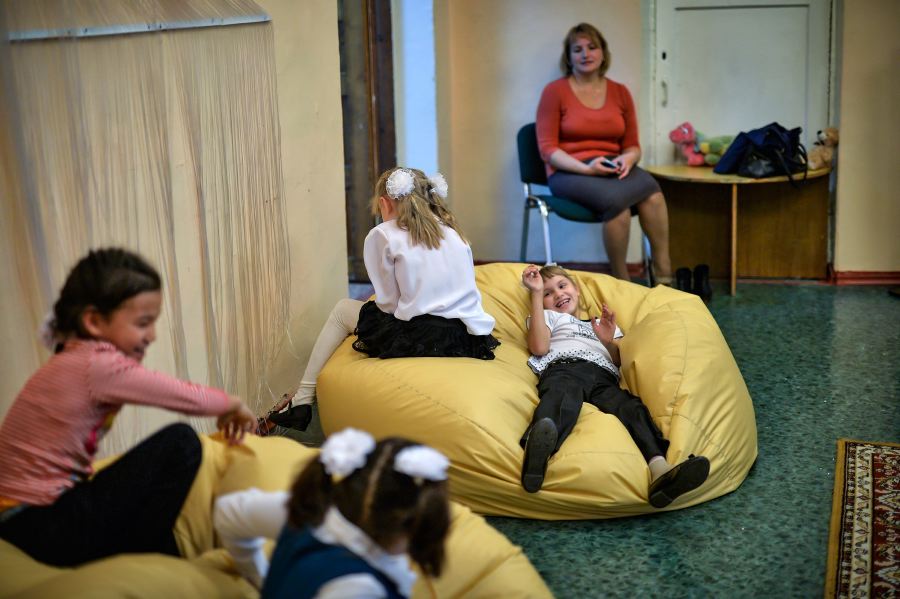 Pupils of one of the orphanages of Irkutsk photo: Vladimir Song/RIA Novosti
Children should have personal items
Julia Zimova , member of the Public Chamber (OP) of the Russian Federation, head of the Vanya project:
- Personal things are needed so that the child can feel his personality. Otherwise, it turns out that the children seemed to have lived in a pioneer camp all their lives, and then at the age of 18 they returned to the city. There should be a personal toy, an understanding that there is personal underwear and personal clothing, a photo of a grandmother on a bedside table, etc. This is an expression of individuality.
Maria Solodunova :
- Our personal things are a reflection of ourselves. They create an understanding of belonging and personal value, which is associated with the possession of something important. In addition, the presence of personal things helps to form an understanding of your/alien. A child who has no personal belongings can take anything without demand: climb into someone else's bag, take out the thing you like from the apartment - and for him this will not be considered theft. The child, brought up in the understanding of his/alien, will know that he can dispose of his own discretion, and someone else can be taken only if he asked and received permission.
Creating the living conditions of children of an apartment type, we bring the quality of this life to family, homeElena Alshanskaya :
 Elena Alshanskaya photo: Sergey Kuznetsov/RIA Novosti
- If we lived in the conditions of the accomplished communism, we would have common wives, common children, the lack of private property, and each subject of everyday life belongs to the team, then we could say that the orphanage can perfectly prepare children for adulthood. But we do not live in this future, we have property and the right to it, and take other people's things - theft by law. The child’s task is to learn to distinguish and understand this. And in the conditions of collective life, which has been arranged until today, in orphanages everything is really common, the child has no idea that things can be of their own and strangers that something belongs to him. As a result, for example, there are a lot of complaints in foster families about theft of children. The child does not perceive this like this: he takes a brother or sister, or parents, if the thing is in access, then it can be taken because things that cannot be taken - they are not in access in the orphanage, and if she is in access, in fact, she is common. And in general, the boundaries of their or foe are blurred.
It is important for a child to have a favorite dress, a favorite toy. It is important to understand that this is him. If you have nothing that is yours, then you actually, as a person, feel a little absent, this is just one of the elements that affect this sensation, but nevertheless also important. It is important for the child to build his world, to build, including objects. To organize your table, gliding with posters of your favorite artists, sleeping with your favorite toy, not to have a table bulb like everyone else. And have this space, not unified empty tables and bedside tables. A space that strangers will not remove, things that no one will pick up.
In showers and restrooms, you need curtains or doors
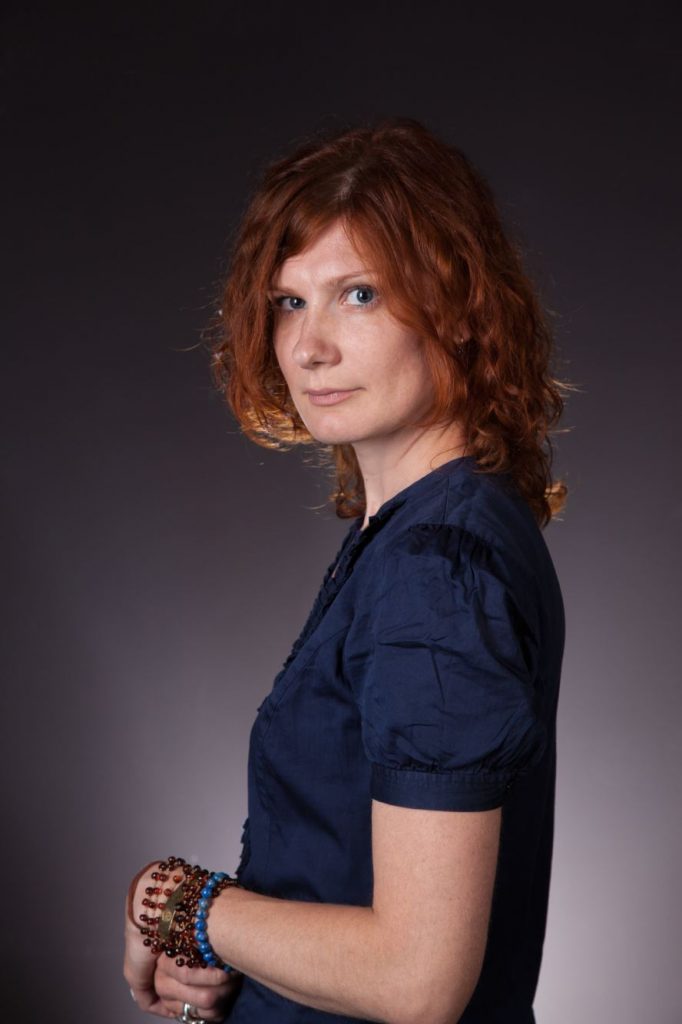 Elizaveta Yaznevich photo: Igor Volgin
Elizaveta Yaznevich :
- In one of the buildings of the complex where our fund lives, there is a dining room with a toilet, where two toilets are located side by side without a partition. Do you think, do two people often find themselves in the cab? For adults, this is wild. And in many boarding schools - this is a norm that begins to change only now.
Marina Aksenova :
- Recently, the trend is such that young children are not delayed in state institutions. Mostly teenagers get stuck in them. Children who begin the formation of personality. For this age, boundaries and personal space are very important. Institutions in which the restrooms do not close, where there are no doors in the shower, you can understand - it’s scary not to know what can happen behind closed doors. But, if we are talking about the formal execution of the new law, this is one thing, and if we say that adults should help children in such institutions, form trust, that is, trust children, then the issue of locks and closed doors is decided by itself.
No need to separate the brothers and sisters and constantly transfer children from group to group
Julia Zimova :
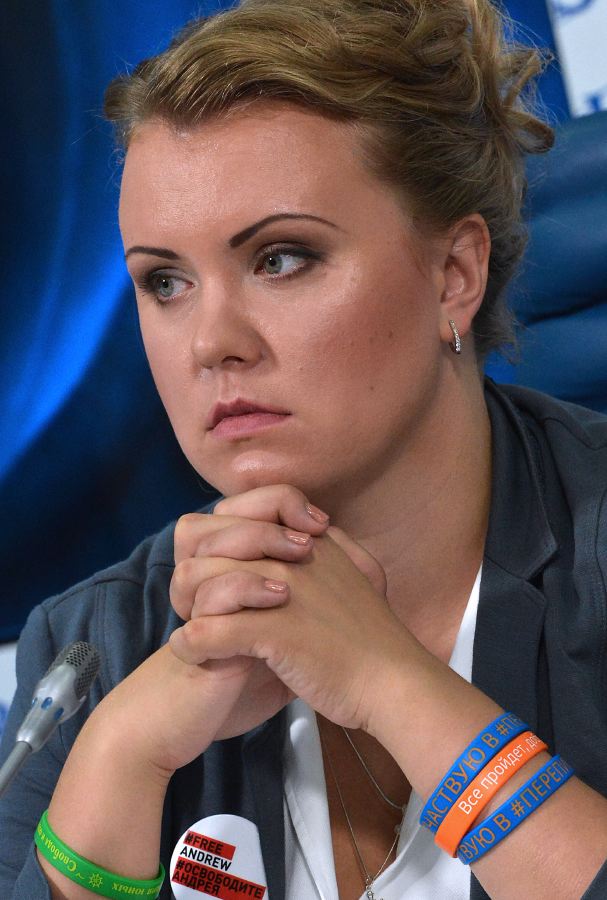 Julia Zimova photo: Yuri Mashkov/TASS
- It is important not to separate the brothers and sisters, because their family is their individuality, well, if children already know each other ... This cannot be explained, it is as unnatural as mom and child to separate.
The fewer people surrounding the child, the more opportunities that attachment to one of them will develop, significant adults are obtained, which contributes to a more uniform development of the personality.
Maria Solodunova :
- For a person, the presence of blood relations is an evolutionary necessity. At the dawn of mankind, the presence of relatives nearby was the key to survival. Losing a relative, we experience a severe experience of grief and loss. This is unacceptable if the brother or sister is alive, but forever delete from the life of the child. In addition, the presence of a relative nearby helps the child understand himself: with relatives we have a lot in common, but there are differences - this creates a space for the development of knowledge about himself, which is associated with understanding of identical and different with his brothers and sisters. This also allows you to understand their connection with blood parents, which is significant for each person. This is a feeling of “roots”, which the child needs, regardless of how good his biological parents are.
Marina Aksenova :
- The child, getting into the orphanage, is experiencing loss, regardless of the conditions in the conditions. Any change of environment is stress, and separation from a brother or sister strengthens this stress at times, especially if there were friendly relations in the blood family between the children.
The fewer people surrounding the child, the more opportunities that attachment to one of them will develop, significant adults are obtainedChildren must learn to solve household issues
Maria Solodunova :
- The most important task of any institution for children without parental care is to develop adaptive mechanisms in children, including social life skills, which include the ability to take care of themselves and be able to organize their own living space. Including children in the processes of cleaning and cooking, we develop their skills that will allow them to be effective in their future life - replacing the family or with their own living after 18 years.
Read also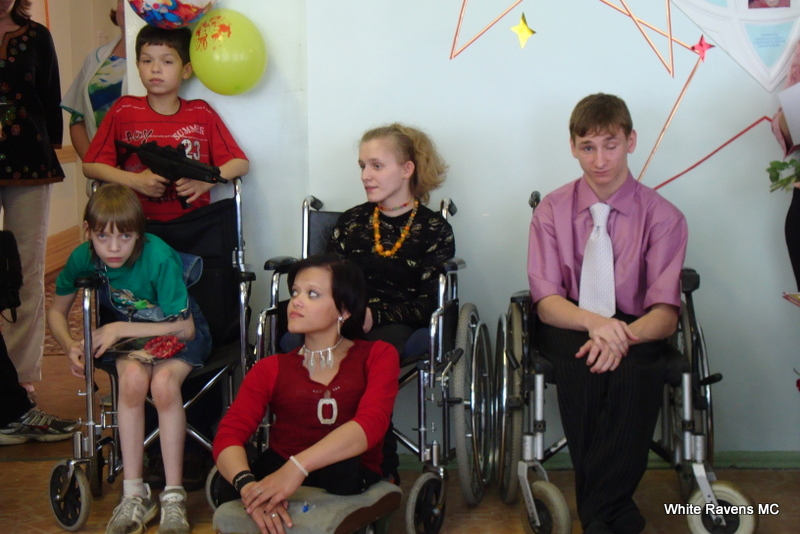 In official paws, Andrei Loshak talks about the fate of a graduate of the Nizhnelalomo boarding house Olga and other graduates
Marina Aksenova :
-Firstly, children in orphanages often do not have people who can help them adapt to life after leaving the orphanage. It would be great that the institution is focused on how the child will live on his own after release, and not on his current content.
Secondly, in families, children have the opportunity to approach the refrigerator at any time and get something in it. And the food on the schedule is far from comfort, convenience and understanding of freedom.
Thirdly, dependency is perhaps the most common vice of which are accused of graduates of orphanages. “Everyone owes me” is a position that has been formed for years as a caring state system, compassionate for poor orphan. However, life shows that this is the very “bear service” that the state provides for children, throwing them after leaving the orphanage.
Elena Alshanskaya :
-At a certain point in time, the child should begin to participate in some work: in cleaning the premises, for example. In general, the connection of labor and the result in a child has been laid from childhood. From the environment in which he lives. The child in a normal situation lives in a family where there are adults who go to work every day. He sees it. And he knows that from the fact that they go to work every day, the child either appears or does not appear additional opportunities: to buy a bicycle or not.
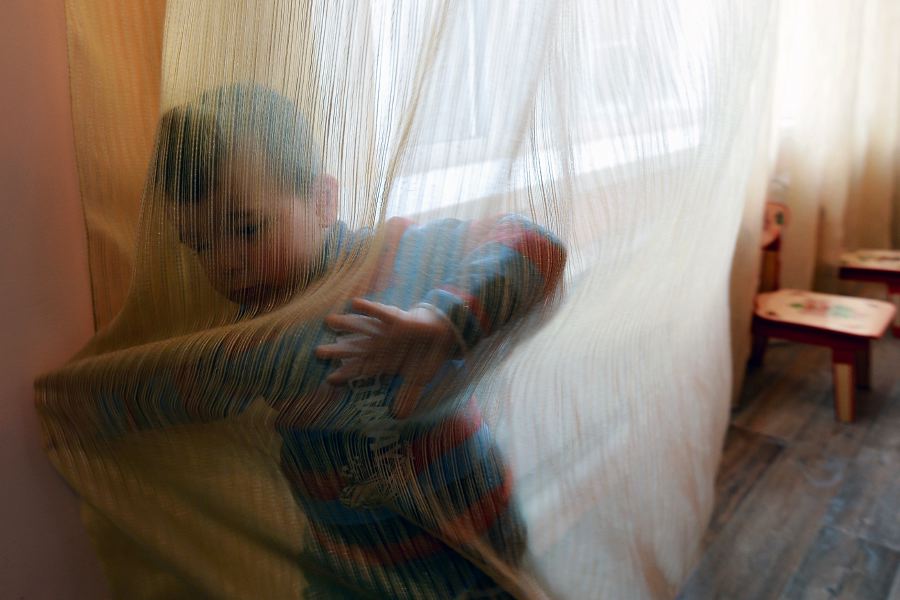 Pupil of one of the orphanages in Ulan-Ude Photo: Vladimir Song/RIA Novosti
For example, dad works as a janitor, we cannot afford a bicycle. And vice versa: dad works very cool, and we can allow you to buy a bicycle, but I never see dad. And the child draws conclusions - you need to study in order to choose a job in order to have what you want. Or, what is necessary so that work is not more important than relations with loved ones. But he can form the work of adults and his life.
Children in orphanages often do not have people who can help them adapt to life after leaving the orphanageThere is no such opportunity in the orphanage. The child sees one work of adults, maintenance of his interests, all adults around the child in an orphanage work, building a departure around him. Nannies, shufflers, cleaners, educators - the child absolutely does not represent the professions of this world, the world is distorted. Their level of wages is unknown to him, and nothing depends on this level for the child: whether he will have gifts, delicious food and a trip to a children's camp - all this is not associated with earnings and work. The child does not add these things in the head in a single picture.
Huge manuals, a bunch of free things-as a result, the child does not have interconnection in the head between efforts, salary, result, improvement and worsening of some of his material state and receiving some bonuses from this-it is simply not invested in the conditions of this environment. And most importantly, all these adults leave work on which he is to his home, where their real children.
He has a completely distorted picture of the world, and the connection of earnings, labor, money, resources with obtaining results - things, and with the standard of living does not develop in the picture of the world of such a child in any way.