
Translated material
Library chic
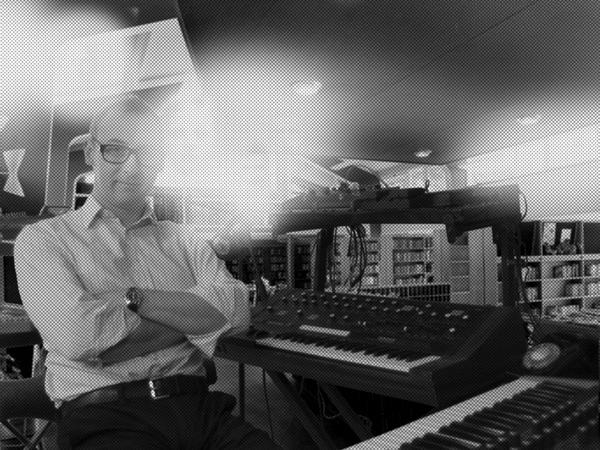 . . .
. . .In the electronic living room of the Polytechnic Museum, a series of lectures of the Moscow electronic musician Andrei Orlov, dedicated to undeservedly forgotten electronic masterpieces of the past, continues. Previously, it was about the Japanese group Yellow Magic Orchestra , electronics from former Yugoslavia and space electronic music of the 70s and 80s . At a lecture planned on August 31, Andrei Orlov will talk about Library-music, that is, about music recorded for the voice acting of radio programs, TV transmission and films. As always, in addition to the review, Andrei Orlov prepared a special mix.
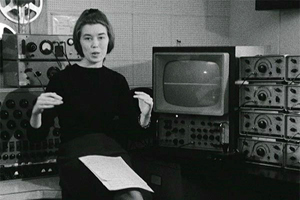
Library -music is a contradictory phenomenon. At first glance, this is a purely functional, design, applied art that refers to “real” music, perhaps the same as design - painting and sculpture. It is not obligatory, it sounds “between business”, is purely functional and, in a certain sense, is designed for one -time consumption, but at the same time, irresistible charm and modest beauty flickers in its best samples. The heyday of Library -muses fell on the 60s and 70s. In the 80s and 90s, it was almost forgotten, existed in its “ghetto”, but now interest in it is growing-articles about composers who engaged in Library -music are appearing, compilations come out, forgotten albums are reprinted. Now, when the time of cultural heroes and the “great” pop music has practically gone, its shadow, the flip side -the modest Library -music -is of increasing interest precisely due to its inability, non -ambitiousness and “background”. At the same time, it is really very talented and free: after all, in addition to artisans, serious composers and artists were engaged in it (though they never really tried to advertise it) - for example, Annio Morricone, Vangelis, Morta Garson and others. And gradually, by the mid-2010s, it turned out that the Library genre had a noticeable effect on mainstream electronics and pop music-both direct and indirect: the influence of the genre is obviously traced in the products of such respected electronic artists as, for example, Legowelt and Alessandro Cortini , not to mention entire labels that specialize in specializing in specializing in Exclusively on the modern reconstruction of Library .
The volume of Library -musions created over the past decades is huge, and composers and producers who worked and continue to work in this direction are hundreds, if not thousands. The soundtracks to programs and films about the cultivation of plants, neurosurgical operations, space flights, mystical occult sound canvases, bold electronic experiments and light lounge motifs are only a very small part of the fabulous and wonderful world of “library” music. In this collection - its 10 wonderful examples that will give an approximate idea of this strange and attractive genre.