
Translated material
Cezann and Rubens Jazz
“In the world in which everyone has a twin, a present was an exception. It was necessary to be damn brave in order to decide not to be like anyone. After all, to be honest, everyone and everyone becomes part of the crowd ... ”Jimmy His.
Good afternoon, evening or night, from Vladivostok to Kalininberg, from Arkhangelsk to Sochi, as well as from Tijuana to Shanghai, you listen to the weekly and swinging “jazz time”, through the satellites of Hotbird and Asiasat-7, from our website www.svoboda.org . The microphone in almost autumn Paris has Dmitry Savitsky.
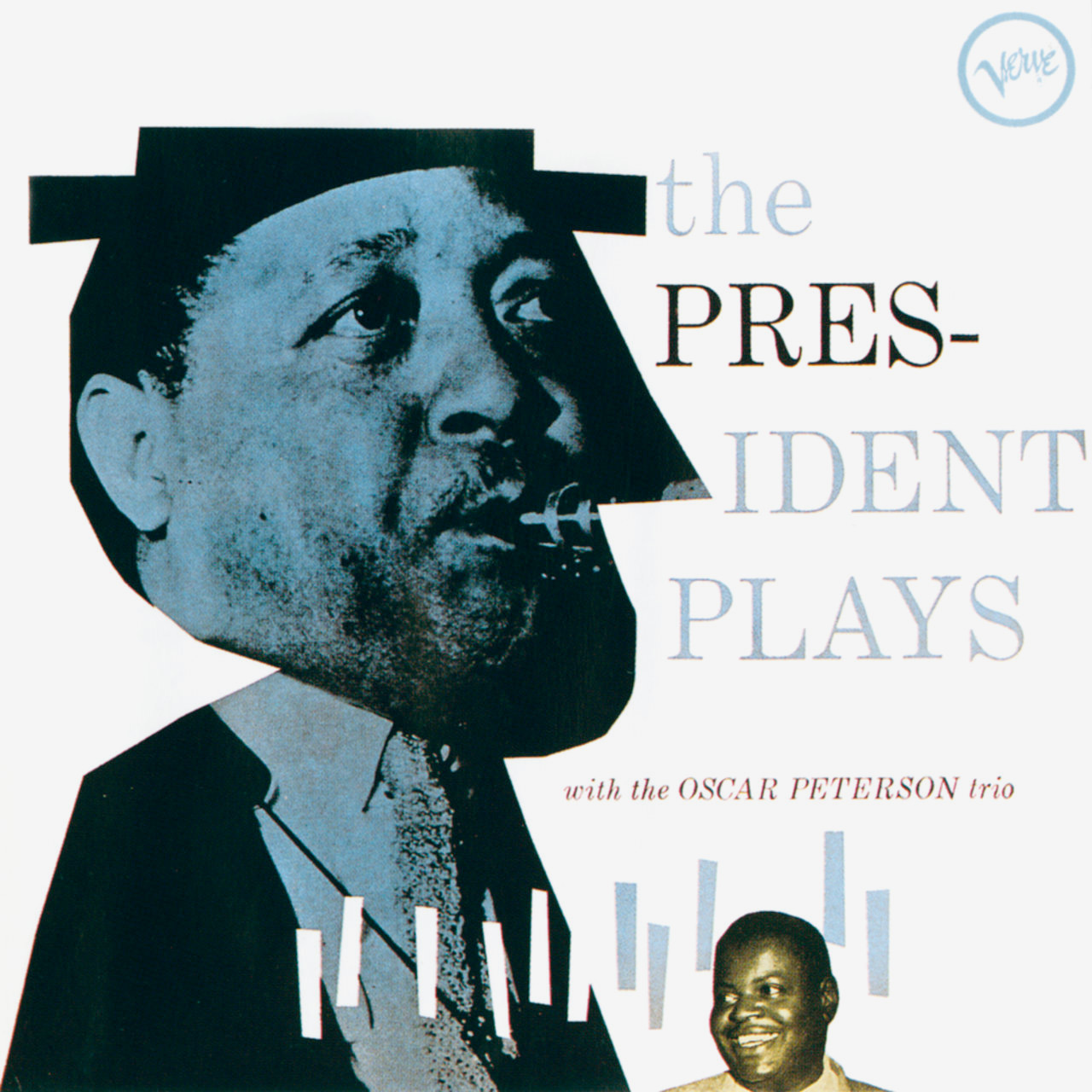
Lather Young with O.peterson Trio - Tea for Two - 7:42 (LESTER Young with Oscar Peterson Trio - Verve)
“Tea for Two”, “Tea for two” - the 1924 standard of Vincent Yumans. Lester Young, guest trio Oscar Peterson, tenor Saxophone; Oscar - piano; Barney Kessel - guitar; Rei Brown - double bass and JC Herd - drums. That is, this is no longer a trio, but a quartet. The recording was made for Verve on November 28, 1952 in New York.
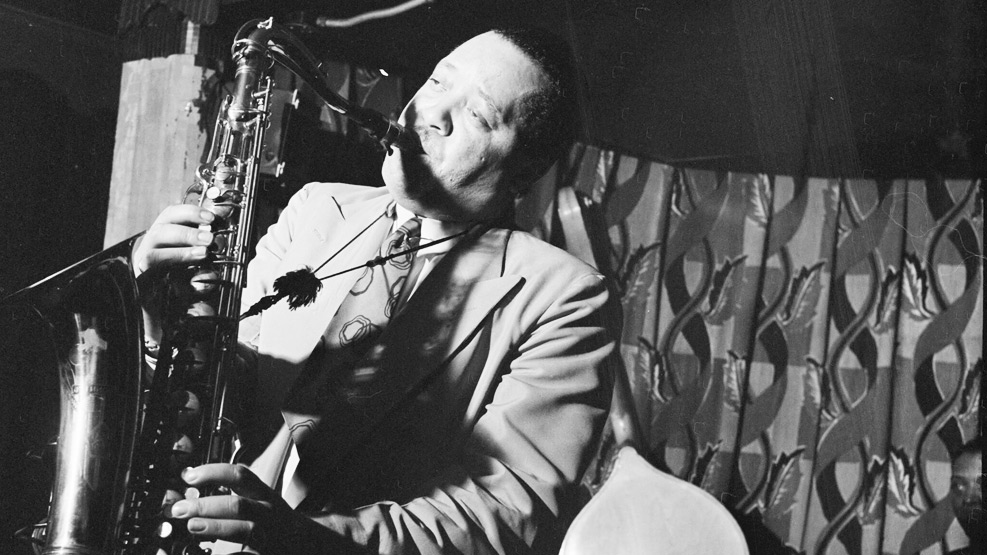
“Leicester Young, Present, was the most influential tenor saxophonist of the twentieth century. If Coleman Hawkins is everywhere recognized by the Pioneer Tenor-Sax, who popularized and brought tenor to the forefront, presented completely new opportunities for the game on this instrument. At the same time, Young was a real hero of musical culture for many fans and colleagues-professional, partly because of the unique original style of the game, but in the unhealthy degree, because he was a real rebel or, if you like, an extreme individualist. His refusal to follow the dictate of the opinions of lovers of popular music, his confrontation between the military machine after being drafted into the army (he was given to the military court in early 1945) only strengthened his status among jazzfans in the era of patriotism and agreement. ”
This is a quote from the biography of Leicester Yanger, Per Pogglass Hanry Daniels.
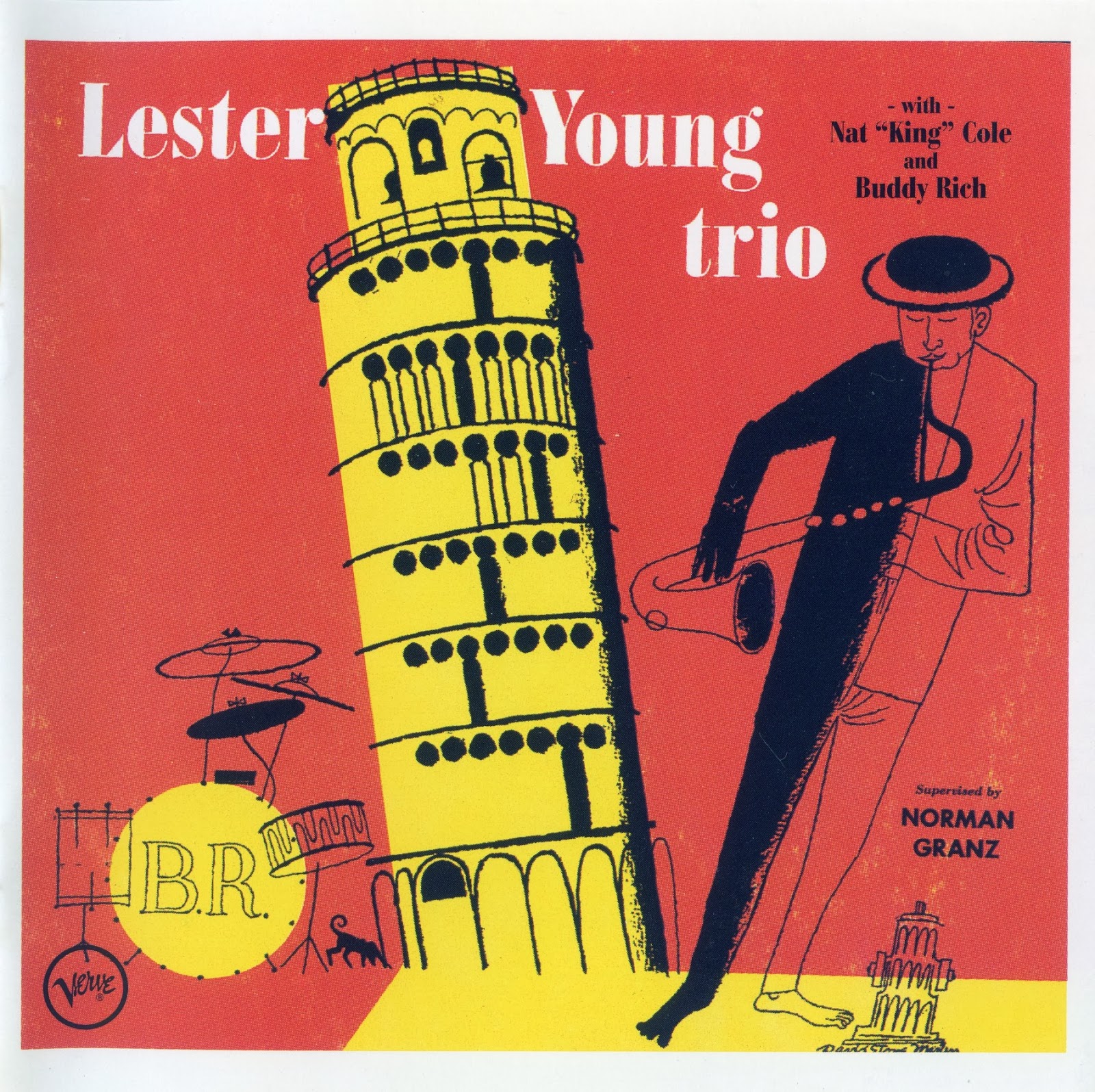
Lather Young Trio - I Cover The WaterFront - 4:03 (YOUNG Trio - With Nat King Cole and Buddy Rich - Verv
“I Cover The WaterFront”, “I wander along the shore, I think about you.” Music of the popular standard Johnny Green. Lester Young-tenor Saxophone; NET-King-Cole-Royal and Buddy Rich-drums. Record of March 1946. This is still shellac. The producer is the owner of the company Verve, Normen Grenz.
Leicester Willis Young was born on August 27, 1909 in Woodwill, Mississippi, but he grew up in New Orleans. This first is a very significant fact of his biography. The second-his father Willis Handy Young was, according to the recollections of Bak Clayton, a teacher of music and singing, played absolutely all instruments and led a jazz orchestra. So it is no wonder that Lester in his young years began to play on the pipe, then on a saxophone, then on the violin. But most of all he loved the drums. The stepmother of Lester, Sarah, played on the baritone-saxophone, her father very often-on the pipe, the future present itself-on tenor. It was a family orchestra of the “shade”, and it was rather an orchestra of a minstrel show, and not an early blues, Dixie or ragtima. That is - a performance, not dancing.
You listen to the weekly and booty “Jazz Time”, the history of American jazz and its heroes. You can listen to us through satellites Hotbird and Asiasat-7, as well as in direct relay or in podcast from our website www.svoboda.org . The microphone in Lutetia has your ds.
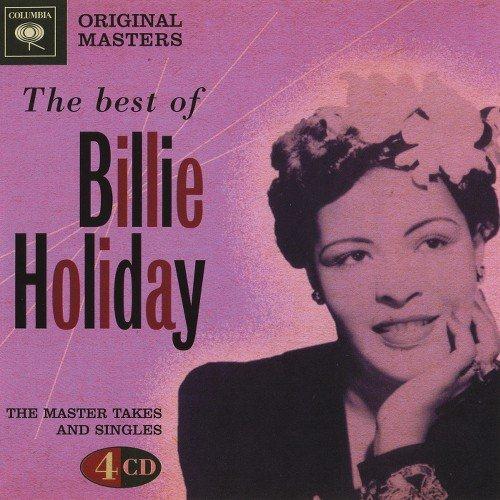
Billie Holidy - I Cover The WaterFront - 2:58 (Billie Holid - The Master Takes and Singles - Columbia)
“I Cover The WaterFront”, “I wander along the shore and I think whether my beloved will return to me” - one of the countless (very popular) expectations. The music of Johnny Green, the words of Edward Hayimen. Orchestra Billy Holide. Teddy Wilson - Royal, Billy - vocals. The year of the recording, presumably 1942.
Friendship of Lester and Billy, and then, apparently, was friendship, was born in 1936, when, after the “Bostonians” of Arts Bronson, Blue Devils, Benny Moten, after Combor King Oliver, Lester reached the Kauton Bacey orchestra and began to play in the Kansas club Rino. He first felt that he had come to his: guitarist Freddy Green, Drummer Joe Jones, smuggler Walter Page and pianist Teddy Wilson were his friends. Now Billy joined them. According to legend, which in our times is in doubt, Lester called Billy “Lady Day” (fact), and she was his “president of the saxophone”, “president” or simply “Praz”. But many Jazz historians believe that the strange introvert Lester Young got his nickname before the starting friendship of Jazzman and the singer. Be that as it may, if Ellington was Duke, Bakei - the Count, Oliver - King, Leicester became a sheet.
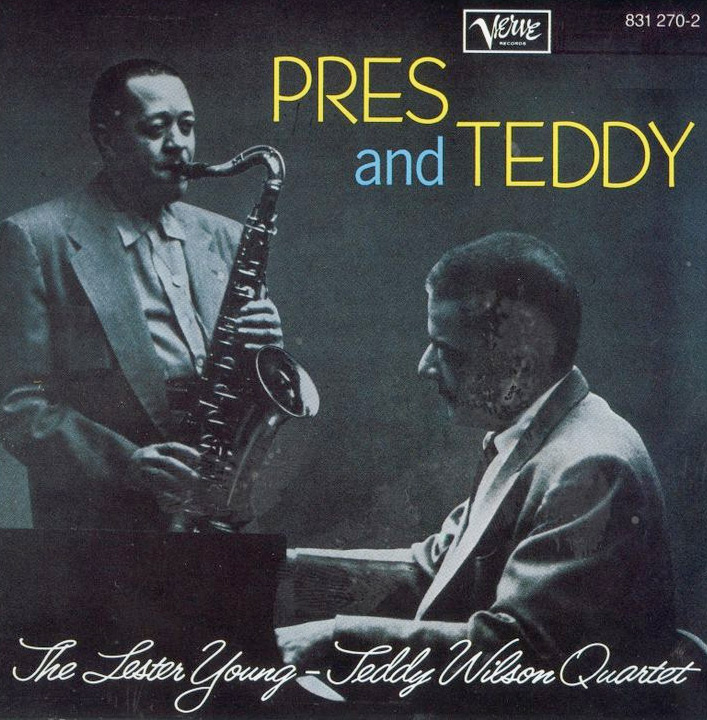
Lester Young - Love Me or Leave Me - 6:47 (Lather Young - Pres and Teddy - Verve)
“Love me or left me”, “Love me or leave me” - Walter Donaldson. 1928 standard. The recording was made on January 13, 1956. Teddy Wilson - Royal; Lester Young-tenor Saxophone; Jin Reimi - double bass and Joe Jones - drums
Lather Young & Teddy Wilson - Prisoner of Love - 7:36 (The LESTER Young - Teddy Wilson Quartet - Verv
“Prisoner of Love”, “Prisoner of Love” - the standard of Rosa Cololarsbo, Music, and Leo Robin, words. Trio Teddy Wilson - Royal; With Gin Raymy - doublebas and Joe Jones - drums. Tenor Sax-Leicester Yang. January 13, 1956, New York. Old New Year in one distant country.
Guitarist Barney Kessel wrote that “Leicester was one of the most contradictory and most gifted musicians. He always stubbornly denied the influence of Coleman Hawkins. Outwardly, he was extremely alienated, shy, low -communal. In a conversation, he used his own unique jargon, jazz slang. He was undoubtedly a master of very witty comments. ”
Most authors wrote that Lester Young was evasive, elusive, and in the later years very suspicious. Some colleagues-jazmens thought that he was simply a alien.
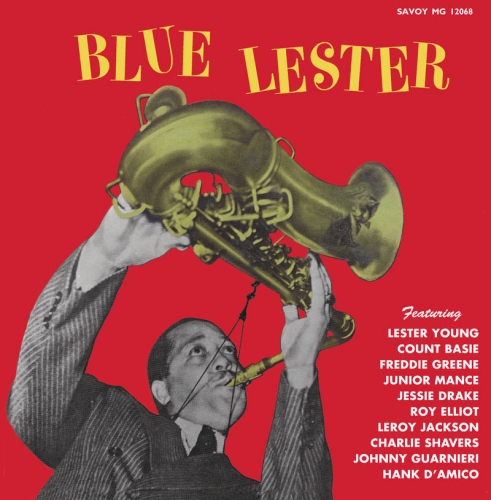
Lester Young - Polka Dots and Moonbems - 3:28 (Lager Young - Blue Lester - Savoy)
“Polka Dots and Moonbeams”, “Political Pilot and Moon rays” - Jimmy Van Huguesen. The great rival of Coleman Hawang himself is Lester Young, a tenor-saxophone and the leader of the quartet; Hank Jones - Royal; Rei Brown - double bass and Buddy Rich - drums. The record was made in New York on September 17, 1949
On all continents, as well as on the islands and coral reefs, you listen to the weekly, swinging and genuine “jazz time”, from our website www.svoboda.org . The microphone in Paris is ready for leaf fall - your DS.
Coleman Hawkins was 22 years old when he appeared in New York with the orchestra of Blues Singer Mammy Smis. He played blues and jazz in the spirit of the era, played in the same spirit as King Oliver and Satchmo. In 1923, he became part of the Fletcher Henderson orchestra and was stuck with Henderson for almost 11 years. He was the first real soloist of the tenor-saxophone and his first historical record was the Stampede, Panic Fleet Flaletcher Standard, and not the “Body and Soul” Johnny Green, the melody, which he recorded 16 years later. Hawk was terribly surprised by the gigantic success of Body and Soul. In 1929, he recorded the One Hour standard, in 1934 Talk of the Town, then Starduss with Django Reinhard. “Soul and Body”, a 1939 record, was by no means a step forward for Hawkins, but a continuation of the style already found in the mentioned compositions.
Miles Davis said: "When I heard Hawk, I learned to play ballads."
But Joachim Berendt wrote that "... the sound of the orchestra of Miles Davis of his cooperation with the company" Capitol "was the orchestration of the sound of the Leicester Yang Saxophone."
Leicester and Hawk ... Well, it's time to compare.
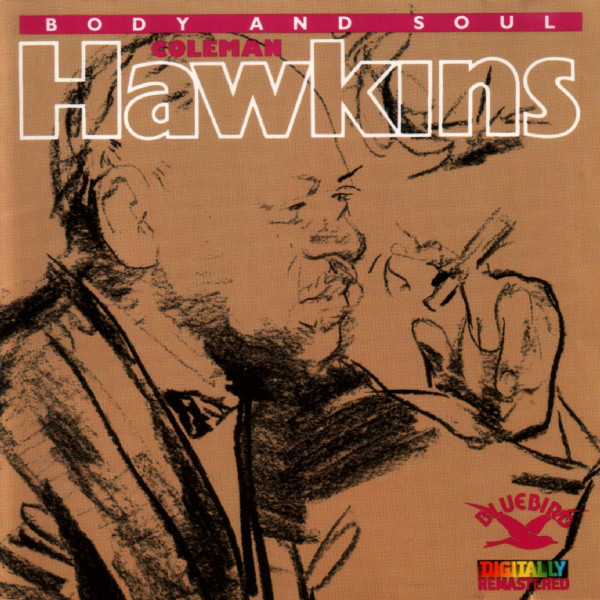
Coleman Hawkins - Body and Soul - 3:00 (Coleman Hawkins - Body and Soul - Bluebird)
"Body and Soul" - Johnny Green. Coleman Hawkins-tenor Saxophone; Jin Rogers - Royal; Oscar Smis - double bass and Art Herbert - drums. In the background, Tommy Lindsay and Joe Gai are heard - pipes; Erl Hardy-thrombone and Jaki Fields-Alt Saxophone. This is the same, unexpectedly classic, a record made on October 11, 1939 in New York.
According to Berendt, Hawk was an extrovert, a “rape” with a voluminous sound: erotic expressive in slow things and generous, even wasteful in quick ones. Dexter Gordon and Hard-Bop went from him.
And Lester?
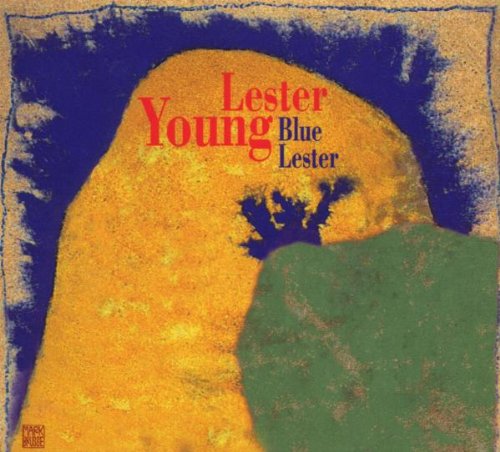
Lester Young - Body and Soul - 5:05 (Lester Young - Blue LESTER - DREYFUS JAZZ)
“Body and Soul” this time performed by Leicester Yang, Tenor-Sax, Net-King-Coola-Royal and Reda Kalender-double bass. July 15, 1942, Los Angeles.
The comparison ends the same Joachim Berendt. He wrote that Present was an introvert, a lyrical with a soft velvet tone, with a friendly and economical manner of playing in quick things and, with complete tenderness and dedication in the performance, the melodies of the slow.
Hawk according to Berendt - Rubens Jazz; Present - Cezann. Both of them prepared the birth of modern jazz. Hawk-hard-bope; Leicester-Bi-Bopa and Kula.
I think to a comparative analysis that is reduced today to a minimum, it is worth returning. Well, finally, another play performed by our calendar hero: “Only you yes,” Jesse Grire.
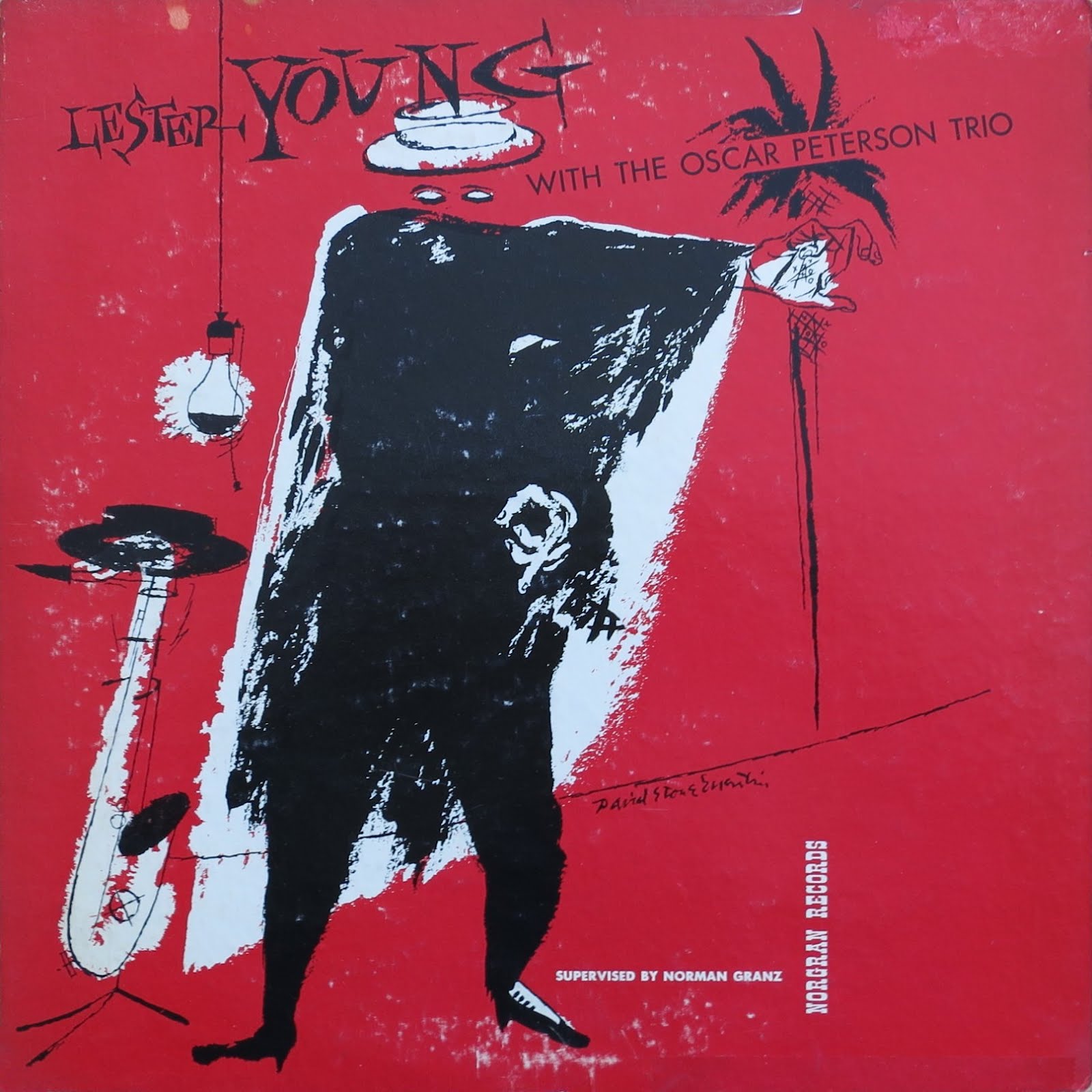
Lather Young with Oscar Peterson Trio - Just You, Just Me - 7:37 (LESTER Young with Oscar Peterson Trio - Verve)
“Just You, Just Me” is the standard of Jesse Grire, the musical of the 29th “Marianne”. Lester Young - tenor Sax; Oscar Peterson - Royal; Barney Kessel - guitar; Rei Brown is a double bass and Jay Xi Herd - drums. November 28, 1952, New York.
In the last years of his life, Young suffered from chronic alcoholism. In 1959, in February, he played in the Paris club "Blue Note". The Paris concert was the last in his life. Feeling badly, he returned to New York, where he died alone at the Alvin Hotel from the heart attack. Hawk, born five years earlier than Lester, survived him for ten years.
That's all for today, ladies and gentlemen, young ladies and young people ... The sound engineer of this release of “Jazz Time” is Alexander Arkadyev, the author and presenter - Dmitry Savitsky. You will find this program and the previous ones on our website www.svoboda.org . All you are blessings, natural and personal, Chao, Bai-Bai!