
Translated material
The culture of memories
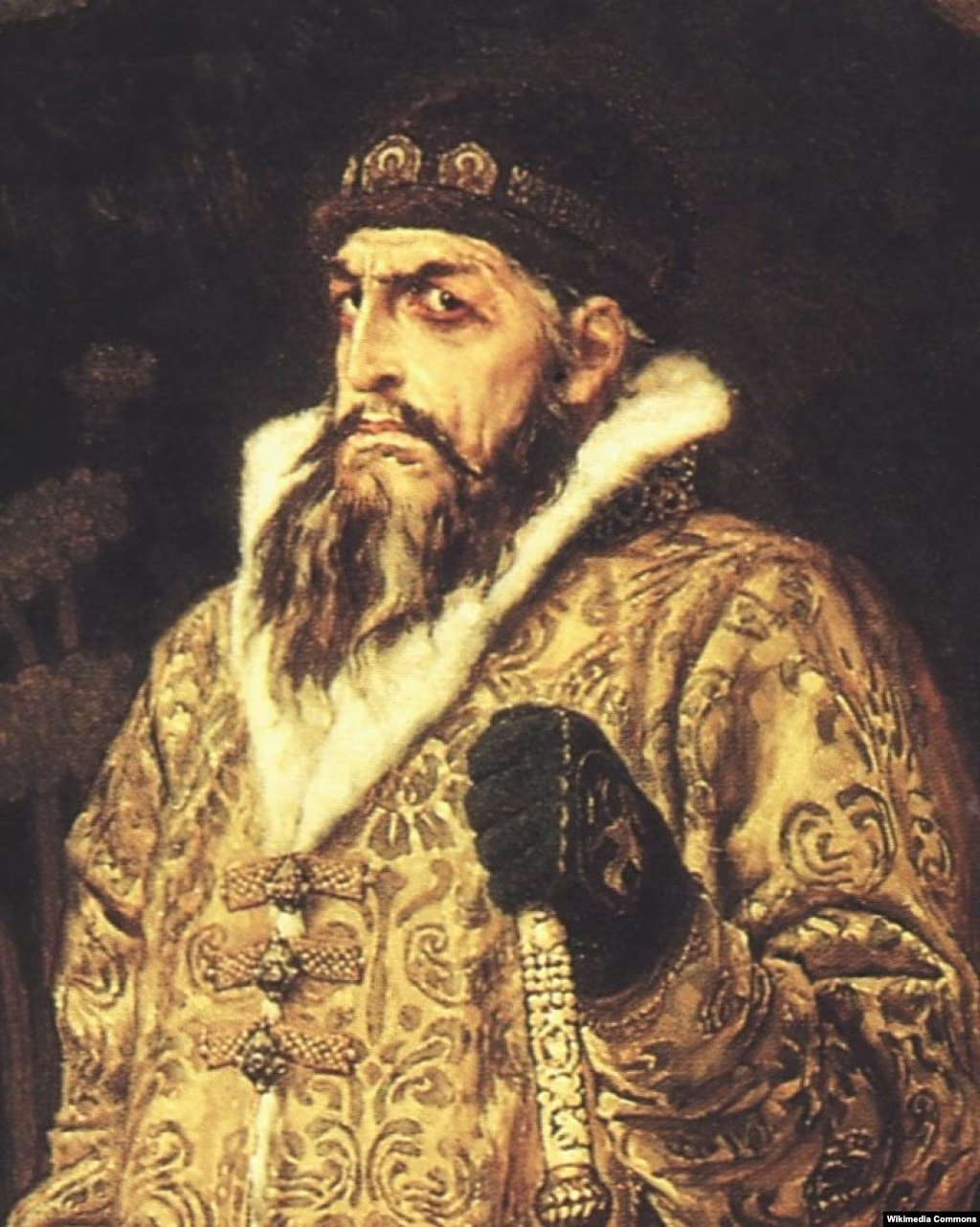
Memory of Yakov Solomonovich Lurie (1921-1996)
Archival project "Radio Liberty this week 20 years ago."
On top of the barriers. For the first time on August 24, 1996.
Ivan Tolstoy : today's release of our program we called the “Culture of Memories” and devoted the transfer of the memory of Jacob Solomonovich Lurie , the famous Leningrad, Petersburg scientist, specialist in ancient Russian literature, in Leo Tolstoy, in the Soviet prose of the 1920s. Yakov Solomonovich’s colleagues and friends will take part in our program: Petersburgers Academician Panchenko , critic Andrei Aryev , historian Yakov Gordin , West German Slavist Fari von Lilienfeld , Jerusalem literary critic Ilya Ilya Serman and one of the leaders of the Memorial society Muscovite Arseniy Roginsky . They all knew Jacob Lurie at different times and from different sides. We will try to jointly add up a portrait of a wonderful person.
Yakov Solomonovich Lurie died on March 18 this year in St. Petersburg, at the 75th year of his life.
The Lurie family in Russian science of the 20th century is one of the most worthy. Yakov Solomonovich’s father is the famous Anti-Anti-Man, Luri-Democritus, as his colleagues and students called him for the main work of life. The son of Yakov Solomonovich Lev is a historian and founder of the best classical gymnasium in today's St. Petersburg. Three directions in science were interested in a philologist, and in all three his scientific fate was dramatic. He was engaged in ancient Russian literature and was essentially our best specialist in the annals. But the KGB kicked him out of the Pushkin house. One of the most important reasons was the participation of Lurie in defense, in the famous process, Arseny of Roginsky. He studied Leo Tolstoy and the historiosophy of Russian novelists of the 20th century. But in 1978, what could you write responsibly about Aldanov, Merezhkovsky and the Bolshevik concept of our past? The third theme of Yakov Solomonovich - Soviet satirical literature - as everyone remembers well, was a zone where each stone is underwater. And Lurie printed his exceptionally valuable, rehabilitating (after the accusations of Nadezhda Mandelstam, Arkady Belinkov and Marietta Chudakova) a book about Ilf and Petrov in Paris, at La Presse Libre. The book was called "in the region of non -fried idiots" and was signed by the pseudonym Abel Adamovich Kurdyumov. In Paris, the book of Jacob Solomonovich about his father-antichist was published. At 21, young Lurie was already a candidate of philological sciences. His dissertation was dedicated to Russian -English relations of the 16th century. After the war, he taught at the Academy of Arts and at the Pedagogical Institute, but in 1949 he was fired from both places and until 1953 remained unemployed. The time of Ivan the Terrible was the favorite era of the scientist, his doctoral dissertation was called "the ideological struggle in Russian journalism of the late 15th - early 16th centuries." The literary monument, released by him, contained the correspondence of Ivan the Terrible with Prince Kurbsky. And the favorite method - criticism of sources - made itself felt in a convincing monograph, which recently appeared on sale - "Two stories of Russia of the 15th century." So the last work of Lurie, finished before the death, will talk about how Russian and Soviet historians used the readings of the annals, and what mythology has risen on this. The lucky ones are given during his lifetime. Lurie regained his recognition of a specialist in Ancient Rus'. His brilliant study “After Leo Tolstoy” was printed two years ago in his native St. Petersburg. Finally, the book about Ilf and Petrov was supplemented and specified by many recently published information. Under the old age of the years, the scientist’s life turned, as they say in such cases, 180 degrees. Or, so to speak, all the values of the era have changed signs. Or even better to take a quote from Ilf's diaries, set by Yakov Solomonovich himself as an epigraph to his book: “They praised ten years before. Now ten years will be scolded. They will scold for what they used to praise. It is difficult and tedious among non -frighty idiots. ”
Says academician Alexander Mikhailovich Panchenko.
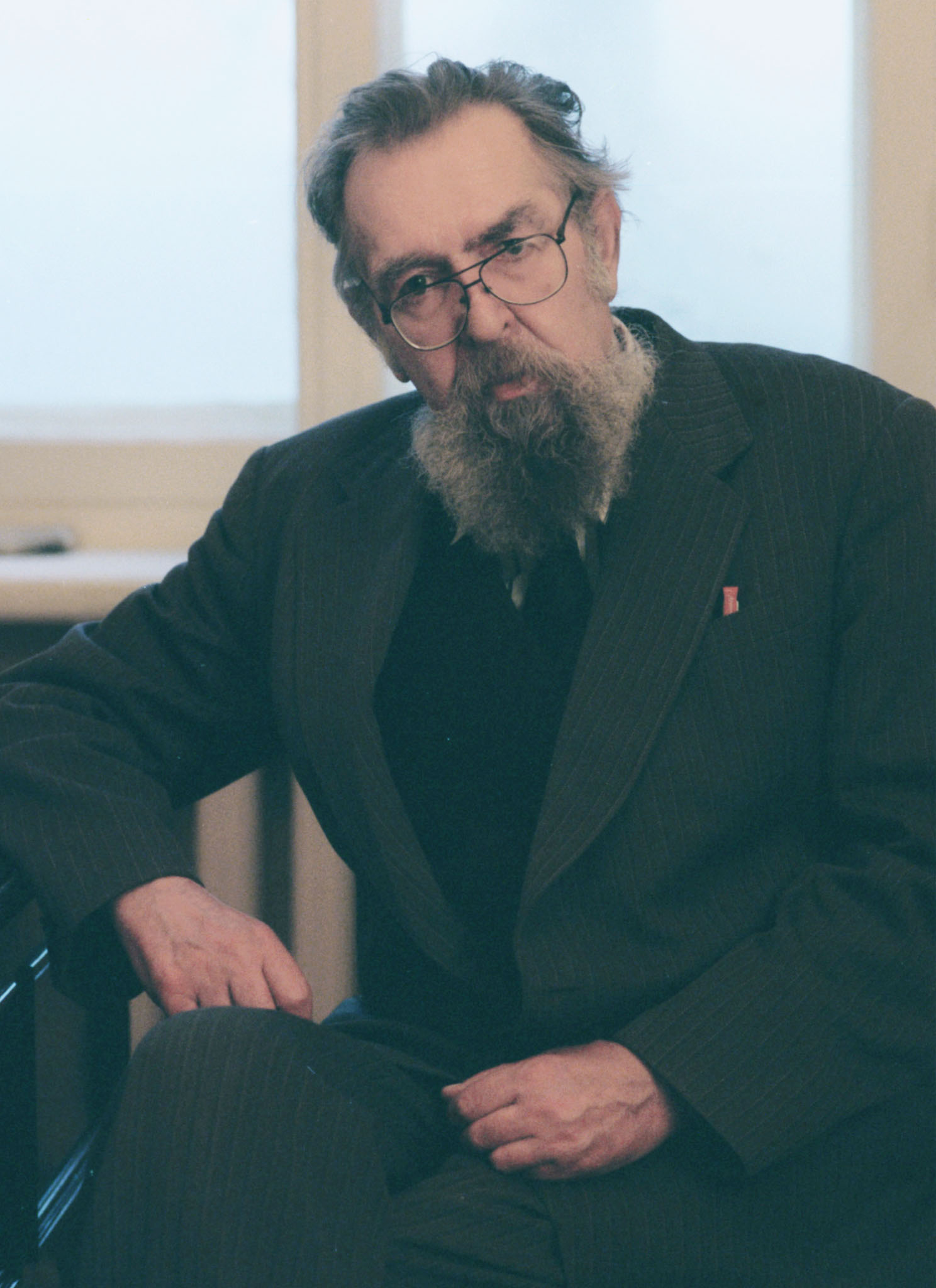
Alexander Panchenko : Yakov Solomonovich Lurie, the kingdom of heaven, I have known more than forty years since I began to walk in 1955, at the invitation of Dmitry Sergeyevich Likhachev , to the meeting of the then sector, now the Old Russian literature of the Pushkinsky house . Yakov Solomonovich worked there. He is much older than me, we have a difference of sixteen years, and I always treated him like a senior and wise comrade. It is difficult, of course, to talk about the deceased, but we must pay the last duty, the duty of his bright memory. In general, how then did people fall into this sphere of ancient Russian literature? It was a flight. It was such a niche. So it was necessary to find your niche. Honestly, it was simply impossible to engage in Soviet literature. There were some a priori established truths. Such and such an author is a great, such and such-not quite great, so-and-such-completely bad, and so on. The same thing happened in classical Russian literature. The best were revolutionary democrats. I will never forget a long argument about who Radishchev was - a noble revolutionary or a revolutionary democrat. It would seem a dispute because of the words, but this suggests that the ideal is revolutionary democrats. Then Karamzin was opposed to Radishchev, although this is an absolutely meaningless opposition. Radishchev - plus, Karamzin is a minus. But in the field of ancient Russian literature this was not. There, the truth was still valued. Of course, reservations can be done here - not always and not all truth was valued, but still appreciated. And so Yakov Solomonovich made reports, we always had meetings on Wednesdays, they were now on Wednesdays, there was some kind of living life, and he made a very vivid impression. When I now remember him, I think: why did he deal with such topics, as if side effects for Russian history? He finished the historical faculty, he was a candidate of historical sciences, and then became a doctor of philological sciences. A few sideways. First of all, heresies , let's say. There are such heresies of life -encountering - Satanists, Manichaei , their name is a legion. And there are heretics, a little thought. These are the Judaizer or Novgorod -Moscow heresy, as you want, this is a life -affirming heresy. And Yakov Solomonovich was doing this, because he was a freedom. In this sense - a heretic. He did not deny life at all, on the contrary, he terribly loved her. He was such a life -loving person, light. Not lightweight, no, light, light nature. He was cheerful, always smiled, loved to laugh, loved jokes, jokes. And this layer of our culture, our literature, of course, knew better than anyone, and his work on our early heretics remains fundamental. I loved to pick him up. We looked at different things differently. For example, he loved Ilf and Petrov very much, and I have never loved them, to tell the truth, and now I don’t like it, I consider this novel a lightweight, such an invention. And now, I remember, he somehow comes to the Pushkin house, to the service, and for a long time we already worked in the sector together, sat next to, the tables were together. There was no one. And just at that time, Kataev printed his last thing, “my diamond crown”, with his inherent brilliance and skill, and, to put it mildly, with insufficient conscience. And for some reason I thought that Yakov Solomonovich Kataev loves. I say that, they say, Yakov Solomonovich, Kataev is such a bad person (I have said, of course, he said), and suddenly he said to me: “Yes, you still don’t know what a bad person he is!” And he takes it out of the portfolio (this is not adjusted, it just got into my head, and he, apparently, has just some kind of his affairs) Kataev’s brochure, published in the pre-revolutionary “light” as an application. And the application was in the format and in volume similar to the application to our Soviet “light”, only ours were red, and these were blue. This is the pre -revolutionary story of Kataev about St. Petersburg literature. There, one of the St. Petersburg Jewish bankers comes to Averchenko , offers him money to praise the Jews, this jargon (Kataev was from Odessa, Jargon to know), and on the back page of the cover “Petersburg literature” - a round table, all Jews are sitting, and even there is a not quite decent picture - there is some kind of Jewish a child, and that, and that, and that, and that, and that, and the same, and that, and that, and that, and that, and that, and the same. Pisses. I was completely shocked and did not know what to say. And then I realized why Kataeva Bunin scolded so much. The talent, which Kataev, of course, had .... I knew him according to the “son of the regiment” and most of all, of course, by the novel “Lonely Sail”, where he is against the pogroms, there is one of the main characters-a Jew, a noble man ... And Kataev was a typical shift, and Yakov Solomonovich knew this well. So, Yakov Solomonovich has never been any shifting! I advise you to just read his work. Of course, this is more for specialists, although there are such popular works, and you will see that it honestly served science in the most difficult times. Not without misconceptions, not at all. He somehow combined faith and disbelief in the theory of progress. On the one hand, he was a progressive, of course, with a strong taste of Marxism, and, at the same time, he always believed that in past centuries, we are no more difficult for us to find like -minded people, and maybe even much easier than this time. But this, as Academician Alexander Nikolaevich Veselovsky said, the present is a huge number of points, and the past is lines that we can somehow collect, decorate, it is already clear to us what is happening from. Indeed, there were free -thoughts - Yang Gus, and Giordano Bruno, and Campanella. But, thank God, Yakov Solomonovich did not have to share their sad fate. Once we once talked with him, and he told me the phrase, then extremely amazing me. “The difference between us is that you are here is the owner (in St. Petersburg, in Russia) and I am a guest. We are guests. " I said something politely that how is it, you are the same master, this is my sincere belief, you are the same master as I am. Moreover, his famous father was our St. Petersburg anti -person, who graduated from the same university as his son, and then their grandson, now a very successful lion Lurie, who has been striking in our culture very successfully and very dignity. But it was such a babble, I could not figure out in any way, and I thought a lot about it. And now, when I found out about his death ... Unfortunately, I was away when all this happened, I could not bury him. I'm starting to understand something. After all, we had only four ancient departments in the Soviet Union. This is Leningrad, Moscow, Vilnius and Lviv. But after all, his father, the author of remarkable works about Democritus , first of all, and many others, nevertheless expelled from the university. Thank God that they were not kicked out in prison, but in Lviv. But still. A very, very middle -aged man had to go to a distant journey in order to continue his honest scientific work there. Indeed, they acted as a guest, and with an unwanted guest. But I think that after all, Yakov Solomonovich was wrong. And when I was now recalling this, I was thinking of finding some parallels in the "Scripture", because it said: "We are all guests here, all the aliens." And he is a guest, and I am a guest, and the masters, real owners, we only become when we leave this world to the best world. Now he is, dear Yakov Solomonovich, the kingdom of heaven, let him be in the bosom of Abraham, now he has become a real master.
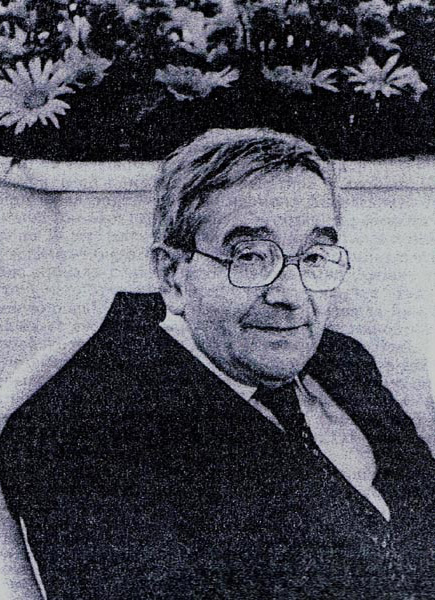
Ivan Tolstoy : The next participant in our program is the West German Slavist Fari von Lilienfeld.
Fary von Lilienfeld : I saw how Yakov Solomonovich defended a pure, honest science, when, for example, the idea was distributed in St. Petersburg historical circles that it was their prerogative to study everything, and if Muscovites take up such topics, they do not have the right to intervene. Yakov Solomonovich defended the law of Moscow researchers - the manuscripts and autographs of St. Nile Sorsky were found there, and there was a discussion who opened them, and who had the right to publish them. He stood very fairly for science all the time. When Jane Khind arrived in St. Petersburg, who wrote her doctoral about the Judaizers of Novgorod, she had very accurate observations of manuscripts, but in England almost all prominent historians, and historians from Russian emigration, were against her opinion on the role of Archbishop of Gennady Novgorod and Joseph Volokolamsk in all this matter. And then Yakov Solomonovich tried to give her the opportunity to work and supported her, although he did not agree with all her theses. It is very pronounced in it that although you are a big specialist in your special field, you did not narrow only on it. This idea of honesty in science was very pronounced in it. And at the same time he was not a fighter, but always kind. Very humane, agnostic, but full of love for young people who begin work. For me, he was always a bright representative of the Russian intelligentsia, and for me, Yakov Solomonovich was a very bright representative of this special secret order.
Ivan Tolstoy : I called Jacob Solomonovich to Jerusalem, professor of Russian literature Ilya Zakharovich Meman.
Ilya Merman : We met him at the very beginning of the 60s. So for more than 30 years.
Ivan Tolstoy : Is that Pushkinodom’s acquaintance?
Ilya Merman : Yes, we were hired there for about one years, when it became possible in the Soviet Union to accept people of Jewish nationality, but in different sectors. He was with Likhachev, I was in the sector of new literature.
Ivan Tolstoy : What happened on your altar of common friendship?
Ilya Merman : We understood each other, found that we have common interests. In particular, our common interests at that time were Bulgakov, Ilf and Petrov, and we wrote with him the first, after 30-year silence about Bulgakov in Soviet criticism, an article. It was called "from the" White Guard "to the" Days of "Turbins". She broke the ice with which Bulgakov was surrounded, and since then they began to write about him and others.
Ivan Tolstoy : What features of Yakov Solomonovich could you distinguish as the most characteristic, bright?
Ilya Merman : It seems to me that this is primarily the independence of his thoughts, the unwillingness to go to any compromises, the unwillingness to give in to any fashion, political or scientific, faith in his own scientific principles, in the circle of democratic ideas that he was guided by his whole life.
Ivan Tolstoy : And after your emigration, did you have some kind of correspondence?
Ilya Merman : We had a correspondence, and we met abroad. Then he and his wife came to us in Israel, we saw them in America, in Paris. In general, they met when trips abroad were possible for them. And they did not correspond very often, while it was difficult.
Ivan Tolstoy : What is your opinion about the book of Yakov Solomonovich, signed by the pseudonym Kurdyumov and dedicated to Ilf and Petrov?
Ilya Merman : I think this is still the best book about these writers, although Yakov Solomonovich himself believed that the book is mainly devoted to the place of Ilf and Petrov in social thought. But, in my opinion, this is a real historical and literary work, where the analysis of the work of these writers is given, for the first time a very interesting analysis of their feuilletons, which, as a rule, wrote less, although readers have always admired them. I think that this is still both the best and classical work about Ilf and Petrov - nothing better has appeared since.
Ivan Tolstoy : Ilya Zakharovich, and the name of Yakov Solomonovich is known outside of Russia?
Ilya Merman : He is known, mainly, as the author of very numerous, interesting, original and independent studies and sketches in medieval Russian literature. In this sense, he enjoyed very great authorities in world science.
Ivan Tolstoy : is this his last book “After Leo Tolstoy”, which he was able to finish thanks to American grants, is this book known for the Slavists abroad?
Ilya Merman : It is not clear to me yet. But here I wanted to make some adjustments. This is not the last book. The last book is “two concepts of Russian history”, dedicated to the analysis of the annals of the 15-16 centuries. This is the penultimate work. As for how much this book is known, I do not know. In the Parisian “Russian thought” there was a review, very positive, I just don’t know about others.
Ivan Tolstoy : Can you ask you to recall some episode of a scientific or friendly life about Jacques Solomonovich?
Ilya Merman : It’s hard for me to remember anything now. I only know that Yakov Solomonovich was an unusually fundamental person in science and in life, and therefore he always, at every given moment, had such an object of his critical, satirical, humorous statements. In particular, he was extremely disapproving with the scientific theories of Lev Nikolayevich Gumilyov and constantly talked about this.
Ivan Tolstoy : Our next participant is the St. Petersburg historian Yakov Gordin , just like Lurie, who wrote a book about Leo Tolstoy. This will be discussed.
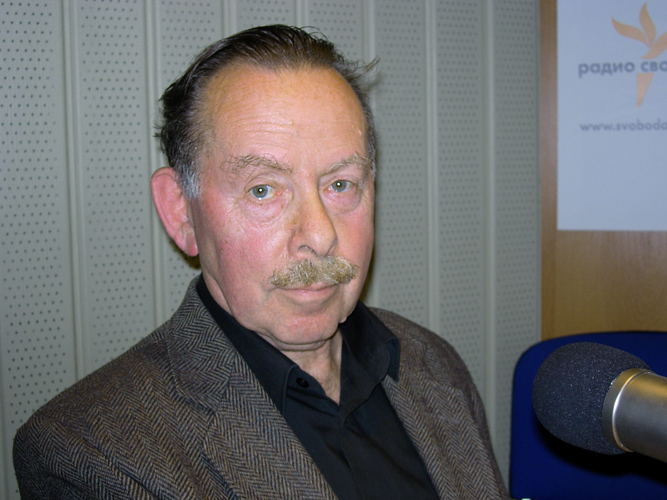
Yakov Gordin : This is an amazing book, it is called “After Leo Tolstoy”, which is very significant, although it is constantly analyzing the worldview of Tolstoy. But for Yakov Solomonovich, I think, as in all his classes, the much more general meaning of what he did than direct studies was important. Хотя, очевидно, он отнесся бы скептически к этому утверждению, потому что я помню, что во время нашего разговора был упомянут один историк, и Яков Соломонович так саркастически сказал о нем: «Ну, это – проблемщик». Для самого Якова Соломоновича проблемы в тот период, когда он занимался Толстым, были, конечно, не менее важны, чем непосредственное фактологическое и прочее изучение. Эту книгу я бы выпустил большим тиражом и предложил бы ее в университеты, в ВУЗы, как учебник историософии и политологии. Дело в том, что Толстой как один из наиболее грандиозных мыслителей, в том числе и общественных, и историософских мыслителей в русской истории, охватил необыкновенное количество проблем. У него был не только сильный ум, но и мощная интуиция, что давало ему возможность многие вещи в истории понять и почувствовать точнее, чем историки-профессионалы. Кстати, Яков Соломонович в книге сетует на то, что сами историки недостаточно занимались Толстым – им чаще занимались литературоведы, историки литературы. Это совершенно не правильно, потому что изучение Толстого для историка - очень серьезная школа. И главное, что хочется сказать в итоге, что неизбежно становится выводом из чтения этой книги, очень много говорящей и о Толстом, и о ее авторе, это то, что я уже сказал – полная честность перед лицом проблем любой сложности, любого масштаба и любой трагедийности.
Иван Толстой : Мало кто знал Якова Соломоновича с той стороны, о которой может рассказать историк-архивист, один из руководителей общества «Мемориал» Арсений Рогинский .
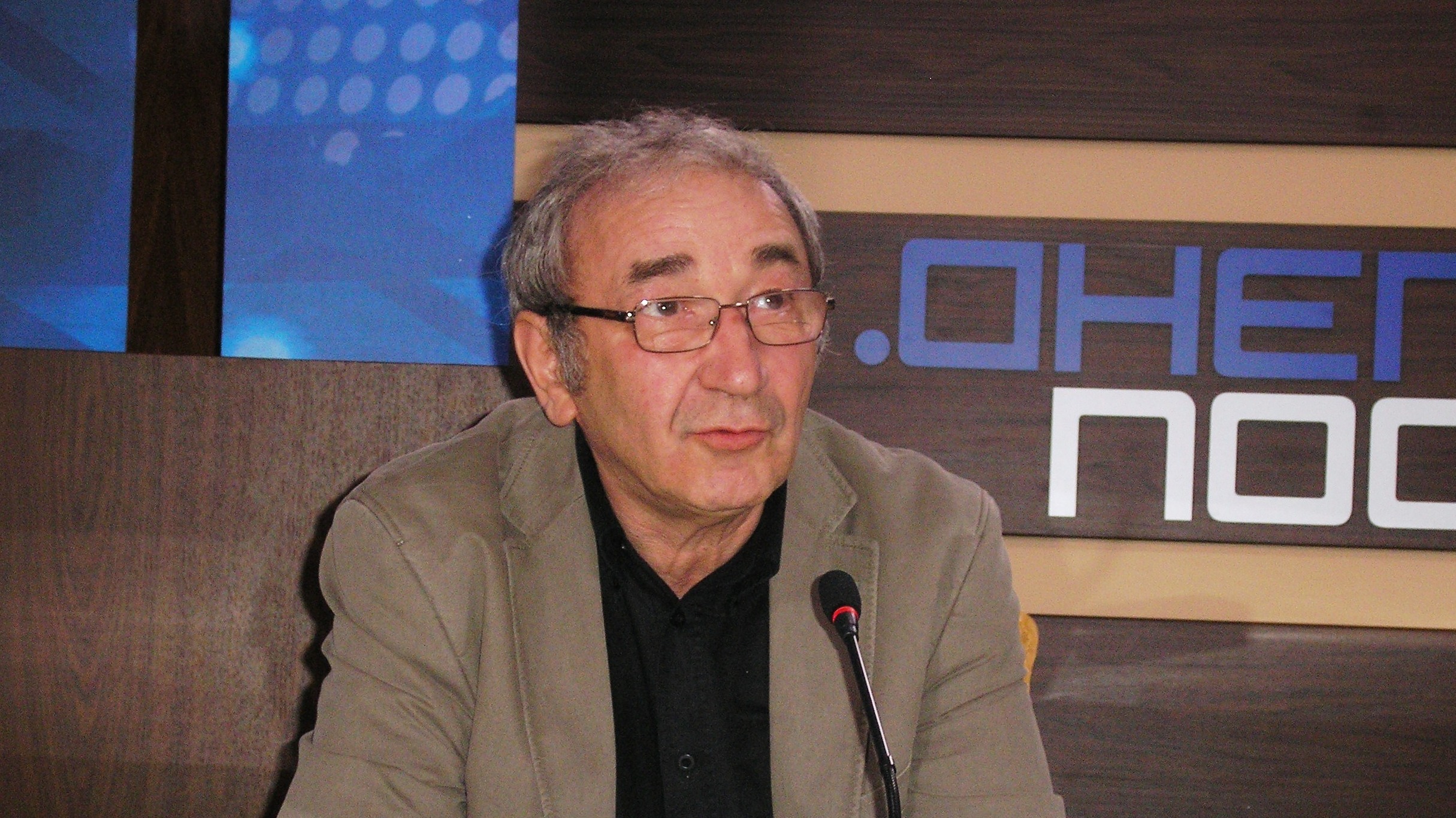
Арсений Рогинский : С Яковом Соломоновичем я познакомился в начале 70-х, и в дом меня привел его сын Лев. Но я не знаю, откуда и когда возникло сближение и доверие. Мне кажется, это относится к чуть более позднему периоду, когда мы, такая группа моих ровесников-ленинградцев, начали готовить материалы для исторического сборника «Память», в который мы собирали личные воспоминания бывших заключенных или какие-то документы о репрессиях. Комментировали, потом это пускалось в самиздат и реопубликовывалось на Западе. И вот тогда начались, мне кажется, по-настоящему серьезные отношения с Яковом Соломоновичем, хотя серьезные разговоры были и до этого. Я ему просто рассказал что мы делаем, он как-то просто и буднично это принял и просто стал сразу консультантом, советчиком нашим. У него была прекрасная память и какое-то особенное чувство долга. Вот то, что мало в ком есть, чувство долга по отношению к разным пострадавшим людям - и почему-то их имена он помнил, и их судьбы. И он с охотой это рассказывал. Хотя рассказывать не была его стихия – он больше любил спрашивать и слушать. Но тут он понимал, для чего он это делает, и очень следил, чтобы я все это внимательно записывал. Тут многое прояснялось о нем и в его рассказах. Один из нас, покойный уже Феликс Перченок, собирал материалы об Академии наук – о том, как в 1929 году осовечивали Академию наук. Как старые академики сначала сопротивлялись проникновению коммунистов в Академию, а потом сдались. И, конечно, бездну материалов для работ Феликса поставлял ему именно Яков Соломонович – он не ленился прочитывать какие-то газеты, кого-то сам расспрашивал и потом рассказывал. Помню, был какой-то рассказ, который вклинился. Он в 1929 году, когда надо было избирать этих коммунистов, старые академики собирались и решали что делать, и Крылов, судостроитель, знаменитый старик, предложил принять «резолюцию Савельича». Это в «Капитанской дочке» : «Плюнь и поцелуй злодею ручку». Вот с этого «плюнь и поцелуй злодею ручку» моральное падение Академии и началось. И Яков Соломонович несколько раз возвращался к этому рассказу. Потом этот сюжет Феликс, конечно, в свою статью об Академии наук включил, он пошел гулять, и было ясно, что этот сюжет как-то преследует Якова Соломоновича, потому что, наверное, в жизни его было бесконечное количество соблазнов «плюнуть и поцеловать злодею ручку». Причем не по политическим поводам, об этом и речи быть не могло, а по поводам академическим. Вспомним его довольно твердую позицию в деле Зимина , который отстаивал, что «Слово о полку Игореве» написано в 18 веке. Ясно было, что дело не в том, что Зимин прав или не прав, а в том, что Зимин имеет право отстаивать свою позицию, что и доказывал бесконечно Яков Соломонович. А «плюнуть и поцеловать злодею ручку» и помириться с высокопоставленными господами академиками, которые говорили: «А кто же здесь такой не патриот, и наше «Слово» из 12 века куда-то дальше переносит?» – для него этой проблемы не было, плюнуть или нет. Никогда не плюнуть! Удивительным образом, несмотря на мелкие неприятности, судьба его крупными неприятностями обошла. Он никогда не был членом партии, а не так-то просто было в нашей стране стать доктором наук в 1940-50-е годы. А Яков Соломонович вдруг, еврей, профессор, да еще и беспартийный. Выгнали меня в 1979 году из школы. Провели обыск. На обыске были найдены какие-то книжки - Мандельштам, Бердяев. И выгнали из школы за хранение антисоветской литературы с официальной формулировкой «за поведение, недостойное звания советского учителя». Я должен был куда-то устроиться. И сначала меня Наталья Григорьевна Долинина взяла к себе секретарем. Но она тут же умерла. И дальше возник вопрос, куда устраиваться. И Яков Соломонович сказал: «Я же - доктор наук. Кажется, докторам наук тоже можно иметь секретарей». И, действительно, выяснилось, что можно, он взял меня к себе секретарем. И было ясно, что и я,и вся компания наша находится под довольно плотным наблюдением, но для него это не было никакой моральной проблемой. Смешно сложилось в конце. Когда меня арестовали в 1981 году, на допросе возник вопрос: работаю я или нет. Я говорю, что я не работаю уже несколько месяцев. «Да, я у Лурье работал, но уже несколько месяцев не работаю». А Лурье явился на суд, потому что он, может, и справедливо, считал, что когда человек не работает, ему больше дадут. Но он все время доказывал: «Как не работает? Works!". «А что вы о нем можете сказать?». «Он очень эффективно работает! Трудолюбивый человек!». Так как всегда и во всем делал. Абсолютно прямодушно, прозаично (он был очень прозаичный человек) и абсолютно честно, до бесконечности. И как-то с этой честностью нечего было делать. Поэтому, конечно, они его выгнали из Пушкинского дома. И мое дело тут сыграло решающую роль, и то, что он выступил в поддержку Ильи Захаровича Сермана, которого они тоже выперли. Они должны были от него освободиться, потому что как-то неловко было иметь рядом такого очень простого, очень прозаичного, абсолютно честного человека. Вообще он был «противленец». У него были всегда оригинальные, я бы сказал, историософские, скорее, концепции. Я боюсь здесь употреблять слово «политические», потому что как он понимал сегодняшний день и как он понимал историю? Он говорил о себе, что он – социал-демократ. Я всегда не очень понимал, что это значит в его устах, пытался доискаться из обсуждений с нами диссидентского движения и современного, и его проблем, и вообще разных современных сюжетов. Я понял, что идея была простая. Историю вершит не кучка интеллигенции, а народ. Существует рабочее движение и существуют взаимоотношения рабочих с государством. Он этим бесконечно интересовался. И зимой 1980-81 года, в последнюю зиму перед арестом, в Ленинград приезжал Анатолий Марченко с женой Ларисой Иосифовной Богораз и с сыном Пашкой, мы с ними гуляли по городу, по Петропавловской крепости, а потом зашли к Якову Соломоновичу, который очень хотел увидеть Марченко, потому что Марченко - человек из другого мира, пришедший в сопротивление не из этого узкого интеллигентского мира. Вот это была его надежда, и я помню, как он мне потом с гордостью говорил в 1989 о первых забастовках рабочих: «Вот, вы видите?».
Иван Толстой : Последний участник нашей программы - петербургский критик Андрей Арьев - подведет сказанному итоги.
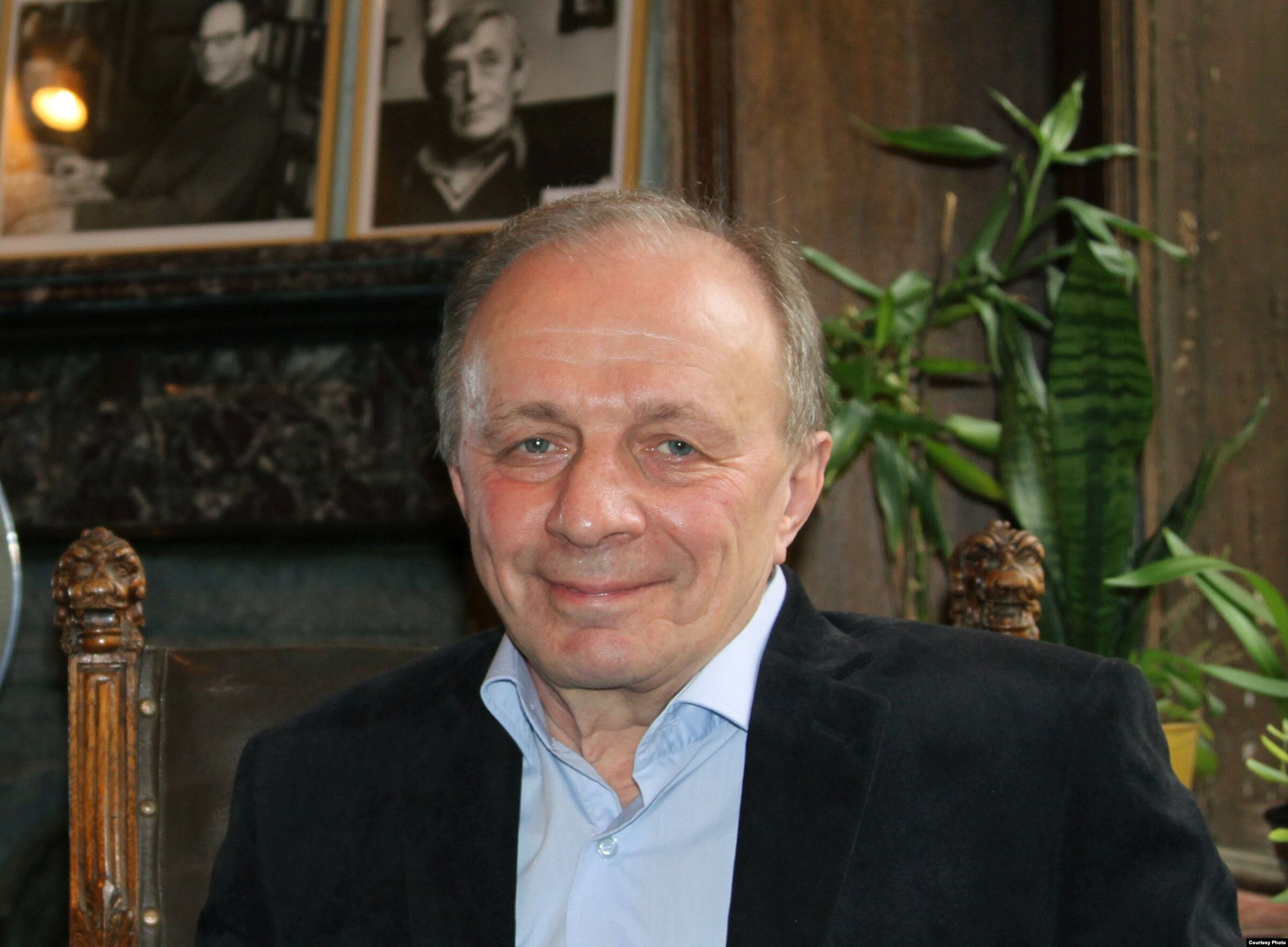
Андрей Арьев : Одну из своих последних книг, «После Льва Толстого», Яков Соломонович Лурье начал фразой меня как-то тронувшей, и потом меня сопровождавшей. Он вспомнил Чехова, который сказал: «Вот умрет Толстой, и все пойдет прахом». Вот последние месяцы я как-то все время думал, что не дай бог умрет Яков Соломонович Лурье, и все в нашей историко-филологической науке пойдет прахом. Нет, конечно, сама наука прахом не пойдет, достойные, замечательные представители этой науки были и есть, но вот всегда с именем Якова Соломоновича Лурье для меня связана была какая-то особенная чистота этой науки – его присутствие всегда разгоняло какие-то туманы, модные поветрия в этой науке. И он всегда был абсолютно, кристально ясен, о каких бы самых сложных материях он не говорил. Если он говорил о древних летописях, а он был крупнейшим специалистом по русскому летописанию, то он мог отличить совершенно нам сейчас непонятные, неуловимые идеологические оттенки самих летописей. Если он говорил об очень актуальном для всех нас, русских, на протяжении нескольких веков споре между нестяжателями и иосифлянами , то он мог найти общий корень этого спора. И все это было связано с тем, что он превыше всего ставил обычный человеческий разум. То есть он сохранял представления о том, что человеческий мозг на самом деле не изменяется, это была для него какая-то аксиома, и доказать противное очень трудно и невозможно, если иметь в виду исторически обозримый период нашего существования. И вот это представление давало ему возможность абсолютно ясно рассеять все эти туманы и небылицы, все то, чем обволакивается наша история. Он был категорически против того, что существует какая-то особенная древнерусская ментальность. Именно поэтому ему удавалось в древнерусской летописи открыть очень понятную нам и понятную современникам обыкновенную идеологическую борьбу, которая и сейчас обволакивает нашу жизнь. И в этом отношении он был, по-моему, одним из самых дерзких русских ученых современных. Недаром его ближайшие друзья-ученые тоже были одними из самых умных и дерзких деятелей отечественной культуры. Я в первую очередь имею в виду таких замечательных людей, как прозаик Юрий Домбровский или историк Александр Зимин. Для Якова Соломоновича Лурье эта его дерзость и смелость никогда не связана была с созданием какой-нибудь суперновой и суперинтересной, завлекающей других концепции. Он не создавал никаких школ, которые помогли бы ему выстоять. Он всегда работал в одиночку. И вот это его принципиально одинокое противостояние различным поветриям времени дало, по-моему, блестящие результаты, потому что то, что написал Яков Соломонович Лурье в первую очередь абсолютно ясно от первой и до последней строчки. О каких бы сложных материях ни писал, он не написал ни одного непонятного слова. Для меня такие люди как Яков Соломонович Лурье - это люди, о которых трудно подобрать какие-то общие характеристики, то есть очень трудно его зачислить в какую-то группу людей. Да я и сам не сторонник того, чтобы кого бы то ни было к каким-то группам относили. Но все-таки какой-то жизненный опыт, так или иначе, заставляет человека свои наблюдения в жизни обобщить. И вот то, что меня заставляет достаточно спокойно и оптимистично смотреть на ту жизнь, которую я прожил, воплощается в двух группах людей. Это деревенские старухи и старая питерская интеллигенция. Вот таким замечательным представителем старой питерской интеллигенции, одним из ярчайших его представителей для меня был и остается Яков Соломонович Лурье.