
Translated material
Flight
Text: Sergey Strolev 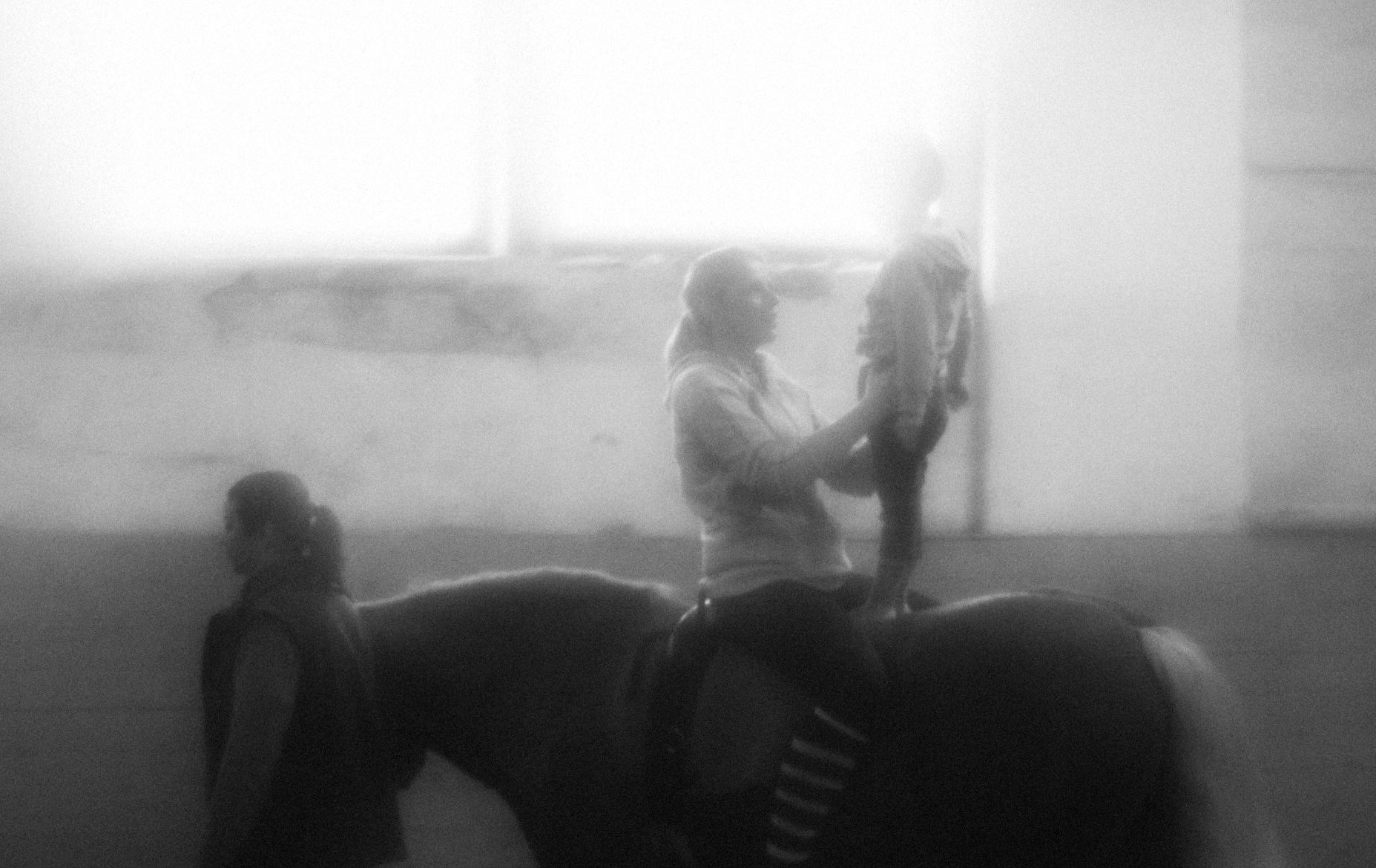 Photo: Sergey Stroyelev
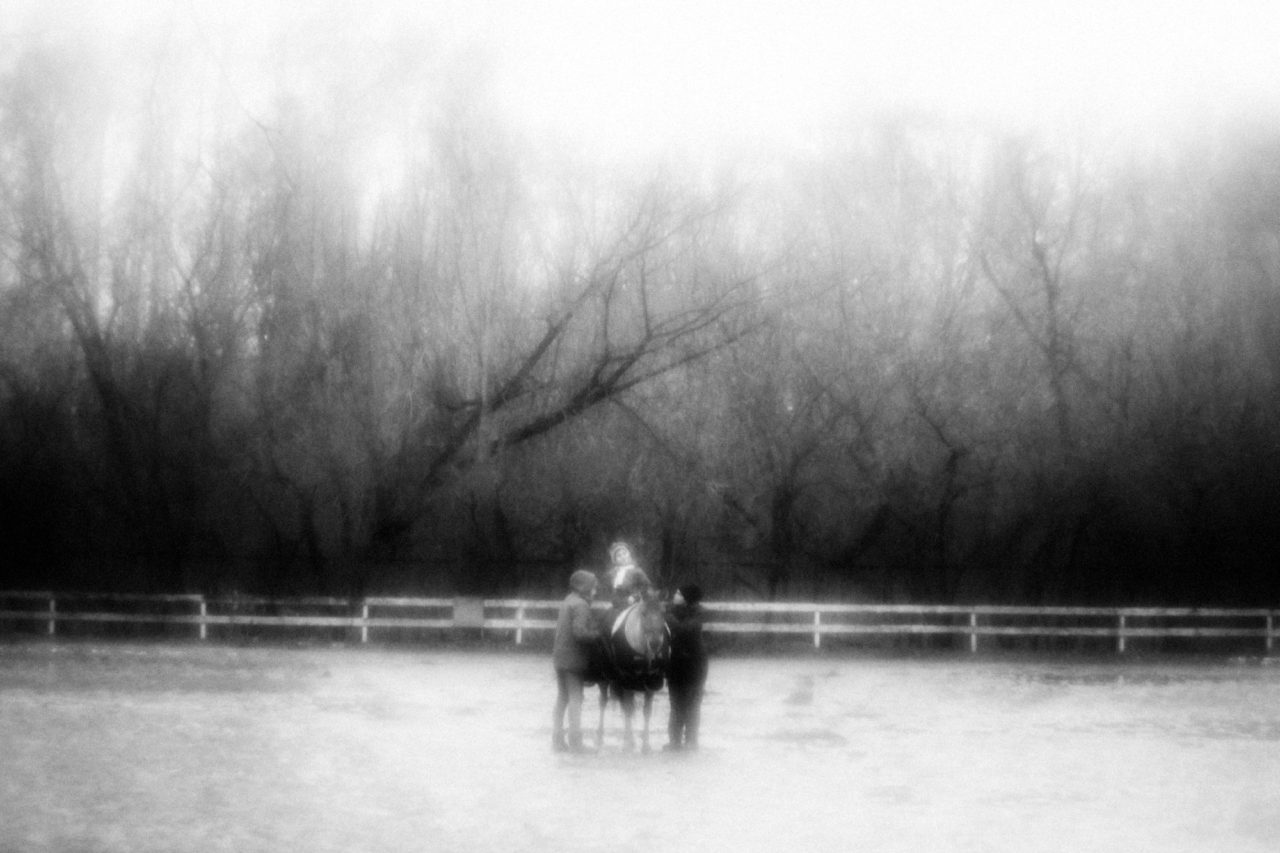
 The child first touches the horse before the hippotherapy session photo: Sergey Stroyelev
 Patients are children with severe neurological diseases, such as cerebral palsy and epilepsy.
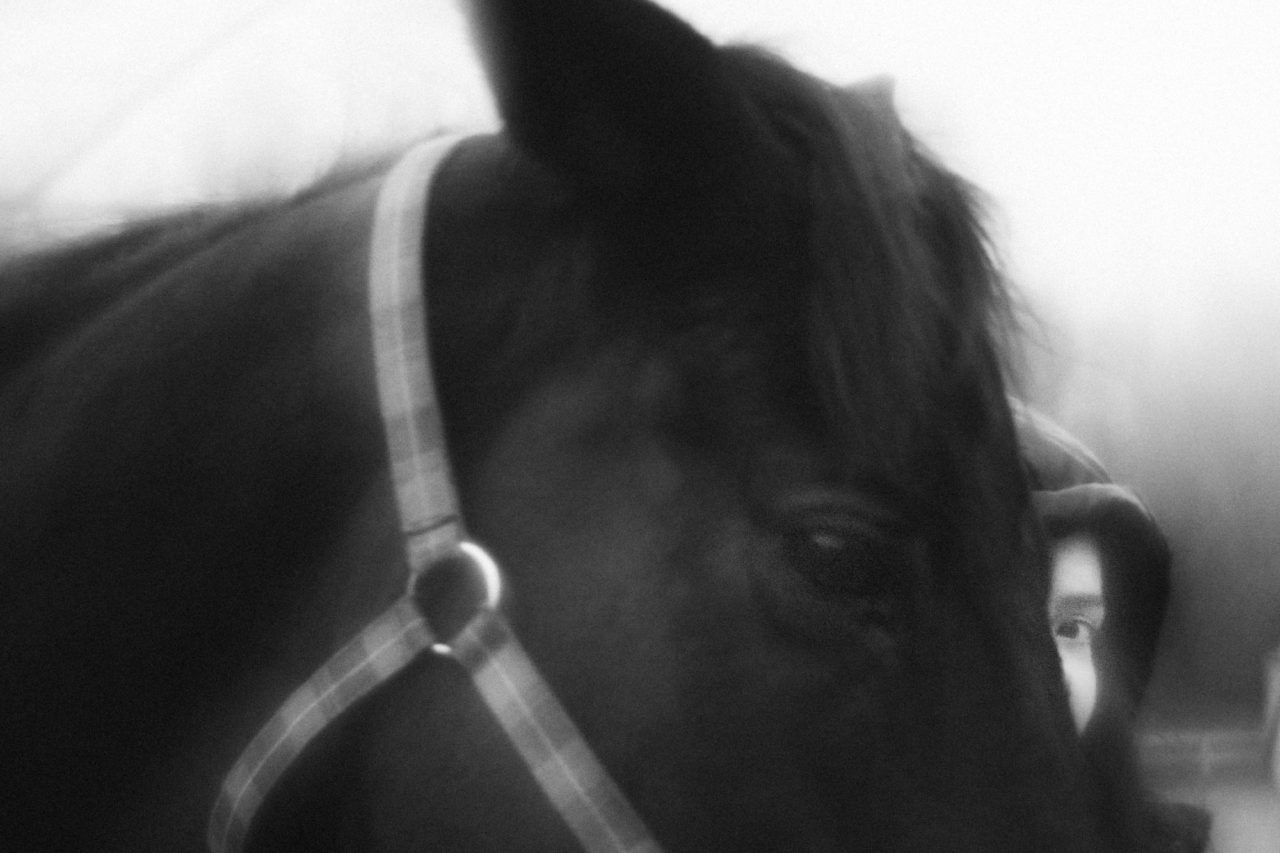
Hippotherapy is also recommended for children with autism photos: Sergey Strolev When the hippotherapists see that the child is not afraid, they give him carrots to feed the horse.
Marta, with a severe form of cerebral palsy, feeds Augustus photo: Sergey Stroyelev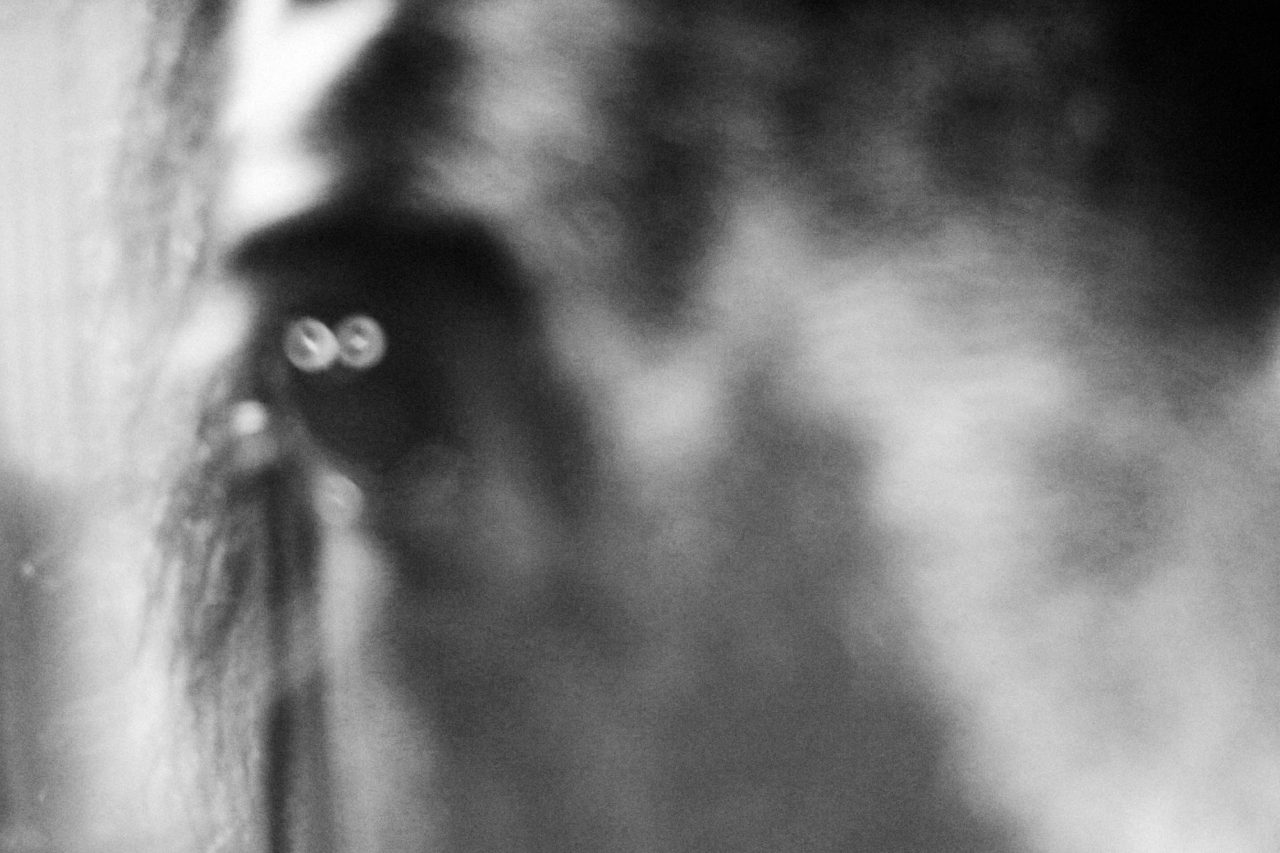 A horse is one of the species of animals, which, according to hippotherapists, feels a person very well and his physiology photo: Sergey Stroyelev
 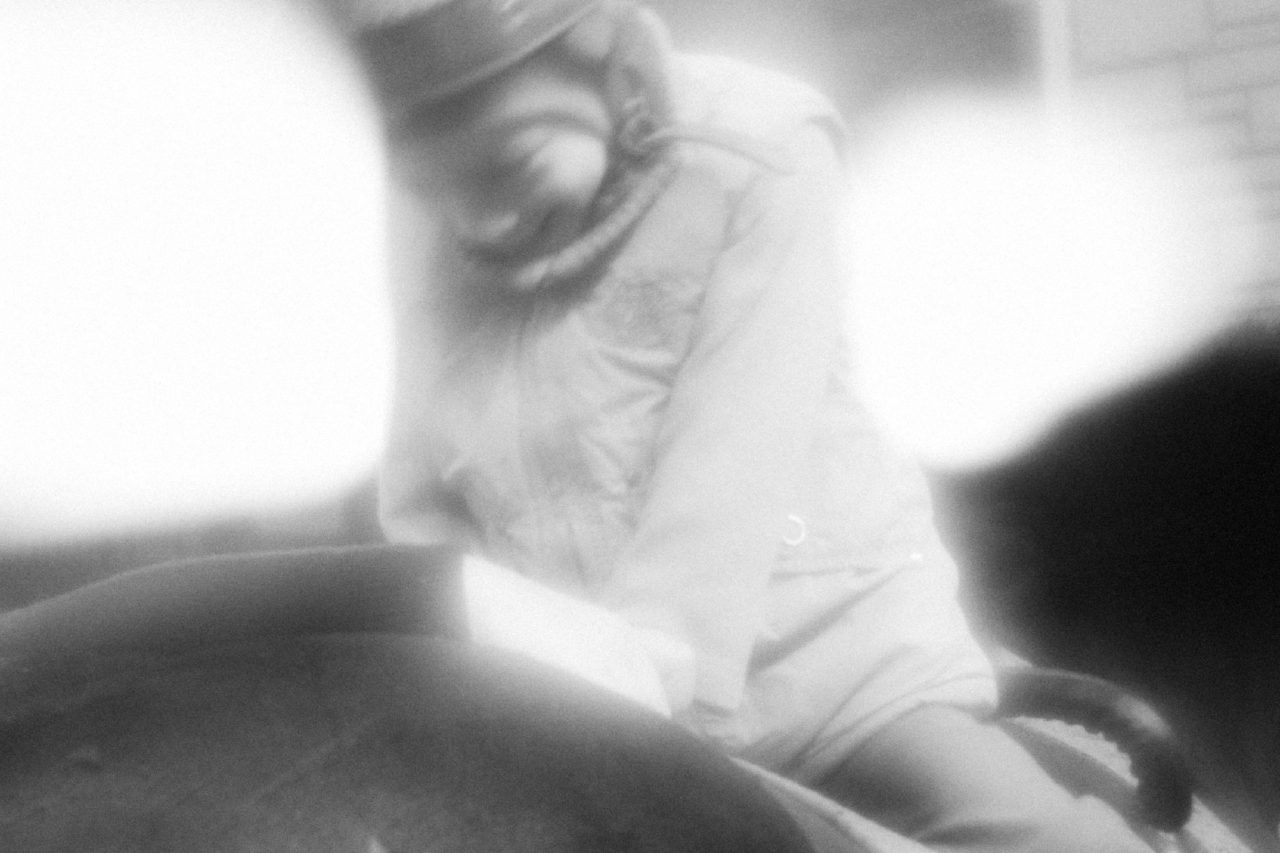 Marta, with a severe form of cerebral palsy, during a session of hippotherapy. The therapist slows the hands of Martha against the warm body of a horse, the temperature of which is higher than that of the human body. Marta smiles. This is practically no out of the saddle, according to her mother photo: Sergey Stroyelev
 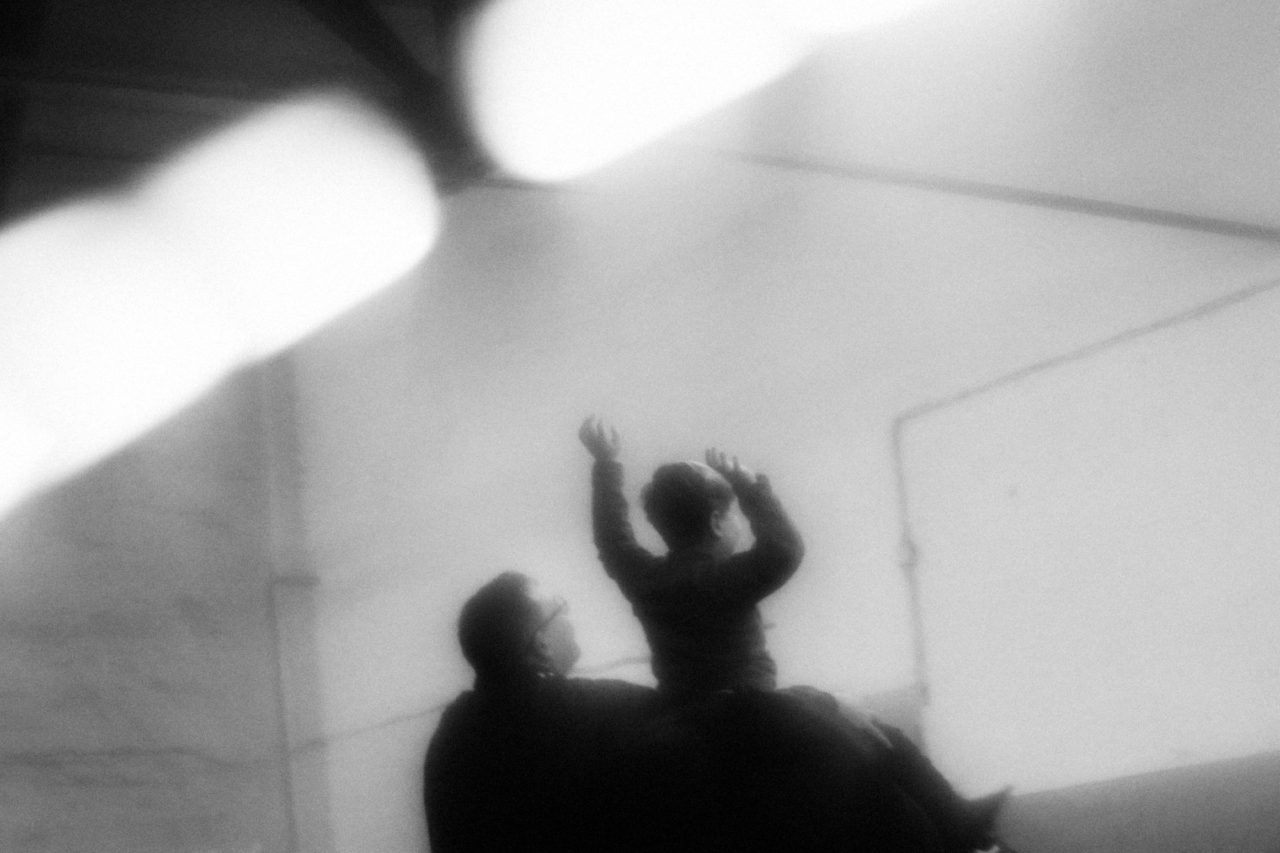 Hippotherapists of a man are a rather rare phenomenon. Mostly men work with boys aged eight to 14 years. Pasha with heavy shape
Epilepsy performs simple exercises in the saddle, and Dmitry Mikhailovich supports him with a photo: Sergey Stroyelev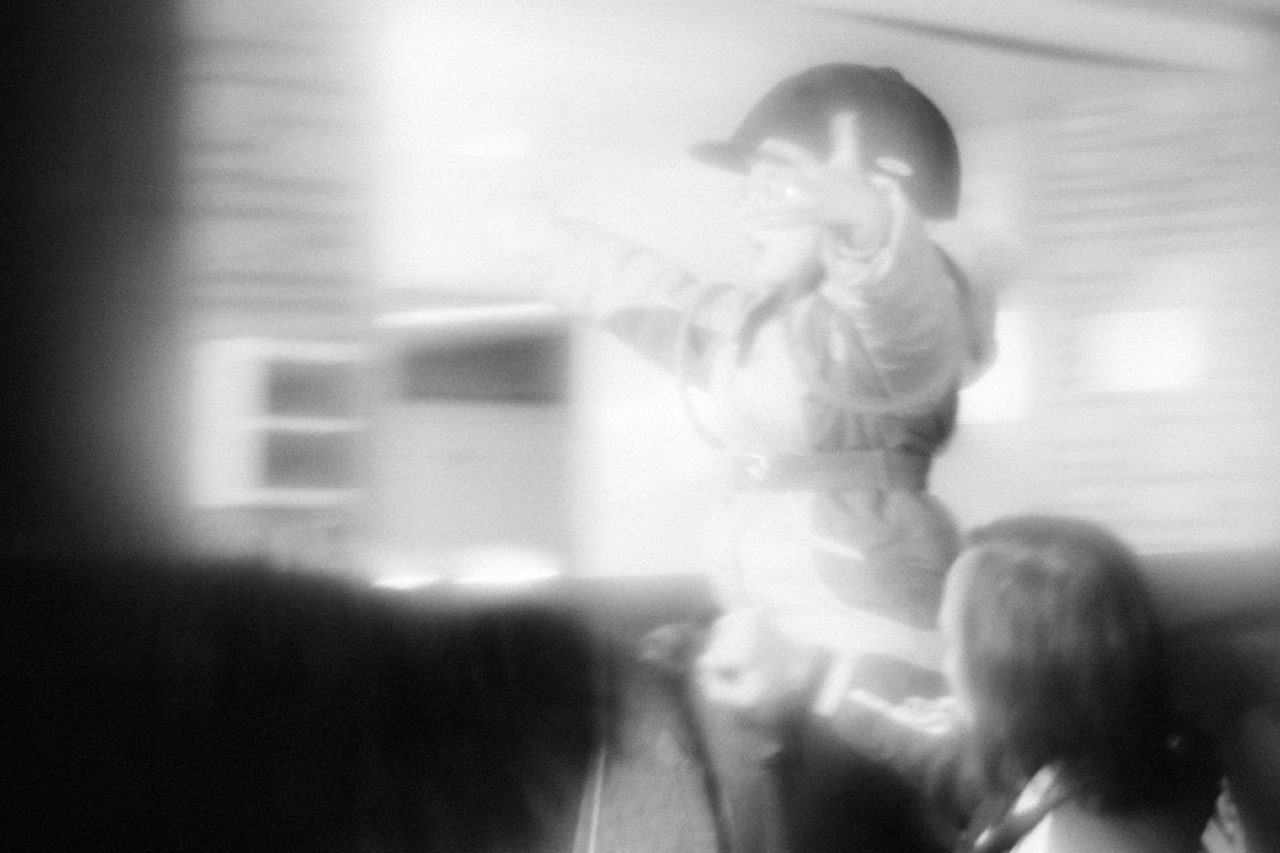 A child with a diagnosis when moving in a saddle experiences sensations and emotions that it is not able to experience with independent movement, therefore
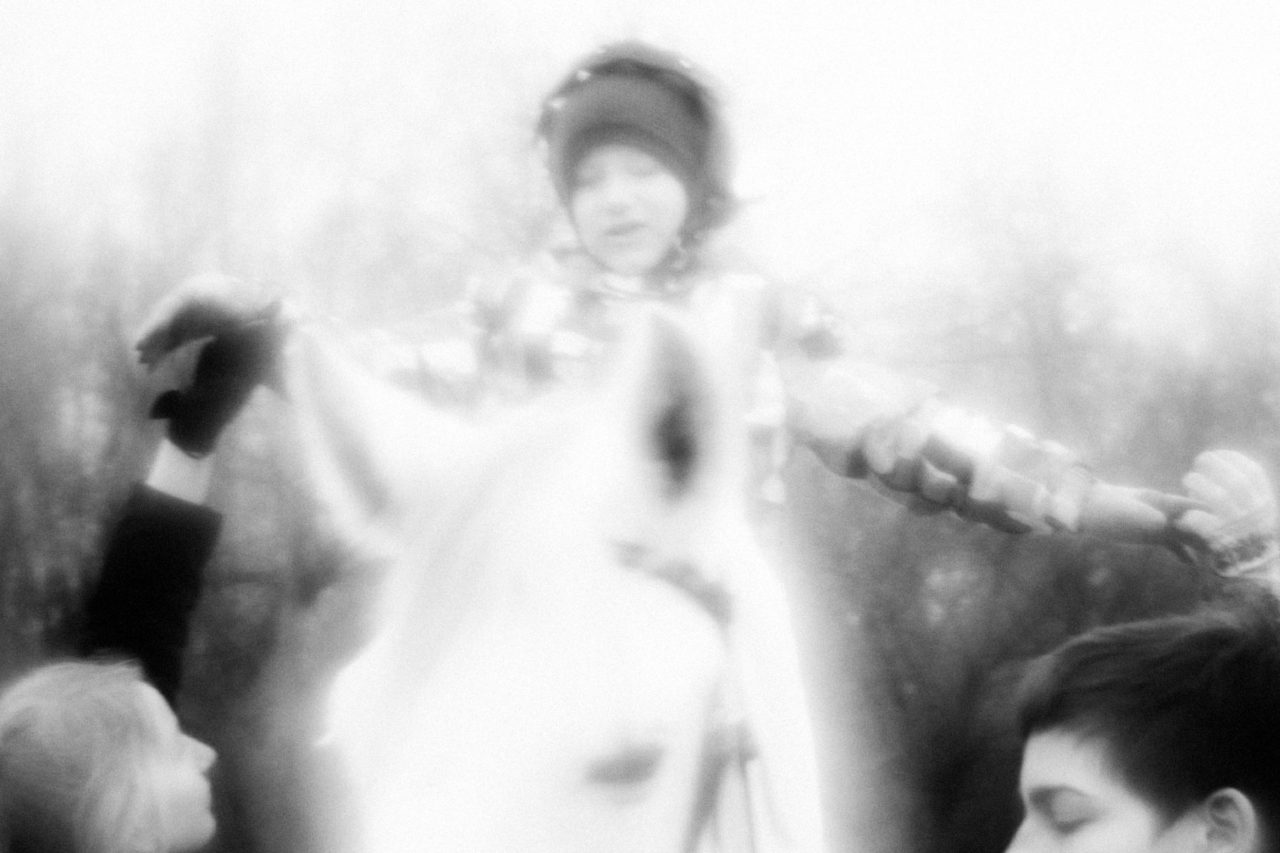
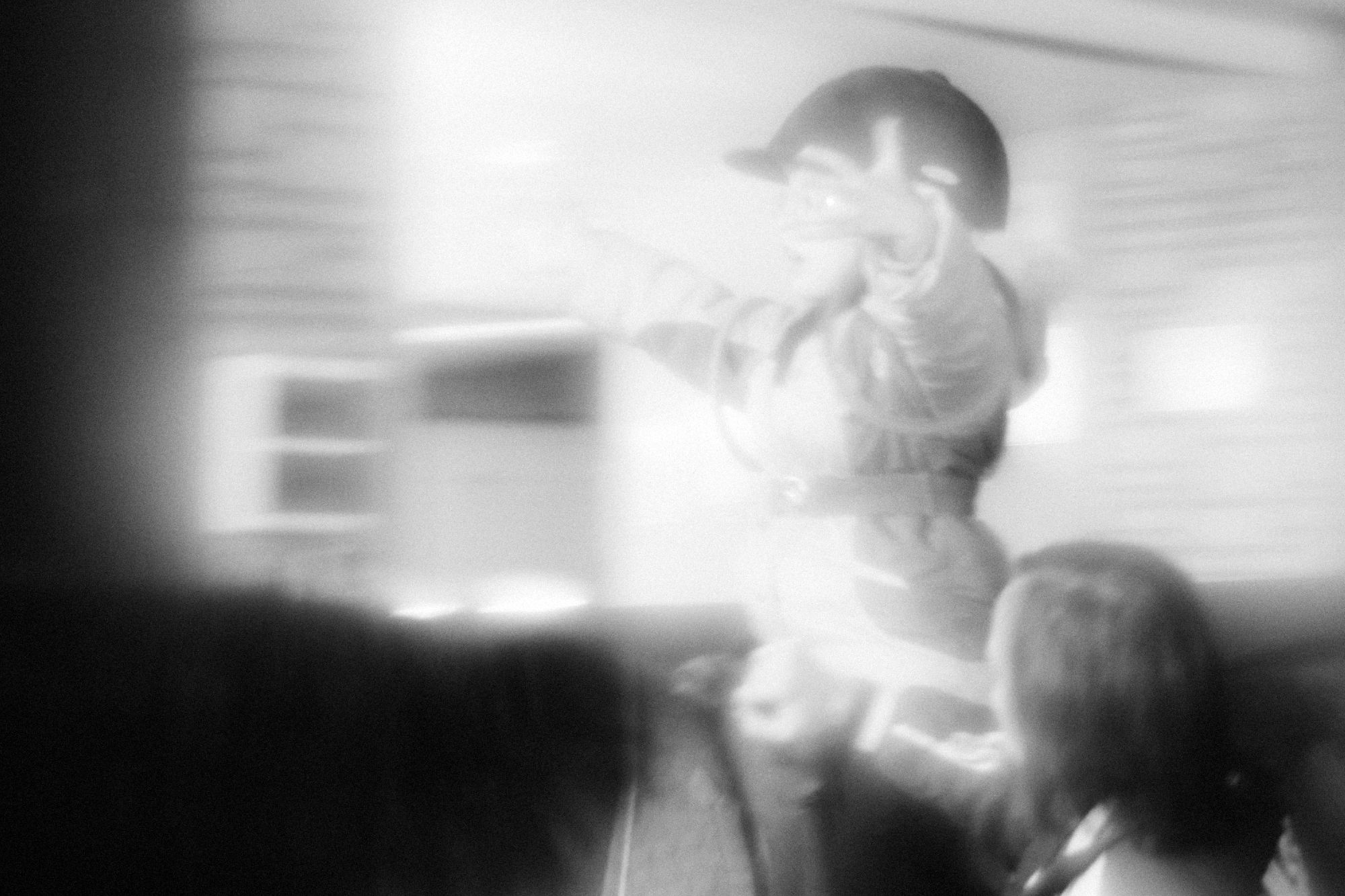
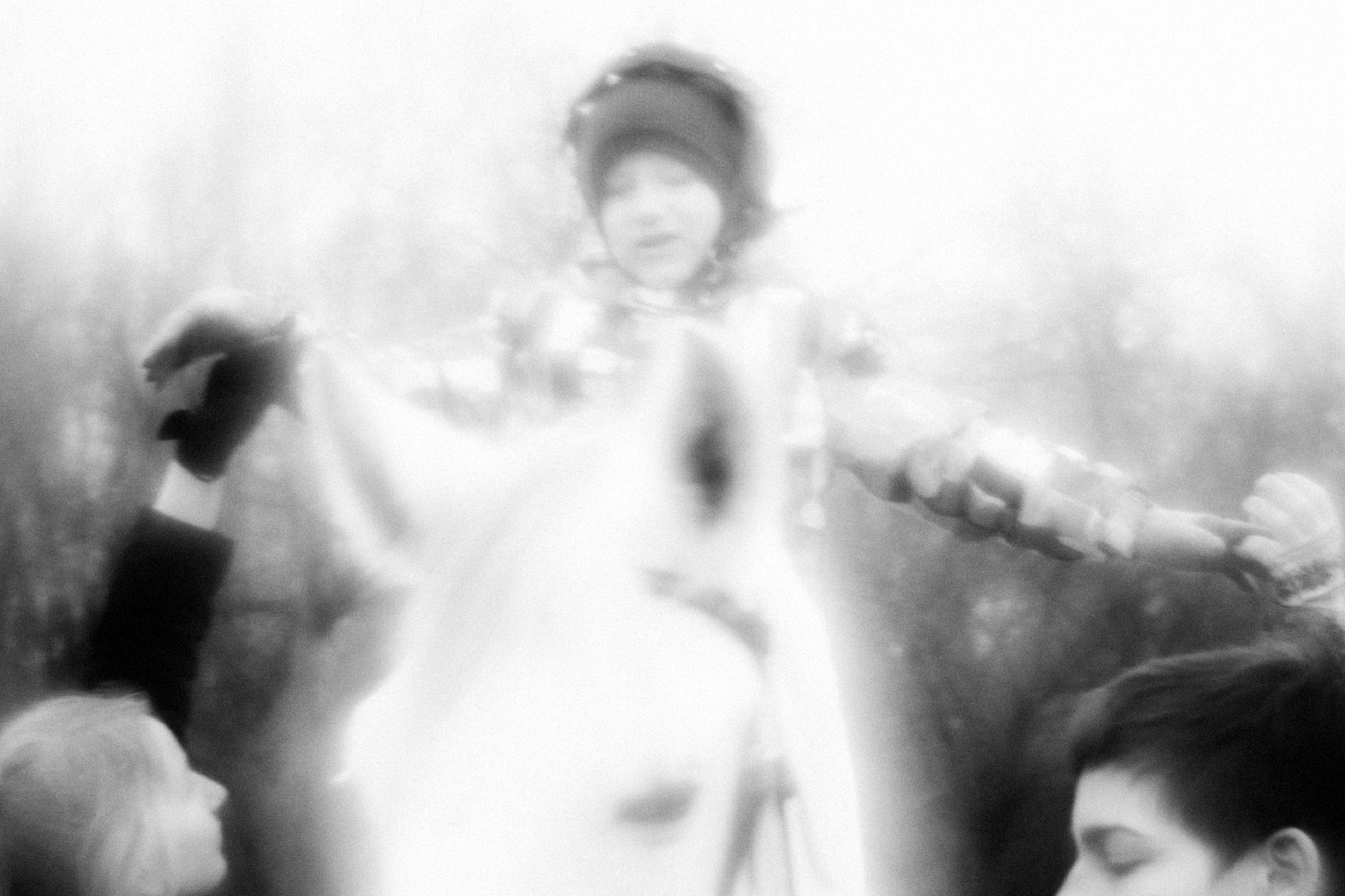
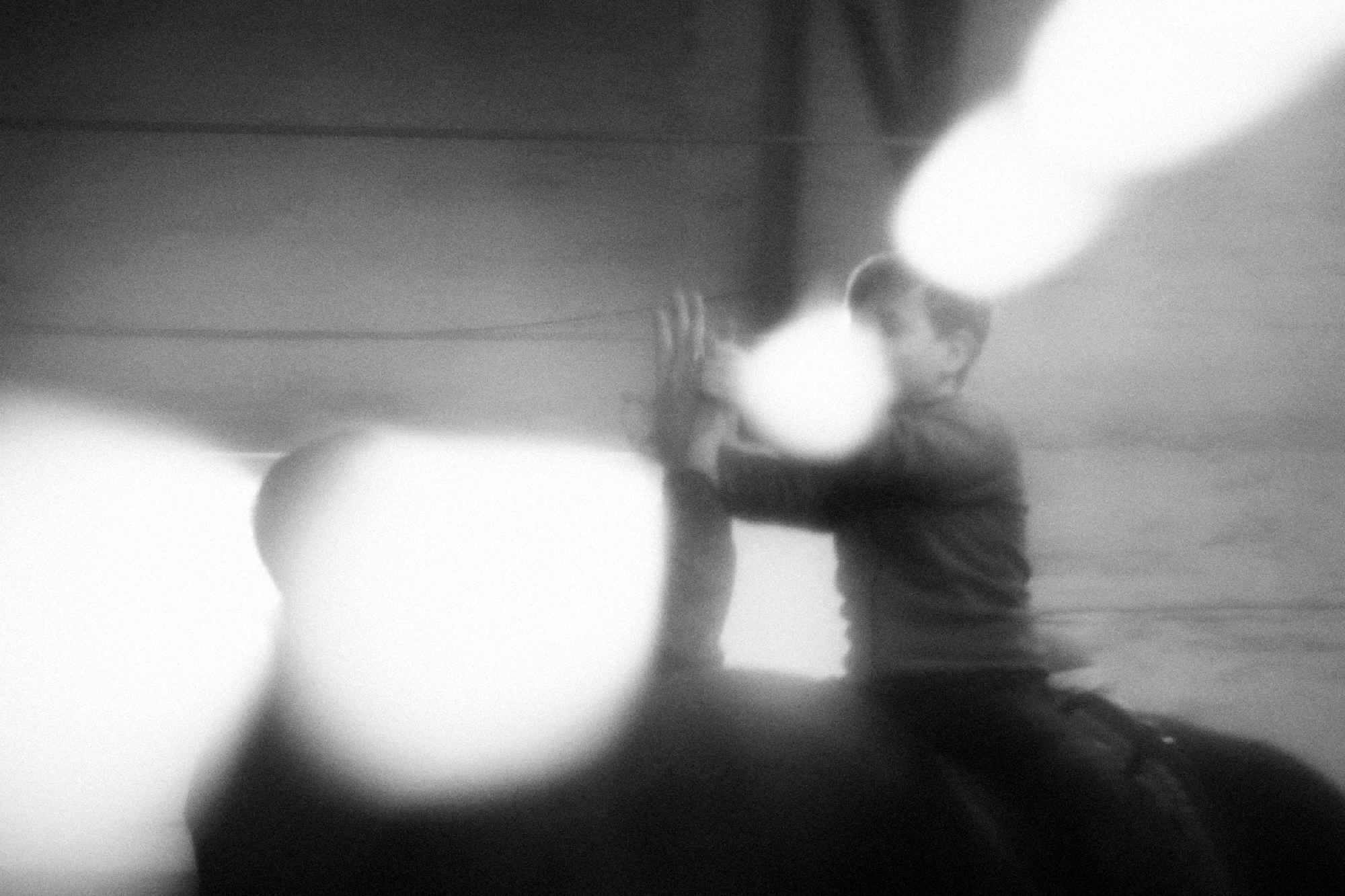
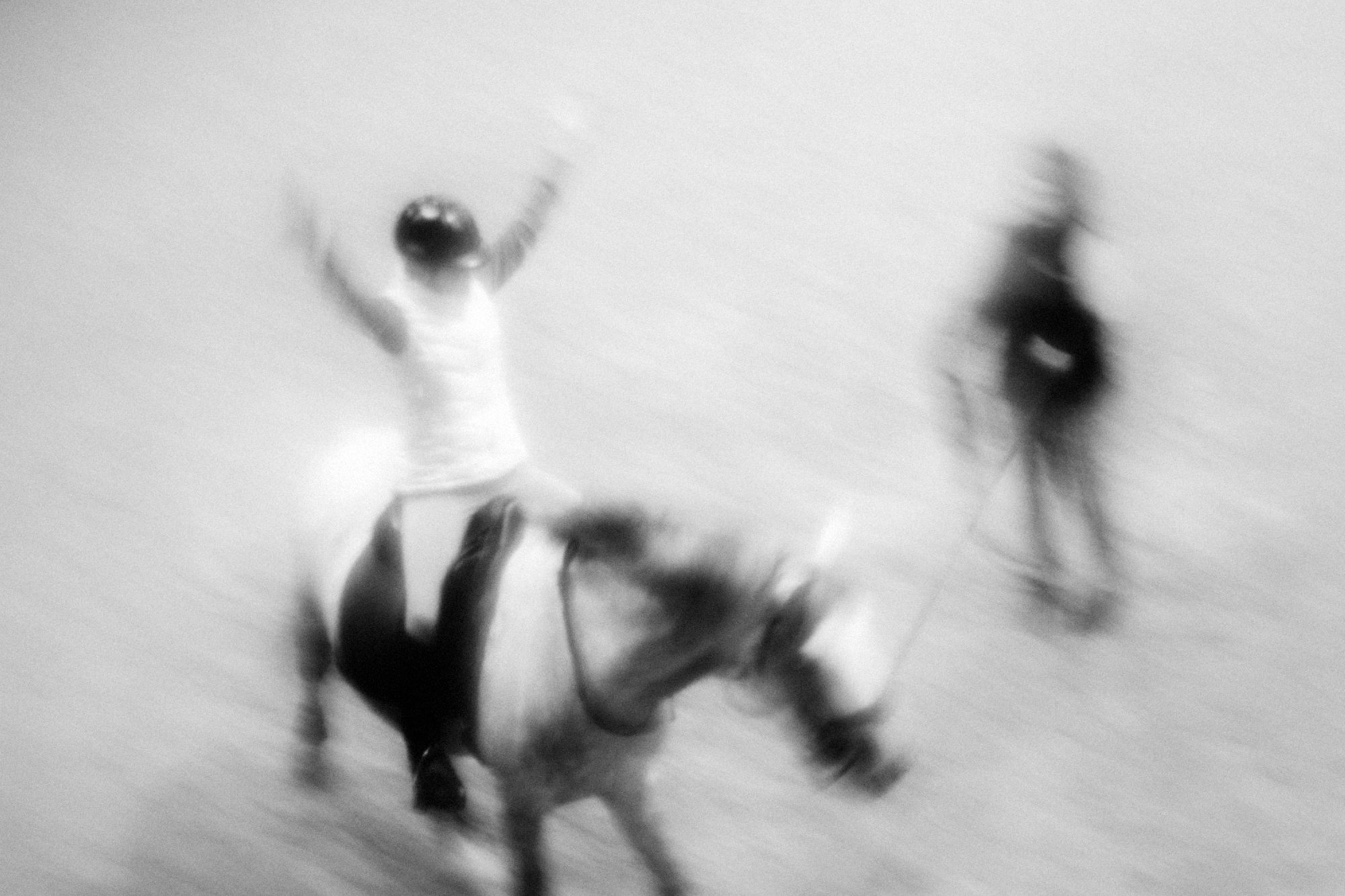
Most children straighten their hands like wings - as if photos fly: Sergey Stroyelev The best therapists-therapists are small, squat, humble and very calm. Before using the horse in therapy, it is observed for a long time and, if necessary, “bring it”, in other words, they are tightened by those qualities that the animal lacks for more efficient work with the child.
Giona in Hippotherapy for four years photo: Sergey Stroyelev As a rule, children instantly fall in love with horses after the first session, so the greeting and farewell take place very gently photo: Sergey Strolevlev
  The hippotherapy session usually lasts 30 minutes with a slow increase in the pace of physical activity. Exercises are performed independently by a child with hippotherapists insurance, but sometimes the diagnosis does not allow the child to make certain movements. In this case, hippotherapists help photos: Sergey Strolev
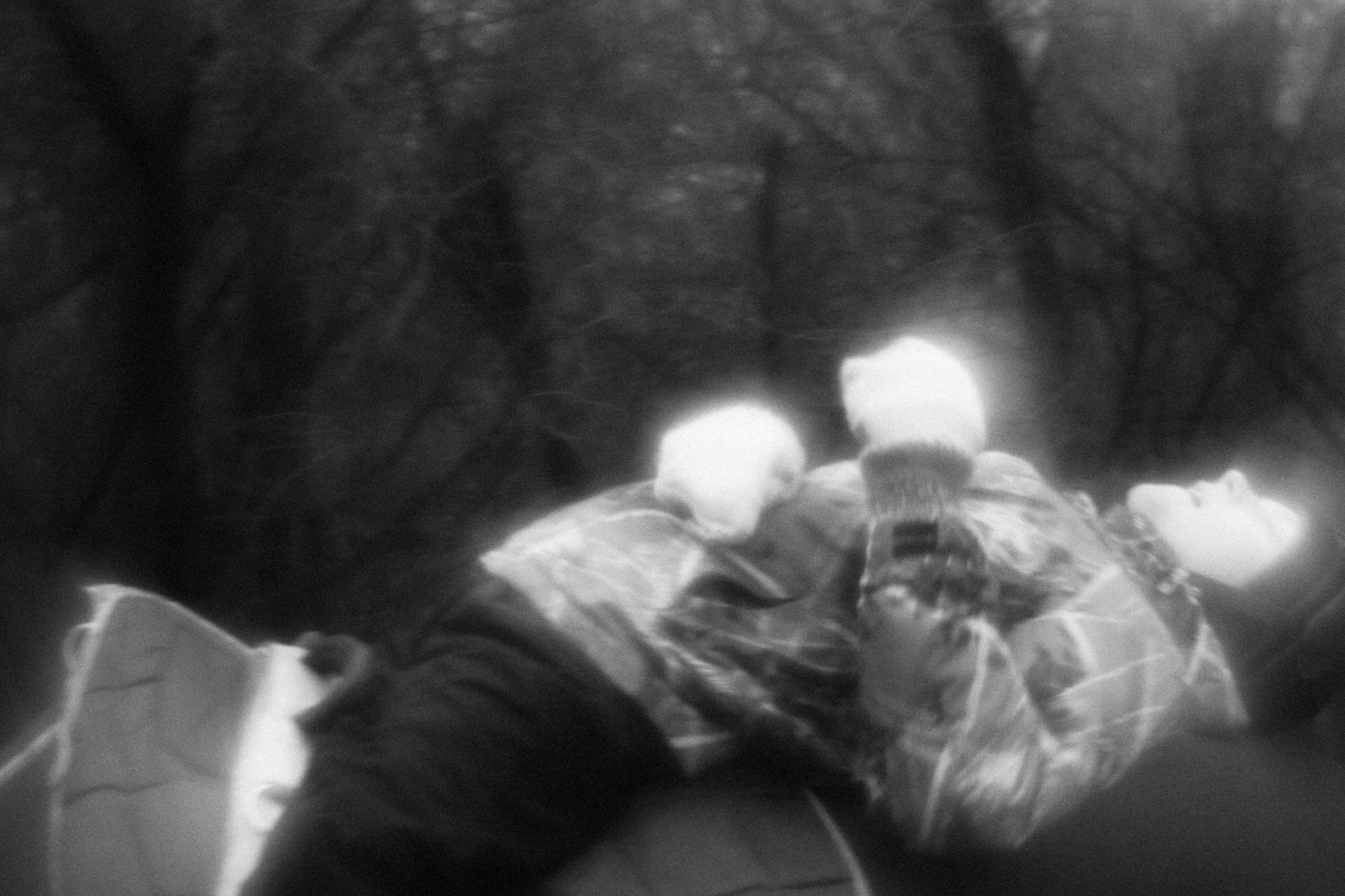
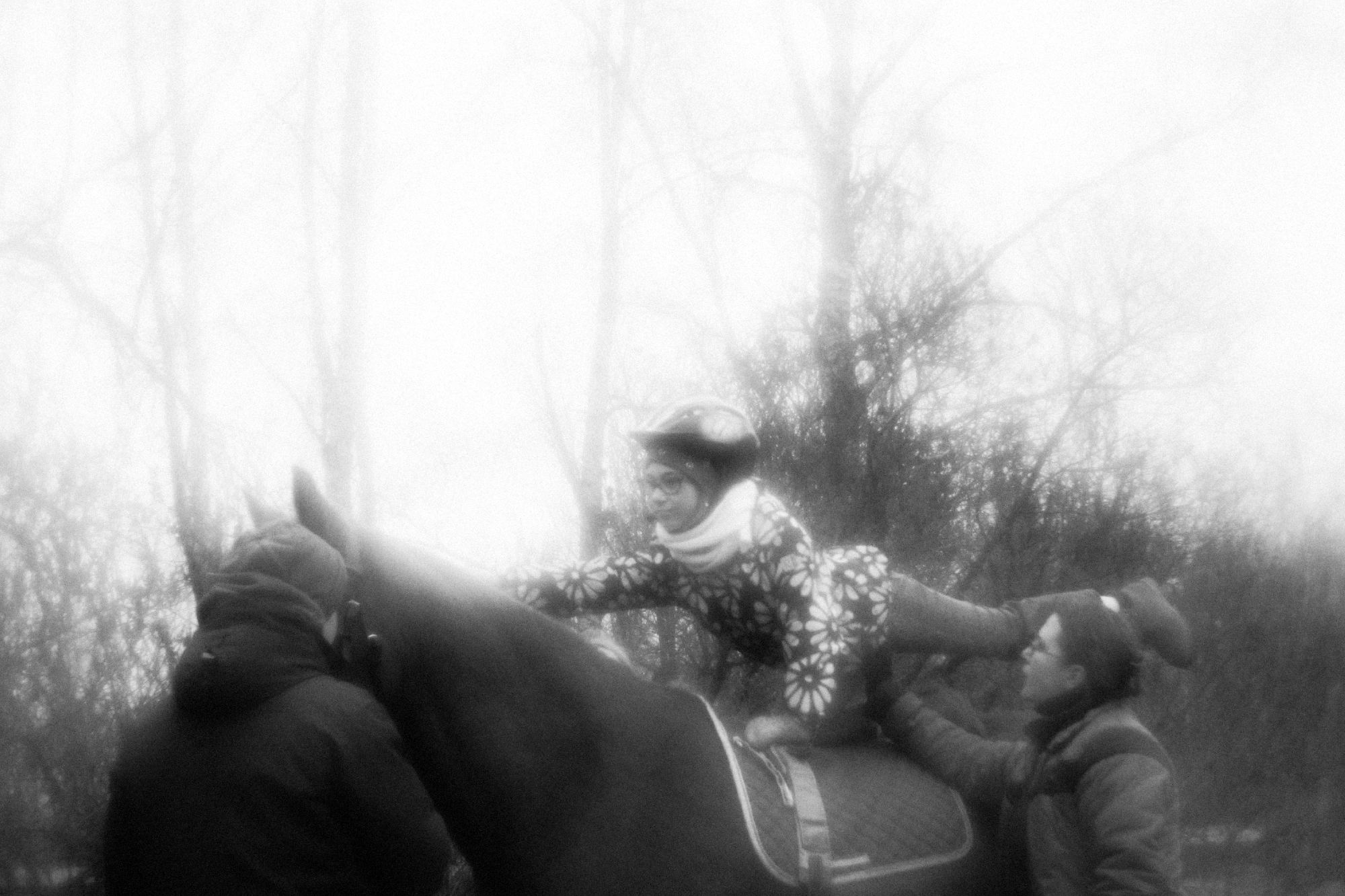
  Masha, with a severe form of cerebral palsy, lies on a horse during a session of hippotherapy.
Lying exercises are necessary to strengthen the spine and more dense contact with the body of the horse so that the child can feel the rhythm of its walk.
Masha cannot talk, but she shows her joyful emotions with facial expressions: Sergey Strolev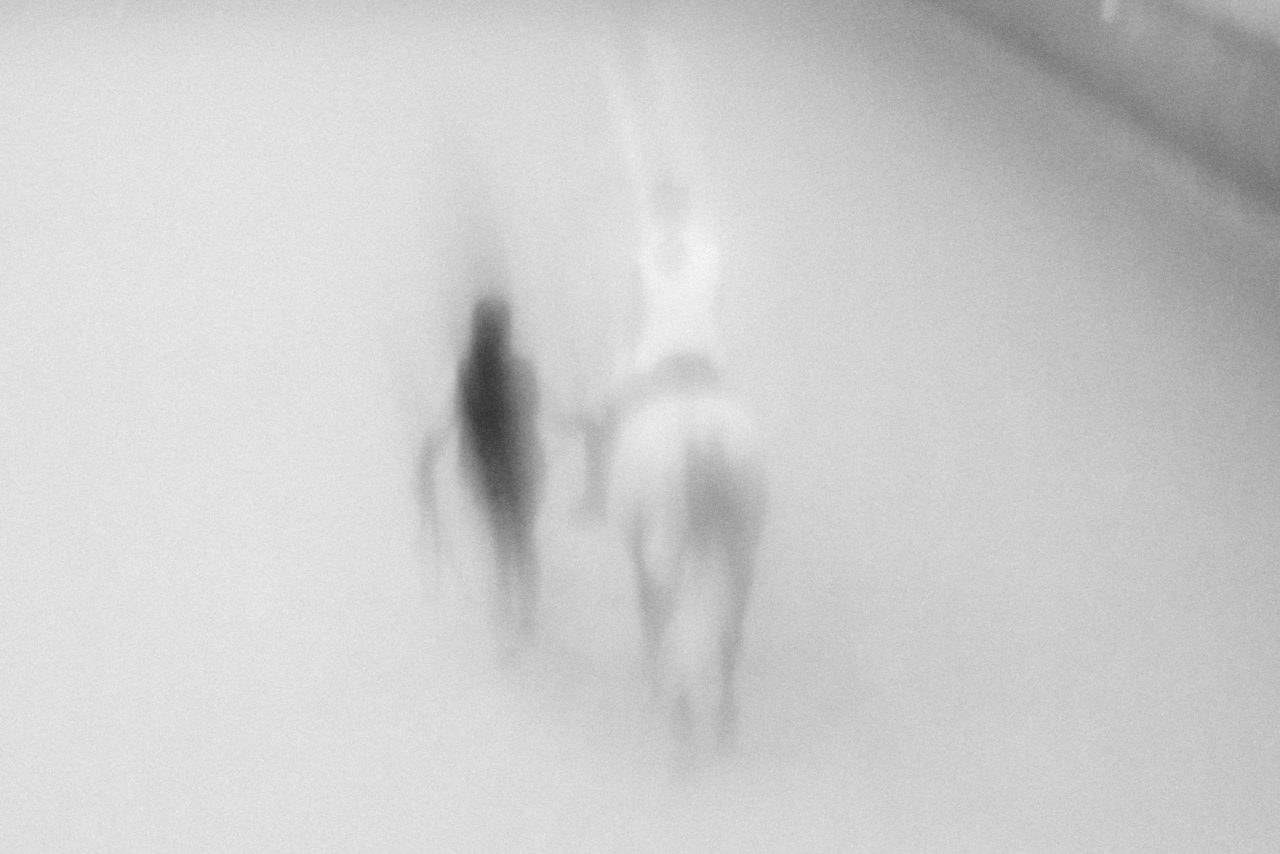 Children and adolescents with a mild form of cerebral palsy, as a rule, need only one hippotherapist during the session, and they do not need to constantly support their hands in the saddle photo: Sergey Stroyelev
 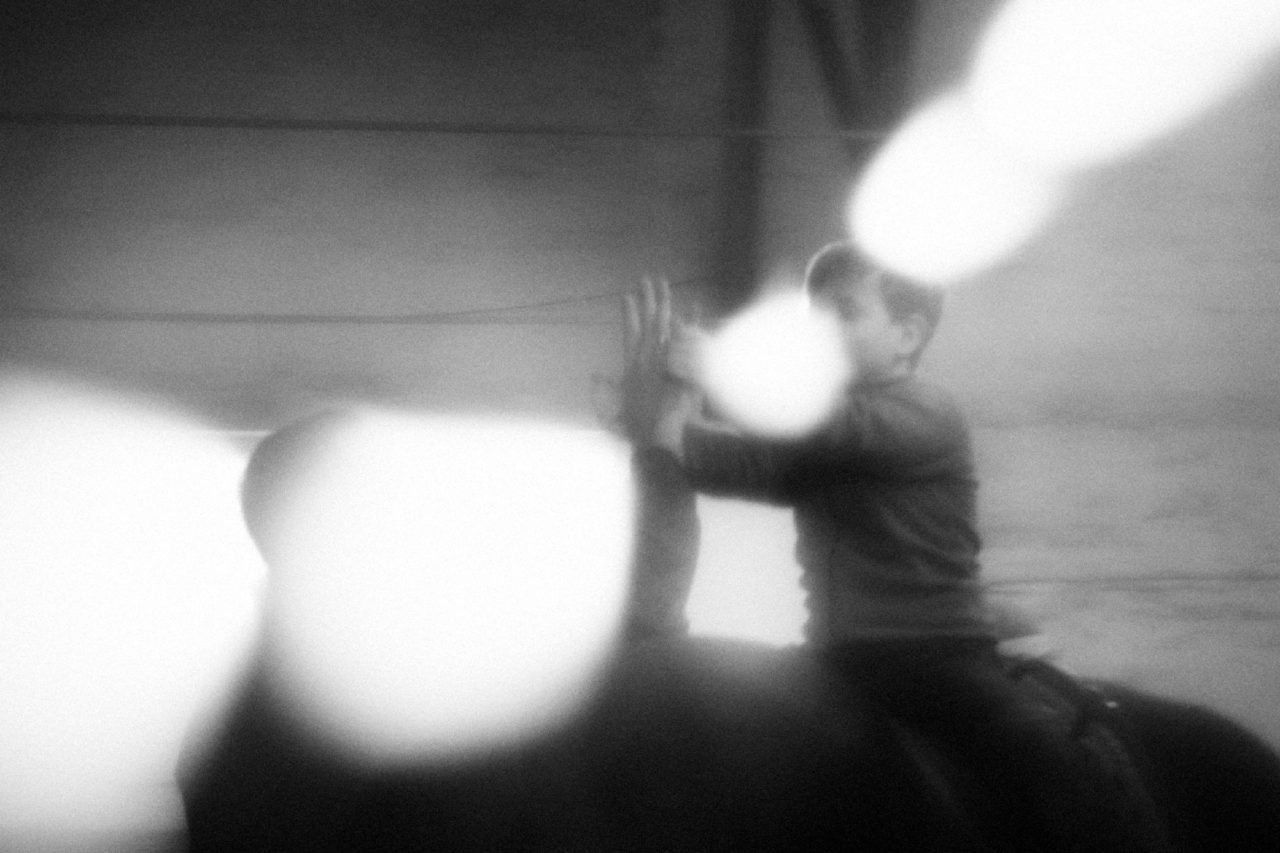 Tactile exercises in the saddle during the hippotherapy session. Combining the rhythm of horse walking with parallel performance of exercises by children improve motor skills photo: Sergey Stroyelev
 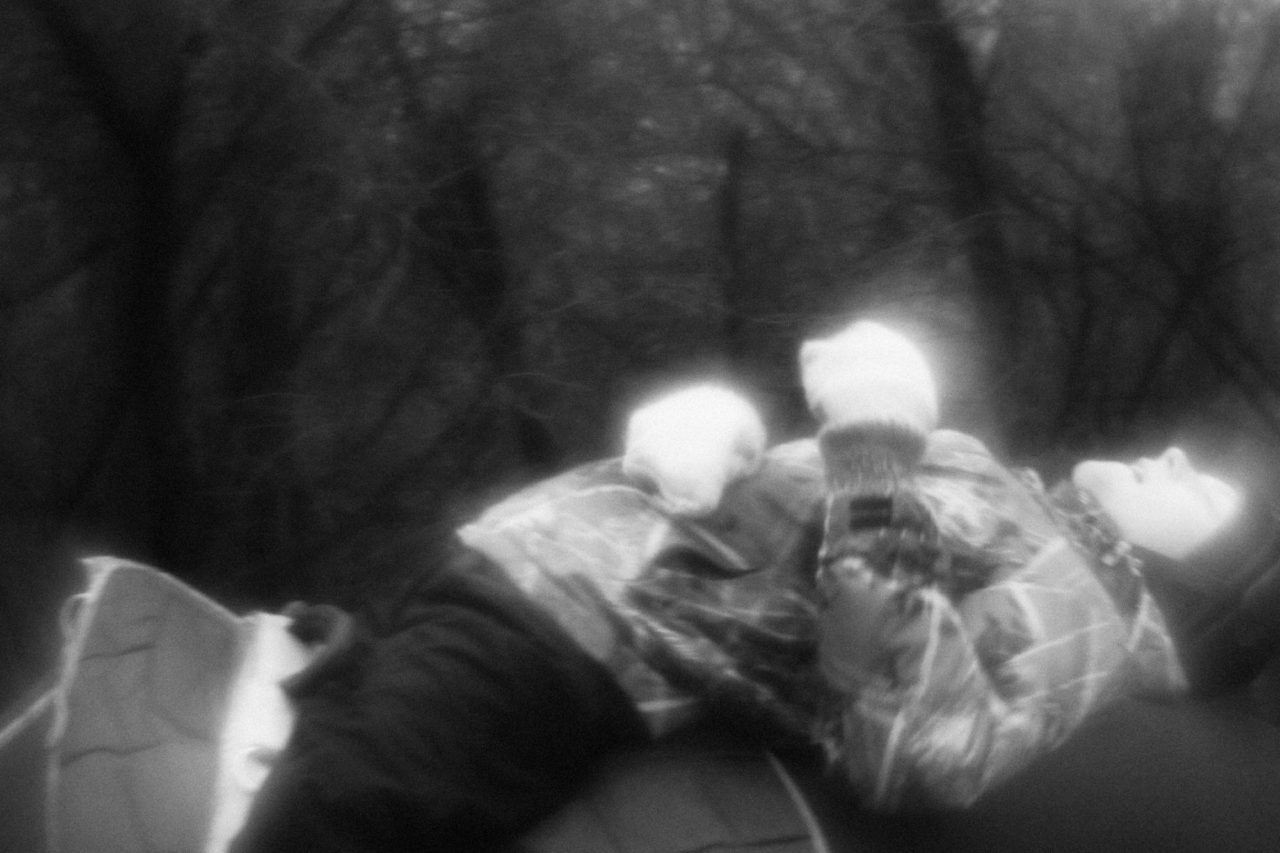 Like healthy people, in children with a diagnosis during classes there is a serious production of endorphin (hormone of joy) photo: Sergey Stroyelev
 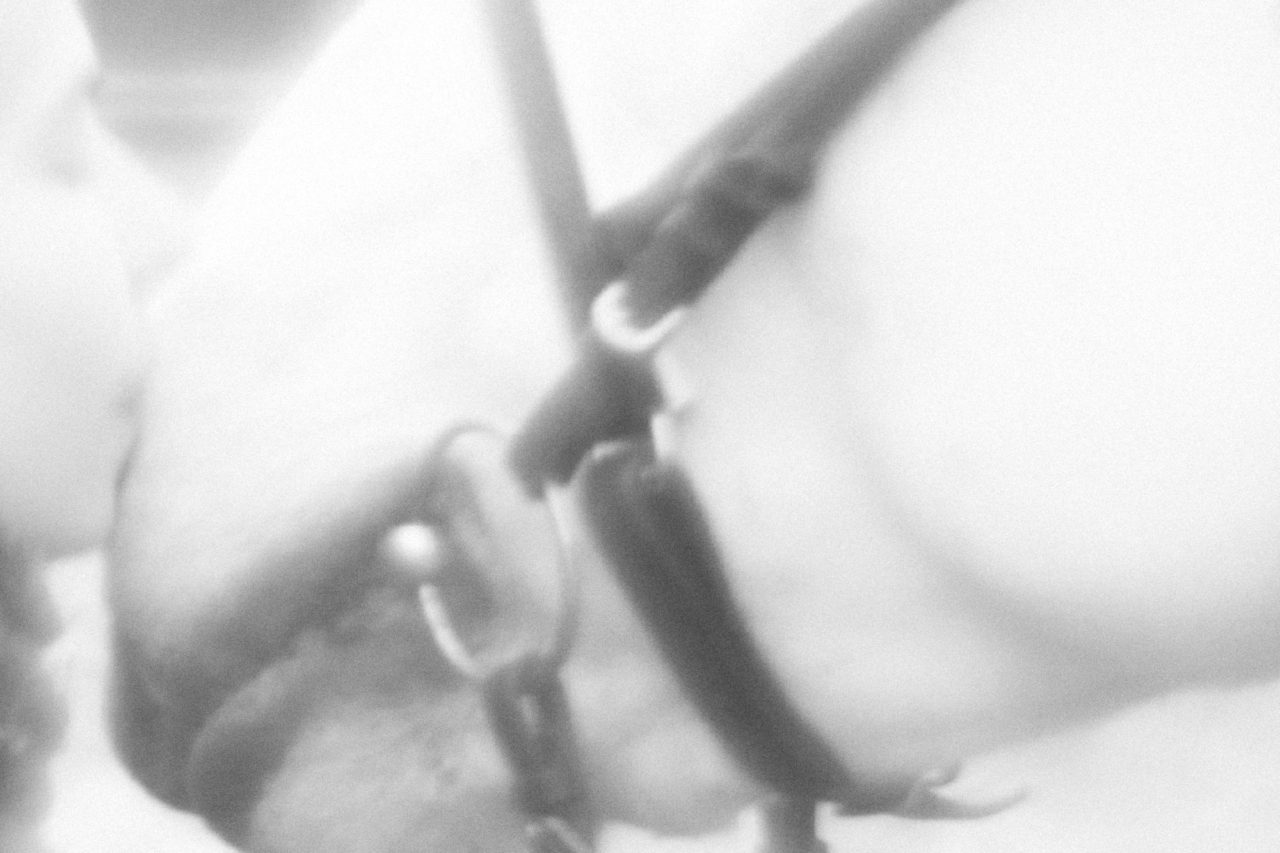 Hippotherapist Ira thanks his horse for work photo: Sergey Strolev
 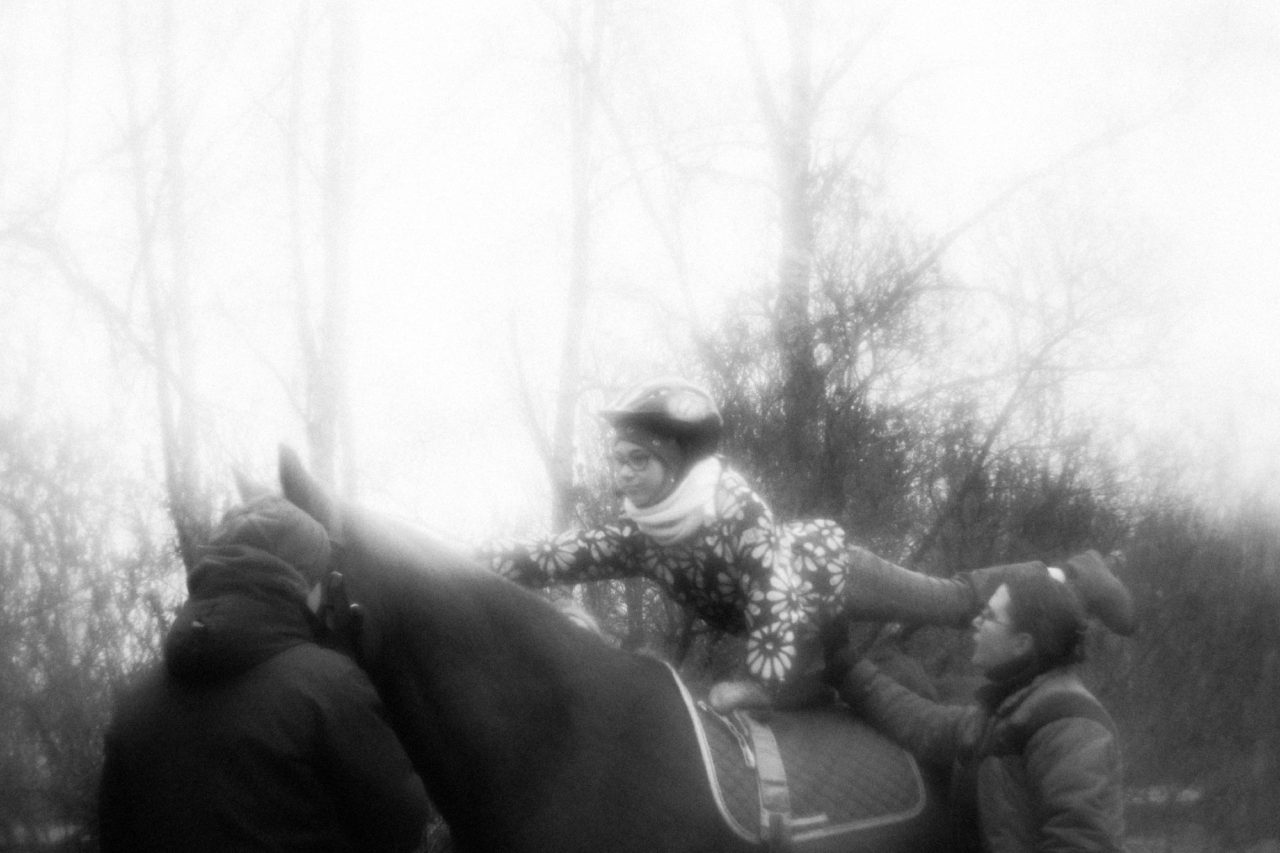 Hippotherapists help Vale with a severe form of epilepsy to perform a complex exercise in the saddle. Valya has been going to sessions for six months and is already afraid of anything at all. According to her mother, in the first classes it was difficult for her to even sit in the saddle photo: Sergey Strolev
 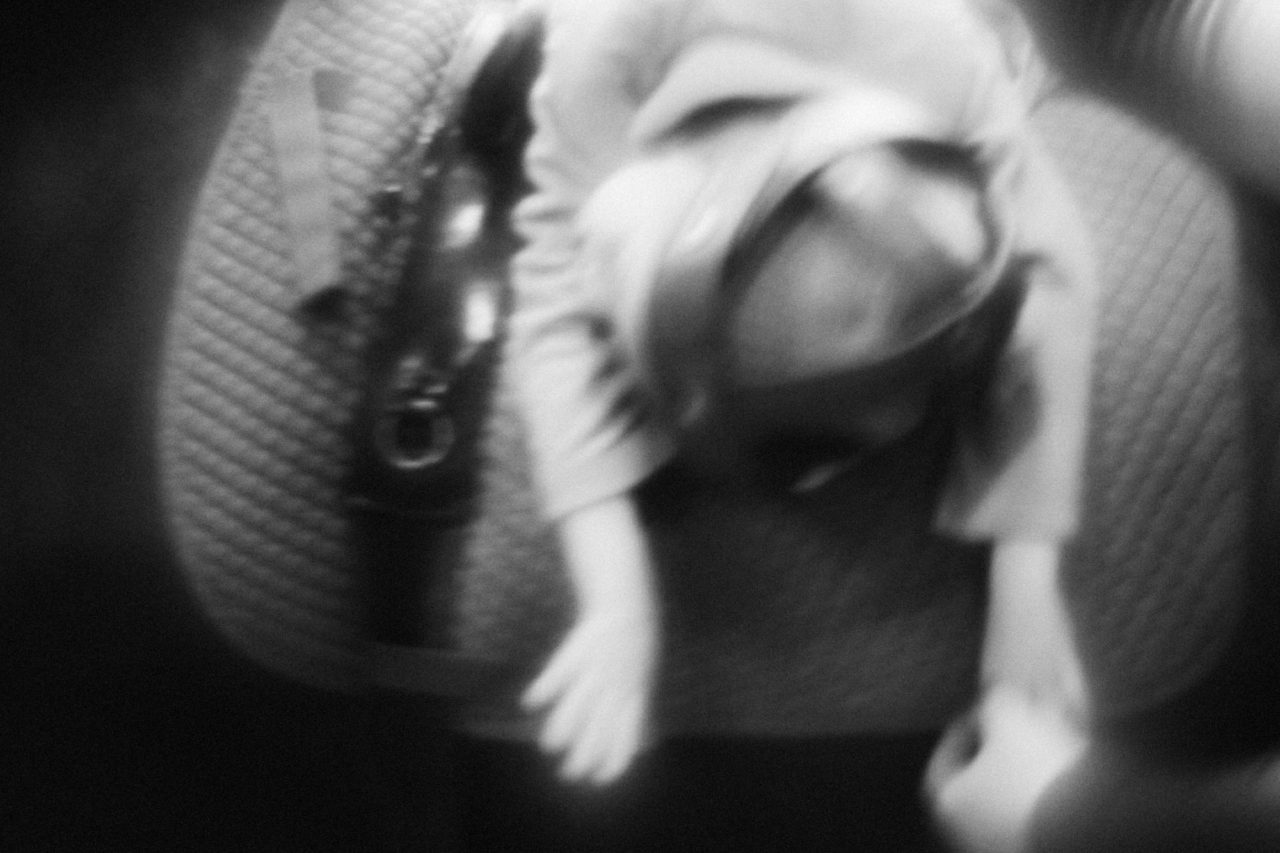 Exercises lying to strengthen the spine during a session of hippotherapy photos: Sergey Stroyelev
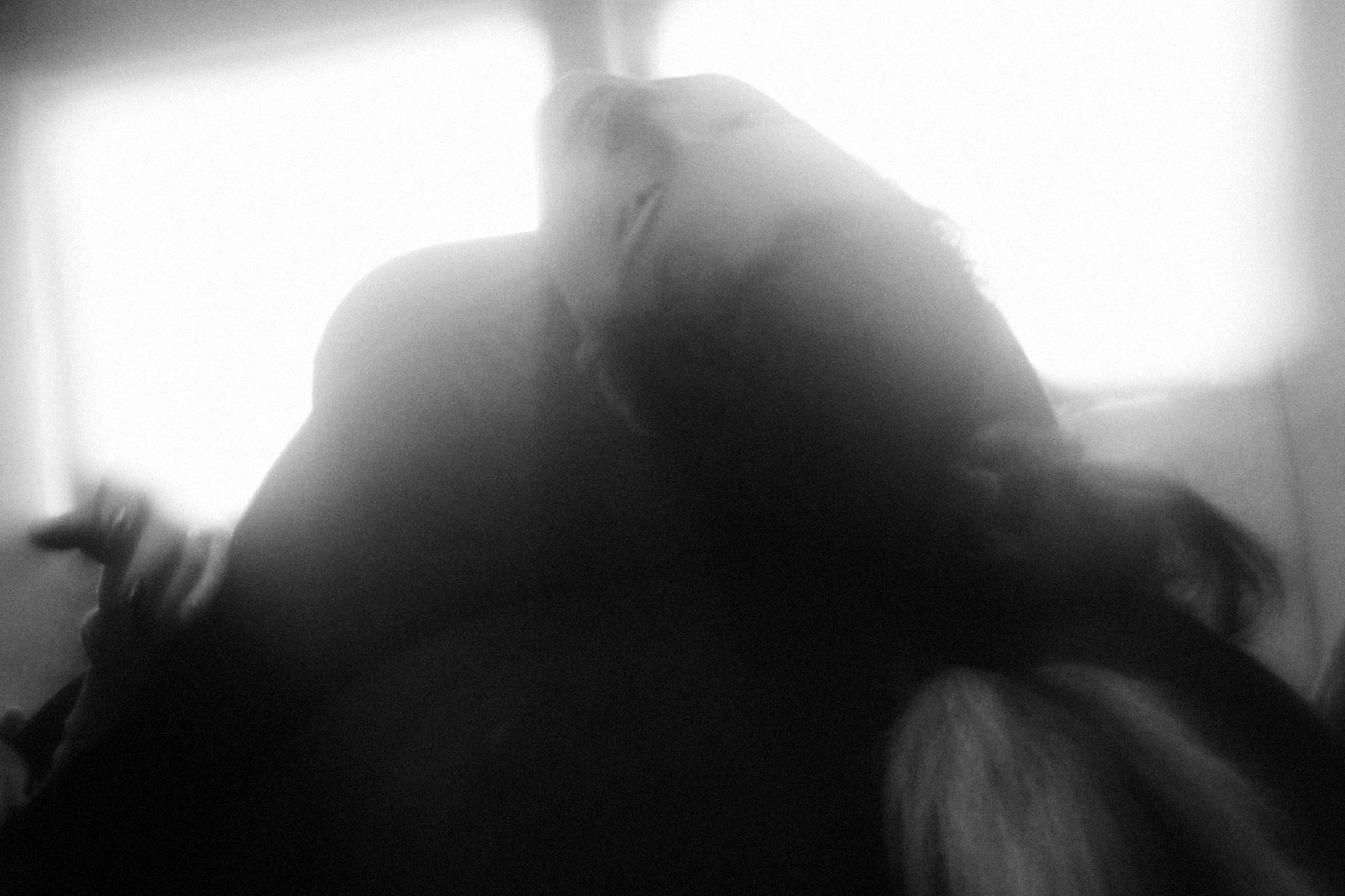
 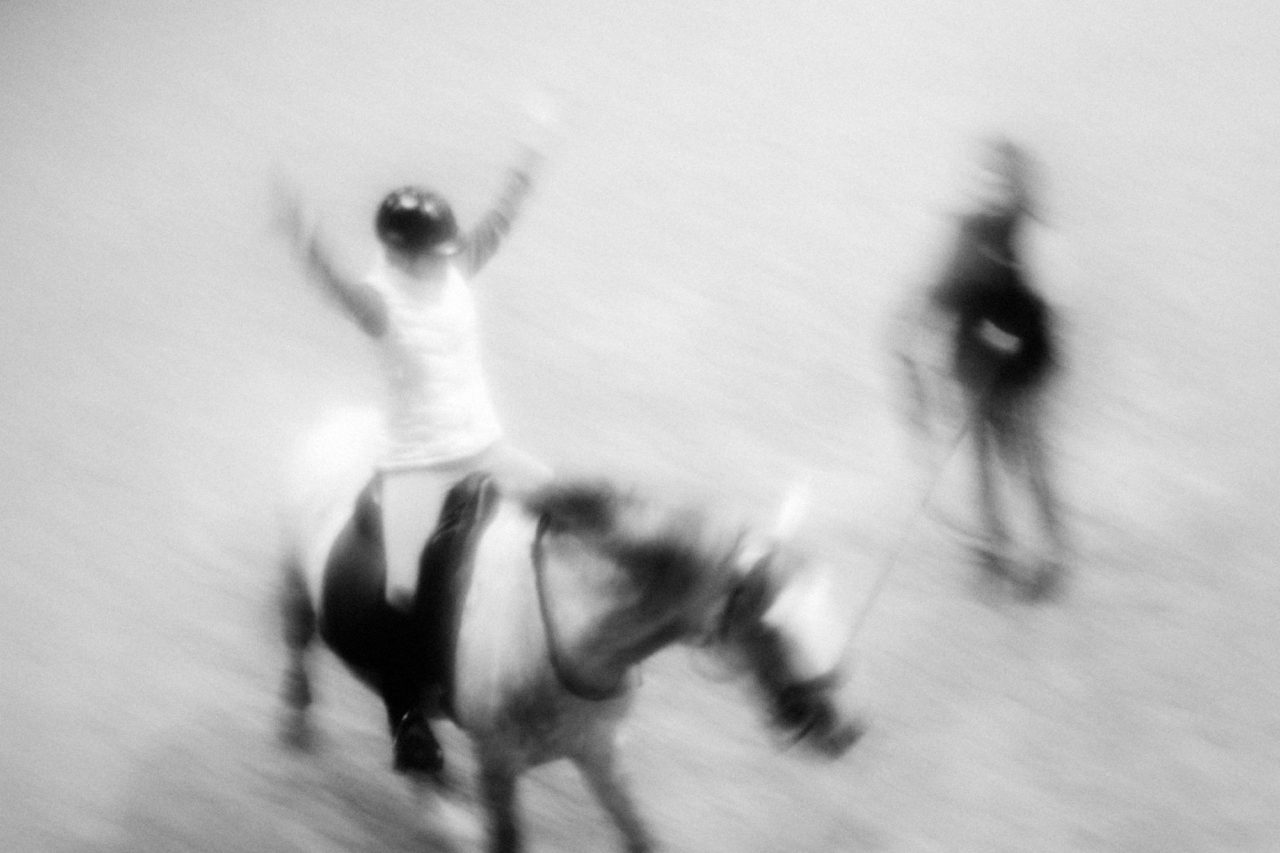 A teenager "flies" in the saddle photo: Sergey Strolev
 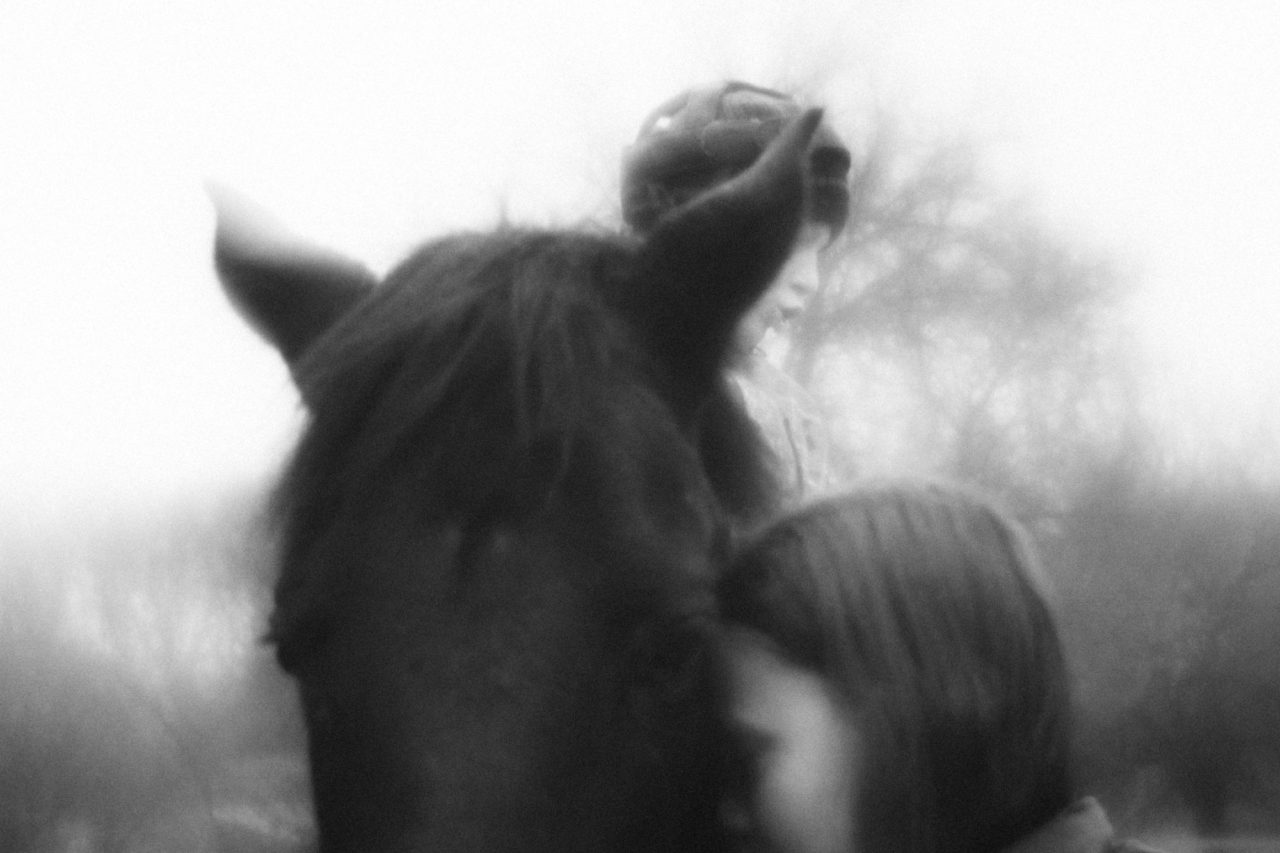 Children sometimes behave very emotionally in the saddle - they begin to make various sounds loudly, grimace or even capriches, although they almost show emotions outside the saddle. To "disable" a child with autism on such emotions is one of the goals of classes photo: Sergey Stroyelev
  When the session ends, the child is given a few minutes to just sit in the saddle without active movements - the horse should relax and the photo: Sergey Strolevelev should relax
  Typically, hippotherapists are women 25-35 years old, Marina is no exception. She chose this work due to the fact that she wanted to combine in her activity love for children and animal photos: Sergey Stroyelev A total of 295 091 669 all reports text 0 of 0 Photo: Sergey Stroyelev 0 of 0
With the help of a gesture of a resource
left-right

Photo: Sergey StroyelevThere is no clinical evidence of the effectiveness of hippotherapy, but the therapeutic effect of riding on the human body is mentioned in the works of Hippocrates. Photographer Sergey Strolev observed for communication between children with neurological diseases with horses
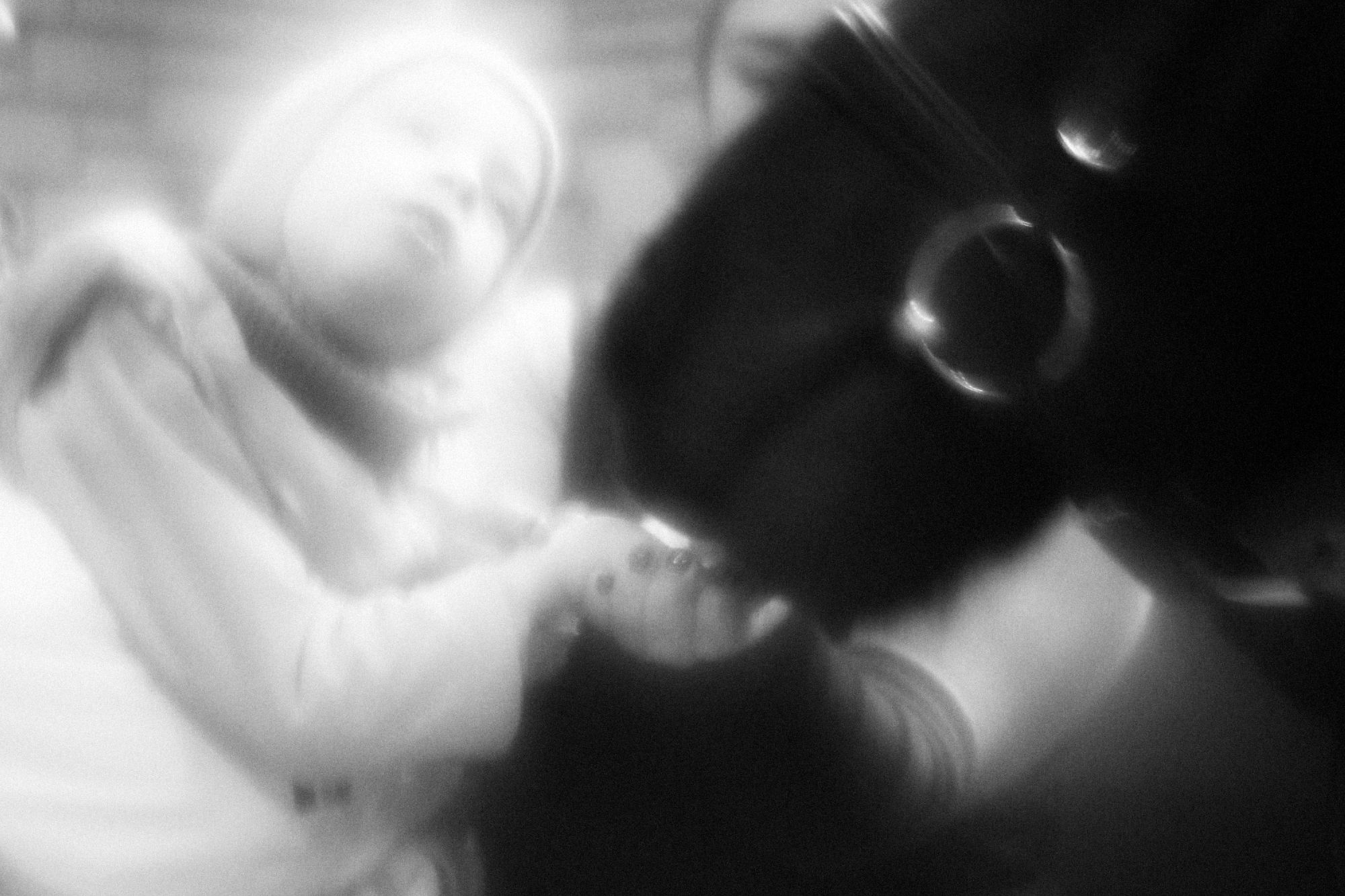
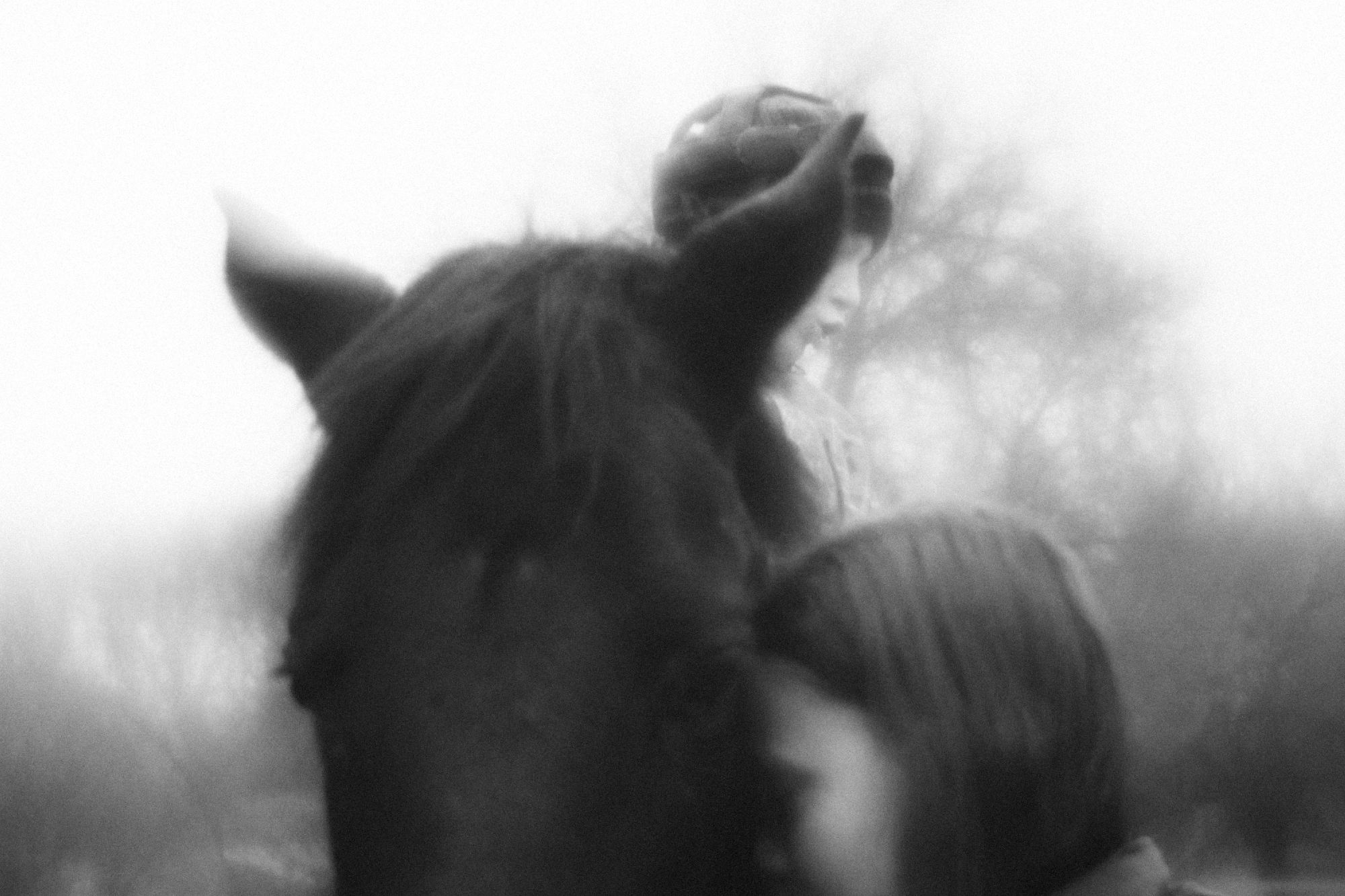
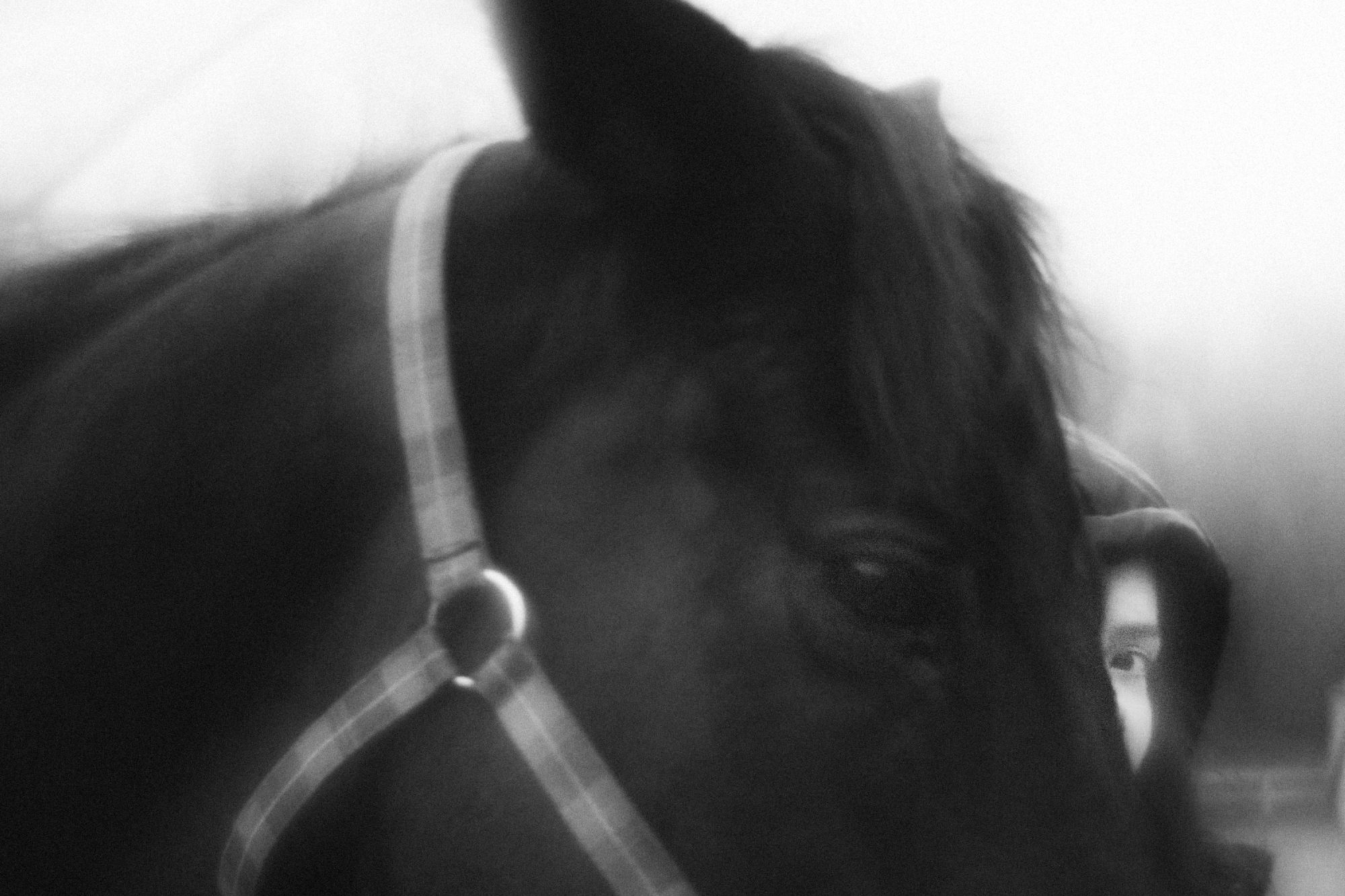
The first timid movements of the child towards the horse. It’s hard to make contact - scary. The first curious touches to the warm animal, very cautious, the horse does not resist - the most humble work here.
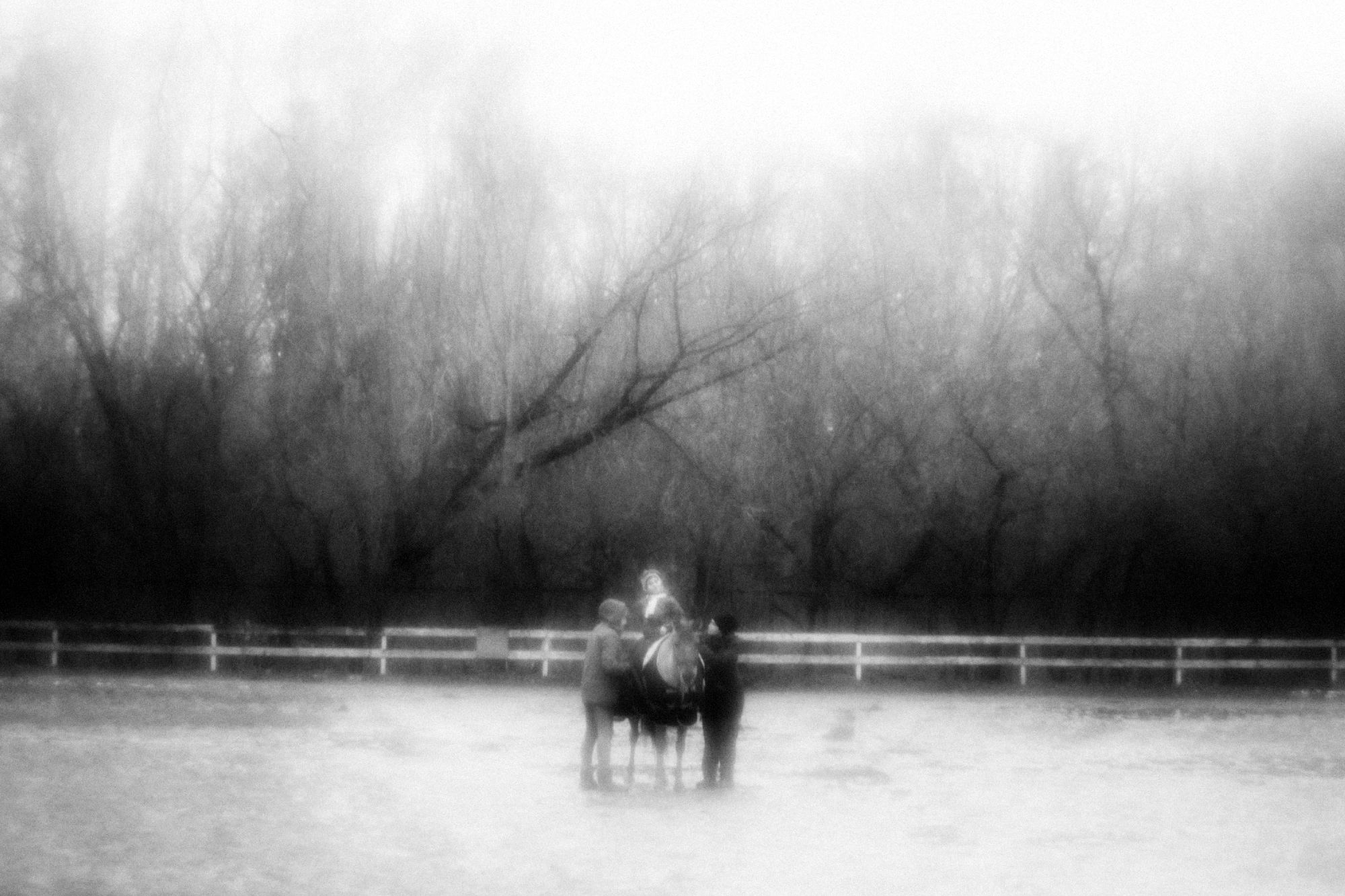
Moms and dads stand aside, the child must make contact with the animal himself. Hippotherapists carefully monitor the communication process.
When the carrots in the hands of the child ends, he is seated in the saddle and the flight begins - a session of hippotherapy.
Hippotherapy is riding sessions for people with neurological diseases, the main purpose of which is to convey from the horse the rider motor impulses similar to a person’s movements when walking.
There is no clinical evidence of the effectiveness of hippotherapy, but the therapeutic effect of riding on the human body is mentioned in the works of Hippocrates, and is described by the legendary Greek doctor as “improving the mood of the whole organism”.
The child first touches the horse before the hippotherapy session photo: Sergey StroyelevThey began to seriously study the phenomenon in the middle of the twentieth century in Germany, Switzerland and Austria. By the end of the twentieth century, hippotherapy has become a common rehabilitation practice. At least riding a horse is a complex motor activity, and activity is the main principle of modern rehabilitation.
For Russia, this is a relatively new type of therapy. Hippotherapy began to engage in the collapse of the USSR, it was a fashion that came from abroad.
More than 20 years have passed since then, hippotherapy in our country has not yet received official recognition, but children with cerebral palsy, epilepsy and autism are often recommended to ride a horse.
In Moscow, there are at least 10 stables where hippotherapy on a regular basis is engaged in people who have experience and necessary skills.
Mostly hippotherapists in Russia are women from 25 to 35 years old, perfectly riding and well -known habits of horses. As a rule, hippotherapists have a higher psychological or pedagogical education.
Hyperactive in the saddle calms down, closed children with autism begin to smile and sometimes prankThe half -hour lesson is carried out by three people - a hemp and two therapists who insure each other and the child on both sides of the horse.
Over time, if the diagnosis (for example, a mild form of cerebral palsy) and acquired riding skills allow the child to stay tight in the saddle, they allow him to leave himself, but this needs months of regular classes.
Supporters of hippotherapy argue that the positive effect of the horse on the body of a sick child is obvious. Firstly, the body's body temperature is higher than the temperature of the human body-thus, the horse heats. But the most important thing is the transformation of the child in the saddle.
The hyperactive in the saddle calms down, closed children with autism begin to smile and sometimes prank. Objective doctors usually do not deny the benefits of horses, but they are inclined to explain that physical activity is useful that communication with the animal increases the mood of anyone.
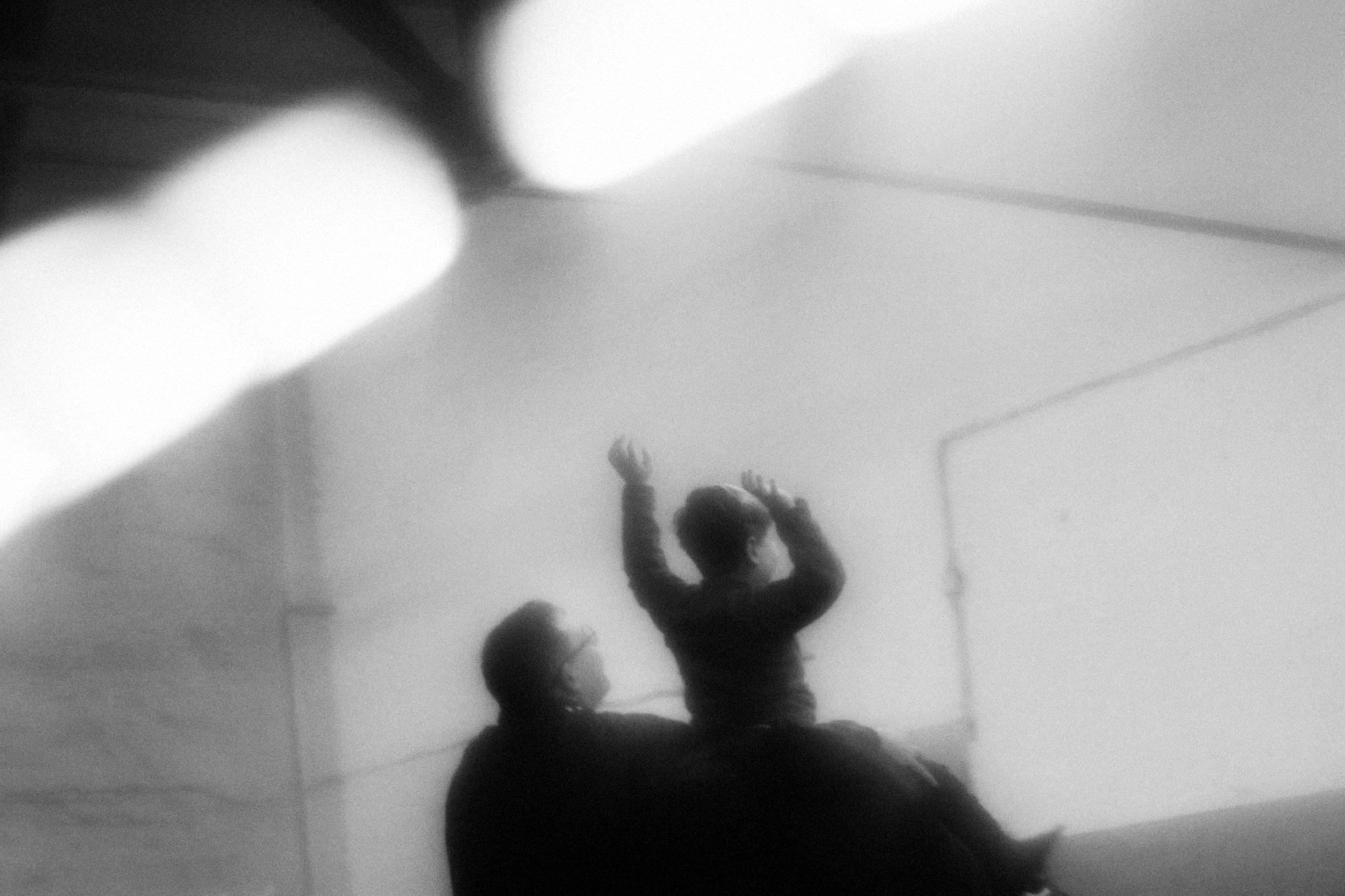
When I watched the classes of hippotherapy, it seemed to me that it looked like a flight. Perhaps because children very often scatter their hands to the sides, depicting birds. Some children whom I saw cannot do pairs of confident steps on the ground, but they can fly on a horse.
Patients are children with severe neurological diseases, such as cerebral palsy and epilepsy.Hippotherapy is also recommended for children with autism photos: Sergey Strolev
When the hippotherapists see that the child is not afraid, they give him carrots to feed the horse.Marta, with a severe form of cerebral palsy, feeds Augustus photo: Sergey Stroyelev
A horse is one of the species of animals, which, according to hippotherapists, feels a person very well and his physiology photo: Sergey Stroyelev Marta, with a severe form of cerebral palsy, during a session of hippotherapy. The therapist slows the hands of Martha against the warm body of a horse, the temperature of which is higher than that of the human body. Marta smiles. This is practically no out of the saddle, according to her mother photo: Sergey Stroyelev Hippotherapists of a man are a rather rare phenomenon. Mostly men work with boys aged eight to 14 years. Pasha with heavy shapeEpilepsy performs simple exercises in the saddle, and Dmitry Mikhailovich supports him with a photo: Sergey Stroyelev
A child with a diagnosis when moving in a saddle experiences sensations and emotions that it is not able to experience with independent movement, thereforeMost children straighten their hands like wings - as if photos fly: Sergey Stroyelev
The best therapists-therapists are small, squat, humble and very calm. Before using the horse in therapy, it is observed for a long time and, if necessary, “bring it”, in other words, they are tightened by those qualities that the animal lacks for more efficient work with the child.Giona in Hippotherapy for four years photo: Sergey Stroyelev
As a rule, children instantly fall in love with horses after the first session, so the greeting and farewell take place very gently photo: Sergey Strolevlev The hippotherapy session usually lasts 30 minutes with a slow increase in the pace of physical activity. Exercises are performed independently by a child with hippotherapists insurance, but sometimes the diagnosis does not allow the child to make certain movements. In this case, hippotherapists help photos: Sergey Strolev Masha, with a severe form of cerebral palsy, lies on a horse during a session of hippotherapy.Lying exercises are necessary to strengthen the spine and more dense contact with the body of the horse so that the child can feel the rhythm of its walk.
Masha cannot talk, but she shows her joyful emotions with facial expressions: Sergey Strolev
Children and adolescents with a mild form of cerebral palsy, as a rule, need only one hippotherapist during the session, and they do not need to constantly support their hands in the saddle photo: Sergey Stroyelev Tactile exercises in the saddle during the hippotherapy session. Combining the rhythm of horse walking with parallel performance of exercises by children improve motor skills photo: Sergey Stroyelev Like healthy people, in children with a diagnosis during classes there is a serious production of endorphin (hormone of joy) photo: Sergey Stroyelev Hippotherapist Ira thanks his horse for work photo: Sergey Strolev Hippotherapists help Vale with a severe form of epilepsy to perform a complex exercise in the saddle. Valya has been going to sessions for six months and is already afraid of anything at all. According to her mother, in the first classes it was difficult for her to even sit in the saddle photo: Sergey Strolev Exercises lying to strengthen the spine during a session of hippotherapy photos: Sergey Stroyelev A teenager "flies" in the saddle photo: Sergey Strolev Children sometimes behave very emotionally in the saddle - they begin to make various sounds loudly, grimace or even capriches, although they almost show emotions outside the saddle. To "disable" a child with autism on such emotions is one of the goals of classes photo: Sergey Stroyelev When the session ends, the child is given a few minutes to just sit in the saddle without active movements - the horse should relax and the photo: Sergey Strolevelev should relax Typically, hippotherapists are women 25-35 years old, Marina is no exception. She chose this work due to the fact that she wanted to combine in her activity love for children and animal photos: Sergey Stroyelev A total of 295 091 669 all reports text 0 of 0 Photo: Sergey Stroyelev 0 of 0The child first touches the horse before the hippotherapy session
Photo: Sergey Stroyelev 0 of 0 Patients are children with severe neurological diseases, such as cerebral palsy and epilepsy.
When the hippotherapists see that the child is not afraid, they give him carrots to feed the horse.
A horse is one of the species of animals, which, according to hippotherapists, feels a person very well and his physiology
Photo: Sergey Stroyelev 0 of 0Marta, with a severe form of cerebral palsy, during a session of hippotherapy. The therapist slows the hands of Martha against the warm body of a horse, the temperature of which is higher than that of the human body. Marta smiles. This is practically not out of the saddle, according to her mother
Photo: Sergey Stroyelev 0 of 0 Hippotherapists of a man are a rather rare phenomenon. Mostly men work with boys aged eight to 14 years. Pasha with heavy shape
A child with a diagnosis when moving in a saddle experiences sensations and emotions that it is not able to experience with independent movement, therefore
The best therapists-therapists are small, squat, humble and very calm. Before using the horse in therapy, it is observed for a long time and, if necessary, “bring it”, in other words, they are tightened by those qualities that the animal lacks for more efficient work with the child.
As a rule, children instantly fall in love with horses after the first session, so greeting and farewell occur very tenderly
Photo: Sergey Stroyelev 0 of 0The hippotherapy session usually lasts 30 minutes with a slow increase in the pace of physical activity. Exercises are performed independently by a child with hippotherapists insurance, but sometimes the diagnosis does not allow the child to make certain movements. In this case, hippotherapists help
Photo: Sergey Stroyelev 0 of 0 Masha, with a severe form of cerebral palsy, lies on a horse during a session of hippotherapy.
Children and adolescents with a light form of cerebral palsy, as a rule, need only one hippotherapist during the session, and they do not need to be constantly supported by their hands in the saddle
Photo: Sergey Stroyelev 0 of 0Tactile exercises in the saddle during the hippotherapy session. Combining the rhythm of a horse with parallel performance of exercises by children improve motility
Photo: Sergey Stroyelev 0 of 0Like healthy people, children with a diagnosis during classes have a serious production of endorphin (hormone of joy)
Photo: Sergey Stroyelev 0 of 0Hippotherapist Ira thanks his horse for work
Photo: Sergey Stroyelev 0 of 0Hippotherapists help Vale with a severe form of epilepsy to perform a complex exercise in the saddle. Valya has been going to sessions for six months and is already afraid of anything at all. According to her mother, in the first classes it was difficult for her to even sit in the saddle
Photo: Sergey Stroyelev 0 of 0Exercises lying to strengthen the spine during a session of hippotherapy
Photo: Sergey Stroyelev 0 of 0A teenager "flies" in the saddle
Photo: Sergey Stroyelev 0 of 0Children sometimes behave very emotionally in the saddle - they begin to make various sounds loudly, grimace or even capriches, although they almost show emotions outside the saddle. To "disable" a child with autism on such emotions is one of the goals of classes
Photo: Sergey Stroyelev 0 of 0When the session ends, the child is given a few minutes to just sit in the saddle without active movements - the horse must rest
Photo: Sergey Stroyelev 0 of 0Typically, hippotherapists are women 25-35 years old, Marina is no exception. She chose this work due to the fact that she wanted to combine love for children and animals in her activity
Photo: Sergey Stroyelev 0 of 0 Thank you for the end to the end!Every day we write about the most important problems in the country. We are sure that they can be overcome only by talking about what is really happening. Therefore, we send correspondents on business trips, publish reports and photo stories. We collect money for many funds - and do not take any interest on our work.
But “such things” themselves exist thanks to donations. And we ask you to support our work.
Please subscribe to any donation in our favor. Thank you.
Support 0 of 0 Put the photosWith the help of a gesture of a resource
left-right