
Translated material
And at the clouds - the vocals
Read the heading the other way around! 10 copyright palinders and instructions for their compilation
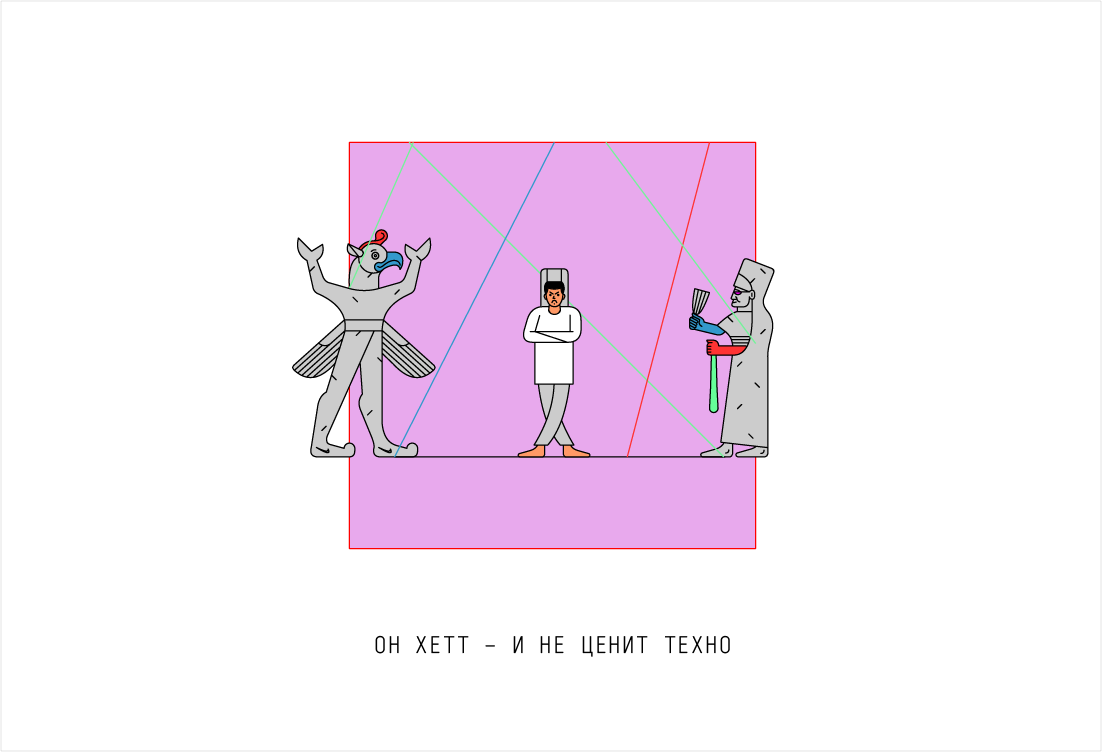
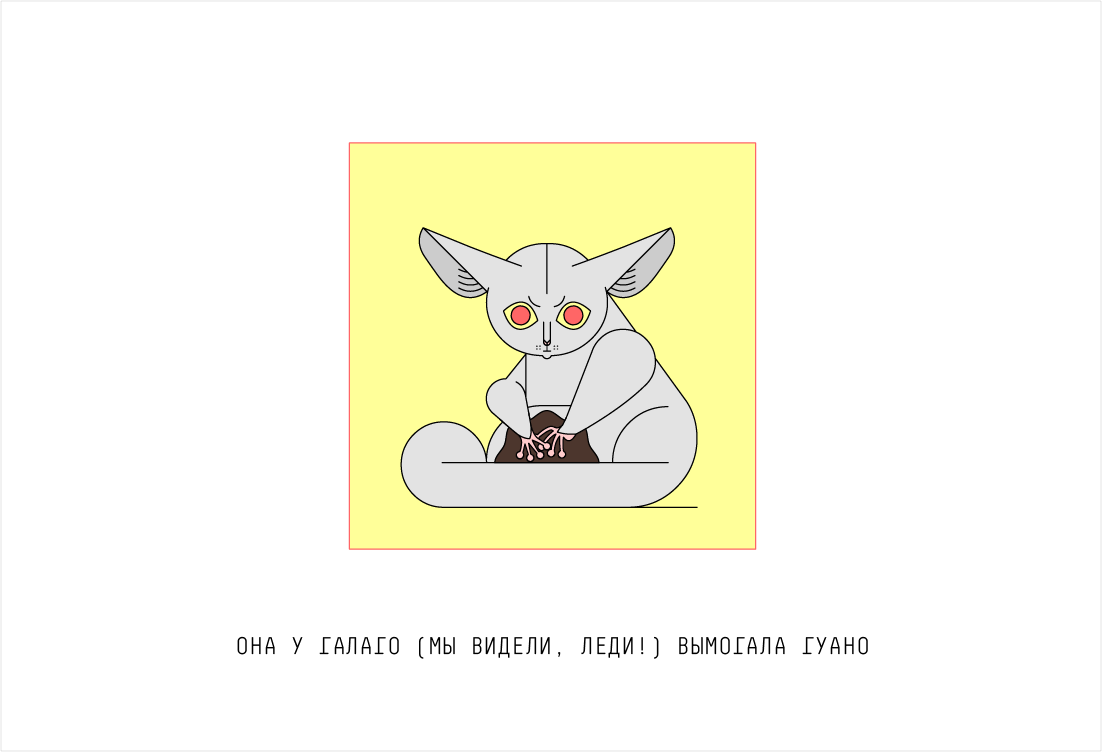
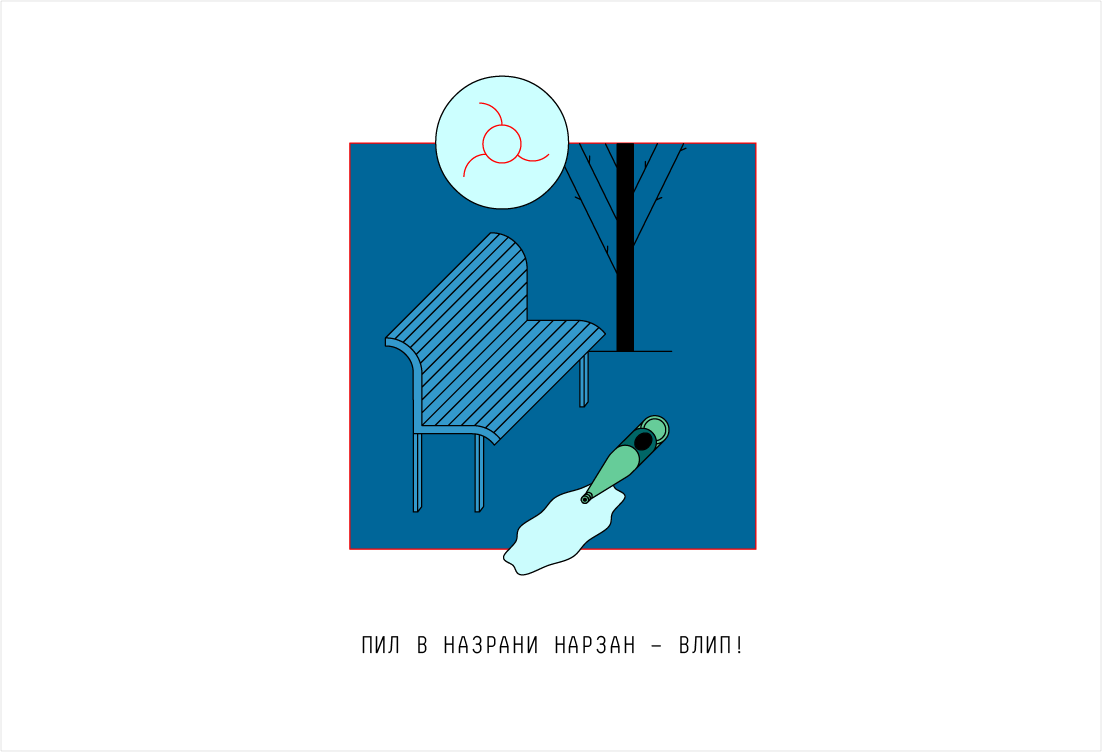
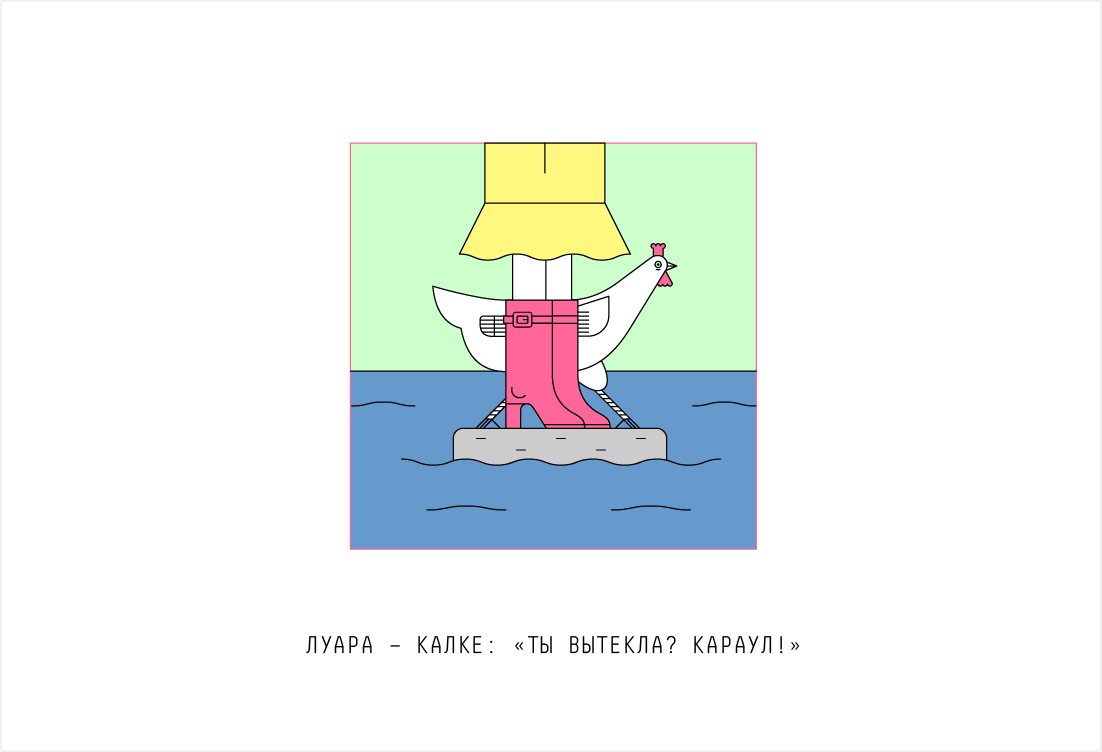
Musical journalist Lev Gankin from time to time publishes on his Facebook the palindromes invented by him - phrases that are equally read both from left to right and from right to left. Recently, Gankin published his hundredth palindrome, and on this occasion we asked him to tell how and why to invent the palindrome. The whole hundred did not enter the publication, we chose the 10th and tried to illustrate them.


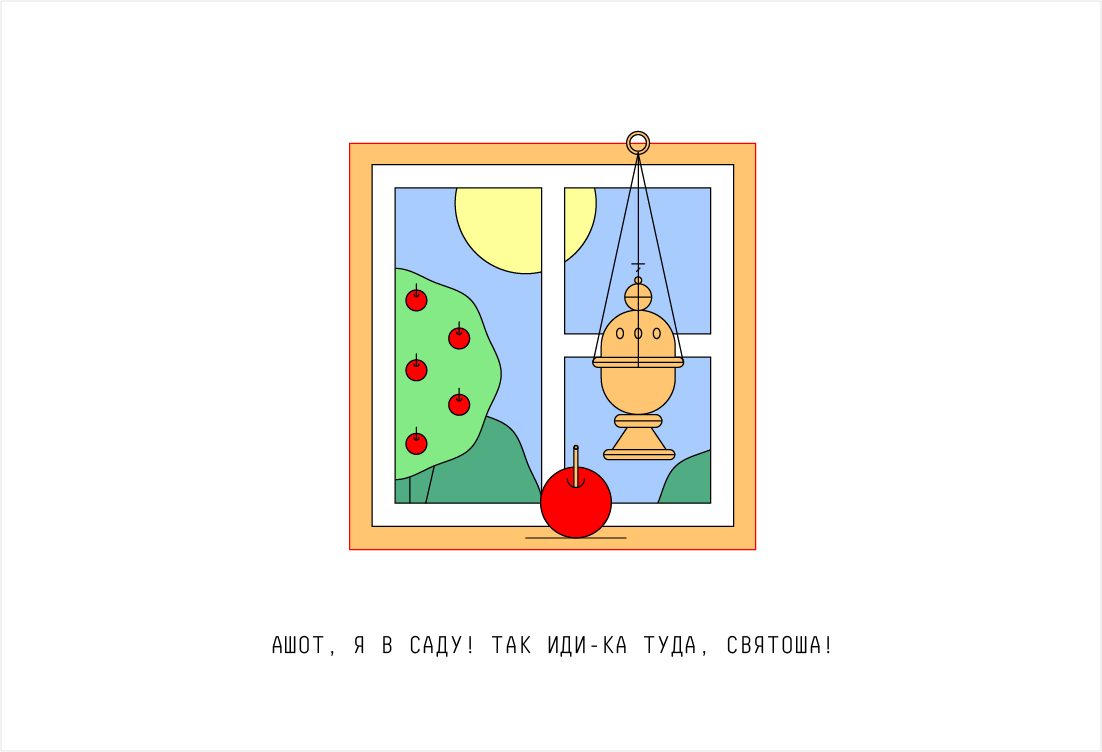


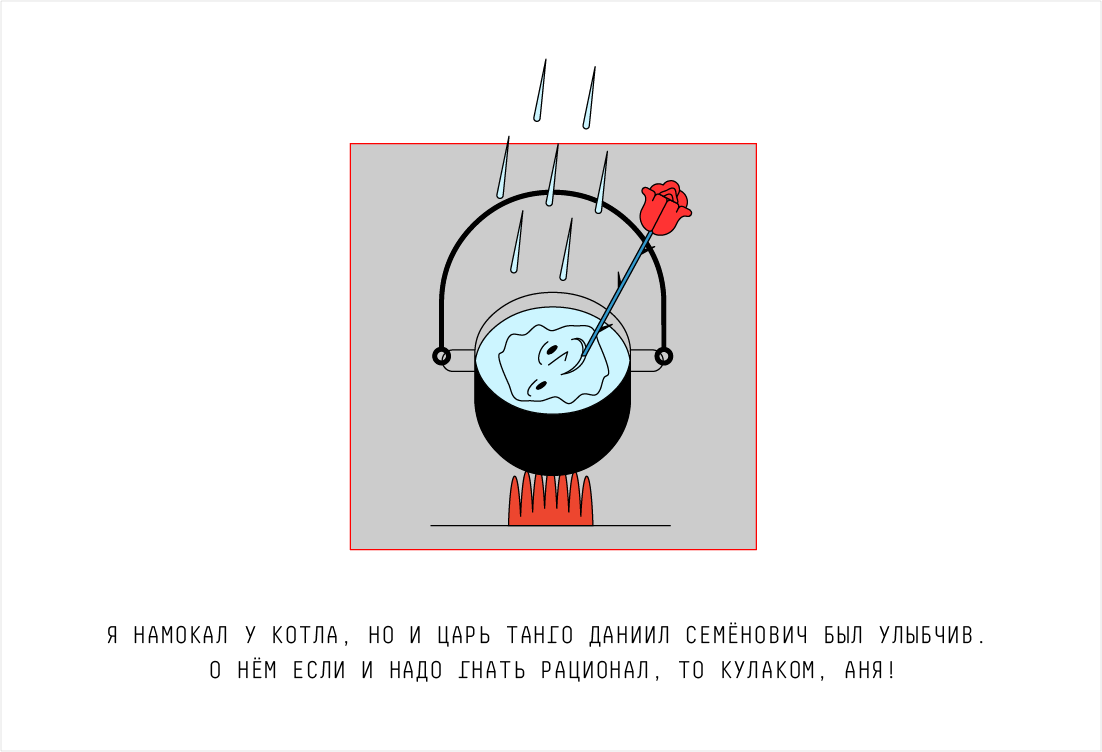
Why write palindrome?
Like all the best human classes, the composition of the palindromes is completely meaningless: it is not even gymnastics for the mind, because the mind as such (“a combination of abilities for perception, memorization, generalization, evaluation and adoption of a decision”, according to Wikipedia ) is not really involved here. Palindromes are pure water combinatoric - no more, no less. I usually compose them at moments of idleness to kill time: you go, for example, for a long time by train, and I forgot to take the book-you need to do something, so you begin to mentally turn the words and watch what happens. Sometimes this helps to switch - when you work on the text and feel that you can’t do anything: you think of a palindrome, you will rejoice in a folding phrase, you will cheer yourself up a little, and there it will go in a way with the text.
How to write palindromes?
In fact, this is not at all difficult - you just need to get the way to quickly turn the words in the mind and instantly understand that the “cat” gives “current”, “they say” - “scrap”, and, say, “Medusa” is a certain incomprehensible “azudem”. By the way, he is only incomprehensible at first glance, because “Azu” is a kind of meat, and in the “demo” in Russian, countless words begins - “demon”, “democrat”, “dementia”, “dumping” and others. Therefore, potentially from the "Medusa" you can make a lot of palindromes - in fact, the simplest was born right in the process of writing these lines: "Azu Demagogue - Medusa." This, frankly, is not a masterpiece of palindrome, but will come down for example! A person who composes the palindrms quite quickly understands the main rules: the first is to avoid “unreleased” and “low-icing”, as I call them, letter combinations (for example, “yzh”, “s”, etc.-when turning up, the syllables that do not exist in the Russian are turned), and the second is to google the palinder before publishing it somewhere, because someone is likely that someone is already a great Composed it to you.