
Translated material
"There were deaths, very sad"
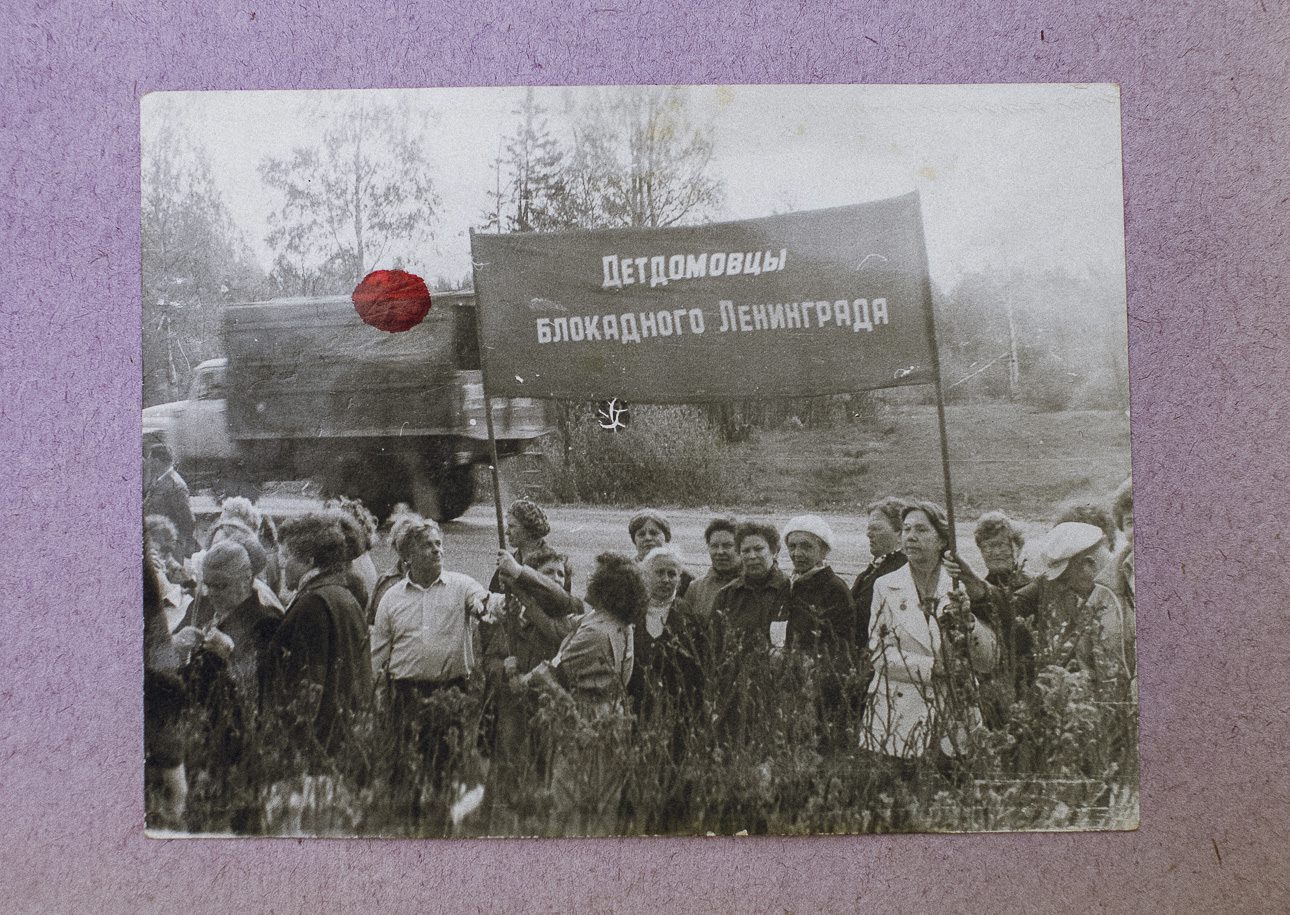
On September 8, 1941, Leningrad was taken to the blockade, which lasted 872 days. All this time, children remained in the city, most of them became orphans. "Such things" met with the pupils of orphanages of the blockade Leningrad
In 1942, an order was issued by the Leningrad Executive Committee to send all orphans to orphanages, and from there to urgent evacuation through Lake Ladoga. By that time, many of them had already lived alone for a long time, taking care of themselves or surviving thanks to the help of caring people. In August of the same year, the last evacuation of orphanages from Leningrad was carried out. But many remained in the city until the end of the blockade.
Valentina Trofimovna Gershunina
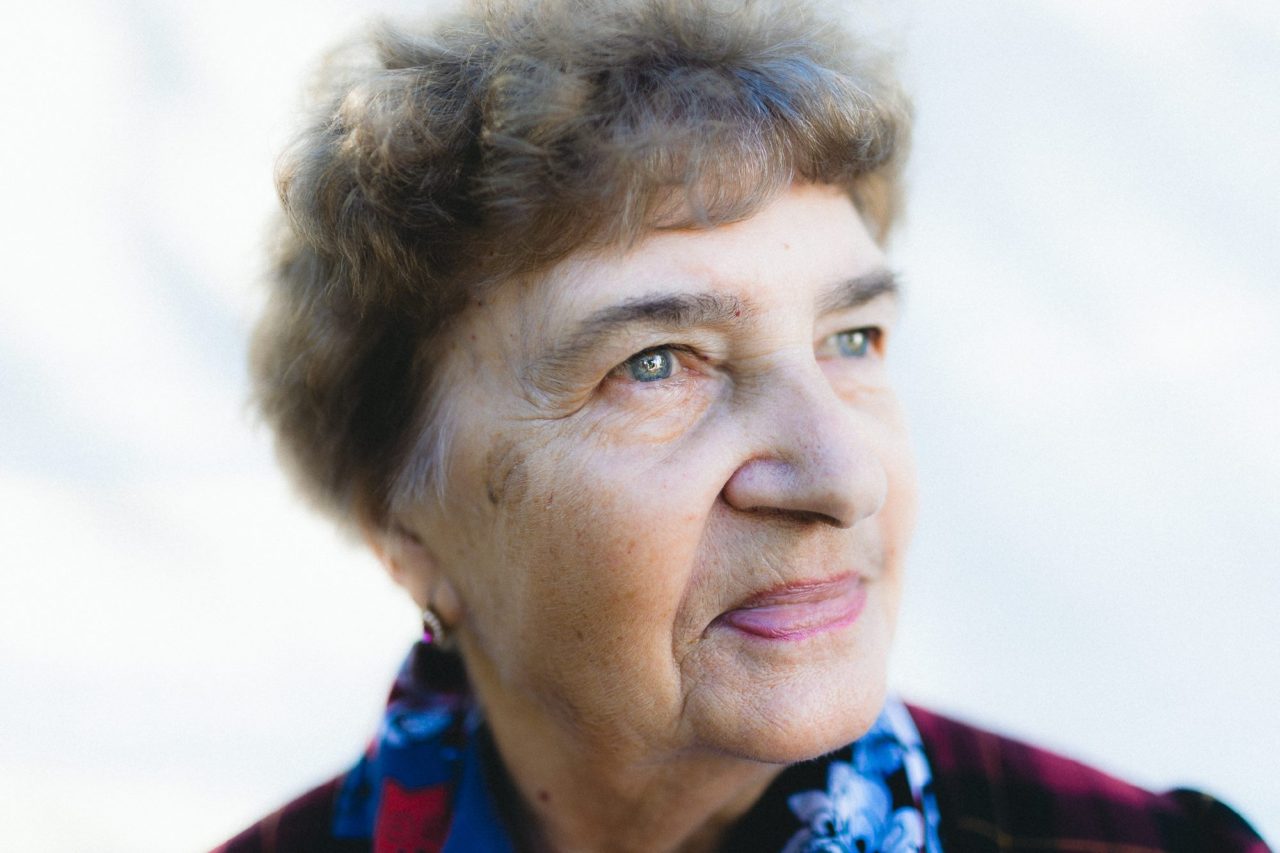 Valentina Trofimovna Gershunina Photo: Valery Zaitsev for TD
My mother was called up for defense work, it was necessary to strengthen the approaches to the city. Dad and I promised that this is all for a couple of days, then she would return. They sent those who could work and were not busy at factories or other important work, it was mainly women - they dug trenches and ditches. But my mother, like everyone who came to Duderhof, did not return, and she was included in the list of missing ones. So I stayed with dad.
Dad worked at a military factory, so he had a reservation, but it was far from the house, so while the transport went, he drove on it, and then he had to walk. So that I did not stay at home alone, he often took me with him, I spent the night there on stools and litter. I was only nine years old. When dad began to go to work on foot, his legs were covered with calluses, Gangren began, and in March 1942 he was gone. That winter was very cold, and we slept on the same bed, pressing against each other. One morning, when I woke up, he was already cold, I could not wake him. I was not scared, because that winter we walked and there were corpses everywhere. Near my house was the hostel of the Ulyanov-Lenin Institute, and with me, students jumped out of there during a fire. Charged, they remained to lie in the middle of their notebook sheets. We are used to it, there was only one desire: to survive and not die.
In general, so I was left alone. My aunt was in a barracks, and she was released very rarely, she sheltered after my apartment burned down. I came from school, and I had already burned out the house, there was no one to take care of housing, so I found myself at Aunt. I did not die only thanks to my neighbors, they were wonderful people, fed me, warmed me. The Germans wanted to destroy Leningrad, but Called great, I will tell you. Kindergartens, schools were opened, although we wrote not on paper, but on newspaper sheets. Theaters and cinema halls worked.
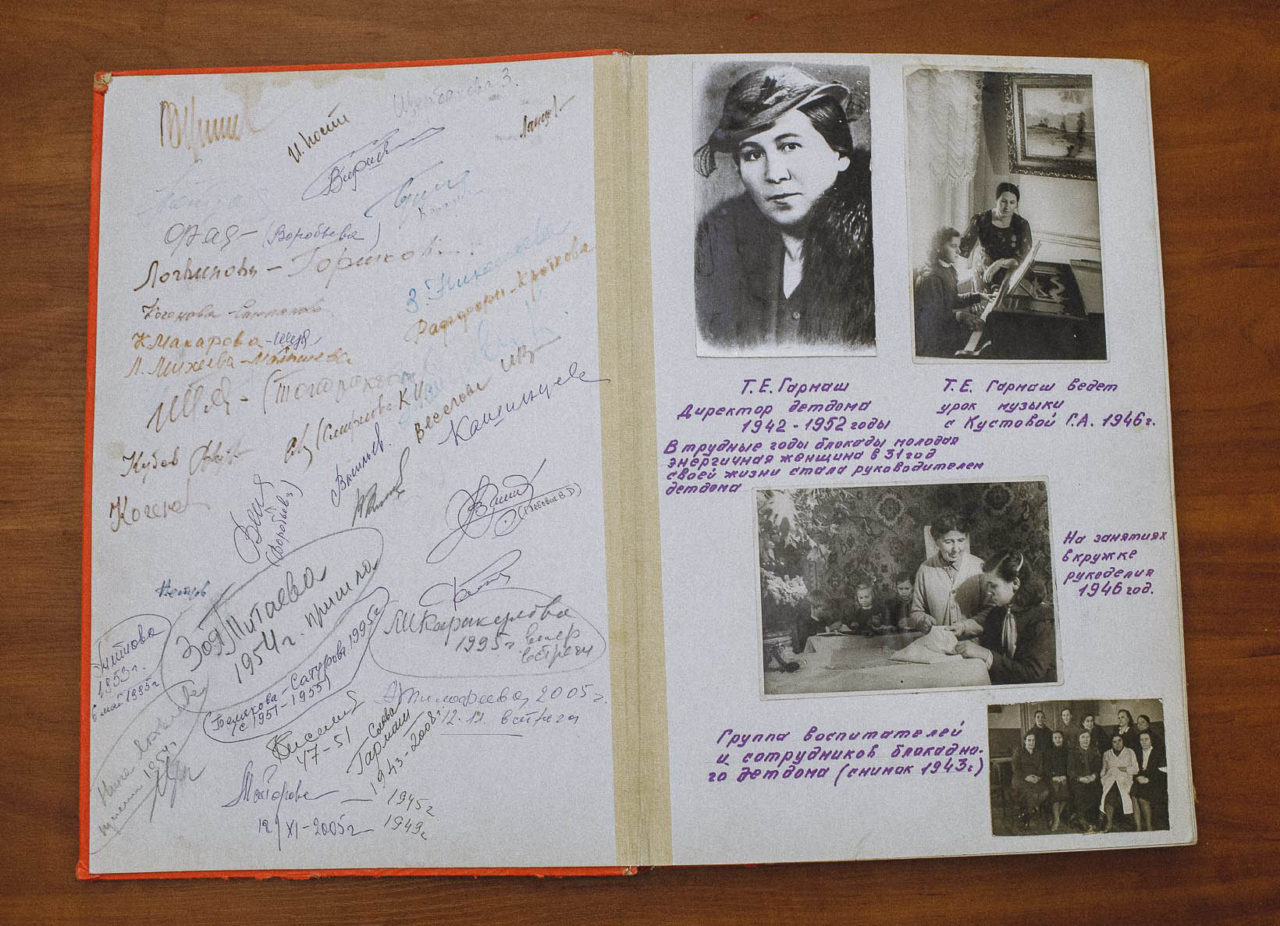 An album dedicated to the ninth orphanage, who worked during the years of the blockade of Leningrad photo: Valery Zaitsev for TD
I then lived on the Petrograd side near the House of Culture of Promooperation, now it is the Palace of Lensovet. And there films, film concerts and film magazines were broadcast. My friends and I lived in my house, Sonya and Galya, went there all the time. We looked at the “Big Waltz” countless times, and next to us were people who barely moved their legs and were in quilted jackets, fur coats, felt boots, they all filled the cinema, and we listened to the sounds of Waltz Strauss and admired. I still remember how I forgot that there - behind the wall - hunger, cold and shelling. Therefore, I did not sit at home: either I went to school, or to the cinema with friends, ran to collect nettles and searched for everything that could be eaten. The neighbors later made cutlets from nettles, a jelly was cooked from carpentry glue, bread was changed to mustard.
After the order of the Lankor Executive Committee, I got into a special -reception at the former music school on Kirovsky Prospekt. I spent two weeks there, probably. We all hurt scabies, there were lice. When I was alone, I didn’t even go to the bathhouse, so it is not surprising that we were all in combs. I remember how in the receiver they smeared each other - girls with shaved heads - tar ointment, who helped a lot from scabies. From the receiver they sent to the newly organized orphanage No. 82, and from there there was evacuation through Lake Ladoga. We sailed on a boat, there was a strong pitching below in the hold, the children were sick, and I quietly made my way to the deck and hid between the boxes, while the bombs whistled around the stretched hand. I thought only one thing: "If only we would get alive." German planes flew very low and perfectly saw that children were below. But they had an order so that we would not survive and could not become faithful defenders of the Motherland.
Charged, they remained to lie in the middle of their notebook sheets. We are used to itOn the shore under the canopies we were fed porridge, everyone around shouted: "Just do not eat a lot, just do not eat!" Then we were loaded into the cars of the passenger train, where we rode below, and above, and on the third shelf, two or three people slept together. From there we got to the motor ship "Tikhonovo" and sailed along the Ob in the village of Verte-Koss. It was the settlement of exiles, where the White Guards and Popov were sent during the revolution, ten houses. Two hostels, school, bakery, dining room were built around. The village itself was on the mountain, which towered 120 meters above the Ob, and around the impenetrable taiga. I first found out there sterlet, so fat, tasty, real beauty! They collected Kalba in huge baskets. There were deaths, very sad. Glory Efremov went to look for eggs, and never found him. Another boy went to swim, although it was forbidden, and drowned, his body was not found either - it was carried away by the current.
When they returned to Leningrad, I had a great joy - my mother was found! She was captured, they were surrounded by the Germans and sent to the camp. She never told me what was there, but for some reason I did not ask. There was no apartment, she burned. They didn’t want to put us in line, in the end they lived with aunt, and when I had already married, they gave my mother a small room on the street of Decembrists.
Regina Romanovna Zinovieva
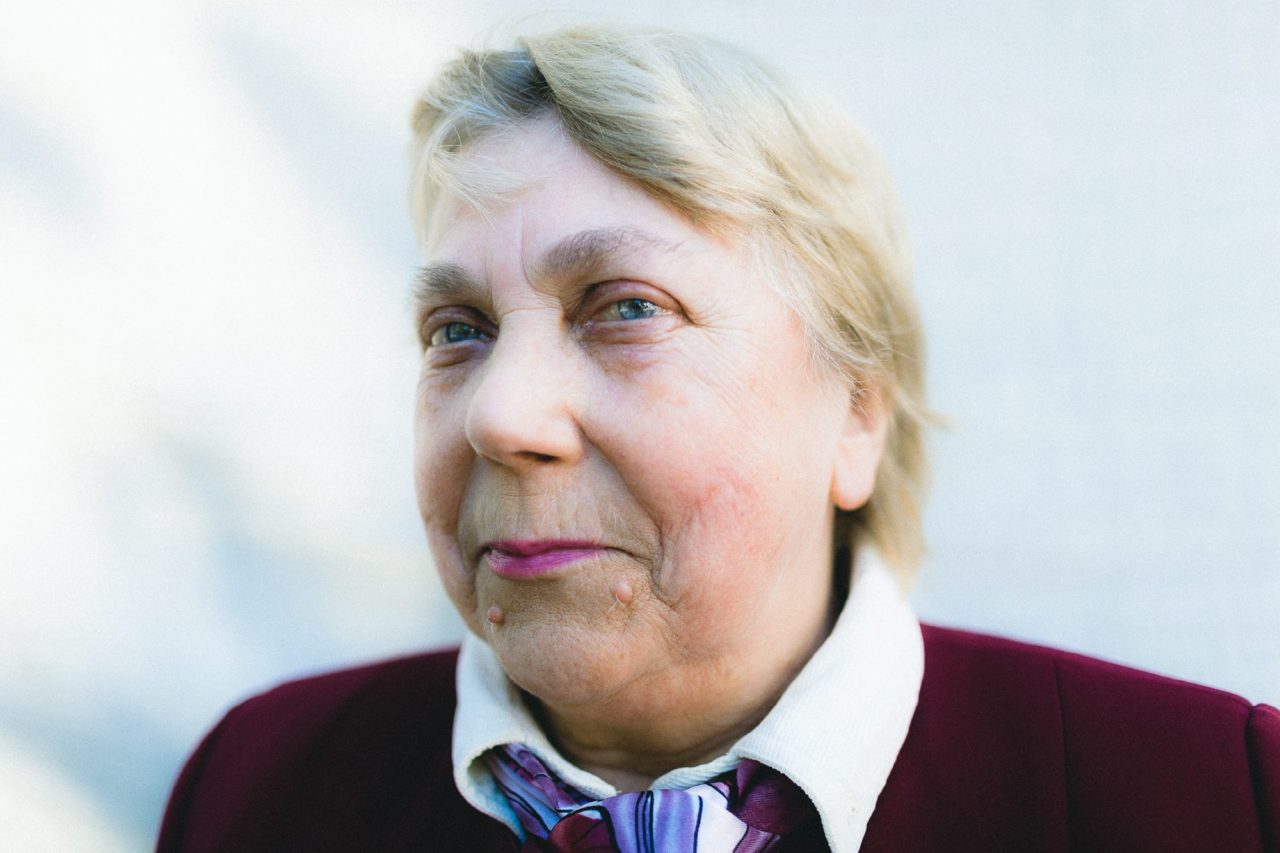 Regina Romanovna Zinovieva Photo: Valery Zaitsev for TD
We lived in the 13th Red Army in a three-room apartment: I, my mother, grandmother, great-grandmother and artist, I perceived him as a grandfather. I went to the kindergarten at the Trinity Church, my dad was at the front, my mother worked on defense work. The great -grandmother died at the beginning of the war, but she was already 90 years old, my grandmother - my grandmother took me into the kindergarten. Once on the way, she lost a food card, it meant that I would be left without food for a month. Mom went to kindergarten and begged the head and cooks to take her card instead of mine, but she was so thin and exhausted that, after conferring, they decided that they would not take the card, but they would find what to feed me. So I ate a month without a card, I consider this a huge feat of the head and cook.
In winter it became very cold, we all lived in the kitchen, my mother and my mother were sleeping on the stove, she was the warmest. Everyone somehow placed in this 10-meter kitchen. The grandfather-artist painted me a picture on the faner: the sea, which threw a shell with a mermaid ashore. I still perceive her as if he had wished me life. Grandfather later died, his mother left him in a cold room so as not to register as a deceased, and we were able to eat half a month on his card.
He told how he went to the artist’s house for the New Year: the tables were covered with starch tablecloths, caviar, fish, salads and fruits on the tables. And all this is drawn on plates, and on them lies a piece of bread-durand, a small cutlet made of horses and 100 grams of beer. And I had a real Christmas tree in my kindergarten, the government ordered, and a thousand Christmas trees were delivered to Leningrad. Mandarins were handed over from the south, they were driving Maxim Tverdokhleb by car on ice. Two aircraft fired at him, he took the fruit into the hole, a car without windshield, only half remained from the steering wheel, all the hands in the blood. I still remember how the juice sucked from these wounded tangerines.
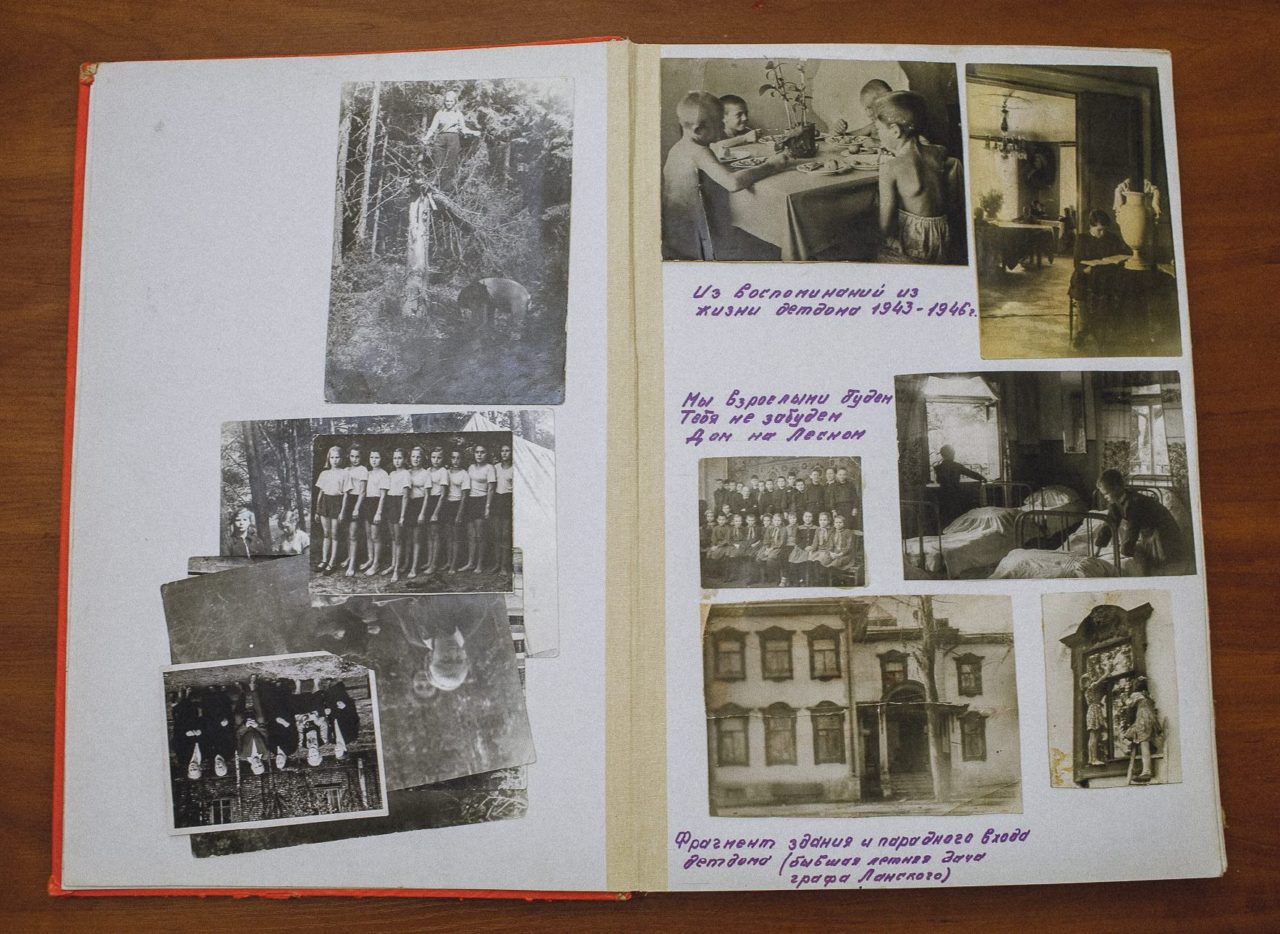 Album photo: Valery Zaitsev for TD
By order of the government of all the Germans living in Leningrad, they sent to Vorkuta, but no one went there. Everyone died on a train from hunger and cold - death trains. And my grandmother was a German, before the war she taught children German and French, I still remember how she sang German songs. In December, it was an order from afar so that all the Germans went to the Finland Station. Mom said that the grandmother was so weak that she was unlikely to reach there, most likely she died somewhere along the way. And dad was sent from the front to the same Vorkuta. His name was Hindenberg Roman Ottovich. There were up to −80 degrees of frost, they all hid in the mines, worked there, and lived. In wooden barracks without heating, it was impossible to sleep. When a train with the Germans arrived from Leningrad, they were looking for their own. And I don’t know what was great happiness: not to find or find your own.
In the winter of 1942 it became very bad, then my mother laid out the cuts of the fabric and all her jewelry and called for a woman to visit, and she exchanged it for a piece of bread. Then the aunt saw me and said: "You have a little girl and I may have some toys?" And I had Foka - a fluffy monkey that I was presented before the war, and my dad and I sang a song about it: "Foca jumps far, Foca jumps high." I grabbed her, and my mother and woman unclenched my hands, trying to take her away. For Foku we cut off a piece even more than for jewelry. After the war, I asked my mother: "How could you take away the most expensive from a small child?" - And she replied: "Maybe this monkey saved your life."
In the most-most hunger, in March, when nothing grew around, and only the snow was around, my mother led me to the kindergarten and fell into a snowdrift. I ran around and tried to do at least something, a anti-aircraft battery stood nearby, a military man walked from there, went to my screams, felt a pulse of my mother, realized that he was still alive. I took me to the garden, and took it to the hospital. And from the kindergarten I got into a specialist and orphanage.
In the orphanage, they led me to the crib, and she was lying on her with big, big eyes, and they say: “You will now sleep here.” And throwing a blanket. And under the blanket, the legs are blue, swollen, in black ulcers. I say: “How will I sleep here? She will be hurt, I will turn! " And the girl said that she did not feel her legs at all. One night, when we lay, hugging, trying to warm each other, she died. I cried all night, afraid to wake everyone around, because in a dream you do not feel hunger, and I just wanted to keep their sleep.
Dad was sent from the front to the same Vorkuta. His name was Hindenberg Roman Ottovich. There were up to −80 degrees frostSo I was left in this crib alone. From the orphanage I was taken by aunt and sent me with a cousin with the kindergarten in evacuation to Eastern Siberia, to the Tyumen region in the village of Tyutrino. We were met there with a huge home pie, he was held, standing on the porch, a girl in a Russian sundress. There we got there on a barge in August 1942. There were three barges - covered, large, clumsy. There were small portholes, we were fired, two barges drowned, and we reached the shore with a hole. I still remember how we sailed knee -deep in the water, and from the other two barges remained in the waves of white children's panamas.
On the other side, we were given semolina porridge, which we ate, and then licked the plates. They asked yet, but they didn’t give us. Then they sent us on a train, the boards were laid between the shelves, and we were there like herring, pressing against each other. In 1944, I went to first grade, and after the war they returned us home, then the teacher was told that she would send all adult children to rebuild the city, but she begun to leave them, was afraid that she would not reach, too weak. Only the girls remained, the boys were sent to rebuild Leningrad, I remember how the proud they stood and looked at us - the baby.
In the orphanage, we collected nettles, having removed panamas, caught fish, chopped firewood. Everyone wanted to help the front as they could. But what kind of delicious cabbage soup were there, and we also had a cow, and the most weakened was given a glass of milk. At school, we were planted with village together, I was imprisoned with a boy who brought a beetroot with him. I told him: "Let's feed my dolls?" - And quickly she probably got out of the fabric of the dolls. He feeds them, and I quietly eat this beetroot. In fact, there educators and teachers clutched by the head, how small and skinny we were.
When they returned, everything was difficult. Mom went to dad to Vorkuta in 1950, wrote letters to Stalin, where I saw these terrible wooden barracks. In 1952, the pope was nevertheless returned home to Leningrad, but no one needed him here. Vorkuta was considered a link, which means he was sitting. Mom arranged for her connections to the factory, and there he grown to the boss, he was very much appreciated, he was a good man.
Nina Vladimirovna Fadeeva
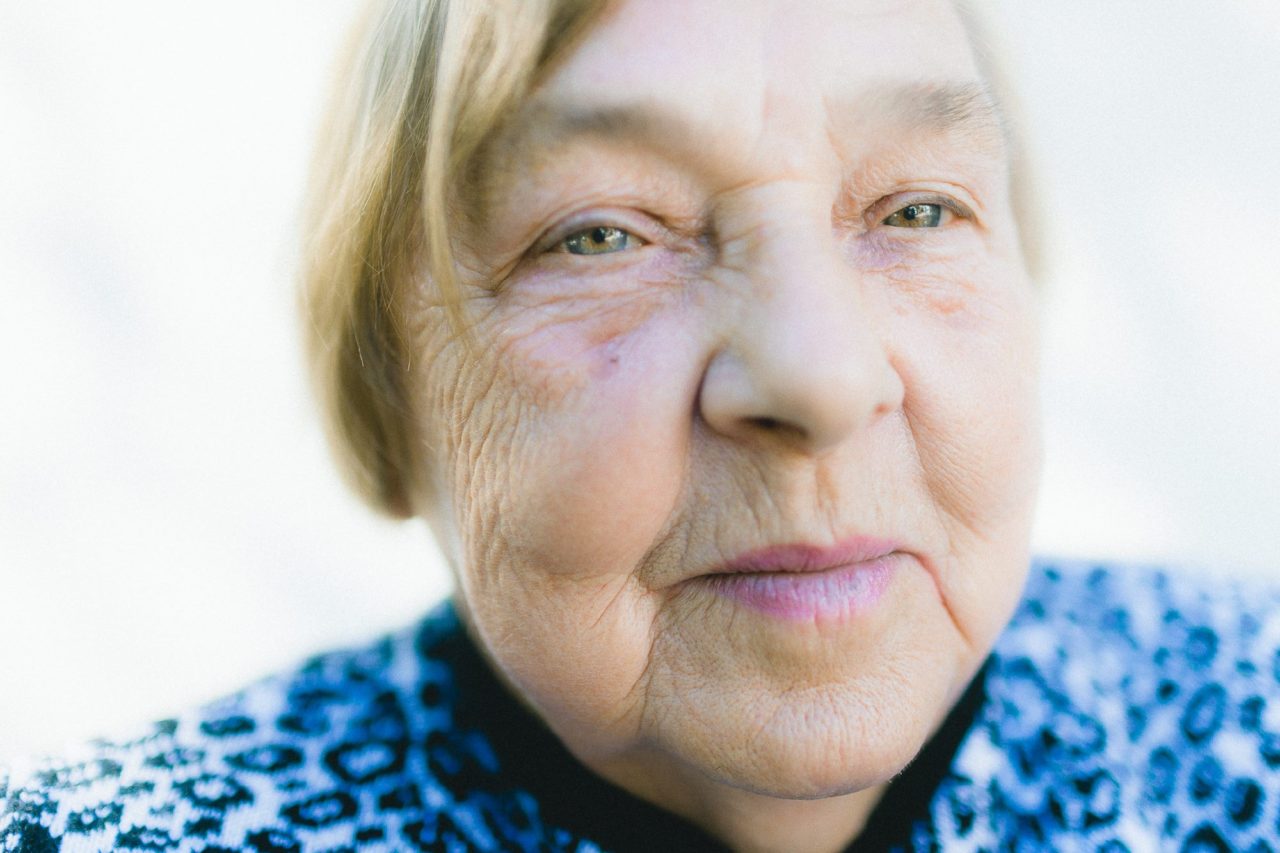 Nina Vladimirovna Fadeeva Photo: Valery Zaitsev for TD
Nina Vladimirovna - Chairman of the Regional Public Organization of Pupils of Orphanages of Blocade Leningrad. She spent all 900 days of blockade here. Dad died in a blockade, was a valuable specialist, and therefore he had a reservation. He worked at the Gomsomes - an optical plant. In 1943, Nina hit the orphanage, which was located in the former estate of Count Lansky. The educator was the countess herself. Almost every year, former pupils of this orphanage have meetings, but Nina Vladimirovna does not give an interview and tells little, she is too hard:
“Yes, I spent the whole blockade here. I have nothing to tell. Yes, it’s scary, but I had a good orphanage, and I had a great time there. I ended up there, like everyone else. Yes, it was very scary: bombing and the blockade itself. Before the orphanage was with my mother. I don’t like to remember and do not want to remember at all. Excuse me, but let's not, ”she said, and then continued quietly:“ Dad is sacred for me, not mom, but dad. Even when I taught 35 years physics and astronomy in Suvorovsky, and although they asked to tell, I did not tell. Excuse me, but I just can’t attend orphanages and talk about it too. This is not as easy as it seems, because you can imagine everything at once and you can’t do it anymore. I guess I can never tell about it. Do not be offended just, please. "
And then Nina Vladimirovna takes out a large red album with photos, and I see adult children at them, and with some pictures she looks at me - a big -eyed girl in white golfs. In 1952, her mother took her from the orphanage - seven years after the war.
blockade orphanage orphan