
Translated material
Squadron of Death from Davao
The President of the Philippines was called the leader of the group who killed about a thousand people
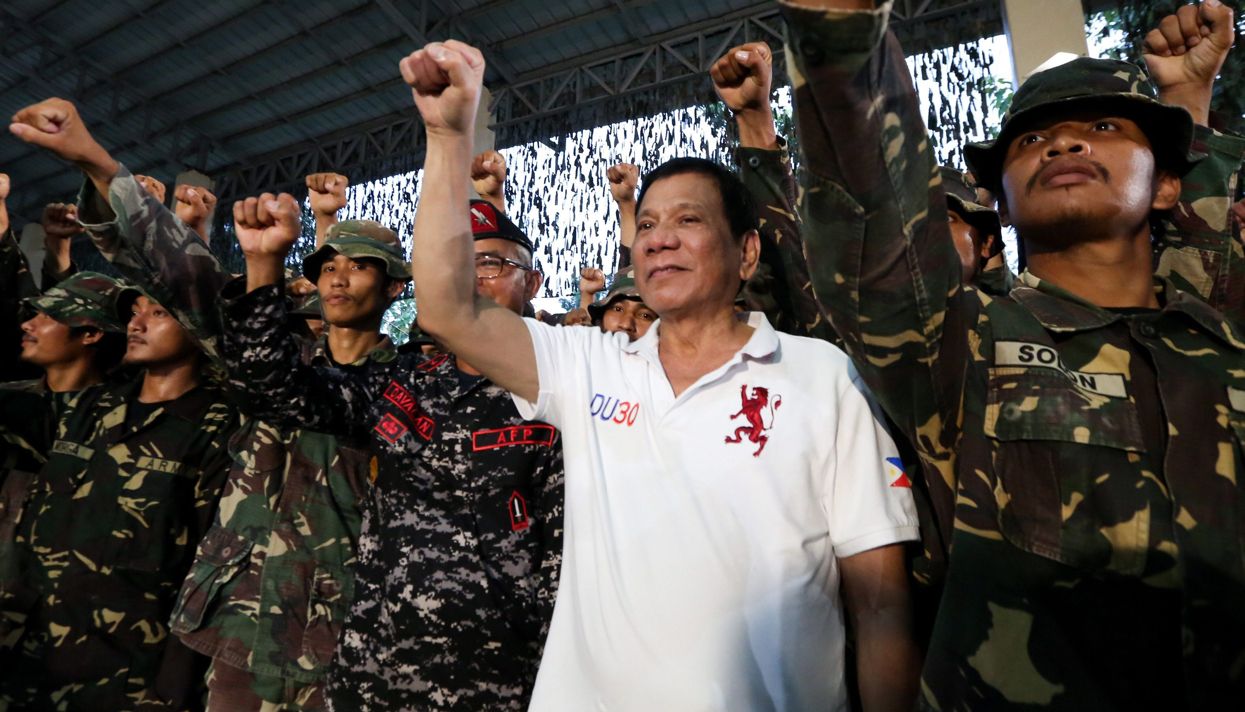
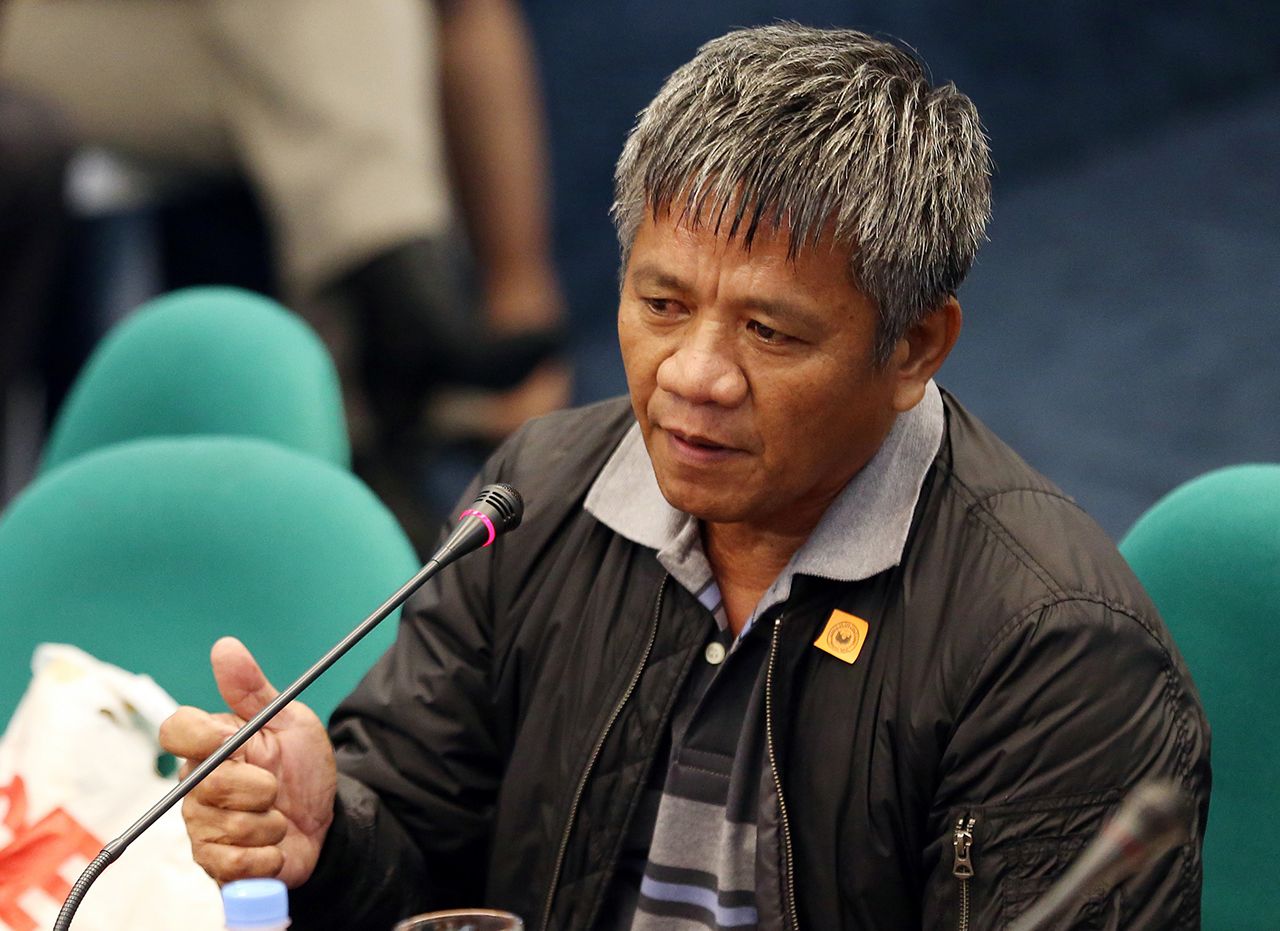
On September 15, the former hired killer from the Philippines Edgar Matobato told at the hearing in the local Senate that he had been in the criminal group “The Squadron of Death from Davao” for more than 20 years. Its founder, according to Matobato, is President of the country Rodrigo Duterte. According to the former mercenary, for two decades, the gang participants killed about a thousand people on the orders of Duters. Moreover, Duterte himself committed one murder, who was then not yet the head of state. Medusa talks about this story.
At the hearing in the Senate, Filippin Matobato said that he joined the Lambada Boys group in 1988. The mayor of the city of Davao, future President Rodrigo Duterte, invited him there. In the late 1980s, the gang numbered seven people, but in the 1990s its ranks were constantly replenished; Then she received the nickname "The Squadron of Death from Davao." The group participants allegedly conducted extrajudicial executions, as a result of which about a thousand people were killed: criminals, suspects and political opponents of the Mayor Davao.
Matobato admitted that 50 people were guilty of death, and he committed each murder by order of Duterta. At the hearing, the former killer told how he fed one of them crocodiles, and threw the others or threw it into the sea. Matobato also said that one day Duterte committed the murder with his own hand: he shot the National Bureau of Investigation from the submachine gun.
According to Matobato, he worked as a personal guard Duterta and was formed under a stranger to the Civil Security Directorate of the Davao City Hall.
Matobato decided to leave the Squadron of Death from Davao in September 2013. “I was very tormented by conscience,” The New York Times quotes his words . Matobato's accomplices released him only after a few days of torture. Having taken his wife with him, he left the city, and a year later he turned to the regional branch of the Human Rights Commission - however, they could not protect him there. In Manila (the capital of the Philippines), Matobato applied for participation in the witness protection program. But when Duterte was elected president in July 2016, the former mercenary again started running. And only in September he decided to testify in the Senate.
Rodrigo Duterte himself, whom local media nicknamed the “punisher” and “dirty Harry from Davao”, is known for his sharp public statements. So, in 2009, he stated that criminals are “legal targets” and can be punished outside of lawsuits.
During his election campaign, Duterta spoke about the tightening of the state fight against drugs. The speeches of the candidate for the post of head of state already bothered international human rights defenders who were afraid that extra -court executions would acquire a massive nature. The observance of human rights and US President Barack Obama called on. In response, he called Obama the “son of a whore” and threatened to repeat the insult to his face if he would blame him for extrajudicial executions (later Duterta said that he did not say this).
In 2012, the Filipino Commission on Human Rights reported illegal executions. She published a report from which it followed that from 2005 to 2009 the “Squadron of Death from Davao” killed 206 people, 107 of whom were criminal records or were suspected of committing crimes. The former chairman of the commission, and now Senator Leila de Lima led the very hearing at which Matobato testified. Leila de Lima (she is also a former Minister of Justice) accused Duterte of an increase in the number of extra -court executions since he became the president. Lima also recalled his words that he swears to kill 100 thousand criminals within six months after taking office.
On September 15, on the day of the hearing with the participation of Matobato, the Police of the Philippines stated that from the moment Duterta entered the office, 1506 people were killed suspected of selling or using drugs. However, they have no direct evidence of the existence of “punitive detachments”.
President Rodrigo Duterte himself denies his involvement in the activities of the "death squad." His spokeswoman Ernesto Abella told reporters that such accusations against the president de Lim had put forward in 2009, but since then they have not been instituted. The spokesman noticed that the hearing in the Senate coincided with the beginning of the investigation that is conducted against de Lima herself-she was accused of patronizing drugsindicates. Shortly before this, Duterte publicly accused her of taking money from the drug dealers and invited her to hang herself.
The accusations against the “death squadron in Davao” never sounded publicly and were not discussed at the hearing of such a high level. It is known that earlier the “Squadron of Death from Davao” took revenge on those who revealed their secrets - killed their children and relatives.