
Translated material
The most boring campaign
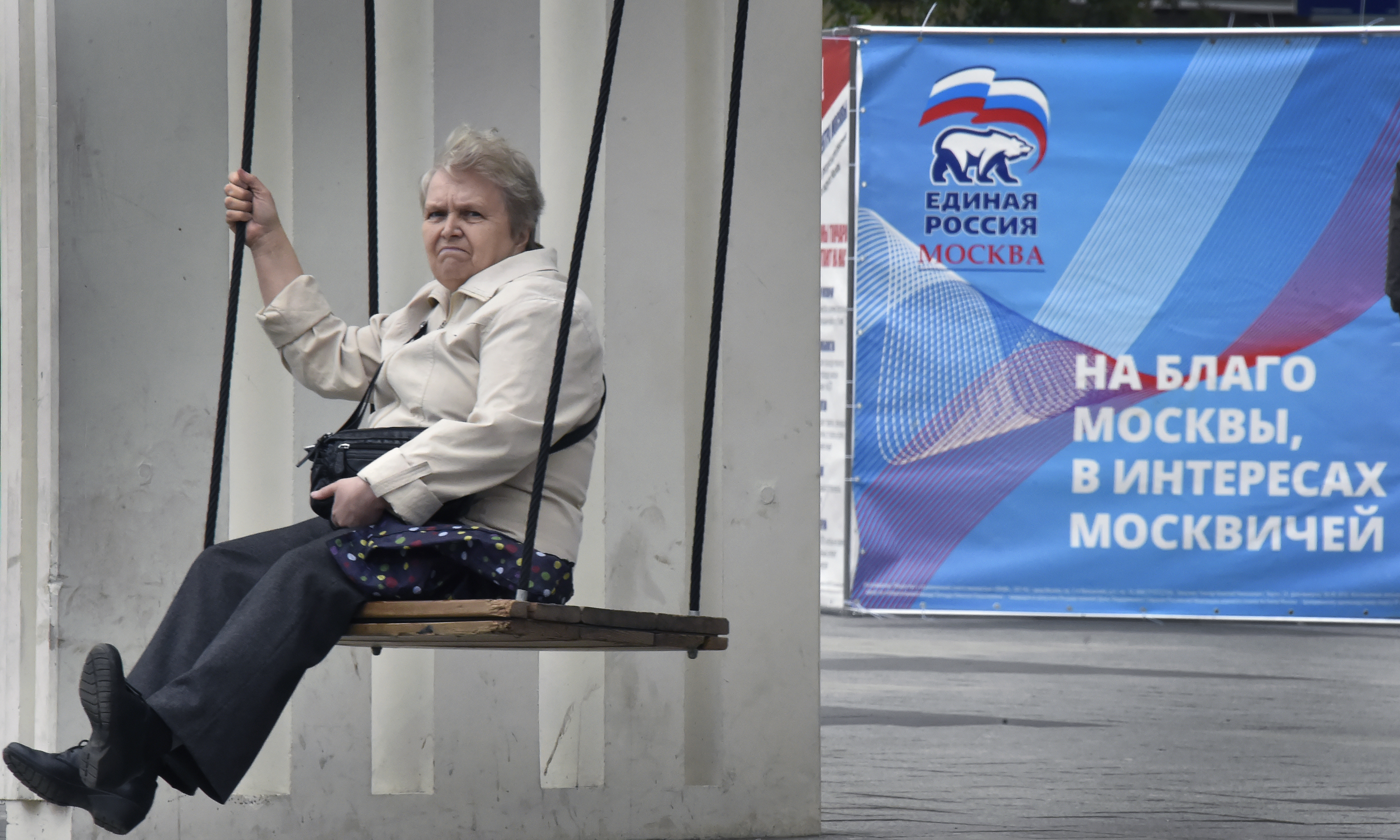
According to the movement in defense of the rights of voters "Voice" , whose activists studied more than 700 thousand reports on the media, the current election campaign is the most apathetic and boring, compared to previous ones. It passes without a noticeable information trace.
Why is this so? Why do the Kremlin political technologists, led by their chief conductor Vyacheslav Volodin, need such elections? What goals do they pursue? About this and much more in an interview with Radio Liberty was told by one of the leading Russian elections, professor of the European University in St. Petersburg Grigory Golosov .
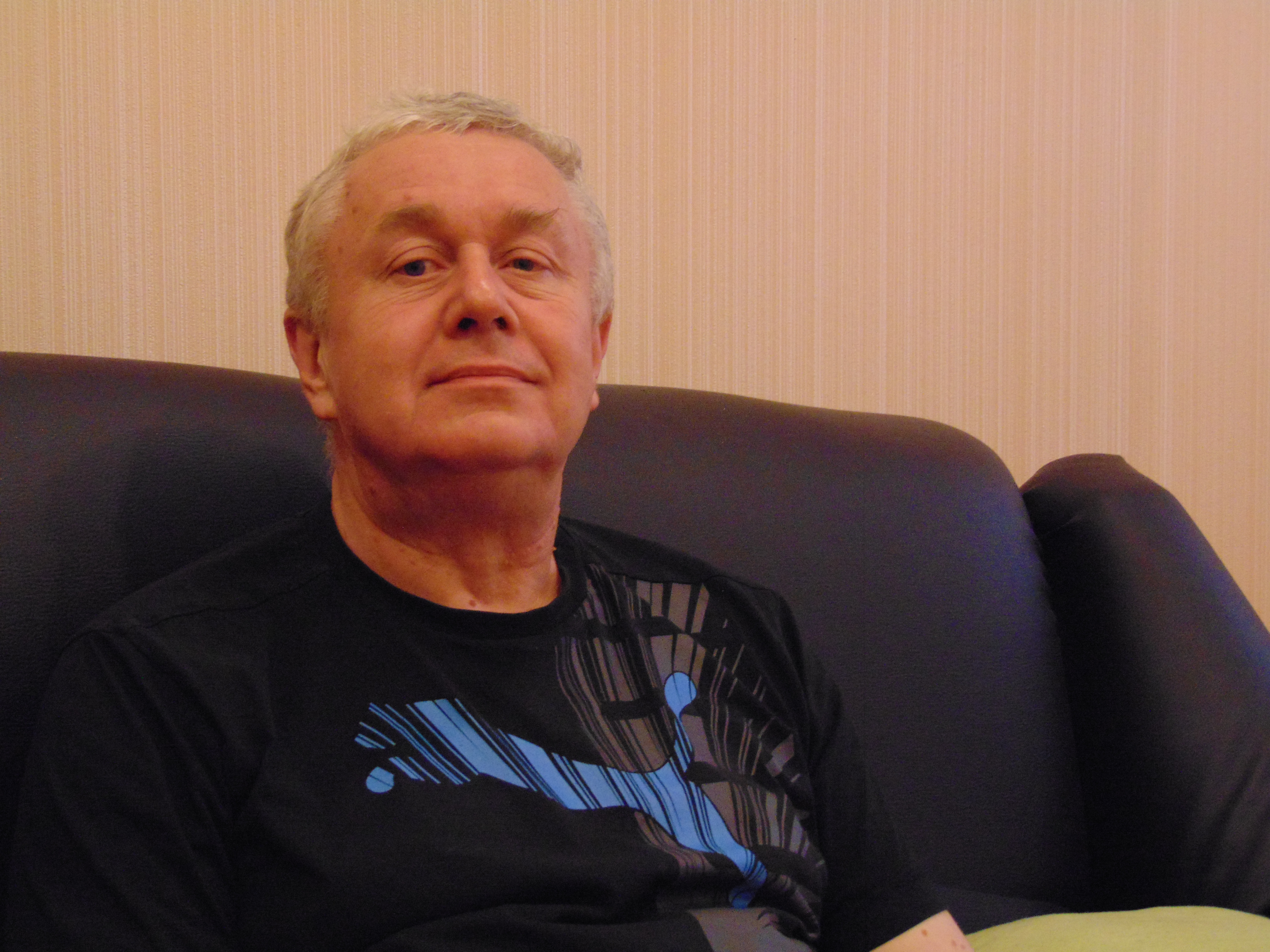
- Grigory Vasilievich, is this election campaign really the most apathetic in the latest history of Russia and, if you agree with this statement, why?
- Yes, I certainly agree with this. This is striking in the state of outdoor political advertising in the city. But this is explained very simply. The authorities in these elections from the very beginning consisted in attracting as few inorganized voters as possible.
A fairly large category of voters exists and is constantly growing in Russia, who go to the elections solely because they are forced to do it, or because it is financially beneficial for them. This is not some kind of Russian specificity, this is observed in many countries of the world. But in Russia, this trend has increased to such an extent that now you can get a satisfactory result for the authorities simply because these people will come to the polls and vote as they expect from them. And they expect from them (and quite justified) that they will vote for the United Russia party.
Inorganized turnout is fraught with all kinds of surprises
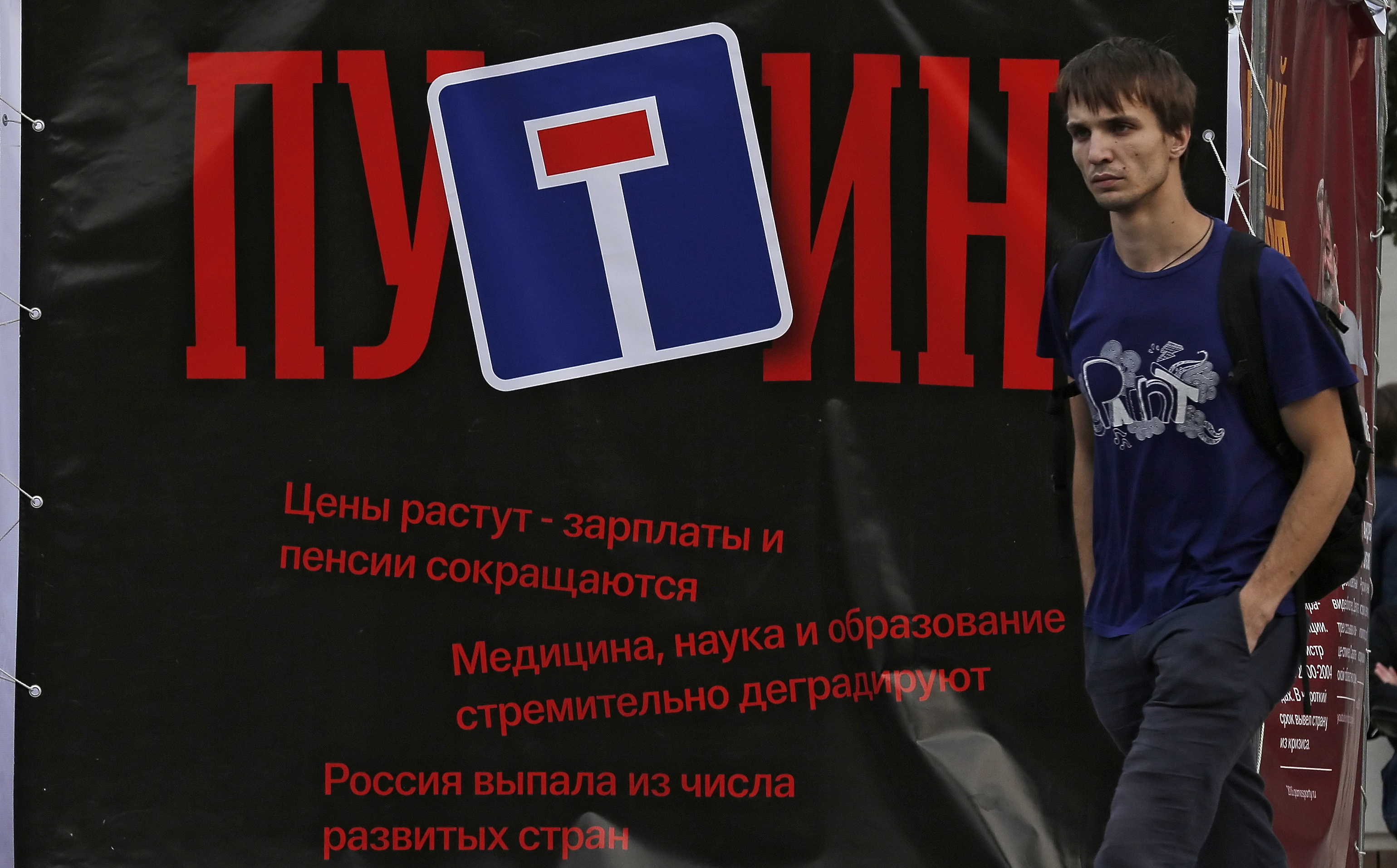
On the other hand, an unorganized turnout is fraught with all kinds of surprises. People who will come to the polls on their own initiative will not always choose the United Russia party, even if they sympathize with the foreign policy of Vladimir Putin. They realize that the situation in the country is deteriorating, that the government is very poorly coping with its duties, and they feel it with their own pocket. This is not an objective assessment, but if a person feels that he becomes worse, he becomes less inclined to maintain power. Therefore, even people who swear allegiance to the president can vote for other parties-they always criticize the government. In order to minimize this, you just need to talk about the election on TV as little as possible, as little as possible demonstrate their presence in the public space. Actually, this is happening.
- Every year the number of people who come to vote to sites decreases. If 30% of the total number of voters come now and, let's say, EP will receive 40%, will there be a legitimate alignment of forces in the State Duma and, accordingly, the State Duma itself?
- This is a correct question, but it does not take into account the trend that I already said: the number of organized voters is constantly growing. And the regional elections show that only at the expense of them can you easily dial 50% or slightly more - and no one will say that no one has come to these elections. Indeed, some people will come to them and vote. This will be the best result for the authorities. If only these organized voters come, and they all, with random exceptions, will vote for United Russia, then they will say: “Well, look: the turnout is not very high, but by European standards, we are decent. We are democrats, we do not force anyone to vote. And the result is United Russia, look, of course, there will be an interest of eighty!” This is "unanimous support for the course of the president and government."
- And how can we explain the fact that recently the head of the Central Election Commission Ella Pamfilova, in all seriousness, allowed the all -Russian referendum on the introduction of the obligatory participation of citizens in the elections?
The modern Russian regime does not really have mobilization potential
- Why could this be beneficial for the authorities? Because it would attract completely depolitized voters who do not know anything about politics at all and, of course, would vote for United Russia, and even more so for Putin, because everything will be just for the presidential election. But I believe that this initiative would lead to a greater extent to the mobilization of people who, in principle, are not inclined to vote for power, but do not go to the polls, because they do not consider these elections to be real. Now they will be forced, they will be angry and even more vote against the authorities, and this effect will block what I said from the very beginning.
So if the authorities generally adhere to a rational strategy (and I must say that it adheres to such a strategy), then it will abandon this measure.
- Hitler also said that the apathy of the population is the greatest threat of state security. Apatia may hide an unexpected potential surge in discontent for everyone. Do you have such a threat feeling?
-Hitler had in mind that the authoritarian regime, if he wants to resist, and resist for a long time, should resort to special measures to mobilize the population. And it cannot be said that the Russian authorities ignore this advice. They conduct information and propaganda campaigns, which are quite effectively mobilizing those who can mobilize.
As for why this does not work ... Because the modern Russian regime really does not have mobilization potential. He simply has nothing to offer such an ideologically exciting that Nazism or Communism could offer. In addition to the "ukrofashists" and "evil Obama", frankly, there is nothing to lay out on the table.
Except for "ukrofashists" and "evil Obama" and there is nothing to lay out on the table
On the other hand, the population understands the more or less effective nature of the Russian quasi-industrial institutions and therefore treats them with distrust. And, as I have already said, the authorities are to a certain extent that people are not mobilized. The strategy is to mobilize those who can mobilize with the help of this propaganda, and for others to create a situation where there is nothing to catch on this political system at all, to make them completely go into private life, simply ignored what is happening. And, in general, it turns out.
-And you do not think that in order to withdraw the people from a dangerous apathy for the power of apathy, the power will undertake something extraordinary-will, for example, will begin a military attack in Ukraine or the Baltic countries?
The authorities are beneficial that people are not mobilized
- For such active actions you need a certain cardinal change in the mode of the regime. Since the Russian regime is a personal dictatorship, this cannot be excluded: a lot depends on the fact that at a certain moment it will click in the brains of one person. But it seems to me that now Vladimir Putin is not yet ready for such a “click”.
- Is there, in your opinion, Yabloko or Parnassus a chance to get into the State Duma?
- Any forecast in the current situation will be very subjective and evaluative. Those data that we have from sociologists, and from all-from VTsIOM , FOM , and the now almost prohibited “Levada Center” -converge that a very significant category of voters did not decide whether it would go to the elections or did not decide on the choice. And therefore, even for the largest batch, the range of possible results is very wide.
When we make a projection from those who have decided that they will go to the polls and vote, it turns out that United Russia receives about 40%. I believe that for the authorities this is an acceptable result, on which they are actually oriented. But, taking into account a large number of not determined, we can predict the result significantly lower - up to 30%, or, if the turnout is very low, then this result can be significantly higher, up to 50%, which, of course, will already indicate the serious victory of the organizers of this election campaign from the presidential side.
The very significant category of voters did not decide whether she would go to the polls, or did not decide on the choice
Based on the fact that we do not really know what the result of the leading party will be, we know almost nothing about what the results will be of all other parties. We just know very little about the moods of those people who have not decided.
Theoretically, I could not exclude the passage of the "apple" to the State Duma. Moreover, I think that the authorities can deliberately allow this, based on the fact that the presence of a small liberal fraction in the State Duma will increase their image potential in the foreign policy arena. But there is also a significant objection to this: the presence of even one more or less opposition deputy, who will act as a hut, may have a serious negative impact on the same image.
I think that in this situation, the authorities' strategy is not to violate the rights of “Yabloko” very rudely, and if they really overcome the five percent barrier, say: “Well, okay, everyone saw that you have overcame it!” That is, if there is 5.5-6%, then, perhaps, it will be officially 4-4.5%. So a lot depends on what the "apple" will receive, and, in essence, the same situation develops with Parnassus.
Parnassus will be a more acute and negative attitude than to the "apple"
Parnassus will be a more acute and negative attitude, because the authorities relate to this party more hostile, as, in fact, Parnassus to the authorities. And there is a certain range of opportunities. It all depends on the behavior of voters, well, and, of course, on the behavior of governors.
- In your opinion, is the current admission of the Yabloko party that Grigory Yavlinsky is going to participate in the presidential election in 2018? Many criticize him for this, saying that their results are already a foregone conclusion.
“They, of course, are a foregone conclusion if Putin will participate in them.” He is not going to abandon power, losing the elections. If he puts up a spare candidate, then this will happen completely not for electoral reasons.
For Putin as a whole, it is desirable for Grigory Yavlinsky to take part in the presidential election
As for the current campaign, I, of course, will not argue with the fact that the authorities are profitable to have a party, which they can talk about as a party of liberal, opposition and which at the same time at critical moments, as you can expect, will show loyalty. And the presidential election is just such a critical moment, and it is clear that it is desirable for Putin as a whole that Grigory Yavlinsky takes part in them.
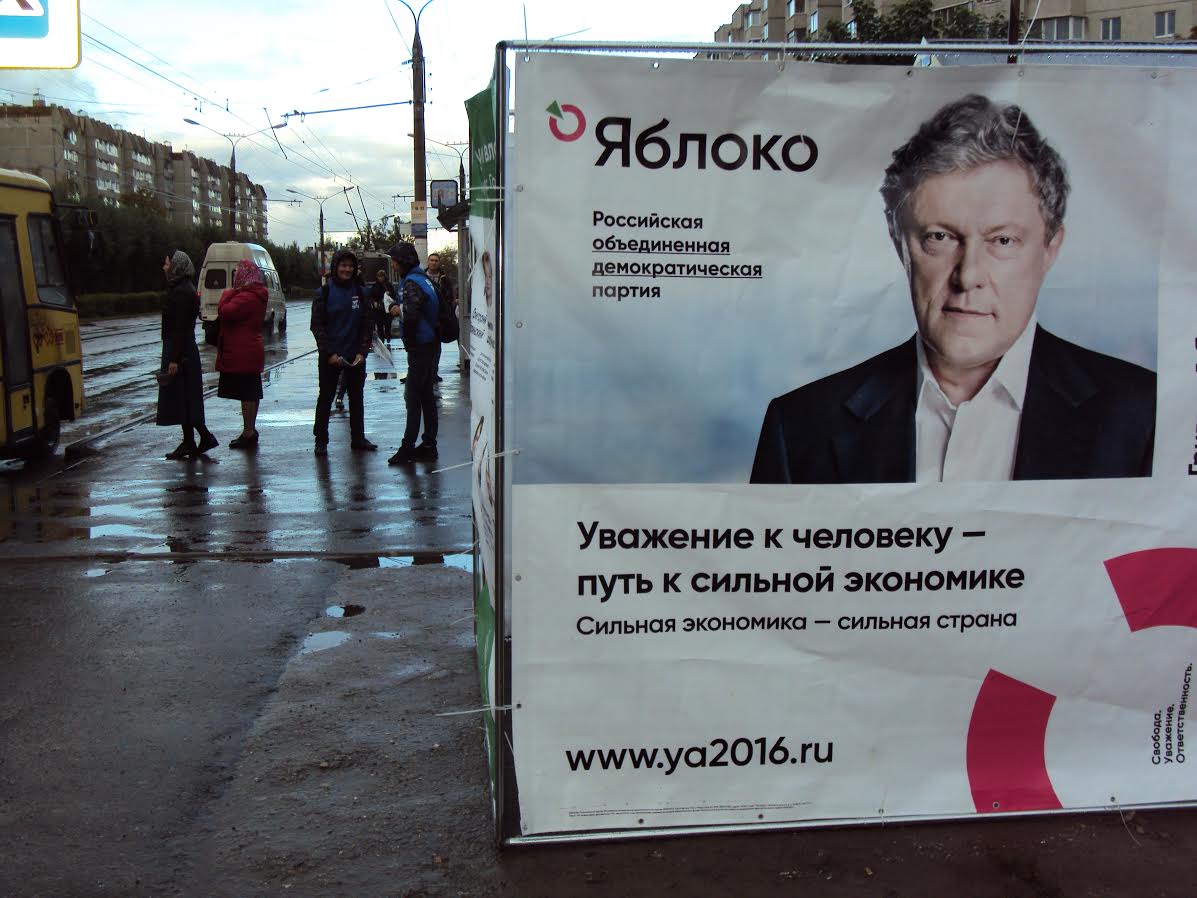
Does this serve the basis for some serious messages for the "apple"? No, in general, it does not serve, because the “apple” does not go beyond the limits of the one in the framework of the niche in which it is, does what is expected of it. I do not see anything new in the apple campaign. I think that about the “Yabloko” from the point of view of the authorities, the best option would be that they would receive these 4% and the right to state funding so that Yavlinsky remains in public space and really took part in the presidential election. Not to say that it was somehow critical for the authorities, but it is useful, especially for presentation in the outer arena.
- Grigory Vasilievich, if the opposition does not fall into the State Duma, then the parliament will become even more reactionary, even more unpredictable in its prohibition policy reaching the point of absurdity? Is this process of degradation irreversible?
I see absolutely nothing new in the "Yabloko" campaign
- And this will happen in any case. It does not depend on the State Duma in general. Whatever the results of voting on party lists, the presidential administration will control this State Duma through single -mandate, because in single -mandate districts the results of elections in the vast majority of cases were a foregone conclusion in favor of United Russia. And what in some cases the presidential administration and the government will say, they will be carried out as laws. And in parallel - we know that some deputies, especially from United Russia and the LDPR, are simply allowed to make such loud statements that, in general, do not reflect the purely intentions of the authorities (although they sometimes reflect), and this is done as testing. But in any case, they are not going to draw up this as laws from the presidential administration. As a matter of fact, these statements cause a large extent that the rejection that the Russian public exists in relation to the current composition of the State Duma exists. There is no reason to think that this practice will stop when choosing a new composition.
- That is why the elections in single -mandate districts were returned? After all, it is easier for single -mandate to manage than parties, and, accordingly, the State Duma in general?
Whatever the results of voting on party lists, the presidential administration will control the State Duma through single -mandate
- It's not even that it is easier to manage them. It is a little more difficult to manage them than the "listers." The fact is that they are elected with much higher chances - the necessary ones. That is, it was chosen, but you can’t rely on it as on the “list”, because you can do anything with the “list” at any time. But according to the way he, a single-mandate, was chosen, you can immediately say whether he will be a more or less loyal deputy: he is simply connected by such a system of obligations to the Kremlin, to the local authorities, to the sponsors, which will not go far, although he will have some kind of operational freedom.
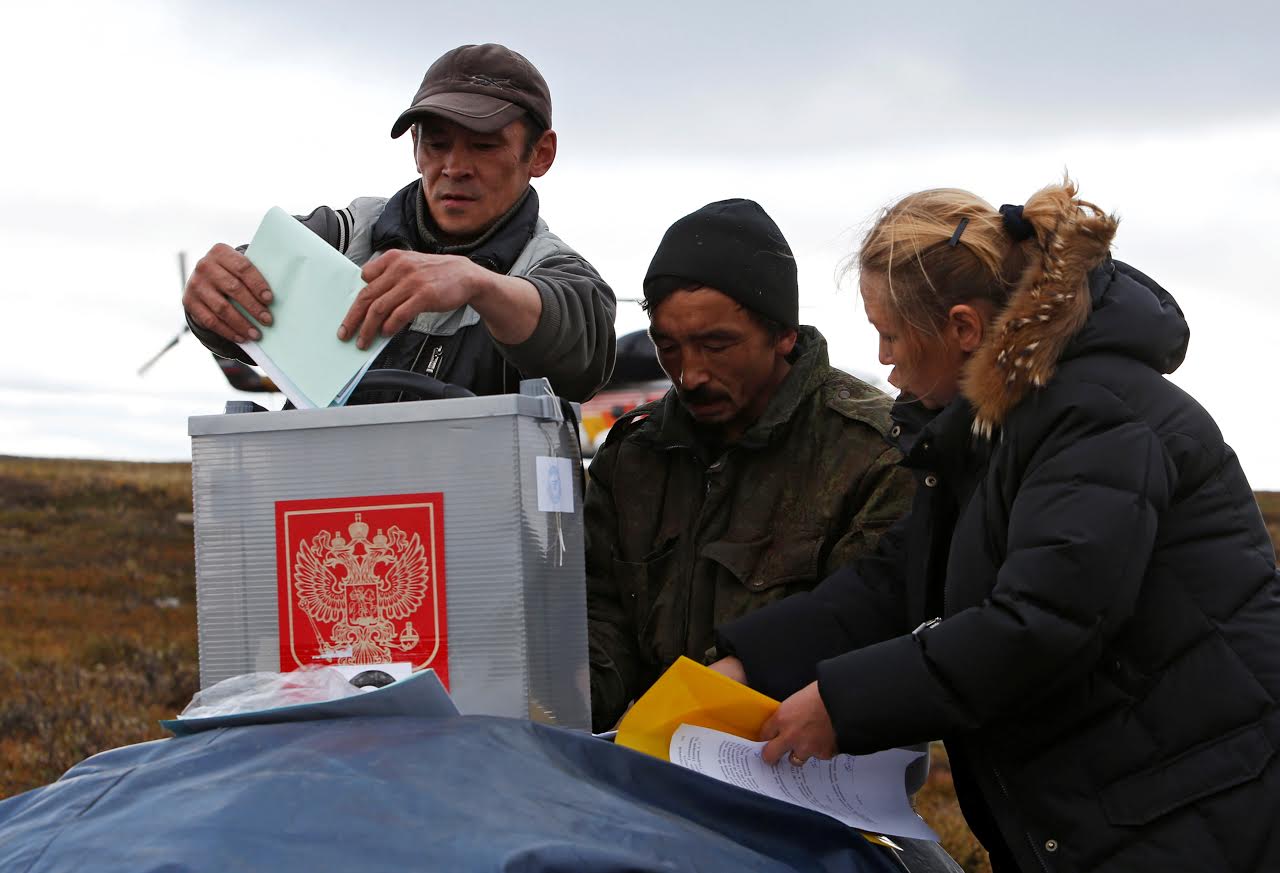
Apparently, the authorities looked that the last Duma elections of 2011 gave a very bad result according to the proportional system, and decided: "Why again expose yourself to such risks, if you can return to the good old practice and manage everyone through single -mandates?" And Volodin, who was the main permit of this idea, realized it, has a tremendous experience with Duma factions: first - at the regional level, then at the nationwide. He knows how to quickly and easily shorten these single-mandate, if they begin in the interests of sponsors or somehow “twist” someone else and try to drive the Kremlin by the nose. He is sure that he can manage them. The flag in his hands, which is called ...
- Therefore, they say that he can become the speaker of the State Duma?
The fact that the negative dynamics of United Russia is most observed in St. Petersburg was recently recognized even Volodin
- Therefore, and, I think, he would be a good speaker of the State Duma, because the current speaker, in truth, simply can’t cope with the management of deputies with a slightly higher level of autonomy than now. And Volodin is perfectly prepared for this with his entire previous career.
- In 39 regions of the country, elections will be held in legislative assemblies. Are there any opposition among these regions, if the majority does not receive, then at least it will be able to block the adoption of laws by most deputies of the uniforms?
-If somewhere there is such a region, then this is only Petersburg, and this can be discussed purely hypothetically, not as an opportunity, but as an approach to it. There are no other such regions.
- Sociologists suggest, for example, that both the ZAKS and the GROWER and the Growth Party will be held in the SKS, and there will be six parties in total. Do you agree with this forecast?
The bad result of "United Russia" means that the window of opportunities for some other political forces opens
-I cannot answer this question, because experts do not come from the data, but from more or less subjective expectations. But the fact that the negative dynamics of United Russia is most observed in St. Petersburg was recently recognized even by Volodin, and I have no reason not to believe that his data is inaccurate: he probably knew what he was talking about. So here "United Russia" can expect a bad result. A bad result of "United Russia" means that a window of opportunities for some other political forces is opened.
- And how many percent of the vote can be given for United Russia here, in St. Petersburg in the elections of deputies to the Legislative Assembly?
- I would expect that with a turnout exceeding 60%, 35% will be for United Russia. As the turnout decreases, she will receive more. But you need to understand that these votes, not filed for United Russia, will be filed for parties that will not overcome the barrier.
- How much, in your opinion, the current elections, if compared with the 2011 elections, will differ in their purity? And will they be?
Voices not filed for United Russia will be filed for parties that will not overcome the barrier
- "Cleanliness of the elections" is a broad concept. And I would now be distracted from administrative mobilization of voters. Это, строго говоря, не является фальсификацией результатов, потому что люди, которые участвуют в этом, действительно приходят на избирательные участки и голосуют, и это будет наблюдаться везде. Конечно, в большей степени это будет наблюдаться, вероятно, в Крыму, в республиках Северного Кавказа и в некоторых других регионах, которые уже давно отметились в этой практике. Но если говорить собственно о фальсификации результатов выборов, то есть об искажении того волеизъявления избирателей, которое фактически было, то я ожидал бы его примерно на том же уровне, который был и в 2011 году.
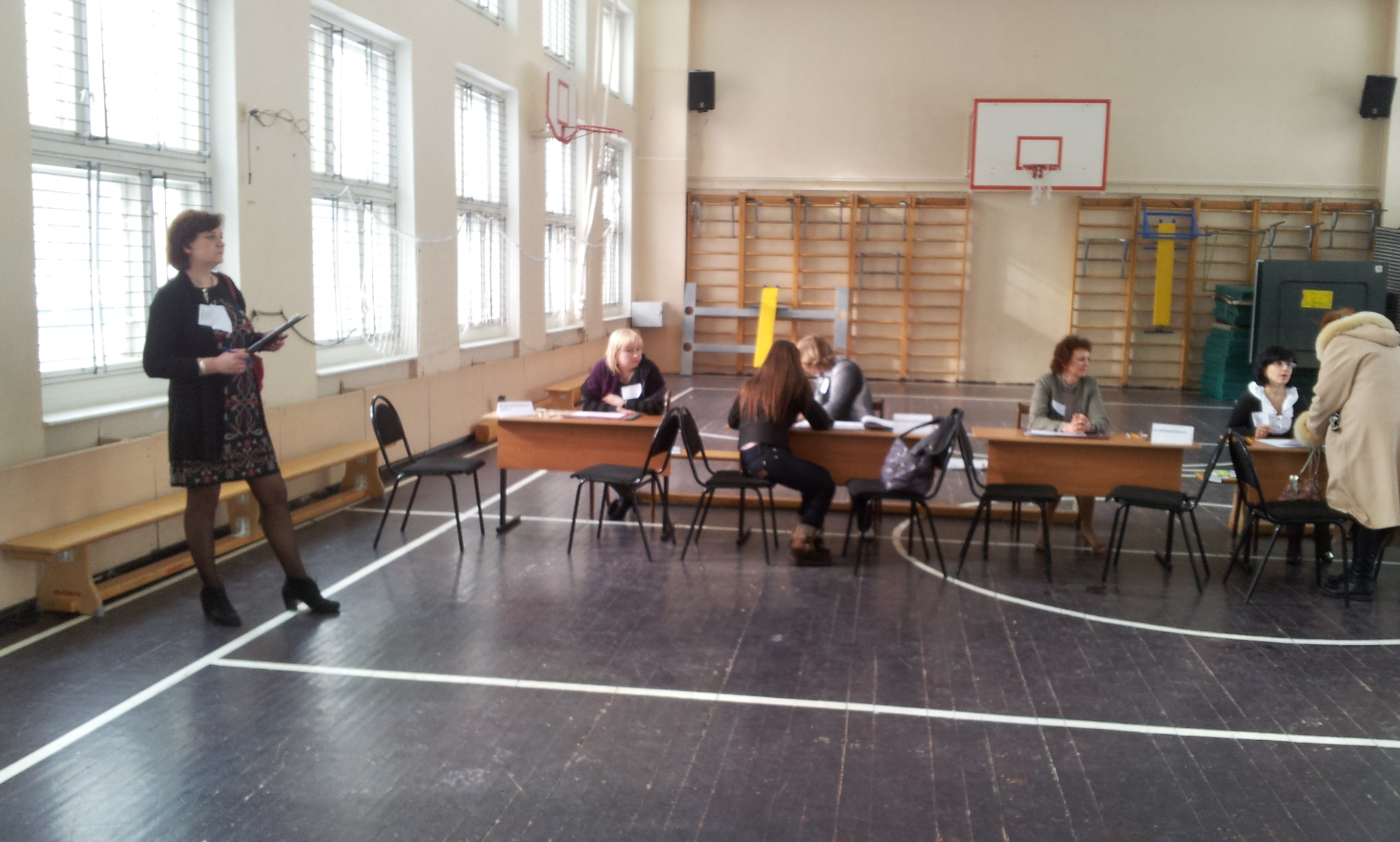
Здесь есть две противодействующие друг другу тенденции. С одной стороны, власти напуганы результатами выборов 2011 года, не хотят, чтобы повторились массовые выступления против результатов, и отсюда вытекает та риторика, к которой часто прибегает и Володин, и новый председатель Центризбиркома, постоянно проговаривая, что эти выборы должны быть абсолютно честными.
С другой стороны (и это другая тенденция), эффективного наблюдения на этих выборах не будет. Те возможности наблюдения, которые были в 2011 году, были уже весьма скромными, а сейчас пресечены полностью. И, естественно, ни Центризбирком, ни зарубежные наблюдатели не могут блокировать фальсификации на выборах. Для этого нужно массовое внутреннее наблюдение. Так вот, его не будет.
Результаты российских выборов в значительной степени контролируются региональными властями, то есть губернаторами
Результаты российских выборов в значительной степени контролируются региональными властями, то есть губернаторами. С одной стороны, они постоянно слышат от Володина, который является в значительной мере их реальным начальником, что "фальсифицировать результаты нельзя, нежелательно, а если мы увидим, что это произошло, то мы вас накажем". Я верю, что за это могут кого-то наказать. Даже в советское время за фальсификацию выборов иногда, как это ни смешно, наказывали – такое происходило при Сталине.
А с другой стороны, губернаторы знают две вещи: во-первых, что если в их регионах "Единая Россия" получит очень плохой результат, то их накажут с большей степенью вероятности, чем в той практически маловероятной ситуации, что их грубо поймают на фальсификациях; во-вторых, они знают, что чем выше будет явка голосования и процент за "Единую Россию", тем больше будет парламентская делегация от региона. А это – их личный интерес, интерес их клиентов, которые хотят заседать в Государственной думе, и у них есть сильные стимулы к тому, чтобы эту явку искусственно завысить и голосование за "Единую Россию" искусственно приподнять.
Я ожидаю фальсификации результатов выборов примерно на том же уровне, который был в 2011 году
Поскольку эти обе тенденции противодействуют, причем обе они – достаточно сильные, то я бы не сказал, что эта первая установка на так называемые "чистые выборы" – фикция. И я думаю, что будет происходить примерно то же самое, что и в 2011 году. Эти фальсификации будут происходить, как и тогда, путем переоформления протоколов, то есть уже вне непосредственно избирательных участков, часто – при введении данных в систему ГАС "Выборы" . Поэтому отследить их, даже с наблюдателями, было сложно, но без реальных наблюдателей ничего отследить уже фактически нельзя, и на сей раз это пройдет полностью безнаказанно. Но обычная логика российских властей состоит в том, что если никто ничего не видел и не может обоснованно пожаловаться, то значит, ничего и не было, – отметил в интервью Радио Свобода профессор Европейского университета в Санкт-Петербурге Григорий Голосов.