
Translated material
Recesses and seizures
After the elections, the financial authorities went to storm pockets of citizens
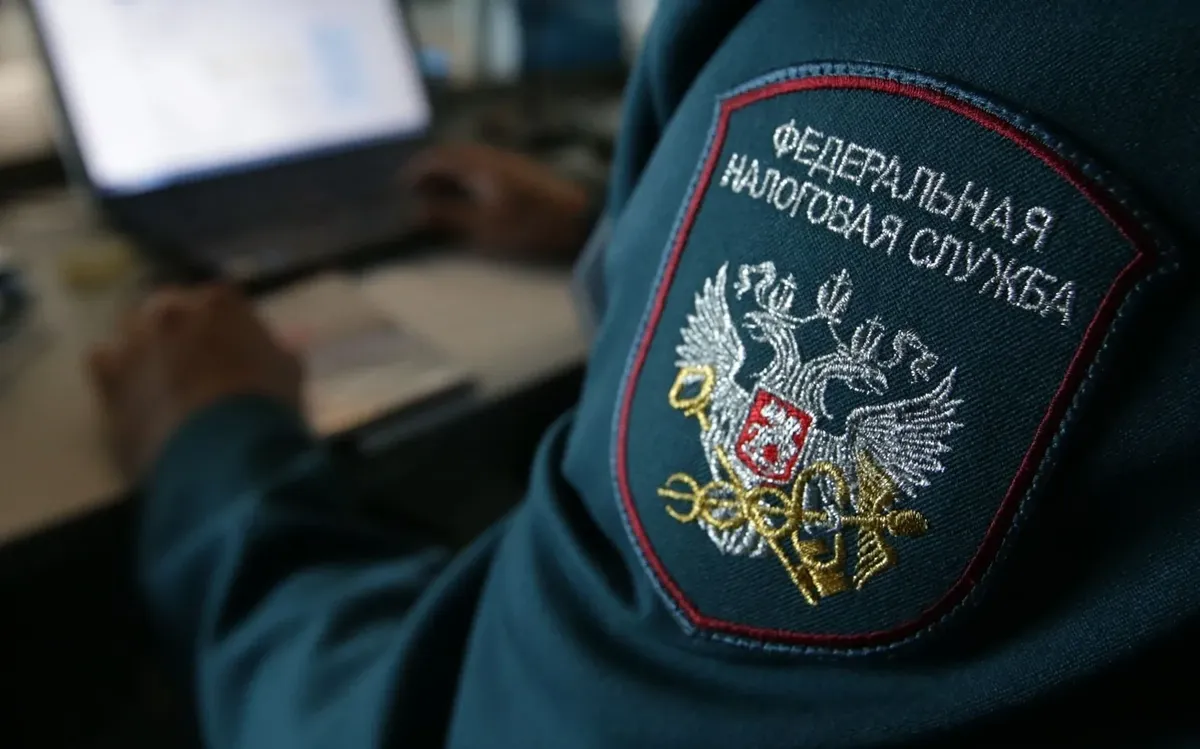
The government has an intensive discussion of the federal budget draft for the nearest three -year -old. This topic ensured a creative charge of the brain center of the Cabinet of Ministers, responsible for new mechanisms for withdrawal of money from the population.
In the budget, income from increasing excise taxes on gasoline, diesel fuel and tobacco products have already been laid. This can also affect low -alcohol beer drinks, wine and drinks with a high sugar content. The Ministry of Finance wants to charge VAT from goods purchased in foreign online stores-as in the case of excise taxes, this means automatic increase in prices of some goods by 18–20%. The rules for calculating the tax base for large companies and a single tax on small business may change towards the growth of real rates, and interest for tax evasion can grow sharply. The ministry also has a poorly realized idea of collecting property tax, even if buildings on private land are not registered in Rosreestr. Work is underway on the “tax on parasitism” - this is the first proposal from our list, which was prepared not by the financial authorities, but by the Ministry of Labor. Finally, the main symbol of the era of new requisitions is returning - the Plato system, the tariffs for which by the end of the year will double.
The government considers these measures to slightly delay the direct violation of the presidential moratorium on raising taxes. What is happening today can be arranged as “tax optimization”.
The Ministry of Finance, as well as in higher echelons, understands: the constant invention of new requisitions and ways to save on the population causes a sharp rejection in society. Hence the need to constantly adjust your rhetoric. The project to increase the bets of VAT and personal income tax in 2017-2019, more recently priority, has been in the background today. His place was taken by the assurances that in the next three years, only the oil and gas sector would affect additional seizures, from which they would “cut” devaluation profits. Vladimir Putin announced the need to index pensions in 2017 to the amount of inflation - this is simple compliance with the law, but in the context of the latest solutions it looks like a wide gesture from above. “<...> Let these reasoning (about new taxes. - A. Kh. ) Limit.
In order not to spread the news that the introduction of taxes on the air is being discussed in Russia, ”Ilya Trunin, deputy Minister of Finance, told Kommersant. The department accompanies its new proposals with a remark: they are realized only in the conditions of a “new public agreement”. Its foundation should be the consent of Russians with the fact that the social state in their life will become significantly less.
While the new public order has not been approved, the authorities have to maneuver in the permissible boundaries of the previous system. For example, the news about the extension of freezing the funded part of the pension for as many as three years - this time you can finally say goodbye to pension money - no longer causes previous indignation. Unless Alexei Kudrin continues to name the undermining of confidence in the pension system with the “strategic miscalculation” of the authorities. The next step is the complete abolition of payments for “wealthy” pensioners. The Ministry of Finance is sure: the goal of the state is to deal with shadow employment, and the population should save up on their own.
Psychologically, people are almost ready for this situation: according to the research of the RANEPA, most Russians do not feel any connection between official employment and a decent pension. More and more people (75.7% of respondents) are inclined to the opinion that counting on the state in the issue of ensuring a comfortable old age is a big mistake. It seems that a significant part of the “anti -crisis” steps of the government is aimed just at strengthening this confidence as an important element of the “new public agreement”.
The good news can be seen that it was decided to abandon any serious manipulations with the tax system for a while. Instead, tactical plans for the pile of budget holes appeared, including a record extension of internal debt - up to 12% of GDP (almost 10 trillion rubles), and the maximum value from the pre -end of 1997. Along with this, the authorities promise the eternal “improvement of administration” of taxes and fees, the transition to “design methods” of economics management and a great privatization completely discredited even before its start.
But uncertainty will remain in any case: there are no guarantees that after a while there will be no shift in the opposite direction. Budget parameters depend on forecast numbers - for example, inflation, and erroneous current forecasts can lead to unforeseen expenses in the future. In a critical situation for the budget, no one will be able to prevent the Ministry of Finance from reconsider the procedure for deducting insurance premiums, formally observing the requirement not to touch taxes.