
Translated material
Ashes and diamond
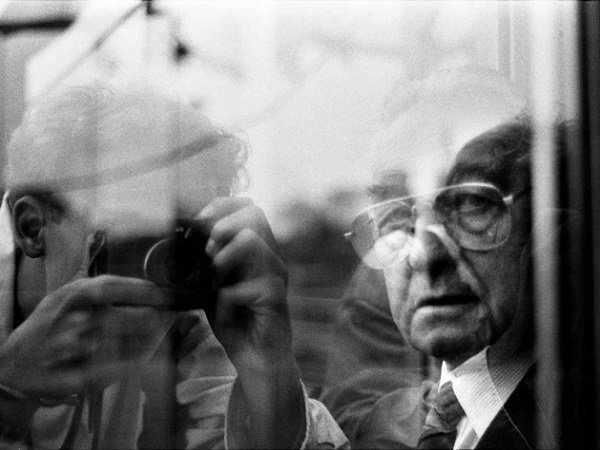
In the 91st year of life, the largest director of modern cinema Andrzej Waid died. For a long life, the director managed to make almost fifty films and the same number of performances, marked by all the famous film awards of the world. All his life Vaida was faithful to his ideals of romanticism and freedom, and his work was a reflection of the tragic history of his own family and country.
Vaida was born on March 6, 1926 in the city of Suvalki in the north of Poland. His father, an officer of horse artillery, in 1939 fell into Soviet captivity and was shot in Katyn (according to other information in Kharkov). He fought in resistance by a teenager, then studied at the artist, but found a vocation in cinema.
His first picture “Generation”, shot in 1954, was called a manifesto. After the second tape, the director was recognized as the leader of the “New Polish School”, the third - “ashes and diamond” (1958) brought him world fame. Among the most famous theatrical work of the masters are the four productions of Hamlet, performances based on Dostoevsky’s works. In 2007, Vaida released the film “Katyn”, in which 22 thousand Polish officers and decades of silence of this one of the most severe national injuries for the country directly showed the shooting.
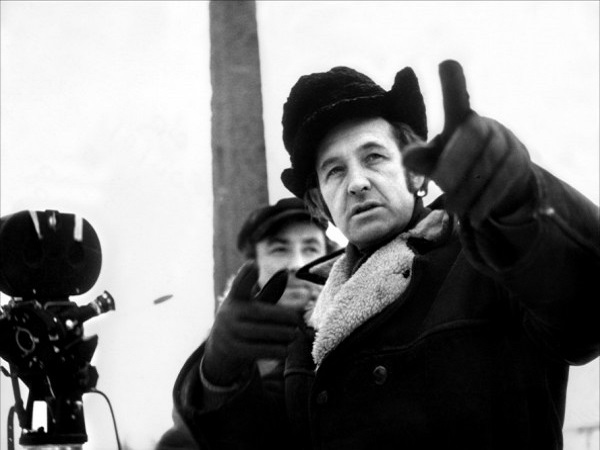 Polish director Andrzej Vaida.
Some waid films are based on rethinking the works of classical Russian literature. In 1961, his film “Siberian Lady Macbeth” based on Nikolai Leskov “Lady Macbeth of Mtsensk district” was released on the screens. Ten years later, he releases the painting “Pilate and others” according to the biblical scenes of the novel by Mikhail Bulgakov “Master and Margarita”. In 1988, Vaida was filming the famous film “Demons” based on the same novel by Dostoevsky, and in 1994 - the film “Nastasya” according to the novel “Idiot”.
Vaida himself considered his best creation the picture “Pan Tadeusz” (1999) according to the poem by Adam Mitskievich. For several months of rental in Poland, the film was watched by more than 12 million spectators (60% of the country's population).
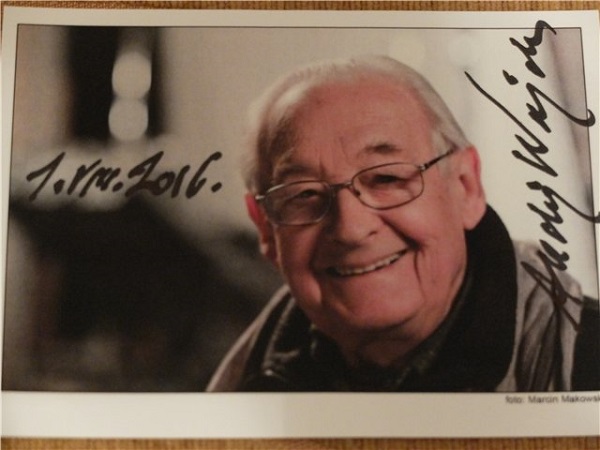 Memory of Andrzej Vaida.
Russian journalist Olga Andreeva wrote on her Facebook a post dedicated to the death of Andrzej Waida. She noted that the work of the Polish director ennobled the audience.
After -images
At the end of September, the Polish Oscar Commission, after the “Long and Interesting Discussion”, put forward the film by Andrzej Vaida “after -images” (Powidoki / Afterimage) for the Academy Academy “Oscar” in the nomination “Best Film in a Foreign Language”. In the “after-image” tape, the master turned to the history of the avant-garde artist Vladislav Strazheminsky (1893–1952), who was persecuted in Poland as an adversary of socialist realism. The Oscar award ceremony will be held in Los Angeles on February 26, 2017. Before her, the great Polish film director did not live to see her.