
Translated material
This is what the war looks like
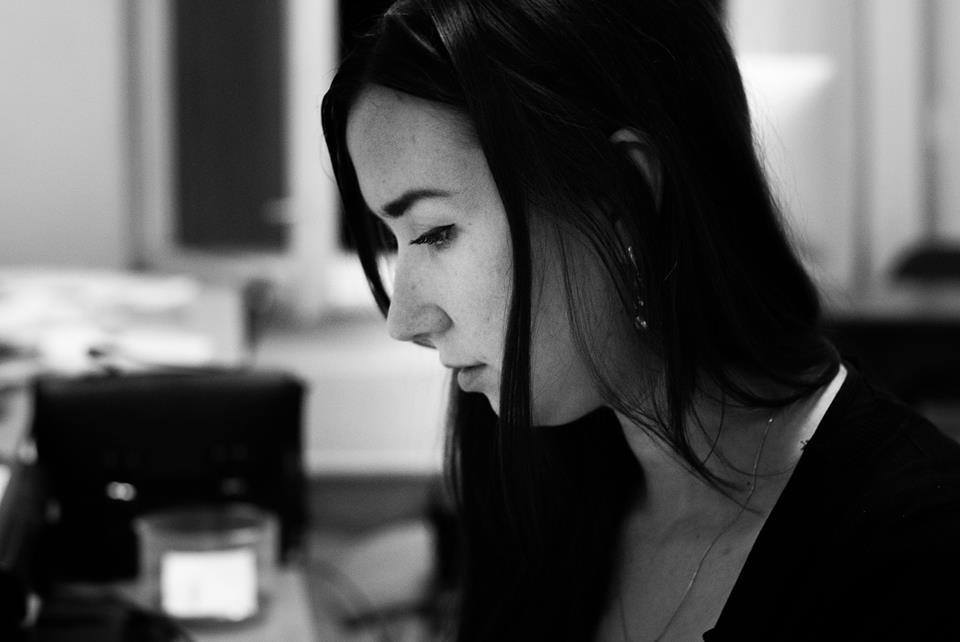
Director Julia Gontarru - about the reality and cruelty of military filming
Radio Liberty - On the films and topics of the Festival of Documentary Cinema “Artdokfest” . At the independent documentary film festival - about Ukraine in the zone of war and the world, about politics and its absence, Khodorkovsky and Pavlensky, truckers and Nazis, a Russian psychiatric hospital and Russian emigrants.
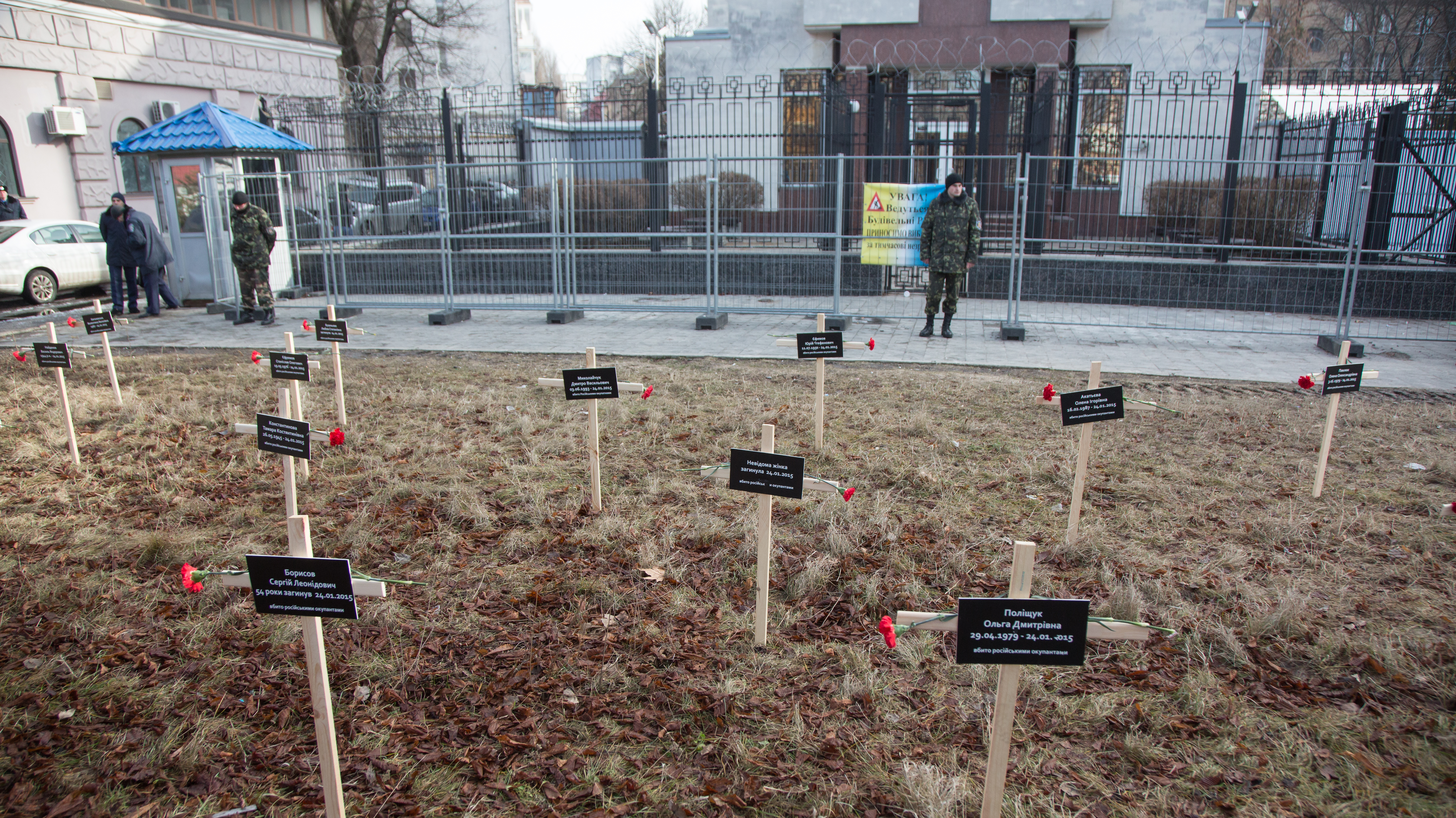
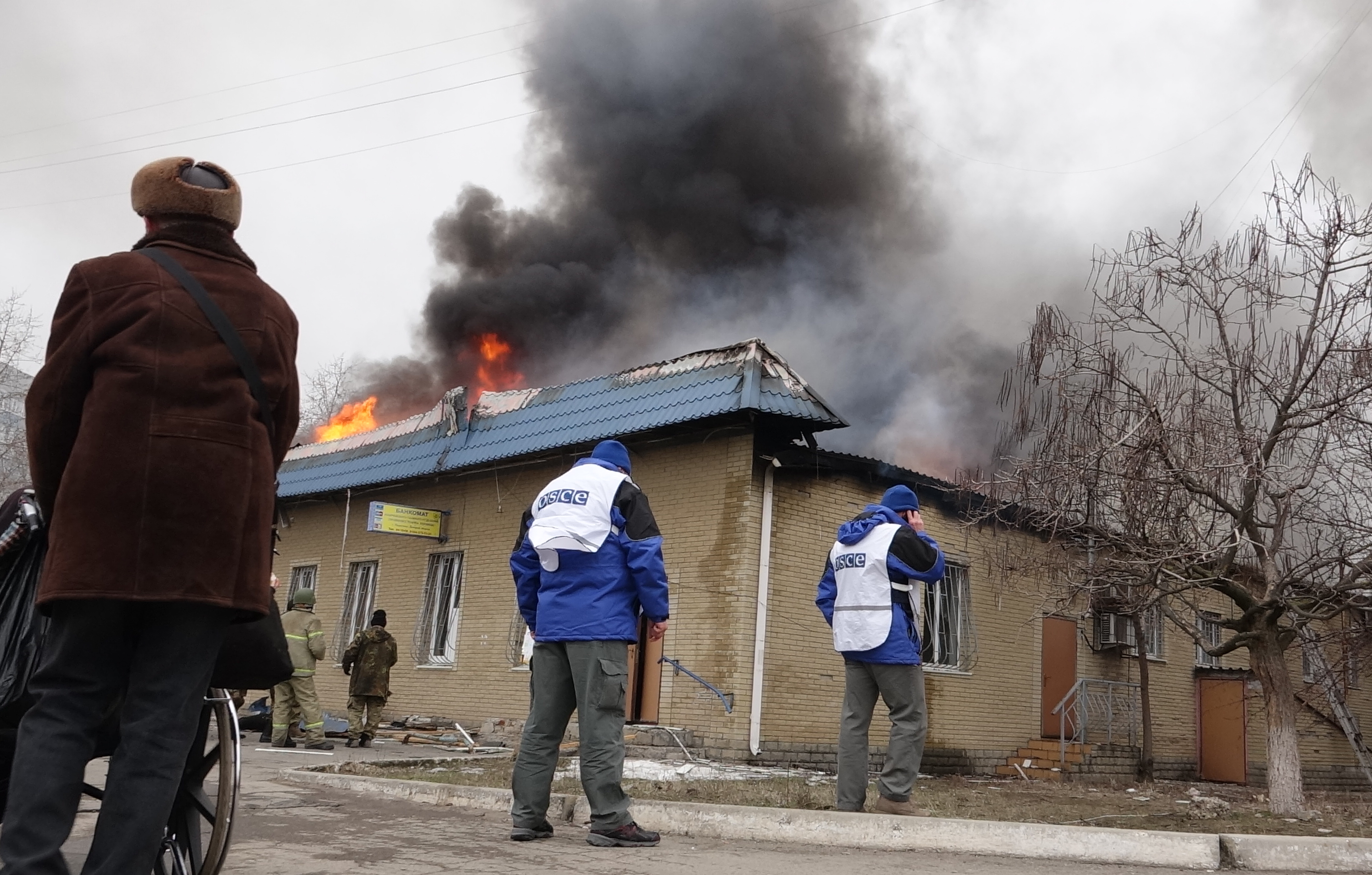
On January 24, 2015, the Ukrainian city of Mariupol underwent a massive shelling by the DPR, peaceful quarters, schools and kindergartens were destroyed. 30 people were killed, more than 100 were injured, many lost housing. Director Julia Gontruk removed the injured citizens a week after these events. One of her heroes nicknamed the dancer is the author of the video that recorded the death of people. 38 seconds of the bombing were shot by anonymous DVR; People say that in 10 seconds their life collapsed. All this is in the “10 seconds” tape.
- How did the idea of the film arise?
- At first there was no thought that you need to go and make a full -length movie. There is such a film “Silnice Nizh Zbroya”, translated “stronger than weapons”, about the events on the Maidan. We only finished it and made shows in different cities. We, directors, operators, sound engineers, work as a creative association of Vavilon 13 documentaries, gathered during the revolution on the Maidan. We are volunteers, shooting small documentaries. Actually, we had a show in Mariupol, and they told me: "Julia, maybe you will go, imagine a movie?" And just a week before, Mariupol was fired. I thought it makes no sense to just go, and I say that I will go if we take off. And all. And we gathered with the operator and sound engineer three. We had very little money, but in the end everything turned out. Immediately went to the Vostochny microdistrict, began to talk with people and shoot. We were there for eight days. At some point, I realized that the stories that people tell us on the camera are small short stories, and they can turn out in one movie. This is such a cut of Mariupol.
- How did you find the heroes who survived these 10 seconds of horror, loss, fear?
-In fact, the shelling was led longer, 38 seconds, in my opinion, exactly up to a minute. But the heroes in the film say that in ten seconds life has changed. For them, this shelling was felt like 10 seconds. Therefore, she called the film so. A moment, some 10 seconds that change life forever.
Everything was spontaneous. I never prepare questions to the heroes, I do not write down. I didn't even know what we would see. I felt that I had to go to the Vostochny microdistrict, which was fired, and there to talk with people, just see and understand what happened to them. The video, which at the beginning of the film, shot one of the Azov fighters, a volunteer battalion in Ukraine. They had a base nearby, on the eastern side of Mariupol, in the eastern region. They first arrived after shelling and evacuated the civilian population.
- The bodies of just dead are visible on these shootings - was it necessary to leave them in the film? Was there a choice in front of you - to save it in the film or remove it?
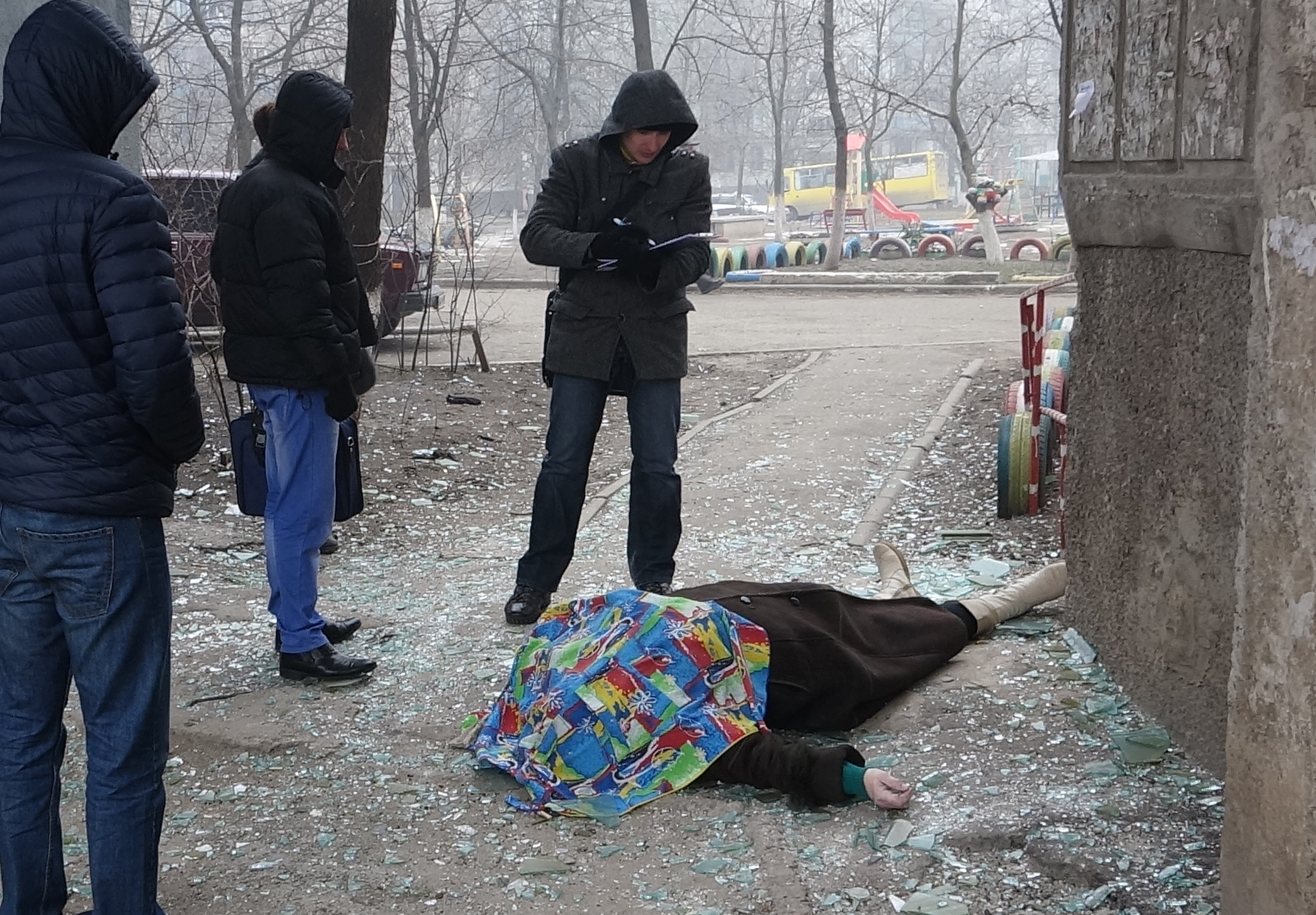
- I understand the question. In any case, the director is responsible for the installation, for gluing. I had a premiere at the Docudays Film Festival. And there one young man after the show asked: "Why are you showing corpses?" For me, an unambiguous answer was, and my hero also answered, who shot it: "This is what the war looks like." And decorate or smear something ... I really wanted to make an honest movie. I really wanted to show the war as it is. This is how she looks - with these corpses, with these people, with this turmoil, with this pain. On television, everything is often covered, because it is frozen. And if we make a document, show the fixation of events, it is very important that it is as it was real.
And also about the choice of heroes. Everything was spontaneous. They were themselves. The movie is so nervous, the camera is nervous, because it was in the air. We went to Novoselovka, in the cinema these are episodes, where two women are sitting against the background of a carpet. This is under Mariupol the “gray zone” of shelling, and they saved this carpet. All these heroes, Tanya, who lost everything and all of her, or the family, who had one whole kitchen all over the street, and all the neighbors went to dinner with them ... We just went to the Eastern District, at random came in and talked with people. And there were gifts of fate, for example, a rally on Lenin Square, or the Lyceum, where every morning they sing the anthem: I found out about him in the evening, and in the morning we went to take it off. This is a very spontaneous thing. We did not travel to make a film for the festival, Oscars, Cannes. It was just very important. I thought I would return to the "Babylon", I would make all these short meters and start our YouTube channel. But in the end, the story developed in the film in the form of a short story. A year has passed. I mounted a year. I returned to them, because it is very important that these people have heard, their stories learned: how to live at the moment when a shell can fly to you at any second, when you live in this borderline state, when you do not know what can happen, and your life will never be the same again. This porridge is in their heads, this is the influence of television, propaganda, everything else. The perception of these people is very important for me. How to live if you live in a gray area or in a front -line city?
- At the Artdokfest festival there will be another picture that was shot in Mariupol, and so is called: "Mariopolis." You have different Mariupol with your Lithuanian colleague. How are your approaches different?
- I just live in this country. I very closely perceive everything that happens here. This is part of me. If you go to Mariupol, then you need to show how people live there, feel it. It was very important for me as a director and as a citizen of this country to go there. This is very felt in my perception of the city, people. I am a person who is here and now, who came to Mariupol to hear these people, to feel the atmosphere. We almost fell under fire. It was very difficult there. Cinema "Mariopolis" Beautiful, I saw this film, this is a very beautiful picture. But it seems to me that we just have a different sense of war. Probably "10 seconds" closer to me personally. The close -up of a person tells me more than just visually, aesthetically beautiful frame.
- Where did you come from, where did you study, what did you shoot?
- I have two higher educations. The first education is technical. I graduated from the Kyiv Polytechnic University. I was sick with directing, and in my third year I decided, graduated from the directorial at Kiev University named after Karpenko-Kare. I have been shooting for a long time. My debut short meter is called the "alcoholic" . In 2013, we and other filmmakers created the creative association "Babylon 13". I have about 35 short documentaries made in Babylon. When the war began, I went to the war. "10 seconds" is my debut full -length film. Now I work on another film dedicated to the guys who are returning from the war, which they choose the path in peaceful life. All of them are very injured, this is such a social story. Together with the "1+1" television channel, we made the series "Winter that changed us." I made the first film there about “Heavenly Hundred”, about the people who were shot during the Maidan. I am a member of the Union of Cinematographers in Ukraine, I shoot a lot.