
Translated material
“They will sob because of me. Well I like Tsoi "
The "icebreaker" of Nikolai Khomeriki. Fragment of the film
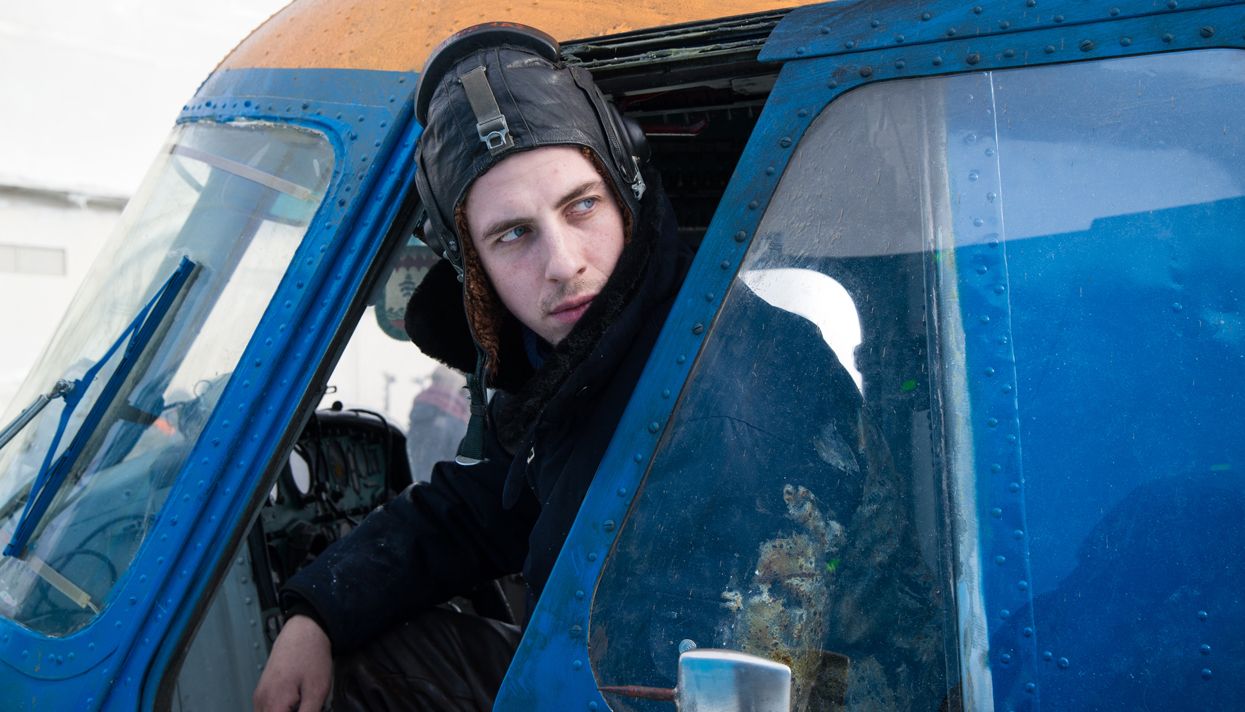
On October 20, Nikolai Khomerika “Icebreaker” is released on Russian rental. The picture tells about the real events of 1985: the icebreaker Mikhail Somov was clamped by Antarctic ice and spent more than four months in a forced drift. "Medusa" represents a fragment of the film (in fact, two at once), as well as the commentary of the film critic Yegor Moskvitin, who had already watched him.
Egor Moskvitin
film critic
Autumn this year - the year of cinema in Russia - will be remembered by two extraordinary cases. The directors of chamber, gloomy, very copyright cinema received budgets unthinkable by local standards and tried to tell big commercial stories. The first film is “Duel” by Alexei Mizgirev, the second is the “icebreaker” of Nikolai Khomerika. Both paintings are uncompromising stories about male duty. In both, Peter Fedorov is involved - one of the two young Russian actors who can be considered stars in the Hollywood meaning of the word (guess the second yourself). “Duel”, alas, began to play in the “outcasts” that the audience rejected him. I want the icebreaker to come out differently.
An honest blockbuster from the film did not work. Yes, it has a clear plot, beautiful special effects, intelligible jokes, sentimental scenes, colorful images and even musical numbers. But behind this festive screen is still hiding a complex and unsociable Russian author's movie. However, this is for the better. After all, where blockbusters are limited to simple morality and anthem of humanity, a good author's movie goes further - and asks the viewer difficult questions. The “icebreaker” came out with a noble mission-to chop and drown the ice that constrained everything around, to inspire the audience not to act on pieces of paper, but in love, to teach you to think not about the instructions, but about the neighbors.
The icebreaker is, of course, the metaphor of Russia. It is no coincidence that takes place during perestroika, and the heroes are no coincidence from eternal permafrost into southern latitudes. Riots take place on the icebreaker, and it is not clear who is right: sailors or captain. Yes, and captains here - two at once. And on the horizon all the time looms the iceberg, because of which the film seems to be a Russian version of "Mobile Dick". The ship was hit by the iceberg, and now he "follows the trail." This feeling of an impending trouble is in our genetic code; The film is also about this.