
Translated material
"He is a man of the nearest surroundings of the Earth"
Astronomer Vladimir Surdin recalls his colleague Klim Churumov, who discovered the most famous comet
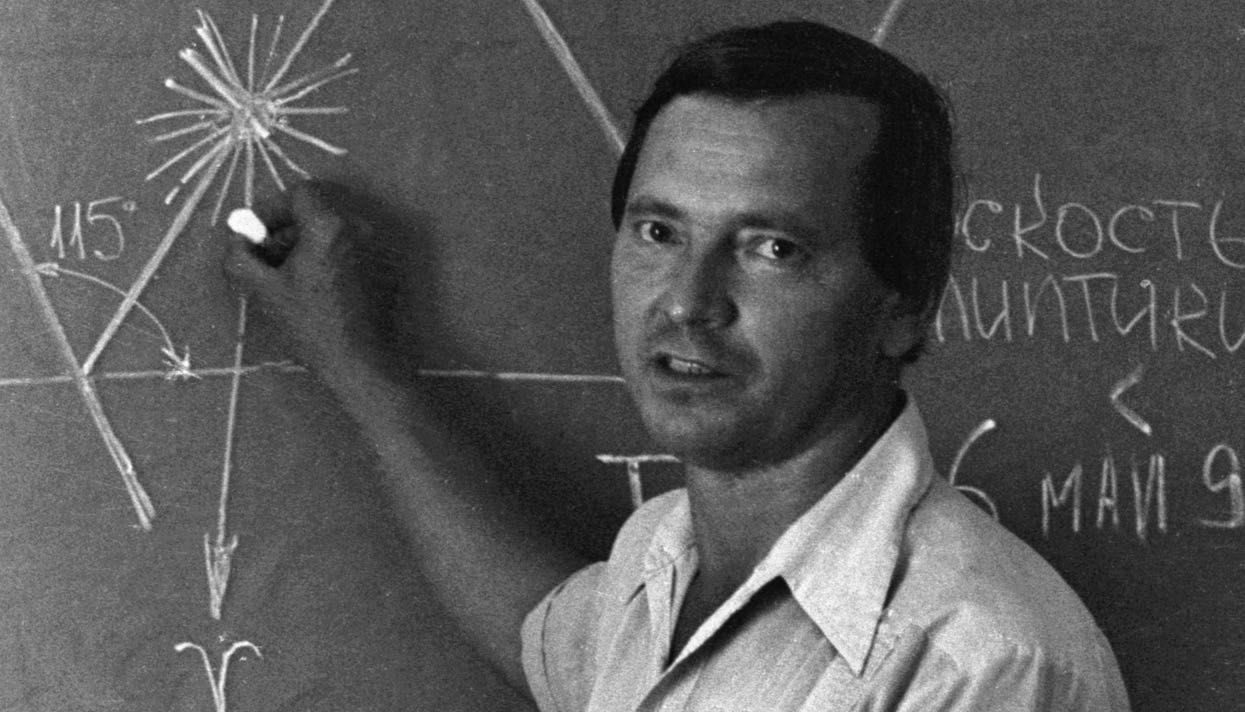
In the late 1960s, together with his colleague Svetlana Gerasimenko, astronomer Klim Churumov opened a new comet. A few decades later, in 2014, on their comet-for the first time in history-sat the Phil spacecraft. On September 30, 2016, the Rosetta probe, which delivered Phil to the comet, crashed about it . Two weeks later, October 15, Klim Churumov died. "Medusa" asked his colleague, astronomer Vladimir Surdin to recall his friend, and he told why the life of Churumov resembles a Hollywood film.
The name of Klim Churumov will remain in the history of astronomy, thanks to several happy coins of circumstances.
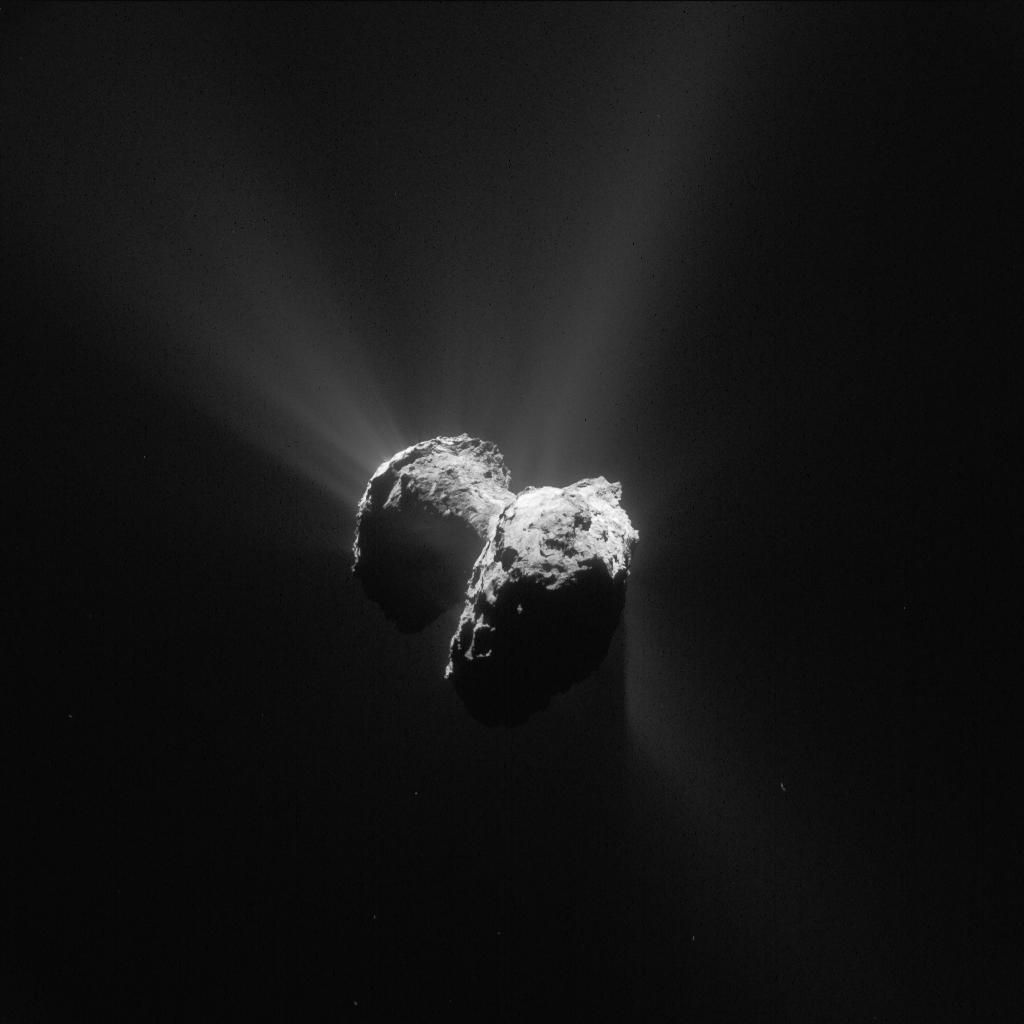
Komet Churumova-Gerasimenko became the first comet, to which a serious space expedition was directed: the spacecraft never dropped to the surface of the comet, never became its companion. This space mission was the first detailed study of comet.
And the accident lies in the fact that the cometa Churumova-Gerasimenko herself did not attract attention for a long time: she was one of the dozens of similar ones. But suddenly it turned out to be the only possible goal that the Rosette European spacecraft could achieve.
In fact, he was prepared for the flight to another comet, but due to a small technical failure, the start window-the period of time in which the device could start from the ground to reach the originally planned comet-closed. They began to look for another suitable comet, and the comet Churumov-Gerasimenko turned out to be the only worthy and achievable. So once Soviet astronomers became famous throughout the world.
The expedition ended on September 30, 2016, and only two weeks later Klim died. The fate laid out on the shelves: the expedition ended - the life of Klim Ivanovich ended. As in the Hollywood film is simple. In general, this is a fantastic success for the scientist to see the fruits of his work. Enjoy both glory, and the feeling that your discovery was useful to people.
When the Komet Churumova-Gerasimenko was open, such finds were committed infrequently: the technique was not the same as today. Svetlana Gerasimenko-a colleague of Klim and the co-author of the opening-then worked under Alma-Ata in the observatory, photographed the sky and sent photos on glass photographs to Kyiv, where the Churumov project manager at the microscope examined these records and searched for something undeclared there.
And here there was another happy combination of circumstances. Klim was a very reinforcing and attentive person and, exploring a completely different comet, could notice a new blurry spot on the very edge of the photoplastina. It was almost impossible to distinguish it from the image of the stars, so it was very easy to miss the new comet. But he saw a comet with his out -of -eye eye.
Another luck of Churumov: his comet flew into the inner region of the solar system from the periphery itself literally a few years before its opening. She flew past Jupiter, and he transferred her to a completely new orbit with her gravity - and she was not far from the ground. It came from a very, very distant area from where comets are stored in absolute cold, far from the Sun, and billions of years retain the original chemical composition of the solar system.
The study of the comet Churumov-Gerasimenko completely changed the gaze of astronomers and geologists to the origin of the oceans of the Earth. Two years ago, we thought that ocean water on our planet was brought in comets, that during the period of youth they fell, melted, and so our oceans turned out. The comet is a big iceberg, an ice. But thanks to Cometa Churumov-Gerasimenko, we learned that the composition of the comet water does not correspond to our earthly, ocean water. Now we need to look for a new source of water. This discovery gave a new perspective for work.
In the coming years, new studies will be published, it is a pity that Klim will not see this.
Churyumov himself, of course, followed all these works, but they were not a formal participant. He was no longer young - under 80. He lived in Kyiv. In recent years, he continued to engage in science, just in 70-80 years this is not so easy. Although two years ago, Klim Ivanovich with a team of authors was published in the scientific press. At this age, it is difficult to monitor literature.
In recent years, Churyumov worked as the director of the Kyiv planetarium, and this is not a few. In Ukraine, science is not particularly supported, and the planetarium is a technically complex structure. Rich Moscow was deprived of its planetarium for almost twenty years, and in Kyiv he did not stop working from Soviet times to this day. This is a great merit of Churumov.
* * *
On the Chusova River there is an observatory of the University of Ural, and there are astronomers gather from their country, which teachers and active astronomers give lectures. Churumov went there for 30 years in a row - he believed that this was an important mission. His skate was comets and the solar system, he is a man of the nearest environs of the Earth.