
Translated material
Beer without vodka
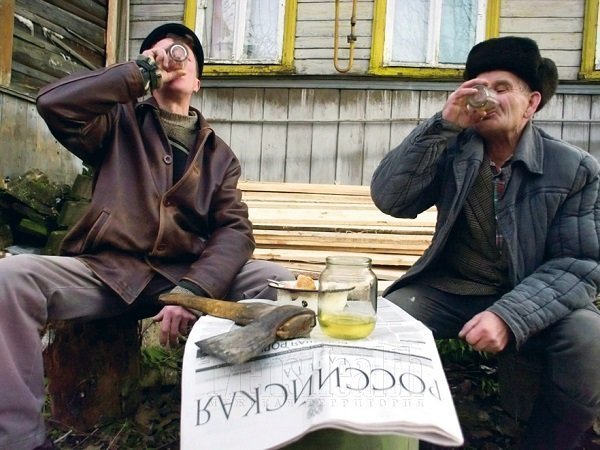
 Russians began not only to eat less, but also to drink less
In the context of the economic crisis, Russians began not only to eat less, but also to drink less - strong alcohol. In general, alcohol consumption in the country is reduced, while the preferences of Russians are shifted to beer and guilt. Experts predict the preservation of such a trend for the next decade if the impoverishment of the population does not intensify.
According to the monitoring study of the RANEPS based on the data of the Federal Statistics Service and Preservation, which in its Saturday material leads Gazeta.ru , from January to August 2016, 42% of the volume of alcohol sales was in vodka, liquidation products and cognacs (the last 4%). Beer and beer drinks amounted to 44–45% of total sales.
Another 12–13% of the market was for winery products, including 2.3% for champagne and sparkling wines and 6% for “ quiet wines ”. Landing alcohol drinks with an ethyl alcohol content of no more than 9% make up no more than 1% of alcohol products.
A week earlier, Izvestia , with reference to the updated report by Rosstat, reported that in the first eight months of 2016, alcohol sales in Russia decreased by 1.3 % - from 65.5 to 64.7 million decalits. The fall in demand affected almost all types of alcohol - from strong to low -alcohol.
The market of strong alcohol was least affected: this year, by almost 1%, in relation to 2015, sales of vodka and liquors decreased. The demand for cognac, brandy and Calvados fell by 3%. Sales of champagne and wines decreased more than others: by 5 and 12%, respectively.
In an interview with Izvestia, experts connected this trend with low birth rate in the 90s, which led to a decrease in potential buyers of alcohol by almost ten million people. In particular, the head of the Center for Research of federal and regional alcohol markets Vadim Drobiz recalled that in Russia from 1990 to 1998 children were born half as much as in the previous decade. Meanwhile, according to his observations, the main consumers of alcohol are an age group of 18–55 years.
In the Ministry of Health, the data brought to Rosstat reacted restrainedly, rightly noting that no one knows the real consumption of alcohol in the country as a whole. Nevertheless, the department noted in large cities a decrease in the number of alcohol poisoning. Perhaps this is due to the fact that since the summer of 2016, all alcohol sales establishments in cities should use the EGAIS system, which ensures control over the implementation of all alcohol, which allows you to deal with the illegal alcohol market.
What most experts converge is that the economic crisis exacerbates the trends in alcohol consumption and an unhealthy lifestyle. In addition, Russians traditionally consider alcohol as an antidepressant. From all this it follows that the consumption of vodka and other strong alcohol in the country in the conditions of an ongoing economic crisis should grow. The reverse data indicates that the well -being of citizens continues to fall, which makes them switch to cheaper "comforters".
In the RANEPA, it was calculated that the real disposable cash incomes of the population decreased in August and September 2016 compared with the same period in 2015 by 8.2 and 2.8%, respectively.
See also: in Russia, they plan to introduce the minimum price for “quiet wines” media outlets of the Ministry of Finance to double the excise tax on quiet wines Simon Zhavoronkov in the government found supporters of a sharp reduced cheaper of vodka, the importers began to increase the volume of alcohol imports into Russia by the Polit.ru examination : in the Russian Federation, the minimum price and a “quiet wine” should be introduced in the Russian Federation