
Translated material
Assembly point
Text: Alina Inozemtseva 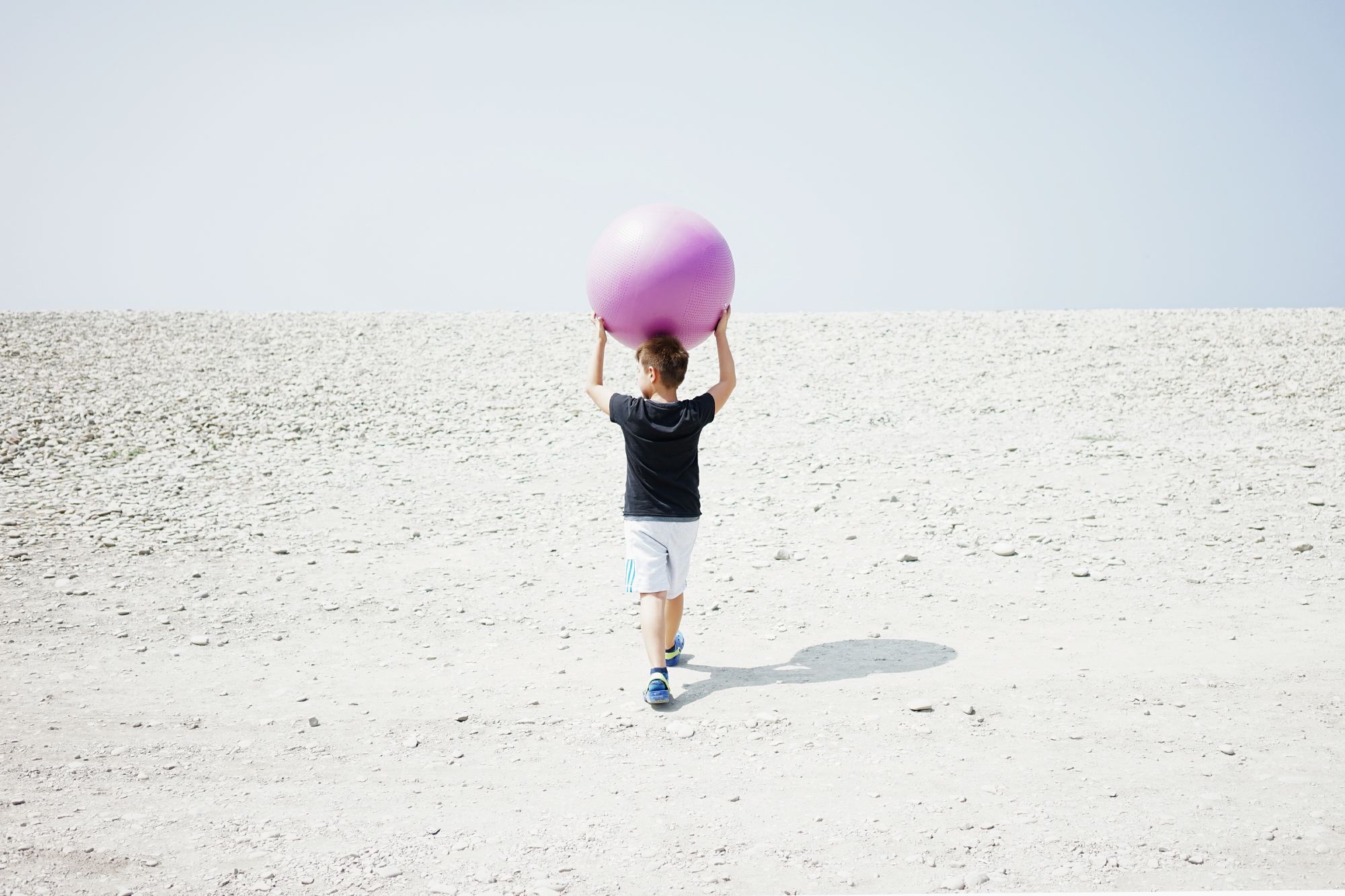 Photo: Alina Inozemtseva
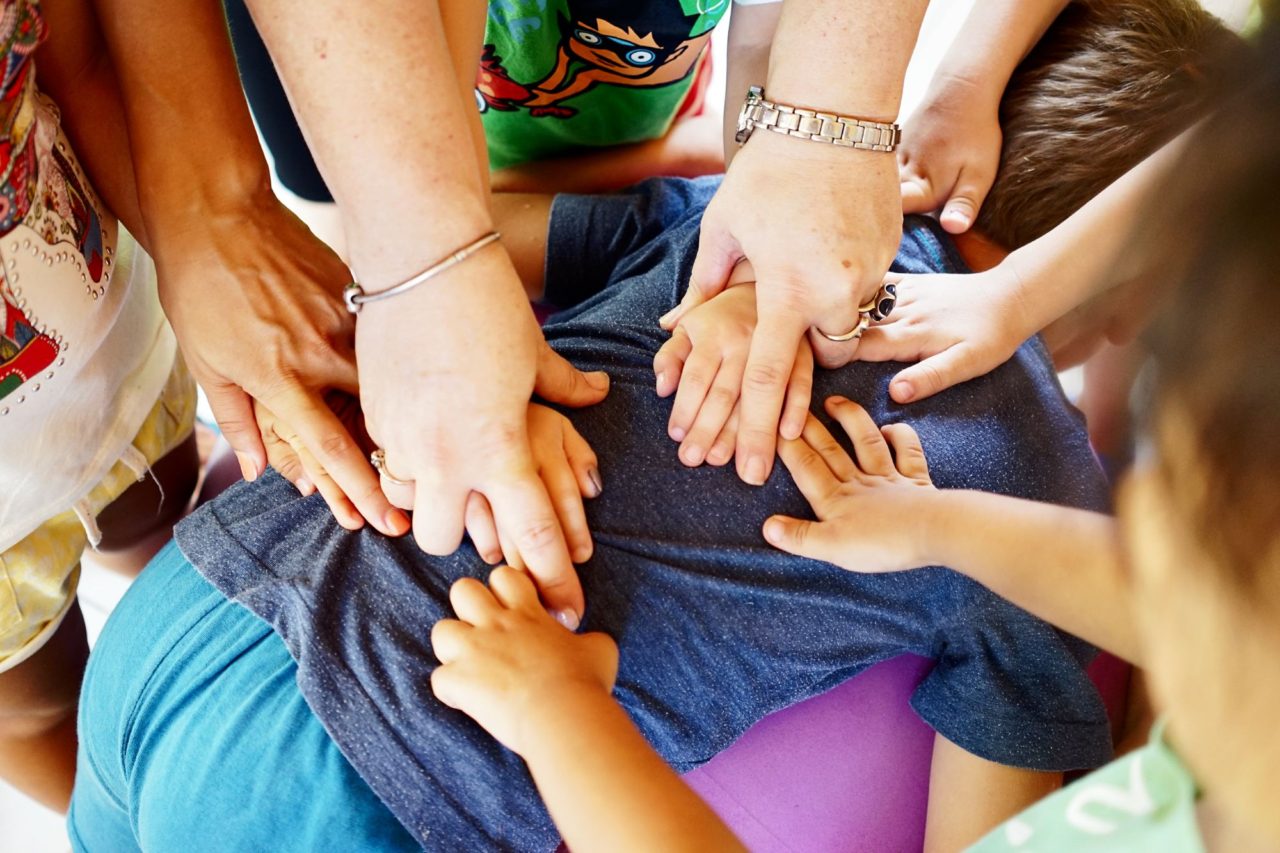 Group classes teach interaction with other photos: Alina Inozemtseva
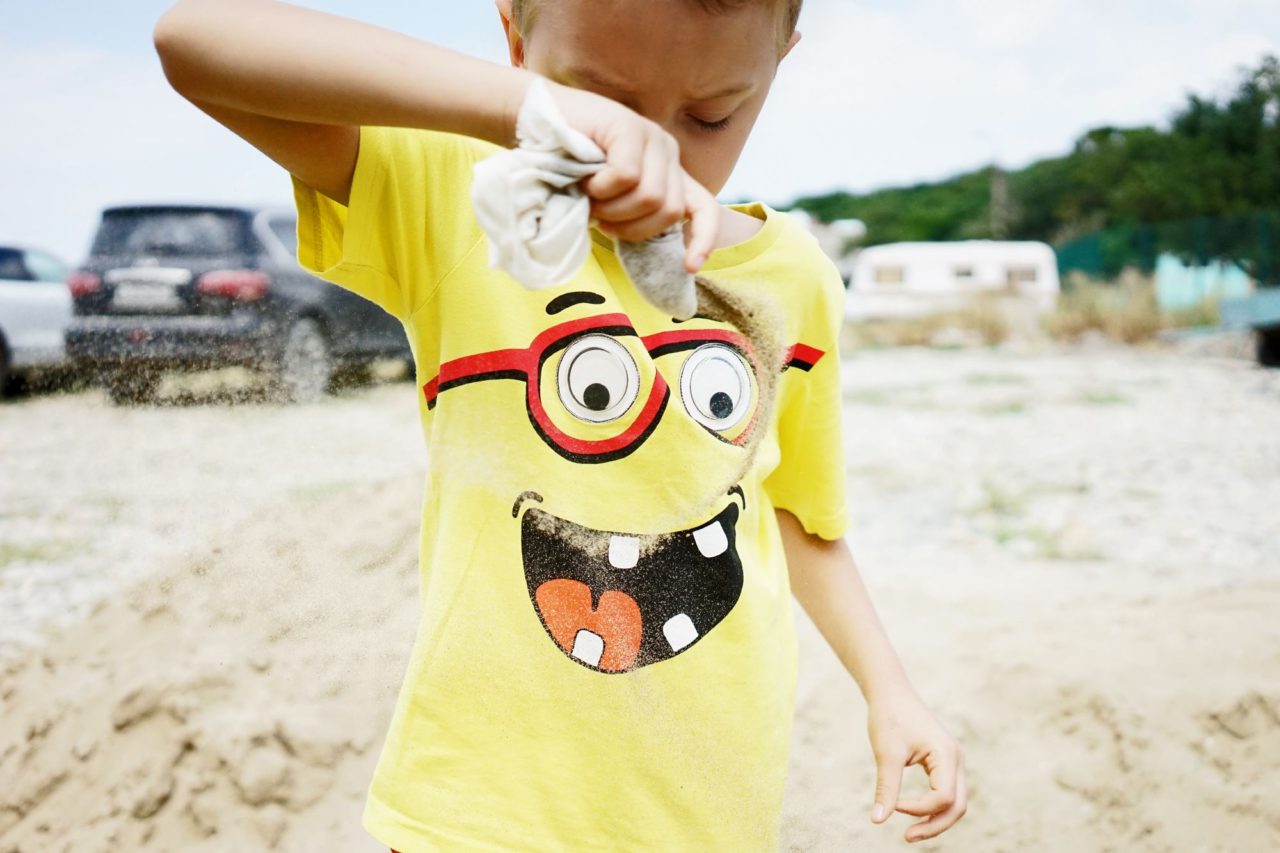 On the site with children for Nikita, there seems to be not children. It is much more interesting for him to disperse sand in the wind - there are not enough sensory sensations. At home, Nikita has kinetic sand photo: Alina Inozemtseva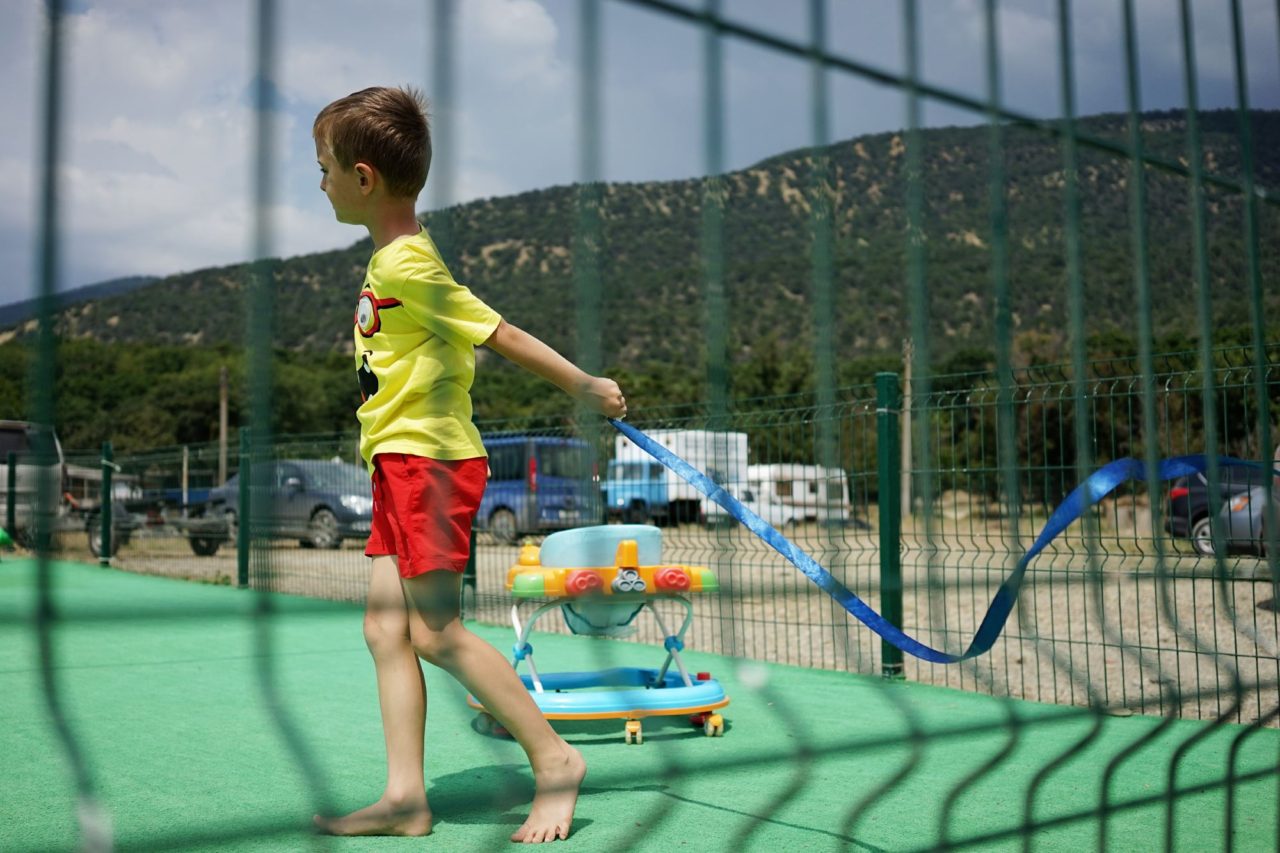
 As often happens, they treated Andrei by pumpking: it did not fit, let's try something else. They refused drugs a year ago: a rollback occurred on one of them. Now Andrei is given only a plant capsule brought from Vietnam, and a sedative for the night so that he could sleep photo: Alina Inozemtseva
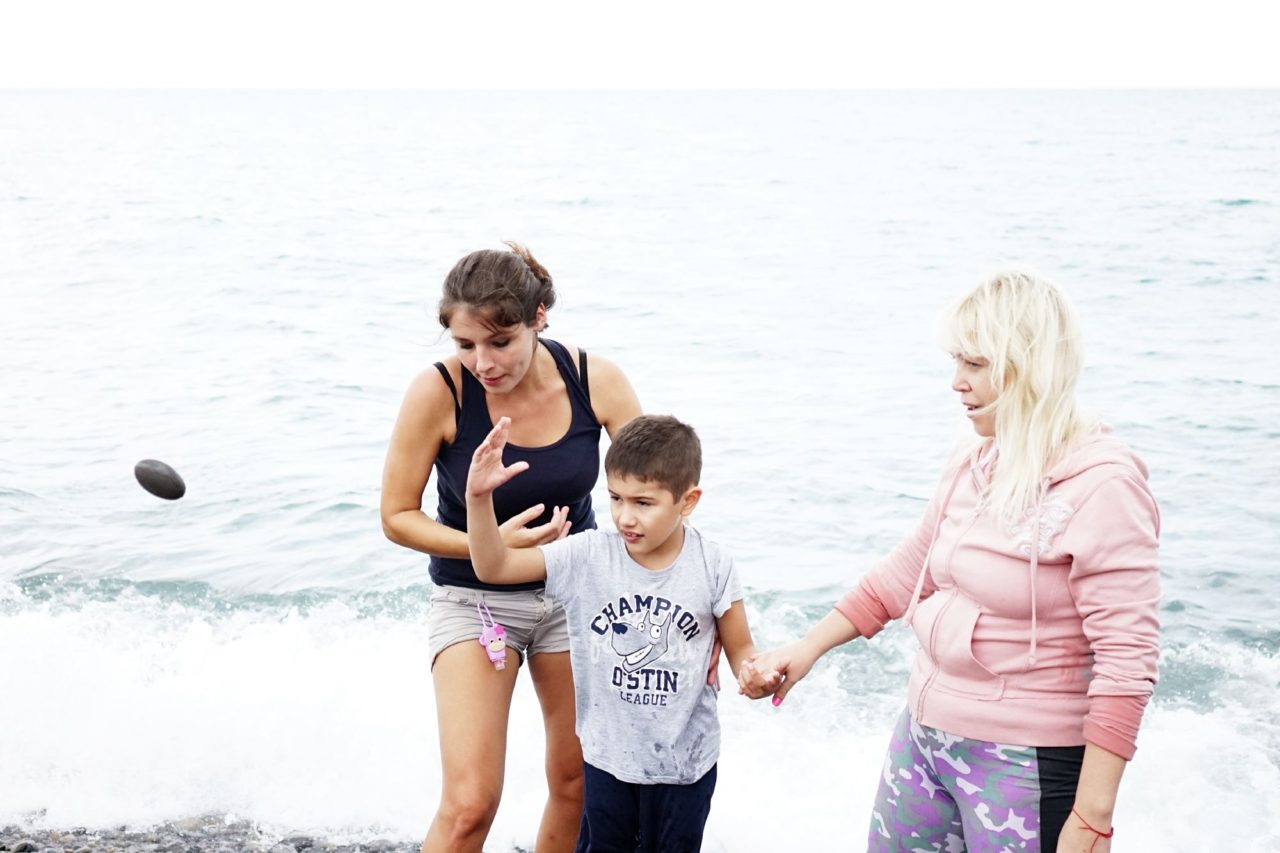 Andrei throws stones. This helps him develop motor skills photo: Alina Inozemtseva
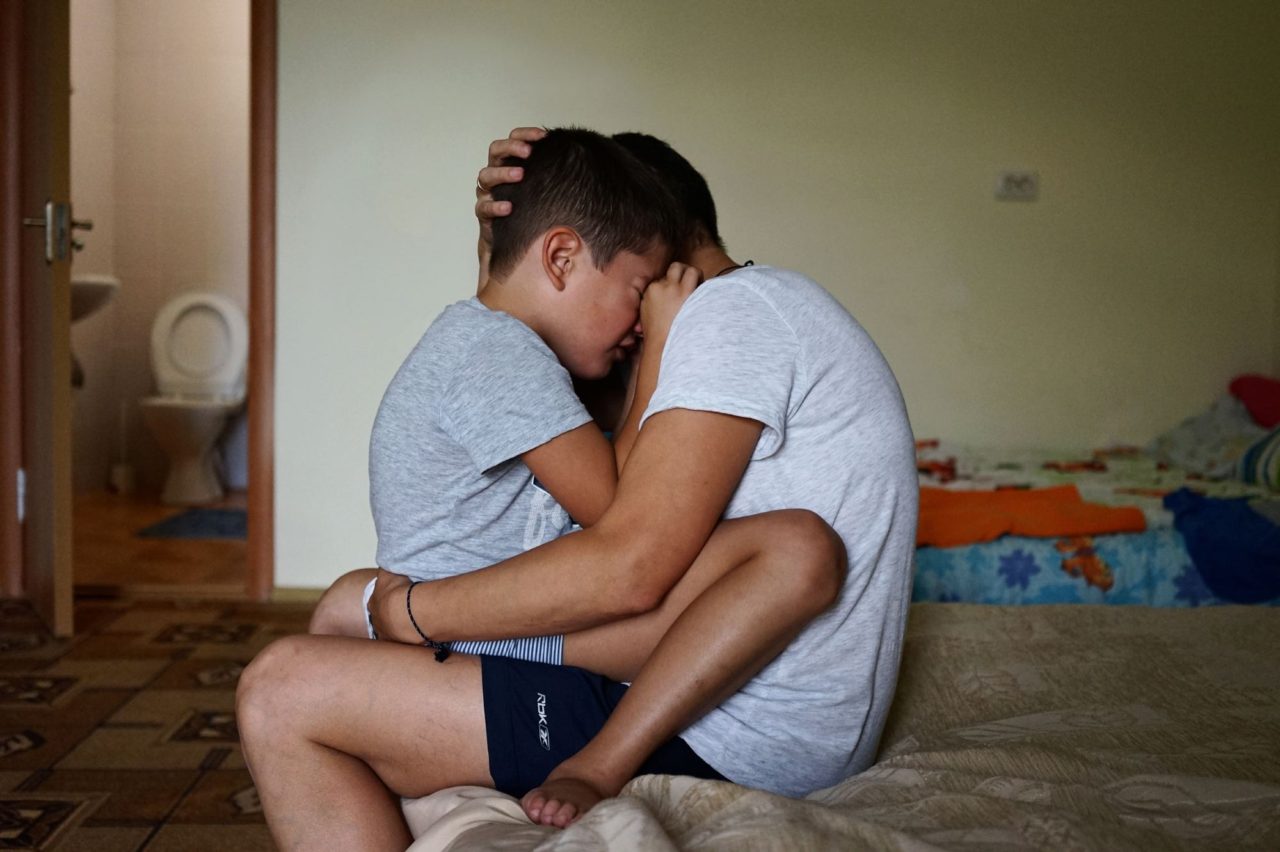 The most difficult thing is to find specialists who wanted and could deal with children with autism. “Take it off anyway” - Andrei's mother hears this phrase with enviable regularity. It is said by doctors, experts, on a commission to obtain disability ... they say, "Why are you tearing the ass?" Photo: Alina Inozemtseva
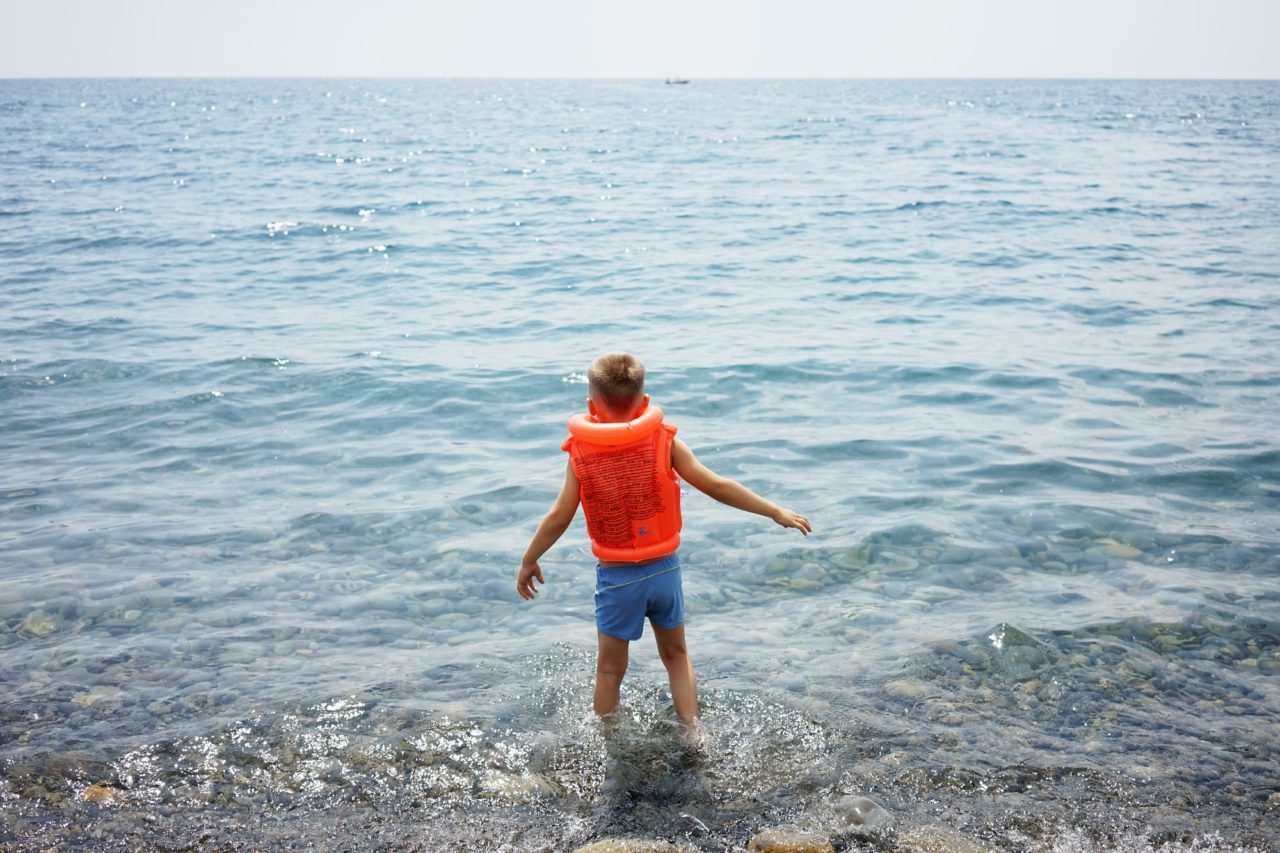
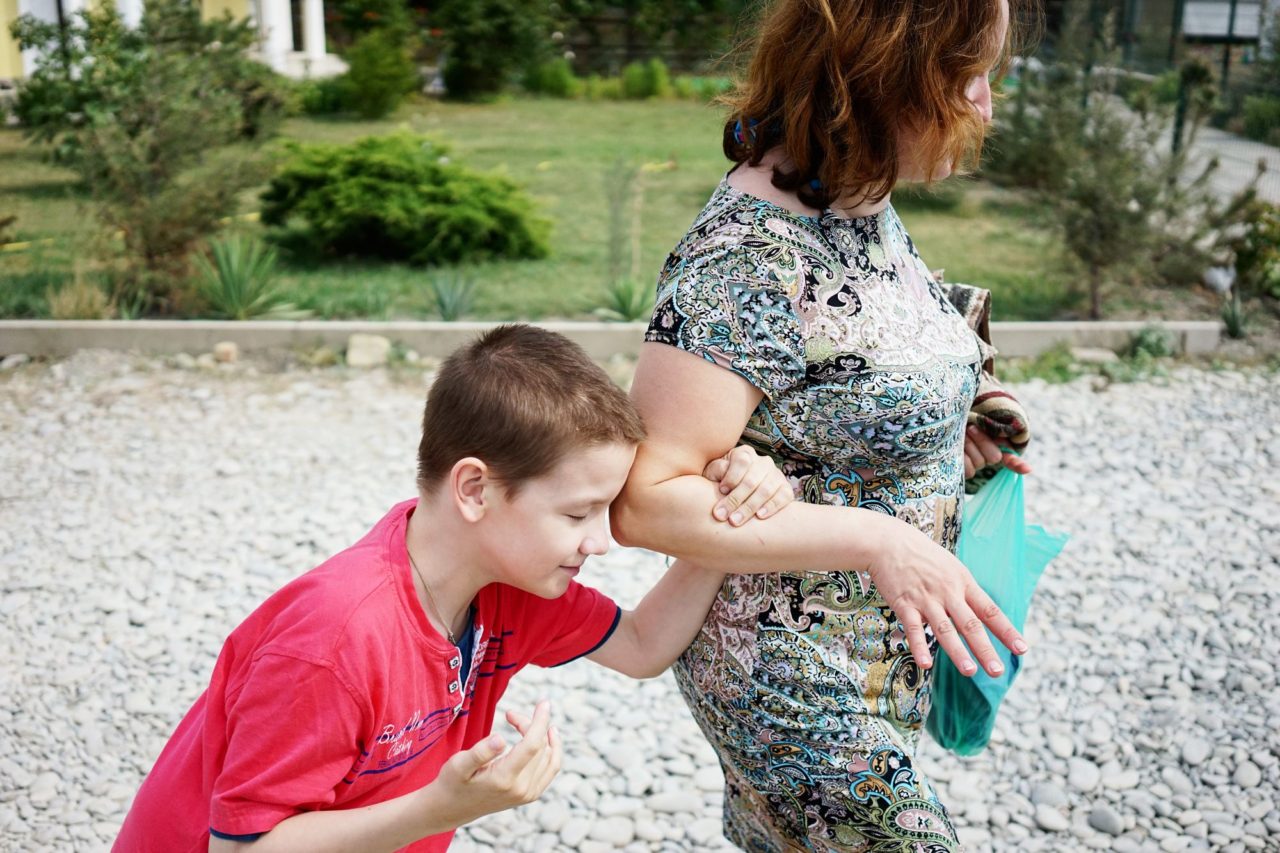 Roma and mom go to the sea. Roma is pressed against his mother’s hand: this reassures him by the photo: Alina Inozemtseva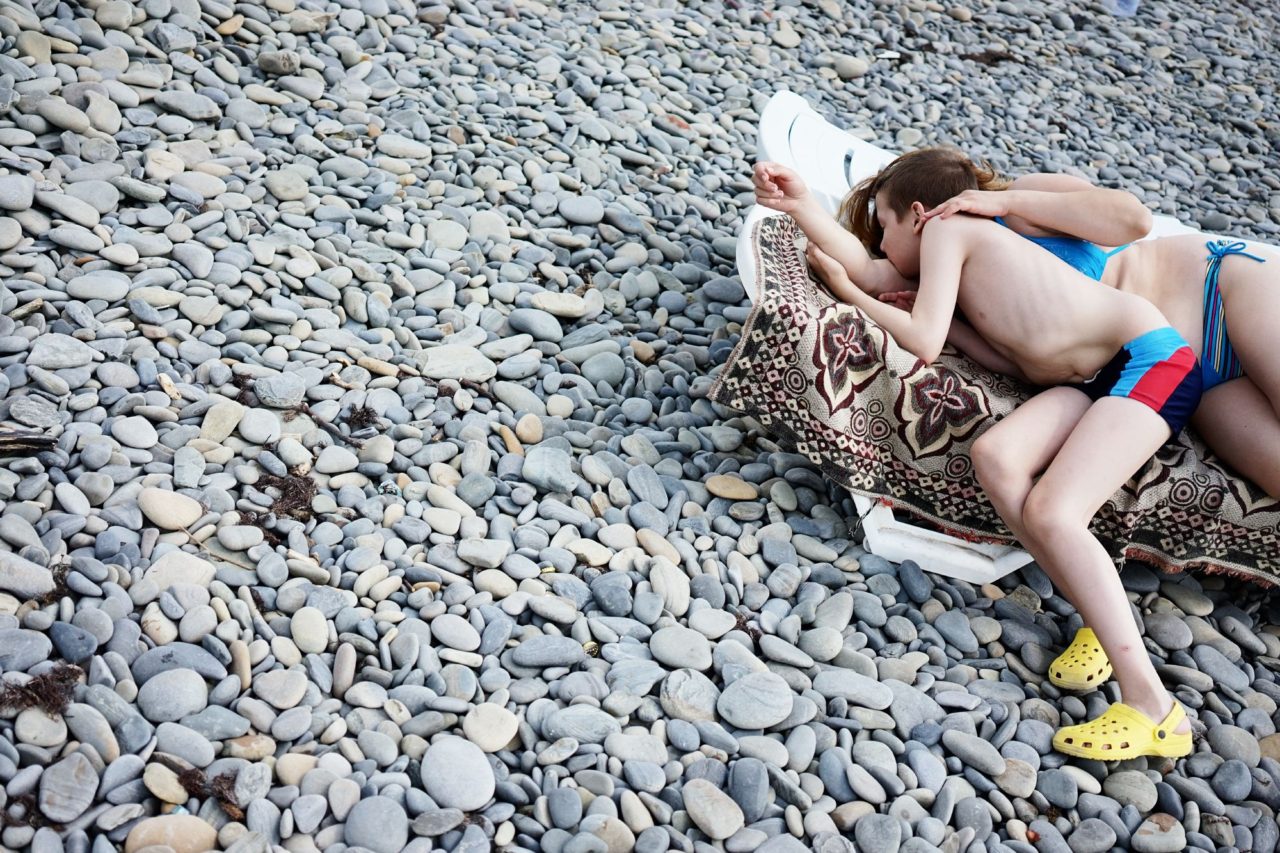
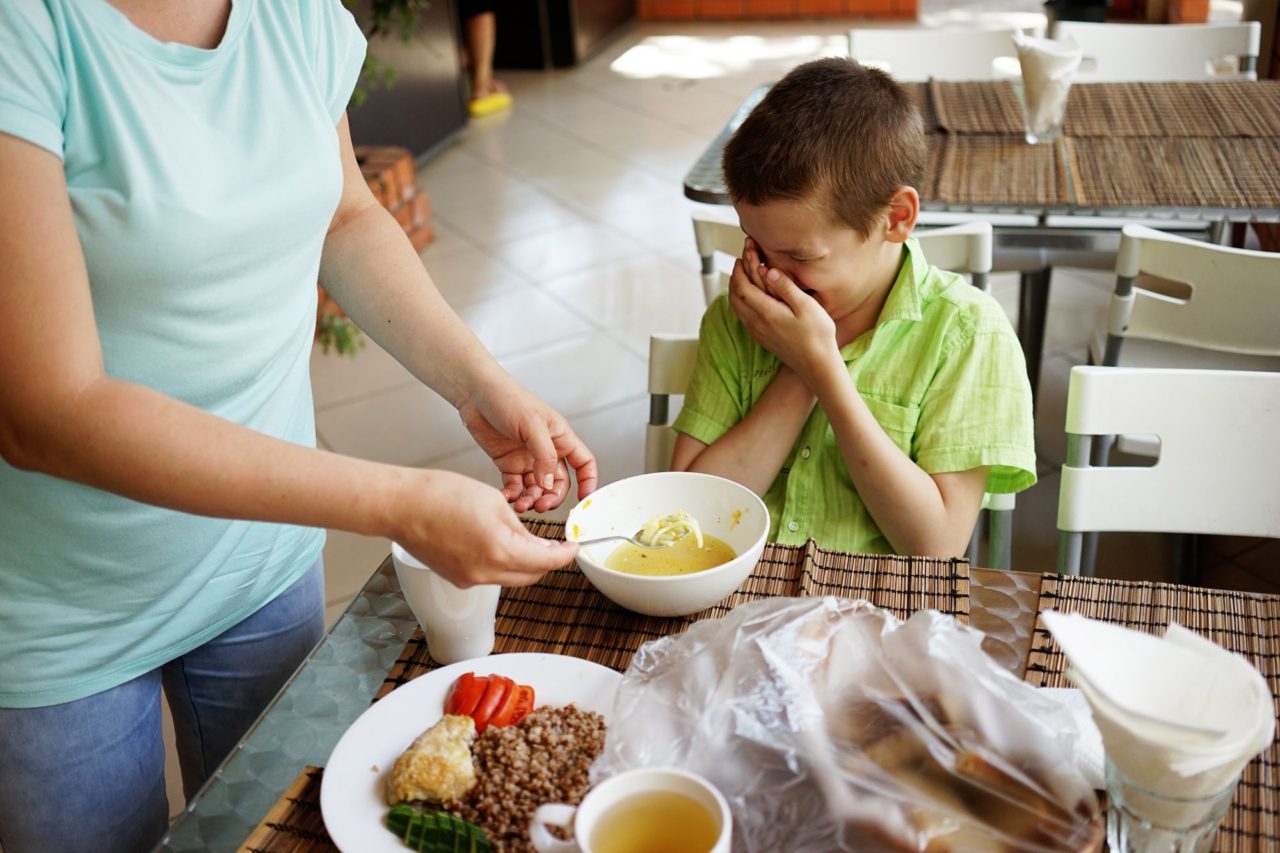
 Stepa goes to an ordinary kindergarten - it has five children with features, the rest - the norm. He has friends. Stepa is preparing for a regular school - parents plan to pull it back to normal : Alina Inozemtseva
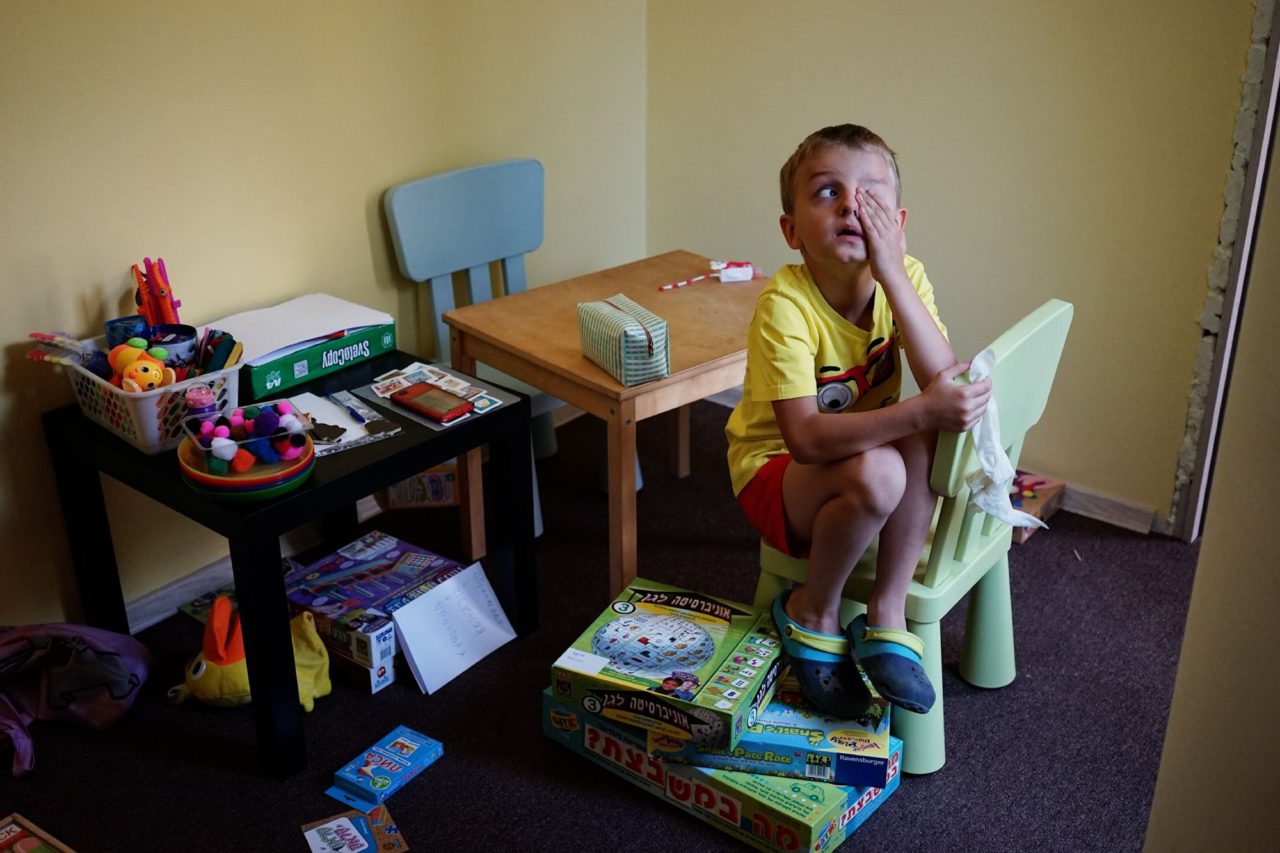
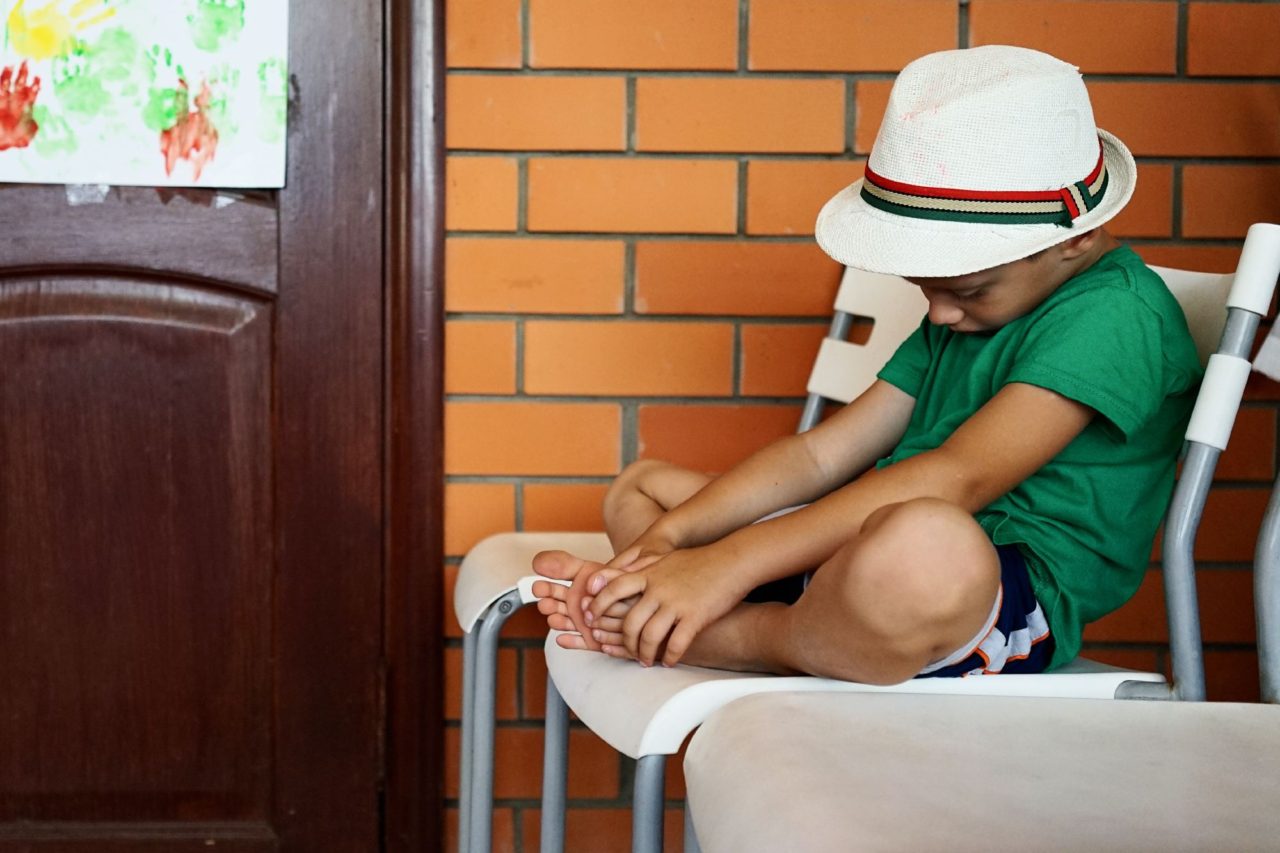 Stepa on group therapy. This time he joined the games closer to the end of the lesson, and most of it stayed, as they say, “in himself” photo: Alina Inozemtseva
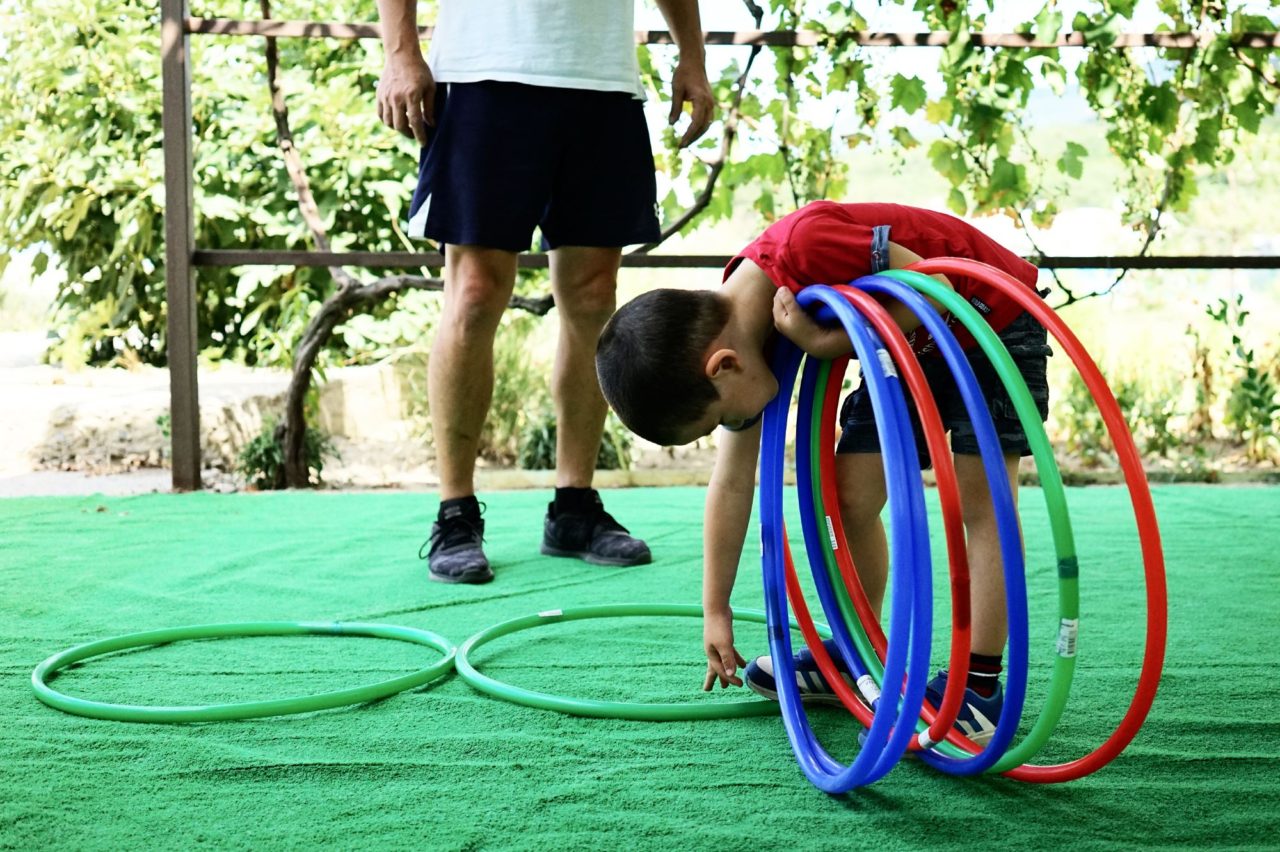 Theman performs the exercise - you need to collect cones on the hand. Так он учится смотреть косым взглядом — видеть, что находится под носом. А еще это помогает обретению равновесия Фото: Алина Иноземцева
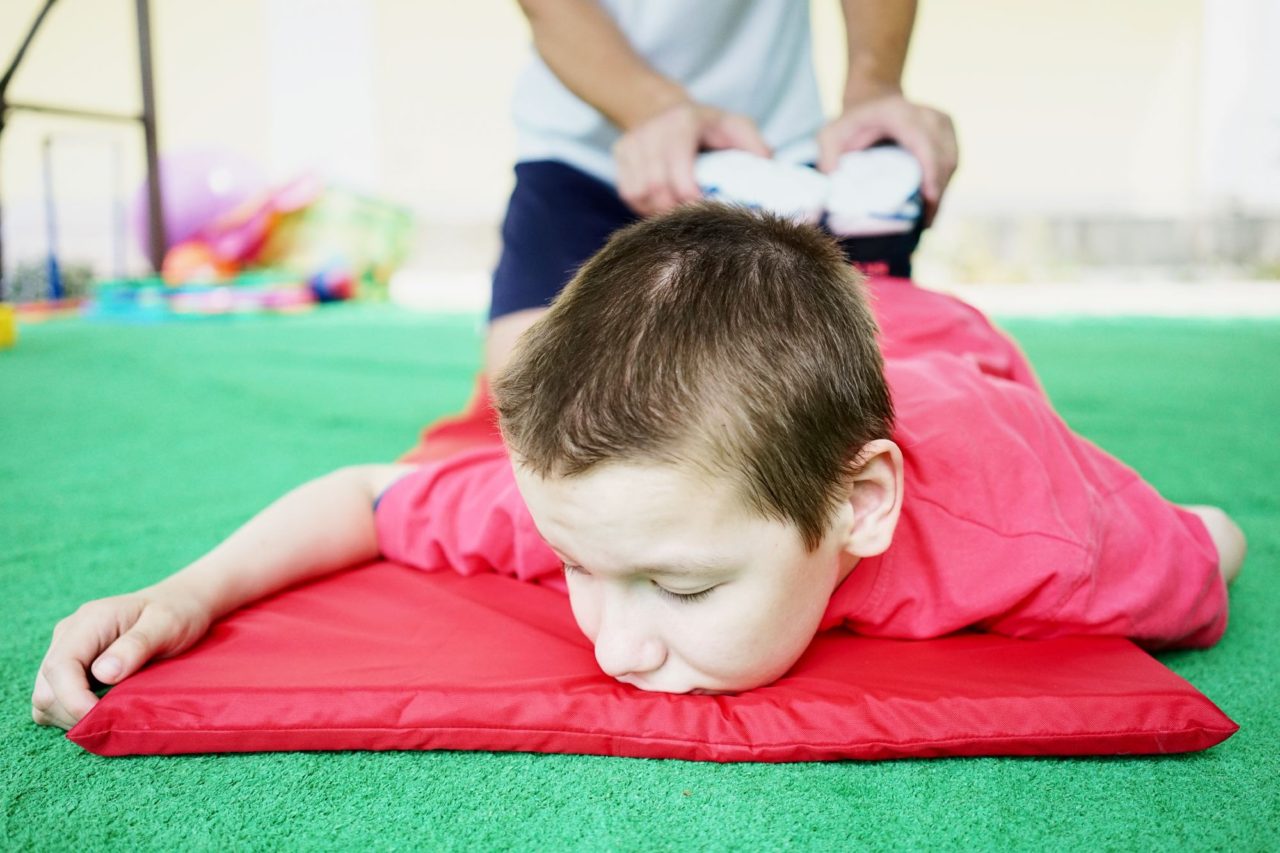
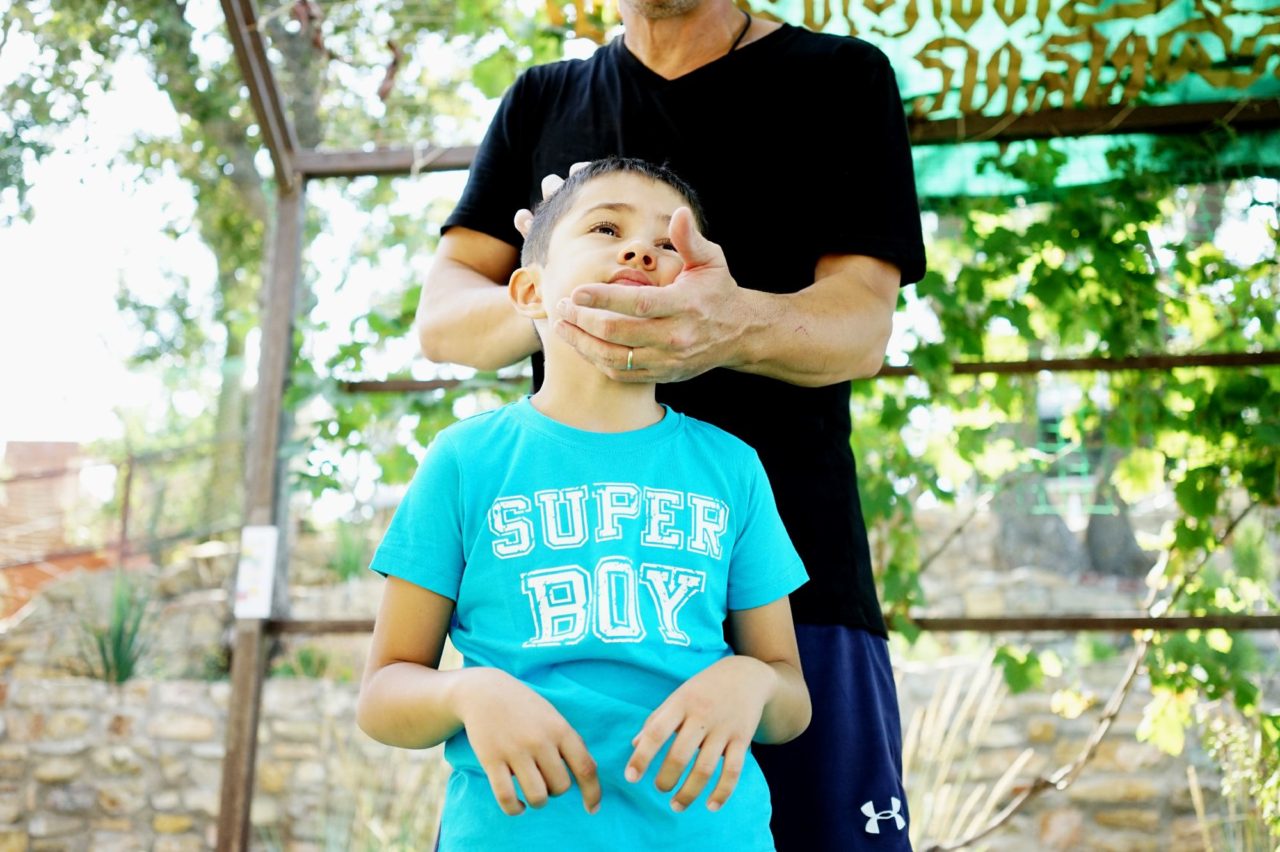 Это только кажется, что голова Тэомана в опасности — тренер Герман чувствует ребенка и никогда не причинит ему боль. Зато он довольно жестко говорит с ребенком — 90% детей с аутизмом любят такой тон Фото: Алина Иноземцева
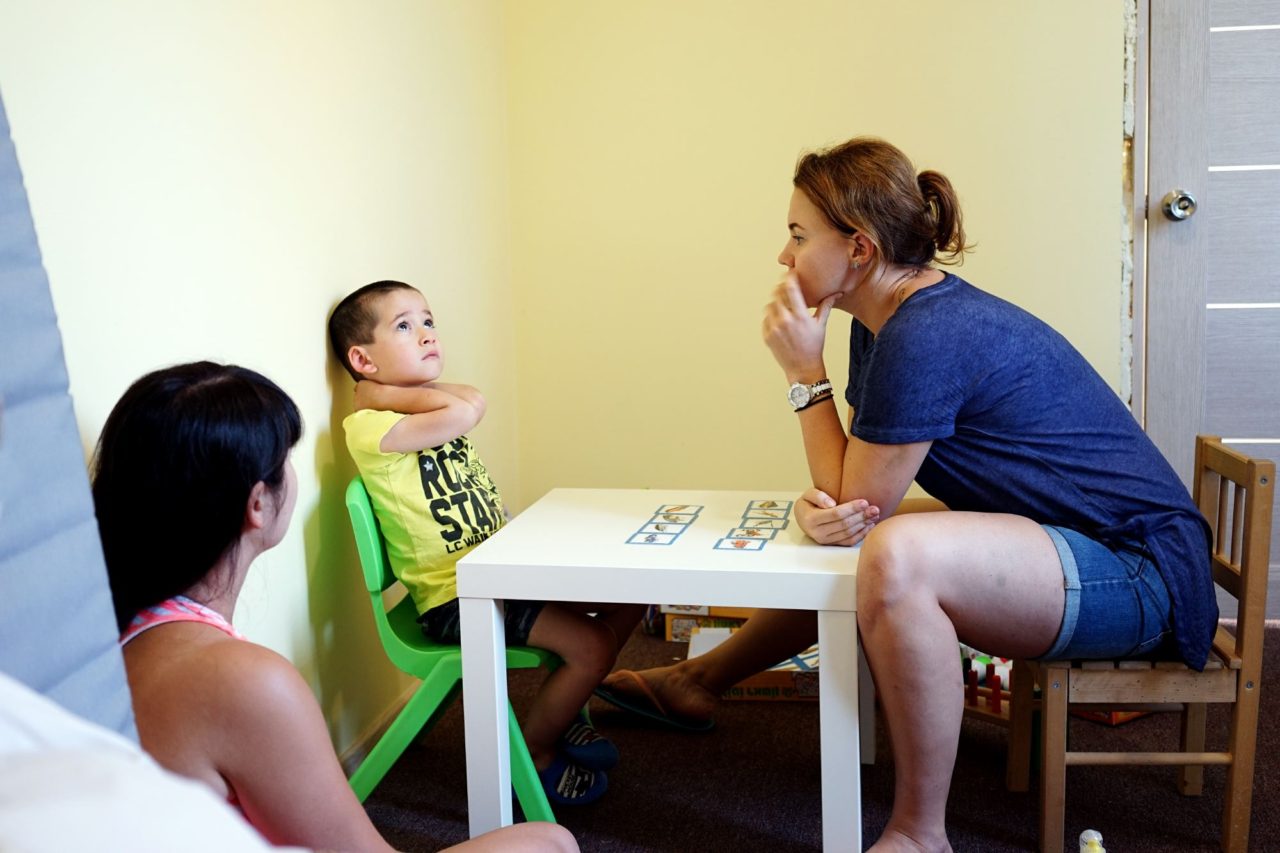 Тэоман на развивающих занятиях. Увлечь ребенка — полдела, удержать его внимание намного сложнее: отвлечь способен любой звук. Со стороны работа специалиста кажется простой. Однако на деле это очень непросто: отвлекся хоть на секунду — и ребенок уже не с тобой Фото: Алина Иноземцева
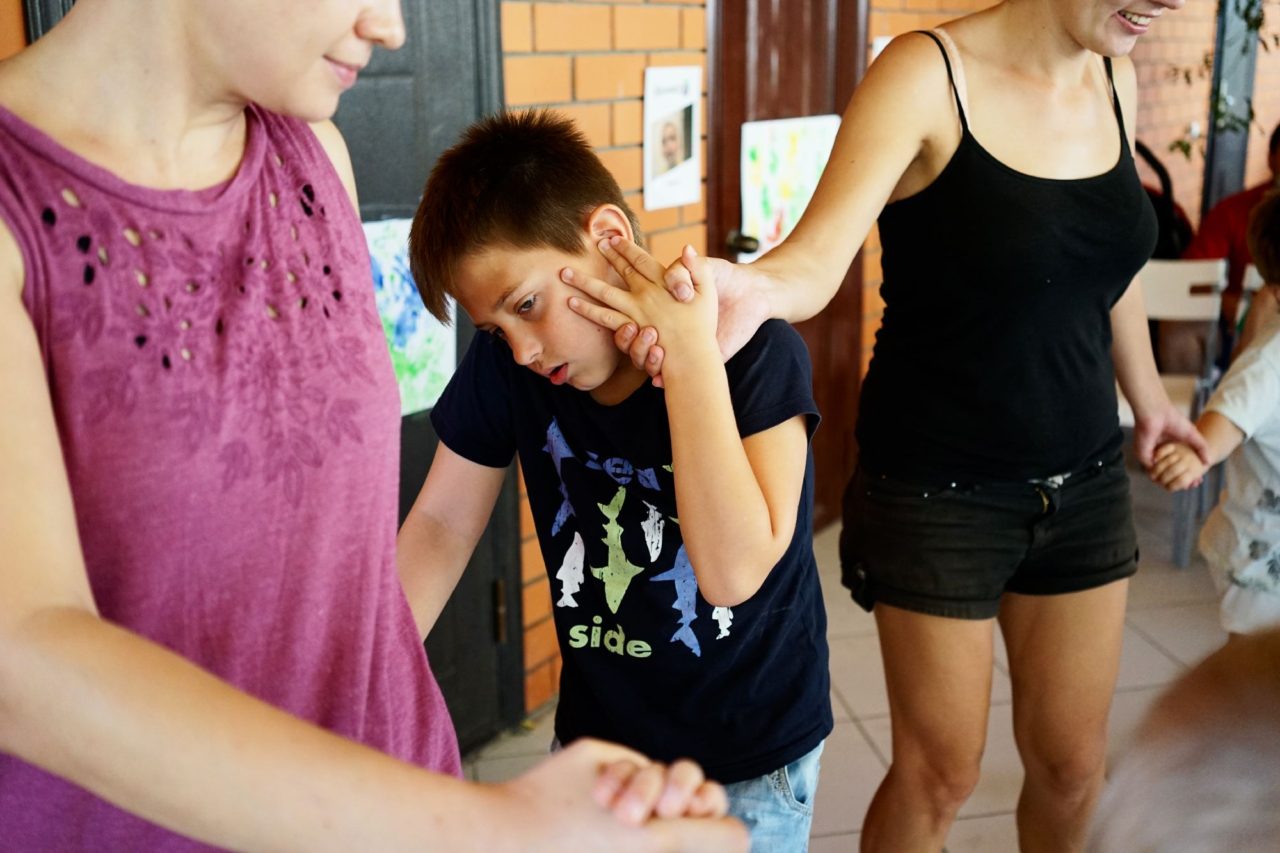 Алексей на групповом занятии. Важная часть группового занятия — взаимодействие. На них ребенок учится видеть другого. Не только терпеть —хотя это тоже важно — но и взаимодействовать с ним Фото: Алина Иноземцева
 Леша и его двоюродная сестра Кира. Кира — один из главных терапевтов Леши: она его очень многому учит. Она любит Лешу. Однажды Кира спросила: «А есть такие таблетки, чтобы Леша стал обычным?» Ей объяснили, что нет. Она посидела, подумала, говорит: «Ну ладно, он и так классный» Фото: Алина Иноземцева
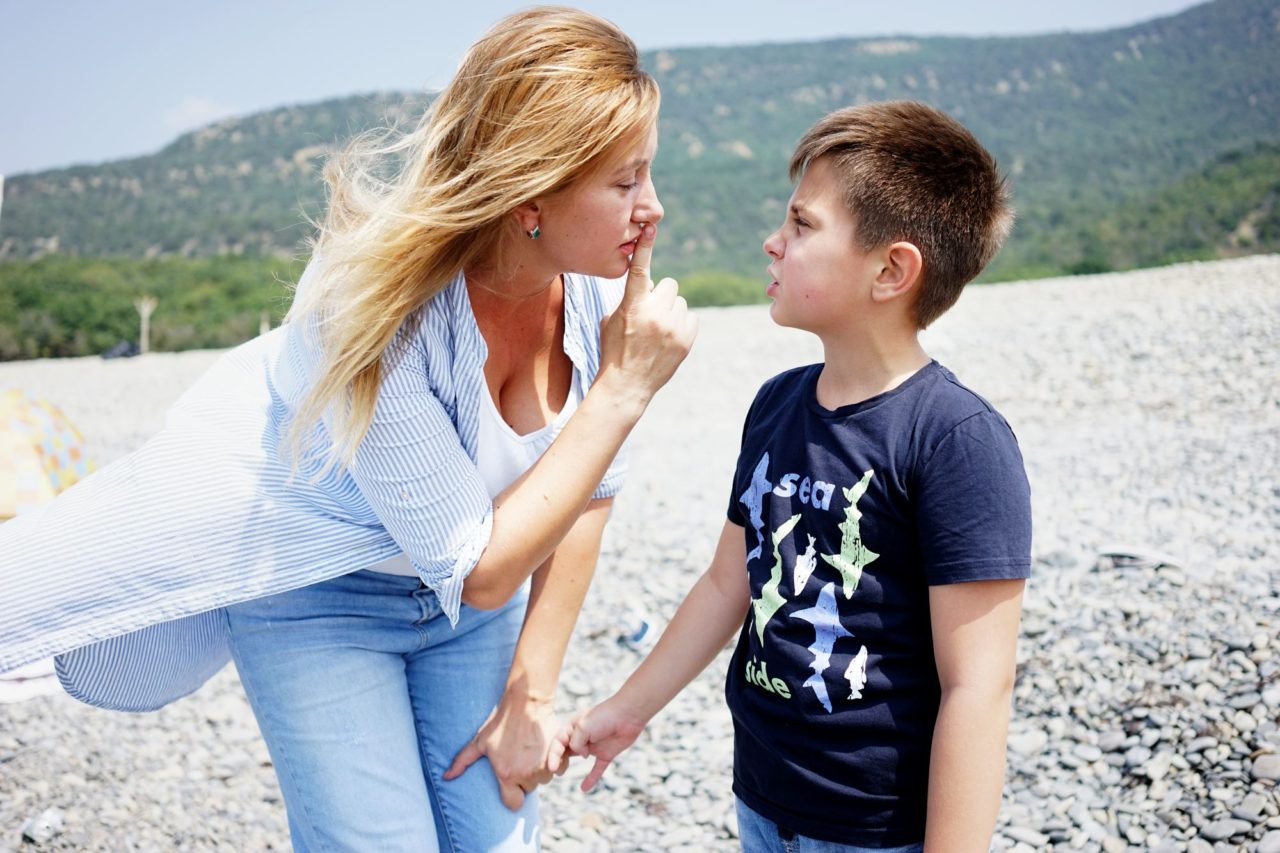 Алексей с мамой. В отличие от многих детей, с Лешей можно договориться, но все же он все еще может оказываться неуместным в тех или иных ситуациях Фото: Алина Иноземцева
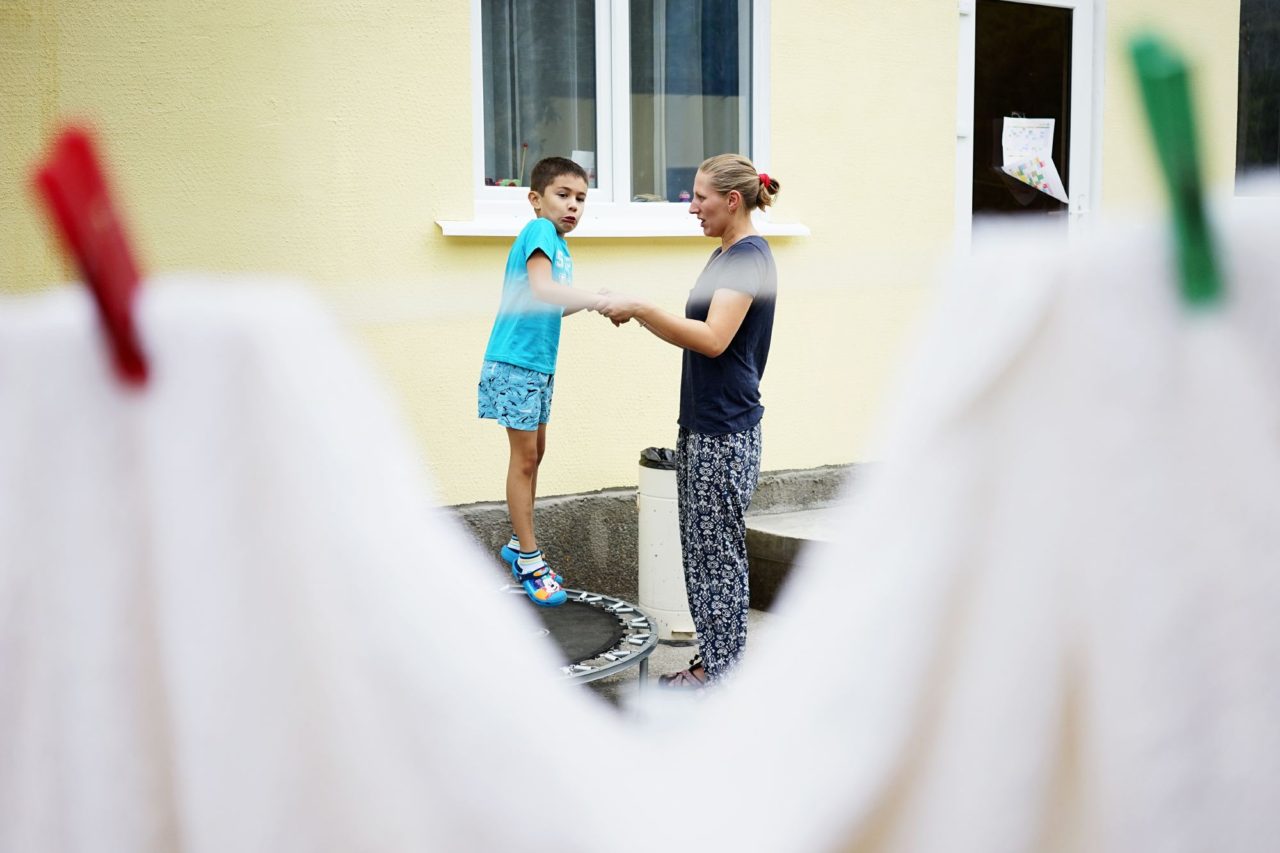 Прыжки на батуте — обязательная часть разминки между занятиями Фото: Алина Иноземцева
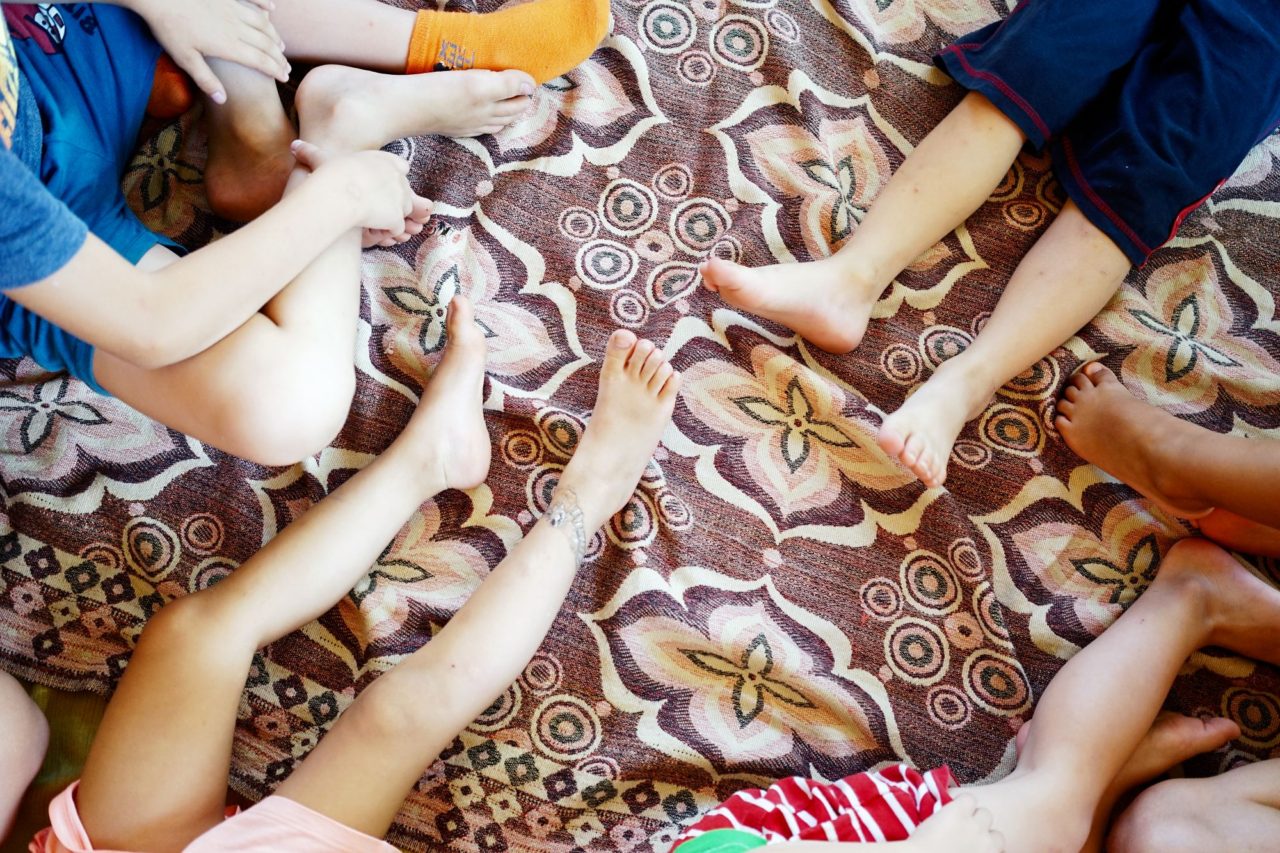 Еще одна цель групповых занятий — научить функционировать, когда вокруг шум, недостаточно структурированное общество: кто-то толкнет, кто-то пройдет мимо, кто-то крикнет… Ребенок оказывается в ситуации, когда есть много разных звуков, запахов, тактильных импульсов Фото: Алина Иноземцева Читайте также
 Софья Рожанская: Надежда для Маши Как устроена жизнь молодой девушки с умственной отсталостью из благополучной семьи
Photo: Alina InozemtsevaThe summer correctional camp for children with autism is a little sea and classes all day. And also - this is a lot of patience and even more love. What happened this summer at Maly Utrish, Alina Inozemtseva watched
Assembly point
This summer they called me to take a camp for children with autism, and of course I went. The shooting of such children I have been doing more than two years. But so that several children gather in one place at once - no, this did not happen before.
The summer camp is usually something nostalgic: the sea under the supervision of the counselors (and if you try, then and unattended), the song under the guitar around the fire, the discos in the evenings, the night secret gatherings ... So: in the camp under Anapa, on the small Utrish, there was none of this. What was - five hours of developing classes every day and difficult physical education classes. What was - total control by adults and attempts to learn to communicate with other children.
At the end of July, twelve families from Russia and Belarus met under Anapa. In order to collect children bit by bit-try to return them back to what they were before the rollback: they call the moment when "something went wrong." To teach children to live with autism and their parents, this is enough.
Was there a camp?
In general, this, of course, can hardly be called a camp in the usual sense of the word. There is summer, there is a sea, there are children - but there are no camps. An intensive correctional development program for children with autism - this will be more accurate. The sea is a pleasant bonus.
“I don't know what to call it myself. Summer intensive course. Or camp. Who is more convenient. Rather, the course. I had dreams to make a camp, but it did not work, ”says Ekaterina Zabalueva.
It was Katya who came up with the idea of a summer intensive course, and on her shoulders all organizational issues. In Russia, there are not very dense specialists in the field of autism, therefore, experts from the Israeli Center for Correction of Autism of Sulamot were invited - eight people with five suitcases of benefits.
Group classes teach interaction with other photos: Alina Inozemtseva“Not all parents can afford a course in Israel - it is very expensive,” explains Catherine. “So why not try to bring specialists here?” It was not believed that it would be possible to finish the matter. This is the first project of this kind. ”
The guest house on Maly Utrish was not chosen by chance: they specially selected such a place so that it was not noisy, other people do not interfere. The sea is again. Although the latter, as it turned out, rather, a minus, not a plus: the sea is not stress, then the load for the body, but it is necessary that the children are in shape. Ekaterina plans to spend the next course in Vladimir: it will be cheaper and more productive.
In addition to the course, parents had to pay for housing, meals and roads: both specialists and themselves.
It’s not easy to get to a small exaggeration. It would seem that it is complicated: from Anapa to a large Utrish - half an hour drive, and the same amount to small. But not every car can master this path, taxi drivers refuse to carry there, and there is practically no road there.
The camp often tells terrible stories at night - they also tell here. Only not children, but parents. And not at night, but at any time of the day. And the stories are not at all scary - perhaps each of those who came here, accepted the autism of his child and learned to live with it.
Such a struggle
The guest house is located near the sea, only the fence separates it from the water. In front of the house is a playground. You can not find children on it too often - parents or specialists bring them one at a time, briefly: there is heat.
Sometimes Nikita wanders around the site - the son of Catherine. Nikita nine, and he has autism. In the hand of Nikita, a handful of sand - he dispels it in the wind - or a ribbon, which he prescribes in the air patterns.
Nikita was a long -awaited boy, with great forecasts for the future. Ruslan, the husband of Catherine, is the only child, Katya has a daughter from her first marriage.
Nikita's rollback began at a year and a half. During the month, Nikita stopped talking, paying attention to the things that he turned to, went to his senses. He did not look into his eyes, he had no question. Could jump in front of the TV for hours, watch credits, jump on the couch. It did not matter to him who was sitting with him - completely in his world.
Catherine began to look for information on the Internet and found that Nikita had autism. The husband did not believe for a long time, said that she was invented, read. However, at first not only the husband did not believe.
On the site with children for Nikita, there seems to be not children. It is much more interesting for him to disperse sand in the wind - there are not enough sensory sensations. At home, Nikita has kinetic sand photo: Alina Inozemtseva“The pediatrician said - read the book“ Two Captains ”, there the boy was silent until five years old,” recalls Catherine. - And a month later she said: “Hello, your child will be a fool. Give it to a boarding school, it will never become normal with you. ” And now I am very grateful to her for these words, because when she said them, I decided that I would prove - he is not a fool. ”
Working days began: up to five years lived like gypsies - on suitcases. These endless searches for a magic pill are what else to work out, where to go. Something helped, something is not very good.
The diagnosis of Nikita was made in three. Doctors simply agreed with the brisk Katya - it turned out to be easier.
Varya, Nikita's older sister, was very worried. She saw her mother’s condition, reassured how she could: “Mom, I promise you that Nikita will be normal, you will see herself.” It is worth offending someone Nikita, Varya-like an eagle: it shakes. She is a mountain for him. Varya, like her mother, wants to study as a therapist.
“I understand that Nikita deprives Varia of youth - she is busy with him all the time,” says Ekaterina. “I try to take it with us as often as possible, so that they and Nikita are closely connected.” Because once it will not be me, and you never know, he will not stand on his feet ... It is necessary that a close person is nearby. Because such children are indifferent to everyone and nobody needs. ”
With the advent of Nikita, the life of the family has changed dramatically. For example, financially: they still think about how to pay off debts. And they also think that in the world, it turns out, many good responsive people: most of Nikita pay the funds. And there is also an uncle. He had never seen Nikita, he just heard about him once on the Echo of Moscow, called and said that he would transfer money in the evening. And after that he helped out again five again.
Of course, the financial plan is only an external change that accompanies the changes in internal.
“I am five years ago and I am now two different people,” Catherine admits. - My life values have changed very much. Tell me five years ago that I will not work as a lawyer, a lawyer, but I will study for some behavioral analyst, and I will be at a buzz to engage in children that I will create my public organization of assistance to children with autism and cerebral palsy, I would say that this is not for me.
“Hello, your child will be a fool. Give it to a boarding school, it will never become normal with you "In Vladimir, children with autism are often hidden, they are shy. And I - vice versa. I am not shy about Nikita, I love him. And many parents, apparently, have not yet accepted themselves.
Nikita taught me to rejoice at those things that you do not pay attention to at all. Rejoice that for children with normal development it seems normal: every small step, a look appeared, a new word. This is happiness. And vice versa: on some things I have focused on, but now I understand - this is such a trifle. Do not think about it.
A girlfriend once asked me a question: if you return the time back, and you would know that you will have a child with autism, would you give birth? Yes, I say, I would still give birth. Because it is such love, such a struggle. No matter how painful, sad and sad, everything that is done is all for the better. So, probably, this is not just.
Someone gave me a T-shirt with the inscription "God chooses strong women on Earth and gives them to a child with features." Everything is overcome. Maybe. It seems to me. "
There was a fairy tale child
“Our children are needed only by us”: these words say if not every first mother, then every second for sure.
Nelly - just from such second ones. That is why she also opened a public organization in her city for working with children with mental disorders. Nelli from Kolomna, her son Andrei nine.
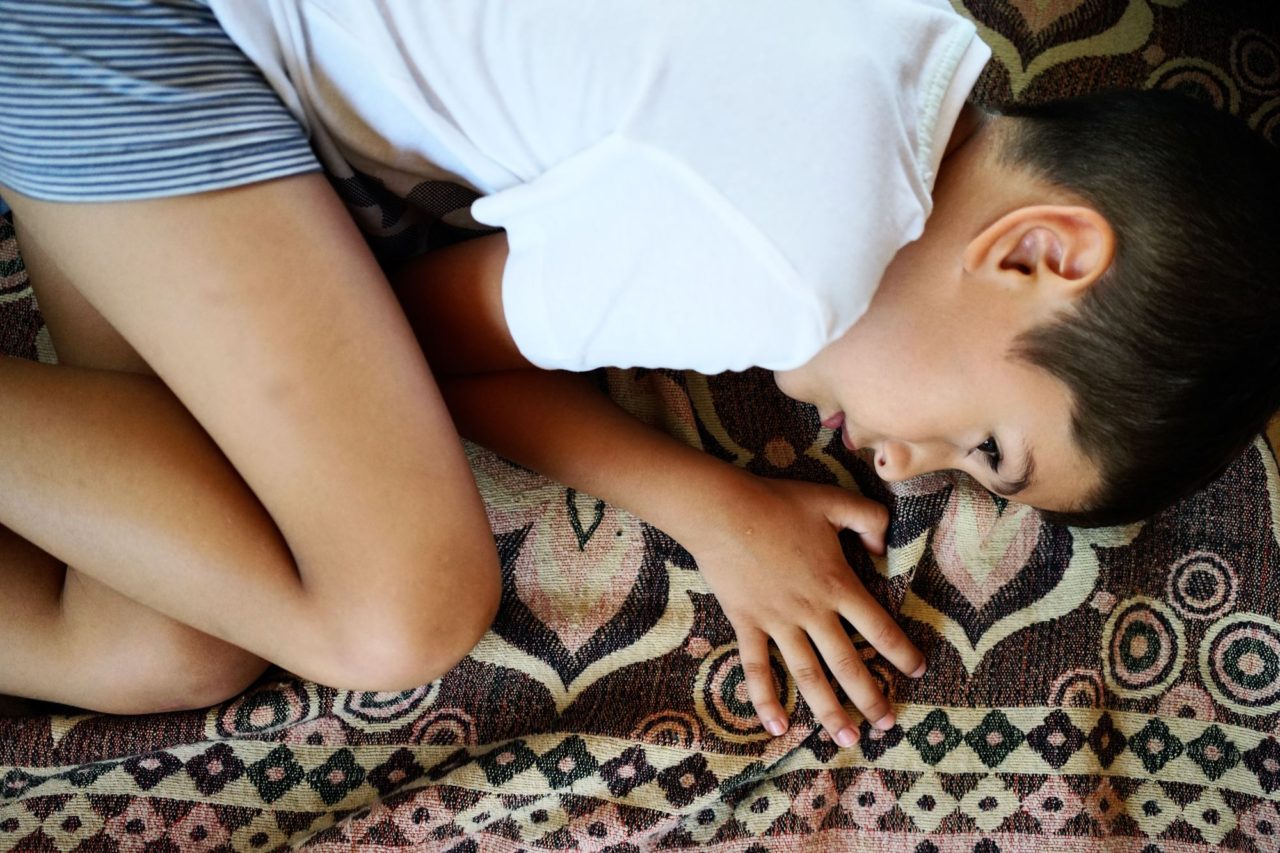
As often happens, they treated Andrei by pumpking: it did not fit, let's try something else. They refused drugs a year ago: a rollback occurred on one of them. Now Andrei is given only a plant capsule brought from Vietnam, and a sedative for the night so that he could sleep photo: Alina InozemtsevaThis is the first long trip of Andrei - the road from Kolomna to Anapa took about a day by car. To come to the camp, Andrei's parents had to sell a garage.
“A lot has spent. All wasted. Hard, ”Nelly sighs. - Only the husband works. For Israel, we still do not have enough funds. Yes, and it is not known how Andrei will transfer the plane. ”
Andrei became another person in just a week. When this happened, he was two years old.
“It was scary,” says Nelly. - Only about six years Andrei began to get used to hard food. He began to chew, the reflex of nausea left. The muscles are atrophied, the teeth were blown up, black. There was a fairy tale child, with curls, such a whole cheerful, crucial and turned not to understand what at once. ”
Andrei received disability at four years old. Recently, they tried to send it to school for the mentally retarded: strong teachers, extensive experience working with children with features. They did not take: the commission is built on speech diagnostics for bezen children. In 20 minutes of diagnosis, Andrei simply did not have time to show what he was capable of. But the set goes all year round, and this means that Nelly will still try to send Andrei to school. In the meantime, self -education.
Andrei throws stones. This helps him develop motor skills photo: Alina Inozemtseva“We are hardly accepted everywhere,” Nelly sighs. -For example, at playgrounds they try to take away their children, or somehow displace us from there. Parents are opposed: children, as a rule, accept unusual children - not like themselves. ”
There is nowhere to go in for sports: in Kolomna there are no coaches who are ready to deal with children with mental disability.
There are enough pools in the city - as many as four pieces. Not one accepts Andrei-due to the lack of suitable coaches.
“They try to take away their children in playgrounds. Parents are opposed: children, as a rule, accept unusual children "And there are horses. But very expensive: twenty minutes - a thousand rubles.
But now Andrei's parents are building a large house in which there will be two dogs, Alabai. He is not afraid of them, and dogs love him. They communicate. At home they got a cat-there is also some kind of communication.
The most difficult thing is to find specialists who wanted and could deal with children with autism. “Take it off anyway” - Andrei's mother hears this phrase with enviable regularity. It is said by doctors, experts, on a commission to obtain disability ... they say, "Why are you tearing the ass?" Photo: Alina InozemtsevaNot so long ago, Andrei had the first trip to the cinema. Nelly specially agreed with the cashiers and those who let go into the hall so that Andrei was able to go into the hall after the start of the session - so that the screen was burning, and so that he could stand a little at the open door.
“We went for a long time to just drag Andrei into the hall,” says Nelly. - Once I staggered him there - and now 10 minutes twice a week we visit the cinema. Such progress, small steps. ”
Like many, Nelly had thoughts to move to Moscow - she was the Muscovite herself, at one time she moved to her husband to Kolomna. Senior daughters and mother Nelli live in Moscow.
“I am a man of old hardening, pioneer, Komsomolets, practically a communist,” Nelly laughs. - And when this collective idea appeared, when my parents began to call me, cry - do not leave us, no one needs us, I realized that I could not leave. Napoleonic plans, and besides us, there is no one to implement. We will fight to the end. "
We hope we have time
It is difficult to convey autism in the photo-usually a person with autism does not differ too much from a person without him, if only during the Steam: this is the name of repeated movements, for example, swing back and forth, roundness in one place, fast walking back and forth or combing of the skin. Roma also has stams - he shakes in the face of the hands, and sometimes they licking them. He is 11, and he has not only autism, but also cerebral palsy. On the half -bent legs of Roma, holding his mother's hand, approaches the sea. Sometimes the waves turn out to be very close, break by splashes at the very feet. Roma trembles, but does not leave.
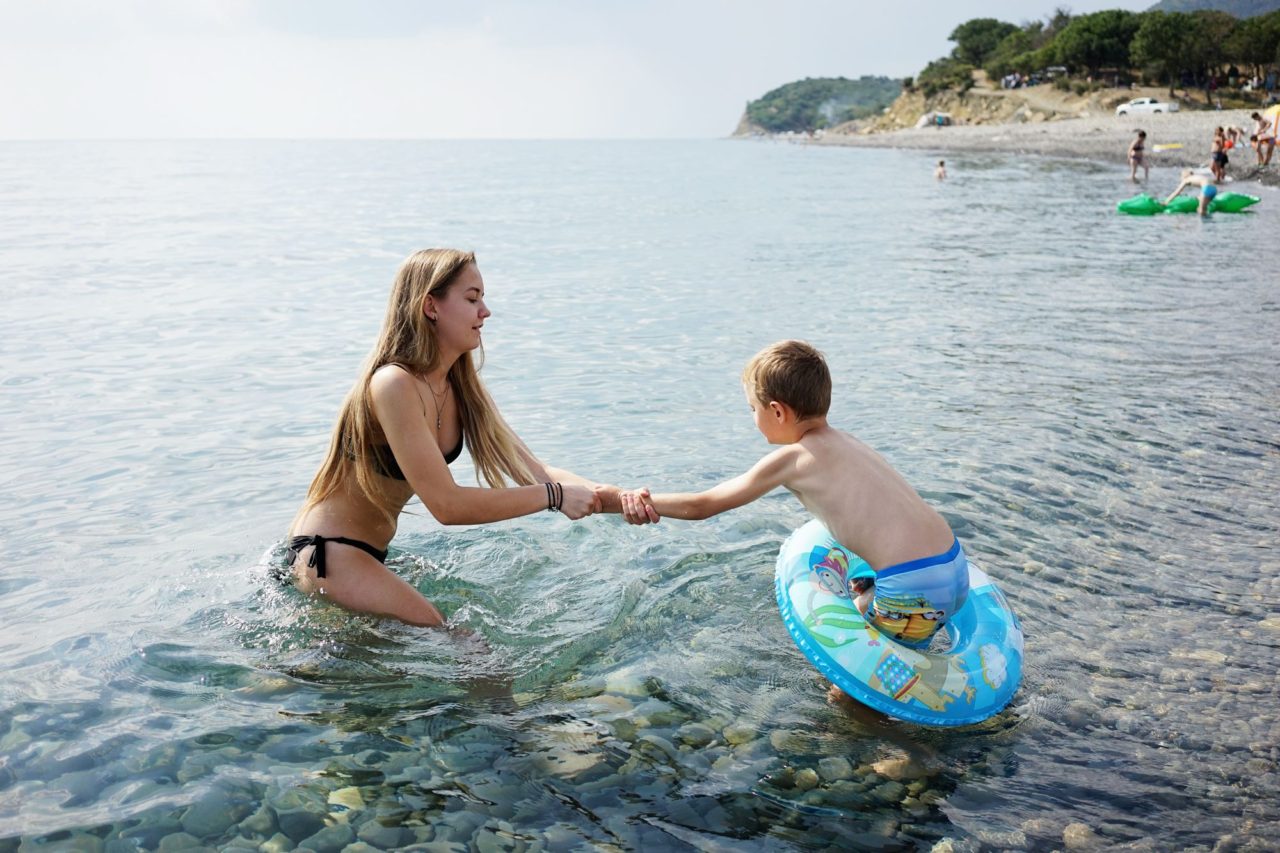
Roma and mom go to the sea. Roma is pressed against his mother’s hand: this reassures him by the photo: Alina Inozemtseva“It’s hard to tell me about him in general,” Elvira sighs, the mother of Roman. - I myself am probably an autistic. Before the arrival, I went to oratory - I feel it is not easier for me. This is again a dead end. ”
Roma was born prematurely. From birth, the doctors warned that he would be a difficult child. Therefore, from the very birth, the rag knows what massage, exercise therapy, injections are. A little later, from three years old, Roma met speech therapists and defectologists.
Roma is studying at a specialized boarding school of Ufa for home schooling. A teacher comes to him twice a week.
“Roma is already quite large,” says Elvira. - I do not want him to be helpless. We didn’t think about the future, but we hope we will have time to teach him to be independent. ”
Everyone wants to believe
Not all children can be photographed in the camp - not all parents are ready for this.
One evening, I carefully ask my mother, who did not allow her child to take off, whether the second child is normipiped: they arrived at the camp with the whole family: parents, son and daughter.
"Norm? And what is the norm? " - she answers quite sharply.
I am silent - and then I go for an answer to the head of the "Israeli" Marina Sleutyan.
- Everyone wants to believe that his child is close enough to the border and sooner or later this border will step over, begin to lead an independent life, and it will be possible to dissociate on autism. No one wants to live with this, ”says Marina. - Parents of low -functional children understand that this is unrealistic and impossible. Parents of highly functional children try not to advertise this border, not to emphasize. They believe that the child will be independent. Not that it will be without autism - but they do not want to emphasize it. They want to get out of disability.
- Is it pink glasses or really get out of disability? - I ask.
“It seems to me that if there are no such glasses, the hands are dropped,” says Marina. -We need to believe in something. Of course, there are people who say that these are pink glasses, and when they fall, there will be depression. But while they are, so much is being done that maybe they will not fall.
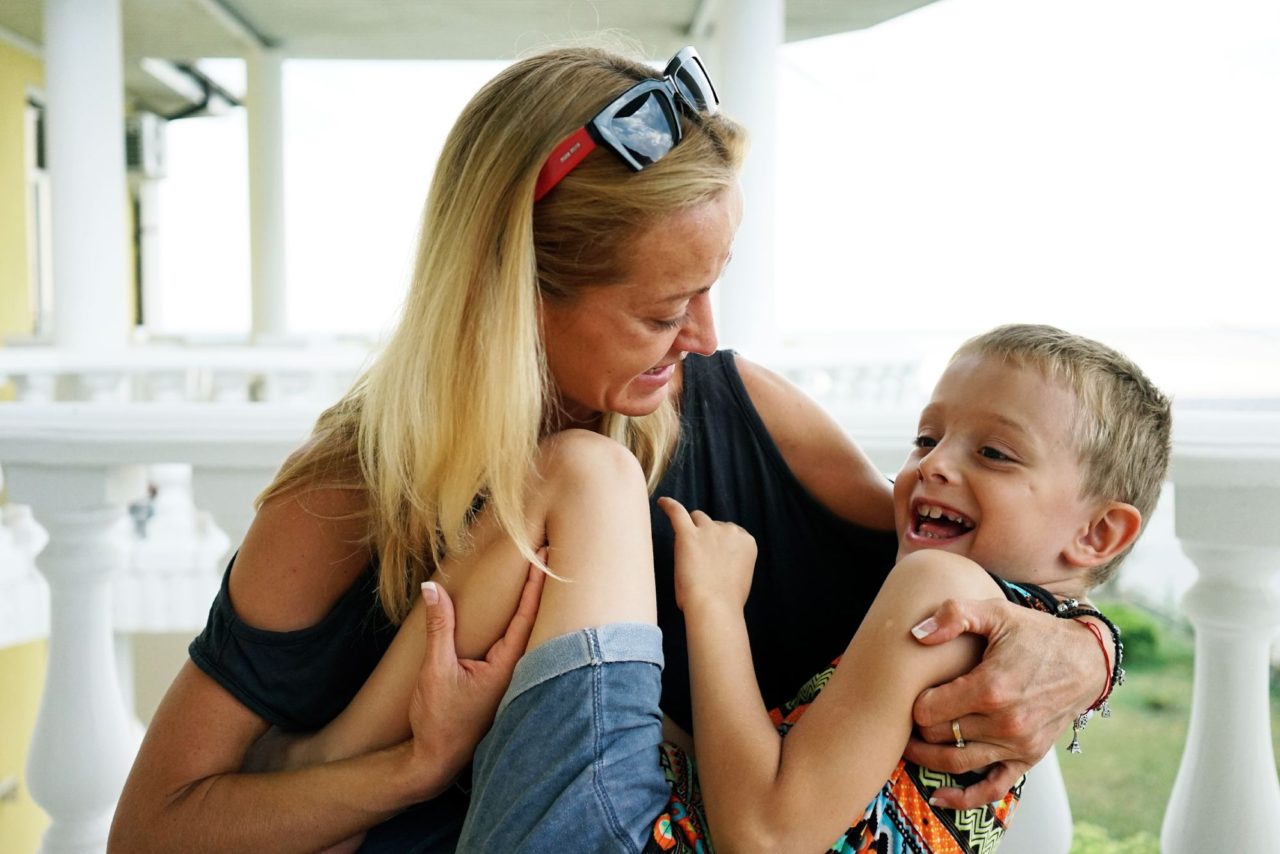
Stepa goes to an ordinary kindergarten - it has five children with features, the rest - the norm. He has friends. Stepa is preparing for a regular school - parents plan to pull it back to normal : Alina Inozemtseva-And someone against shooting? - Anya is surprised from Minsk. Ana, her son Step, gave a new profession: she sings and plays in the theater, and thanks to Autism, Stepa also became a therapist. The professions are not as far from each other as it might seem first: the work of the therapist is the work of the actor. For about a year, Anya has been engaged with children. In the camp, Ana rarely succeeds with her son: other specialists are engaged in him, and Anya herself spends time with other children as a therapist.
- Finally I found you together! - I say. Styopa and his parents are sent to a small shop - for ice cream.
-And I am as glad! We have only 10 minutes, ”says Anya.
“We noticed the first manifestations of autism when Stepa was two and a half,” says Sergey, Pope Stepa. - Doctors could not tell us anything. When the steppe was three years old, it became generally unbearable. He was absolutely uncontrollable. The feeling was deaf. I did not perceive any appeals to him. It was impossible to feed Stepa, he went to the toilet where he wanted to.
Stepa on group therapy. This time he joined the games closer to the end of the lesson, and most of it stayed, as they say, “in himself” photo: Alina InozemtsevaSergey and Anya realized that it was already impossible to live like that, and began to look for specialists. Found Sulamot, collected money for a long time, went. The step at that time was about three, and now he was five and a half. According to Sergey, it was a cool push: "Sulamot taught what to do with it, how to live with it."
A little hard with people
Taeoman is difficult to shoot: he, unlike many, looks into the camera, repeats something like "Chiyiz!" (also-unlike many) and smiles until I take the camera aside, and even better-I will not hide somewhere where he could not see me.
Taeoman is four years old, and he lives in two countries: Pope Taomashi (as they are most often called here) - Turks. True, the TEOMAN does not know Turkish: he spoke in Russian just a year ago.
Theman performs the exercise - you need to collect cones on the hand. Так он учится смотреть косым взглядом — видеть, что находится под носом. А еще это помогает обретению равновесия Фото: Алина ИноземцеваА сейчас Тэоман и его мама, Алия, тут, в лагере.
— Когда у него что-то не получается, он сразу кричит «никак», даже если не начал процесс, — жалуется Алия.
— Не обращайте внимания: важно отличать просьбу о помощи от комментирования, — говорит терапистка Катя.
Спустя несколько минут Тэоман доверительно сообщает:
— Никак не получится.
Это только кажется, что голова Тэомана в опасности — тренер Герман чувствует ребенка и никогда не причинит ему боль. Зато он довольно жестко говорит с ребенком — 90% детей с аутизмом любят такой тон Фото: Алина Иноземцева— У ребенка есть четкий план, — смеется Катя.
Тэоман родился маленьким, слабеньким, его долго выхаживали. Развивался мальчик нормально, но был гиперспокойным: его невозможно было развеселить, он не улыбался, ни на кого не реагировал, ни на что не откликался. До восьми месяцев были какие-то звуки, после — вообще замолчал. До трех лет никаких звуков от Тэомана не слышали.
Тэоман с родителями жили тогда на севере, в Ямало-Ненецком автономном округе, в вахтовом поселке. На поселок, как водится, была только одна больница. Логопед сказала не приходить, пока Тэоману не исполнится три. Невролог ничего не говорила. Когда Тэоману было два года, переехали в Москву — мужа по работе перевели — и пошли по врачам.
Когда у Тэомана родилась младшая сестра, Маюша, он тяжело перенес это — была какая-то ревностьБыло очевидно, что Тэоман отстает: например, на детской площадке он просто стоял. Вытащить его из коляски было нереально. К детям никакого интереса. Вообще ни к чему никакого интереса. Потом появился интерес к светофорам. Любая прогулка заканчивалась у первого светофора.
В Москве невролог назначил лекарства. Начали ходить к дефектологу: та проработала с Тэоманом полгода, сказала, что он ничего не воспринимает, и отправила к психиатру. Психиатр поставил аутизм.
Сейчас Тэоман ходит в обычный частный садик. Маленький садик: в группе восемь-десять детей. Там к нему очень внимательно отнеслись.
Тэоман на развивающих занятиях. Увлечь ребенка — полдела, удержать его внимание намного сложнее: отвлечь способен любой звук. Со стороны работа специалиста кажется простой. Однако на деле это очень непросто: отвлекся хоть на секунду — и ребенок уже не с тобой Фото: Алина Иноземцева«Во многом именно благодаря садику Тэоман так раскрылся, — говорит Алия. — Первое время, конечно, он один сидел. Его и не звали, ждали. Потом просто сидел с ними. Воспитатели так радовались и поддерживали его: «Вау, Тэоман сегодня с нами все занятие сидел! Ничего не делал, но хотя бы просто сидел». Потом он начал потихоньку с ними что-то делать. Сейчас уже и с детьми играет.
Когда у Тэомана родилась младшая сестра, Маюша, он тяжело перенес это — была какая-то ревность. А последние месяца три они начали вместе играть. Маюша его вытягивает. Она очень активная, бойкая — не дает Тэоману сидеть, постоянно беспокоит. Ему это на пользу.
Надеемся вытянуть Тэомана в норму. Он ведь высокофункциональный очень. В плане навыков он очень быстро схватывает, к людям бы еще адаптироваться. Ему тяжело немножко с людьми».
Потому что я хороший
Леша приехал не только с мамой, как многие: с ним — бабушка, мама, тетя, двоюродная сестра. Прибыть таким составом получилось еще и потому, что семья живет недалеко — в Краснодарском крае.
Алексей с родителями переехали в станицу из Геленджика. Папа Леши буквально недавно закончил работать в Геленджике — стало очень сложно жить на два дома. Расстояния нешуточные, и Леша с папой могли видеться лишь на выходных и пару раз в неделю — если получалось.
Решение перебраться в сельскую местность родители приняли из-за болезни Алексея. Геленджик — курортный город, очень много народа, квартира. В станице же — частный дом, улица — дома в один ряд, тихо, нет случайных машин, спокойная размеренная жизнь. Это безопасно: в момент перегруза можно просто открыть калитку и пойти гулять. Из квартиры в город ребенка так не выпустить.
Алексей на групповом занятии. Важная часть группового занятия — взаимодействие. На них ребенок учится видеть другого. Не только терпеть —хотя это тоже важно — но и взаимодействовать с ним Фото: Алина ИноземцеваВ этом году Леша закончил первый класс обычной хуторской школы. Школа находится за станицей, и в ней 70 с небольшим детей, а в классе — всего восемь. Дети в хуторе растут очень просто. Они не избалованы, играют в скакалки, классики, мячи. Это не те дети, которые с трех лет ходят на английский, с четырех в музыкалку, на танцы. Они воспринимают Лешу таким, какой он есть. Да, он своеобразный — но есть дети, которые любят с ним играть. В школу Леша ходит не один — вместе с тьютором Оксаной.
«Когда мы обсуждали с директором возможность того, что Леше нужен сопровождающий, естественно, было напряжение — посторонний взрослый человек в школе, — рассказывает Марина. — Но меня поняли, как маму. Сейчас директор и учитель довольны — в лице Оксаны они получили классного организатора и помощника».
Самоинклюзия, по мнению Марины, вещь провальная.
Оксана не только защищает Алексея от попадания в ситуации, в которых он может оказаться неуместным, но и повышает его социальный статус: дети понимают, что удовольствие от игр с Оксаной Ивановной так или иначе связано с присутствием Алексея в школе.
Леша и его двоюродная сестра Кира. Кира — один из главных терапевтов Леши: она его очень многому учит. Она любит Лешу. Однажды Кира спросила: «А есть такие таблетки, чтобы Леша стал обычным?» Ей объяснили, что нет. Она посидела, подумала, говорит: «Ну ладно, он и так классный» Фото: Алина ИноземцеваКак и многие, Леша родился обычным ребенком: развивался по норме, первые слова были месяцев в семь. В полтора года он знал алфавит, к двум годам — всего Чуковского.
Когда начался откат, невозможно сказать —настолько это было растянуто. Леша потихоньку переставал что-то делать, становился капризным, неуверенным, закрытым. Перестал брать что-либо в руки — даже столовыми приборами перестал пользоваться. На тот момент Леше было около трех.
Такое поведение долго выглядело как каприз, прощупывание границ дозволенного: например, Леша сопровождал все это фразами «не хочу» или «не буду». Год с лишним он выглядел как избалованный ребенок, который ничего не хочет. Уже потом стало понятно, что все не так просто: Леша стал зажимать уши, закрывать глаза, появились пальчиковые стереотипии.
«Иногда, конечно, я бываю ужасной матерью. Я злюсь, ругаюсь. Но потом я понимаю, что Леша — герой»«Специалисты не верили, что еще совсем недавно ребенок был обычным, — рассказывает Марина. — Говорили: «А он у вас один? Ну, сразу видно». Один «невролог» нам сказал: «Ремень тоже помогает»».
Первой реакцией родителей Леши, конечно, было отрицание. Как это — нет интеллекта у ребенка, который бегло читал, знал все цифры, считал?… Сложно.
«У меня сейчас такой период — я уже спокойна, — говорит Марина. — Первые два с половиной года я сама себе напоминала паникующего тушканчика: меня метало из стороны в сторону, что делать-что делать-что делать. Безусловно, я и сейчас очень беспокоюсь, но сейчас у меня уже есть какая-то внутренняя уверенность. А может, просто наступило принятие ситуации.
Алексей с мамой. В отличие от многих детей, с Лешей можно договориться, но все же он все еще может оказываться неуместным в тех или иных ситуациях Фото: Алина ИноземцеваИногда, конечно, я бываю ужасной матерью. Я злюсь, ругаюсь. Но потом я понимаю, что Леша — герой. Многое для него невозможно, и он делает невозможное: учится в обычной школе, делает домашнее задание, пытается играть, пытается общаться. Сложно, но он учится.
Здесь у нас произошел прорыв: Леша категорически не понимал вопрос «Почему?» Ситуации — до смешного. «Почему ты ушел?» — он тебе отвечает: «По полу». А когда задаешь ему вопрос, например, «Почему ты испугался?»— происходит нестыковка. Здесь девочки замечательно над этим поработали. И два дня назад я спросила Лешу — «Знаешь, почему я тебя поцеловала?» Он ответил: «Потому что я хороший» — и у меня навернулись слезы. А еще сейчас сидели на занятиях, и Лешу спросили: «Почему снеговик растаял?» И я понимаю, что это глупость, да — мальчику девять лет. Но это какое-то волшебство, когда ребенок говорит — «Потому что стало тепло». Еще неделю назад он вообще не понимал смысла этого вопроса.
Конечно же, выйти в норму было мечтой. Честно — в последний год я призналась себе, что Леша никогда не будет обычным. Сейчас я понимаю, что Леша всегда будет как минимум своеобразным. Но с другой стороны, я знаю массу своеобразных людей. Они как-то живут, строят свою жизнь, в общем-то. Но я понимаю, что еще очень много работы предстоит. Ничего никогда не потеряно, пока ребенок жив, пока есть силы, и ты жив, ты можешь с ним работать. Каждый день ты можешь сделать какой-то маленький шаг вперед. И ты его делаешь.
Инвалидности у Леши нет. У меня был наполеоновский план к школе вытянуть его в норму, я была в этом абсолютно уверена — ну он же такой умный, мы все сделаем. И у моего мужа абсолютный пункт — вот это слово «инвалидность», его аж передергивало. Называть ребенка инвалидом — как сдаться, что ли, заранее. Глупость, наверное, но это свой собственный родительский пунктик. Разумеется, я адекватная мать. Если я пойму, что… Предполагать даже этого не хочу, но всякое бывает… Если я пойму, что он недееспособен, есть установленная законом процедура лишения дееспособности, но надеюсь, нас это не коснется. Да, диагноза у нас нет. Может, я и не права. Но поставить его никогда не поздно».
В одиночку
По словам Марины, та помощь, которую предлагает государство, не покроет даже месячные расходы на дефектолога. А то, что предлагают бесплатно — просто смешно.
Прыжки на батуте — обязательная часть разминки между занятиями Фото: Алина Иноземцева«Я посетила такой центр — сидят люди, которые вообще не понимают, что происходит, как работать с ребенком, — рассказывает Марина. — Леша прошел тест — анализ рисунка человечка. Мне на полном серьезе рассказали, как ребенок себя чувствует: у человечка широко распахнуты руки, он нарисован в полный рост, по центру листа, все в порядке с самооценкой. А смысл мне ей объяснять, что Леша нарисовал человечка так, как мы полгода учились рисовать человечка? И если бы я учила его рисовать маленького зеленого человечка в верхнем левом углу — он бы нарисовал его именно так».
Марине, можно сказать, повезло: ее муж работает в нескольких проектах, а еще есть родители, которые всячески их поддерживают.
«Когда смотришь на мам, которые остались наедине с такими детьми безо всякой поддержки — хочется просто рыдать, не переставая, — говорит Марина. — Если у твоего ребенка порок сердца, ты знаешь, что тебе нужно найти классного хирурга, найти деньги на операцию, отвезти деньги этому классному хирургу, уговорить его сделать операцию, и ты решил проблему. А тут совершенно непонятно, что делать. В стране нет какой-то программы. Все это — на инициативах родителей. Инициатива, прямо говоря, недешевая. Если у мамы нет финансовой благополучной ситуации, она ничего не может сделать.
Еще одна цель групповых занятий — научить функционировать, когда вокруг шум, недостаточно структурированное общество: кто-то толкнет, кто-то пройдет мимо, кто-то крикнет… Ребенок оказывается в ситуации, когда есть много разных звуков, запахов, тактильных импульсов Фото: Алина Иноземцева Читайте также Софья Рожанская: Надежда для Маши Как устроена жизнь молодой девушки с умственной отсталостью из благополучной семьиИгнорировать то, что таких детей сейчас уже очень много, невозможно. Нынешним детсадовцам скоро идти в школу. И вопрос в том, какими они пойдут туда. Сейчас, если бы у них была реабилитация, с ними бы работали, большой шанс того, что они пошли бы в школу готовыми детьми. Могли бы быть успешно адаптированы в школьной среде. Но этого не будет, и каждая мама справляется с этим в одиночку.
Пускай мой ребенок не будет математическим гением, но важно его чему-то научить, что позволит ему быть самостоятельным, зарабатывать себе на жизнь и позволит ему быть независимым. Для меня гораздо важнее именно социальные навыки, нежели академические. Самое страшное — что будет с твоим ребенком, когда не будет тебя. Когда у тебя есть силы и здоровье, ты можешь создавать ему идеальные условия, но так будет не всегда. Задача родителя — научить ребенка жить без него. Этим мы все и занимаемся».