
Translated material
Riot is unlikely possible
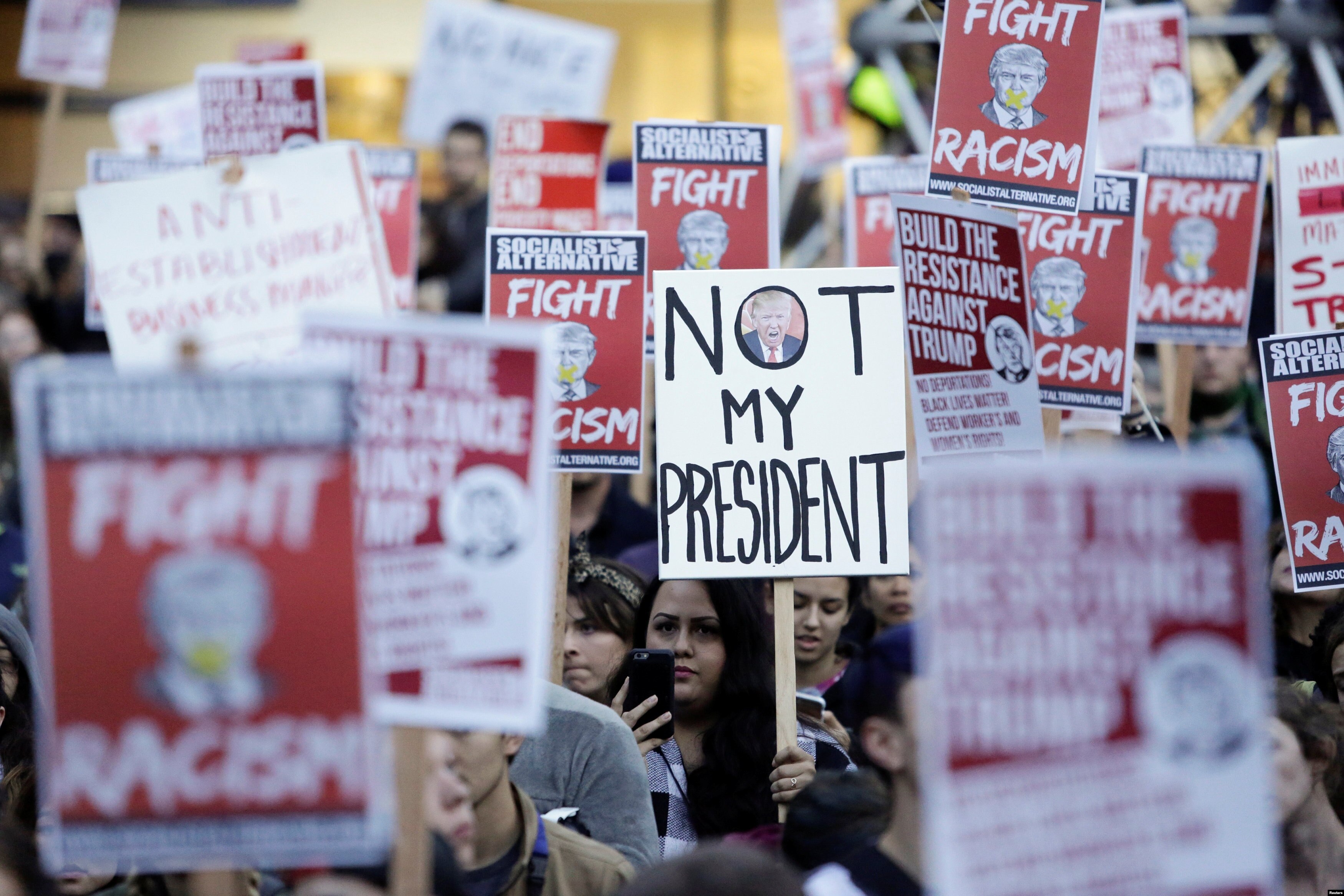
The 2016 presidential campaign in the United States refuses to end. It all started with the fact that Donald Trump in the second round of Debatov did not promise that he recognized the results of the vote if they were against him; Hillary Clinton waited for the day before congratulating the opponent on the victory - this caused a wave of manifestations throughout America under the slogan "Trump is not my president." And now on the Internet in full swing is the collection of signatures under the call for electors of the states in which Trump won, not to officially confirm his victory at the coming of the assembly in each of the 50 sequence of the United States. To date, more than four million people supported the appeal.
The US Constitution does not connect the electors by the obligation to vote for a candidate who won their staff. But there is a historical practice that has developed for a long time under the influence of different circumstances: the elector votes for the candidate for whom most voters voted in his state. According to the winner operating in America, the winner receives everything, ”a candidate who gained a majority of votes in this state, even if only one vote than an opponent, get all the electors assigned to this state. The number of electors recorded behind the staff is determined by the formula: two (since each state has two senators regardless of the population) plus the number of delegates from the state in the lower house of the congress, which varies depending on the population. So, Vyoming is tiny in population has only three electors, and huge California - 55.
Trump separation from Clinton in the college of electors is twenty -five times more than her advantage over him in a national standings
Trump secured 306 votes of electors (at 270, necessary for victory), Clinton - 232. That is, she has twenty -five percent less mandates than the Republican. If you summarize the voices of all voters in all states, then Clinton is ahead of Trump a little more than 600 thousand - in relation to all the voting in the elections, this is about one percent. That is, the separation of Trump from Clinton in the college of electors is twenty -five times more than its advantage over him in the national standings. But this comparison is politically absolutely meaningless (this is like with an average temperature in the hospital), how meaningless is the fact that Clinton went around Trump on a popular vote. Because such a phenomenon as a popular vote does not exist in America.
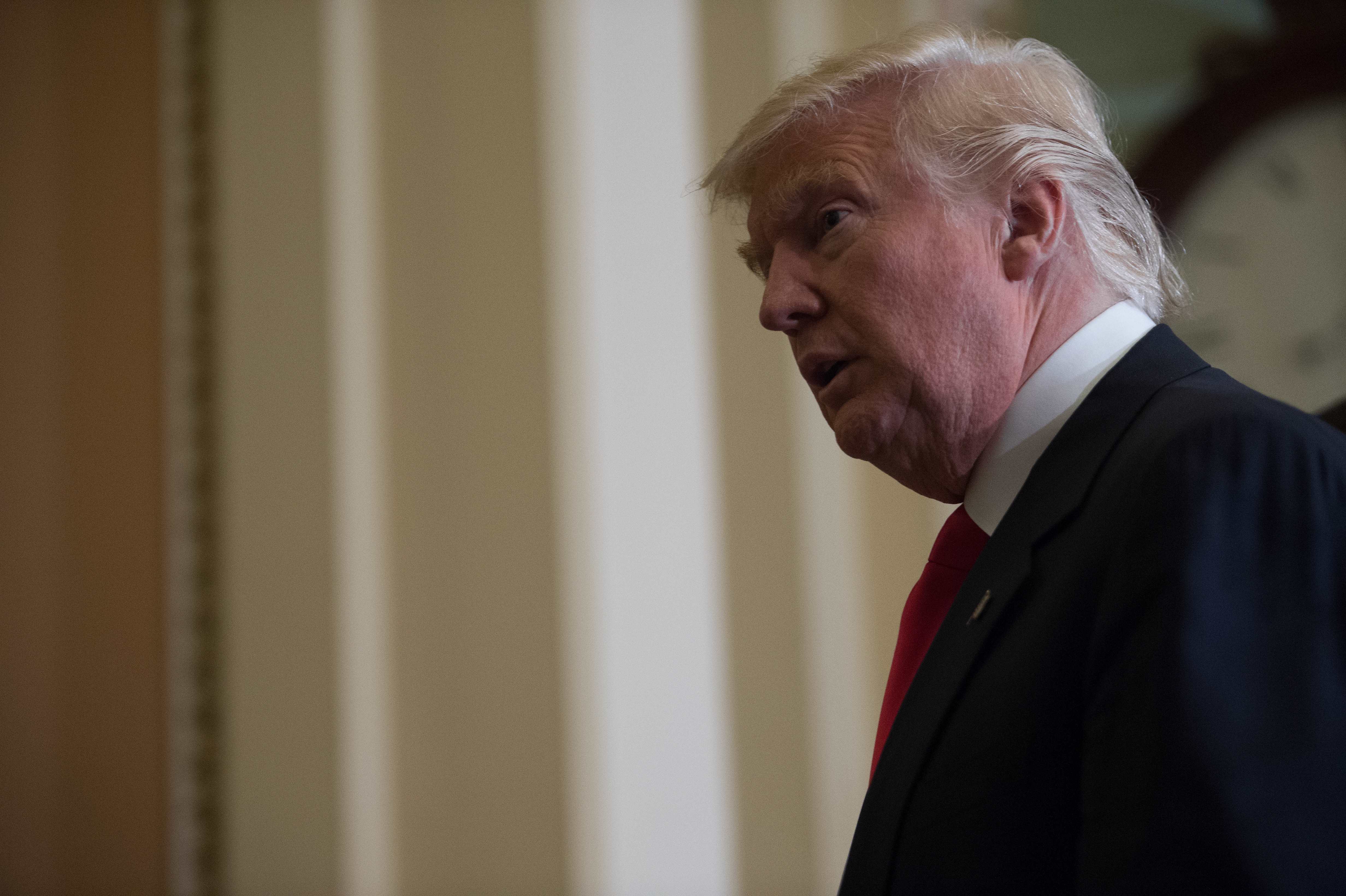
In America, in fact, at the same time, elections are held independently in all fifty states, and the winner is determined not by the sum of votes of voters, but by the sum of the votes of electors. Clinton theoretically could win a California with a rupture of a million votes, and in the rest of the forty -nine states to give in a total with a gap of forty -nine votes, but this would not affect the overall outcome of the elections, Trump would still be declared the winner. Is this true?
Presidents of Venezuela and Russia believe that it is unfair. Those who promote a petition on the Internet are at the same position - a appeal to Trump’s electors vote according to conscience, and not on the order of their voters, and cast votes for Clinton. For Trump, in their opinion, is not worthy to occupy the highest post in the state. It is unlikely that electors are respected by the authors of the petition and the presidents of Venezuela and Russia in addition.
In America, unlike Europe, the first person’s choice is not in one sitting, but in two
Aristotle divides democracy into direct and aristocratic. The former choose their rulers by lot and vote on socially significant issues. The latter choose their rulers for merits and delegate the right to make decisions for them. Any form of selection of representatives into power according to merits is a deviation from direct democracy. Only in America, unlike Europe, the first person’s choice of the state is not in one sitting, but in two: Americans choose representatives, electors, who, in turn, based on their rich life or political experience, are designed to select the worthy of the most worthy.
American founding fathers were democrats of an aristocratic warehouse; Their task was not to create a vertical of power in a then still weak and fragmented country, but to create mechanisms for preventing despotism, one of the guns of which they considered Okhlos, a crowd, ignorant or captured by irrational passions. Therefore, between the people and the president, according to their plan, there should have been two barriers: the first was the institution of representation itself, the second - the institute of electors, who were initially appointed according to the legislation of individual states.
Those who want to abolish the collegium in America are enough in all layers of society, and first of all - in scientific
For the history of America, only five times the winner in the college of electors was gaining fewer votes than the loser. In the XIX century, this happened three times with an interval, respectively, at 52 and 15 years old. Once in the XX century, in the 2000s, and now, after 16 years in XXI. If cases of this inconsistency between the results in the college of electors and in the national standings will fate (and some demographic trends are indicated just in that direction), then public pressure for the dismantling of the college will increase. Those who want to abolish the collegium in America are enough in all layers of society, and first of all in scientific. Radio Liberty is talking with the professor of political science of New York University Stephen Brahms :
- Yes, a lot of signatures under the petition have been collected. But the point, strictly speaking, is not this, but that a little more than half of the country is deeply annoyed by the results of the elections. In fairness, we add that if we count the voices filed for candidates from small parties, Clinton will have less than half, but in any case more than Trump. Are there any cases in modern history when the elector did not vote for the candidate to whom he was attributed to voters in his state? I recall that this happened in the 2012 elections: one elector ran from the Obama camp to the camp of Mitt Romny, but this did not help the latter at all.
- And how common are cases of apostasy, apostasy?
The punishment for the betrayal of the party, which the electoral swore, purely nominal, consisting in a fine
-Very rare: one or two in each presidential cycle. On average. During the entire existence of the college of electors, there were 157 of them, and in 71 cases this happened due to the death of the candidate and only in 82 - at the initiative of electors. It should be said that only about half of the states permits such an apostate practice. In the rest, it is prohibited by law. However, the punishment for the betrayal of the party, which the elector swore, purely nominal, consisting in a fine of about a thousand dollars. Well, a black mark in a biography for violation of the law. Not many nevertheless dare to go against the will of the majority, even if they personally sympathize with the loser. The apostats had never influenced the final choice of the President.
No appeals, Professor Brams, will be sure of the electors to go to the Clinton camp in such quantities as to provide her with the presidency. Be that as it may, Hillary Clinton will be perceived as a legitimate president purely hypothetically if Apostasia acquires a critical scope?
Clinton has already recognized her defeat and congratulated Trump on the victory. What will you order her to do now?
- On the one hand, there is no, if you proceed from the existing practice. On the other hand, it is not written anywhere that the elector is obliged to vote for the victorious candidate if he gained only a qualified, rather than the absolute majority in his staff, as was almost everywhere in the martial arts of Trump and Clinton. The criterion of the qualified majority replaced the criterion of the absolute majority only in the 30s of the XIX century, and even then only in fact, and not officially. The States saw this way to increase its influence on the outcome of the presidential election. The mandates of all electors are received by the one who wins the state as a whole, regardless of the results in individual districts. Today, only in Maine and Nebroka, the electors are distributed depending on the general results and separately on the results in the districts.
- Again hypothetically: is the mass desertion of electors capable of on December 19 to provoke a constitutional crisis?
- I think yes. But, frankly, I do not see how this can happen. Clinton has already recognized her defeat and congratulated Trump on the victory. What will you order her to do now? To abandon your words, openly and actively include electors to apostasy? And how many she is able to convince? No, I think this is almost impossible.
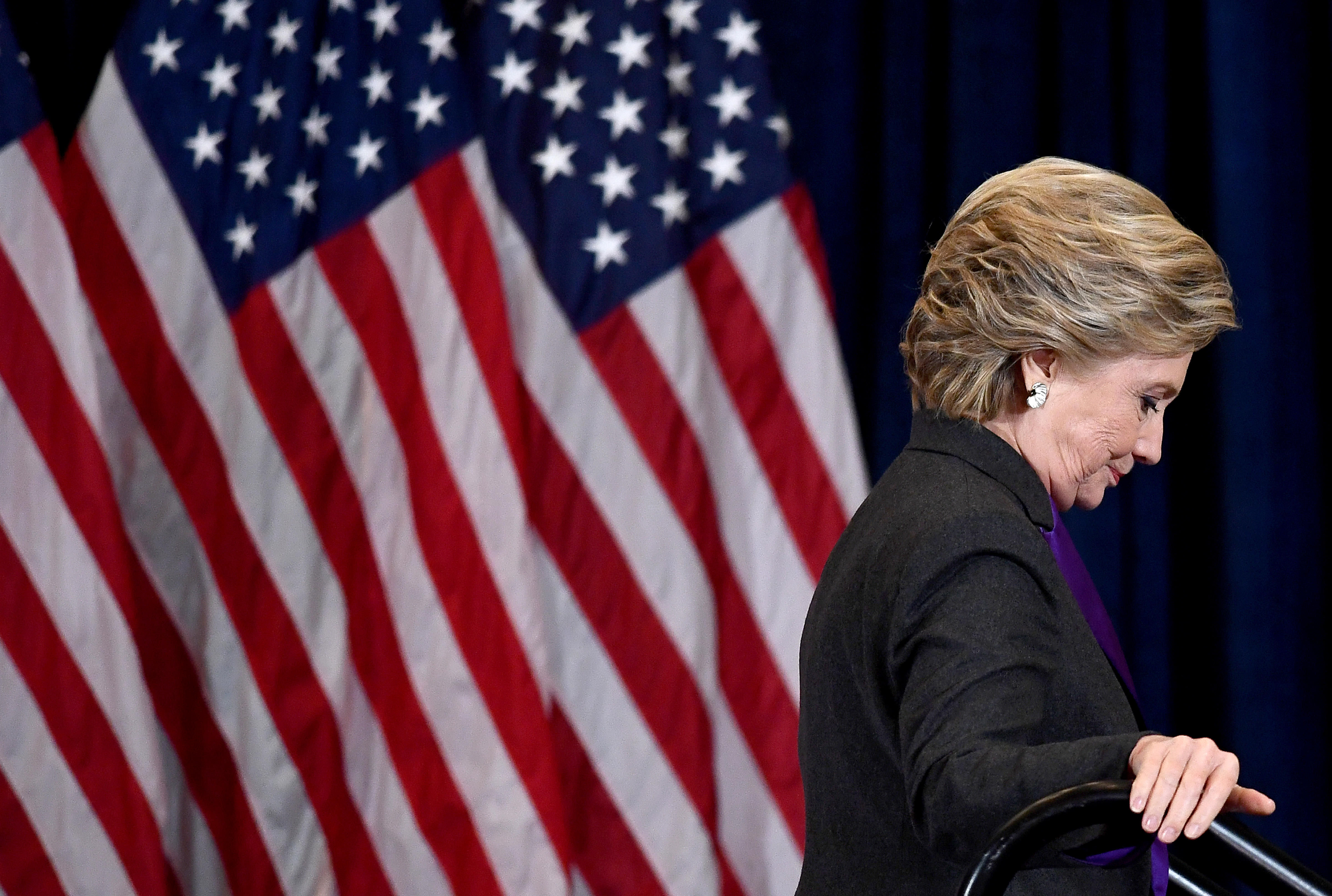
Al Gore in 2000 also managed to congratulate Bush Jr., but then withdrew his congratulations. Then, however, this made sense due to the large number of inaccurately filled and processed ballots in one of the districts of Florida. They had to be counted in order to finally determine how the voter intended to vote, and the fate of the elections as a whole depended on this recount. In the last vote, nothing of the kind was observed. The Supreme Court, unlike 2000, is absolutely nothing to do this time, Professor Brahms is convinced. None of the parties accuses the other of mass falsification of the results. And the requirement to recount the ballots in this situation will be perceived as absolutely absurd, since the gap between rivals in each state was measured not by hundreds, but by many tens of thousands of votes:
If you are for a collegium of electors, then answer: "tradition." If against: "inertia"
- The question is completely legitimate: why does the two -stage presidential election system remain in America, despite the fact that many in the country and abroad consider its anti -democratic? If you are for a collegium of electors, then answer: "tradition." If against: "inertia". Mathematically, no matter how strange it may sound, not just to prove to whom the collegium mechanism is beneficial and who is not in comparison with a nationwide vote - small states or large. And this uncertainty creates an additional incentive in favor of the status quo. Against the status quo says the fact that, unlike the 18th century, there were no disenfranchised groups of the population (women, slaves, poor), whom the college of electors discriminated against.
Be that as it may, this mechanism is fixed in the Constitution. To abolish it through the amendment, you need two -thirds of the votes in both wards of Congress and the consent of three quarters of the states is a titanic task. I am personally against the board of electors. I consider it incompatible with the principle of "one person - one voice." Because of her, a state such as New York in which I live is not an object of struggle in the presidential election, because it is known that there is no point in fighting the Democrats over the Republicans here that it makes no sense to fight for it. As democrats, it makes no sense to fight for Texas.
Today, only ten states of the party are fighting truly, since these are the states of oscillating
With a nationwide voting system, this would not be so, since the voices gained by the Republicans in New York or Democrats in Texas would go to their common piggy bank and accumulated along with all other voices. While now, no matter how many votes, the Republicans are gaining in New York or Democrats in Texas, they are not taken into account: the parties of the majority assign all local electors for themselves. Today, only ten states called Swing States or Battleground States only, parties are fighting for truly, since these are the states of oscillating, ”says Stephen Brahms.