
Translated material
Finiftens on the shift
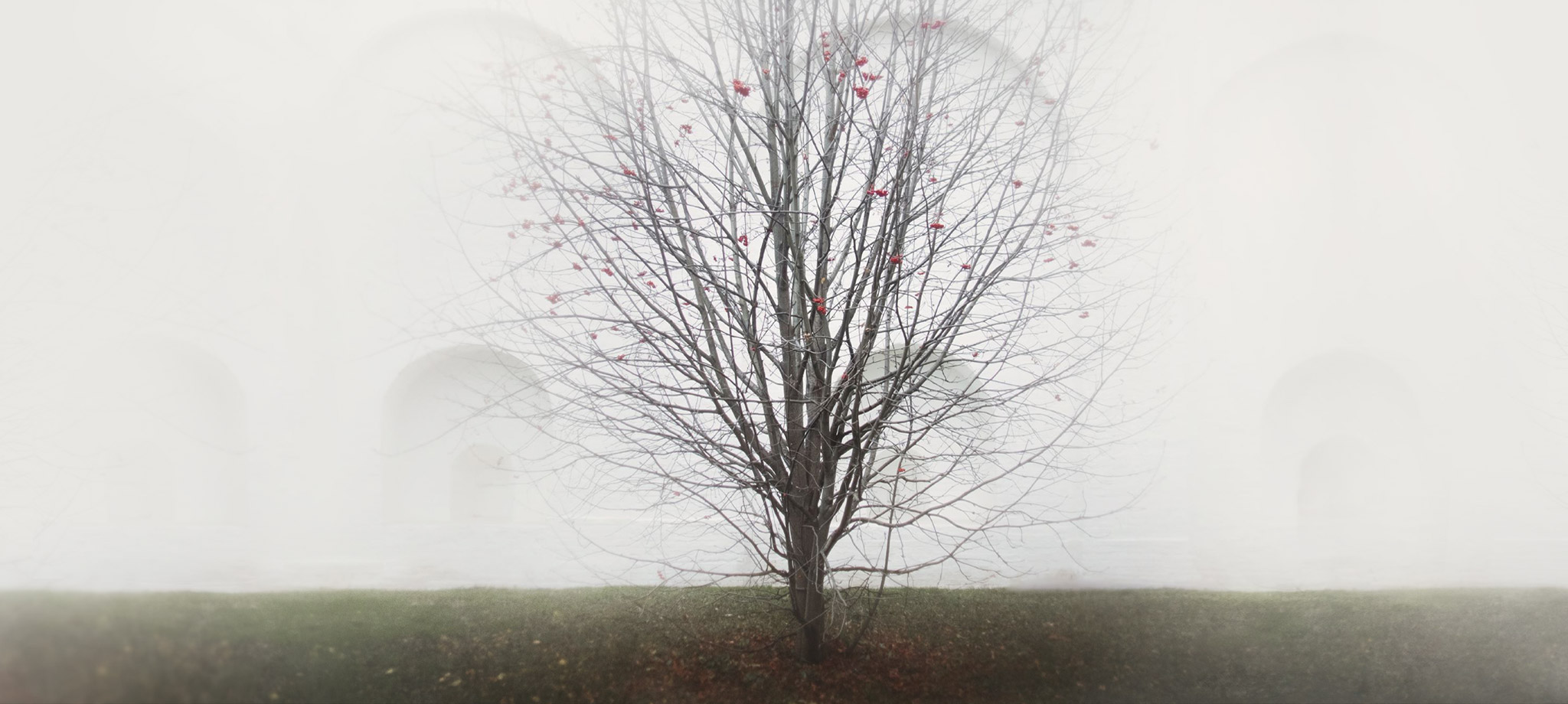
How in a small commune artists take care of the centuries -old tradition of disappearing craft
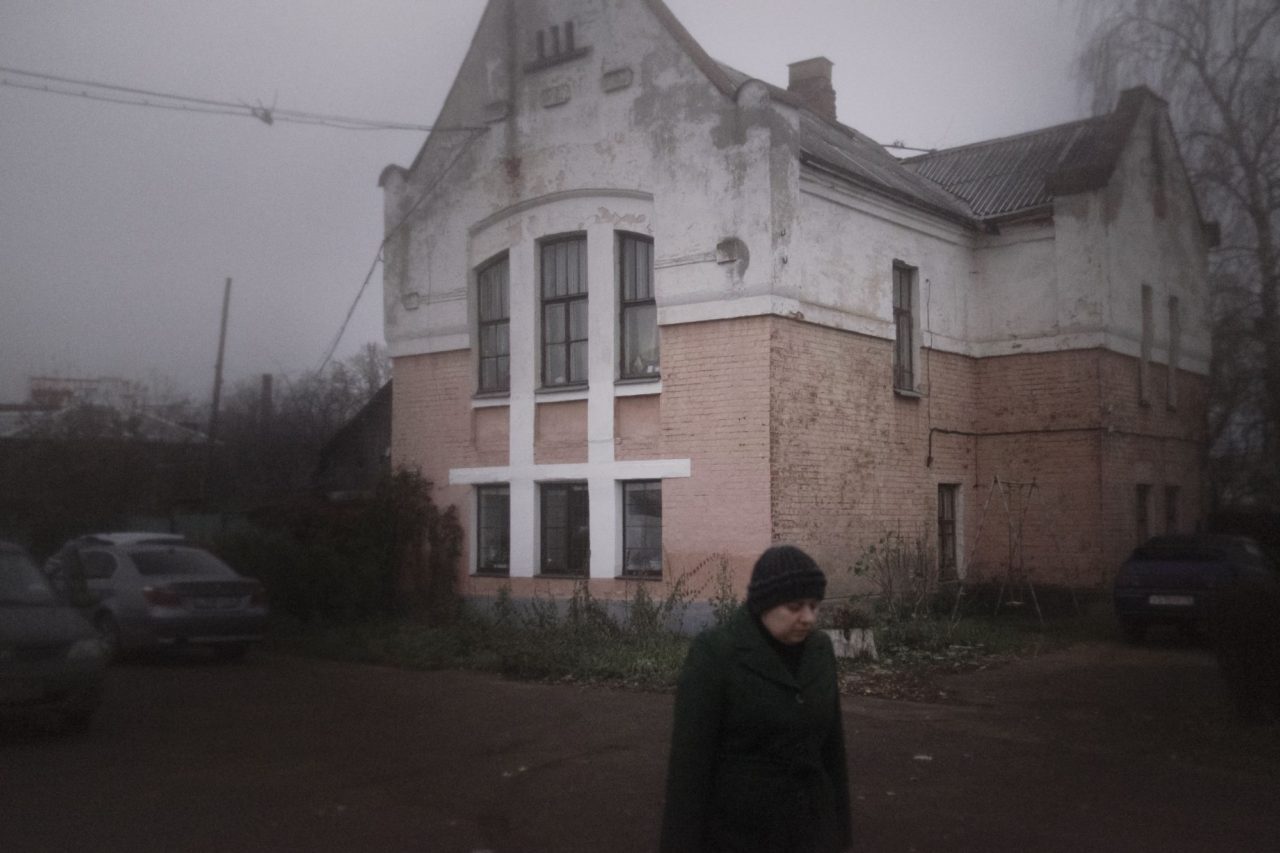
The old emergency house in the center of Rostov the Great could collapse a couple of decades ago, but, being in the hands of masters-enamelers, became a creative shelter of artists and a place where the centuries-old tradition of Finifi is protected
***
House of Artists
- I broke half a bank of jam! I did not leave anything!
- Tanyusha, well, I'm just what was on the bottom. And half a bank is on the bottom, ”the artist, jeweler, enamel Boris Mikhailovich Mikhailenko winked at me. - I love the jam.
Having lived and worked together for 44 years, the Mikhailens even argue with a smile in their voice and visible care for each other.
- Well, on a seagull? - Tatyana Sergeevna asks, taking out white bread and laying apple jam through the saucers. - What God sent. By the way, you know, ”she continues,“ we have our special words: Malevka, registration, extract. ” Or here “beads” - when black becomes rough.
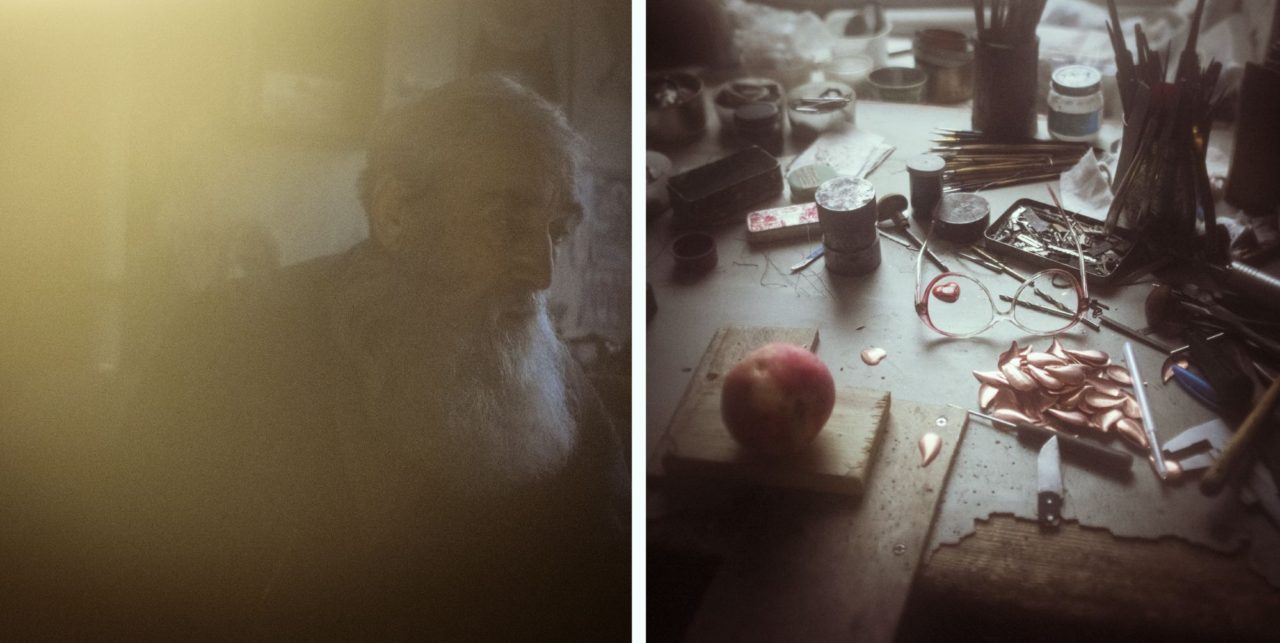 Boris Mikhailovich Mikhailenko, painter, jeweler. From 1968 to 1988 he worked at the Rostov Finiff factory. Portrait master, thematic miniatures, icons photo: Oksana Yushko for TD
In their workshop on the second floor of the old house in the center of Rostov there are muffle stoves and a large, still working hundred -year -old Dutch stove, paintings of children and friends, old photographs, jewelry blanks, apples and herbs just brought from the village.
The House of Artists itself is something between the creative commune, the reserve of the outgoing tradition and the casket with a secret. Seven “Finifleshniki”-masters-enamelers, artists, jewelers work here. In the mid-80s, they bought the emergency house of the beginning of the century by shares, repaired, conducted communications and have since live under one (also independently renovated) roof.
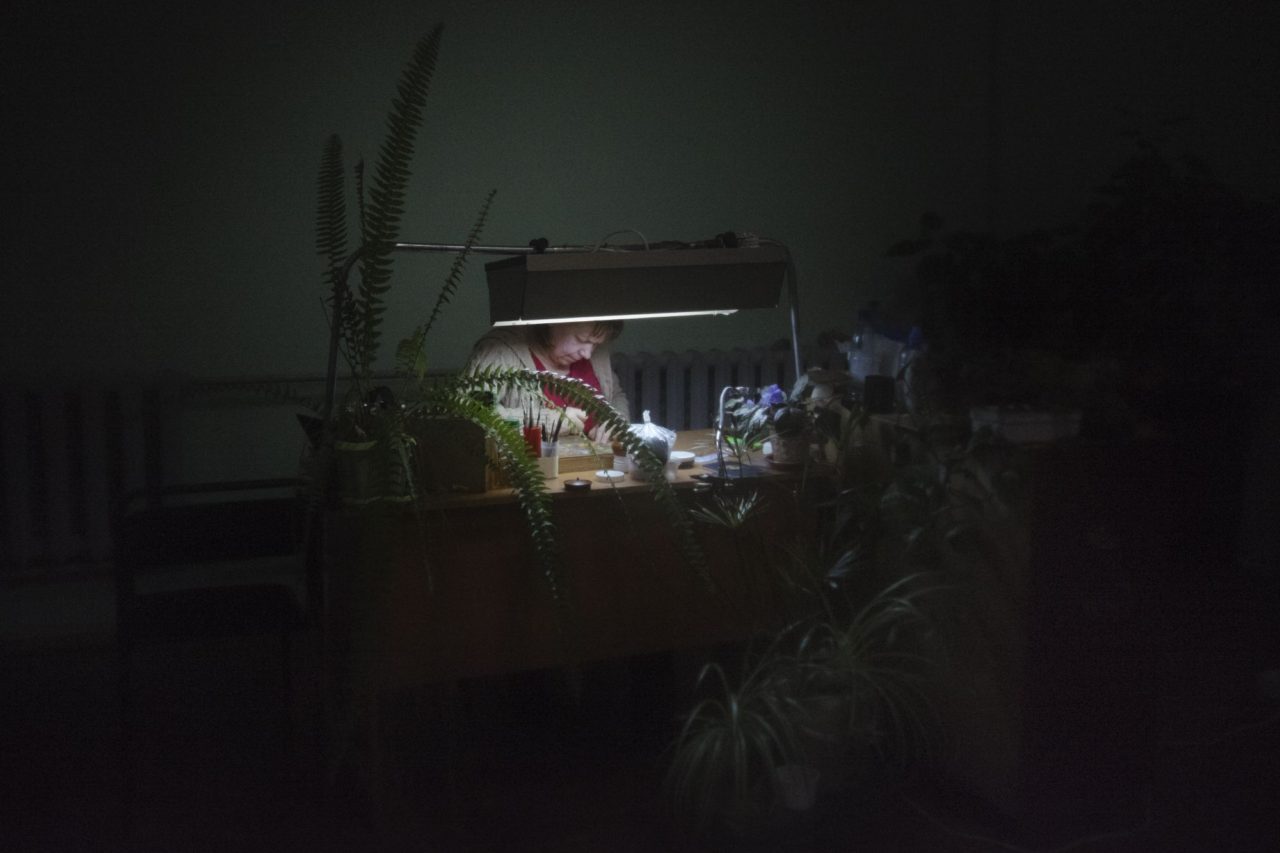
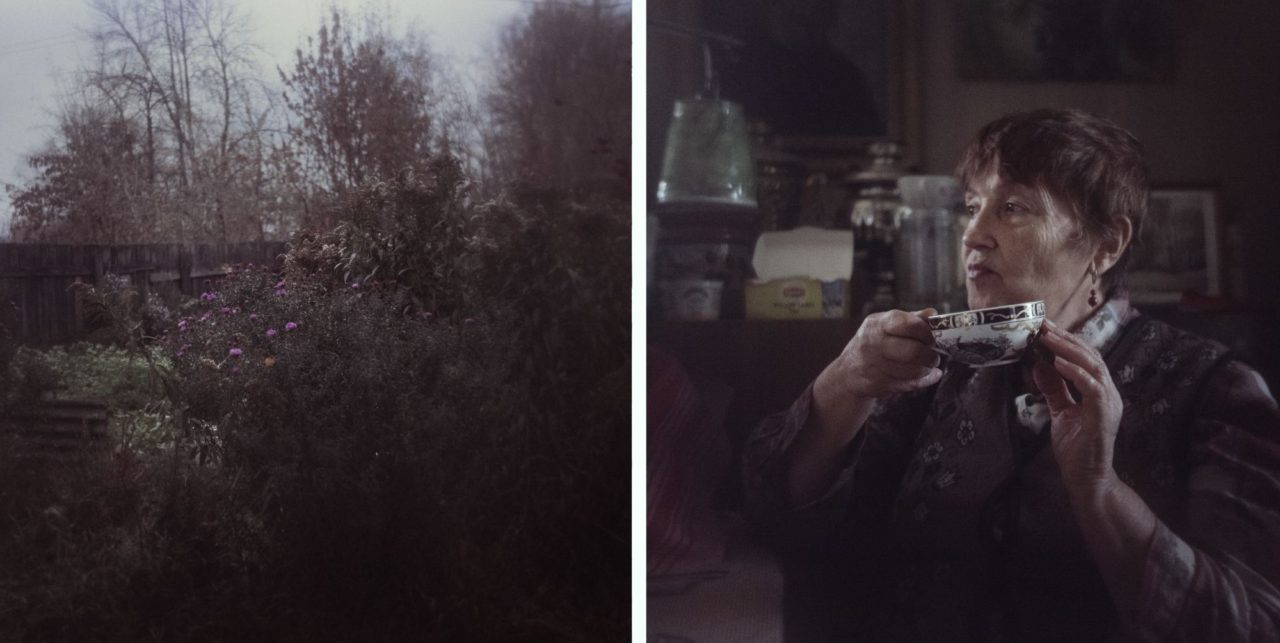 Tatyana Sergeyevna Mikhailenko for a long time worked in the experimental group of the Rostov Finiff factory on the creation of the paintings of new jewelry. A talented landscape painter and a life master of still life : Oksana Yushko for TD
Now in a city living in the summer stream of tourists and freezing by winter, this house is a place where the tradition of Rostov Finifts is preserved, handmade techniques are being improved, and artists who, for the most part who left factory production, go to each other from the workshop to the workshop - for tea and talk. All the enamels that they make in these slightly rickety walls are manual work whose analogues are not. There are no analogues to this creative association, and even more so - the artists themselves, behind each of which are almost half a century of work and skill.
All enamels that do in these slightly rickety walls are handmade, analogues of which are not“The floor was broken, on the walls - huge mokritsy,” recalls another owner of the house, Alexander Alekseevich Haunov. - They carried out the heating, we were attached, otherwise the bourgeois was. Repair did as best he could. I do not regret that I took the room then.
The house, assembled in parts and in parts poured, and looks like a patchwork blanket: everyone repaired and decorated his workshop, how and what he could. And therefore, someone has a freshly maintained windows, a muttering TV and a boiling kettle, someone has a preserved pre-revolutionary stove and rustic apples on the floor, someone has reagents for color samples and fragments of large-scale panels.
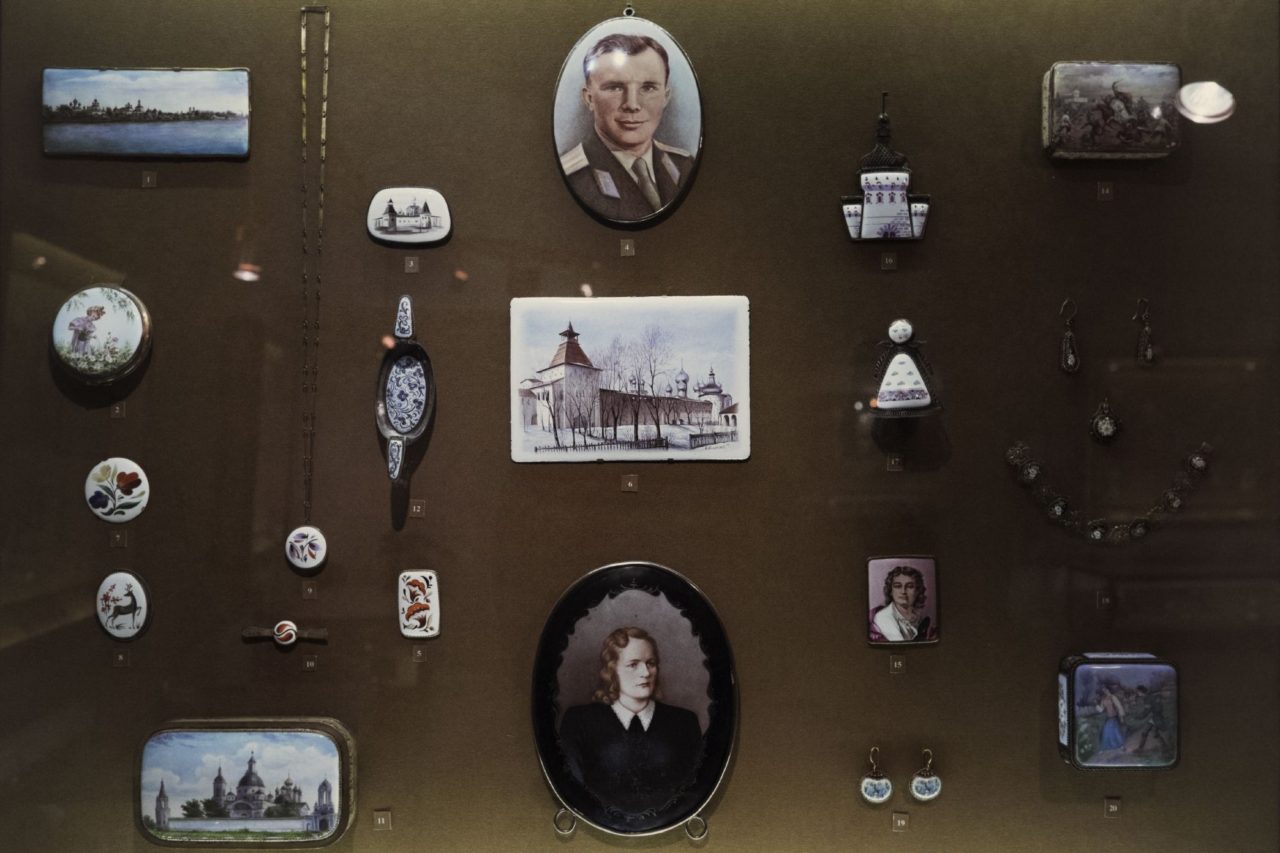
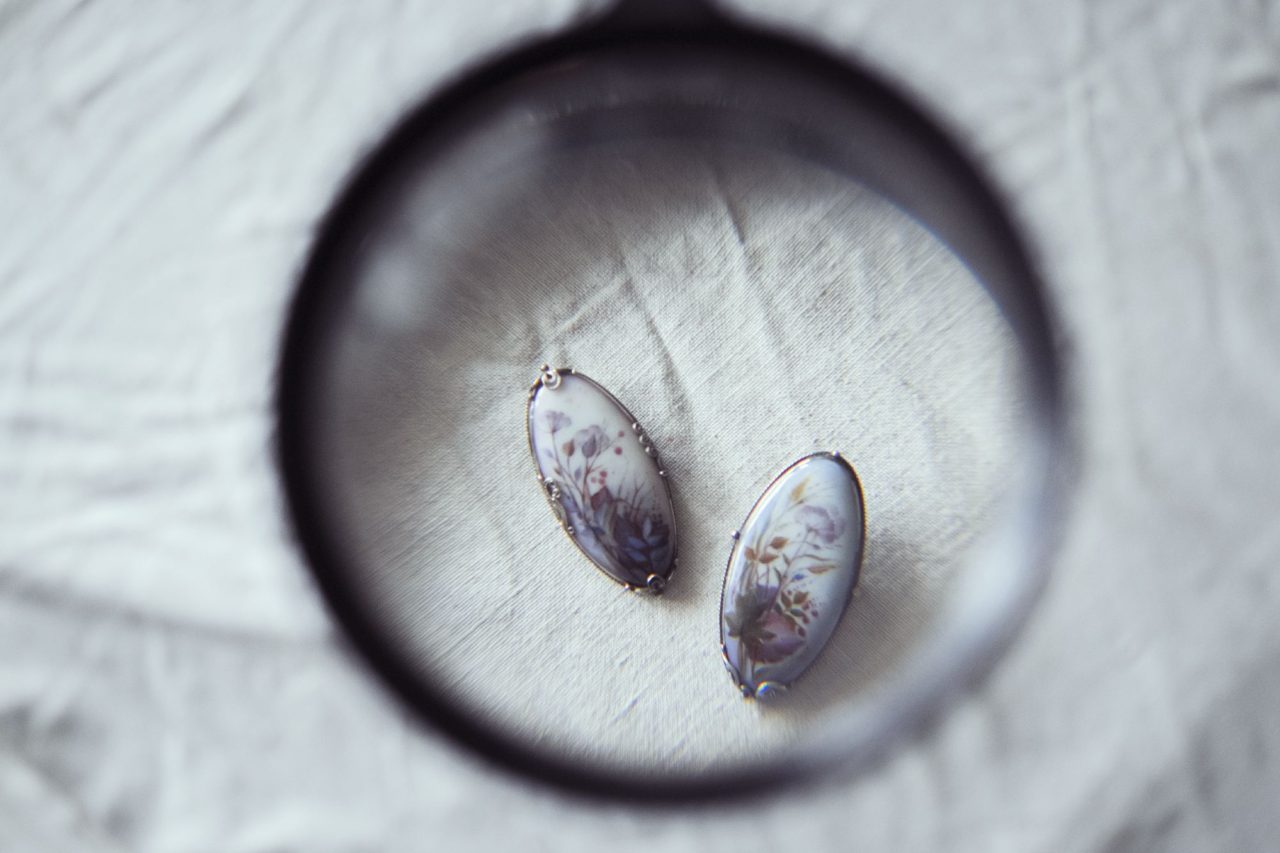
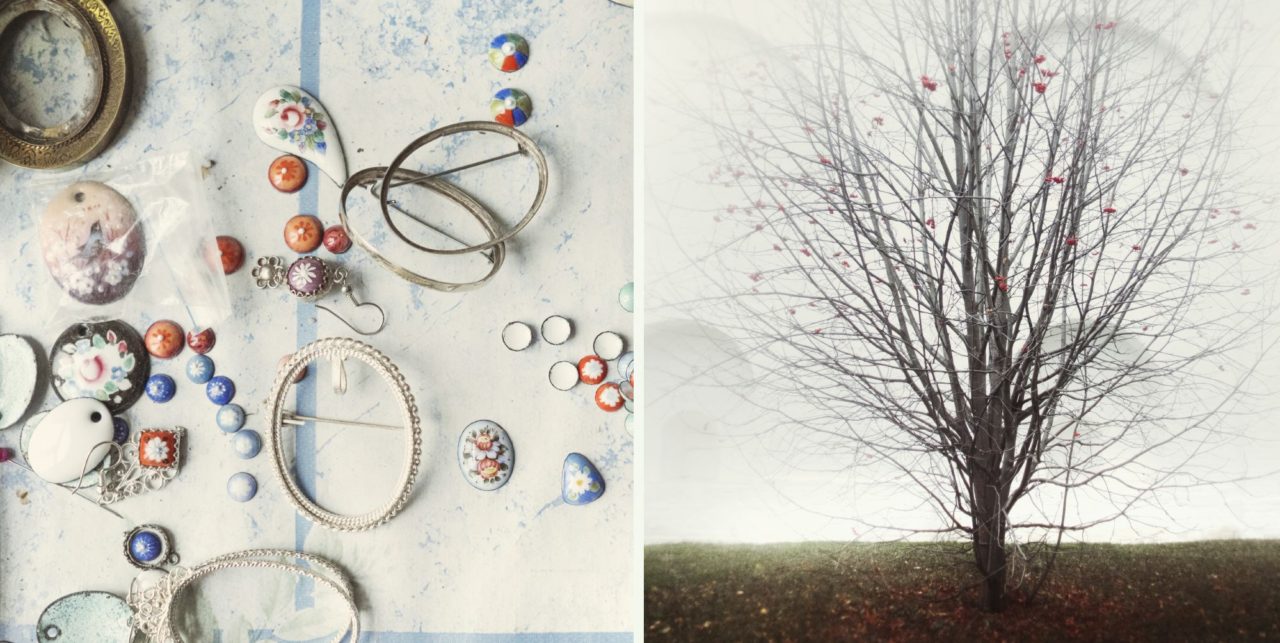 Bulletings for fining from Finifi. Artists use plant ornaments, still lifes, landscapes photo: Oksana Yushko for TD
“The warmth here is light, like a vacation house,” Mikhailenko continues. -Our town is small, I love to walk here on foot: 40 minutes from end to end. He arrived in Rostov in 1968, fell in love with the case and remained. We live all together together, we work on our own, but we participate in exhibitions together. Sasha we have a veteran. By the way, were you at his exhibition at the Finift Museum in the Kremlin? No? How so? But you can also buy a catalog.
“Yes, there should be a catalog,” Tatyana Sergeevna picks up. - A wonderful edition.
Senior in creativity
Sasha, about whom they are talking about, is the seventy -six -year -old Alexander Gennadievich Alekseev - the eldest in the company of Finiftyanikov and the soul of this circle of old masters.
The enamel, with age, smelting the fairy -tale beauty of the enamel. Witing a dressing beard, soft intonations, a barely noticeable "bark", smoothly built. Next to him, calmly, as calmly with people who have seen a lot, through many people who have passed, who accepted, loving and not hiding their love.
Next to him, calmly, as calmly with people who have seen a lot, through many people who have passed, all, lovingOnce he unsuccessfully tried to go to the Yaroslavl Art College for four years in a row, ended up in Moscow among students not a picturesque, but the carpet, conducted an amateur orchestra, painfully chose between painting and music. But in the end, he nevertheless returned to Rostov, so that, as the next 50 years would show, to establish a creative dynasty (in the field his wife, and children, and grandchildren) and become one of the main masters of the Rostov Finifts of the 20th century.
The enthusiastic artist and enthusiastic musician, teacher, experimenter and creator of new technologies, at one time he was the first to enter the emergency house and who had lived his new meanings. Like Mikhailko, a graduate of the Moscow Art and Industrial School named after M.I. Kalinin, he investigated the work of old masters, trying to achieve the same transparency and airiness of the enamels, endlessly experimented with materials and their firing.
“Sasha is for our creativity,” Haunov smiles. - And I'm for skill.
Alekseev’s creative approach is really all in everything: unlike colleagues-miniatures, he makes monumental enamel panels, and going to the raters, he takes with him not a sketchin, but a specially designed portable firing furnace-his marching workshop.
In the morning, Alekseev took another of the works of Alekseev for exhibiting the Yaroslavl Art Museum. But the inhabitants of the House of Artists still live on their impressions of his personal exhibition in the Rostov Museum of Finifts.
- You were at my exhibition? - the artist asks us. - The beautiful catalog was released, a beautiful expensive edition. True, I don't have it. To do operation in front of our eyes, read. - And through a pause continues. - The huge advantage of the exhibition is what usually how? You do a job, give it, you no longer see it. And then it was possible to bring work from four places. And I found, to my disorder, which is a lot of self -reproaches, that the gamma is clogged. Now the time -consuming task is to move on to a warm range, change, enrich the palette. I hope to do this winter.
Alekseev also melts materials for his landscape and plot panels himself.
Icon painters and manufacturers
“Basically,” says Haunov, “the Phinifliers survive on the icons.”
He himself has been engaged in enamel for 55 years and trained more than a dozen masters who are currently working in the factory and in private industries.
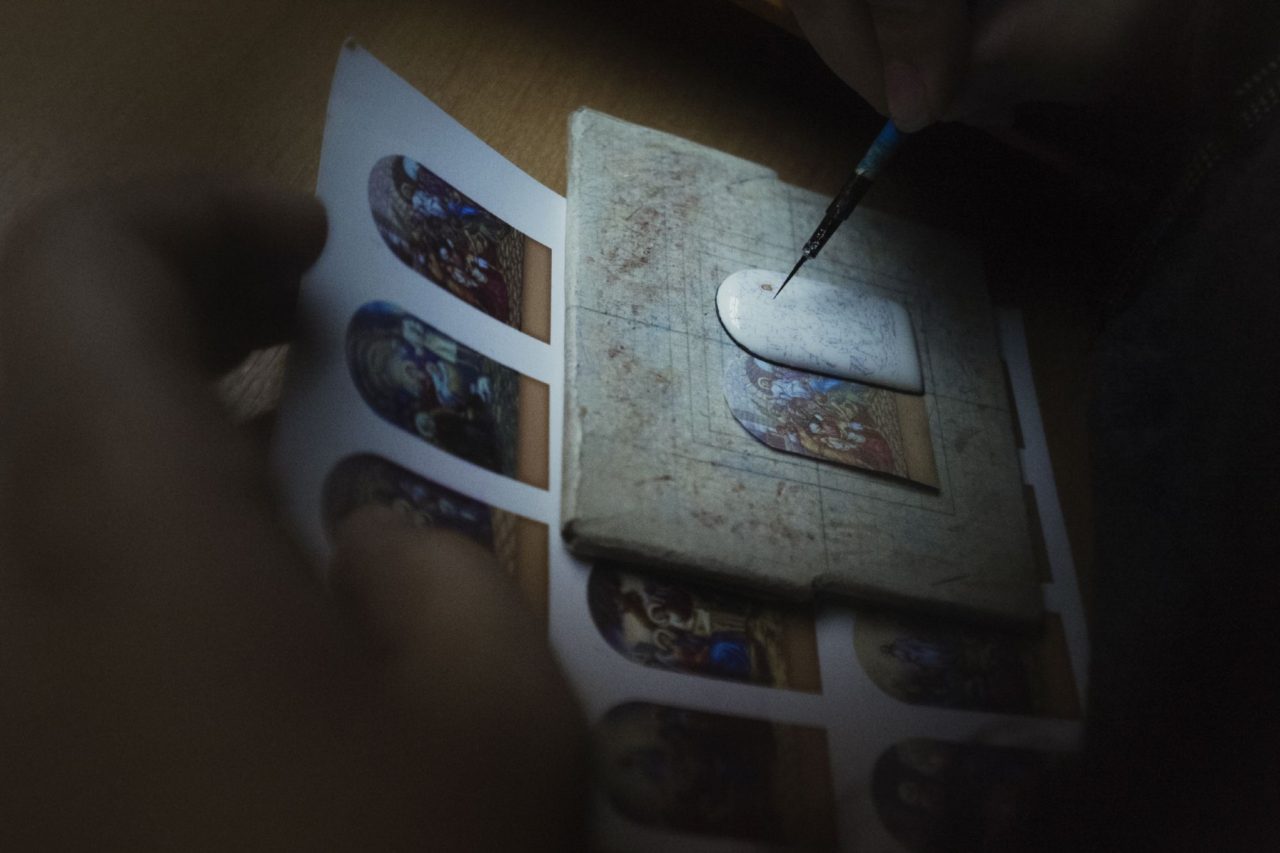
- To sit on one icon a small icon - fifteen days: the first registration, firing, the second, the third - so about four times. I love to read on the Internet first, look for details. Now I’m writing a plot: it seems that he killed his wife, and then became a saint. Interesting.
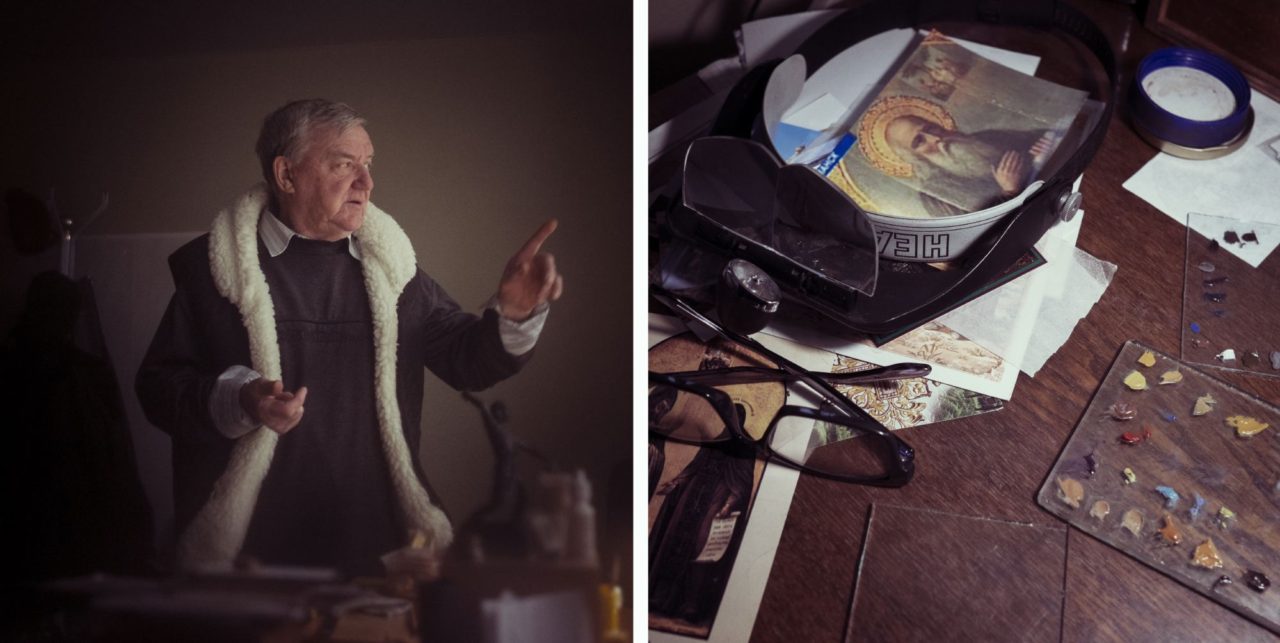 Alexander Alekseevich Haunov. He studied at the Fedoskino school of miniature painting with A.A. Parfenov (1960-1964). For many years he worked in the experimental workshop of the Rostov Finiff factory, and in the late 1970s he acted as the main artist photo: Oksana Yushko for TD
For all the years of Haunov’s work, this is not the first change of course in the world of Finifier plots. It was mainly in the framework of the religious canon since the 18th century, in the 20th century, Finiff was forced to look for new content and embodiment. “Time dictated plots,” Haunov recalls. “When I came, we wrote Lenin, and wrote Brezhnev - both with medals and without medals.”
The museum is now full of work of the times of the dawn and the heyday of socialism. Through the postmodern optics, they look even more revolutionary: Gagarin’s face, made on Finifi, is lightly created and is radiated by almost unearthly radiance.
The face of Gagarin, made on Finifi, is lightly created and scored by an almost unearthly radianceViktor Ivanovich Polyakov, the former chief artist of the Rostov Finiff factory and also the owner of the workshop, says that it was much easier to work: “People had both a plan and paid creative days. There was an opportunity to create something new, to submit to the procurement for art council. They received an author's fee, and if the product was introduced into production, then the shade were paid. From each product, 2% for development were deducted to the fund. They spent them on business trips, on trips to museums of the Soviet Union, studied traditions, and improved the art of miniature painting. Now, when enterprises are in private hands, the owners do not give such an opportunity. This is expensive in the stores, but the artist is cheap for the artist. The share of our work is one third, everything else is intermediaries and sellers. If you go to Moscow and give it to the salon, they immediately wind up 300-400%. ”
Enthusiasts, saints
Alekseev, with a soft smile, complains of a deterioration in vision and a hearing: “Balalaika quietly sparkles in another room, I immediately run. And I don’t hear my wife. Actually even convenient, do not find? " He really takes the balalaika and goes to the rehearsal of the orchestra of folk instruments.
Enthusiasts from the orchestra rent a hall in a local professional tescliness. The program includes the suite of the “blizzard” of Sviridov, Soviet and folk songs. The smell of soup from the dining room on the ground floor impregnes clothes. “Love will not let anyone go from itself,” the orchestra spreads. Under the chair of a cranberry balalaeek, a bag with pies is hidden. For mashed potatoes with fish and tea below in the dining room, 36 rubles are taken. The artist Alekseev looks at the scores and vaguely distinguishes half the notes.
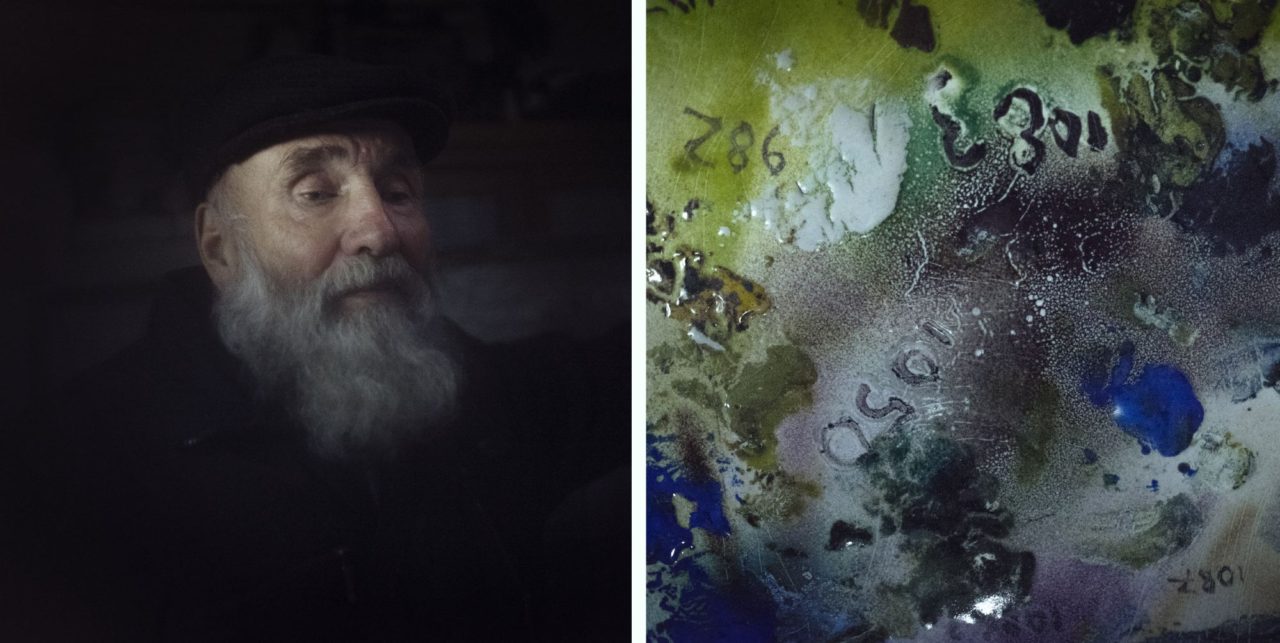 Alexander Gennadievich Alekseev, experimenter, monumentalist, technologist-researcher, jeweler and musician, the only one of the Rostov artists of the twentieth century, who was able to fulfill the dream of masters of financial affairs of the 1930s and from miniature go to monumental enamel photo: Oksana Yushko for TD
After a rehearsal, conductor Igor Makarovich Shevchenko smokes at the car: “The orchestra is more than 40 years old, we are playing former and current teachers of music schools, art schools, and pedigree. And there was no place for its place. Renting the hall costs six thousand a month. It seems to be a little, but for us this is a need to make an additional earlier. And concert opportunities are limited here. The same spectators who know us come. Once everything was free, and now we are making tickets of 100, or even 150 rubles. Your tools. People in the orchestra receive three thousand a month - gold, enthusiasts, saints. Stop once - and do not restore anything. ”
In a sense, the house of artists himself turned into an enamel miniature-fragile, elegant, surprisingly durableIn late autumn, the wind from Lake Nero blows to tears. The Rostov Kremlin is recently restored, and the rickety wooden houses in the center are covered with wires, pigeons and plates "Tricolor TV". The first snow falls asleep in the domes of churches.
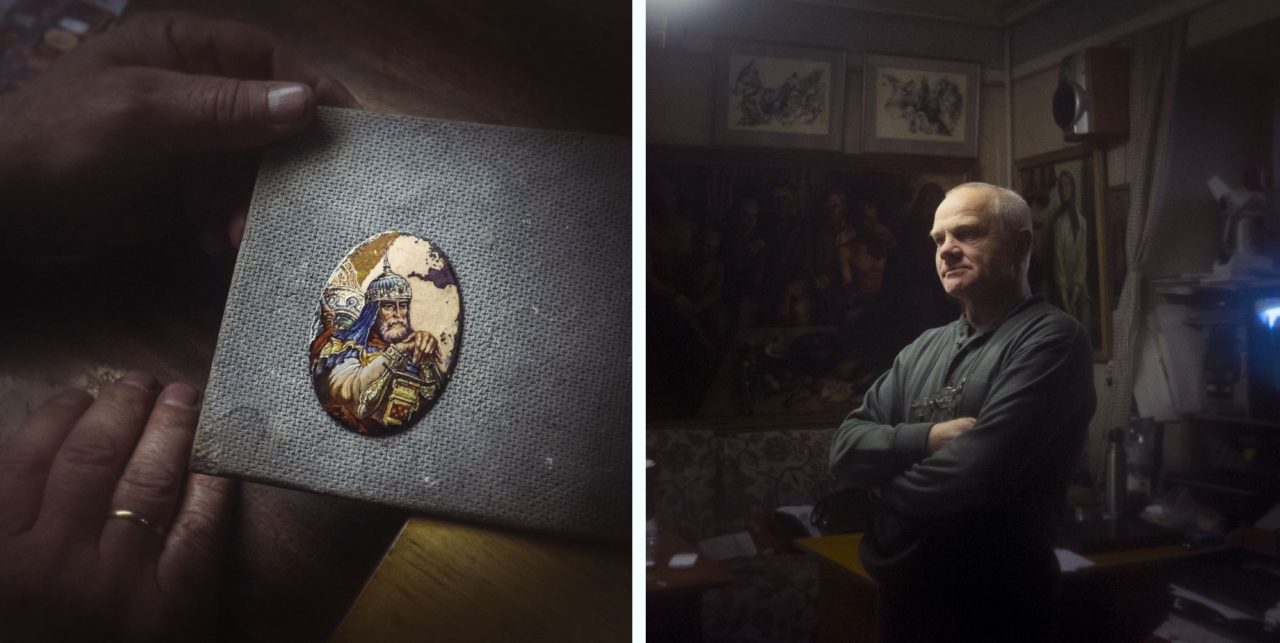 Viktor Ivanovich Polyakov - artist of miniature painting in enamel, member of the Union of Artists of Russia. Since 2005, he has been working as the main artist of Rostov Finifa CJSC photo: Oksana Yushko for TD
In this cold and homeless silence, the house of artists - with its shaky steps, glowing muffle stoves, apple jam, jewelry, family and creative traditions - the house of golden people, enthusiasts and slightly saints - it seems the warmest place in the city. The vulnerable world of brushes made by the first, second, third, third registrations and small patterns in a sense turned into an enamel miniature-fragile, elegant, surprisingly durable.
In the end, we bring Alexander Gennadievich the very catalog of the exhibition. He waves his hands, refusing to accept too expensive, in his opinion, a gift, and asks: "What, I am an immortal, or what?" But he, of course, is an immortal.
Craft Restoration Russia Finifts