
Translated material
Own land and will
110 years ago, Stolypinsky Agrarian Reform began
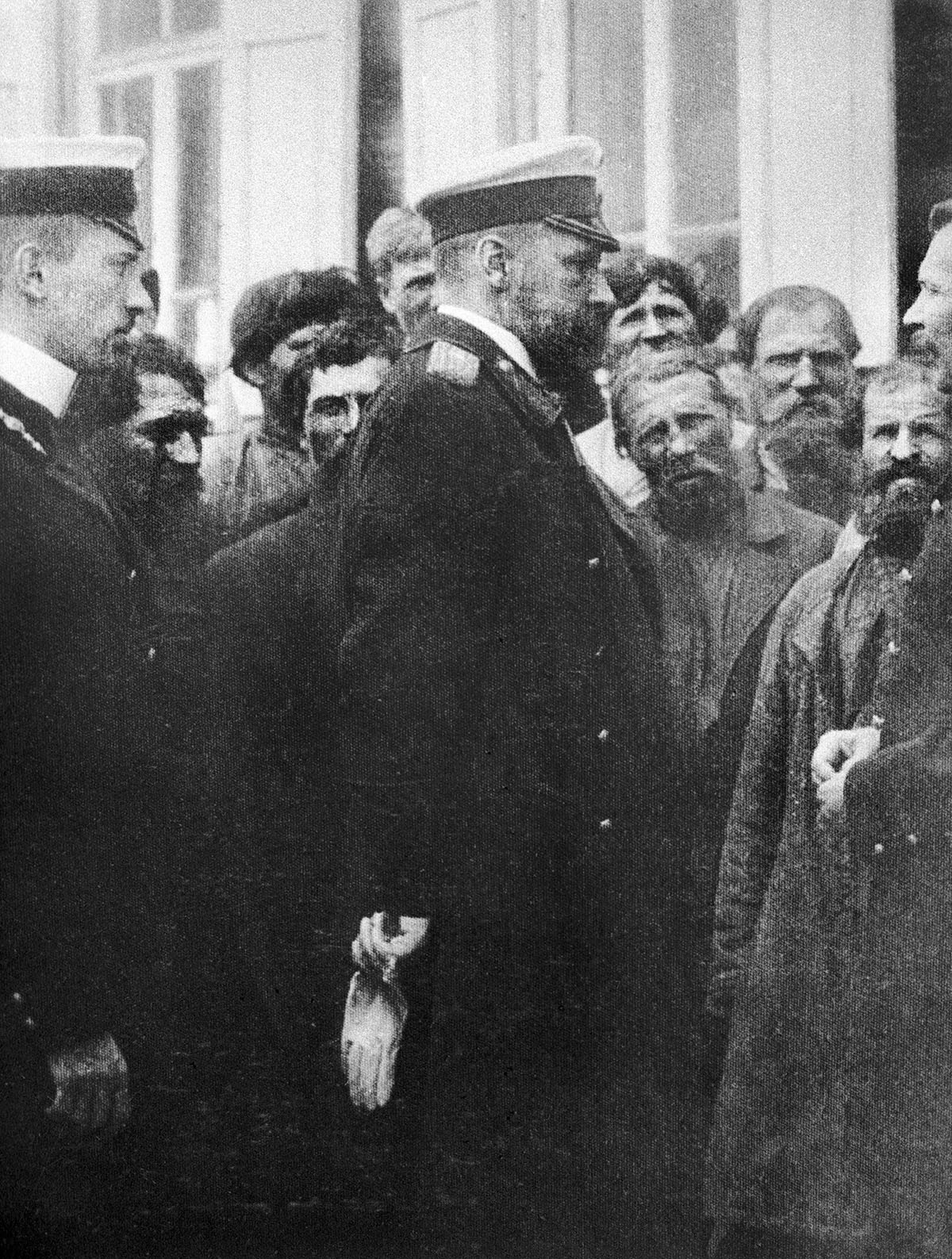
According to the 1897 census, more than 77% of the population of the Russian Empire were peasants, and the fate of Russia depended on their well -being. And it, contrary to the expectations of the organizers of the reform of 1861, did not grow, the village was poor, and the reason was obvious: the reform freed the peasant from the landowner, but not from the rural world. The government course in the reign of Alexander III was aimed at maintaining such a situation - the Earth remained in the collective use of the community based on circular bail and regular land redistributions.
The root of the disorder
At the turn of the XIX - XX centuries, land allotments on the soul of the male population were on average 3 hectares - more than in France, Germany and Italy. But the main problem of Russian agriculture was its low profitability and profitability: the crops and personal interest in the results of work on community land were low. The "worldly" equalization and collective responsibility deprived of incentives for work. The rural world took care of and controlled each householder, numerous taxes and debts were laid out equally, and the reference owners had to pay for Lazyev. “This procedure for land use kills the main stimulus of any material culture - the consciousness and confidence that the worker himself or close to him by blood and affection for the face,” wrote the first chairman of the Council of Ministers Sergey Witte in 1905 in 1905 in 1905. “Economic calculation, enterprise and energy of individuals are aimless and in most cases even unrequited.”
“Siberia sucked into the stream of people and then began to throw the flows of wheat, oil and other agricultural products on the domestic market”
Only at the beginning of the twentieth century in government circles began to discuss the issue of removing social restrictions from peasants and their consolidation of communal allotments into private property. In fact, it was about how Professor Viktor Leontovich wrote to “surpass the Staromoskovsky principle of the supreme property of the state to land” and to complete the liberation reform of 1861. Politics and history connected agrarian transformations with the name of the Minister of Internal Affairs Peter Stolypin, who, as he believed in the resignation of Witte, borrowed many of his ideas.
Strong figures
At the end of October 1905, Nikolai Kutler became the chief managing agricultural and land management (Guziz), who considered it possible to make part of the landowner lands in favor of low -earth peasants. Kutler’s populist project could have a brief psychological effect, but hardly had an economic meaning, since the problem was not in a low -earth. Meanwhile, Alexander Stishinsky, the head of the Guziz in the office of Ivan Goremykin, who adhered to extreme right views and did not believe in the entrepreneurship of the Russian farm, opposed the peasant ownership of land and the “destruction of the community” and the “destruction of the community” in 1906.
In July 1906, Peter Stolypin became the chairman of the Council of Ministers, who stated his views as follows: “While the peasant is poor until he has personal land property, while he is forcibly in the vice of the community, he remains a slave, and no written law will give him the good of civil freedom. First of all, it is necessary to create a citizen, a peasant-owner. ” Then Stolypin immediately achieved the resignation of the retrograde of Stisinsky. The Guziz was headed by the former Pskov governor Prince Boris Vasilchikov, who shared the views of the Prime Minister on the peasant issue. With one hand, Stolypin began to fight terrorists, and the other with a rustic disorder.
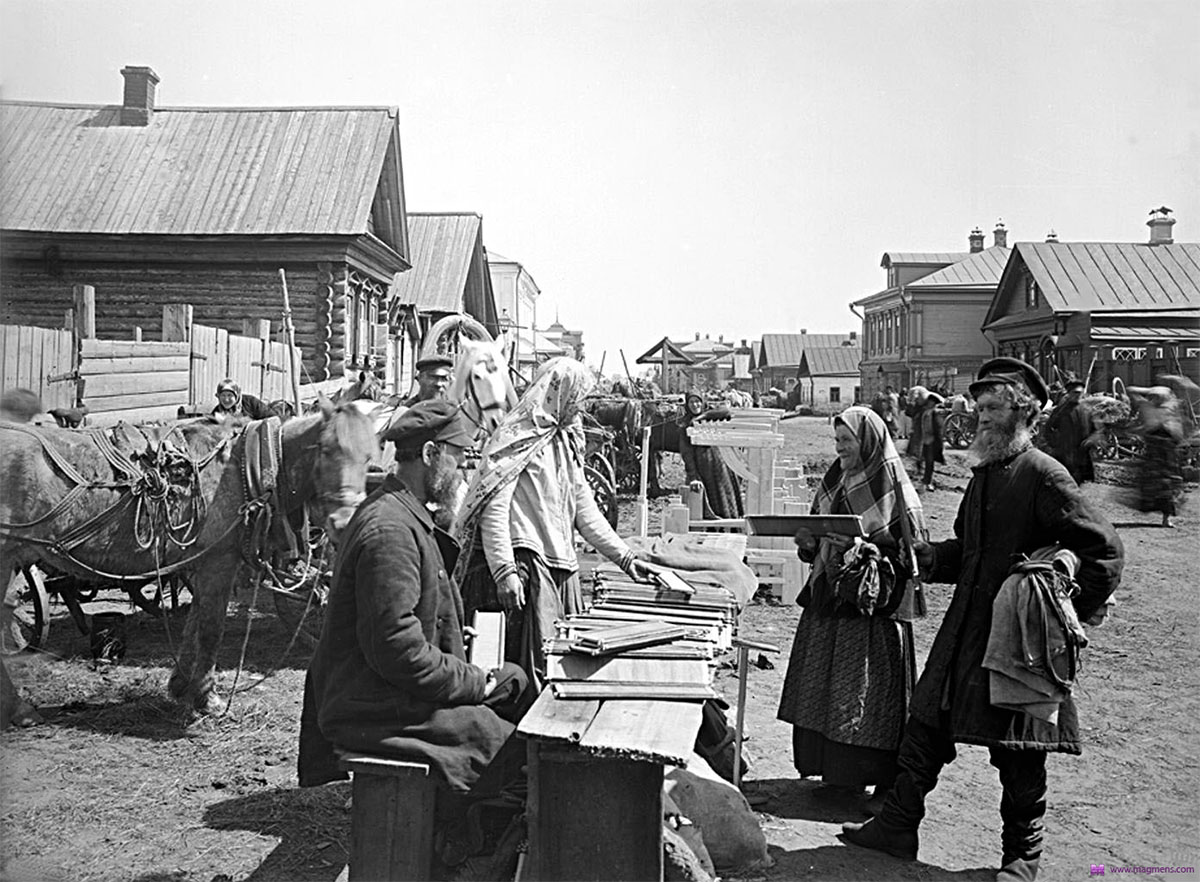
On November 9 (22), 1906, Nicholas II signed the nominal highest decree “On the addition of some decisions of the current law regarding peasant land ownership and land use”. Clause one read: “Each householder who owns the overwhelming land on community law can at any time demand the strengthening of the part of the part due to him from the worldly allocation. The following were described the procedures that accompanied the exit from the community. Thus began a reform, which had a significant impact on the social and economic life of Russia on the eve of the First World War. “It is necessary to raise our, which was impoverished, our weak, our exhausted land,” the Stolypin called from the Duma rostrum, “since the Earth is the key to our power in the future, the Earth is Russia.” In 1910, the November decree acquired the power of the law.
Has it a success or failed?
In the fall of 1906, Stolypin, Vasilchikov and another like -minded Stolypin, member of the State Council Alexander Krivoshein, planned the implementation of the reform within 20–25 years, waiting for full -fledged results by 1930. In May 1908, Guziz led Krivoshein. The associates of Stolypin praised the effectiveness of agrarian transformations. The vice-director of the agricultural department Fedor Shlippe, who was engaged in the reform in the Moscow province, recalled: “Before our eyes with amazing speed, the peasant farm improved and intensified. The reason for this was not only in the technical amenities and principles of sole land use, but mainly in the ideological consciousness of work in its own field, in the joy of free creativity and free labor. <...> The question of the notorious low land, with which the left circles waved like a red rag and led a false propaganda ... In most cases, it ceased to exist. <...> Three years later, we could no longer cope with all growing requests (about land management). ”
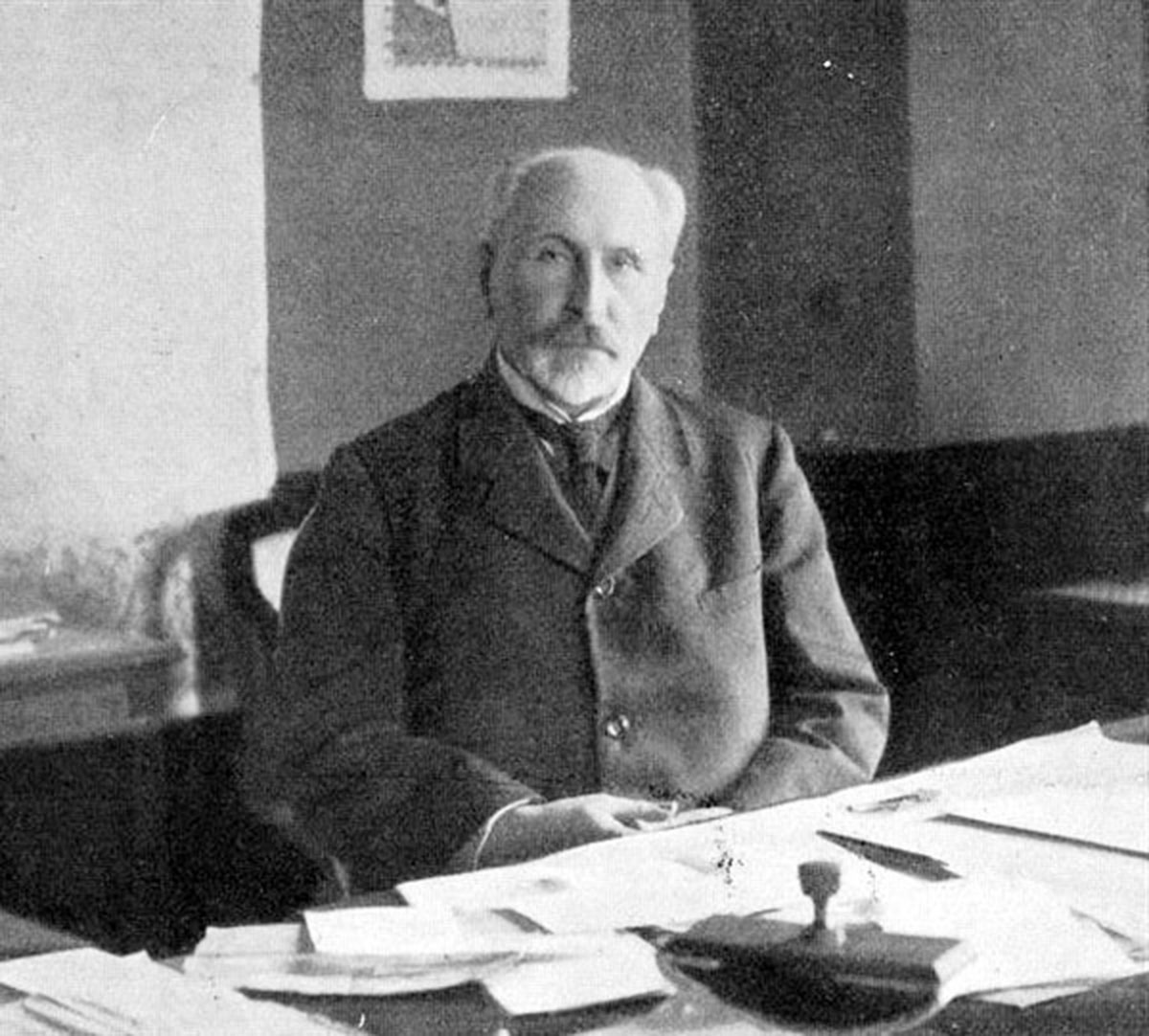
At the same time, some historians believe that the reform did not succeed, since she did not meet a wide response among communitymen. Depending on the calculation methodology, Russian researchers (Ivan Klimin, Avenir Korelin, Sergey Pushkarev, etc.) indicate that in 1907-1915, only a quarter to a third of the housewives parted with the community, and about a quarter managed to fix the allotments into property. So failure or success? ..
It must be taken into account that the reform was carried out in a country in which the peasant almost never owned land and a way out of the community demanded extraordinary determination. Nevertheless, by January 1, 1916, that is, for nine years of agrarian reform, in 40 European provinces with the communal system, petitions for the necessary measures for isolation from the rural world came from 6.1 million 47%) householders. The commissions managed to carry out land management for 3.8 million householders (62% of the number of applications). Given the tradition of Russian land use, it was a noticeable result. At the same time, landlord tenure inevitably decreased, which was reduced rounded from 58 million hectares to 48 million hectares for 1906-1915. On the eve of the October Revolution, the landowners did not belong to the quarter of arable land in the European part of the country.
There was not enough time
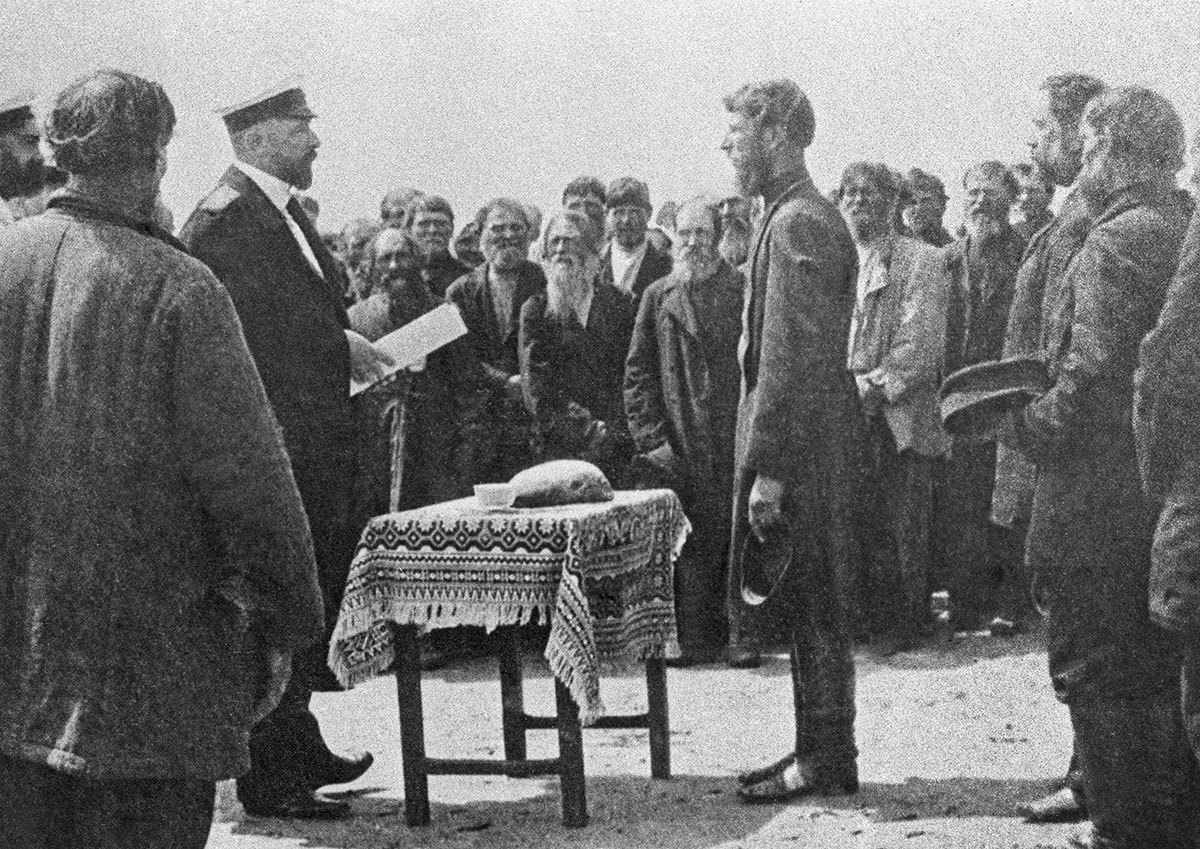
Thinker Georgy Fedotov wrote in exile: "The eighteen, flowing between the first revolution and the war, in many respects will forever remain the most brilliant moment in the life of old Russia ... The country was in a hurry to live, feeling sparingly the remaining years." The modernization, which continued after the death of Stolypin in 1911, contributed to the development of civil initiative, private initiative and cooperation among rural inhabitants, increasing their cultural level and labor productivity. As a result, the value of agricultural funds increased from 11.8 billion gold rubles in 1908 to 13.1 billion in 1913. All the Guziz events are encouraging householders who came out of the community to the farm and bran, land management work, the preparation of agronomists and land surveyors, the activities of the peasant (land) bank, the resettlement policy, the introduction of agricultural guns, the structure of small loan - led to the growth of peasant well -being and the efficiency of economy on the ground. In 1906-1914, the number of land surveyors and agronomists ten times increased in Russia.
In 1888-1898, the average collection of grain in European provinces was approximately 512 kg per ha, and in 1909-1915 - almost a ton. In 1913, compared to the end of the 19th century, the country's total annual crop of the country grew up almost doubled, sowing areas expanded, the number of horses and pigs increased. The crop failure of 1911, as the economist Boris Brutkus noted after the revolution, “was relatively easily adopted and could not stop the progressive development of agriculture”, and in the yield of 1913, excess bread bread (after deducting seed, feed and consumer funds) almost reached 21 million tons.
The migrant policy of Krivoshein also gave the effect aimed at the economic rise of land east of the Urals. “Siberia was absorbed by the stream of people,” said Socialist economist Nikolai Oganovsky, “and then began to throw the flows of wheat, oil and other agricultural products on the domestic market.”
On the eve of the war, the bulk of the Russian peasantry was a prosperous-Servednik group. According to the 1912 census, 14.1% of the farms had three or more horses, 22.1% - two, 32.1% - one, the rest (almost a third) were non -gate. In 1909–1913, in European provinces, a hired worker (at the master's grunts) could earn from 50 to 90 rubles over the summer season. The cow cost 50-60 rubles, a horse - 65–67. In August 1913, a German commission worked in Russia, who met a state of agriculture. Its leader, Professor Gubert Augagen, summed up: “If land management reform will continue when the order in the empire is non -war for another ten years, then Russia will turn into a strongest country in Europe.”
The Krivoshein (this was one of the most erroneous personnel decisions of Nicholas II), who was resigned in the fall of 1915) said to the saddled subordinates: “Our efforts turned out to be fruitful, because they contain the idea of strengthening the ownership in the Russian village of economy, culture, freedom and order.”
In the mass consciousness, the myth of huge landlord land tenure was preserved. When the Bolsheviks gave the people the opportunity to rob and ruin the estates, he took advantage of it with enthusiasm
However, the Stolypin-Crivoshein strategy did not have enough peace and peace-historical time. Before the 1917 revolution, the peasant did not manage to learn how to appreciate his property and respect someone else's. Even for a strong man, the noble manor often continued to personify the world incomprehensible - and, therefore, hostile. At the same time, in the mass consciousness, a stable myth of huge landlord tenure was preserved. Therefore, when, after the October Revolution, the Bolsheviks gave the people the Dostoevskoye “right to dishonor”, that is, the opportunity to plunder and ruin the landowner economy, he used it with enthusiasm and allowed the Leninians to stay in power.
In return, the peasants first received a surplus and liquidation of free trade, and later - Stalin's collectivization and gulag.
Photo: Reproductions of Photo Chronicle TASS, Magmens.com