
Translated material
Ethnography and Council
In the Jewish Museum and the Center for Tolerance in Moscow there are two completely different expositions: the encyclopedia of the life of Sholom Aleicham and the abstract series of Gerhard Richter
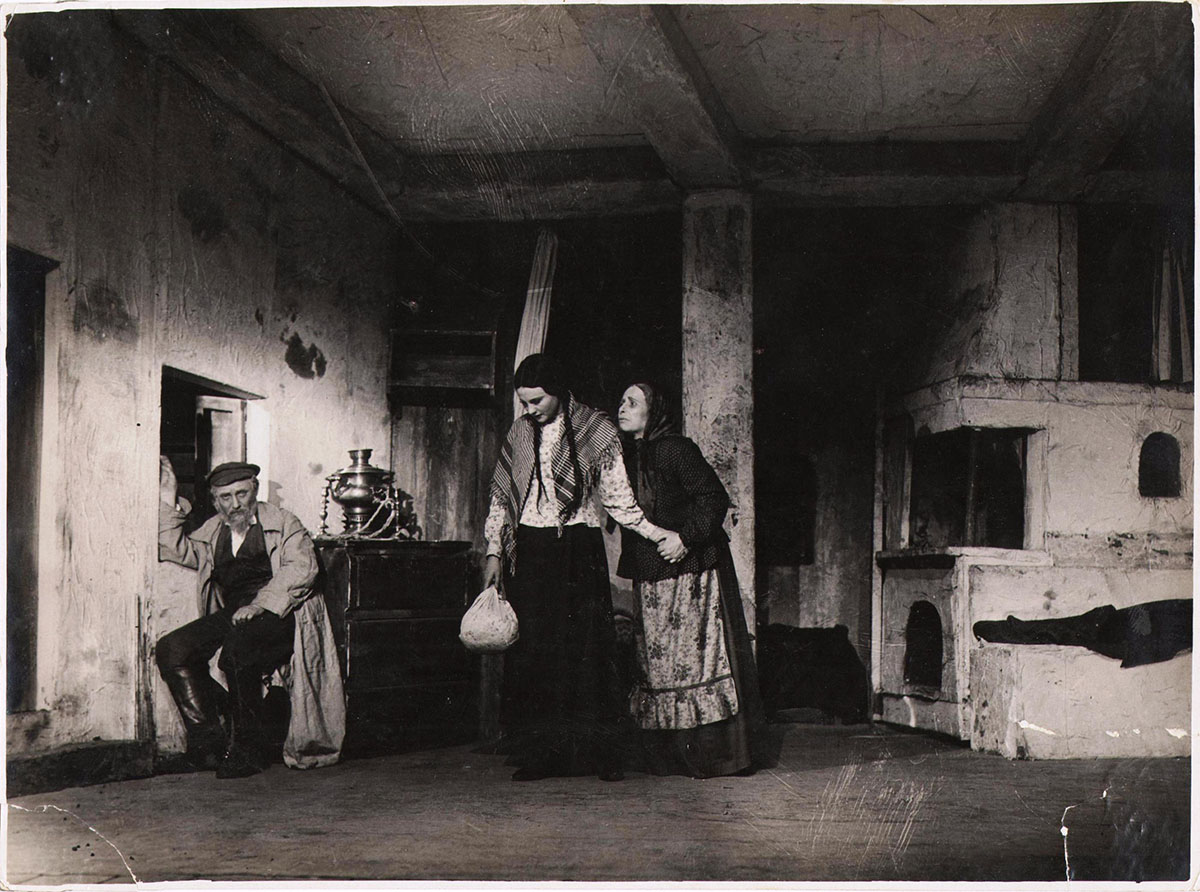
An exhibition dedicated to the classics of Jewish literature is “Sholom Aleichem. The writer and his heroes in art, theater and cinema ” - considers the writer’s biography in the context of his works and the theatrical and cinemas made on them. The second exposition, for the first time representing the works of German Gerhard Richter in Russia, is called "abstraction and image." Sholom-Aleichem is the author of numerous works from the life of Jewish towns, Gerhard Richter is a cult contemporary artist who occupies the highest lines in the ranking of the most expensive authors (his painting “candle” -German Kerze-was sold at the Christie's auction for $ 16 480 626). Planning at the same time two different exhibitions, the museum curators thereby insist on their fundamental position: the Jewish museum is not just an ethnographic platform with a pronounced national bias, but also an exhibition territory, focused on the widest enlightened public.
Museum in the garage
The Jewish Museum and the Center for Tolerance was opened in November 2012. The idea of creating such a museum for almost twenty years, its initiator was the Pinhos Lazar, who came to Russia in 1990 in 1990, the Italian Jew, who first became the rabbi of the Moscow synagogue located in Maryina Roshchi, and in 1999-the main rabbi of the Russian Federation. The area of Maryina Grove was once an old Jewish quarter: that is why in 1926 the only synagogue built under the Soviet regime appeared here. Modern city authorities, responding to the idea of creating a museum, allocated a rather large territory under this need and handed over the dilapidated building of the famous Bakhmetyevsky garage (named so on the street of the same name), designed in 1927 by outstanding architects Konstantin Melnikov and Vladimir Shukhov. The building was in a deplorable state. While the Jewish Museum was engaged in the collection and archival of materials, the Center for Contemporary Art, founded by Daria Zhukova and Roman Abramovich, began to active exhibition activities in 2008. At that time, she was so inspired and successful that she made one of the most important pages in the cultural life of Moscow. It is no coincidence that the center later changed its name and now, located in a completely different space and place of Moscow, is called the Museum of Modern Art “Garage”. However, the echo of the Bakhmetyevsky garage will last a long time: exhibitions of modern art that were held in the Garage were not only distinguished by a unique curatorial taste, but also by ambitiousness.
The Jewish Museum is an ethnographic platform with a pronounced national biases, but at the same time it is an exhibition territory focused on the widest enlightened audience
Bakhmetievsky impasse
Having become a Jewish museum, the Bakhmetyevsky garage was significantly modified. First of all, due to the internal space, and it is clear why: now there was a different task - to accommodate a unique collection of rarities telling about the life of Jews in the Russian Empire and the USSR. “It was important for us to create not just a storage of knowledge about the long -past days, but the constantly developing cultural center - the museum of the past, present and future, evolving, gaining new forms,” said the director of the museum Alexander Boroda. The exhibitions that the museum now organizes cannot claim anthologies, more and more often they are ethnographic in nature - this is primarily because a significant part of the space is given to a constant exposition that turns the history of the people into a multimedia attraction, accessible and understandable to a wide viewer. Among the gifts of the gifts entered the Museum, it is necessary to single out the Schneerson library - a collection of Hebrew books and manuscripts, and its first exhibition was the exposition “Le Corbusier - an architect of the book”. It was small exhibition projects that were called upon to emphasize the locality of the museum, turning it almost into local history - “Andy Warhol: 10 famous Jews of the twentieth century” or “between the two worlds. The memory of man and the immortality of the soul in Jewish culture ”is an exhibition dedicated to the key values in Judaism, the traditions and customs of the Jewish people, which have been reflected in historical, documentary and cultural evidence.
However, the museum, along with ethnographicism, still seeks to remain in the space of contemporary art (abbreviated - “Council”). He shows the works of outstanding artists, such as, for example, Anish Kapur, who also first exhibited in Russia here, in Maryina Grove. However, from a purely art history point of view, only one modern project of the museum can be called an undoubted success - “on demand. A collection of Russian avant -garde from regional museums. " The works of artists of the 1920-1930s out of the 19 museums of the country were almost first presented to the audience in such a volume and in such a competent exposition. From 1918 to 1920, the Department of the People's Commissariat of People's Commissariats bought 1926 works from 415 authors, of which 1211 were distributed to 30 museums of Russia. The result was the unique assembly of the avant -garde, many of which are still stored in museum reserves. Among the authors are Kazimir Malevich, Vasily Kandinsky, Mikhail Larionov, Natalya Goncharova, Lyubov Popova, Olga Rozanova, Mark Shagal ... It is important that in this case the Jewish Museum almost for the first time violated the usual scheme, according to which the artists are selected on a national basis. Great art broke through the self -isolation of museum space.
Sholom
The current two exhibitions characterize the concept of the Jewish museum in the best way. The first is national in nature-where else to talk about the life and work of Sholom Aleicham. The exhibition is rather a tribute to respect and fidelity of history than a living product of modern culture. It is dedicated to the 100th anniversary of the death of the classic, and on it his photographs, manuscripts, autographs of letters to Tolstoy and Chekhov are presented on it. It is logical that, along with manuscripts, illustrations for his books by Nathan Altman, Mane-Katz, Anatoly Kaplan, Mero Axelrod, Gersha Inger are also shown. An important part of the exposition is made up of different, including the rarest, editions of Sholom Aleichem’s works in Yiddish, translated into Russian and other languages, as well as two volumes of the almanac of the “Jewish People’s Library”. Sketches of scenery and costumes, photographs of scenes from plays from Sholom-Aleichem plays are responsible for the history of art, rare films of the 1920-1930s, as well as the film “Jewish Happiness”, shot in 1925 by Aleksey Granovsky according to Sholom-Aleicham (in the title role-Solomon Mikhoels, the artist-Nathan Altman). Nevertheless, this exhibition is primarily of historical interest: many materials are shown to the public for the first time, this is the first exposition in the world, with such an encyclopedic scale, representing the heritage of the writer, whose collected works are called “Jewish encyclopedia” (this is the bar to the character of the writer: in 1885, Sholom-Aleichem after the death of his father-in-law became the heir to a great state, but he began to play on the exchange and in the exchange and in the exchange and in the bir The nearby went bankrupt, which gave him “invaluable material for many stories”).
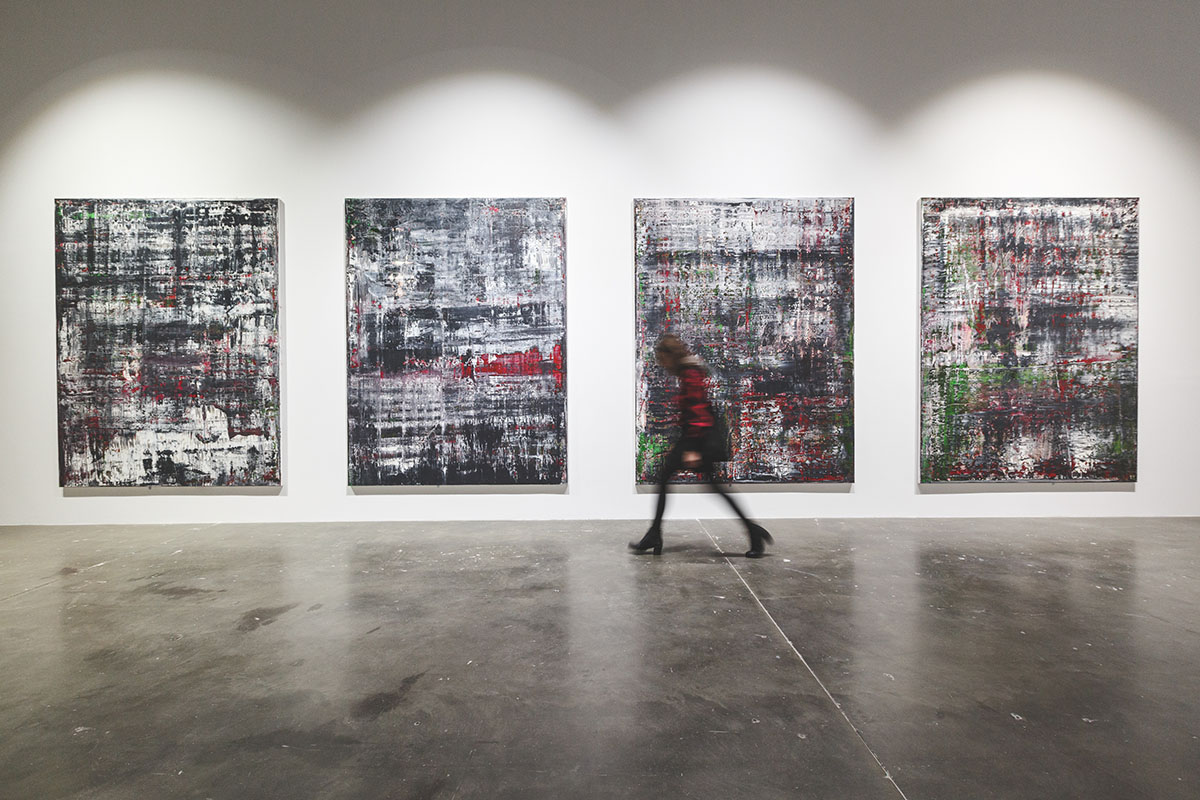
Photo as a keepsake
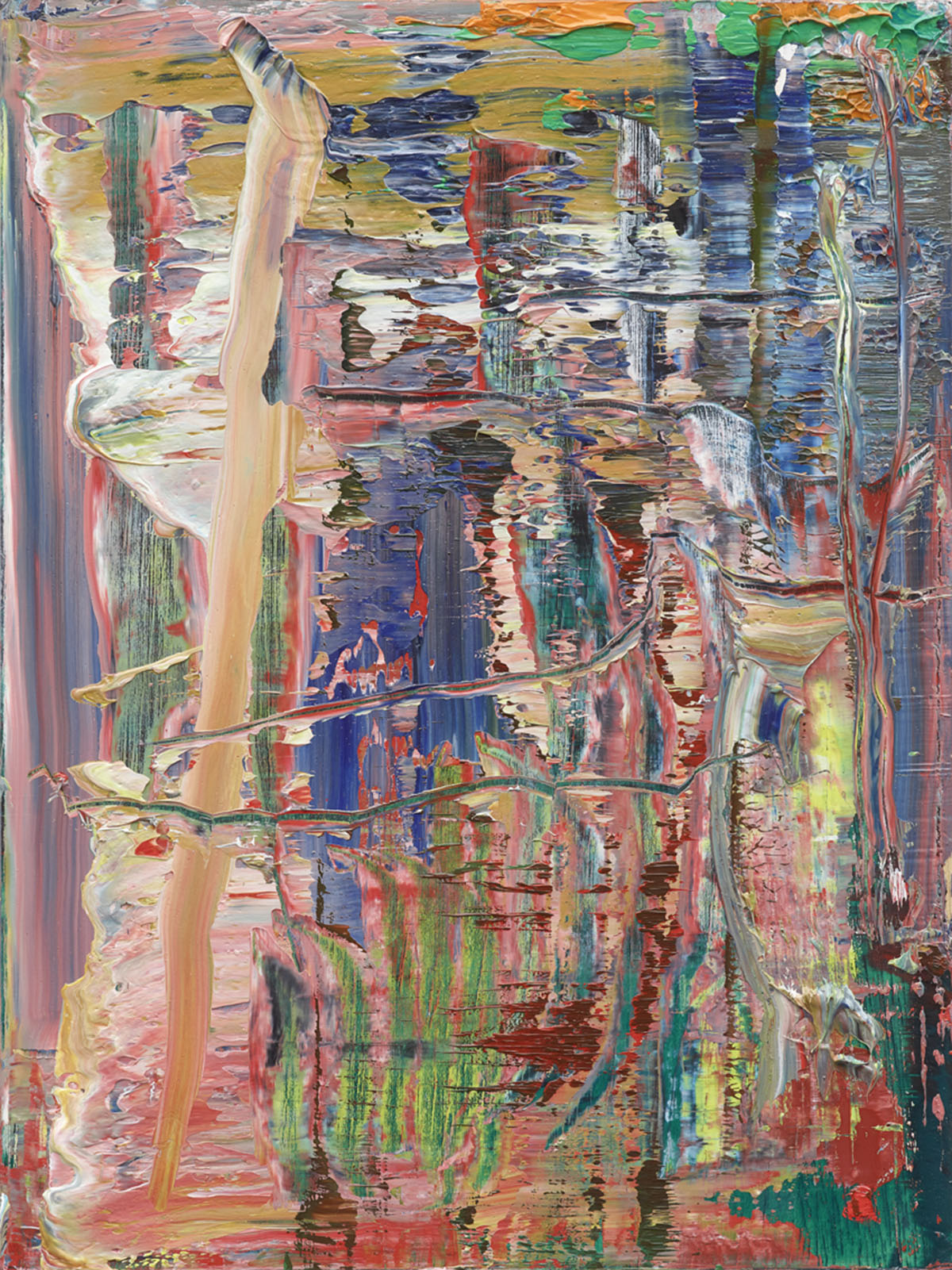
The exhibition of the works of Gerhard Richter opened on November 9th. Meet the audience with an outstanding contemporary artist, she represents his exclusively abstract paintings of different years - from 1973 to 2016. The center of the exhibition was the installation of Birkenau (2014) - a series of four abstract paintings written under the impression of photographs shot by a prisoner of the Nazi concentration camp in August 1944.
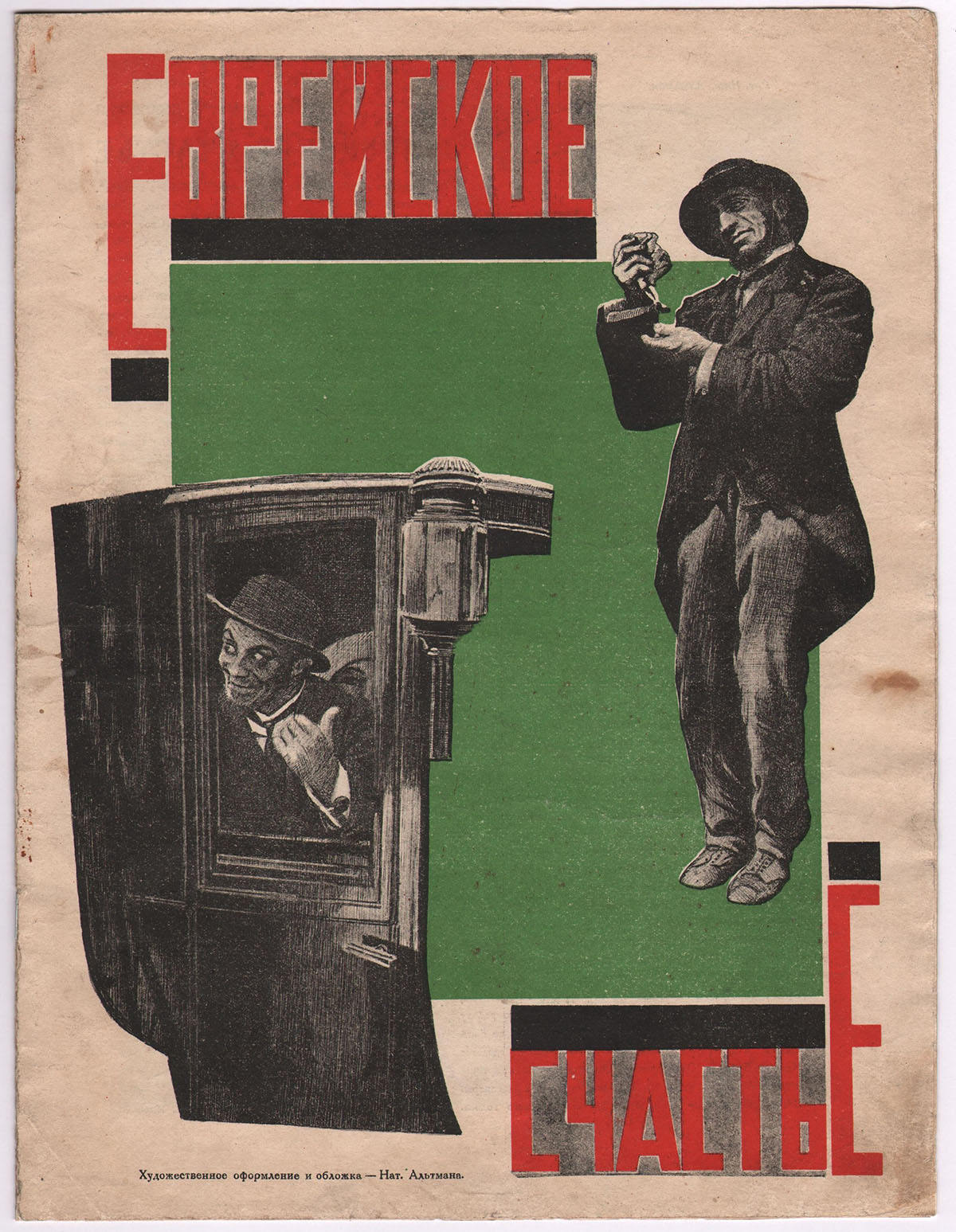
The exhibition about Sholom Aleichem is rather a tribute and fidelity of history than a living product of modern culture
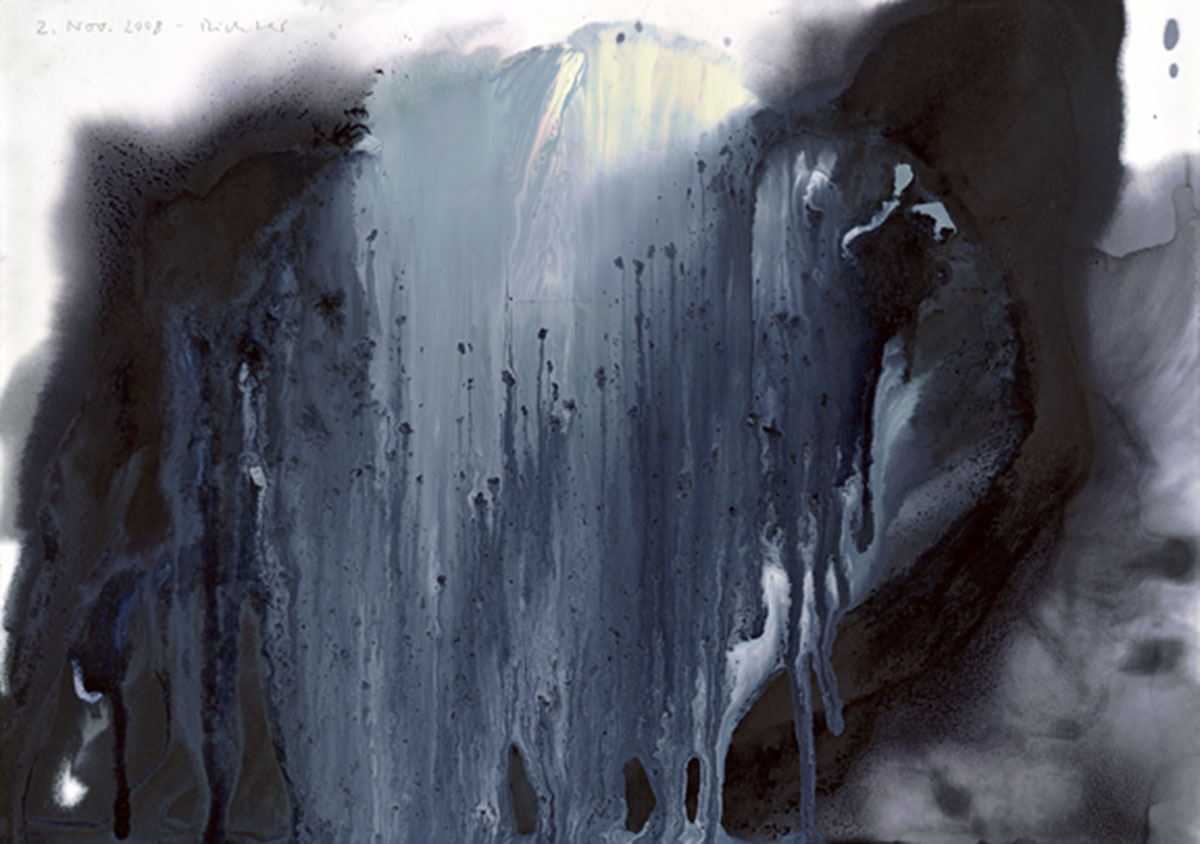
In his early period, Richter created a number of photographic images using images from magazines, as well as pictures from a family album and photographs of friends. The artist transformed all this into picturesque canvases, manipulating them in the spirit of pop art. He worked for a long time at the junction of painting and photographs, but later completely moved to abstract painting, creating a large series of “gray” paintings, one of which is presented at the exhibition in Moscow. Richter believes that reality always remains ghostly and any attempts to convey it are doomed to failure. However, criticism notes that the museum with Richter’s exhibition once again turned out to be in a dependent situation: the exposition does not give the viewer an idea of why the author is heading the list of the most expensive artists of the world today, it presents only a few works of a large format, the rest are small or circal. In addition, there are no most famous and expensive early periods. After all, the artist did not glorify the abstraction, but the painting “Uncle Rudy” and “Aunt Marianna” rewritten from family photographs: the uncle-in the form of the Wehrmacht officer-died in the war, and a 12-year-old aunt (in the photo with a little Gerhard in her arms) was killed by the Nazis as mentally inferior.
In addition to the Birkenau series, the installation included full-sized orriginals that served as the basis for creating paintings, and 93 details of these pictures. But here, the curatorial plan somewhat narrowed the context in which the artist’s work exists, placing it rather in a national-historical dimension.
However, we repeat, with all the difference in exhibitions, their curators, as it were, urge the viewer to remember that the main concept of the museum is to emphasize the continuity in the history of the Jewish people. And if the viewer is deprived of this part of the Council - so it happens, not without costs.
Photo: Private collection 2016, Gerhard Richter 2016, Museum of the History of Jews in Russia