
Translated material
Rosneft approved the exchange bond program for one trillion rubles
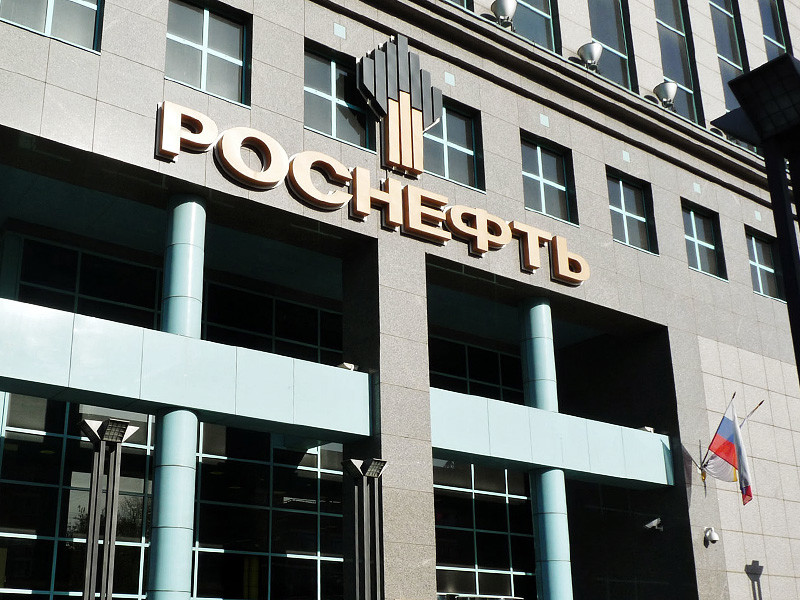
On November 20, the Rosneft Board of Directors approved the exchange bond program in the amount of up to 1.071 trillion rubles, follows from the materials of the company. The deadline for repayment of bonds is 10 years from the date of start of the release.
“This program is a framework tool, the presence of which gives the company the opportunity on the basis of separately made decisions of the corporate governing bodies to place exchange bonds,” Rosneft official representative commented on RIA Novosti .
According to him, “funds from placing bond outputs will be aimed at financing foreign projects of the company, investment programs in new extracts of Rosneft NK PJSC, as well as planned refinancing of previously attracted loans and bond loans in accordance with the parameters of the business plan.”
The placement of bonds within the framework of the program will take place in separate issues taking into account the schedule of investment and refinancing of planned repayments of current obligations and will not have a significant impact on the total volume of Rosneft's debt obligations. The Board of Directors also approved the possibility of concluding transactions by subsidiaries to the purchase of bonds that will be issued as part of the program, a company representative.
In addition, the Board of Directors approved the deal with Gazprombank on the organization of bond placement for 173.2 million rubles and a transaction with the NBRD for the provision of underwriting services and brokerage services. The deadline for the appeal of bonds is set in 3640 days, reports TASS.
The placement of Rosneft bonds will have a serious impact on the dynamics of bank lending and on the level of interest rates if the participation of state banks in the placement procedure is agreed, the director of the Center for Structural Studies of the Institute of Economic Policy named after E.T. Gaidara Mikhail Khromov. "This is a significant amount for the credit market and will have a negative impact on the domestic market and on the possibilities of other players to be located on the market," he told RBC . According to Khromov, the prospects for successful simultaneous placement, even in the presence of an anchor investor, are doubtful.
Recall that in December 2014, Rosneft placed 14 issues of exchange bonds in a total of 625 billion rubles. The deal became record in volume in the Russian debt market.
Five days after the December placement for the ruble, the Black Tuesday came: during the auction on December 15, the ruble began to fall rapidly, the fall continued on December 16, the euro reached 100 rubles, the dollar - 80 rubles.
Rosneft then refused to comment on who acquired the papers. Ex-Minister of Finance Alexei Kudrin said that Rosneft received 625 billion rubles from the Central Bank, and rumors appeared on the market that the company entered the foreign exchange market with them.
In Rosneft, this information refuted . However, the head of the Central Bank Elvira Nabiullina admitted that the deal was "opaque" and became one of the factors that contributed to the devaluation of the ruble in December 2014. The head of the state -owned company Igor Sechin denied these accusations, saying that Rosneft, on the contrary, sought to stabilize the country's foreign exchange system.