
Translated material
Saluable questions about taxes in Russia
Am I paying only 13 percent? What is a progressive scale?
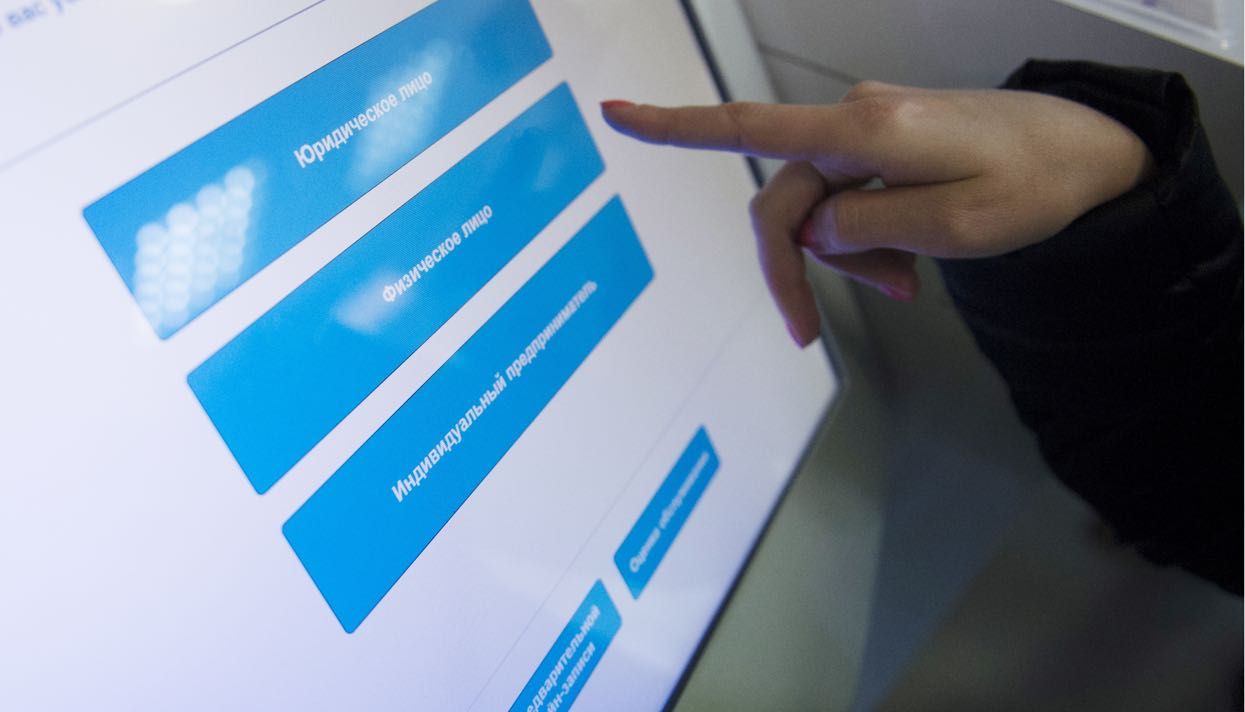
The Russian authorities began to seriously discuss the upcoming tax reform. According to the statements of the Ministry of Finance, in 2018 (that is, after the presidential election), Russia may well switch to a progressive income tax scale or simply increase its rate. "Medusa" answers the shameful questions about what taxes the Russians pay and how this system can change.
How many taxes do I pay? 13 percent?
Yes, the collection that any Russian is most often faced with is 13 percent of personal income tax (personal income tax). It is this share that makes the difference between the salary recorded in the employment contract, and the fact that the employee receives in his hands.
But personal income tax is not the only payment that the state receives for each employee. The company is also obliged to send contributions to the Pension Fund (22 percent of the salary under the contract), the Federal Compulsory Medical Insurance Fund (5.1 percent) and the social insurance fund (2.9 percent). If the employee’s salary is more than 66 thousand rubles a month, then for everything that is above this amount, the contribution to the FIU is expelled at a rate of 10 percent. For contributions of the FSS, the rate is zeroil after 60 thousand rubles per month.
As a result, the state receives about 33 percent (the exact percentage depends on the salary amount) on all expenses of the employer for the salary of a particular employee. This figure can be conditionally considered a real direct tax that every working Russian pays.
In addition to direct taxes, there are also indirect ones. All companies producing some goods or providing services pay value added tax. These fees are automatically laid down in the price for the final consumer. According to Rosstat for 2015, VAT and other types of taxes amounted to up to seven percent of the price of food products and up to nine percent for non -food. For vodka, the share of taxes and excise taxes in price reaches 50 percent, for gasoline - more than a quarter.
We must also forget about transport, land and property taxes. All of them are paid once a year, for this the Federal Tax Service sends notifications by mail.
But still we pay less than in other countries?
If you look only at the personal income tax rate, then, indeed, 13 percent is a very low tax compared to other countries. This is partly due to the fact that in many countries there is a progressive scale with a high maximum percentage by which the tax system is evaluated.
To compare countries in real direct and indirect taxes that each citizen pays, complex research is conducted. In 2016, PriceWaterhousecoopers calculated that the state gives the state 47.4 percent of the earned. This is close to the assessment of the Dean of the Faculty of Economics of Moscow State University Alexander Auzan, who speaks of 48 percent.
Due to additional fees for the social sphere and VAT, Russia enters the leaders at the real tax rate. In the world, the average indicator, according to PWC, is only 40.6 percent, and in Central and Eastern Europe, even less - 34.2 percent.
Progressive tax means that I will pay more?
The progressive scale was invented to be slightly burdened with taxes of people with low incomes, and from the rich, on the contrary, to take more. It is most convenient to explain the principle of operation of such a tax on the example of the scale that operated in Russia in 2000, after which it was finally replaced by a single bet.
Then those who received up to 4 thousand rubles a month (72 thousand in terms of average salary today) paid a tax of 12 percent, this was the first stage of the scale. The second step is up to 12.5 thousand rubles (217 thousand for today's money): the first 4 thousand were paid 12 percent, and all that is more was 20 percent. The third step: the first 4 thousand rubles - a rate of 12 percent, then 8.5 thousand - 20 percent, and excess - 30 percent.
It is still difficult to say whether it will be necessary to pay more taxes or less, because the government has not yet told what kind of progressive scale it would introduce and whether it would be at all. The only figure that appeared in discussions is the zero tax for people with low income, about which Deputy Prime Minister Olga Golodets spoke about . But to what level of salaries of Russians will generally exempt from taxes, she did not specify.
If the government does not have specific proposals yet, then the deputies have already had several (very radical) ideas. In August, members of the LDPR prepared their draft amendments to the Tax Code. There she prescribed a zero rate for salaries up to 15 thousand rubles per month. The current 13 percent will be left to earn up to 200 thousand rubles per month. Then the rate of 30 percent will operate, up to salaries of 8.3 million rubles per month. Those who receive more will pay for excess at a rate of 70 percent. But such a scale is populist, the government is unlikely to focus on it.
If the progressive scale is approved, will salaries pay again “in envelopes”?
This fear is expressed by many critics of the progressive scale, and indeed any increase in taxes. The Minister of Finance Anton Siluanov calls on to wait with the reform until 2018 precisely because of the unstable economic situation, which can make people return to the “gray” salaries-when under the contract the employee receives one amount (tax is paid from it), and receives more on his hands.
The flat scale has been introduced since 2001 in order to withdraw income from the shadow. And it worked. In 2000, the personal income tax paid only 2.4 percent of the country's GDP, and in 2015 -already 3.8 percent. In absolute numbers, the amount of tax paid during this time increased 40 times.
And what if you reset personal income tax? After all, the budget still depends solely on oil and gas!
This is a strong exaggeration. In 2015, income from oil and gas production and exports amounted to about 6 trillion rubles. This includes a tax on mining oil, gas and gas condensate, as well as exported oil, gas and oil products.
For comparison, in the form of personal income tax and deductions to the Pension Fund, citizens and employers paid 6.5 trillion. A little more than trillion rubles received a compulsory medical insurance fund. Through VAT, the budget received 2.8 trillion. Thus, direct and indirect taxes bring approximately twice as much money to budgets of all levels than production and sale of hydrocarbons.
What are my taxes on?
Income tax (13 percent) remains completely in the region where a person works (at the place of registration of the employer). Moreover, 85 percent of the collected personal income tax receive the regional authorities at their disposal, and the rest is distributed at the local level. The roads are built and repaired with this money in the region, they maintain housing and communal services in normal condition and solve other problems.
Contributions to the Pension Fund are gathered in a common boiler from all over the country, and then distributed to pay pensions. On the same principle, medical and social insurance funds are organized.
Value added tax, which citizens pay indirectly through purchases of goods and services, completely goes to the federal budget. This money is distributed by the government. The content of the police and the army, as well as science, education and other directions affecting the interests of the whole country, is paid from the federal budget.