
Translated material
I stay, brother
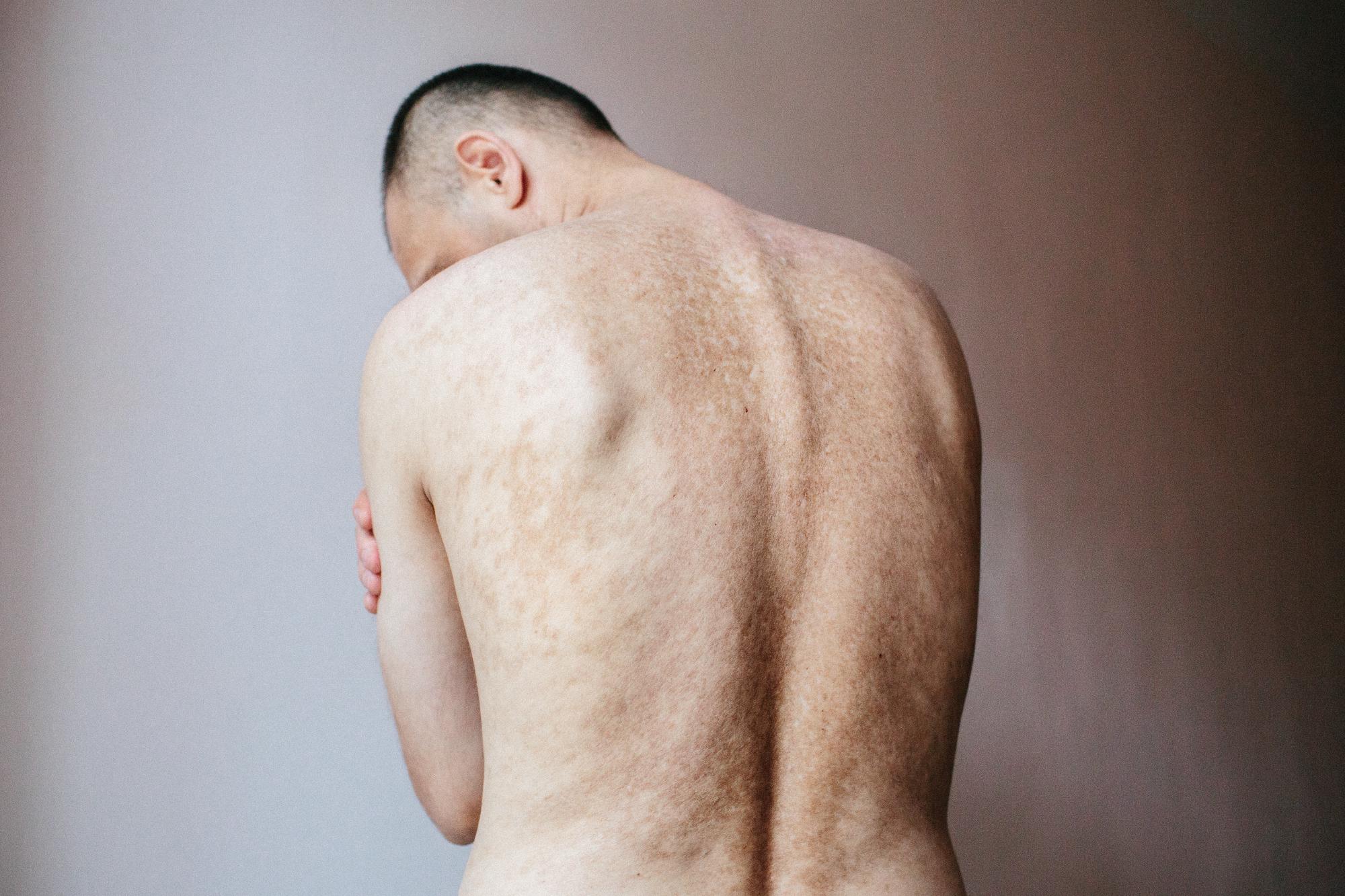
Vsevolod survived the first Chechen campaign, from which only half of his regiment returned. But the trouble was waiting for him at home. And if not for the brother and the support of the fund, he would not be able to defeat leukemia
We help Advita helpDoctors say: becoming a bone marrow donor is like finding a brother in this universe. Maybe a brother lives in another hemisphere, or maybe on a neighboring street. Vsevolod Lunkin was lucky - his brother approached him as a bone marrow donor. However, everything turned out to be not so rosy: after the first transplant, the transplant did not take root
***
Above the village is snow. He flies over the country houses, a river, a boat station. He slowly sinks onto a two -story house with two porches. The neighbor rakes snow with a shovel. Shovel with a wrapped tape a cuttings. In this snowy picture, every detail is visible - what a scarf at a passerby, how a neighbor smiles. Here is a bathhouse: friends come out of the steam room, the feast begins. The male company leads the usual conversations - who bought the car and who married his son.
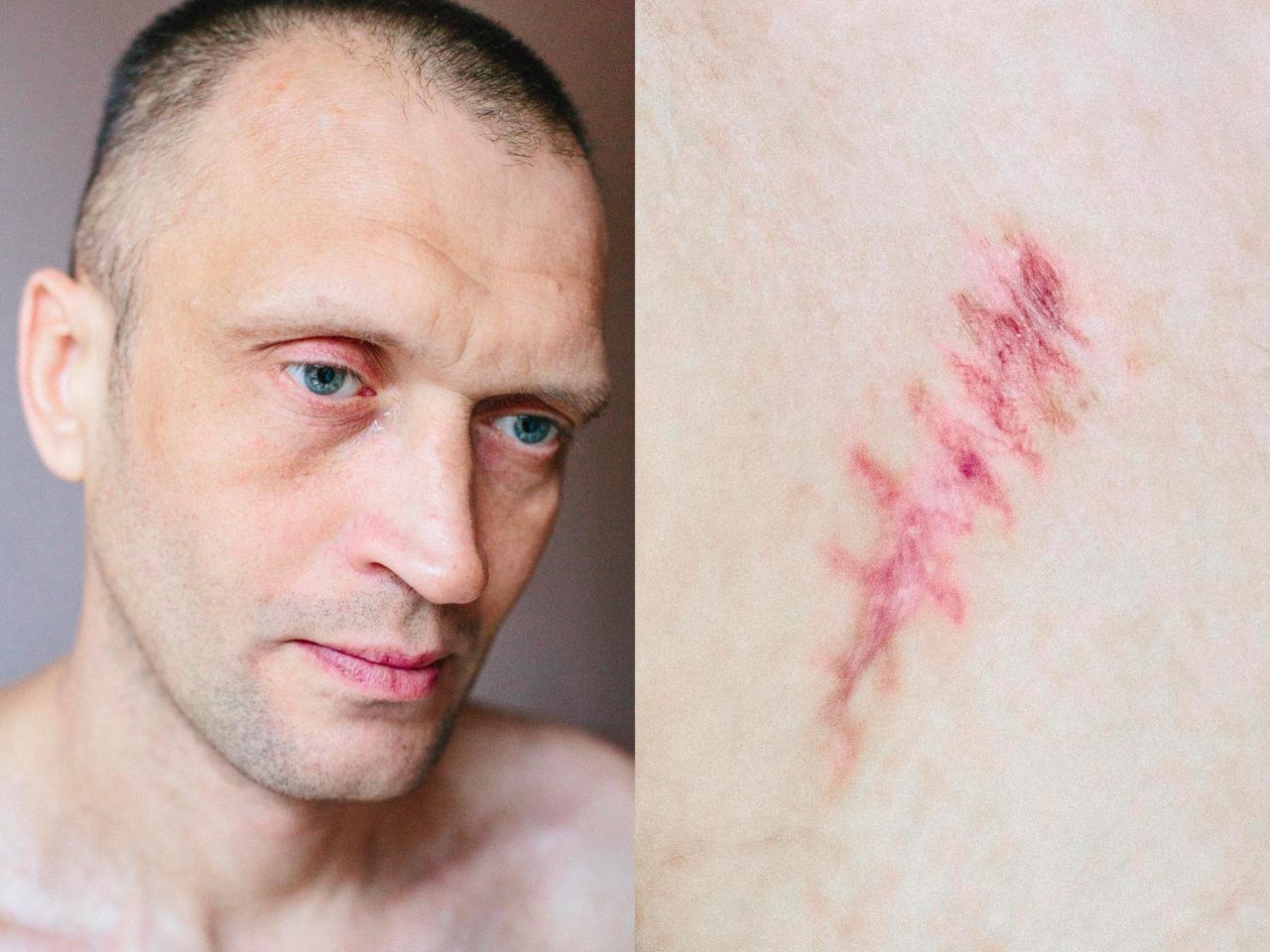 Left: Vsevolod Lunkin
Right: wound on the chest from a fragment of a mortar shell received in the Second Chechen War in 2003 Photo: Ksenia Ivanova/Schschi for TD
Vsevolod Lunkin admits - that snowy dream was like a clinical death. Plunging into him, he allowed himself not to fight. There was already too much struggle and war in his life - first the war in Chechnya, then a serious illness, chronic myelocosis. Vsevolod survived the bone marrow transplantation, but this did not bring relief - the rejection of the graft began. There was a second transplant ahead. “Let everything be as it will be, ” he thought, falling into a snowy dream.
But Vsevolod returned home. This time in reality.
"At first I did not understand anything"
That house for two porchs stands in the village of Akhuna, now it has become the Penza area. The mother of Vsevolod lives there, and a quarter of a century ago he grew up in him with his brother Timur. He drove him to kindergarten, fed porridge and taught him to play hockey.
“He was always like a father for me: he taught me how to ride on skates and stood up at school,” recalls the younger brother.
“When he was brought from the hospital, the film“ Timur and his team ”was going on on TV, so I suggested calling his brother Timur,” the elder recalls.
At the age of 17, the elder brother left the house to enter the school, and the youngest stayed at home. Vsevolod Lunkin entered the Penza Artillery School, and then completely left Penza - the junior officer was sent at the disposal of the Ural Military District. In 1995, the first Chechen war began, and Vsevolod, as part of the 276th regiment of the 34th motorized rifle division, was in Grozny.
Vsevolod calls the war “other dimension” in which human laws cease to operate. “I looked right in the face of the war. Only death and terrorist attacks, ”he says. This face had little in common with the heroic picture, which he saw in the films. “This is another war.”
I released the hostages, stormed Grozny twice, received a shell -shocked wound“At first I did not understand anything,” Vsevolod recalls his first battle. He remembers how, on their column, they suddenly opened fire from grenade launchers, how officers organized a circular defense, and then stripping began in the village. He remembers how the militants who were sitting in Zindan were fired and freed the prisoners. But in the twenty minutes that the battle lasted, Vsevolod saw only pain and fear, no book heroism.
“Combat clashes are a sea of blood and nervous breakdowns. I released the hostages, twice stormed Grozny. He was wounded - received a shell -and -tangent fragmentation wound. ”
Vsevolod was twenty -three. Only years later he realized that his return home was a miracle - Chechnya took the life of half of his regiment. “Death stood at every intersection,” he repeats. And he recalls Grozny, all dotted with corpses, there were battles for a minute, from the bodies in the air streamed. Death was everywhere, the soldiers felt her breath in the worships of the trenches.
 The younger brother of Timur (Know) and Vsevolod (right). Upon learning that his brother needs a donor, Timur immediately said: "Let's go!" After testing for compatibility, the doctor said that the brothers are suitable for each other “like a key to a lock” photo: Ksenia Ivanova/Schschi for TD
During the first campaign, Vsevolod stayed in Chechnya for ten months. He returned several times - from 2001 to 2005. Then he retired and settled in Penza. But there was not enough money - in Penza Vsevolod went to work for a paper factory by workers. The craft is heavy - it was necessary to remove the rolls from the paper machine and cut them in the format.
Dust, chemical dyes and hard work. After one of the prosecutors, the doctor called him and said - blood is not in order. The diagnosis of chronic myelolecosis was made to Vsevolod in the hematological center. An expensive Swiss drug was prescribed and released back to work. For some time, the medicine held blood indicators normal, but in the summer of 2012 the disease began to progress.
Weakness came, bones began to hurt. The disease developed rapidly. Vsevolod was taken to the ambulance to the hospital. Endless chemotherapy courses began.
We were told: there is nothing to count on quotas, this is treatment for the richVsevolod praises the Penza doctors, he has claims to the regional Ministry of Health. When it became clear that the bone marrow transplant was required, I had to look for a way of salvation ourselves. The fact that the state provides quotas for the treatment of cancer patients at the R.M. Gorbacheva Research Institute in St. Petersburg, the Lunkins family simply did not report. And then regional officials also undertook to discourage the patient's relatives from the trip.
“We were told: there is nothing to count on quotas, this is a treatment for the rich - there is no hope, just leave your money,” recalls Vsevolod's brother Timur.
The family did in their own way: I began urgent collection of documents and correspondence with St. Petersburg doctors. Timur handed over the bone marrow for typification, and it turned out that he could be a donor for his older brother. This is luck: related donors are suitable for only 20% of patients, so they are often looking for donors in international registers. The search costs 15 - 20 thousand euros, millions of rubles can go to chemotherapy before transplantation and treatment of complications after it.
Vsevoloda paid for medicines, tests and housing in St. Petersburg. For two years, it took another 1.6 million rubles on the treatment of Vsevolod on top of the budget quota. Vsevolod says that the employees of the Fund have done a job that neither he nor loved ones coped: "they disturbed the Penza deputies, asked for help from the society of veterans." And most importantly: they paid for the drugs that were required to treat complications after transplantation - more than 1.2 million rubles.
I remembered all the saints
The transplant was held at the end of the summer of 2013. “Doctors could not get enough,” recalls Vsevolod. “We approached each other like a key to the lock.”
Bone marrow is a semi -liquid substance inside the bones. To transplant it to the patient, the donor makes punctures of the pelvic bone with a special needle and get liquid into the syringe. Timur suffered the procedure - he knew that he was saving his brother. He says the lower back was sick a little for a couple of days, as if he pulled his back.
In one hand you hold a dropper, in the other - a phone and agree to be extended to youAnd Vsevolod describes transplantation completely concisely. “They brought a bag with grenade -colored liquid to the ward - poured. Everything, the operation is over. ” After transplantation, the brothers were released home, Vsevolod only managed to go with his daughter on September 1 to the ruler, as the trouble returned. The bone marrow did not take root - the rejection reaction was beginning.
“It became spotted like a leopard, his eyes are watery,” he recalls. - I come to the doctor in bruises, and he is from the threshold: “Friend, you need to urgently hospitalize you.” Then, in Penza, the entire blood transfusion station worked - they pumped me with platelets and sent me to St. Petersburg. ”
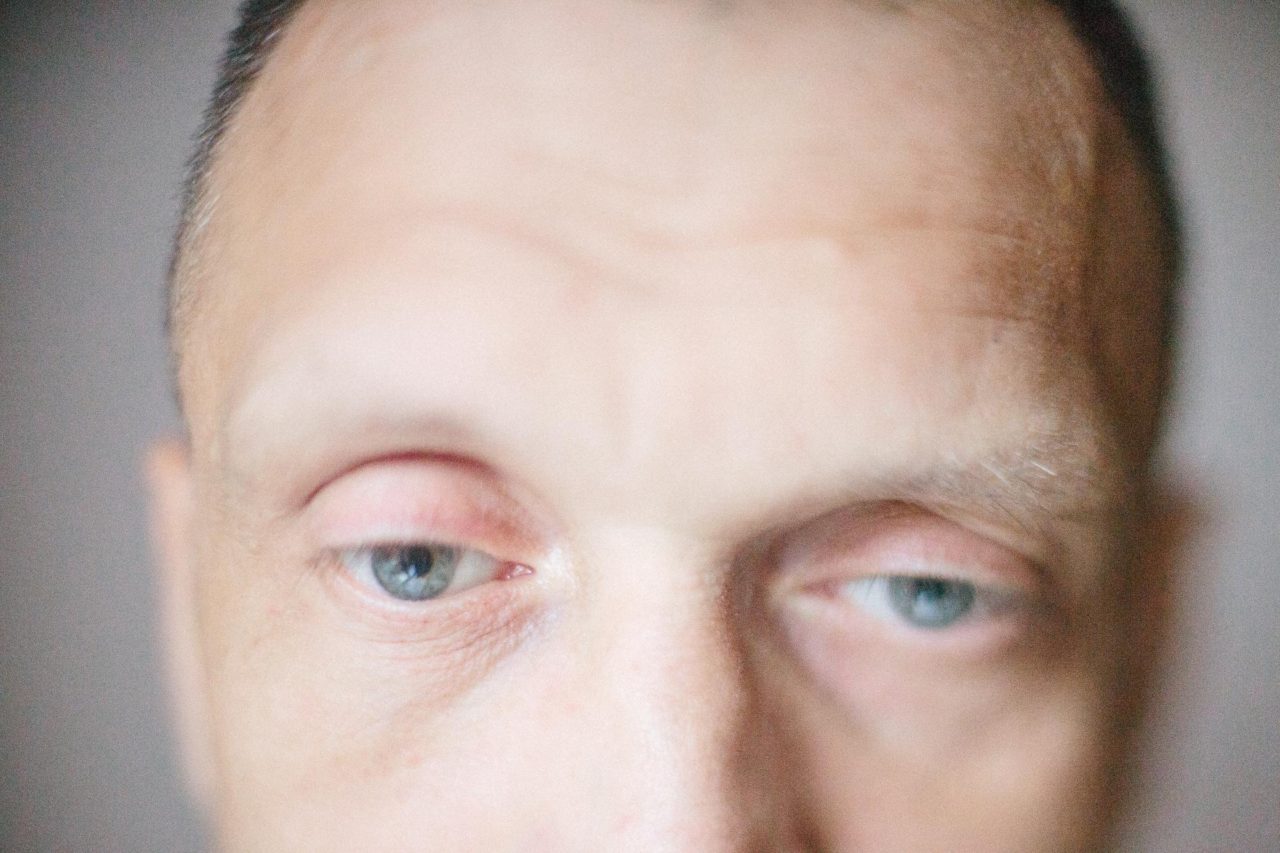 After the second transplantation, Vsevolod was long in intensive care in serious condition. “It seemed to me that life leaves me: I stopped feeling the pain and boundaries of my own body,” says Vsevolod photo: Ksenia Ivanova/Schschi for TD
 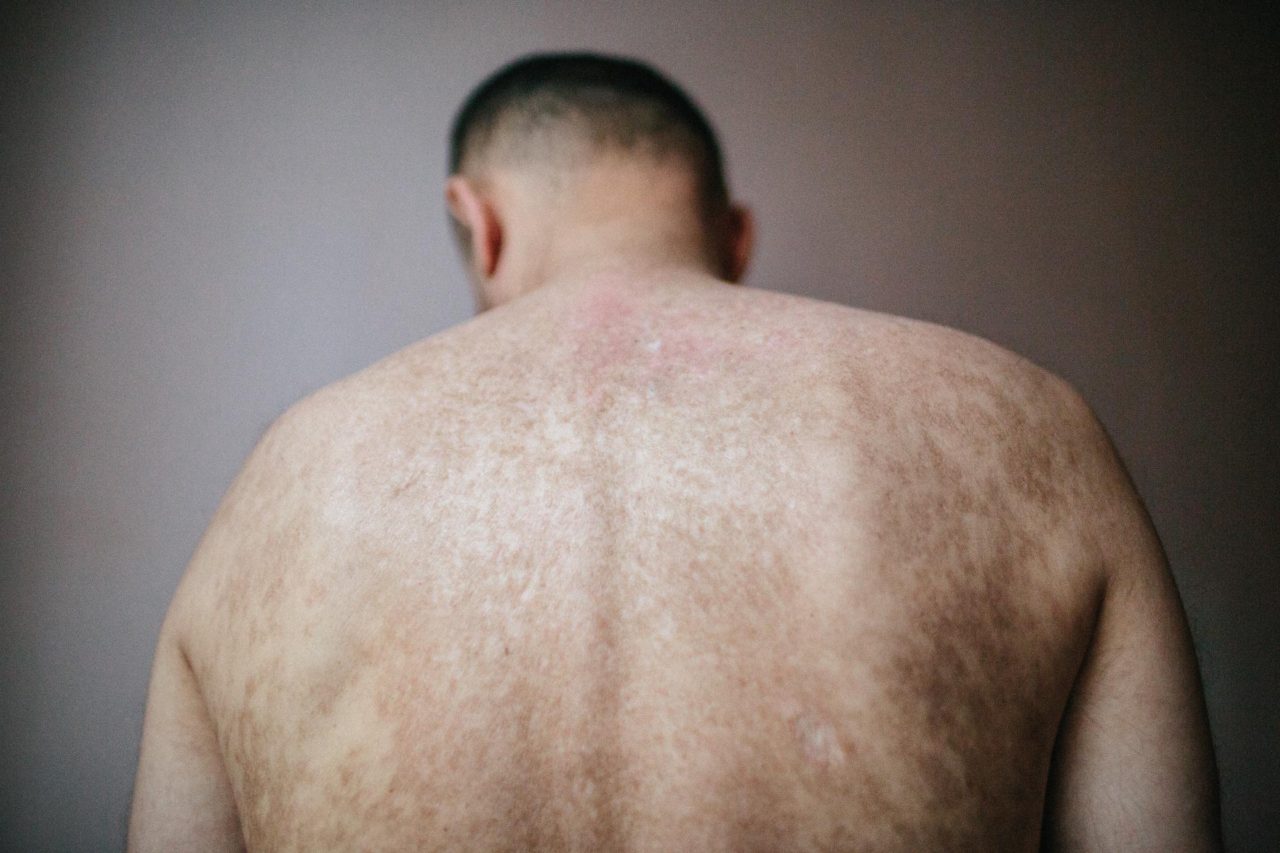 Spots on the skin of Vsevolod - reaction "transplant against the owner" (RTHP). “Now my“ camouflage ”is not so noticeable,” says Vsevolod photo: Ksenia Ivanova/Schschi for TD
At the airport, Vsevolod was met by an ambulance - they brought them in intensive care with flashing lights. “Then I remembered all the saints,” says Vsevolod. - said goodbye to life. At the bed there is a constant change of guard: either mother came, then brother. ”
On these unbearable days, the Akhuna dreamed of Vsevolod. He says that he understood then, since he woke up - it means that “they don’t take him”, they still give him to live. On November 26, Vsevolod was made a second bone marrow transplant. So Timur became a donor twice, with a difference of 10 months. This time, the cells were taken differently: special drugs were administered so that stem cells enter peripheral blood and collect them, driving blood through the separator. This procedure lasts several hours, a few days before Timur was stimulated by injections, the bones were slightly stimulated, the sensations were like a cold. Then everything passed, but the older brother was recovering.
At the Research Institute of Dogit named after R.M. Gorbacheva Vsevolod lay eleven months - with a break for September and October. Now he travels every six months - to undergo research, to fix the dynamics.
Read also Sorry, there are no medicines what doctors and officials do so as not to give patients free medicines.
Vsevolod pays trips at his own expense - in the Penza Ministry of Health, they refused to compensate for the costs. The reason is simple - according to the law, a disabled person of the first group Vsevolod Lunkin is a consultant patient, which means that payment of expenses remains at the discretion of regional officials. Those have been interpreting the law in their favor - since October 2014, Vsevolod has come to St. Petersburg six times already, spending more than 70 thousand rubles on tickets. This corresponds to his "military" pension for three and a half months.
But the problem arises not only with the passage. Wherever he needs the help of the regional Ministry of Health, the appeals end with endless paperwork. For example, when he needs to extend the quota for treatment. Vsevolod believes that the “problem is in the system”, and not in specific officials, but this is not easier for cancer patients.
“Sometimes the negotiations had to be conducted under a dropper: in one hand you hold a dropper, in the other - the phone and agree to be extended to you. But this is nothing yet, but what to do when you lie and cannot move? "
The experience of negotiations “with a dropper at the ready” was not in vain, now Vsevolod shares information with Penza patients. He tells him about the ADVITA Foundation and doctors at the Research Institute of Dog named after R.M. Gorbacheva.
“Now others are walking along my path,” he says. - Three more people for sure - young students. We usually meet in a hospital - this is our “Brotherhood of Patients”. ”
Two brothers
But the real brotherhood is at the Lunkins. Vsevolod and Timur have eight years of difference. The brothers are similar in appearance, but not by characters. “I am an experienced, and it is - Majoric,” - Says Vsevolod. Timur considers his brother a straight person, and in some matters even somewhat ingenuous.
Timur is 35 years old, works in construction, director of a subcontracting organization. He says that, having become a donor, he still feels responsible for his brother.
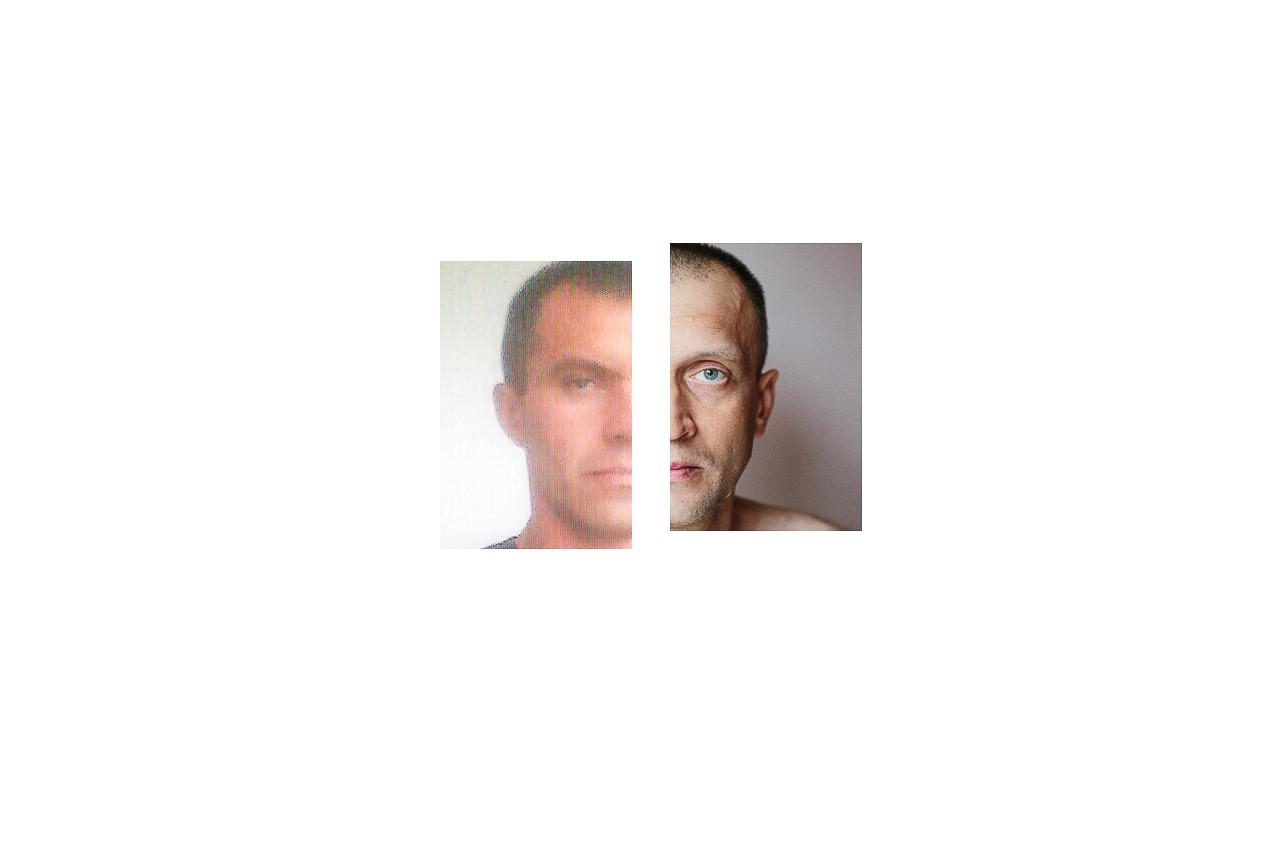
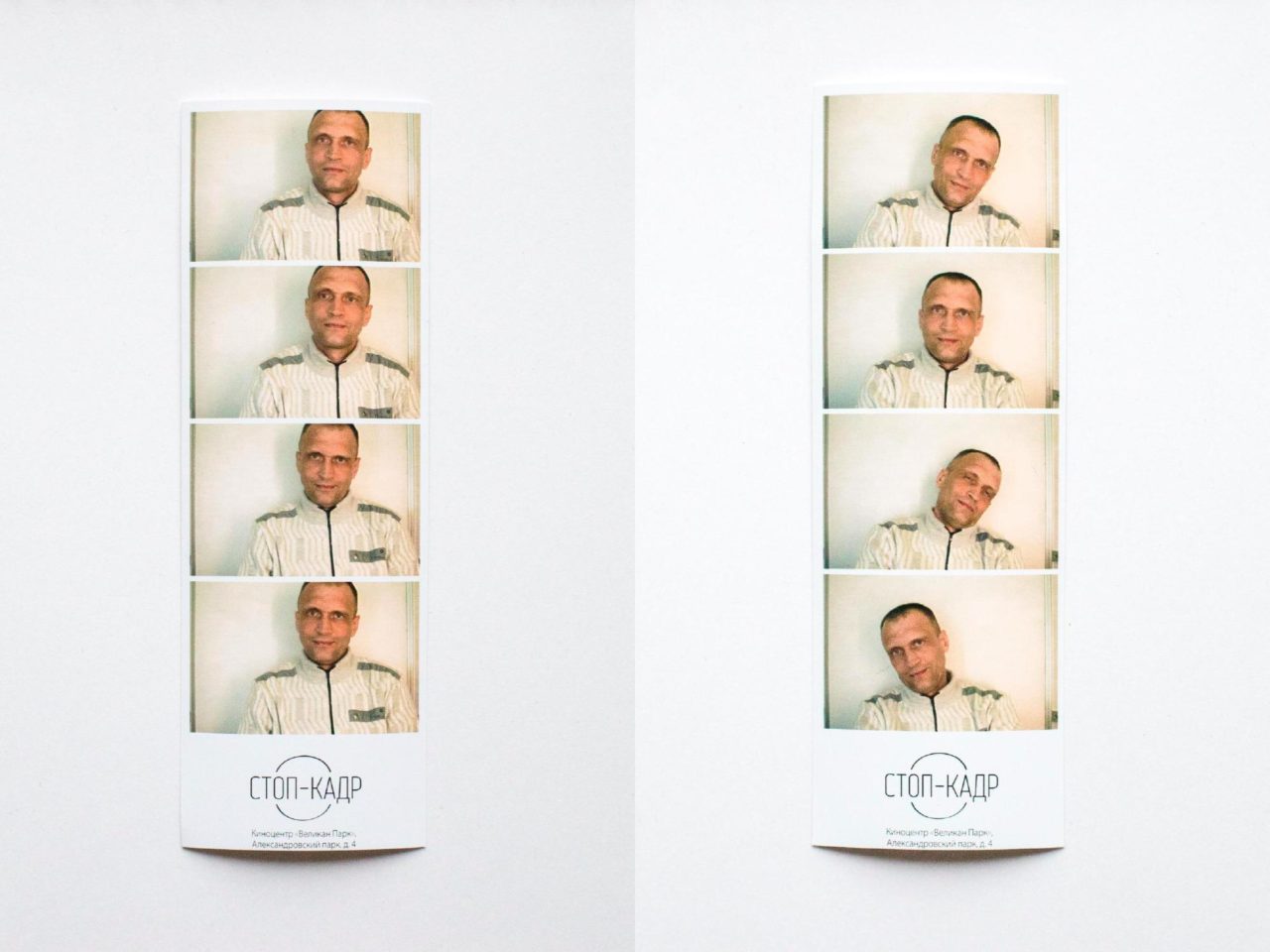 Waiting for the decision of the doctors of the Research Institute named after R. M. Gorbacheva, Vsevolod took a photo as a keepsake for his native photo: Ksenia Ivanova/Schschi for TD
“Doctors after the first transplantation said that it may not be the final stage,” he says. “I knew that one more might be required.” And so - until a complete cure. I had to change your lifestyle. I haven’t smoked before, but now I quit drinking, I began to play sports, two training a week - running and athletics. ”
Read also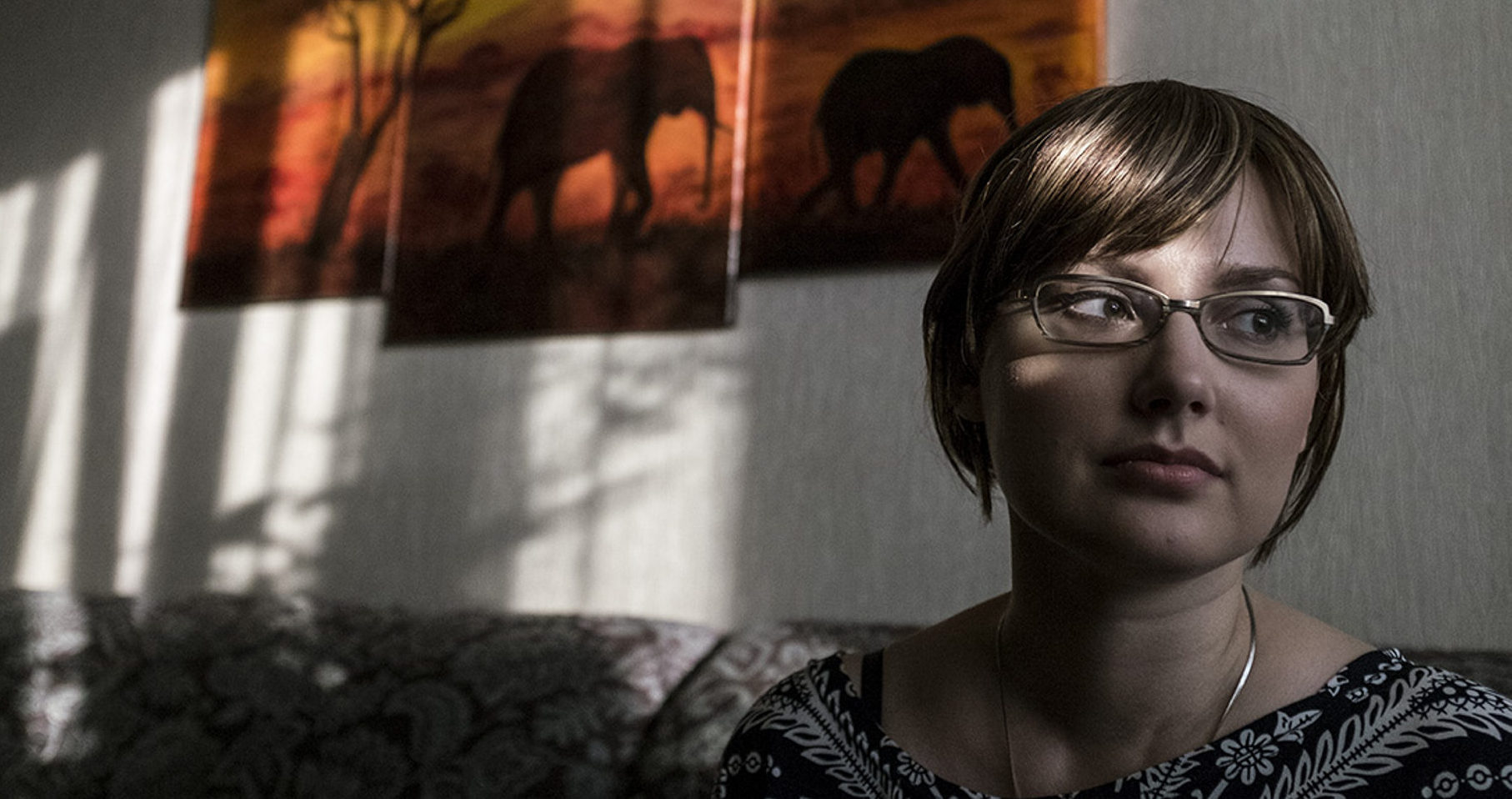 Baby disease Marina prescribed vitamins, recommended to do exercises, lead a healthy lifestyle, and then the noise in the ears and bouts of the fuss will disappear. It never occurred to no doctor that this was a malignant tumor, because this kind of such a species happens only in children
We finish the conversation. After a couple of days, Timur calls me back again. Adds after a small pause: “You asked how the relationship has changed? Our old grievances have gone. You know, the disease reconciled us. ”
Doctors say: becoming a bone marrow donor is like finding a brother in this universe. Maybe a brother lives in another hemisphere, or maybe on a neighboring street. The Help Foundation collects funds for the work of six laboratories of the Research Institute named after R.M. Gorbacheva in St. Petersburg is the only clinic in Russia where they make all types of bone marrow transplants for adults and children. For a year of work, six unique laboratories need 32 million rubles. The story of Vsevolod Lunkin and his family ended safely. If you sign on regular donations, you can give such a chance to others.