
Translated material
Contrary to
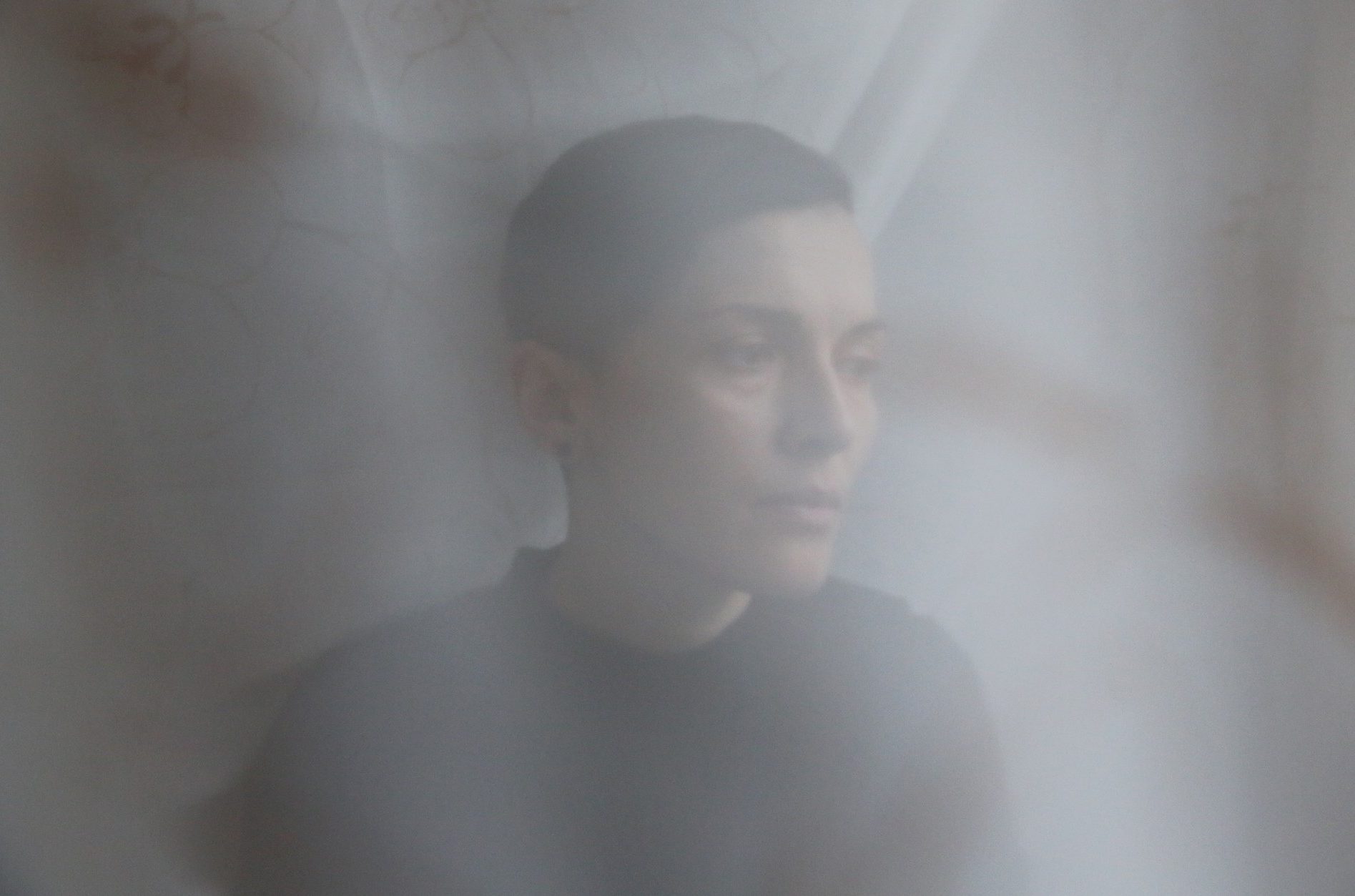
Nine women living with HIV infection decided to reveal their faces in order to at least contrast the stigmatization of “positive”
Despite the fact that in the yard 2016, there is a huge amount of information on the topic of HIV, in Russia there is a rigid stigmatization of HIV-positive people, which leads to AIDS-dissidentia, which denies the existence of the virus, as well as to the self-stimulation and self-isolation of the virus carriers. Society still believes that HIV is a disease of existing drug users, sex workers or homosexuals. Something has changed since the 90s, but the information did not reach everyone.
HIV-positive girls are afraid to reveal their status, afraid of social stigma. However, there are exceptions. “Such things” tell nine stories - nine brave women who dared to live with an open face. They tell their stories and say why they made this important decision.
Anna, 38 years old
In 2000, I went to the hospital with a heavy tonsillitis. There was a high temperature, could not do anything, neither eat nor drink. Naturally, I passed the tests, and they told me: "Girl, you have AIDS." I only knew about the disease that it was transmitted through the blood.
I immediately remembered how they made a tattoo at the party. I am sure that the virus picked up exactly then. I did not feel fear, because there was no information, and in order to be afraid, we must read the horror stories.
A few months later I was discharged from the hospital. I had HIV, with AIDS the nurse got excited. The doctor said that they live with this, do not infect home, but there is no medication in Russia. I thought the treatment is not on. She did not say to her parents, but once, when I was not at home, the epidemiologist called home, and the mother found out about the diagnosis.
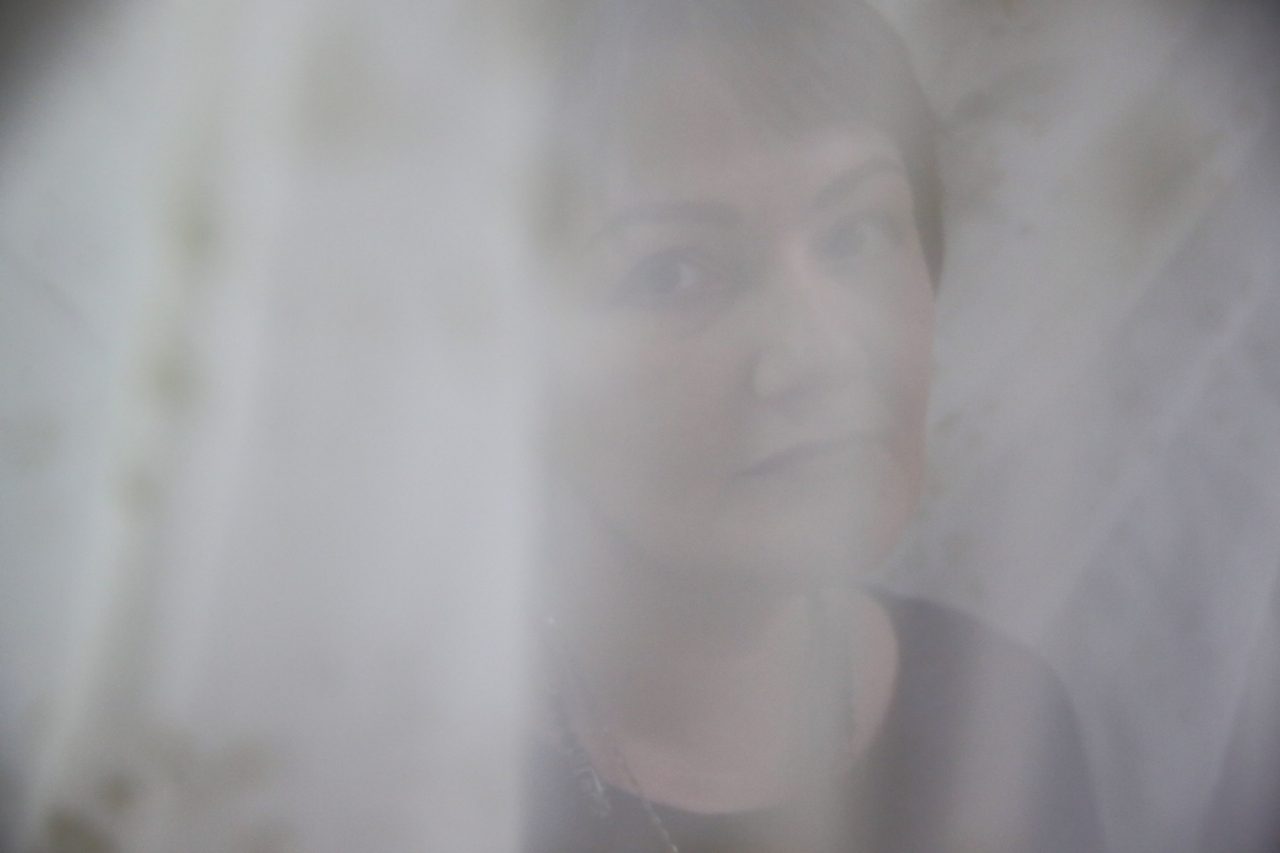 Anna, lives with HIV for more than 16 years photo: Sergey Strolev for TD
  The photo of Anna’s husband, who, having learned about the diagnosis of his future wife, did not turn away, but, on the contrary, made an offer. Ilya helped Anna start life from a clean sheet photo: Sergey Stroyelev for TD
It was a shock for both grandmother and mother. The civil husband was immediately sent to test, his test was negative. He did not feel horror, reacted calmly. Some acquaintances were very scared at first, but now our relationship has improved. Everyone asked how I was holding, it was terribly infuriated. I was not going to die and rude in response - I do not like self -pity. In general, I believe that HIV is Lakmus - real loved ones remain, and everyone else falls off.
In 2004, I met Ilya - my current husband. They collided by accident on the street and no longer parted. Before meeting with him, I did not see myself in the role of my wife, mother, Ilya wanted to plan something together. I decided to go to the AIDS center, as I was afraid for Ilya, they said that there were few cells in my body, but I felt normal. Six months later, we got married - I remember that his relatives terribly took this news, because they did not see me in a close circle. At that time, it was already very bad, and a month before the wedding, I slept all the time from weakness.
After the wedding, I immediately went back to the center, where only 70 CD4 cells were found from me (500 - the lower norm). They told me there - wait for medicines, if you wait, you will live. And then I realized that it was a abyss. I terribly worried about my mother and Ilya and said all the time: "I can’t die, my mother will scold me."
I lasted three months, then pills came. I felt that someone had given me a second chance. This situation has changed my worldview - I perceived health for granted, but here I realized that I was not eternal. I began a new life - went to study, volunteer. However, from the very beginning she made a serious mistake-she did not talk about her status to anyone, because of this there was discomfort, whether I was or not me, I am psychologically unloading someone, but no one.
As a result, after some time I decided to open my face, this was a revelation and a huge relief. Someone from the new circle of communication disappeared, and with someone the relationship became stronger. Remember Lakmus? Here he is.
I feel calm about this, but medical incompetence annoyed me very much. If I see that the doctor experiences discomfort with the word “HIV” - I do not need such a doctor, this is a non -professional. In no case should you talk with doctors, as if HIV-positive are to blame for something.
Now everything is in order with me. Mother is no longer shy when I say to the tooth that I have HIV, and earlier it blushed with shame. I believe that the more HIV-positive will open their face, the easier it will be to live. After all, there are many of us, and we live a normal life.
Ekaterina, 34 years old
I learned about the diagnosis 15 years ago. My past can easily be called stormy. From the age of 13 I used severe drugs, once my mother even drove me out of the house. The friend with whom we divided the syringe said that he had discovered syphilis, and advised him to check. The CVD did the tests, the syphilis was not revealed, but they mentioned that not everything is in order with the blood test, they gave the address where to go. I came, I saw the AIDS-Center sign and I immediately understood everything. I did not know anything about the disease. I heard the HIV name in my party and, in principle, was ready for everything because of the way of life, but there was still a shock.
She left the center and decided not to waste time for nothing, so I still live. I abandoned drugs. I am very grateful to parents who took the diagnosis normally, did not share the dishes, although I felt that my mother was scared for me.
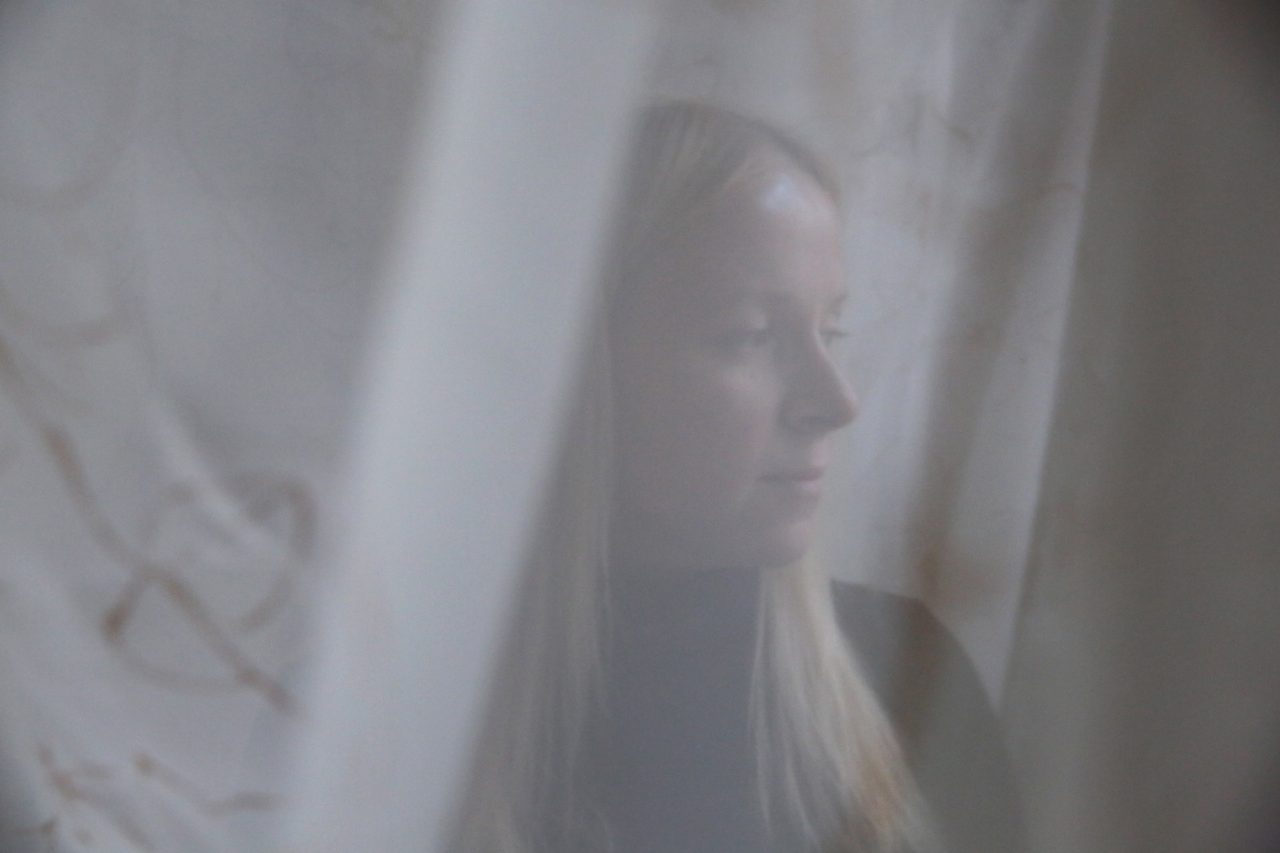 Catherine, lives with HIV for more than 15 years photo: Sergey Strolev for TD
 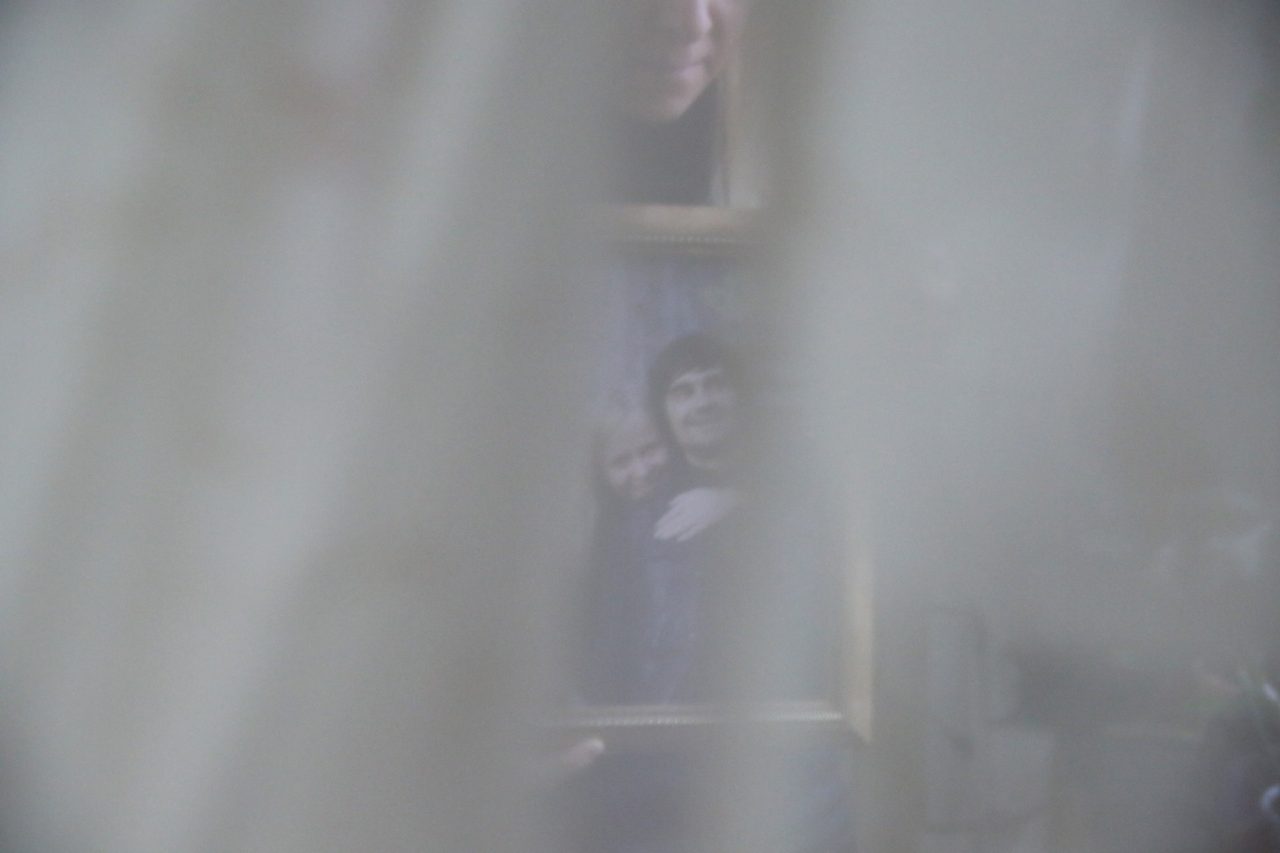 Catherine holds a photograph of her civil husband Alexei in her hands. Catherine went out of Alexei when he was in the hospital, since then they have not parted. Lesha is also an HIV-positive photo: Sergey Stroyelev for TD
Soon I met my first husband. I had a life plan - to have time to get married and give birth - Sergey was fully consistent, it seemed to me that he could become a good husband and father. About HIV told him a few months later. He reacted calmly and refused to protect himself. Soon I became pregnant.
I was healed hard. I wanted to persist in the hospital, but the doctors refused hospitalization with the words: "You need to sterilize you, and you are still giving birth." Soon, we had a daughter Daria, they called it that - from the word a gift.
A few years later, relations began to fall apart with her husband, the parents died.
I decided to open my face, still married to Sergey. Then I completely changed the circle of communication. Sergei persuaded not to open, she was afraid that his parents would find out, but when Sergei's mother fell ill with cancer, I came to her hospital and said that I had HIV - I would not die, and you would not die - it became easier for her.
It is necessary to open a face; Until people see that HIV-positive is not marginal, nothing will change. In the head of the public there are three stereotypes about infection-gays, active drug addicts, sex workers.
Elena, 29 years old
I learned about the diagnosis in 2010, when I passed the test: friends reported that the former young man was found a virus. He used drugs intravenously.
I suspected that something was wrong, but still fell into a stupor, because there were stereotypes that semi-basal drug addicts would become infected with the virus. I learned that HIV and AIDS are not the same thing. Mother diagnosed immediately. Then I worked in the store and did not tell anyone, only close friends - “you can now not be friends with me,” but no one has disowned me.
Six months later, I met my husband glory - the father of my first child Dani. He was also positive. Honestly, it was psychologically difficult to start relations with HIV-negative man. We had a healthy boy. There were problems during pregnancy. When she came to register, the doctor looked at the certificate from the AIDS center and asked: “Why didn’t you immediately tell me that you have AIDS?” I cried and ran out of the office.
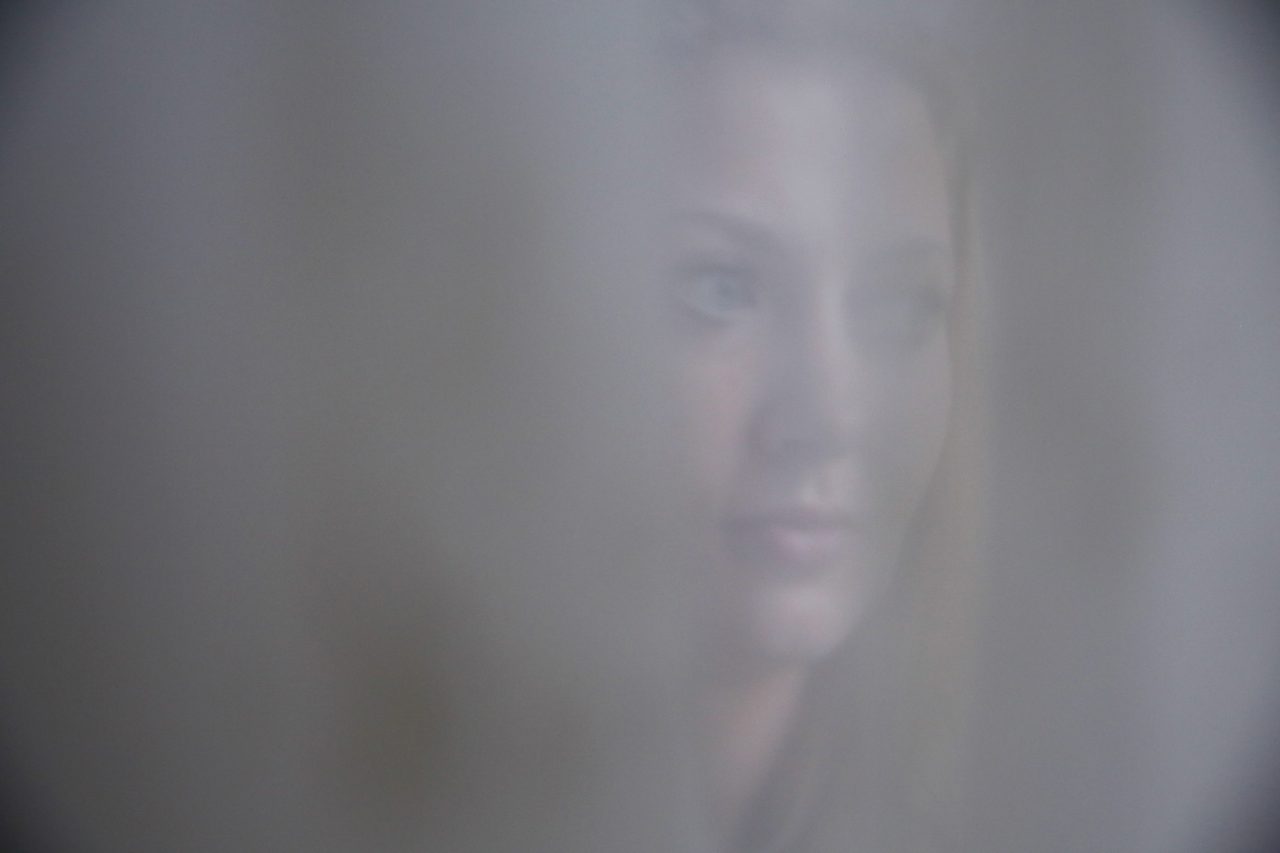 Elena, lives with HIV for more than six years photo: Sergey Stroyelev for TD
 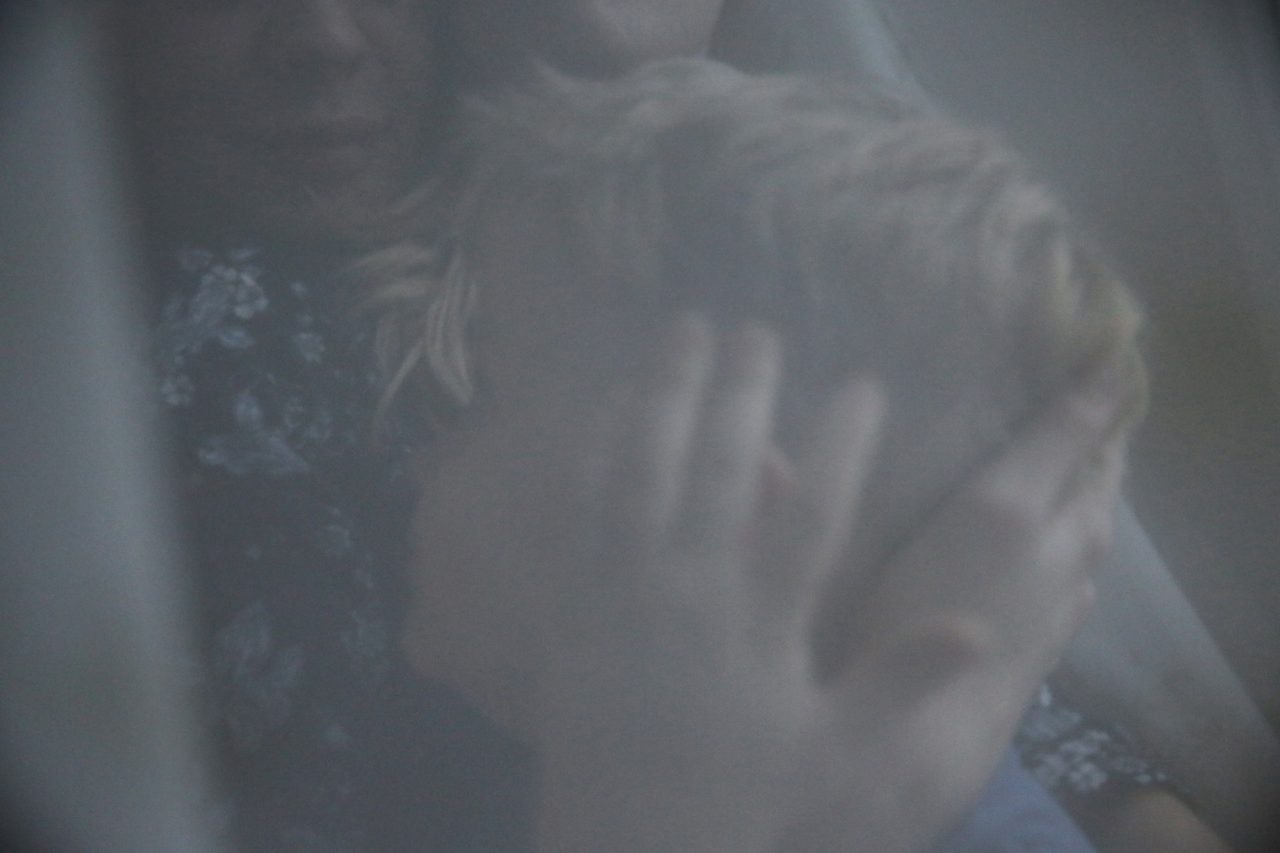 Elena with her husband and eldest son from her first marriage. Lena's husband has a negative status. Their pair is called discordant, in which one partner is positive, and the other negative photo: Sergey Stroyelev for TD
Unfortunately, the husband died as a result of an accident. After some time, I began to communicate with negative men. "Burn you, witch!" - I have not heard this, but some were still afraid and avoided further meetings.
In 2014, when immunity decreased, they wrote me pills, and I started therapy. In the same year, I met on social networks with the current husband. He reacted to my diagnosis normally. We had a boy Dima.
There were also problems with the second pregnancy.
I decided to live with open status, as I want to show that HIV-positive is not some kind of basement topic. Stygmatization, of course, is present today precisely because of this stereotype, however, the independence of patients also take place. The problem is not only in society, but also in the heads of the positive.
Natalia, 41 years old
In 1996, I went to a antenatal clinic because I knew that I was pregnant. According to the primary analysis, suspicions of HIV were revealed, asked to retake - it was confirmed. At that time, an unsettled pregnancy was an urgent problem. My man was 12 years older than me and wanted a family, I thought that I could make a housewife out of me, I was completely not ready for this.
I don’t know where and under what circumstances he became infected, I can only assume that he had connections on the side and met other girls on business trips. I thought about HIV that it was a disease of Africans, sex workers and drug addicts.
I did an abortion and we broke up during the year. The mother took the diagnosis steadily, but began to wash a bath with chlorine. Then there was a terrible time, there was no information, the doctors said that they were dying from the virus in five years, they rot and die. Through my friends, I found out that there is no medication in Russia.
It was scary to die and I was self -isolated when one of the friends completely excluded me from my circle of communication. Silently, just stopped dating. In the hospital, where I was brought on an ambulance with high temperature and sinusitis, I was placed in a separate box at night.
I decided that if I am dying, I will give the last years of my life to God. I decided to go to the monastery why I had to stay in society or start a family, with such a diagnosis, I did not see the point in continuing social life. The monastery allowed me to survive, it was there that I found the strength to take a diagnosis.
In the city, many finished with them when they learned about the diagnosis and lack of treatment. There I did not hide my status. Some of the brothers said: “We will not drink, the milk you have bold,” while others stood on my protection.
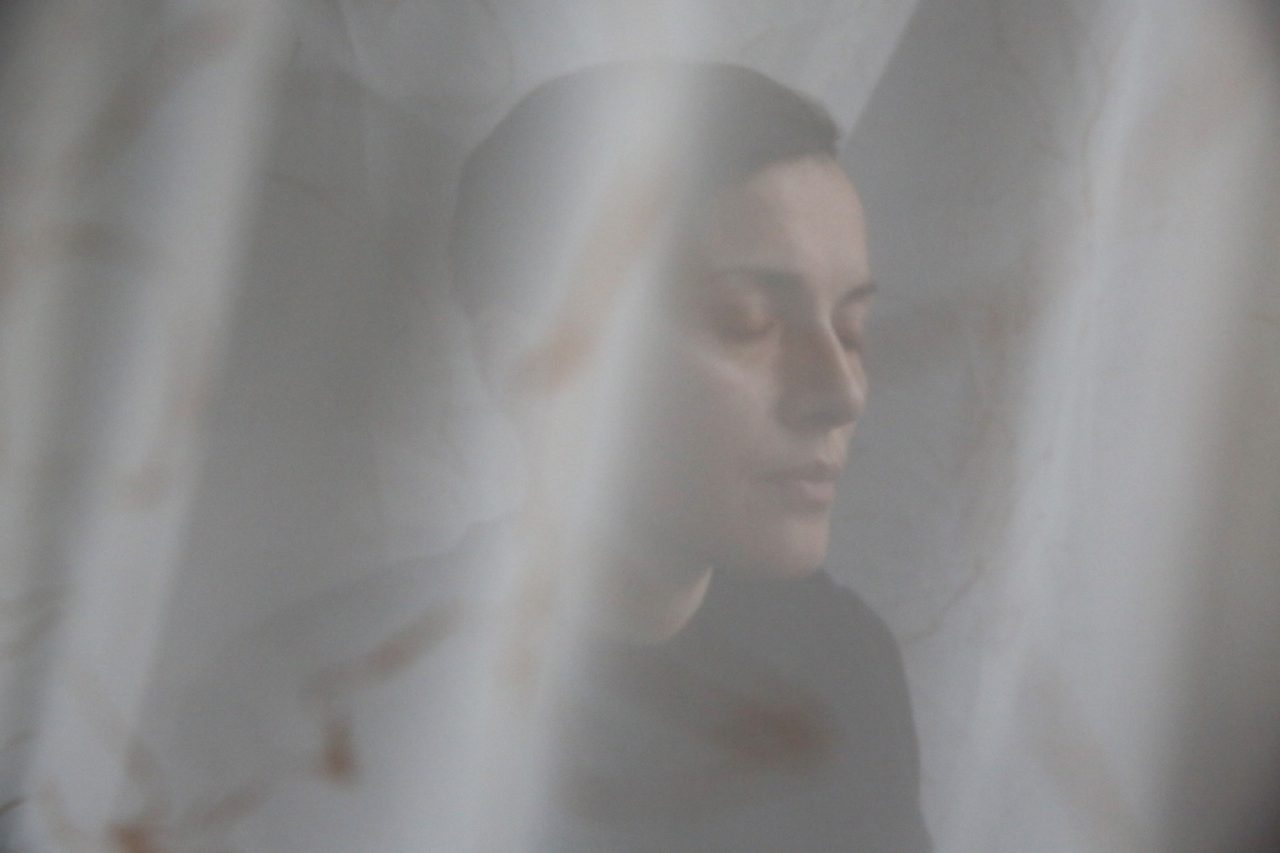 Natalia, lives with HIV for more than 20 years photo: Sergey Strolev for TD
 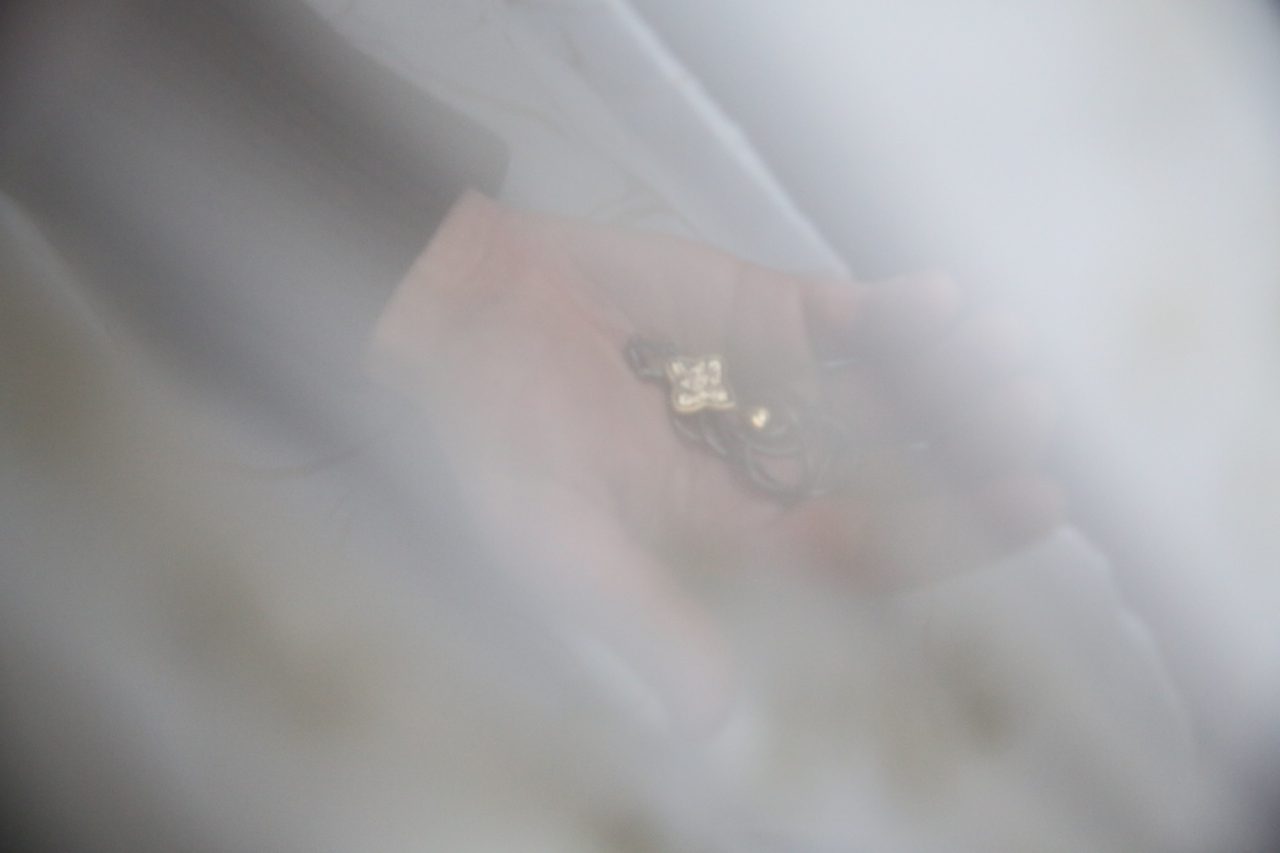 The cross in the hand of Natalia. Vera and six years in the monastery, according to her, helped Natasha better know herself and start treatment with a photo: Sergey Strolev for TD
In obedience, I lived for six years. Health began to deteriorate, after taking the diagnosis, I realized that I needed the help of qualified specialists, and returned to the city. Then I began to actively be treated, which took three years of life. I had co-infection-tuberculosis and hepatitis. It was believed that this is a ligament one -way. But I was lucky and I cured hepatitis C and was removed from the register from the tuberculosis dispensary.
I became a volunteer in the Candle charitable foundation, uniting people with HIV status and their families, I was engaged in equal advice of HIV-positive on the phone of confidence and went to courses at the Medical Institute for social workers working with HIV.
It was important - so I learned everything about HIV, it was important to exist and learn to defend my rights, to be among my own and speak on an equal footing. Rights are especially important, because so far in the medical sphere there is discrimination against HIV-positive ones-it is very convenient to manipulate some unscrupulous doctors. I lived with open status all the time. I think this is everyone’s business - to open or not.
Olga, 46 years old
I learned my diagnosis in October 2015. Prior to this, they lived with a common -law husband for about seven years.
The last year Oleg behaved very strange. He began to drink, and then disappeared, leaving notes and products from time to time under the door of my apartment.
Before the disappearance, he said that he had something with blood, seemed to mentioned cancer. I thought he said this to attract my attention so as not to part - the relationship was complicated.
Once his son called me, saying that her husband was hospitalized with a traumatic brain injury. He found an infection and transferred to Botkinskaya, where AIDS was diagnosed. The doctor said that he had to live about a week. A few days later he left.
There were no thoughts about the virus. There was an annoyance, and it was scary to lose a loved one. I remembered his thinness and alcohol, which, apparently aggravated his condition. The doctor said that they were not faded from AIDS so quickly, if not drinking.
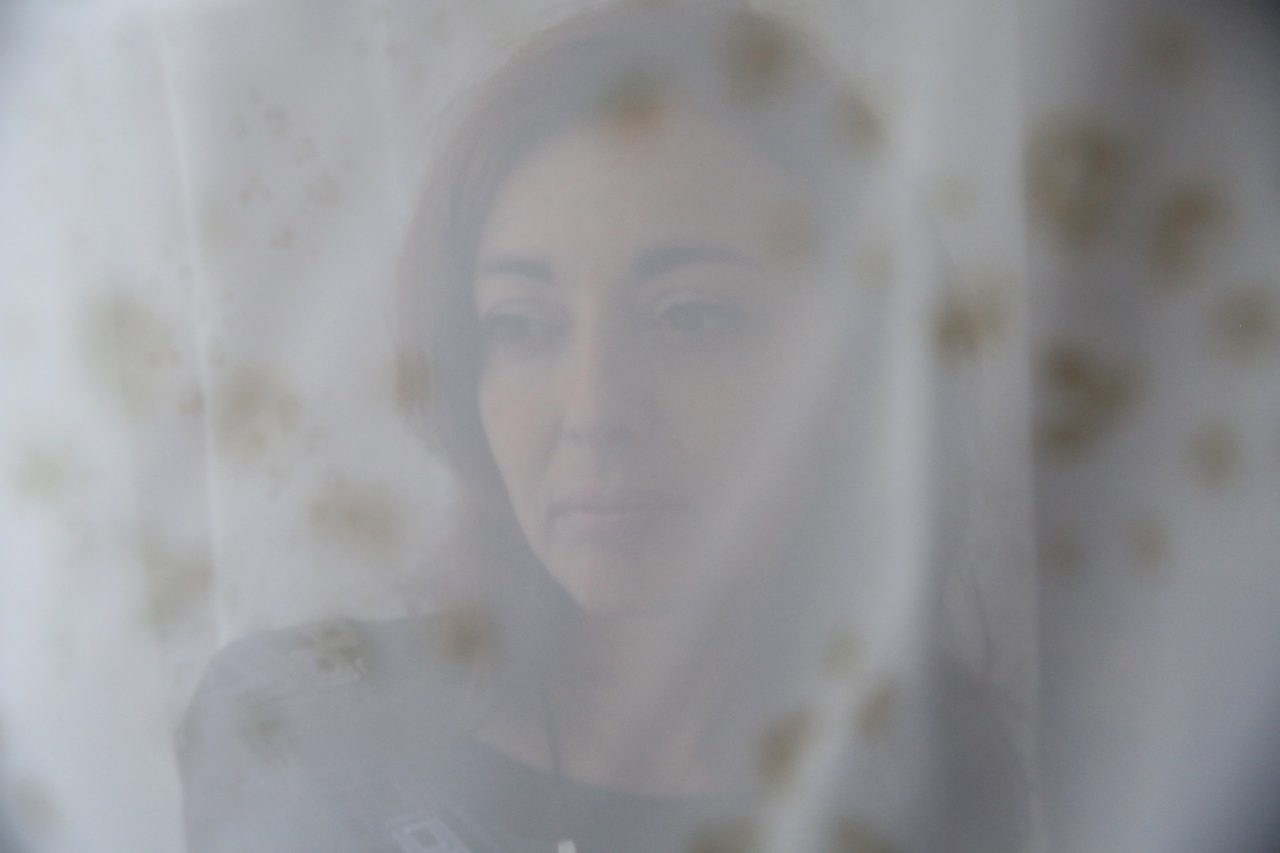 Olga, lives with HIV for more than six years photo: Sergey Strolev for TD
  Olya and her partner Pasha, also HIV-positive. The couple is just starting to build relationships photo: Sergey Strolev for TD
It was inconvenient for me to take the analysis, mentioning that my husband died of AIDS, but I had to. A few days later, the doctor called and asked to drive alarmed in a alarmed voice. I am very sensitive to such things and realized that something was wrong with the analysis. The consultation said that I have been HIV for about six years.
Hysteria, tears, all this was. After that, depression came, thought that she had to die, and counted the days how much I had left. I perfectly remembered the times of the 90s, when HIV was presented as a plague, besides, I did not know anything about the disease, and I had my own stereotypes.
The daughter helped to get out of a difficult state. She hugged me, kissed me, as if nothing was happening to me, but my mother, to whom I moved to live, pushed my brush to the side and divided the mugs in the buffet. Now she has already reconciled with a diagnosis.
The adoption of the diagnosis happened quite quickly when I realized that they live with HIV for a long time if a healthy lifestyle and therapy, no danger to others. In Russia now, everything is developing in the right direction, but still very far from ideal. Someone talks about forced analyzes for the population. I am categorically against. Imagine how many patients will be revealed? Do you think they are ready to hear a diagnosis, having only a set of stereotypes in the head? Who is stronger, he will cope, but there are people who close in themselves or even get scores with life.
And the attitude towards HIV-positive is very categorical, and not only among the inhabitants. Now I live with open status, and my question "For what?" Changed to "why?" I believe that we need to talk about HIV, that you can live with it.
Yaroslav, 39 years old
I used drugs from 13 to 34 years old - a huge period of my life. At 34, I decided to change my life. She lay down in the hospital, they took tests there, but did not say anything. HIV revealed when I decided to do disability. The doctor suggested contacting the AIDS center.
Despite the fact that I was ready for everything after drugs, learning about the diagnosis, cried a lot, called my mother, she supported me. The acceptance happened right away, but for some time she noticed that I was ashamed of something, as if on my forehead, a running line with the inscription "HIV". This is pure stigmatization that must be crushed in itself. Igor’s husband also took normally, saying that he loves me very much, and we will die in the same day.
I registered, I was informed that the viral load is minimal. Despite this, I worried about my husband, I did not want to infect him, although the risk was small. Beginning therapy.
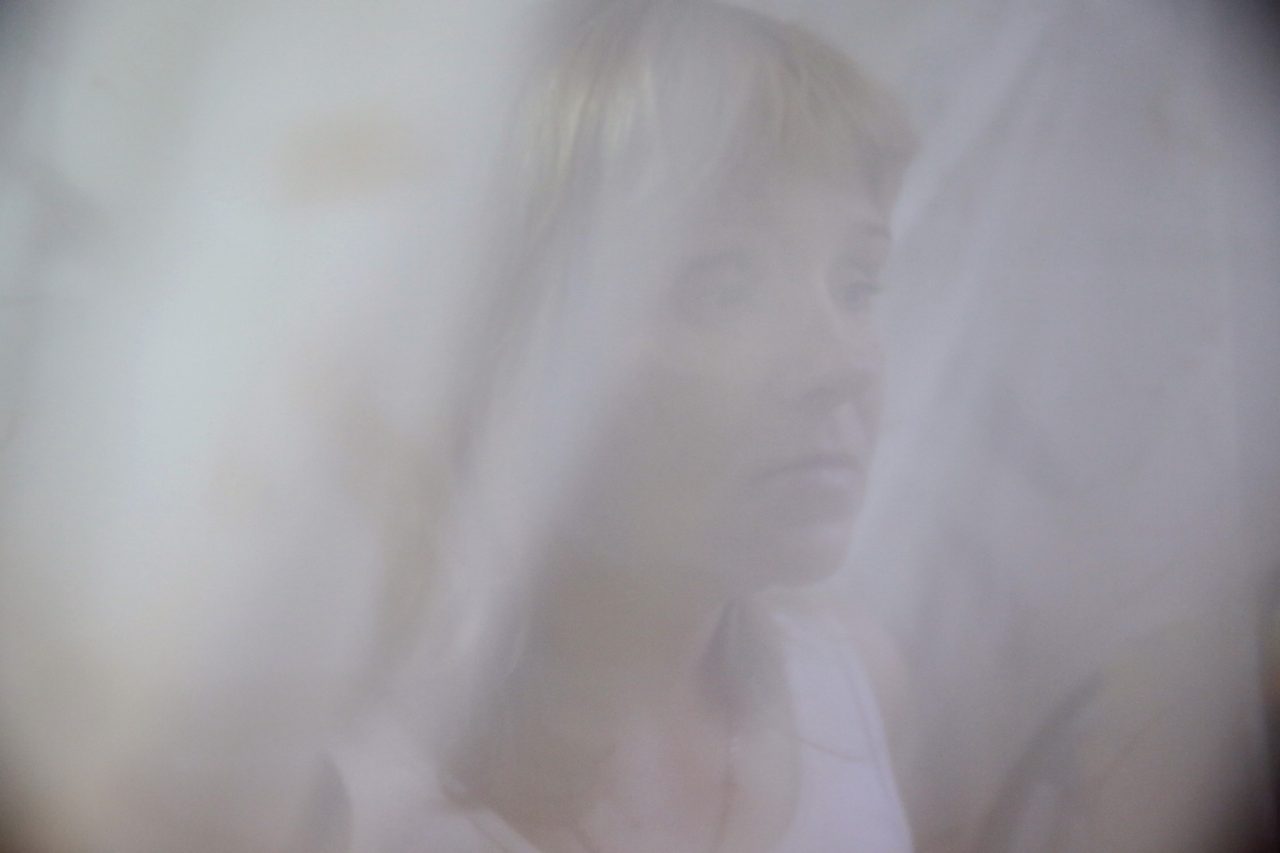 Yaroslav, lives with HIV for more than seven years photo: Sergey Stroyelev for TD
 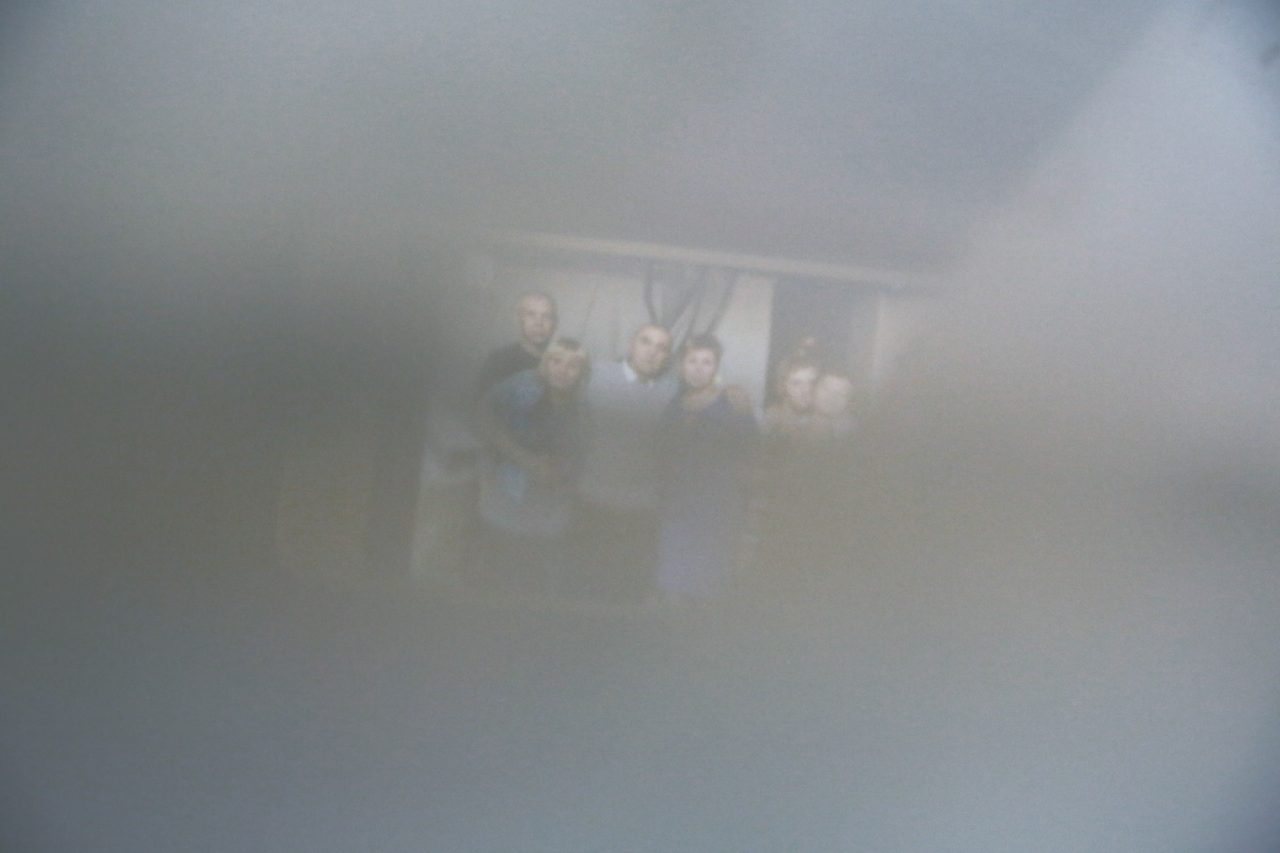 Yaroslav with her husband and parents, who supported her in a difficult period of life, thus facilitating the adoption of the diagnosis. Yaroslav can not have his children, however, the legislation of the Russian Federation does not allow HIV-positive people to adopt / adopt a child photo: Sergey Strolev for TD
Now I am a third -year student, I am running marathons. Start me into space. I had to come to everything myself. It is important to work with HIV-positive, it is important to have someone with whom you can talk on this topic, it is important not to close.
I have come across discrimination more than once. There are disgust in the hospitals, even if they do not talk directly about it, everything is written on the faces of the doctors. I try to talk to them, explain everything that is needed. Discrimination in Russia is also fixed at the legislative level, for example, I cannot have a child, but I have no right to adopt or adopt. HIV-positive is impossible.
I live with open status from the very beginning. I was lucky - there were always understanding people nearby. It is necessary to open a face, HIV-positive should live a full-fledged life, like other people. HIV is, of course, not a cold, but, in fact, at the moment, in the presence of therapy, this is an ordinary chronic disease.
Maria G., 33 years old
I found out about the diagnosis when I was 16 years old. I used drugs and lived in the Kirovsky district, which was considered focal. We were all over -examined children - parents worked at the factory, and we started all the hard. I risked as I could - I did not use condoms.
She knew about the disease, many friends were infected. A friend died with a diagnosis of AIDS, but not from the illness itself - he was offered help, but he continued to use, thereby achieving his immunity.
I infected, it seems, through sex, that boy infected several more girls, unfortunately, I was among them. Mom, hearing this, slowly began to slide down the wall. Брат сказал, что я дура, мы тогда жили вместе, но переезжать от меня он не стал. Нам посоветовали ехать в СПИД-центр, где мать успокоили и сказали, что я безопасна, при этом упомянув, что лекарств в стране нет, потом я узнала о хосписе, где люди умирали без лечения.
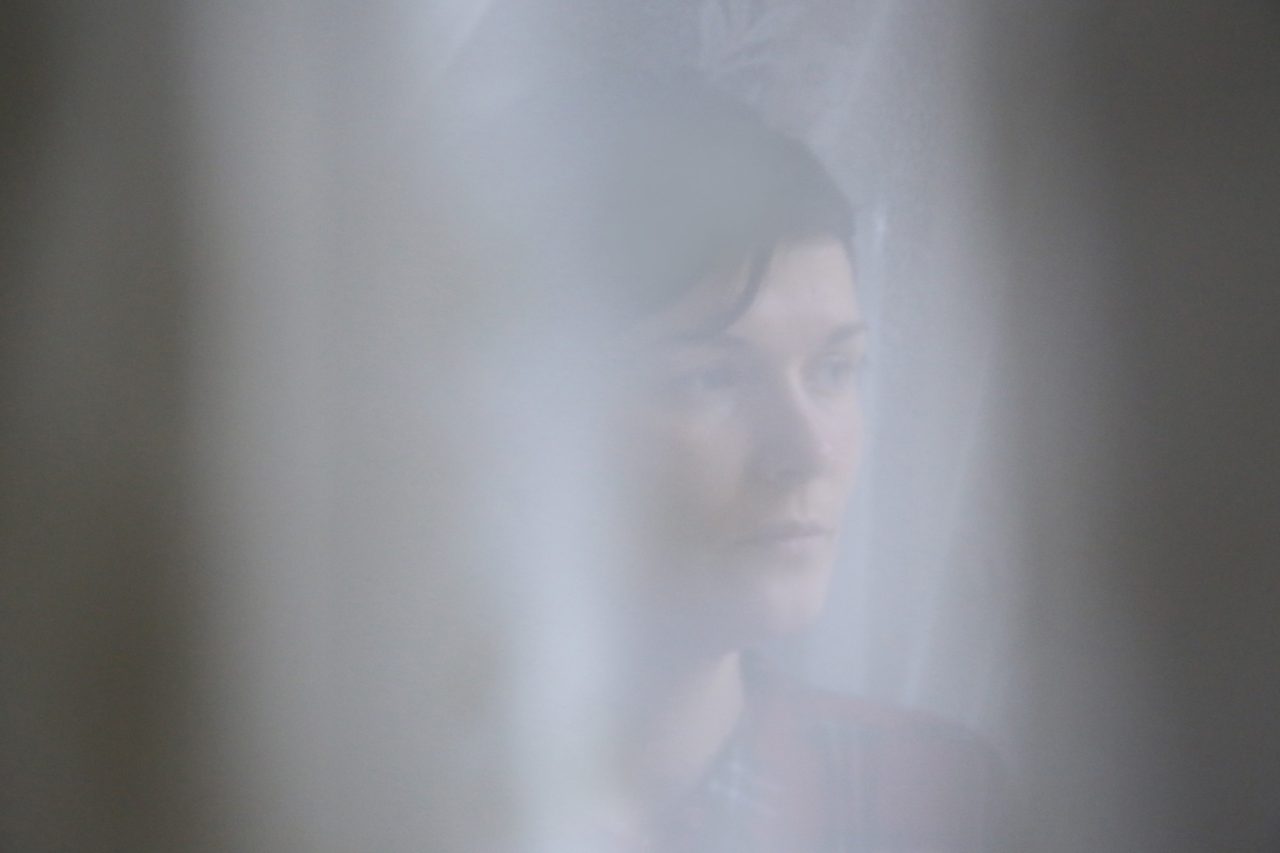 Мария Г., живет с ВИЧ более 17 лет Фото: Сергей Строителев для ТД
 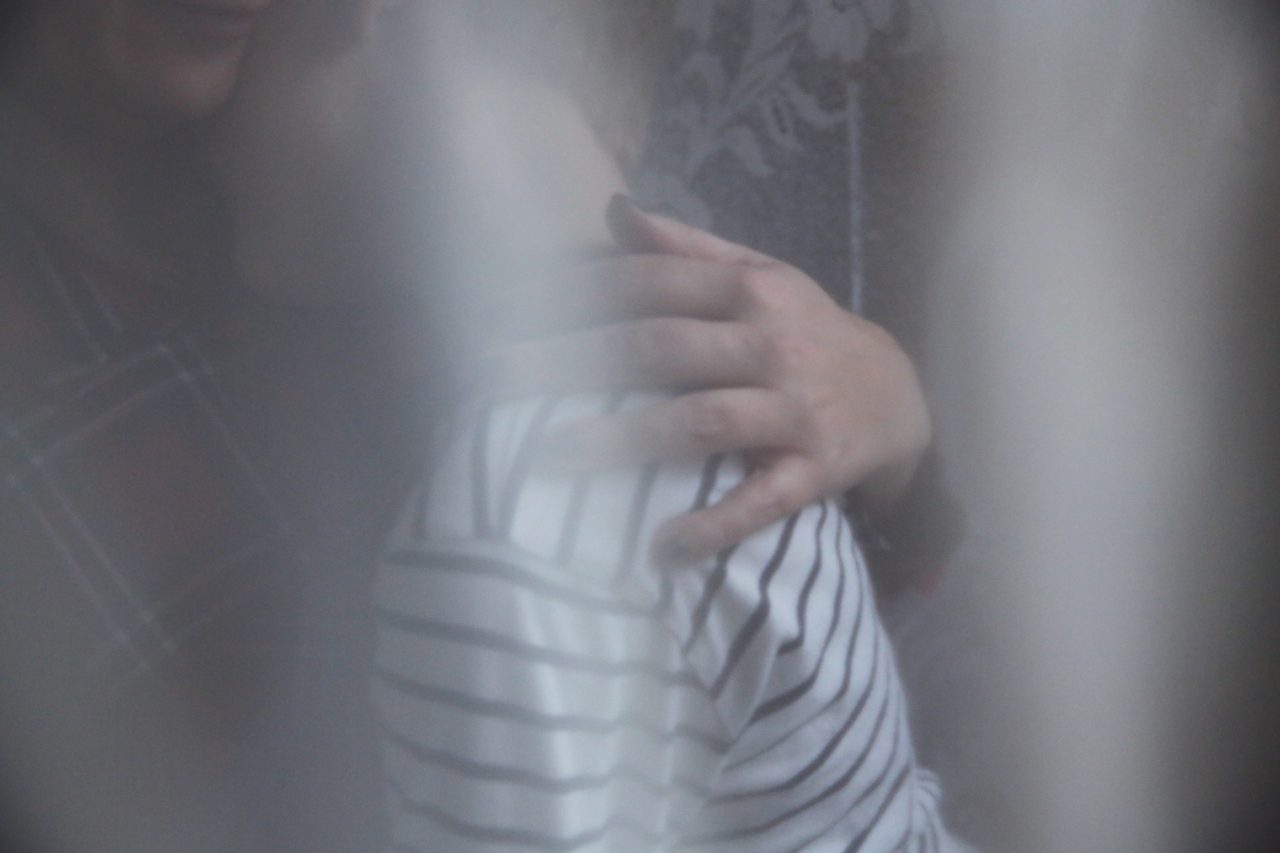 Мария с сыном Ратмиром, здоровым и задорным мальчиком, родившемся в браке с ВИЧ-отрицательным Денисом Фото: Сергей Строителев для ТД
Я тогда встречалась с молодым человеком Толиком, он как раз освободился из тюрьмы. Узнав о моем диагнозе, отнесся нормально. Мы быстро разбежались, так как он остался в криминале, а мне это не подходило.
Я узнала о диагнозе, и началась закупка лекарств. Побочки были, но слабые — Россия тогда закупала дешевые препараты.
Вскоре я познакомилась со своим мужем Денисом. Сказала про свой статус на этапе дружбы. Его реакция была: «Ну и что, а у меня рост 210». У меня была минимальная вирусная нагрузка, в результате у нас родился здоровый мальчик Ратмир.
Когда сдавала кровь, попросили дождаться конца очереди — это правило прописано в санитарных нормах, так как после приема ВИЧ-положительных необходимо обработать кабинет. Я этого не знала, и мне подумалось, может быть, я действительно достойна такого отношения.
Я живу с открытым статусом по очень простой причине — по той причине, по которой люди с язвой или высоким давлением живут и не скрывают своей проблемы. Только с открытыми лицами можно как-то избавиться от всякой дискриминации.
Svetlana, 33 years old
Узнала о диагнозе в 2005 году, до этого подозревала, что у меня ВИЧ, но не ходила сдавать анализы, раз все ранки заживают. Видимо, где-то на уровне подсознания убедила себя, что пронесло. В 2005 году резко начала худеть, радовалась — фигура позволяла носить модную одежду. Вскоре началась жуткая, непроходящая простуда, подскочила температура. Похудела на 35 килограммов до 49. Был сильный кашель и слабость, в итоге я перестала вставать с постели. Мать вызвала неотложку, и меня госпитализировали с подозрением на пневмонию.
В итоге выявили туберкулез. Одно легкое было полностью разрушено, второе было все в дырках. Начали лечить, направив в противотуберкулезный диспансер, где выявили ВИЧ. Я позвонила и сообщила о диагнозе матери и мужу, сказала, что умираю. Они поддерживали меня. Мой муж — замечательный человек, к сожалению, уже ушел, ушел ВИЧ-отрицательным, я не заразила его.
Начала проходить терапию в 2007 году. С этого же года вирус у меня не определяется, он спрятан где-то в лимфатической системе.
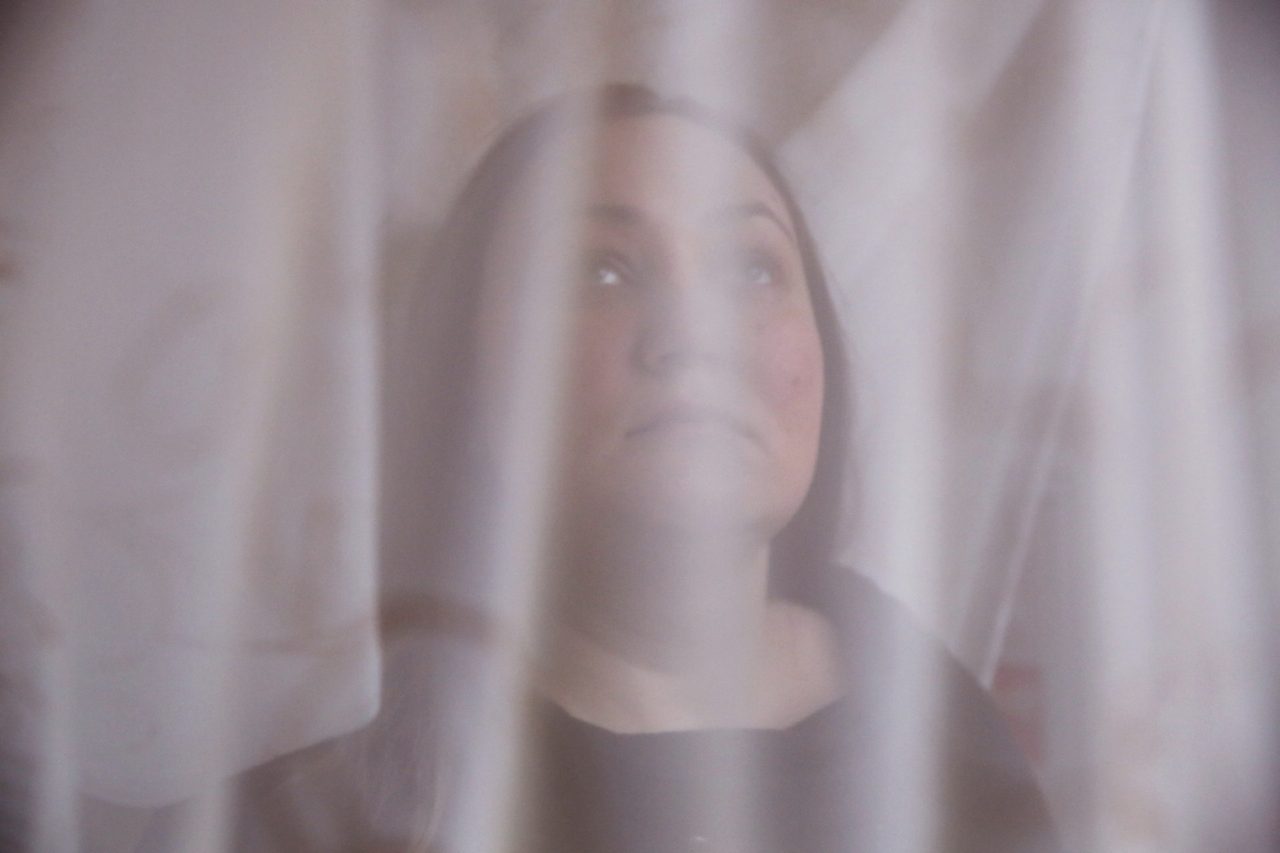 Светлана, живет с ВИЧ более 10 лет Фото: Сергей Строителев для ТД
 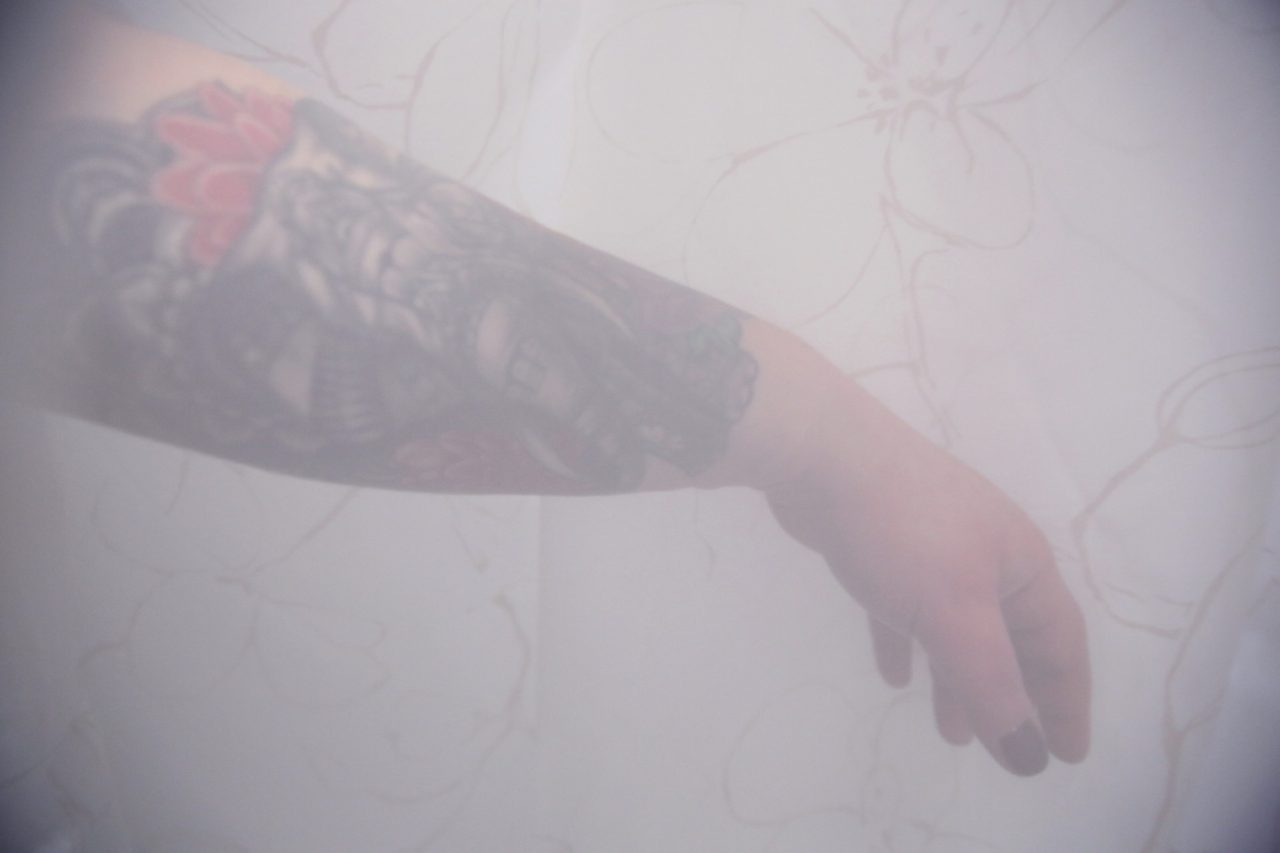 Татуировка на руке Светланы — изображение слона, который является ее любимым животным. Эта татуировка — знак новой жизни Фото: Сергей Строителев для ТД
С туберкулезом была при смерти, пришлось перенести операцию по удалению легкого. Врачи тогда назначили мне риск смертности 4 (по шестибалльной системе), то есть более 50%, но мне необходимо было пойти на этот риск.
Что касается стигмы, наверное, как и все положительные, я сталкивалась с ней. Однажды мне отказали в обслуживании в стоматологической клинике. Или мать, к примеру, говорила, что все в порядке, обнимала, делая вид, что не боится, но я видела, что боится. Дочка однажды снялась в социальном ролике, сказав, что у ее мамы ВИЧ. Я рада, что у нас с дочкой доверительные отношения. Я могу ей все рассказать о контрацепции, без всякого стеснения.
Сейчас я замужем второй раз, мой муж тоже ВИЧ-положительный, и он не видит смысла раскрывать свой статус, я же уверена в том, что это необходимо. Почему я должна прятаться? Почему диабетики не прячутся, к примеру?
Мария Я., 34 года
В 2001 году мне позвонил бывший молодой человек и сообщил, что его тест дал положительный результат. Мы вместе жили два года.
Я пошла сдавать анализы на ВИЧ и у меня обнаружили вирус. Это, конечно, была трагедия.
Я жутко переживала, что не будет детей и отношений. Социальная реклама в то время была запугивающая, говорили, что СПИД — это смерть, изгои вне общества. Был страх, что все меня теперь будут избегать. Мама и брат отреагировали нормально, мама сказала, что ничего страшного, но парадоксально выделила мне отдельную ложку с вилкой и полотенце. Я не обиделась, потому что сама себя боялась.
Через полгода после того как узнала о диагнозе, встретила своего уже бывшего мужа. Он не отвернулся от меня, а наооборот поддержал. Это был первый шаг к принятию себя как ВИЧ-положительной.
В том же году я забеременела, врачи сказали делать аборт. Терапии, которая помогает положительным родить здорового ребенка, на тот момент не было. Шанс родить здорового ребенка был всего 30%. Я не хотела так рисковать.
 Мария Я., живет с ВИЧ более 15 лет Фото: Сергей Строителев для ТД
  Мария играет с сыном Глебом. Отец Глеба, как и Мария, ВИЧ-положительный, однако благодаря терапии мальчик родился здоровым Фото: Сергей Строителев для ТД
Мне сказали, что жить осталось года полтора, но я жила без терапии до 2009-го. В этот период были суицидные настроения. Была уверена, что если начну умирать — наложу на себя руки, в голове был понятен конец. Все ждала, когда умру.
После очередных анализов сказали, что у меня очень мало клеток, почти стадия СПИДа.
Тогда у меня в голове что-то перевернулось. Все стало реальным. Произошло полное принятие. И началось действие: постоянные анализы, начало терапии, о существовании которой я не знала до 2010 года.
А потом встретила Мишу, с которым мы познакомились на группе ВИЧ+, я туда ходила за психологической разгрузкой и помощью, когда пришла пора проходить терапию, так как я очень боялась побочных эффектов. Миша тоже имел положительный статус. Благодаря терапии в 2013-м у нас родился здоровый мальчик Глеб. Миша умер, к сожалению, в результате несчастного случая.
Когда мой сын станет постарше, я обязательно ему все расскажу, ведь во времена моего взросления, не было принято говорить о презервативах.
Я живу с открытым статусом с 2001 года. Всегда всем говорила о своем статусе. I do not see a problem in this. А вообще могу сказать, что использую свой положительный статус в качестве лакмусовой бумажки — мои останутся со мной в любых обстоятельствах.