
Translated material
The thaw in Uzbek
The only favorite of the early elections of the President of Uzbekistan on December 4 was the acting head of the republic, Prime Minister Shavkat Mirziyoyev. But the point is not only in the administrative resource. Last autumn, lived without Islam Karimov, really became for Uzbeks sometimes hopes, sometimes even turning into euphoria
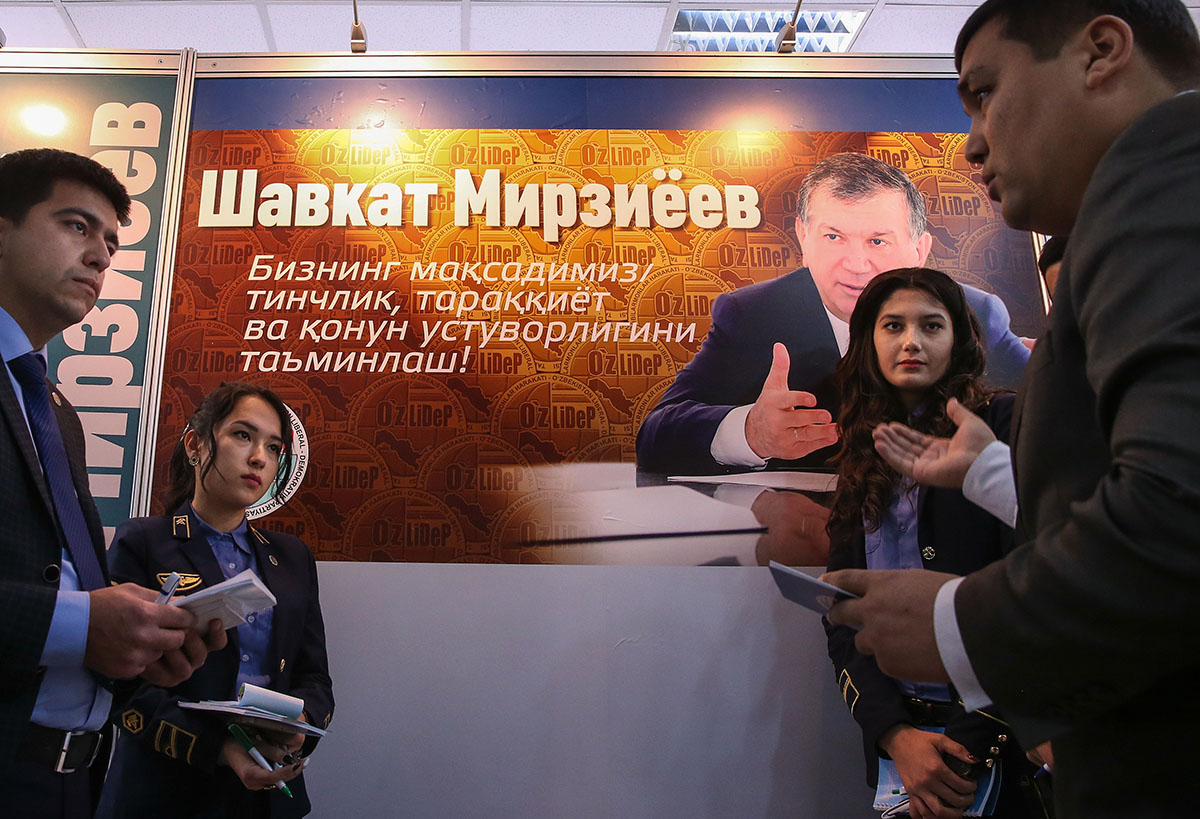
Until September 2, 2016, when Islam Karimov died of a stroke, the Uzbeks knew one Shavkat Mirziyoyev, the closest ally of the leader, a loyal, tough, demanding functionary, one of those who personified one of the most authoritarian regimes in the world. After this date, Mirziyoyev, bypassing the constitution, appointed acting president ( see NT No. 29 of September 12, 2016 ), became the main contender for the vacant chair. And then a statesman appeared to the people, already ready for changes, and, moreover, not verbal, cosmetic, but real, absolutely impossible under the previous regime. Three autumn months was enough for the 27-year-old era of Karimov, as many observers believe, she pulled a haze of history.
Games in democracy
On September 16, Shavkat Mirziyoyev was nominated by a candidate for the presidential post from the Liberal Democratic Party of Uzbekistan. In addition to him, three more candidates participated in the early elections: from the Democratic Party “Milli Tiklanish” (“National Renaissance”)-the vice-speaker of the Lower House of Oliy Majlis (parliament) Sarvar Otamurodov, two other candidates-the leader of the Social-Democratic Party “Adolat” (“Justice”) Narimon Umarov and the head of the People's Democratic Party Uzbekistan Khotamuzhon Ketmons.
There was no illusions about the outcome of the vote on December 4, even anyone, even idealists. Fighting for the presidential chair, Shavkat Mirziyoyev held the main trump card in the sleeve-the support of the powerful head of the National Security Service (SNB) of Uzbekistan, 72-year-old Rustam Inoyatov. The elderly and sick gray cardinal of Inoyatov, disposing of the powerful resource of special services, is able to present the reins of government to the right person without games in democracy. But candidate Mirziyoyev went in another, more cunning way.
Shavkat Mirziyoyev held the main trump card in his sleeve-the support of the powerful head of the National Security Service (SNB) of Uzbekistan, 72-year-old Rustam Inoyatov
On social networks, after the appointment of the dates of the election-December 4-fake accounts of presidential candidates appeared, which immediately became very popular among Internet users. With the approximation of the voting day, it seemed that some virtual applicants for the post of head of Uzbekistan are gaining more supporters than their real prototypes. In any case, this created the illusion of a real election struggle. True, there was a rumor immediately that the very idea to use social networks during the campaign was born in the bowels of the Mirziyoyev team, and the special services only accepted it to execution.
September theses
Only a week after Karimov’s death, when the whole country was still immersed in a deep mourning by the deceased leader, Mirziyoyev at the meeting Oliy Mazhlis outlined 6 priority tasks for himself. Among them, the obligations to “reliably defend” the interests of private entrepreneurship and small businesses, “create modern traffic and engineering infrastructure”, as well as “develop national information and communication systems”, looked unusual, in a new way.
However, the Uzbeks, as usual, did not attach much importance to “software installations” - they are already used to such speeches. But after this, innovations fell on their heads like from a cornucopia, which it was dangerous to even dream of Karimov.
On the GOV.UZ government portal, the Internet receiver was opened, where it became possible to complain about anything, and, moreover, without any negative consequences for yourself. Following this, almost all ministries and departments launched their “virtual receptionists”. Real decisions are made according to complaints - what citizens are informed about on the official page of Shavkat Mirziyoyev on Facebook. Uzbek newspapers, magazines and social networks in chorus indicate the miraculous performance by officials of the requirements, wishes or requests of the population. At the Ministry of Labor, he earned a “helpline”, according to which citizens were called to report the facts of using children's labor on cotton plantations and coercion to collect cotton. Uzbek farmers exporting fruit and vegetable and melting cultures to neighboring countries should now sell only a quarter to the state, and not half of the foreign exchange earnings, as before (farmers complained about the loss of a significant part of the profit due to the difference in exchange rate). Reform and liberalization in the currency sphere are made for public discussion. One of the important points is the permission to export currency equivalent to $ 10 thousand.
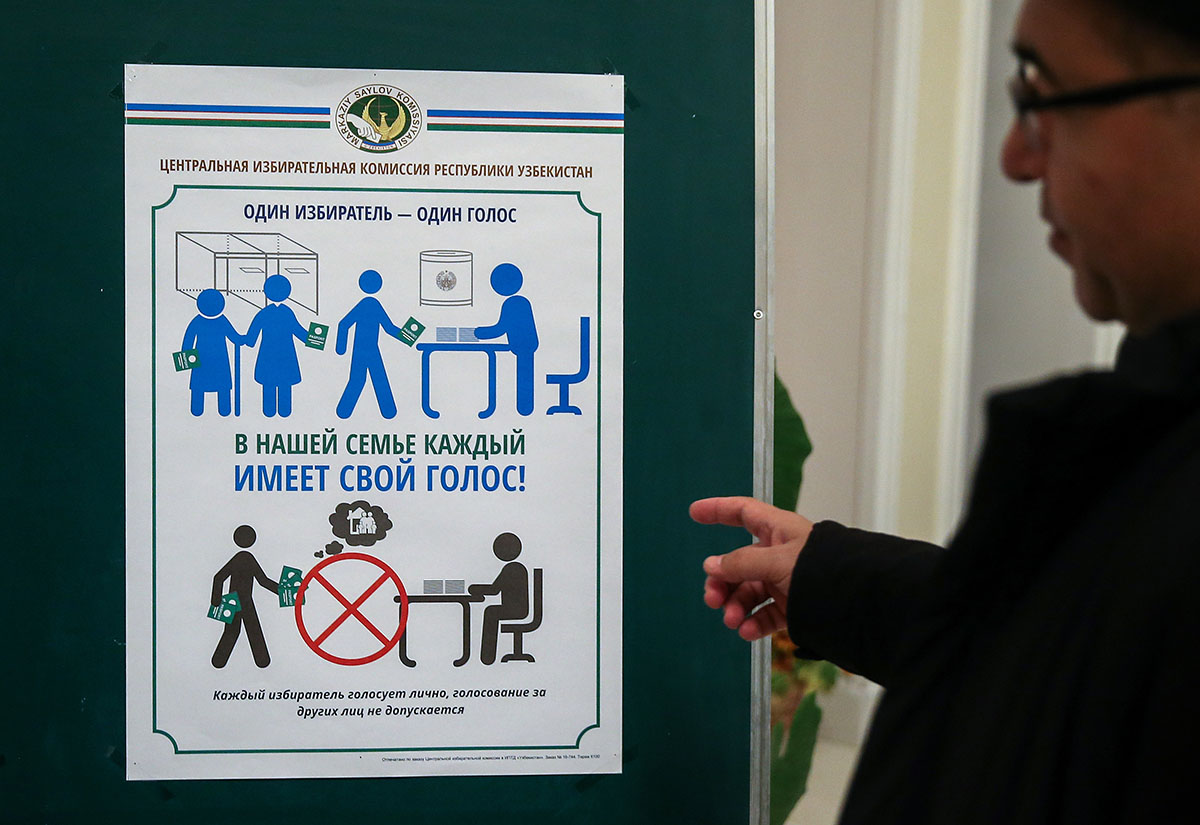
Thanks to the trips of Mirziyoyev along the provincial, densely populated, as well as the strategically important regions of Uzbekistan, they made a major overhaul of residential buildings, carried out water, gas and light in housing, laid asphalt, put things in order on the territory.
For the first time in the years of independent Uzbekistan, a special presidential highway in Tashkent was opened for the general automobile movement. Some political prisoners and public figures from the “Black List of Personal Enemies” of Islam Karimov, who were serving long -term terms for fabricated affairs, were released. Among them is the 72-year-old legendary deputy and businessman Samandar Kukanov, who spent 23 years and four months in prison. (However, in Uzbek prisons and colonies, numerous political workers and religious figures are still shaking the deadlines. It is not clear and the fate of Gulnara Karimova, the eldest daughter of the late president, who was either poisoned or kept under house arrest in Tashkent). Karimov Opala ended for a number of officials and authoritative people in society (including the criminal figure Gafur Rakhimov), some even returned to leading positions. By decree of the acting of the President, disgraced artists and cultural figures returned to the public space and a large scene: Sherali Juraev, Yulduz Usmanov, the insults of Asomov and others. Under Karimov, an unspoken ban was in effect on their concert and creative activities on radio and television.
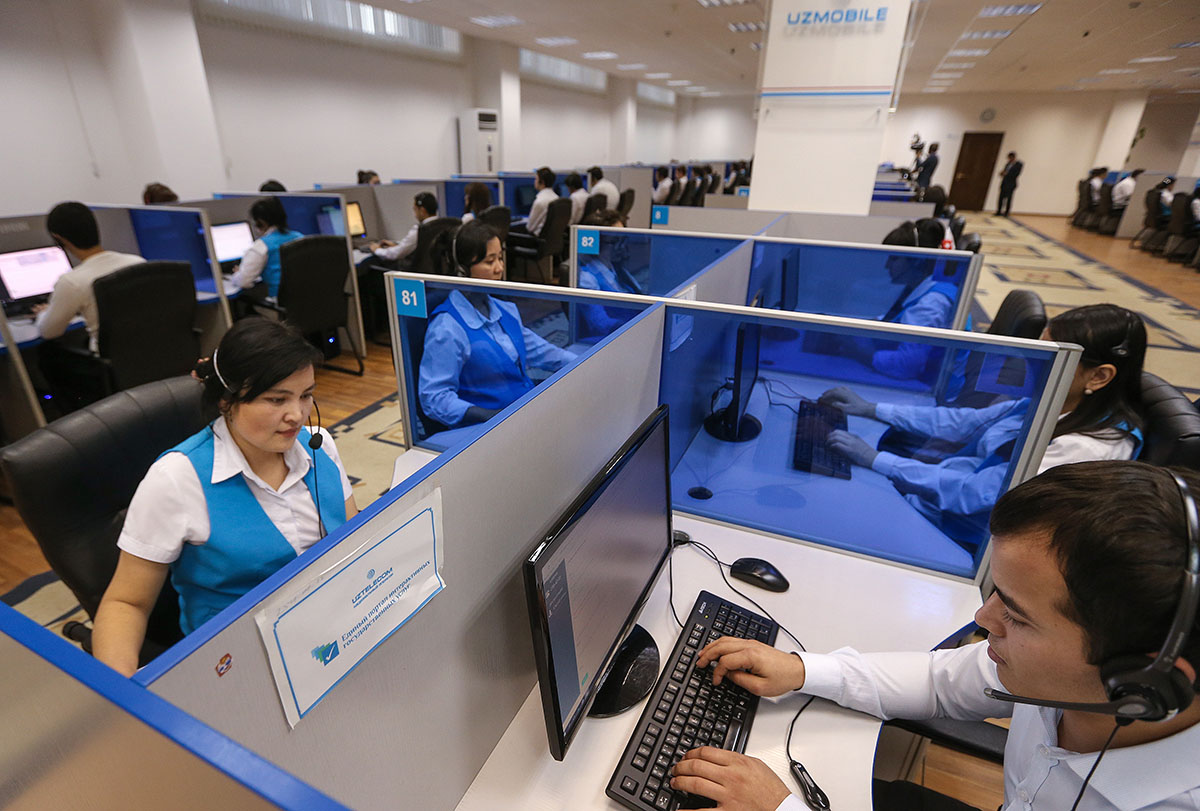
In addition, Shavkat Mirziyoyev signed an amendment to the Law “On Citizenship of the Republic of Uzbekistan”, according to which the receipt of foreign citizenship may lead to the loss of Uzbek. The significance of the amendment is noticeable if we remember that it was almost impossible to refuse citizenship before: a personal signature of Islam Karimov was required.
And one more innovation: foreign citizens and stateless persons got the opportunity for permanent registration in the capital of the country.
External front
Even during the September performance in parliament, Mirziyoyev made it clear that his office would continue the foreign policy pursued by Islam Karimov: “The firm position of our country, as before, is the non-compliance with any military-political blocs, preventing the departure of military bases and objects of other states in Uzbekistan, as well as the stay of our military outside the country.” But the adjustment of foreign policy still happened.
Tashkent, without putting off in a long box, began to establish relations with neighboring Tajikistan and Kyrgyzstan. Over the years of the reign of Islam Karimov, these relations were spoiled due to disagreements on water and border-territorial issues. Now the air and railway communication between Dushanbe and Tashkent opened, there are stubborn rumors about the abolition of visas. Well, after the November visit to the Uzbekistan of Turkish President Recep Erdogan in the country, they talked about warming relations with Ankara.
Finally, for the first time, a large -scale mission of OSCE observers - 35 long -term and 250 short -term experts was aimed at the presidential elections to Uzbekistan.
Islam Karimov also developed approximately the same boiling activity in the reform spirit in the first years of his reign
The irony is that the innovations have not yet affected relations with Moscow, which in recent years of Karimov’s reign have been more than cool. Outwardly, the rhetoric of Mirziyoyev is quite friendly. However, he, however, clearly spoke out that Uzbekistan did not intend to enter the EURSEC Economic Association controlled by Moscow, or return to the CSTO block, from where the late Karimov brought his country at the end of 2012.
Deja vu for idealists
These and other, less significant changes that have occurred in Uzbekistan over the past three months contributed to a sharp rise in the rating of Shavkat Mirziyoyev. He began to devote poetry, songs and even victories in the ring. For the first time in many years, people openly speak on the topics forbidden, criticize officials. Millions of Uzbek labor migrants working in border countries have high hopes for the reforms of Shavkat Mirziyoyev. With undisguised curiosity at Uzbekistan, residents of neighboring states, including ethnic Uzbeks of Kyrgyzstan, Tajikistan, Kazakhstan, Turkmenistan and Afghanistan, look at the changes in Uzbekistan.
The Uzbek opposition also experiences a certain optimism. The biggest surprise for observers was the support of the steps of Shavkat Mirziyoyev from some opposition figures, dissidents and journalists. For example, one of the creators of the Ozod Dehkkonar party (“Free landowners”), the coordinator of the opposition “Solar Coalition” Nadir Hidoyatov, called on vote for him the other day.
However, the residents of Uzbekistan, wise by experience, remember: about the same boiling activity in the reformist spirit in the early years of his reign (in the early 1990s), Islam Karimov also developed as the president of the sovereign Uzbekistan. And this also instilled hopes in the Uzbek inhabitants. Alas, these hopes were not destined to come true - they turned out to be the hopeless cult of Yurtbashi, as Karimov was called. What seedlings will grow after the current Uzbek thaw, the Uzbeks will soon recognize.
Dossier
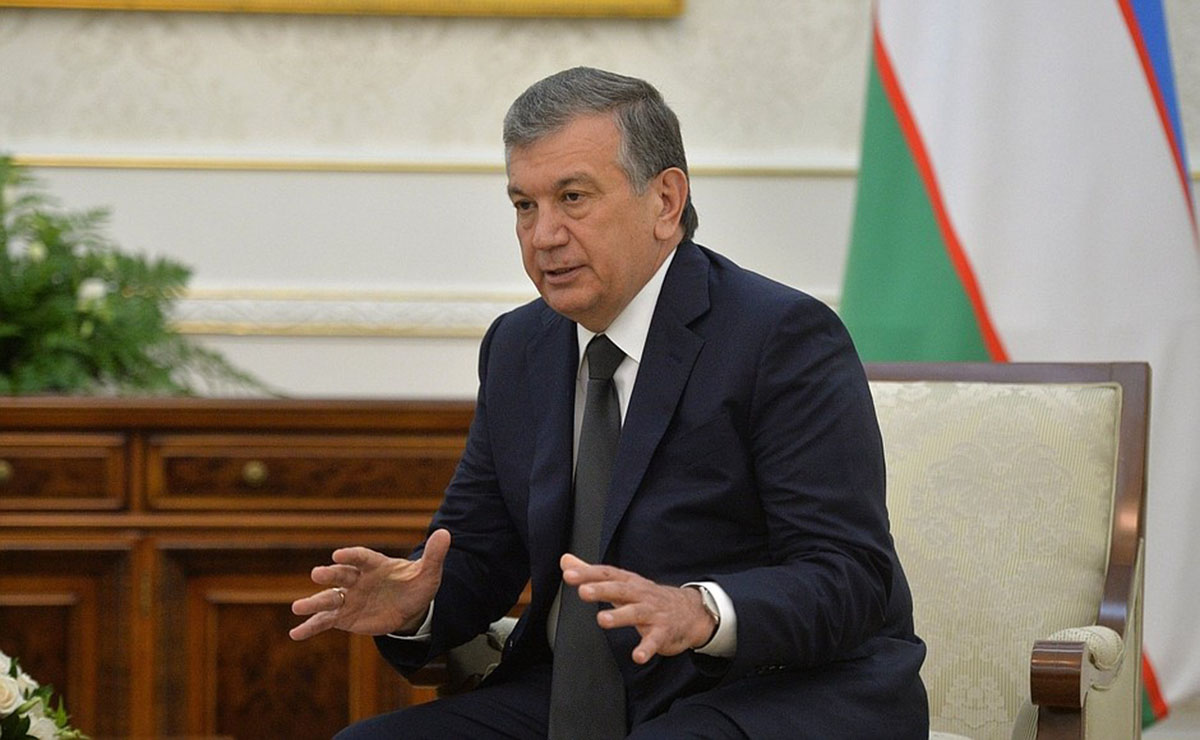
Shavkat Mirziyoyev, 59 years old, Prime Minister of the Republic of Uzbekistan, from September 8, 2016-temporarily acts as the president of the country. According to some sources, he was born in Uzbekistan, according to others - in Tajikistan. In politics - since 1990. In 1992, he was appointed Hokim (head of the administration) of the Mirzo-Ulugbek district of Tashkent, in 1996-Hokim of the Dzhazak region, in 2001-the Samarkand region. In December 2003, he became the Prime Minister of Uzbekistan. Since 2005, he oversaw the country's agro-industrial complex: he monitored the implementation of plans for the production of grain and cotton, which were bought up by farmers at a price fixed by the state. According to independent media, the numerous relatives of Mirziyoyev participate in the most profitable businesses - in foreign trade operations, banking transfers, the production of textiles, the oil and gas sphere, etc. The son of Davron controls the energy, in particular the Tashkent and Talimardzhan TPP. Shavkat Mirziyoyev himself, according to some information, is one of the richest people in Uzbekistan. He is married, has a son and two daughters.