
Translated material
“Renzi lost. Won ... Putin "
Italian eurosceptics and supporters of the external course of the Kremlin won a referendum in Italy
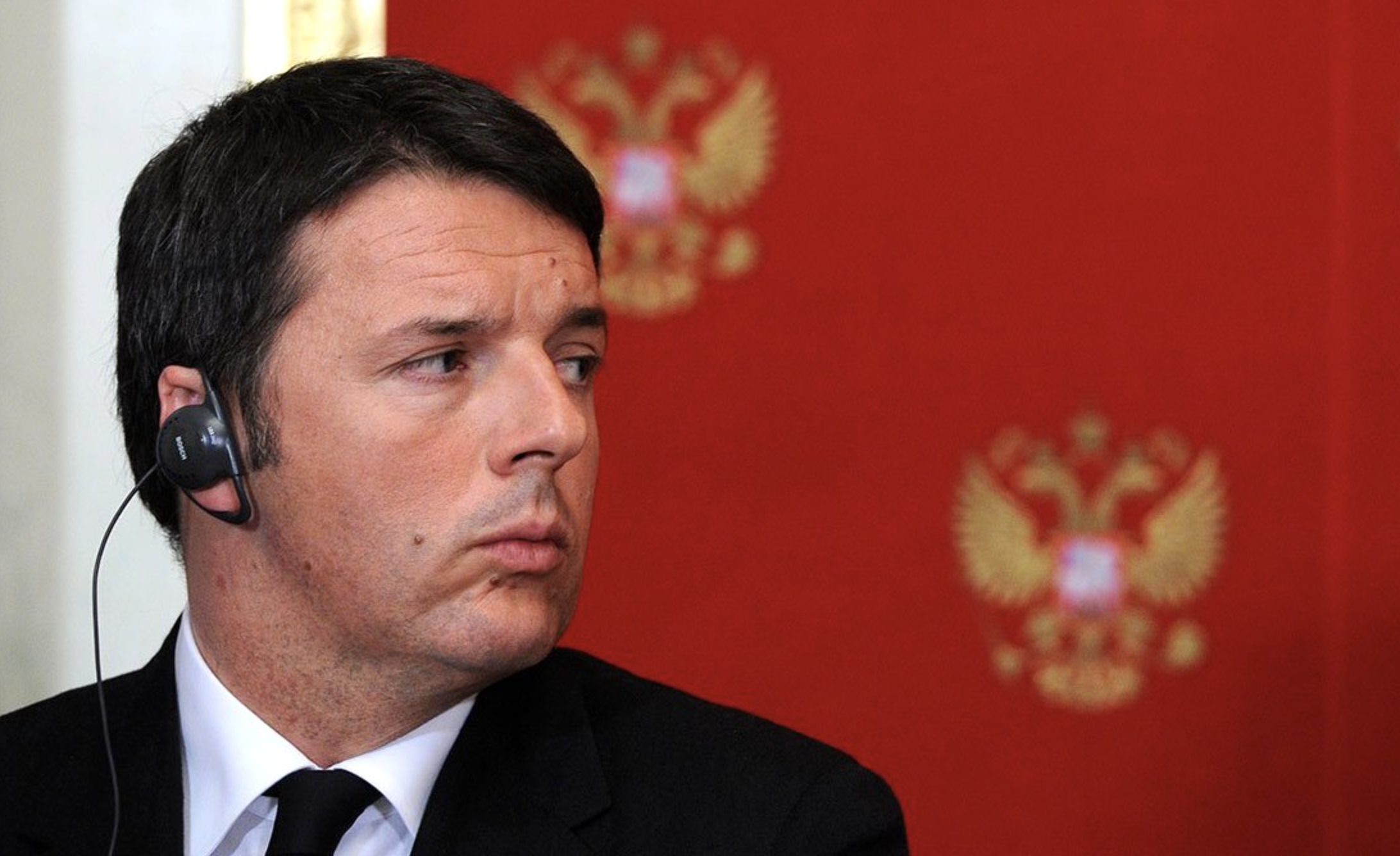
A referendum on constitutional reform in Italy, for which Prime Minister Matteo Renzi advocated, as predicted by The New Times ( cm. The New Times No. 38 dated 11/21/2016 ) ended with his defeat: almost 60% of Italians voted against changes in the basic law, which provided the head of the cabinet with great powers. The 41-year-old Renzi, as promised in the event of a loss, wrote a resignation statement. “Putin won at a referendum in Italy” - such grades can be found in local newspapers now: the opposition parties of the “League of the North” and “The Movement of the Five Two” were a hint that among the most consistent opponents of the constitutional reform, we sympathize with the Kremlin’s external course.
The key to the future euro
17 out of 20 Italian regions spoke out against Renzi's reforms. Moreover, the appearance in the referendum was quite high - 66%. In Brussels, they look at Rome in the hope of understanding what is now waiting for Italy, which has been the rules of technocrats actually appointed by parliament since 2011. The EU watched his activities rather favorably and led Renci with the idea of a referendum. It is curious, however, for his last performances on television, Renzi himself left as the background the Italian flag, while earlier the EU flag was also next to the national.
“No ( in a referendum. - NT) - this is stagnation, yes - these are changes,” - every day, the Italians tried to convince state television, not explaining, however, what would change if people say yes. Meanwhile, despite the large number of amendments to the Constitution that Renzi proposed - up to the partial abolition of the Italian Senate - most observers believe that the Italians said “no” not so much to strengthen the powers of the Renzi, as Brussels, United Europe, the Eurozone, and finally. The leading European publications conduct the same thought. “Italy was in the hands of the future euro,” wrote The Financial Times, bearing in mind that “no” at the referendum united all the Italian EuroSrotics around her, including the far -right and part of the left -wing parties. On the extremely right flank of the League of the North and Five Star party, Italy was already offered to leave the euro zone. That is why the results of the referendum are interpreted as the victory of not only Italian ultra -right, but also their allies outside the country. One of the key allies, the Italian press calls Russia. And draws attention to the fact that shortly before the referendum, the leaders of the ultra -right visited Moscow.
“Russia is now experiencing a special period of its history,” said Manlio Di Di Stefano, deputy of the Italian parliament from the “Movement of five Stars”, during a visit to Moscow, at the invitation of the Russian State Agency. - Putin spread throughout the country the idea that Russia can again become great, and the foreign policy of the state is really gaining momentum, especially after Trump ... We came to Russia for a specific purpose - to contribute to the curtailing of sanctions that contradict Italian interests and unite with Russia in the struggle against terrorism. This is what Europe is now necessary. ”
Shadow of Berlusconi
But Manlio and his colleagues are not the only power that is depressed in Moscow. There are also people from an old, proven clip. It is no accident that the Russian capital was also visited by Valentino Valentini, a man from the inner circle of the ex-Prime Minister Silvio Berlusconi. How was this visit caused? The answer may be this: after the victory, “no” at the referendum in Italy, the Kremlin, most likely, will not refuse Berlusconi to help them return the image of the ex-Prime Minister, the sparkle faded after the series of scandals. On the other hand, the new allies of Moscow - and above all, the “movement of five stars” - is still younger, bolder, more energetic, and most importantly - more promising.
"Stars" against "League"
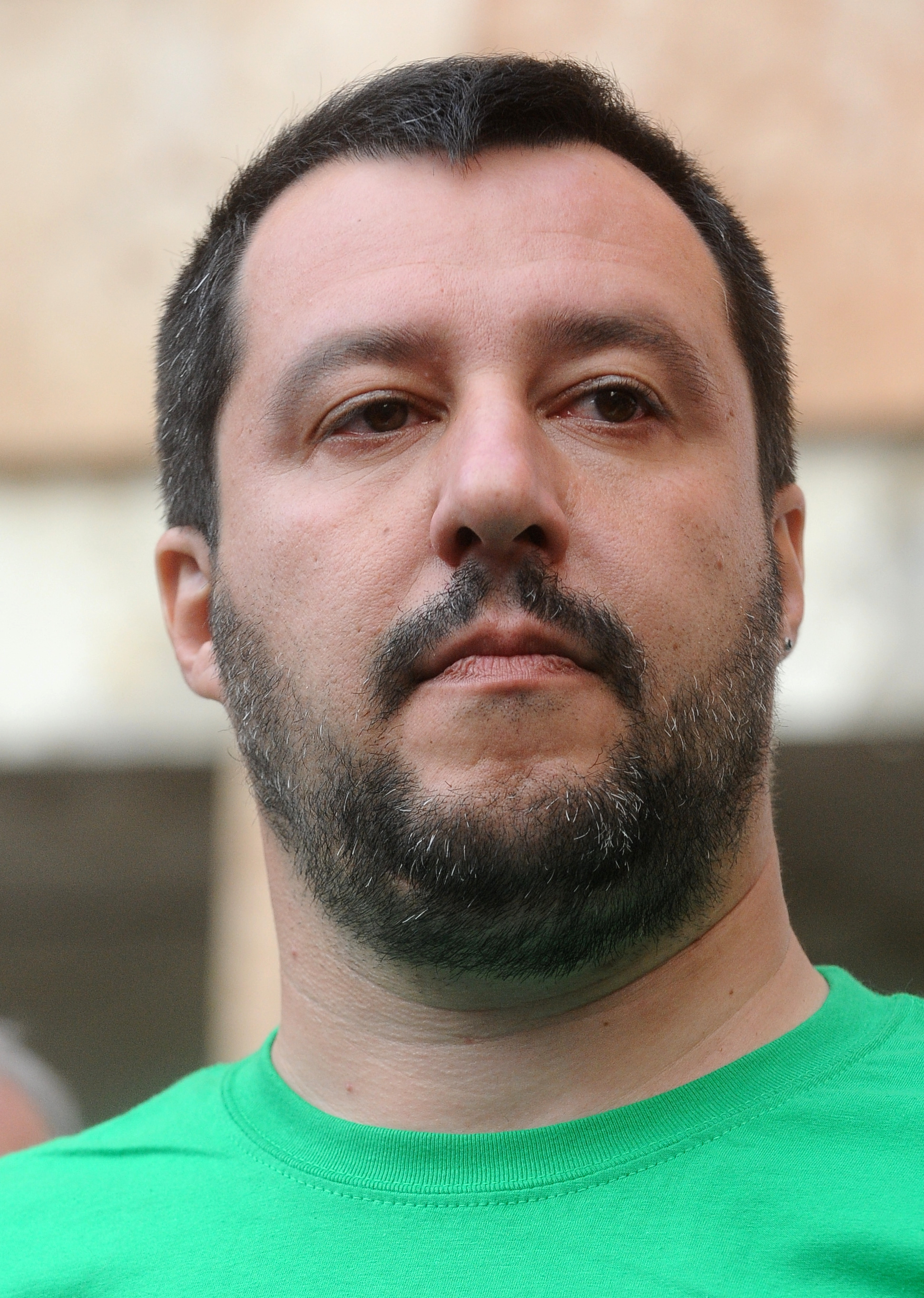
True, there is another delicate question - internal contradictions in the camp of the allies of Moscow. Unlike the pro-government left- and legal and legalist flanks, the Italian opposition is by no means one. For example, a member of the League of the North ( the party, in particular, advocates autonomy for the industrialized regions of Northern Italy. - NT) Matteo Salvini already stated that he would not support the resuscitation of Berlusconi, who, in his opinion, “into a symbol of the old and ineffective Italian policy”. In turn, the “movement of the five stars” is not enthusiastic about Salvini himself and is unlikely to recognize his claims to leadership in the ultra -right camp. In addition, the “five stars” positions itself primarily as an “anti -corruption party”, this is where its success in recent local elections in Rome and Turin will be based.
Salvini, unlike “five stars”, is much less popular. “Salvini is a caricature of himself, an absurd creature. He appears so often in public that he has become almost invisible, ”says Manlio Dee Stefano, who flickers daily on TV channels. And further: “Putin does not need him (Salvini), but the connections with parties that can actually defeat and rule Italy.” Dee Stefano has no doubt that Russia in the new conditions will not bet on Salvini.
By the way, during the last trip to Moscow, Salvini made on the backdrop of Red Square a selfie. In the photo, a smiling Salvini holds in his hands a poster with the word “no” and a crossed out image of Renzi. At some point, they even approached him to find out what was happening, Russian police. What Salvini answered them is unknown. But a little later Italian journalists said that he was talking "with people of high ranks who would not cry in case of Renzi failure on December 4."
Renzi failed. But Salvini does not understand one important thing: in Moscow they rarely cry. Yes, and other people's tears, as we know at least from Soviet cinema, are not particularly believed.
“Putin needs not Salvini, but ties with parties that can actually win (in the elections) and rule Italy."
Photo: Niccolò Carati