
Translated material
How many I stabbed
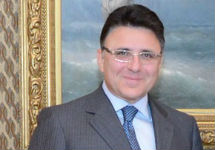
The account of sites blocked by Roskomnadzor is tens of thousands. This was announced by the head of the department, Alexander Zharov in an interview with NTV.
“In total, the number of sites that we blocked is for tens of thousands. From 22 thousand resources, the information was deleted. And 10 percent, that is, more than 2 thousand resources that terrorists, extremists have been created, blocked constantly,” Zharov said. “This is certainly informational rivalry. We can predict what resources this information will spread, how it will spread in the network, and we will spread in the network and we We block these resources quite quickly. ”
“In terms of scale, the most significant and key event is the blocking of the LinkedIn social network. And if we speak in sound and distribution, it is a block of pornographic resource Pornhub. According to analysts, absolutely all Runet users know about this,” the head of the RKN noted.
In 2016, Roskomnadzor issued 64 warnings of the media. "Exactly half, 32 times, this, unfortunately, is the same mat. This is one hundred percent small regional publications," Zharov said.
At the same time, Zharov denies that his department is engaged in censorship. “We, you said, are called chain dogs, we are also called the censors, Roskomenshra. Well, if we turn to the terminology, censorship is still prestige. We are engaged in post -modification, that is, when something happened,” the head of the RKN said.
Zharov also advocated the adoption of the law to regulate the activities of messengers. “Not only is the bill very important from an anti -terrorism point of view, it is very important precisely in the equalization of transnational companies that own messengers and our national communication operators,” he said.
On November 17, Roskomnadzor included LinkedIn social network in the register of personal data violators and sent the demands to block access to it to Russian telecom operators. Thus, LinkedIn became the first of the largest social networks blocked in Russia.
The requirement was sent on the basis of a decision of the Tagansky district court of Moscow of August 4, which was confirmed by the Moscow City Court on November 10. The decision was made at the lawsuit of the RKN, which insisted that the social network was conducting the collection and transfer of these Russians with a violation of "human and freedoms of a person and citizen, including the right to inviolability of his private life, personal and family secrets." The agency referred to the new version of the law on personal data, which obliges foreign Internet companies to place servers with personal data of Russians in Russia.
Representatives of LinkedIn objected that there were no violations, since users "voluntarily provided their personal data to expand personal contacts." However, the courts of the first and second instances rejected these arguments.