
Translated material
How to become invisible
The story of an American who found the treasure disappeared with him and, even having been in prison, does not say where he hid him. The Washington Post
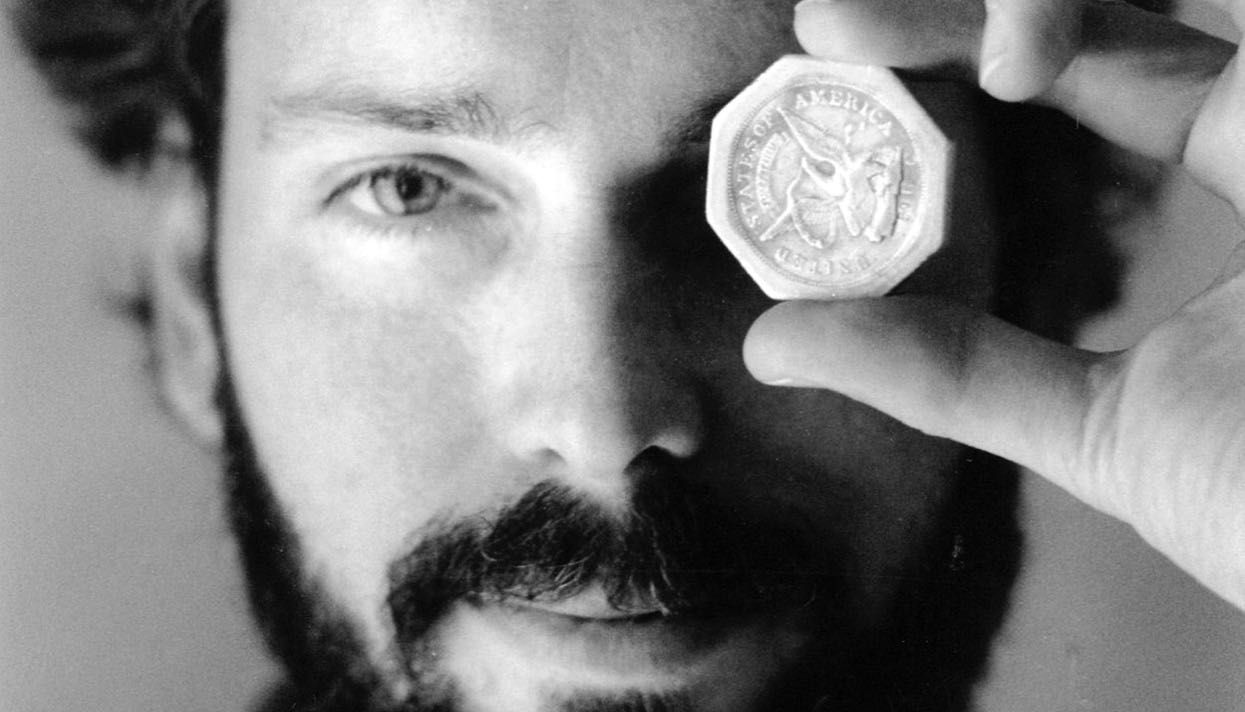
Tommy Thompson became famous in the late 1980s as a man who discovered and raised the largest treasure in the history of the United States to the surface. An engineer from Ohio, who worked on the creation of various systems for atomic submarines, was still carried away by the search for sunken ships and ships in the student. He made his main goal the Steam Speed "Central America" - in 1857 it fell into a storm off the coast of South Carolina. Together with the ship, 425 people and the load of California gold were killed: coins and ingots with a total weight of about three tons. Thompson found a treasure. And hid.
In the late 80s, the American media wrote about Tommy Thompson as a very rational treasure seeker. “This is not a romantic and not a noble robber,” wrote Forbes magazine shortly after the treasure hunter announced his find. “His approach is scientific and methodical, without any adventure -like nonsense.”
Probably, the search for treasures was not a romantic hobby for Tommy Thompson, but by wealth. He approached the search for “Central America” with all possible thoroughness and tried to apply all the skills received at work. Thompson spent several years in the archives, trying to restore the last route of the vessel; I came up with an apparatus that could go down to great depths, examine the bottom in the estimated place of the crash and - most importantly - raise the treasure to the surface, and found about 160 investors who agreed to invest in a total of almost 13 million dollars.
The expedition was successful: on September 11, 1988, the Thompson robot raised from the bottom the Shipbuilding of Central America, a load of coins and gold ingots. The total weight of the treasure was about two tons of gold; The total cost was estimated at 100-150 million dollars. One of the ingots - weighing 36 kilograms - was recognized as the largest in the world and after a while sold for eight million.
Further difficulties began: when 39 insurance companies that paid damage in connection with the collapse of the vessel in 1857 announced their rights to their rights to the treasure. Littleness ended only in 1996, when the court admitted that the gold was abandoned and now should belong to those who found it. However, the most interesting began when Tommy Thompson disappeared with all the gold found.

Apparently, Thompson planned his disappearance as carefully as the search for the treasure. At least, his deceived partners caught on only ten years later, and it was possible to find him only after the same amount.
In 2005 and 2006, the investors of the expedition and members of the search team filed with the treasure hunter. According to them, Thompson sold most of the gold, hid the rest and disappeared, without returning the money promised for investments. It was possible to call the treasure hunter only in 2012, and only after Thompson did not appear at the meeting, the search was started.
First of all, the American marshals checked the Thompson mansion in Florida, but by the time of their appearance the treasure hunter had not been there for a long time. Thompson did not leave any traces: he paid all the bills in cash. Only straps from packs with bills, several disposable mobile phones and the book “How to become invisible” were found in the mansion (it is dedicated to how to hide from justice).
For Thompson they hunted for more than two years. The American authorities called him the “most intelligent fugitive” - in the end, he had almost ten years and almost unlimited resources to escape to escape. Finally, “having involved all the available funds”, the marshals found Tommy Thompson's friend, living in a hotel next to West-Palm Beach in Florida. They also found the treasure hunter itself - but they did not find treasures.
The fate of the treasure remains unclear so far. Thompson brought to court, where he admitted that part of the treasure - gold coins in the amount of several million dollars - he hid in Belize, but soon stated that he did not remember exactly where. In November 2016, the judge ordered Thompson in prison for a year and fine for a thousand dollars every day until his memory returned to him. So far, however, this has not happened.