
Translated material
"Like the nineties." What is the background of mass poisoning with alcohol?
Polling in St. Petersburg. Photo: Interpress / ITAR-TASS
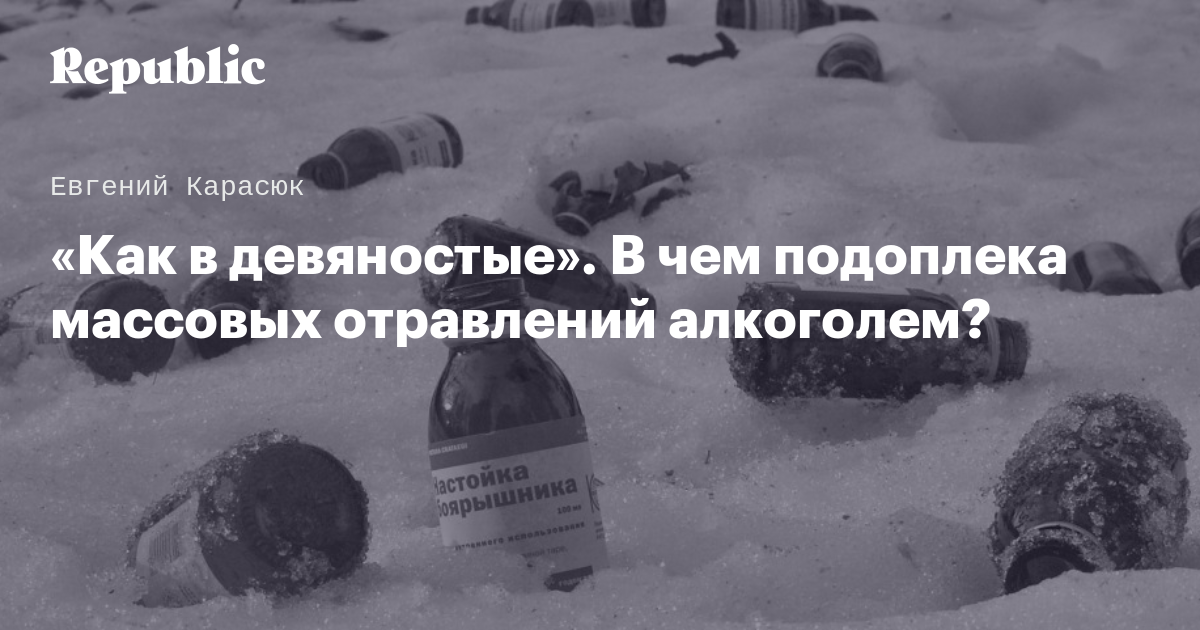
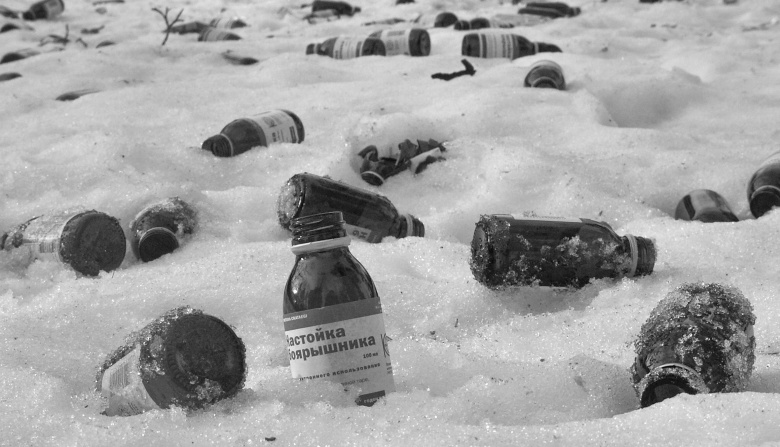
In early December 2015, in the Orenburg region, eleven people poisoned whiskey with methanol, four of them died. It is unlikely that many will recall this news a year later: about 50 thousand poisoning of alcohol poisoning occurs annually in the country, a third of them with death. But the death of 75 inhabitants of Irkutsk at once was quite shocking to get into the headlines of the federal media and cause a reaction in the Kremlin and the government. After it was established that all the dead used the alcohol -containing concentrate for the baths "Boyaryshnik", Prime Minister Dmitry Medvedev hastened to give the event. He stated the impossibility of putting up with the turnover of “such alcohol-containing liquids” and “the tragedy that occurred in Irkutsk ... as in the 90s”. Medvedev urged "to take all measures either to remove the relevant drugs from retail trade or so that their turnover is put under full control."
But it’s easier to say than to do. Until now, the struggle of the state with the shadow market of alcohol has had limited success. The mocking question “began to drink less?”, Which Vladimir Putin in the spring addressed the Minister of Health Veronika Skvortsova, received an affirmative answer: less. In fact, the Russians began to drink legal and less dangerous alcohol less - its volumes really fall. Of the numerous studies - in particular, last year’s study by the PWC “Economic Reserve in Russia” - it can be seen how Russian consumers “switch to lower quality products”. This is eloquently evidenced by the structure of alcohol consumption, statistics and the causes of poisoning.
Subscribe to read the whole
Make a subscription Redefine.media to read Republic
Subscribe [you can pay for a Russian or foreign card. The subscription is extended automatically. You can unsubscribe at any time.]
Where are the money subscribers going