
Translated material
Jarvis, they came a T -shirt
What is the "smart home" Mark Zuckerberg

At the beginning of 2016, Facebook founder Mark Zuckerberg said he plans to develop simple artificial intelligence in a year that would help him manage the house - like Jarvis in an Iron Man. And he kept his promise: after almost 12 months, Tsuckerberg showed the world his virtual assistant. "Medusa" tells what Jarvis has learned during this time.
Mark Zuckerberg sets himself ambitious tasks for each year. He had already learned Mandarin in this way - the native language of his relatives of his wife, Priscilla Chan, and also read the book every two weeks within a year.
In 2016, he set two tasks: to create artificial intelligence for the house and run 365 miles (587 kilometers). A year later, Zuckerberg admits that the second goal took him more time than the first. He spent in total the creation of Jarvis for about 100-150 hours, and during this time he was able to teach him a lot.
First watch a video with a brief demonstration of the assistant capabilities.
Turn on and off the light
Control of lighting and heating - basic skills that are in almost any "smart home". Typically, ready -made solutions are used, such as Philips Hue bulbs and Nest thermostats.
In the case of the house of Zuckerberg, Jarvis controls lighting, heating and doors through the system from Crestron. With its help, you can not only turn on and turn off the light or batteries, but also adjust brightness and temperature.

Put music
Sonos columns are placed at the house of Tsuckerberg, which are able to play music from the Spotify streaming service. Having received the team, Jarvis finds suitable songs in the collection and includes them.
Artificial intelligence is quite developed to understand not only teams with a clear indication of the name of the musician and the name of the song. Jarvis knows how to select similar performers, put the desired genre and choose the best works of a particular musician. Oh yes, he also hates Nickelback .
Distinguish a brand from Priscilla
For developed artificial intelligence, it is important to understand the context in which he receives commands. Both Mark and his wife Priscilla may ask Jarvis: “Turn off the light in my office. Turn on some music. ” And the robot now understands in whose cabinet it is necessary to turn off the lighting and whose favorite songs to turn on.
Enough Prucill
Chan released her version of the video about life with Jarvis. Much less positive than her husband.
If Tsuckerberg himself was understanding to the mistakes of his robot, then Chan, it seems, was not so patient. For example, in order to create a cozy atmosphere when watching a TV (which is also connected to a smart home), Jarvis turned off the light in the hall and adjacent rooms. Including in the office of Procedill, where she worked at that moment. Then a very loud "ma-arc!" Was heard from the office!
Understand who is where
Knowing the context of teams is very important. If the robot turns on the music in the room with a sleeping baby, the Prucilla will be unhappy. Therefore, artificial intelligence understands which room they turned from. For example, we can say from the kitchen “make lighter light”, and Jarvis will guess that brightness needs to be adjusted in the kitchen.
Nurse the child
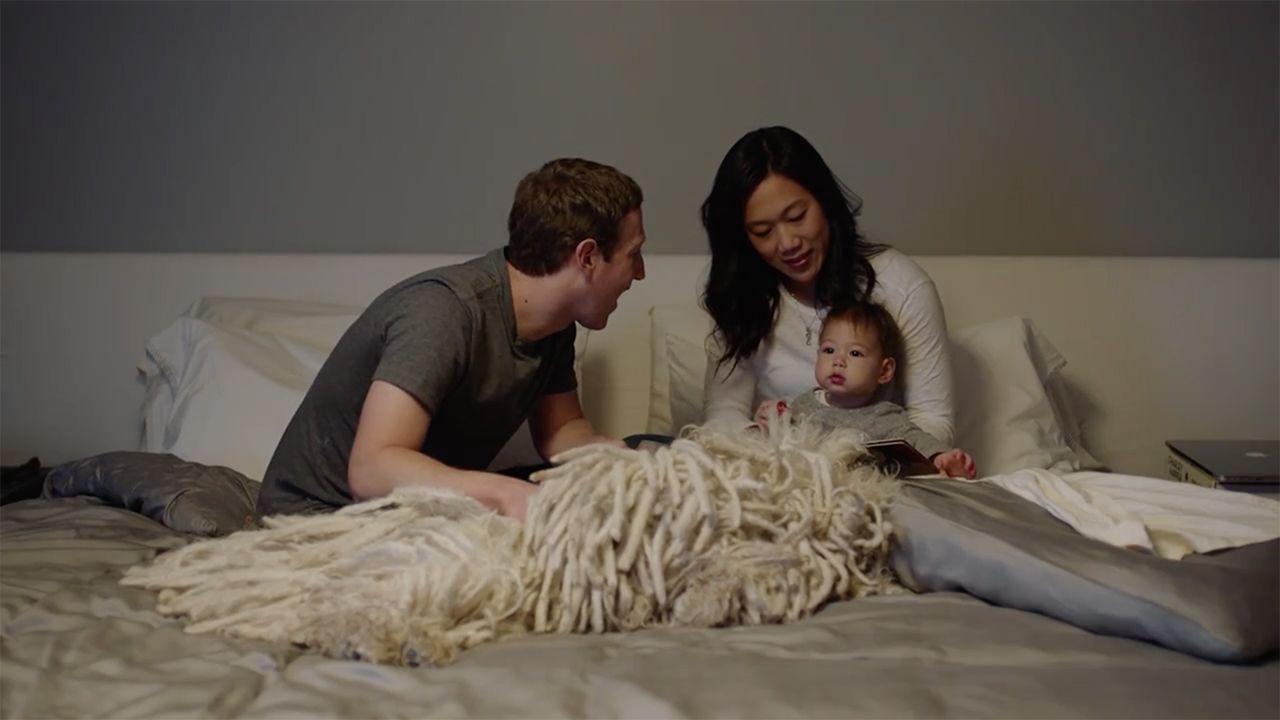
Jarvis is already able to play with the one -year -old daughter of Zuckerberg Max: if you ask the robot who needs to tickle, he calls the name of a random family member (or dog), and everyone together begins to tickle him.
But this is not the only use of artificial intelligence. He also monitors what Max does, and teaches her mandarin.
“Since you can talk to him, and he can answer, he feels like ... I will not say that a family member is already too much, but he is felt more humane, so Max loves him,” said Zuckerberg.
Meet guests
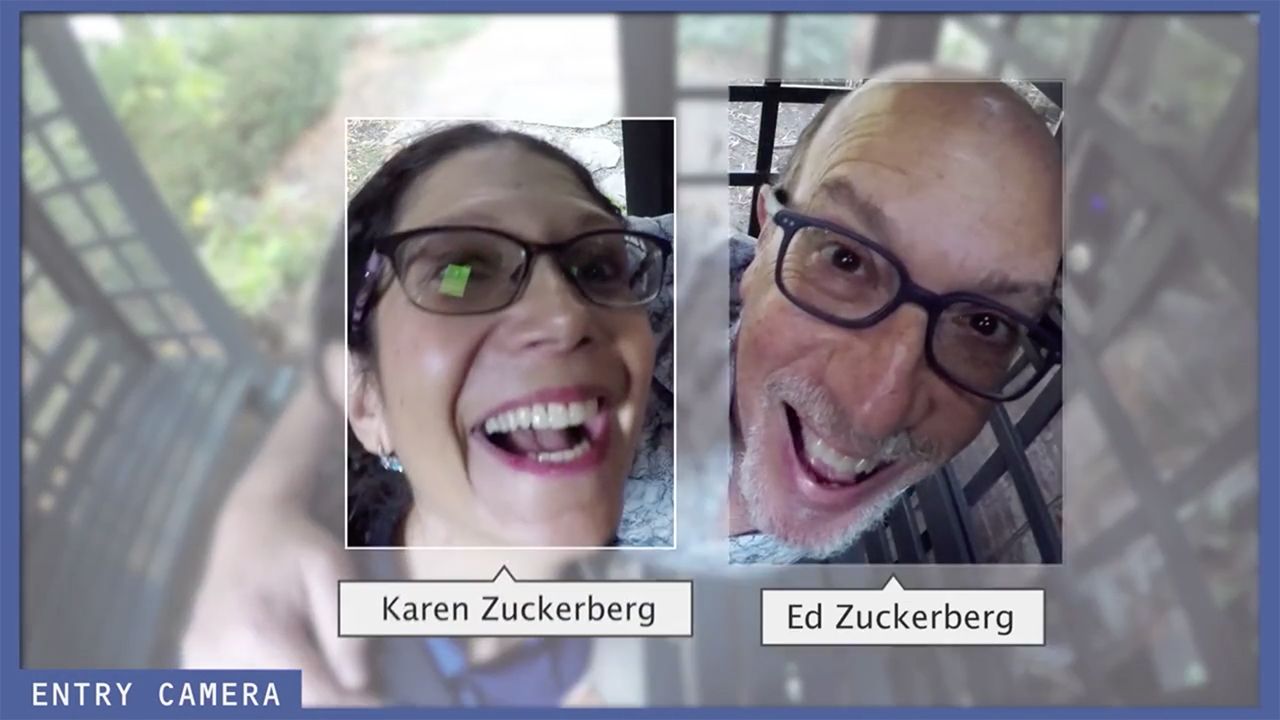
Tsuckerberg installed several cameras at the front door so that Jarvis could see the people who came well. Artificial intelligence analyzes faces from cameras, finds them in the base of familiar owner and finds out whether he is waiting for guests. If everything converges, the doors open themselves, and Tsuckerberg receives a notification with a photograph.
Turn on the toaster
Even before starting to work on artificial intelligence, Zuckerberg had to figure out how to connect different devices to a single system. Somewhere he had to engage in reverse engineering , in addition to the desire of manufacturers, finding out how to transmit and receive certain commands from the devices.
In some cases, Tsuckerberg helped out smart sockets that simply turn on or turn off the command on the command. But unexpected difficulties arose with the toaster.
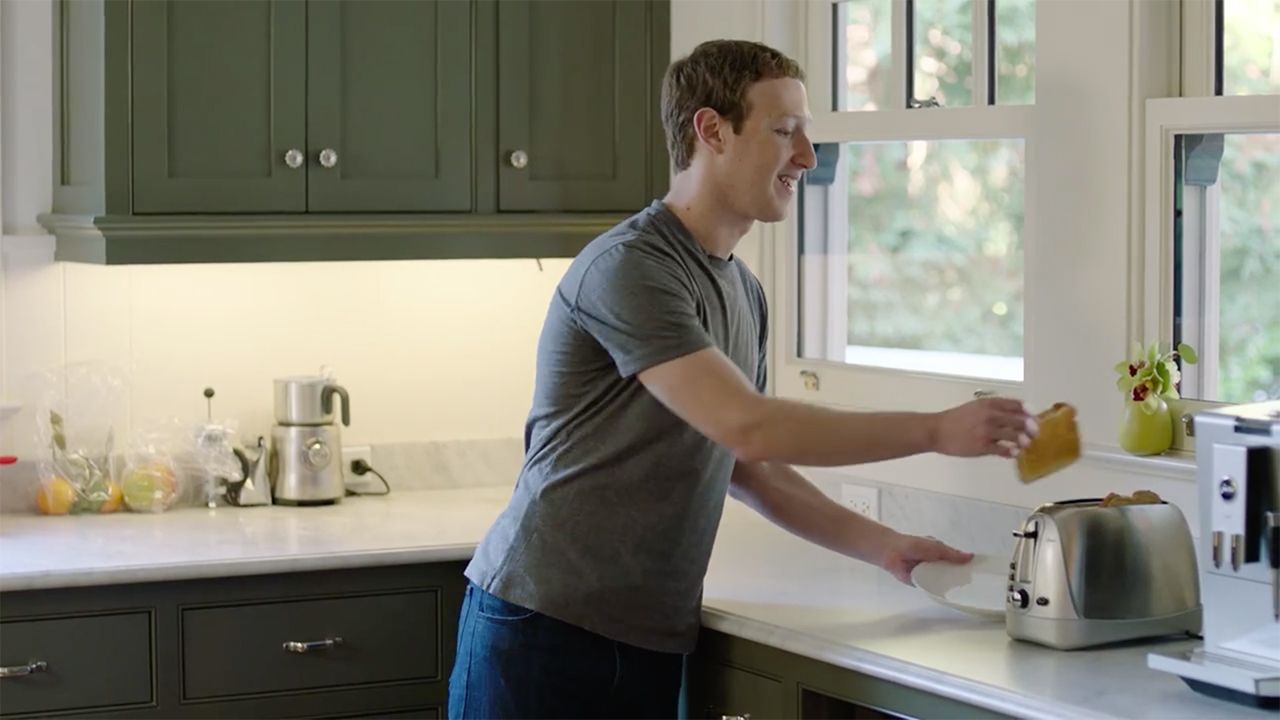
The founder of Facebook wanted the toaster at the right time to turn on and fry the bread that was invested in it in advance. But not a single modern Toster, for security reasons, makes it possible to “charge” it with bread until they are included in the outlet. Therefore, Tsuckerberg had to buy a toaster from the 1950s.
But he could not put the “smart refrigerator” - the Facebook security service certifies all devices connected to the home network of Zuckerberg; The refrigerator did not pass such a check.
Shoot T -shirts
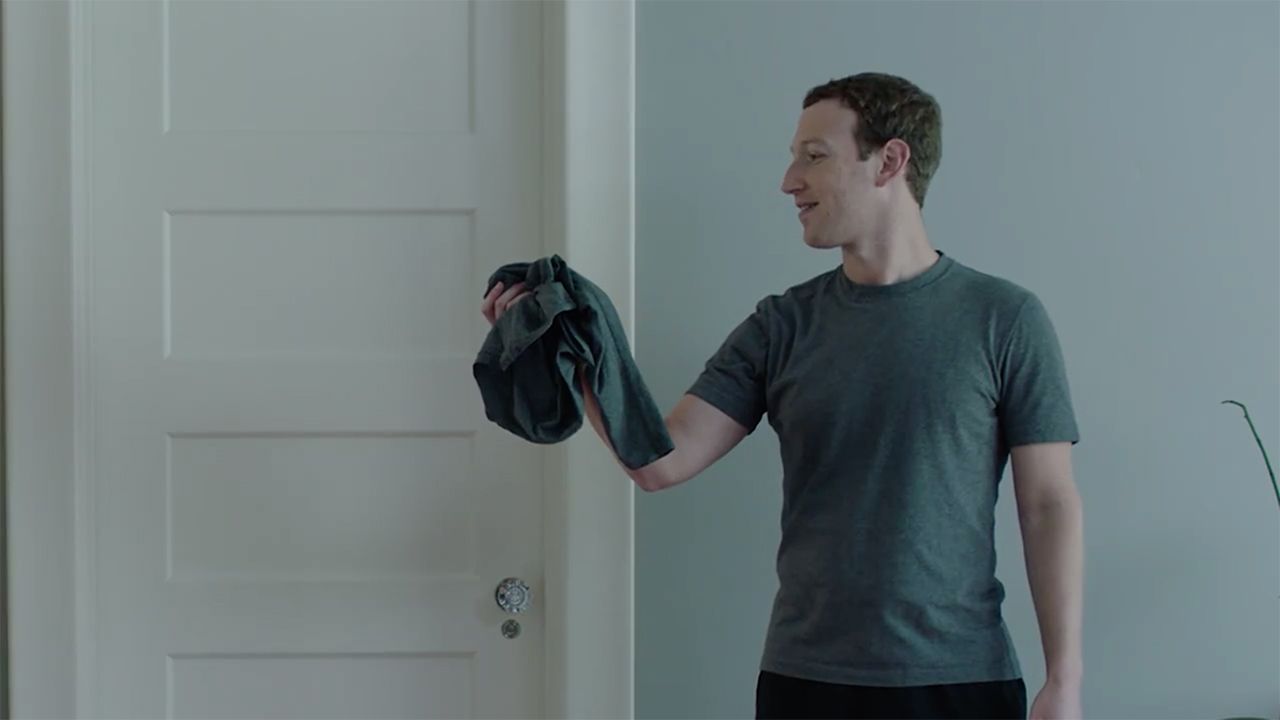
Perhaps only Zuckerberg could have guessed this: he connected Jarvis to the gun, which shoots a fresh gray T -shirt at him. The developer notes that he had to make changes to the design of the gun so that it became part of the Smart House. I also had to do with a robot that pouring food to the dog.
Tell the voice of Morgan Freeman
The actor Morgan Freeman has the most pleasant voice on the planet. And Jarvis says to them.
At least we hear Freeman's voice in a video published by Zuckerberg. Fast Company journalist, who visited the founder of Facebook in December, says that the actor has not yet recorded his phrases for Jarvis, and now the robot “speaks” with a synthesized female voice, approximately like Siri.
In the demonstration video, Jarvis sometimes even screams in a strict voice of Arnold Schwarzenegger. The actor himself proposed to play these scenes when he found out that Zuckerberg was working on artificial intelligence for the house.
Get commands via Facebook
Zuckerberg created a bot for Facebook Messenger to communicate with Jarvis. He notes that it was easier than creating a separate application. The bot accepts text commands and voice messages (which then deciphers and transmits to Jarvis). The founder of Facebook notes that he is much more comfortable to communicate with his smart home in the messenger, not a voice.
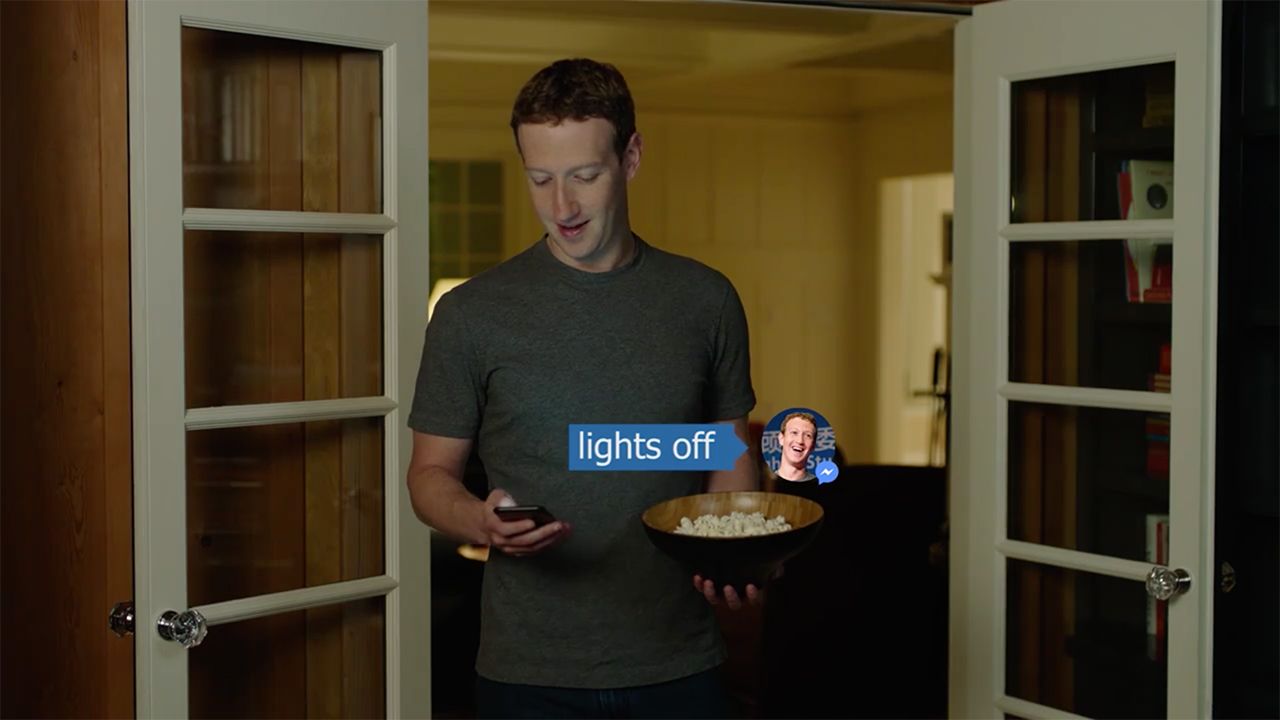
Listen
The founder of Facebook also wrote an iPhone application, which allows you to communicate with Jarvis voice. True, the quality of recognition is far from the ideal: Fast Company reports how Tsuckerberg had to repeat the “turn off the light” four times before the light really went out.
“Wow, he has not worked so badly yet,” the creator of Jarvis said then. To the request to turn on the music, the robot reacted immediately, and in order to raise the volume and stop playback, I had to ask for it twice.
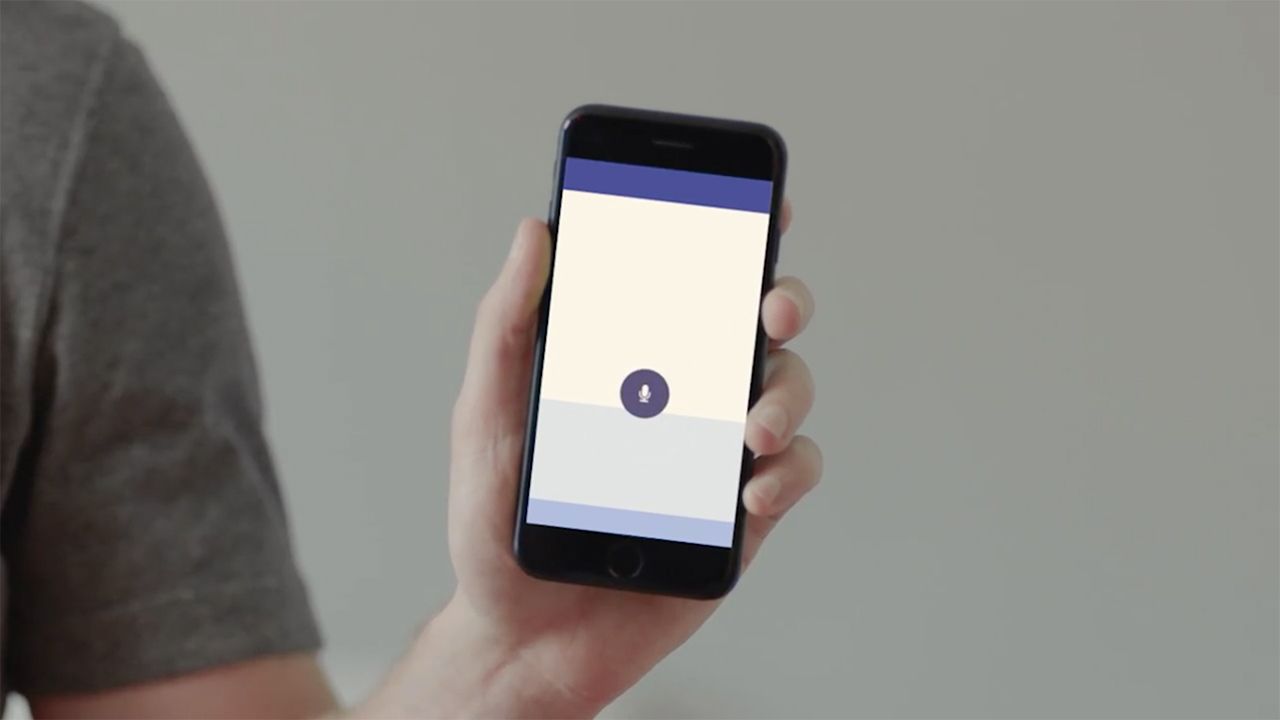
Tsuckerberg considers his application more convenient than stationary “smart columns” by Amazon Echo and Google Home: the latter are always at home, while you can command and being outside the room through the phone. “I can also decompose phones with an installed application throughout the house and communicate with Jarvis from any room,” he added.
* * *
Mark Zuckerberg is not going to stop: he plans to teach Jarvis new actions and has already asked his readers to send his ideas. He is not going to upload his developments to open access - the code is too much tied to its specific house and the systems installed in it.