
Translated material
How to survive severe frosts? Instructions
A warning appeared on the Ministry of Emergencies that in the next weekend there would be very severe frosts in Moscow: the temperature can drop to –35 ° C. In other regions of Russia, frosts are even harsher. Medusa has prepared several basic tips for those who do not know how to behave in the conditions of severe cold.
Do not leave home without need
There is usually warm at home, and therefore there is no need to take some additional actions. If at home it’s still cold , then:
- Eat. He will warm the food of normal temperature, but hot, of course, will do it better;
- Move. A long lying on the couch is a good way to freeze, so it is important to move a lot and not be in a static position for longer than an hour;
- Put on a few layers. It is better that it is clothing made of cotton, wool and pile;
- Use the heating pad. If it is not at home, you can put a bottle of warm water under the side. Of course, if you do not bask with the help of an electric blanket;
- Light open fire only if you use an extract or you can sometimes ventilate the room. This is necessary so as not to poison with carbon monoxide that does not have color and smell.
If there are elderly people at home, people with heart or lung diseases, it is important to maintain a temperature of at least 18 ° C.
Short. Do not go outside. If it's cold at home, eat, move, put on a few layers. Be careful when you bask with some devices or open fire.
2. If you decide to go outside, prepare well
If you have diabetes, heart diseases or lungs, if you drink, if you smoke, if you take beta-blockers, think again: maybe you should not go outside-otherwise there is a great risk of getting to the hospital. Those who, in spite of everything, go to the street will be useful to do two things :
-It’s good to eat before leaving (if you do not long on the street, it is better to eat something sweet and hot and take some kind of nutritious bar with you);
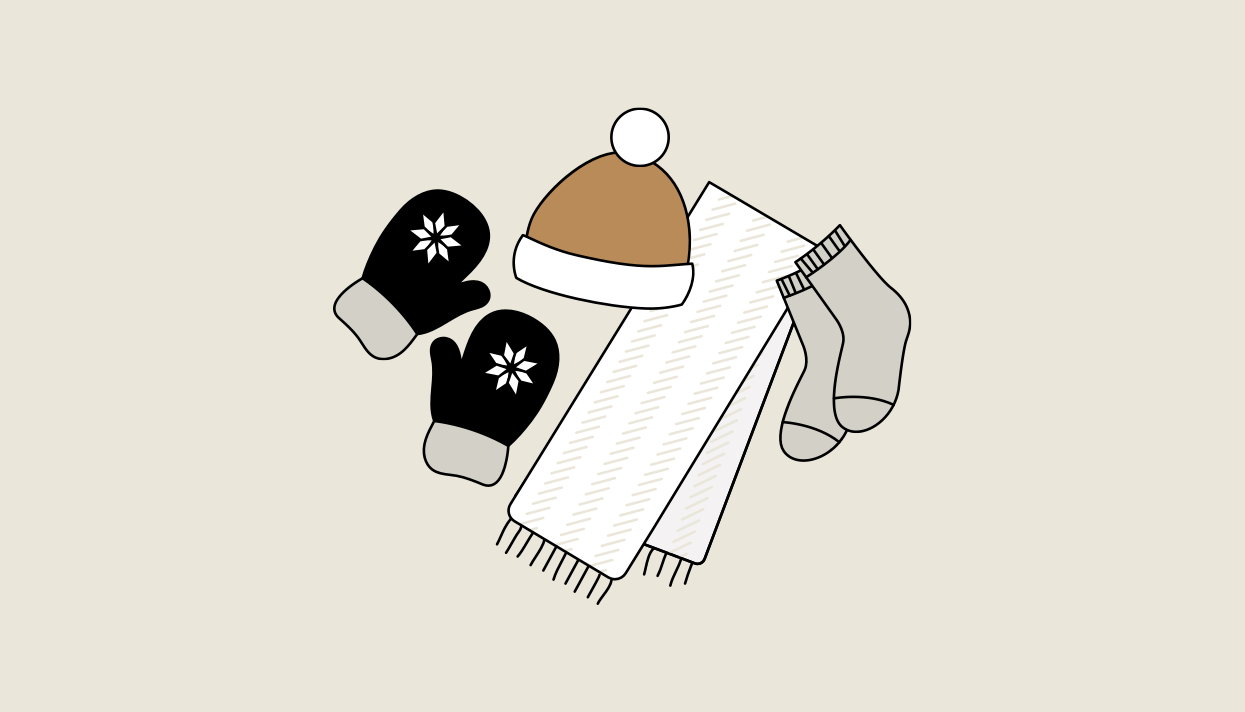
-Dress the right thing: put on a hat covering the ears, something that protects the face (for example, a scarf), mittens (not gloves), not cramped, warm and waterproof shoes, woolen socks, several layers of free clothes. It is better that the lower layer removes moisture well (wool, polyester and polypropylene, but not cotton copes with this perfectly). The middle layer should serve as a thermal insulation (this, for example, clothes from fleece or wool). The outer layer is protection from wind and snow. All wet must be changed as quickly as possible.
It is common that emolets (remedies that mitigate and moisturize the skin) protect against frostbite, but this is not so, so you should not count on them.
Short. You eat well before the exit and put on a few layers of clothing (removing moisture, thermal -insulating and protecting from wind and snow). Avoid wet clothes.
3. If you get frostbite, do not make it even worse
A light frostbite can be recognized by red or even whitening soft skin, numbness and tingling will occur. A frostbitten place must be placed in warm water. The brushes can be warm under the armpits. Usually after 15-30 minutes everything becomes fine.
If the matter is serious (the skin is white, hard), it is better to consult a doctor. But you can try to warm up in the same way as with a slight frostbite. It usually hurts in the process, then it is recommended to take a simple painkillers - ibuprofen (of course, if you have no contraindications). If there are no improvements, then you can’t do without a doctor.
In a situation where everything is very serious (there are blisters, black areas), you need to go to the doctor as quickly as possible, and covering the frostbitten parts of the body with something sterile (say, fingers should not touch each other).
What can never be done:
- rub hardly a sore spot, including snow and vodka (or any other alcoholic beverages);
- walk if the feet are frostbitten;
- warm up with hot water or “dry heat” (for example, a hairdryer).
With serious frostbite, hypothermia often occurs. And it is much more dangerous. It is cold to a person in this state, his trembling does not stop, it gradually becomes difficult to move and speak. If you measure the temperature, it will be below 35 ° C. In this case, you need to call an ambulance, get to a warm room, take off wet clothes, take refuge with something, eat something sweet, drink warm (not alcohol!) And actively move. Sometimes a person with hypothermia is not able to do at least something and he needs help.
Short. Get warm only with warm water (not hot!). If this does not help or if blisters appear, go to the doctor immediately. When there are signs of hypothermia (constant trembling, fatigue, violation of coordination and speech), you need to cause an ambulance.