
Translated material
Christmas and the state

Should Christmas be a holiday for everyone?
Yakov Krotov: We have two bishops - a bishop of the Lutheran Church of the Augsburg Confession , Vladyka Igor Knyazev and one of the bishops of the Russian animation Mikhail Aldashin , author of the cartoon "Christmas".
I'll start with a historical reference. Oddly enough, Protestants were first forbidden to Christmas. In part, they did this to the peak of Catholics, partly in the peak of the English. The first ban on Christmas is America, the 17th century, until 1680, when the royal authorities from England reached a bony hand and demanded to celebrate Christmas. And the Puritans refrained.
Protestants were first banned by Christmas
And it seems to me that it was then that two different Christmas appeared. One thing is what Mikhail Vladimirovich represents, Christmas visual. This is a tradition dating back to the Catholic Reformation, when they began to make routes in a huge amount - three -dimensional Christmas, so that the hay smells ... in Moscow this happens every year near the cathedral on Malaya Georgian, and there is a living donkey and the Savior in the form of a statue.
But there is Lutheran Christmas - Christmas of words, Christmas of hymns, Christmas of music, and it is not visual. But of course, there is third Christmas - Christmas shopping, Christmas of gifts, commerce, business.
And finally, there is a fourth Christmas - Christmas at someone else's expense. The Christmas in Moscow Parks program opens - in 20 Moscow parks, festive events dedicated to Christmas are planned: "Christmas mystery" at the rink of Gorky Park, in the Bauman Garden, a famous revolutionary, a performance under the name "See who was born." And all this at the expense of the taxpayer.
Why is no one in Russia protesting against Christmas celebration?
The question arises: why does no one in Russia protest against the celebration of Christmas? Moreover, why, back in 1990, the Supreme Council of the RSFSR adopted the law that on January 7 is a holiday? In general, no one even heard that God is, and Christmas have already done a holiday ...
Igor Knyazev: I think this reflects the ups and downs of our entire political history. You have not yet said that one of the first forbidden holidays after the Bolsheviks came to power was also Christmas, then a Christmas tree was prohibited separately, then a lot of things were forbidden. Then, when the story turned, with the same ardor they began to revive all this.
I see nothing wrong with the fact that Christmas is a public holiday. This is exactly the right thing, it should be, since the state is not a very abstract institution. We perceive the state, including as a community of people, voters and taxpayers living in this territory. And if most of these taxpayers agree and encourage the fact that part of the taxes they have received are spent on this holiday, which meets their religious aspirations, then I do not see the reason to combat this. Why is a person who pays taxes and goes to church should fight against his taxes were spent on a church holiday?
I think no one will find a model of the perfect coordination of the interests of all 145 million citizens living in Russia, the interests will still be different. But the social structure is based on the fact that nevertheless some dominant interests of society are coordinated, and they are realized, including through public religious confessions, celebrations, holidays, and this is completely natural.
I see nothing wrong with the fact that Christmas is a public holiday
It seems to me that the opposite is completely unnatural - when calls from the church are heard in European countries, for example, to remove crosses, so as not to annoy representatives of other faiths, to prohibit the wearing of any religious symbols in the public space, despite the fact that most citizens and taxpayers are just representatives of the Christian religion.
I think that today in Europe and Russia His Majesty the taxpayer will be postponed into the background at all. Politicians and bureaucrats implement some of their models of society, without realizing what the same person wants with whose money this power is. And now we see the reaction of society: we can recall the results of the American elections, and Brexit, and other political processes that are going in Europe. And it is very good that citizens begin to tell the bureaucracy, that they perceive their country and their space as a Christian community and require the presentation of their religion in public public space.
Mikhail Aldashin: I just read in the news from Europe about burned Christmas trees, sawn crosses - in my opinion, in Germany or in France. And there was even a video how the Christmas tree was thrown in the church (and it was obviously not the French), and she was hardly dragged out of the temple. And people, dissatisfied with the fact that they are trying to ban public Christmas trees, went out with their Christmas trees, arranged a demonstration.
Both politicians and bureaucrats create that they want
I can’t say that the people are passive to this. Both politicians and bureaucrats do what they want. I think that if it burns a strongly, Christmas trees can turn into a piercing and cutting weapon.
Yakov Krotov: I think this will not happen, because this is Europe, and there people are quite actively going to court, including on the issue of Christmas.
Mikhail Aldashin: In different ways: someone walks, someone-no. Sometimes people are accelerated by water areas. I would not want the waterlets and some kind of weapon to participate in the conversation about Christmas Christmas trees.
It seems to me that in Russia the framework of this holiday and generally religious representations are very blurry. In my opinion, this is not quite a church holiday. Russian religiosity is generally very strange: we have the majority to the question: "Are you baptized or not?" They answer "no", but at the same time consider themselves Orthodox.
As for the Christmas tree and the celebration of Christmas, it is still closer to the Katkov-shopping option-to make it beautiful, that there are lights, balls, holidays ... People rather celebrate the New Year than Christmas directly. The word about Christ, about His birth, since this still moved in time, it left somewhere from the celebration of the New Year, although it used to be the same holiday. The old New Year, New Year, Christmas, Old Christmas - such a chain of balls on beads also erodes this feeling.
If it burns strongly, Christmas trees can turn into a piercing and cutting weapon
But I do not see anything bad about it. If only they didn’t beat each other, the Christmas trees did not fall and didn’t pull it out of nowhere. I have more complaints about the aesthetic side of this case, because it is the easiest to ruin the holiday, having made all sorts of vulgar jewelry that are spaced throughout Moscow. I do not mind to spend money, but do it good! And so, such a purulent aesthetic and moral abscess accumulates along these small droplets. Tastes fall, morals fall ...
Yakov Krotov: What, with Brezhnev, was better with aesthetics?
Mikhail Aldashin: Yes, because aesthetically all external agitation and political propaganda corresponded to what she promoted. And when there is some kind of vulgar verteiper or some kind of curl, on which it is written with clumsy letters “Happy New Year!”, Or luminous global curls stick out from flowerbeds from flower beds, it grows me out of this. And the poster is a competent and powerful communist propaganda, perfectly drawn.
Yakov Krotov: That is, what Lenin can be honored, cannot be honored by Jesus Christ?
In Russia, the framework of this holiday and generally religious representations are very blurry
Mikhail Aldashin: You can. So I was in the Christmas Temple in St. Petersburg, and I was amazed at the similarity of the images of political propaganda of the Soviet era with the images of academic saints and how all this was culturally passed and used. It's amazing! There, all the walls are covered with mosaics, it is a huge amount of incredibly complex work, but aesthetically it is very, very weak. The best part, from an artistic point of view, is the limits of the entrances that are simply covered with decorative patterns - they are incredibly good. But these sluggish academic compositions, faces - there all this is done with academic zeal, but very boring.
Yakov Krotov: Well, what faith, such and mosaics ... I will explain the logic of people who are now in America, in Sweden, in Finland opposed the celebration of Christmas. Say, in Sweden to this day in December, all schoolchildren in an organized order go to the mass, and this issue is now discussed. You can congratulate on the winter holiday, but in Belgium the Christmas fair was proclaimed as follows: the festival of winter nightlight.
You can congratulate Hanuka . The incident with one network of coffee houses is known, which removed Christmas congratulations from the glasses, but left congratulations with Hanuka. And Hanukkah is a Jewish holiday in honor of the victory of the Maccaban brothers over the Syrians and Greeks two centuries before the Nativity of Christ. And they asked why then you can and even politically correctly congratulate you with Hanuka, but Christmas cannot be Christmas. Is the answer incomprehensible to you?
Both in Europe and in Russia His Majesty the taxpayer is pushed into the background
Igor Knyazev: I understand. Mikhail said very accurately: it is not so scary when the holiday is prohibited, it is much worse when it is vulgarized. It seems to me that it will turn more people from the holiday.
As for a similar struggle, now many in Russia are amazed to discover such foundations of the European political structure. We always, when they talk about freedom and democracy, give an example to Europe, but few people know that in many European countries the church is state, the archbishop is appointed, in the Netherlands, for example, the Minister of the Interior, and this is completely democratic and does not cause any heartburn and puzzles. There, democracy is understood in a completely different way: it is understood by us, rather, as anarchy, and there - as a rational public structure.
What we read now is to replace the name "Christmas" with the name of the Winter holiday and so on is just a manifestation of political correctness, when it is believed that you should not call a spade a spade in order not to offend someone. A person who rummages in the garbage can be called a homeless person, I must say that this is "a citizen in search of things that other consumers abandoned." This is all very political correct.
Our democracy is understood, rather, as anarchy, and in Europe - as a rational public structure
But this manifestation of political correctness is extremely harmful to the religious environment. As soon as we remove the word "Christmas" from the celebration of Christmas, we destroy the holiday. Here, political correctness, in my opinion, is completely unacceptable, and when I visit Europe, these replacements make a very painful impression on me. This is just the path to the destruction of Europe, much more dangerous than any other. Political correctness can kill Europe much faster than the threat of socialism. The famous dissident Vladimir Bukovsky was absolutely right when he said that political correctness is worse than Leninism.
Yakov Krotov: I remember when in 1990 the Supreme Council of the RSFSR in the fight against the center decided to celebrate Christmas, Tatarstan refused to fulfill this decree, and Christmas did not celebrate.
If the Jew is called the Jew, then political correctness says that this is unacceptable. This is political correctness - we are talking about the fight against the language of hatred.
Why does political correctness say that Hanuka - please? Because democracy is not a dictate of the majority. This is oclocracy - the dictatorship of the majority, and democracy is a very complex system for protecting minority rights. Each person, even if he is part of the majority, in all other respects is part of a variety of minorities. That is, we, men, representatives of the minority, because there are more women in Russia. Nevertheless, it is necessary to protect the rights of women, they have less salary - it has happened historically. In Europe in the twentieth century, six million Jews died under the slogan "Beat the Jews - save Germany", and it is clear why Hanuku is political correctly to celebrate, and Christmas is not very good.
Igor Knyazev: We can operate with numbers for a long time, say how many priests died in the Soviet Union ...
This is oclocracy - the dictate of the majority, and democracy is a very complex system of protecting minority rights
Yakov Krotov: 200 thousand.
Igor Knyazev: For example, the Lutheran church was completely destroyed, and by the way, it was the second in number after the Orthodox. Then it is not clear why Lutheran Christmas can be prohibited.
With a hammer, you can hammer nails, or you can kill a person. Political correctness in today's absolute understanding of the meaning is used precisely as the mechanism of the dictate of the minority. So far, people of a different culture, emigrants in Europe than Christians, but dictatorship consists precisely in blocking the expression of religiosity of the main part of the population.
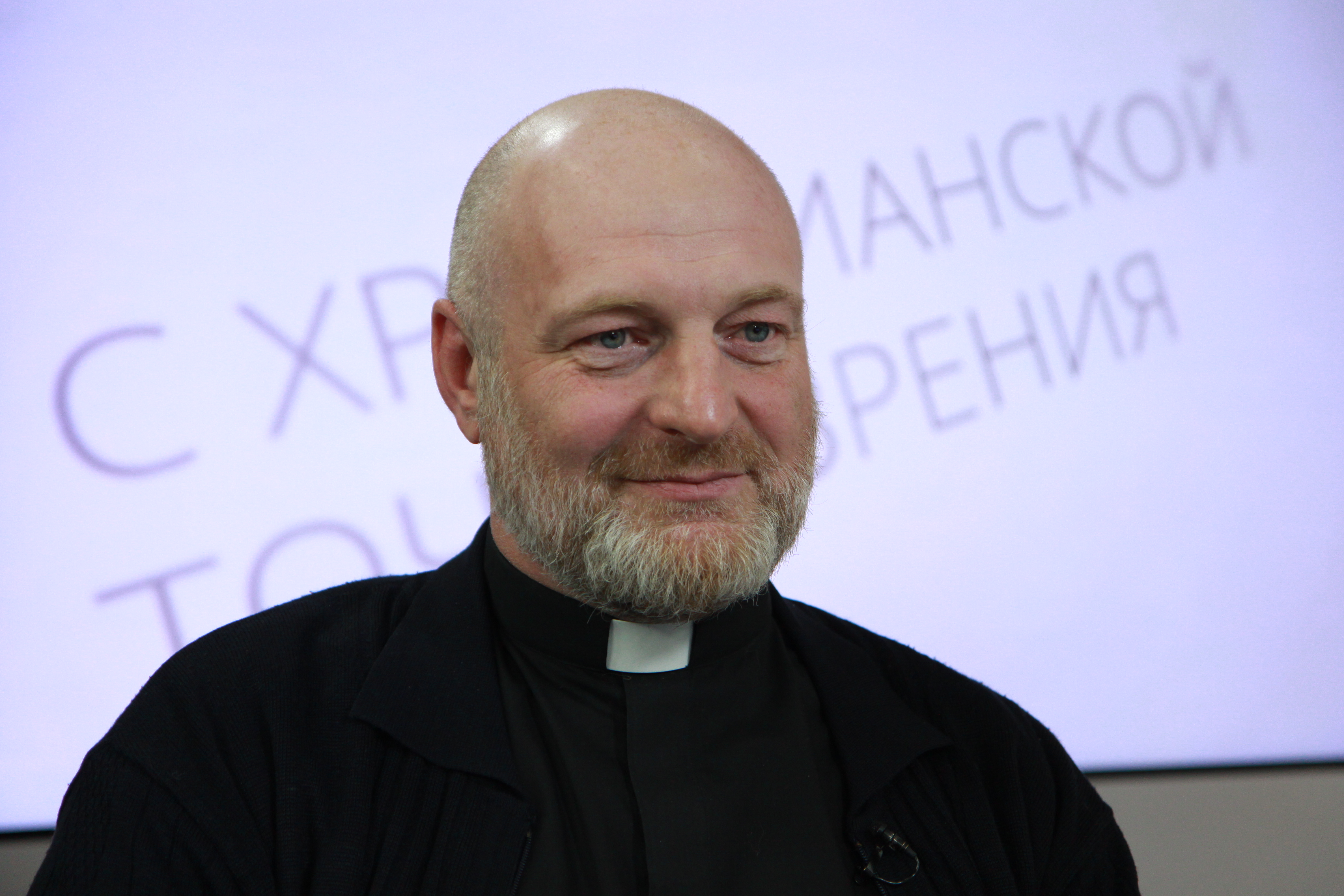
Of course, there is no need to confuse the inadvertible people with hammers or racists. This is in the application of unspoken correlation only to the name of things with their proper names, and not to incite hatred.
And democracy is not the protection of the interests of the minority, it is a social system in which the interests of all groups are coordinated in the most affordable ways so that everyone in this complex set feels satisfied. And if democracy thinks itself as an instrument of protecting the rights of some minorities, then it turns into which it often turns into Russia and in Europe, when a small group, proving its right to something, violates the rights of the majority.
Mikhail Aldashin: I will make an assumption why Hanukkah - yes, but Christmas - no. Because the war that you mentioned is a historical fact. It is more complicated with Christ, not everyone is sure that He was born, for some part of the population, this is obviously not a fact. Therefore, he was removed from the mug.
Yakov Krotov: We probably will not be able to prove the fact of Christmas ...
Political correctness in its current sense is used as a mechanism of minority dictatorship
Igor Knyazev: The main thing is that we believe in it.
Mikhail Aldashin: Regarding tolerance ... Someone leads quotes from pathologist encyclopedias: tolerance is the death of the body, since he accepts something alien and dies. In fact, this word has several meanings, one of them is quite corresponding to what is invested in it, using in the sense of a social structure: tolerance to others, to strangers, peaceful acceptance.
Yakov Krotov: Do you consider yourself a representative of the majority or minorities?
Mikhail Aldashin: In a sense, there are minorities, in some - the majority.
So you said that women need to be protected because they earn less. Almost all women whom I know earn more than me and in this sense do not really need protection. Another thing is that they probably need protection by nature as giving birth to children.
Yakov Krotov: This is sexism!
Mikhail Aldashin: I guess I'm a sexist. I believe that they must be protected, helped, pay for them and do everything that is possible, since they continue the human race. If we knew how to give birth, this could be reduced from accounts, but since we do not know how, we must protect these fragile devices for the birth of new people.
No need to confuse unspoken people with hammers or racists
Igor Knyazev: I completely agree! I am for women!
Mikhail Aldashin: They should not abuse this, here you need to find the right border.
Yakov Krotov: The story of Christmas in the most detailed form is located in the Gospel of Luke. And it differs, among other things, from the story of Christmas at the Evangelist Matthew, hymns that are invested in the mouth of Zachariah , Elizabeth, Maria, the elder Semion. These hymns are symmetrical with the inspired speeches of the apostles during the Pentecost. That is, to be a believer in Christ means to say - this is the thought of the evangelist Luke. In pursuance of what Jesus himself said, that the Holy Spirit will not be here and not there, but you will say, as promised by the prophet - anyone, not like the high priest in a year in the temple will say in inspiration, but that’s it!
I am trying to explain what is the specifics of the Christian understanding of Christmas. Not that Christ was born, but that the ability to speak is born in a person. If he is an unbeliever, like Zachariah, then he becomes deaf and deaf.
Mikhail Aldashin: Is there nothing about the ability to think?
Yakov Krotov: If a person is deaf -mute, and from birth, then a qualitative difference between him and us. This can be compensated, but he still thinks differently. If a person is deprived of a word, then he will think differently, and this is the struggle for freedom of speech and the protection of minorities. And if a person sits in the classroom alone, and there is a crucifix in the class, and he is from a Jewish family, or he is an atheist, and he is unpleasant to see what he considers fantasy, we must respect him?
Igor Knyazev: Of course, we must build a Jewish school so that they can calmly study there without any crucifixes.
Being a believer in Christ means talking - this is the thought of the evangelist Luke
Yakov Krotov: This is called a ghetto!
Igor Knyazev: I think there will be a lot of people who want to study there and from Christian families. We begin to find out: is it permissible to infringe on the rights of some people to give the right to others? Вот государство, демократия, институты общества существуют как раз для того, чтобы искать сложные решения. Человек голосует, платит налоги, и общество не вправе требовать от него сложных решений. Он свои потребности выражает просто, он говорит "хочу Рождество" или "не хочу Рождество", или еще что-то. А вот политики, которых он избирает, и власть, работу которой он оплачивает, как раз должны являться специалистами по поиску сложных решений – как реализовать права этой группы меньшинства, не ущемляя прав большинства.
Простое решение очень легкое. Сейчас идет просто эпидемия признаний людей неопределенного пола, и чтобы не ущемлять права этой маленькой группки, во Франции, по-моему, в свидетельстве о рождении уже пишут "родитель 1" и родитель 2", потому что слова "мать" и "отец" уже неполиткорректны.
Яков Кротов: А что бы мы написали в свидетельстве о рождении Господа Иисуса Христа?
Игорь Князев: Став совершеннолетним, он был записан как сын Иосифа и стал платить налоги, никакой проблемы не было. Там было две переписи.
Яков Кротов: Но это вопрос, был ли он записан как сын Иосифа…
Михаил Алдашин: Иосиф вряд ли признал отцовство…
Надо построить еврейскую школу, чтобы там спокойно учились без всяких распятий
Игорь Князев: Нет, он публично признал.
Михаил Алдашин: Как верующие вы не должны задаваться таким вопросом. Он слишком бытовой. Зачем это знать?
Яков Кротов: Вот поэтому человек – агностик или атеист. А я как верующий скажу, что только на неудобные вопросы и надо искать ответы.
Игорь Князев: И надо искать сложные ответы.
Яков Кротов: Но Дух Святой – это родитель номер один или родитель номер два?
Михаил Алдашин: Я видел в музее шикарную украинскую икону, немного наивную. Там папа и сын стоят, обнявшись, а над ними летит голубок, и он нарисован с хвостика, и под хвостиком – попка. А вот у Духа Святого была попка или нет? Тоже вопрос…
Яков Кротов: Каким образом моя вера и ваша вера, владыка Игорь, означает право московской мэрии устраивать каток и спектакль "Посмотрите, кто родился"? Каким образом вера в распятого и воскресшего Спасителя сочетается с тем, что кто-то - швырк-швырк коньками по льду? Моя вера означает, что я становлюсь на колени и вспоминаю распятие, Тайную вечерю, молюсь. Где тут место ледовому балету? Это вера! Она не может выходить на государственное пространство, с точки зрения верующего. С точки зрения агностика, как я понимаю, пускай выходит.
А вот у Духа Святого была попка или нет? Тоже вопрос…
Михаил Алдашин: Есть праздник, есть народ, он скученно живет в рамках города, и ему надо куда-то девать энергию. Он выпил и хочет выбежать поголосить. Государство ограждает каточек, чтоб он мог голосить там и бить нос в рамках этого конкретного катка. Может оно таким образом защищать нас, неверующих, от вас, верующих? (laughs)
Игорь Князев: Вот тут государство выступает как родитель в среднем роде.
Яков Кротов: Еще можно назвать это словом "патернализм".
Игорь Князев: Да, заботится, чтобы не бились, где попало. А тут и "скорая помощь", и туалет, и все под надзором…
Каким образом моя вера означает право московской мэрии устраивать каток и спектакль "Посмотрите, кто родился"?
Яков Кротов: В праздник Рождества мы празднуем то, что я из ребенка становлюсь полноценным человеком благодаря вере в сошедший Дух Божий. А вместо этого праздника взрослости Рождество становится праздником торжествующего инфантилизма, когда власть определяет, кто где будет праздновать?
Игорь Князев: Ну, Рождество у нас празднуется не только на катке.
Михаил Алдашин: Да, есть же внутри сам праздник, о котором вы говорите, и высокая культура внутренней организации. А есть низовая часть праздника, потому что люди все равно едят, ходят в туалет, и им надо куда-то деваться. Есть трезвая, практическая сторона жизни, и я ее никак не связываю с тем, о чем вы говорите. Раньше это не праздновали, это не было разрешено, и люди сходились потихоньку. Хотя я неверующий, я тоже ходил на Рождество в церковь. А дети что же? Им нужен каток, им надо по-своему, по-детски отпраздновать, проявить радость.
Игорь Князев: Да, и вы сами же затронули вопрос, имеет ли общество в публичном пространстве право передавать ценности новому поколению. Оппоненты убеждают нас, что религия есть исключительно частное дело, и передача религиозных смыслов должна происходить только в частном пространстве. Вот у себя в квартире вы читайте Библию и так далее, а в публичном пространстве распятие и попа в рясе запретить, потому что это навязывание… Я категорически не согласен с такой позицией.
В нашем обществе есть огромный культурный пласт, связанный с христианством
Когда я впервые попал в США, изучал деятельность средней школы, образование на юге страны, первый мой вопрос был: "Скажите, а священник может прийти в школу?" Они сказали: "Конечно, может! А что может этому помешать? Нужно позвонить и сказать, что он хочет прийти. Мы повесим объявление. Он придет". То есть смысл в том, что никто не будет собирать для него учеников, просто повесят объявление, что придет такой-то священник, будет в таком-то классе в два часа - желающие приходите. Никто не будет загонять туда учеников, но никому не придет в голову остановить его на пороге школы и сказать: "Вам воспрещается!"
Михаил Алдашин: Но если он будет плохо себя вести, его туда больше просто не пустят.
Игорь Князев: Совершенно верно. Так что в нашем обществе есть огромный культурный пласт, связанный с христианством. Через какие-то механизмы эти смыслы передаются другим людям – через художественные произведения, через прекрасные мультфильмы, фильмы и так далее. Это замечательно, это и нужно делать! В нашем случае это делается через каток - не знаю, хорошо это или плохо.
Михаил Алдашин: Есть много чего, кроме катка: и ярмарки, и другие вещи.
Я не хочу обидеть ни одного Бога
Я расскажу историю из жизни одного путешественника, которая произошла в Дагестане. Там у людей очень перемешенные религиозные представления, как и в Москве; там в небольших городках или поселениях есть и синагога, и церковь, и мечеть. И этот путешествующий человек увидел, что одни и те же люди ходят во все эти заведения, и спросил у одного дагестанца: "Почему ты утром идешь в мечеть, днем в православную церковь, а вечером в синагогу?" И тот ответил: "Я не хочу обидеть ни одного Бога".
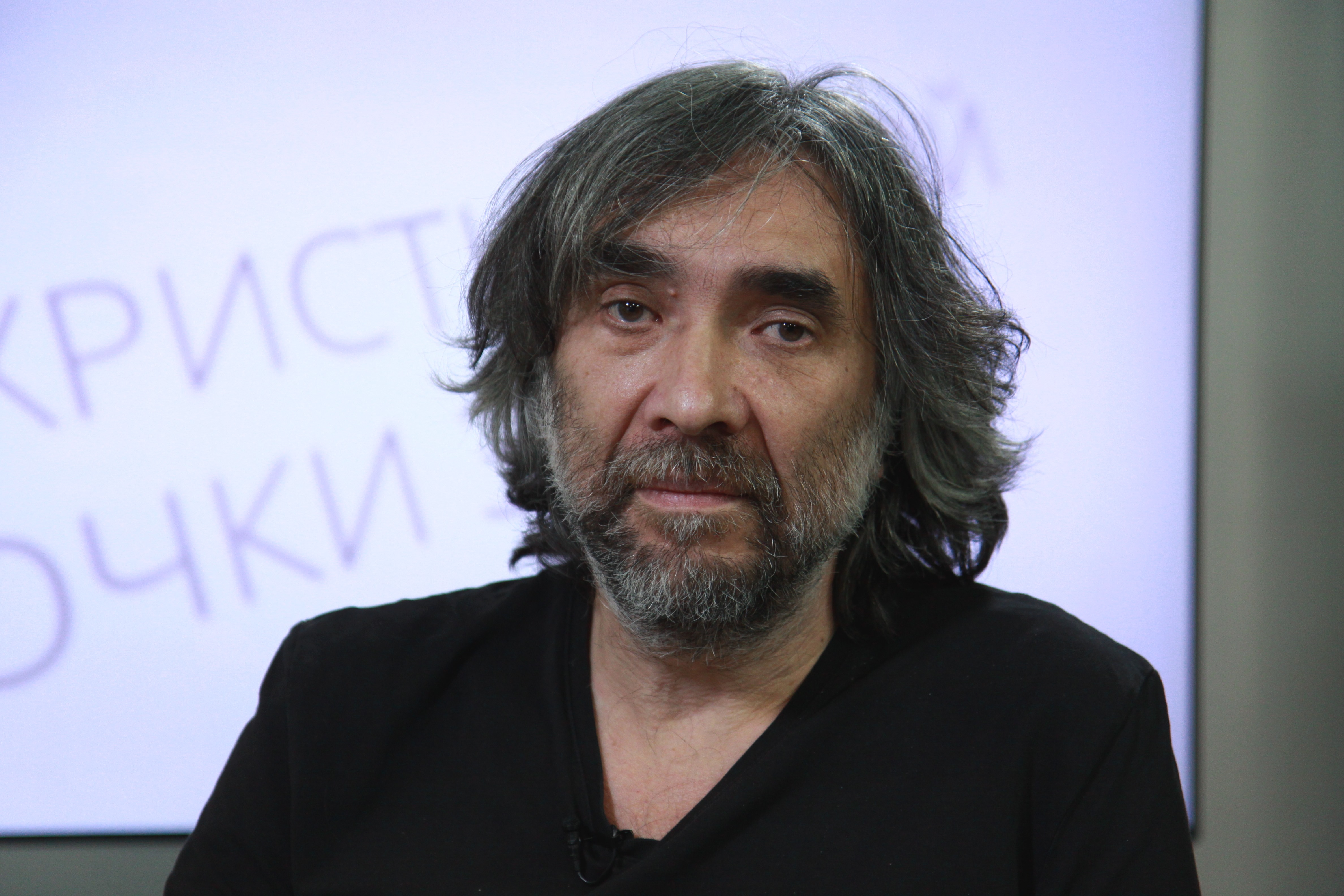
Мне кажется, что власть должна так и относиться к этим институциям, чтобы не обидеть ни одного Бога, чтобы они мирно сосуществовали. Я понимаю, что есть конкуренция за паству, есть свои мотивы, кроме высоких духовных, но должно быть примерно так.
Яков Кротов: В Америке вопрос празднования Рождества на уровне муниципального финансирования праздника обсуждался Верховным судом в 1984 году. И именно тогда было разрешено тратить государственные деньги на Рождество, "если праздник имеет легитимные секулярные цели". Формулировка очень тонкая, потому что разделение Церкви и государства, которое заложено в американской Конституции, не означает изоляции религии.
Разделение Церкви и государства, заложенное в американской Конституции, не означает изоляции религии
В Нью-Йорке во многих школах сейчас отказываются сдавать помещения под христианские богослужения, говоря, что в классе есть и иудеи, и мусульмане, и им неприятно будет приходить на занятия, зная, что здесь накануне молились протестанты. Там стараются держать политику нейтралитета.
Но у меня возникает вопрос: а что это у нас за вера такая, что она передается через каток, через общественные институции? Я опять вспоминаю Луку – "вера от Духа Божьего". Что от Духа Божьего в елке? Что от Духа Божьего в праздновании Рождества через все эти устроенные государством праздники? Где здесь свидетельство о вере? Это не механизм передачи веры, а механизм передачи ханжества, формализма, имитации веры! Вот Владимир Ильич Ленин вырос в этих культурных механизмах, а потом - хрясь их об коленку! И он ответил бы вам весной 1918 года, если бы вы вышли в крестном ходе: общество имеет право передавать свои ценности, и у нас сейчас коммунистические ценности, диктатура пролетариата. А вы будете теперь говорить – диктатура христианства, диктатура верующих?
Игорь Князев: Насколько я помню содержание американской Конституции, там нет фразы о том, что Церковь отделена от государства. Кроме российского законодательства, ее вообще нигде нет. Американская Конституция говорит, что Церковь и государство процветают независимо от друг от друга, оказывая заботу каждый о своем.
Что от Духа Божьего в елке?
Яков Кротов: Там ключевой фразой является запрет государственного финансирования.
Игорь Князев: Да, но вот потрясающая фраза об отделении Церкви от государства и школы от Церкви – это содержание декрета партии большевиков, который был принят в 1918 году. Именно оттуда все это тянется уже скоро сто лет как.
Яков Кротов: А на ваш взгляд, все, что сделал Ленин, плохо?
Игорь Князев: Я был бы рад порадоваться чему-то сделанному Лениным, но не знаю тому примеров. Я родился в советское время и с Рождеством столкнулся при коммунизме, когда его категорически нельзя было праздновать. Ну, можно было, но вас бы поймал, посадил в автобус и повез на собеседование оперативный комсомольский отряд.
Нельзя разделить налогоплательщика и христианина, это одно и то же лицо
Безусловно, попытки разделить веру, общество, религию, гражданина и так далее можно предпринимать в научном споре. Но жизнь общества цельная, нельзя разделить налогоплательщика и христианина, это одно и то же лицо. И, безусловно, культурные, семейные и прочие традиции определяются религией.
Михаил Алдашин: Я как раз подумал, что нет ярко выраженного атеистического, антирелигиозного праздника. Вот религиозные есть, а не религиозных нет, и тут, скорее, давно ущемляются права неверующих людей. Это ярко демонстрируют суды и стояние с хоругвями на выставках религиозных активистов.
Мне кажется, любые крайности нехороши. И церкви громить нельзя, и застраивать ими каждый переулок тоже нет необходимости.
Яков Кротов: А что в данном контексте значит слово "право"? Я не чувствую, что моя вера рождает в публичном пространстве какое-то право для этой веры. Если я перееду в какую-нибудь языческую страну типа Афганистана, я привезу с собой право быть побитым за то, что я христианин, хожу в рясе, с крестом… Разве ваше неверие обязательно рождает какое-то право, кроме свободы не ходить в церковь и не платить за то, что другие ходят в церковь?
И церкви громить нельзя, и застраивать ими каждый переулок тоже нет необходимости
Михаил Алдашин: Я об этом и говорю. И я считаю, что нельзя навязывать детям, чтобы приходили конкретные священники преподавать конкретную веру, а другие не ходили бы. Или тогда уже пусть все ходят, или преподают, как у нас в институте, научный атеизм, где рассказывали обо всех религиях, начиная с язычества, чтобы просто знать обо всем. Запрета на знание, на веру не должно быть, но при этом я не хочу, чтобы мне что-то навязывали.
Яков Кротов: А что вы вкладываете в понятие навязывания? Вот в Америке в суде висят таблицы с десятью заповедями, и атеисты периодически подают иски с требованием их снять. Или там существует присяга на Библии. А у нас уже в 1906 году появился чудный рассказ Андреева о проститутке, которая отказалась присягать на Евангелии, потому что она не имеет права прикасаться к священной книге. И там весь суд впал в ступор, потому что все неверующие без вопросов кладут руку, а она верующая, и она проститутка с билетом. Вы этого хотите, владыка Игорь?
Игорь Князев: Мы много говорим о Европе, об Америке, но должны думать, прежде всего, о нашей стране.
Яков Кротов: Это вы говорите о той стране, где к 1960 году оставалось шесть тысяч храмов, и никто не требовал их возвращения?
Игорь Князев: Да, и обещали последнего попа показать по телевизору. Если сильно упростить понимание, то общество избирает политика и платит большие деньги для решения сложных вопросов политического устройства. Но в любой стране политический класс не хочет работать и всегда предлагает избирателям простые решения, а этого нельзя допускать. Избиратели должны заставлять работать наш политический класс.
Избиратели должны заставлять работать наш политический класс
Что происходит в России? Вот вы правильно сказали: либо надо разрешить всем ходить, либо пусть никто не ходит в школу. А как определить этих "всех"? Наше государство устроило совершенно людоедскую процедуру регистрации религиозных организаций в Минюсте, она занимает от шести до девяти месяцев, и даже до полутора лет – регистрация одного прихода из десяти человек. Но если вы устроили такое и выдали мне эту лягушачью бумагу, наверное, я могу туда ходить. Давайте найдем какой-то общественный механизм с участием всех людей, который определит, кто все-таки эти "все", которые могут...
Михаил Алдашин: Я говорю о возможности даже не кому-то ходить в школу, а просто собираться. Сейчас закон так устроен, что просто собраться дома и почитать какую-то святую книжку уже нельзя, потому что это религиозное собрание, которое должно быть зарегистрировано. Это уже совсем маразм!
Игорь Князев: Совершенно верно. Вот если я забуду удостоверение с печатью, что я священник, и начну что-то рассказывать своему соседу в электричке, меня вполне можно арестовать и наказать.
Яков Кротов: Может, это надо делать на лбу?
Игорь Князев: Да, татуировочку… Я думаю, мы от этого уже недалеко. Я недавно прочитал один замечательный документ. В Санкт-Петербурге какой-то бравый подполковник пишет в местную религиозную организацию: "В целях обеспечения безопасности предоставьте сведения о вашей организации, имена, фамилии, домашние адреса, источники…" Так что следующим шагом будет предложение пришить соответствующий нагрудный знак, чтобы полиция могла обеспечить нашу безопасность в публичных местах.
Яков Кротов: Учитывая, что Господь Иисус Христос родился с пятым пунктом, мы с вами, наверное, будем носить шестиконечные звезды и крест?
Игорь Князев: Да, сразу в одном коллаже. (laughs)
Яков Кротов: На груди – крест, а на спине – шестиконечную звезду. Так может быть, вместо того чтобы пытаться составить исчерпывающий список, кому можно в школу, а кому нельзя, товарища полковника освободить от этой тяжелой работы - передачи религиозных традиций - и вообще убрать религиозную тему, строительные программы храмов, и пусть каждый лично платит деньги за свою веру?
Михаил Алдашин: Я согласен! Кроме катков. Катки пусть идут за счет казны. (смеются) Дети хотят кататься, но не могут скинуться на каток.
Яков Кротов: А дети не могут кататься без религиозных обоснований?
Сейчас закон так устроен, что нельзя просто собраться дома и почитать какую-то святую книжку. Это уже совсем маразм!
Михаил Алдашин: Могут. Но эти обоснования не очень дорого стоят - это просто выложенное лампочками слово "Рождество", и все.
Яков Кротов: А если там половина детей – узбеки и таджики, что для Москвы вполне реально, им будет приятно кататься на катке с надписью "Рождество"?
Михаил Алдашин: Ну, они в свой праздник перекрывают Проспект Мира и близлежащие улицы и весьма обширно его празднуют.
Яков Кротов: А вы понимаете, почему они перекрывают Проспект Мира?
Игорь Князев: Потому что их много.
Яков Кротов: А много их там потому, что в Москве запрещено строить мечети! В Америке это не проблема – накопилось две тысячи мусульман, и они строят мечеть. А в Москве это просто запрещено. Не стыдно ли христианину бесплатно получать здание, в то время как мусульманам запрещено построить его за свой счет?
Михаил Алдашин: Я думаю, проблема глубже. В Австралии другой модуль: они просто декларативно заявили, что тот, кто сюда приезжает, будьте любезны привыкать к нашим правилам и не лезьте со своими, а кто не хочет, до свидания. Это решили нынешние граждане австралийского государства.
Было бы идеально, чтобы каждый платил за то, чего он хочет
Игорь Князев: Я думаю, было бы идеально, чтобы каждый платил за то, чего он хочет. В идеале каждый человек должен платить церковный налог, определять сумму своего финансирования и то, в какую конфессию, на какие благотворительные проекты он ее пожертвует. Сейчас мы живем в состоянии жуткого перекоса, когда государство напрямую руководит религией. В последней методичке, которую разослали чиновникам, написали "правильные" религиозные организации, и теперь постовой милиционер будет руководствоваться тем, кто там перечислен "правильными", а если вас там нет, то к вам вопросы. Оптимальная модель - когда в обществе каждый гражданин голосует рублем и направляет свои налоги на такое празднование, которое соответствует его религиозным, политическим и эстетическим представлениям о празднике.
Михаил Алдашин: Я вынужден согласиться. Я плачу налоги, и мне тоже не очень нравится, как ими распоряжаются. Но я не знаю, как на это повлиять. Ну, про выборы мы и так все знаем…
Яков Кротов: А молитвой и постом не пробовали?
Михаил Алдашин: Недеянием.
Яков Кротов: Хорошо, молитву и пост обеспечим мы с владыкой Игорем.
-
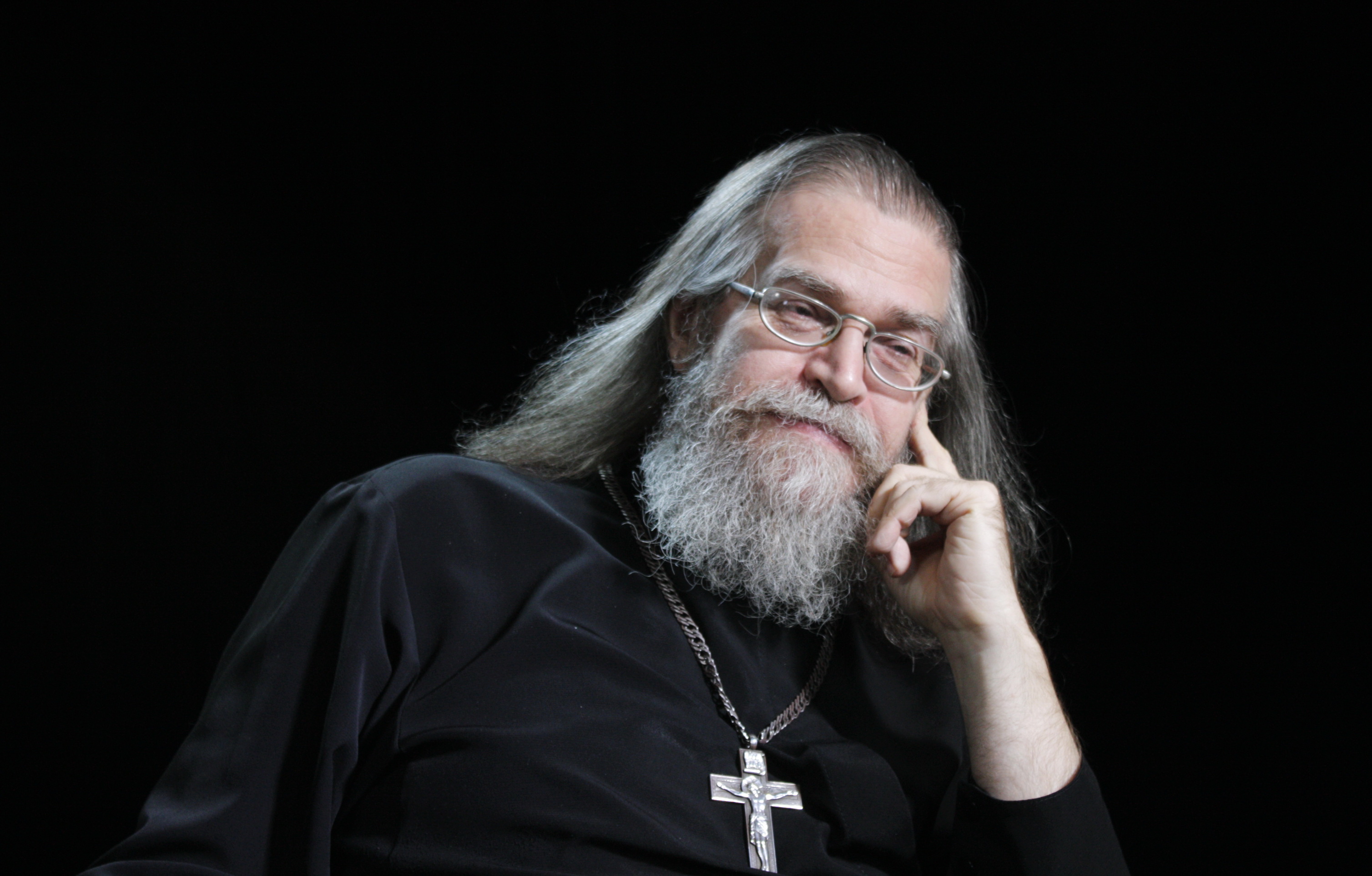

Yakov Krotov
Historian and priest, leading Radio Freedom Radio "Between Vera and Belief"
ykrotov@yahoo.com