
Translated material
Russian field of experiments
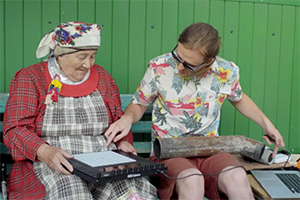
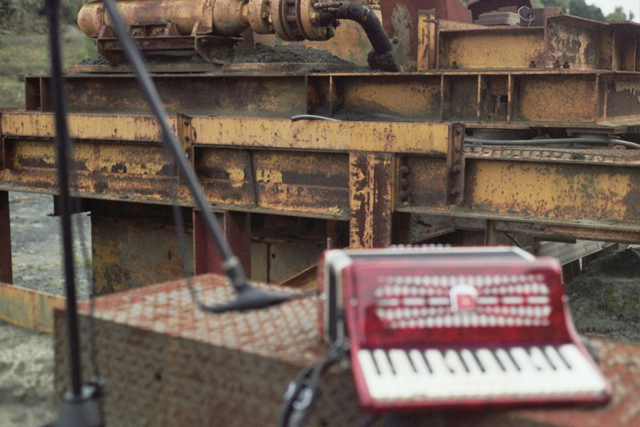 © Dan Lyth . . .
Modern pop music and practice Field Recording , or Field records , have one common ancestor. This is the phonograph of Thomas Alva Edison - the first device for recording sound, which appeared in 1877. The beloved invention of the great American is the ancestor of vinyl players, MP3 players and voice recorders used by musicians, journalists and ethnographers.
The first record that laid the foundation for the long history of Field Recording is considered a wax cylinder with a chin chin, recorded in 1889 by the young Ludwig Koch, who later became an outstanding German biologist, documenting the life of wild nature in the sound. The youth Field Recording took place in science: the scientists armed with bulky and heavy voice recorders went on travel and expeditions to bring back the audio recording of animal votes, singing exotic birds and chants of distant tribes. Many of them are invaluable, since there are no more birds or those tribes left.
The invasion of “field records” in musical culture begins in the second half of the 20th century. In the early 1940s, the French engineer, journalist and radio, Pierre Sheffer formulates the idea of Musique Concrete -new music, where all the sounds surrounding a person, people and cars become notes, and the composer is a studio sound engineer who can mount this chaos in a sound history. However, attempts to combine the real world with the world of art were made earlier. Since the time of the avant-garde of the 1920s, composers tried to convey the sound of the industrial world with the help of symphonic orchestras, reinforced with craxons, printed machines, specially designed by noise machines and even boots of factories. The first significant opuses in the then-existing Musique Concrete genre were made by the German filmmaker Walter Rottman in the late 1920s .
In the 1950s and 1960s, the line between the scientific and aesthetic value of Field Recording begins to erode. Composers and musicians are immersed in research by the world, and scientists and collectors of sound archives begin to manage the fate of world culture. Gathered by ethnologists by John and Alan Lomax, the records of declassified American folk-, jazz and blues performers turned the history of world pop culture-without them, humanity would never have recognized Maddy Waters, Woody Gatrine, Bob Dylan, Leonard Cohen and all modern indie bards. After the Field Recording technician fell into the pop culture tools along with the famous plates The Beatles and Pink Floyd , its presence can be found in musical works of various genres. It is used by recognized studio professionals crowned with Grammy Awards, and young musicians who have just launched their experiments in the Garage Band program.
Further-five modern Russian musicians who use the Field Recording technique, but for different purposes and completely different.